Understanding the Limitations of Power Flushing Near Me
In the commercial sector, the impulse to search for power flushing near me typically occurs when terminal units such as fan coil units or radiators begin to underperform due to magnetite accumulation. Power flushing uses high-velocity pumps to dislodge sludge, but in large-scale M&E environments, this process can be prohibitively disruptive and often fails to address the root cause of corrosion. For a building services consultant, the focus should extend beyond the immediate flush towards long-term system stabilisation. Manual flushing alone cannot guarantee the system remains within the tight suspended solids limits required by BS 8552, especially in complexes with high water volumes.
While professional contractors providing power flushing near me can clear a significant percentage of debris, they frequently introduce fresh, oxygenated water into the system during the process. This fresh water triggers a new cycle of oxidation unless it is immediately treated and filtered. In modern commercial HVAC systems, the sheer pipework diameter and complexity mean that dead legs are often missed by standard flushing velocities. Consequently, the temporary relief provided by a local power flush is often short-lived, with magnetite levels returning to critical thresholds within months. This cycle increases operational expenditure and places undue stress on the secondary heating equipment.
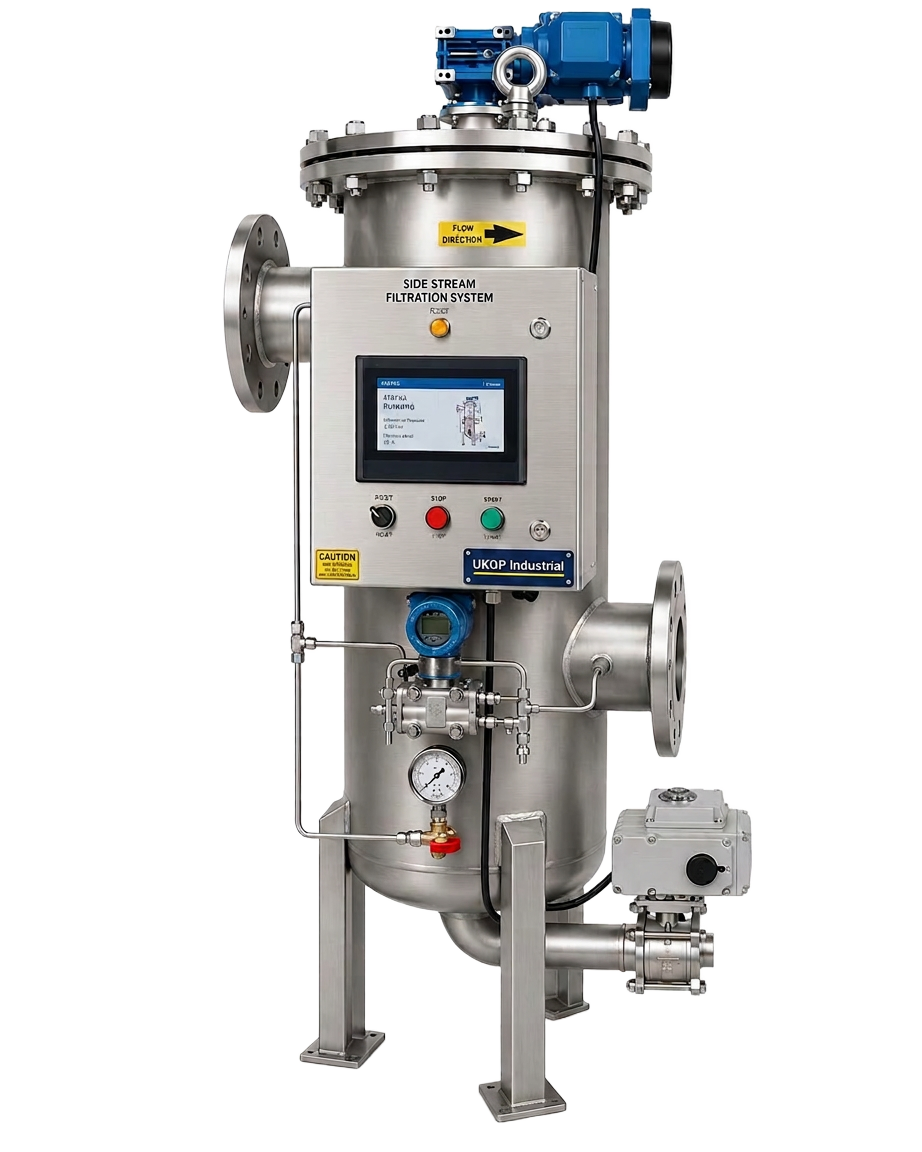
The primary issue with relying solely on periodic power flushing is the sheer labour cost and downtime involved for the facility. A commercial power flush requires isolating large sections of the building, which is rarely practical in occupied offices or healthcare environments. Instead of searching for power flushing near me every few years, savvy engineers are now looking at skid-mounted filtration solutions. By installing a high-integrity side stream filtration unit, the system undergoes a continuous 'cleaning' process that removes both magnetic and non-magnetic particles down to 25 microns without any operational downtime or the need for repeated high-velocity flushing sequences.
- Incomplete debris removal from large-bore pipework and dead legs
- Risk of oxygen ingress from fresh fill water during the flush
- High labour costs and significant disruption to building occupants
- Failure to meet BSRIA BG50 standards for ongoing water cleanliness
BSRIA BG29 and BG50 Compliance Strategy
Maintaining water quality in line with BSRIA BG29 (Pre-commission cleaning) and BG50 (Water treatment for closed heating and cooling systems) is the gold standard for UK plant rooms. While practitioners of power flushing near me might solve a temporary blockage, these standards emphasise the necessity of continuous monitoring and proactive filtration. BG50 specifically highlights that poor water quality is the leading cause of premature failure in heat exchangers and control valves. Without a permanent filtration strategy, the aggressive nature of a power flush may even exacerbate internal pitting if chemical inhibitors are not precisely balanced immediately after the work is completed.
For M&E contractors, the goal is to move beyond the local search for power flushing near me and implement a system that self-regulates suspended solids. Continuous filtration helps maintain the protective magnetite film on steel pipework while preventing the 'sludge' that forces an emergency flush. When designing a plant room, incorporating a side stream filter is no longer optional but a central pillar of the 'maintenance by design' philosophy. This ensures that the system water remains within the conductivity and iron content parameters specified by CIBSE, protecting the investment of the business and ensuring the longevity of high-efficiency commercial boilers.
The secondary benefit of adhering to BSRIA guidelines via permanent filtration rather than reactive flushing is the data consistency it provides. Regular water sampling (as per BS 8552) will show a steady decline in iron levels once a side stream skid is commissioned. This is far more attractive to insurance providers and asset owners than a erratic record of emergency flushes. By opting for a UKGP side stream filtration skid, which is fully BSRIA BG29/BG50 aligned, site teams can rest assured that their water quality is being managed by a high-grade 5-50 m3/h unit that combines magnetic separation with fine cartridge filtration.
- Ensures long-term compliance with BSRIA BG50 maintenance standards
- Reduces iron content and conductivity to prevent galvanic corrosion
- Provides a verifiable audit trail for building insurance and warranty
- Supports the protective magnetite layer on internal pipework surfaces
Protecting Assets from Plate Heat Exchanger Fouling
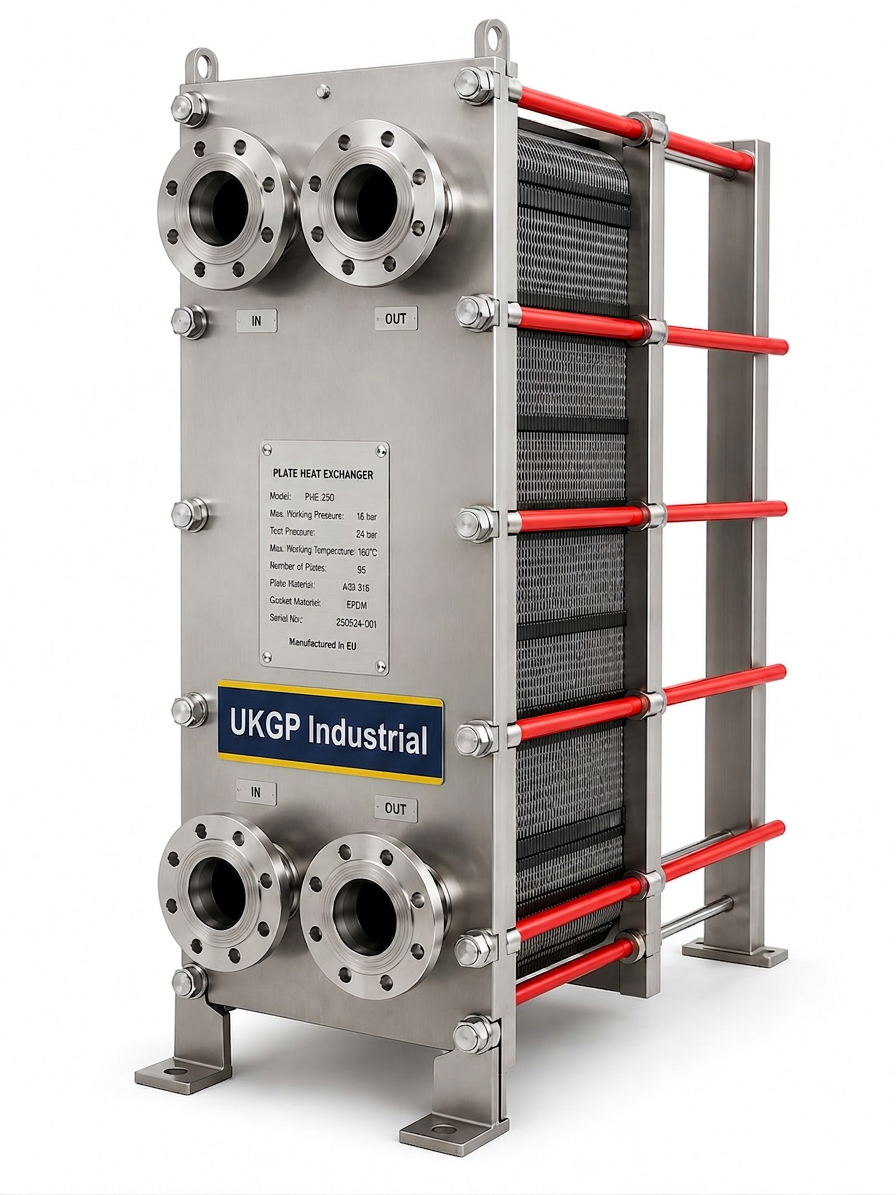
In systems where a primary boiler circuit is separated from the building load via a plate heat exchanger, the risks associated with poor water quality are magnified. When a contractor is called for power flushing near me, the heat exchanger is often the first component to suffer from restricted flow. Fine particulate matter and magnetite settle within the narrow channels of the plates, causing a rapid increase in pressure drop and a significant loss in thermal efficiency. Even a minor layer of scaling or silt can increase energy consumption by up to 10%, leading to higher utility bills for the commercial tenant.
Installing a UKGP plate heat exchanger alongside a robust filtration strategy is the most effective way to ensure heat transfer remains optimal. However, if the water quality on the secondary side is not managed through a side stream skid, even the highest quality heat exchanger will eventually fail. The debris that necessitates power flushing near me acts as an abrasive, wearing down the plate gaskets and causing internal cross-contamination. By filtering the water before it reaches these precision-engineered surfaces, the maintenance interval for gasket replacement and chemical cleaning is significantly extended, saving the client thousands in capital expenditure.
Furthermore, modern high-efficiency heat exchangers are designed with much smaller tolerances than their predecessors. This means that a standard coarse strainer is no longer sufficient to protect the plant. When the search for power flushing near me identifies a build-up of sludge, it is usually an indicator that the strainers have been bypassed or overwhelmed. Integrating a dedicated side stream filter into the secondary loop ensures that 25-micron particles are captured before they can lodge themselves in the heat exchanger plates. This proactive approach is the hallmark of a responsibly managed commercial HVAC system, ensuring peak performance year-round.
- Prevents narrow channel blockages in high-efficiency heat exchangers
- Reduces pressure drops and maintains design thermal transfer rates
- Extends the service life of plate gaskets and internal surfaces
- Lowers energy consumption by preventing insulating sludge layers
Cost Analysis: Power Flushing vs Side Stream Filtration
When procurement leads evaluate the cost of power flushing near me, they often overlook the hidden expenses of system downtime and chemical disposal. A single commercial power flush can cost thousands of pounds in labour alone, with no guarantee that the problem won't recur within twelve months. In contrast, the capital investment of a UKGP side stream filtration skid is anised over several years, during which time it eliminates the need for emergency flushing entirely. The operational cost is limited to periodic bag or cartridge changes, which can be performed by on-site FM staff without shutting down the heating system.
From a commercial perspective, the ROI on continuous filtration is undeniable. By removing the debris that leads to the search for power flushing near me, the system experiences fewer pump failures and control valve sticking. This translates to fewer call-out charges and less time spent troubleshooting hydraulic imbalances. Furthermore, a clean system is an efficient system; the reduction in fuel usage alone often pays for the filtration skid within the first 18 to 24 months of operation. This makes side stream filtration a 'no-brainer' for FMs looking to reduce their carbon footprint and operational budget simultaneously.
UKGP provides skids ranging from 5 to 50 m3/h, ensuring there is a correctly sized solution for every plant room from small office blocks to sprawling industrial complexes. These units arrive skid-mounted with isolation valves, ready for rapid integration. Unlike the temporary setup required for power flushing near me, these skids are permanent assets that add value to the building. With a 2-year warranty included, the long-term financial risk is negligible compared to the recurring costs of reactive flushing and the potential for catastrophic failure in unmaintained commercial heating circuits.
- Significant reduction in annual M&S call-out and repair costs
- Elimination of building-wide shutdowns for emergency flushing
- Measurable fuel savings through improved heat transfer efficiency
- Capital expenditure protected by a comprehensive 2-year warranty
The Engineering Behind UKGP Side Stream Filtration
A typical service for power flushing near me relies on high pressure to move debris, whereas UKGP side stream filtration relies on sophisticated separation technology. Our skids utilize a powerful magnetic rod to capture fine magnetite, coupled with a high-capacity 25-micron bag or cartridge filter for non-magnetic debris like sand and scale. This dual-action approach is critical because up to 90% of suspended solids in heating systems are magnetic. By capturing these at the source, the filtration skid prevents the formation of sticky sludge that otherwise coats the heat surfaces and narrows the internal pipe diameters over time.
The versatility of the 5-50 m3/h flow rate allows engineers to specify a unit that matches the specific turnover requirements of their system volume. Ideally, a side stream filter should process the total system volume several times every 24 hours to be effective. This constant cleaning action is far superior to the high-intensity, short-duration blast of power flushing near me. It allows the chemical inhibitors—introduced through high-quality dosing pots—to work more effectively, as they are not being spent trying to passivate a system full of loose corrosion debris that is constantly circulating.
Durability and ease of maintenance are at the core of our skid design. With integrated isolation valves and a robust mounting frame, these units are built for the harsh environment of a professional plant room. When a consultant moves away from reactive searches for power flushing near me and towards UKGP equipment, they are selecting a solution that is engineered for longevity. The inclusion of a 2-year warranty reflects our confidence in the build quality and the performance of our filtration media, ensuring that the water quality remains high long after the initial commissioning phase is complete.
- Dual-stage filtration: high-strength magnets and 25-micron bags
- Scalable flow rates from 5 to 50 m3/h for diverse building loads
- Ready-to-install skid design with pre-fitted isolation valves
- Constructed for long-term reliability in demanding plant rooms
How to Specify Your Next Water Quality Solution
When moving on from the search for power flushing near me, the specification process should begin with a thorough water analysis. This identifies the concentration of suspended solids and the specific types of corrosion products present. For systems exceeding 2500 litres in volume, a side stream filtration unit is generally the most cost-effective solution. Consultants should look for units that offer easy filter media changes, as this ensures that the site FM team can maintain the unit without specialist tools or extensive training. UKGP skids are designed exactly with this operational simplicity in mind, fostering long-term compliance.
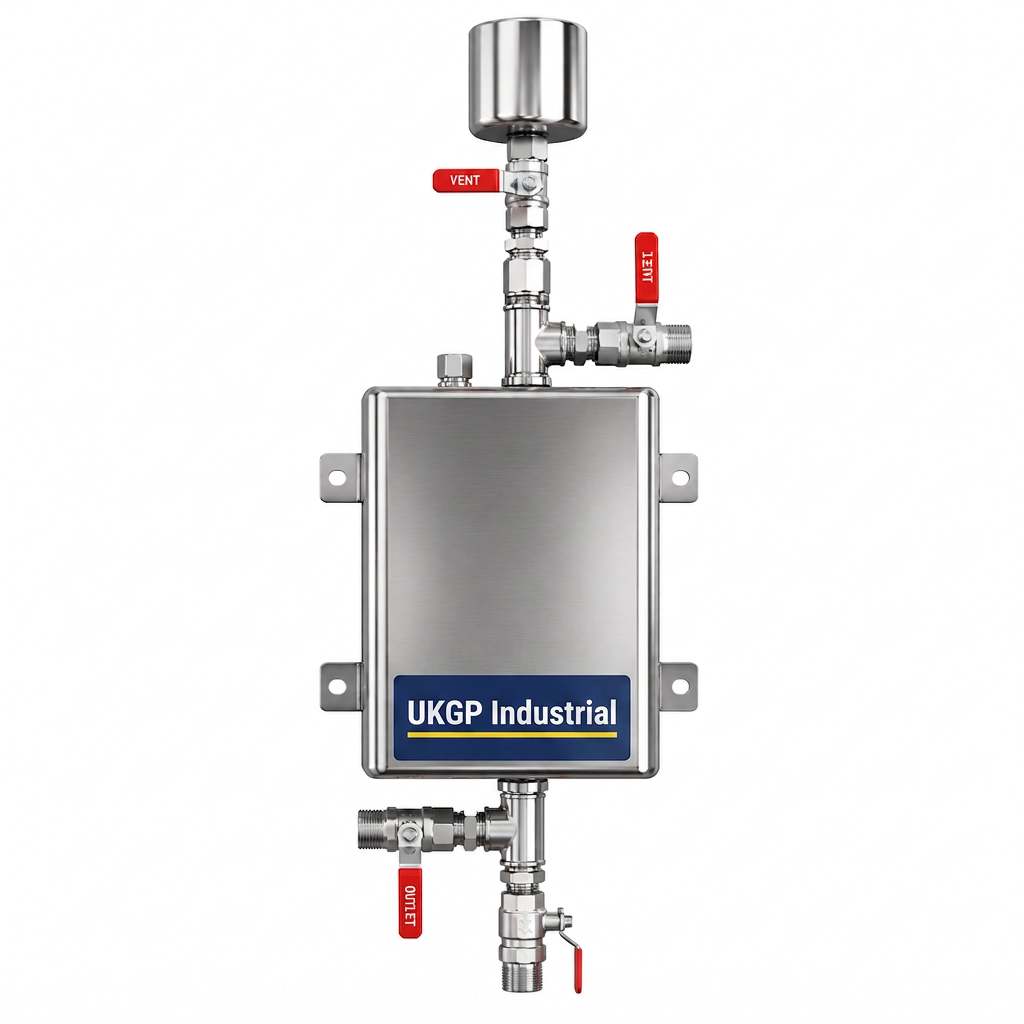
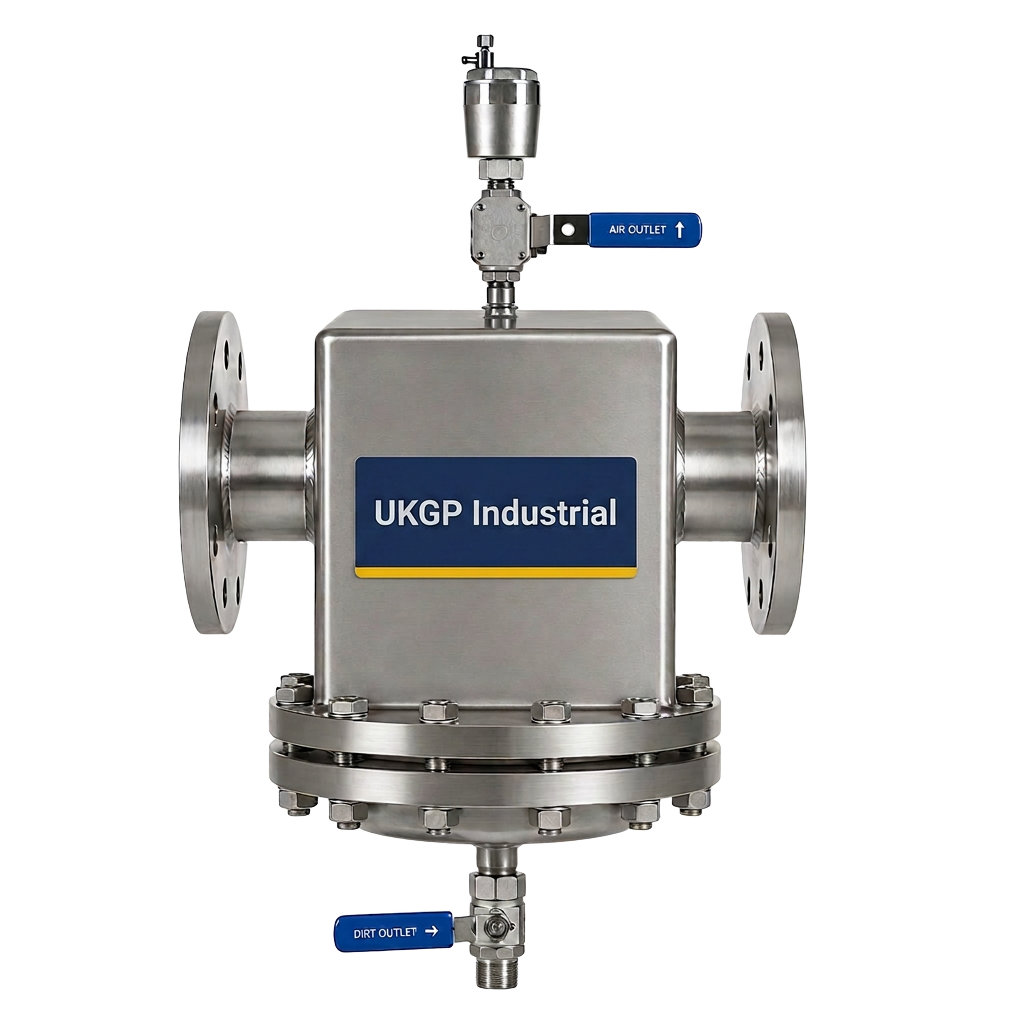
In addition to the filtration skid, consider the integration of expansion bellows and air & dirt separators to further stabilise the hydraulic environment. A system that is properly degassed and correctly pressurized will experience far less corrosion, reducing the workload on the side stream filter. While power flushing near me treats the symptoms of a poorly managed system, a holistic approach involving filtration, dosing, and air removal treats the cause. This comprehensive strategy ensures that the heating and cooling assets perform to their original design specifications for decades rather than just a few years.
Ready to upgrade your plant room and eliminate the need for reactive flushing? We invite building services consultants and contractors to contact our technical team for a custom quote on a side stream filtration skid. Our experts can help you select the ideal flow rate and explain how our BSRIA-aligned units can be integrated into your existing M&E infrastructure. Don't wait for your system to fail or for the next expensive search for power flushing near me; invest in a permanent solution today and enjoy the peace of mind that comes with guaranteed water quality performance.
- Conduct a BS 8552 water analysis to determine filtration requirements
- Specify side stream flow rates based on total system volume turnover
- Integrate skids with expansion and degassing equipment for best results
- Request a technical quote for a UKGP BSRIA-aligned filtration skid
Frequently asked questions
Is power flushing better than side stream filtration?
- Power flushing is a reactive measure to remove heavy blockages, whereas side stream filtration is a proactive, continuous process. For commercial plant rooms, filtration is superior as it maintains water quality 24/7 without the downtime, chemical disposal issues, or oxygen ingress associated with power flushing near me.
How often should I change the filters on a side stream skid?
- This depends on the initial cleanliness of the system. In the first few weeks after a search for power flushing near me results in the installation of a skid, bags may need changing weekly. Once the system is clean, changes usually occur once every 3-6 months to maintain the 25-micron standard.
Does a side stream filtration skid require a separate pump?
- UKGP filtration skids can be supplied with their own dedicated pumps to ensure the correct flow rate through the 25-micron media, or they can be installed to use the existing system differential pressure. This ensures that the filtration process does not interfere with the primary building circulation.
What is the warranty on UKGP filtration equipment?
- All our side stream filtration skids (5-50 m3/h) come with a robust 2-year warranty. This covers the skid assembly and components, providing long-term security for M&E contractors and facility owners moving away from reactive power flushing.
Are your skids compliant with BSRIA guidelines?
- Yes, our side stream filtration skids are specifically designed to help your system meet BSRIA BG29 and BG50 requirements. They are vital for maintaining low suspended solids and ensuring the long-term protection of sensitive plant room assets like heat exchangers.