The Role of Power Flushing Machines in Commercial Remediation
In the UK commercial HVAC sector, power flushing machines are often the first line of defence when restoring a neglected system to its original design parameters. These high-flow units circulate water and cleaning chemicals at high velocity but low pressure, effectively dislodging sludge, scale, and iron oxide deposits from the internal surfaces of pipework and heat exchangers. For building services consultants and plant-room engineers, understanding the mechanical lift provided by these machines is vital. While chemical dosing pots introduce inhibitors, the physical removal of solids is what truly restores thermal conductivity and prevents cold spots in large-scale radiator circuits or AHU coils. Use of these machines is a standard tactical intervention for systems showing signs of significant hydraulic imbalance or heat transfer degradation.
While power flushing machines are indispensable for intensive cleaning cycles, they represent a snapshot in time. A common mistake in facility management is assuming a single flush solves water quality issues indefinitely. Without subsequent mechanical filtration, the system remains vulnerable to ongoing corrosion. Therefore, engineers increasingly use these machines as a precursor to installing permanent side stream units. This dual approach ensures that once the initial heavy load of magnetite is purged via the flushing process, any subsequent particulate generation is captured before it can settle in plate heat exchangers or sensitive control valves. This strategy aligns with BS 8552, ensuring that water quality is monitored and maintained throughout the life cycle of the building, rather than just post-commissioning.
When specified by M&E contractors, these flushing units must be robust enough to handle the high frictional losses found in commercial buildings. Unlike domestic alternatives, commercial-grade units require high-capacity pumps to ensure the turbulent flow necessary to carry debris to the unit's integral filter. Procuring such equipment or hiring it on a project basis is a core part of any BSRIA BG29 pre-commission cleaning programme. However, the commercial reality is that the downtime required for such intensive flushing can be prohibitive in tenanted office blocks or healthcare facilities. This is why many procurement leads are shifting their focus toward high-performance side stream filtration skids that provide 24/7 cleaning without the need for system isolation or the high labour costs associated with manual flushing.
- Rapid removal of iron oxide and limescale from pipework and terminals.
- Restoration of flow rates and heat transfer efficiency in ageing systems.
- Essential for pre-commission cleaning under BSRIA BG29 standards.
- Reduces the risk of pump failure and control valve blockages.
Limitations of Power Flushing Machines vs Side Stream Filtration
While power flushing machines are powerful, they are primarily temporary tools used during commissioning or major refurbishments. They require the system to be partially or fully decommissioned, which can be a significant logistical challenge in mission-critical environments like data centres or 24-hour hospitals. Furthermore, the aggressive nature of a power flush can occasionally stress aged gaskets or expansion bellows if not managed correctly. This is where permanent side stream filtration takes over. Unlike the temporary intervention of a flush, a side stream system operates continuously during normal building occupancy, capturing debris as it is produced by standard operational wear and electrochemical corrosion. This proactive stance is often more cost-effective for FM teams managing large portfolios.
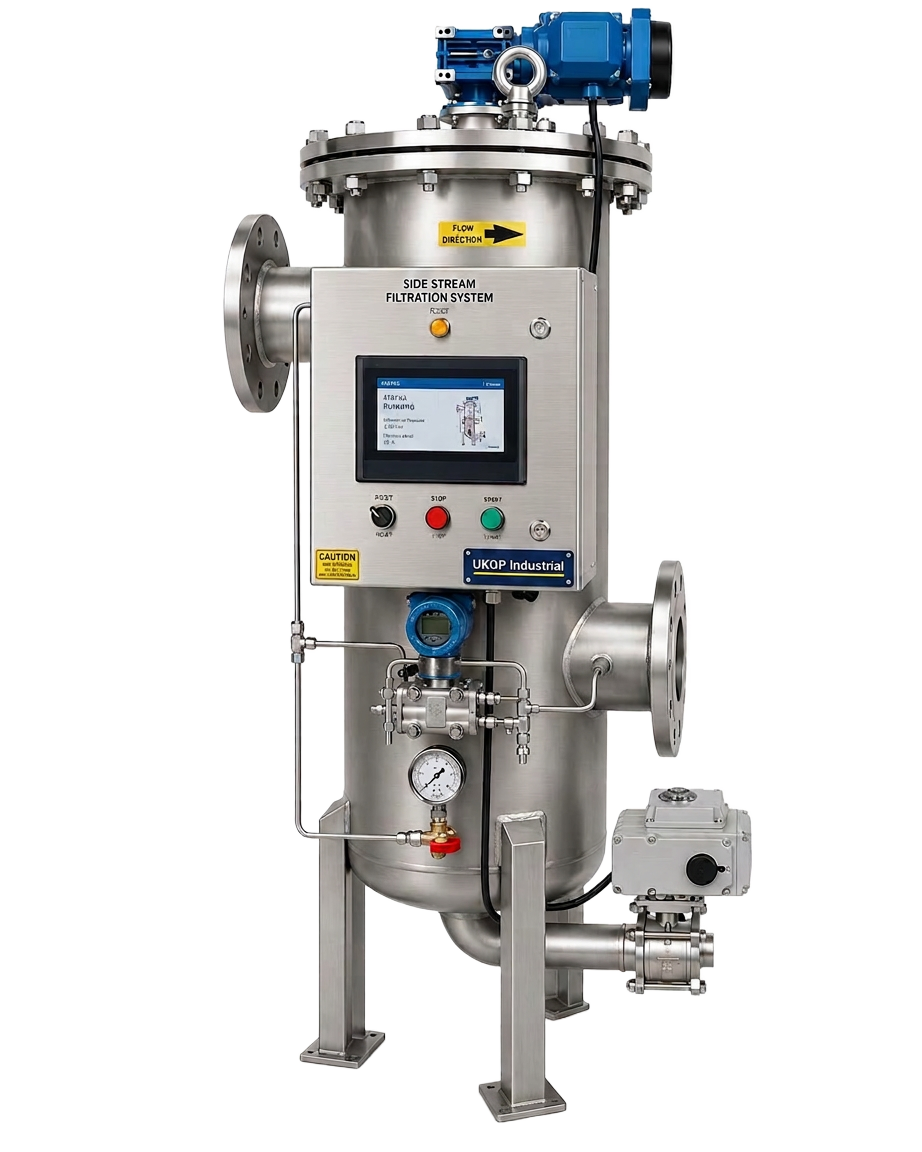
Transitioning from reactive maintenance using power flushing machines to proactive protection involves the installation of a dedicated filtration skid. UKGP side stream filtration units are designed to handle 5-50 m³/h, utilising a combination of high-intensity magnetic capture and 25 µm bag or cartridge filters. This ensures that the water quality remains within the levels mandated by BSRIA BG50 long after the initial flush is complete. For engineers, the choice isn't necessarily between one or the other, but rather how to use them in tandem. A power flush clears the 'legacy' sludge, while the side stream skid maintains the 'future' water clarity, ensuring that major UK commercial boiler OEMs see the required water conditions to honour long-term warranties.
From a commercial perspective, the capital expenditure on a permanent skid often outweighs the repeat operational expenditure of hiring specialists to bring in power flushing machines every few years. Continuous filtration reduces the frequency of chemical top-ups and prevents the accumulation of sludge in low-flow areas like low loss headers or the primary side of plate heat exchangers. By maintaining low turbidity through constant 25 µm filtration, you also significantly reduce the risk of microbiologically influenced corrosion (MIC), which thrives in the stagnant environments created by sludge deposits. For procurement leads, this significantly lowers the total cost of ownership by extending the lifespan of the entire plant-room asset list and ensuring peak energy performance.
- Continuous 25 µm filtration avoids the need for periodic system shutdowns.
- Magnetic capture pulls out sub-micron magnetite that standard flushes might miss.
- Reduced labour costs compared to frequent manual flushing interventions.
- Ensures compliance with BSRIA BG50 for closed-loop water systems.
Integrating Expansion Bellows and Air Separation
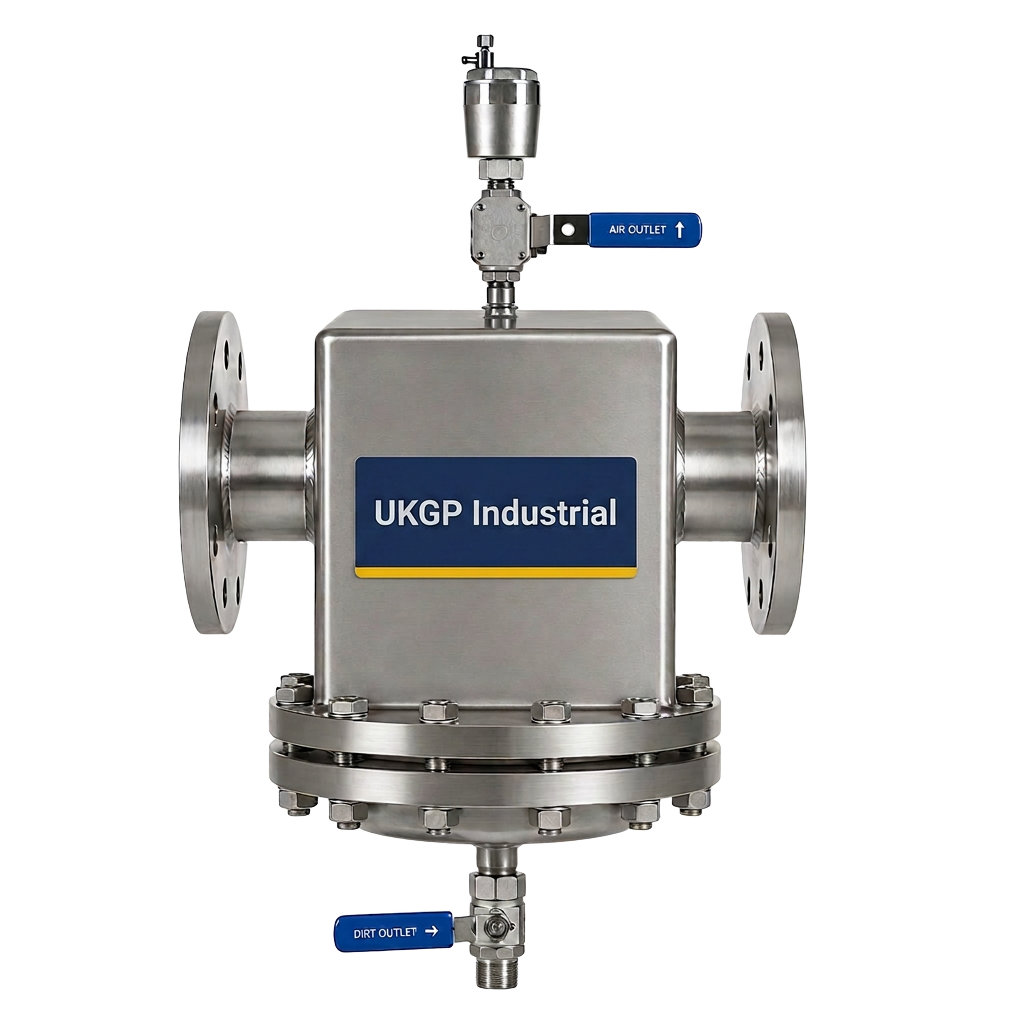
A system that is clean of sludge but plagued by air or excessive mechanical stress will still fail prematurely. While power flushing machines remove the solid contaminants, air and dirt separators are required to remove micro-bubbles that cause internal oxidation. Oxygen is the primary fuel for the corrosion process that creates the magnetite removed by flushing. By integrating high-efficiency air separators alongside your filtration strategy, you address the root cause of the debris. This holistic approach is recommended by CIBSE to ensure the longevity of high-efficiency commercial boilers and chillers. Without proper air removal, even the most frequent flushing will only be a temporary fix for an ongoing chemical reaction.
Furthermore, mechanical stresses in the pipework must be managed to prevent leaks that introduce fresh, oxygenated water into the system. High-quality expansion bellows are essential for absorbing thermal expansion in large-scale riser pipework. When these components fail due to poor specification or sediment erosion, the resulting system leaks necessitate frequent refilling. This introduces new dissolve solids and oxygen, accelerating the very corrosion that power flushing machines are designed to remove. Ensuring that your expansion joints are compliant with BS EN 14917 and correctly installed is a fundamental part of the system's hydraulic integrity, protecting the investment made in high-end plant equipment.
UKGP provides a comprehensive range of plant-room components that work in harmony with our filtration skids. From expansion bellows that handle axial and lateral movement to air and dirt separators that purge micro-bubbles, we provide the infrastructure necessary for a stable, closed-loop environment. When these components are specified correctly by consultants at the design stage, the need for disruptive power flushing in the future is significantly reduced. This leads to a more stable system, lower utility bills, and fewer emergency call-outs for FMs. Our range is built to withstand the rigours of modern commercial heating and cooling demands, ensuring durability and performance for years to come.
- Expansion bellows absorb thermal stress to prevent oxygen-introducing leaks.
- Air separators remove microfilm and micro-bubbles to halt oxidative corrosion.
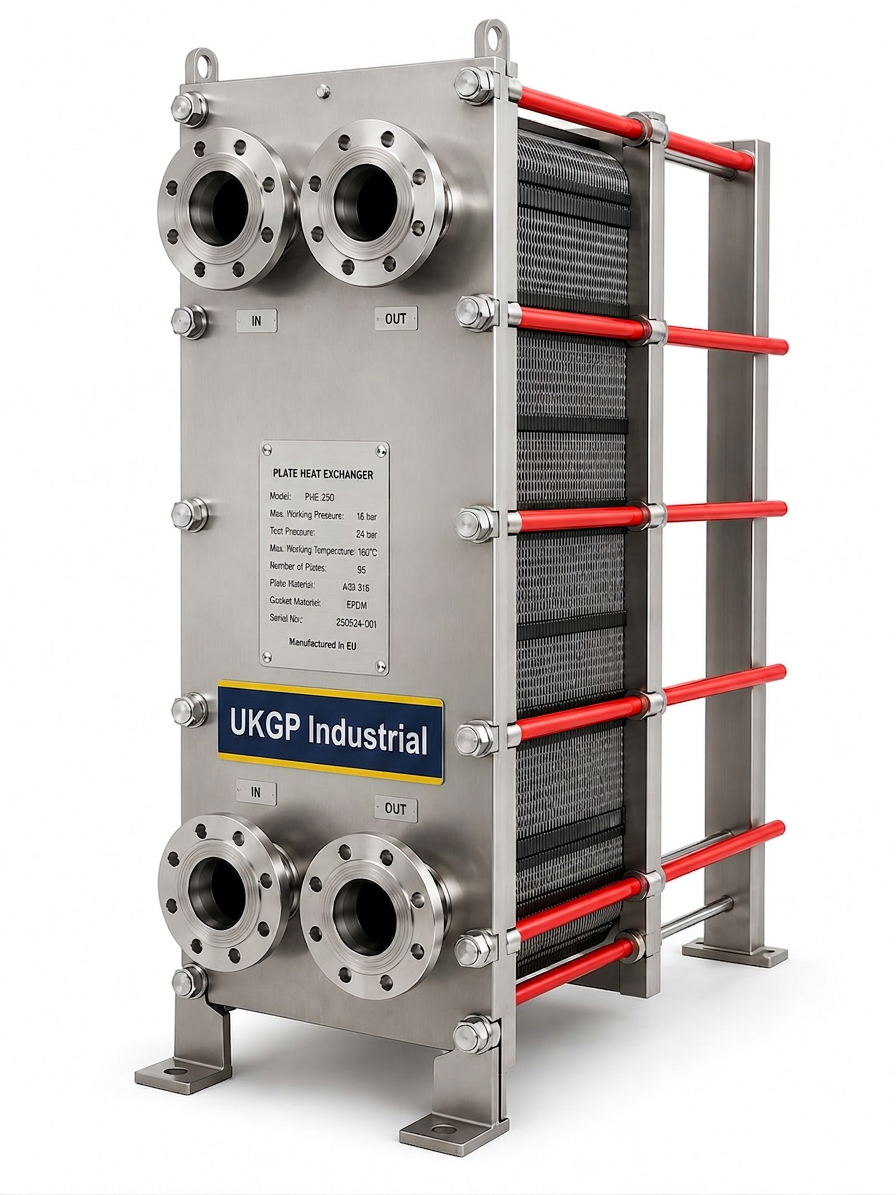
- Properly sized air and dirt units protect secondary plate heat exchangers.
- Integrated approach reduces the frequency of required chemical remediation.
Technical Best Practices for Power Flushing Machines
When deploying power flushing machines, the sequence of operation is critical for a successful outcome. Engineers should first isolate the plant-room from the distribution circuits to avoid pushing bulk debris into the heat exchangers of the boilers or chillers. The use of a temporary bypass is often necessary. Once connected, the flow should be reversed periodically to agitate the sludge more effectively. This mechanical action is what separates commercial machines from standard circulators. While the flush is active, monitoring the discharge water for clarity and using magnetic rods to check the magnetite load are standard BS 8552 practices. This data-driven approach ensures that the technician knows precisely when the system is clean enough for the next stage of treatment.
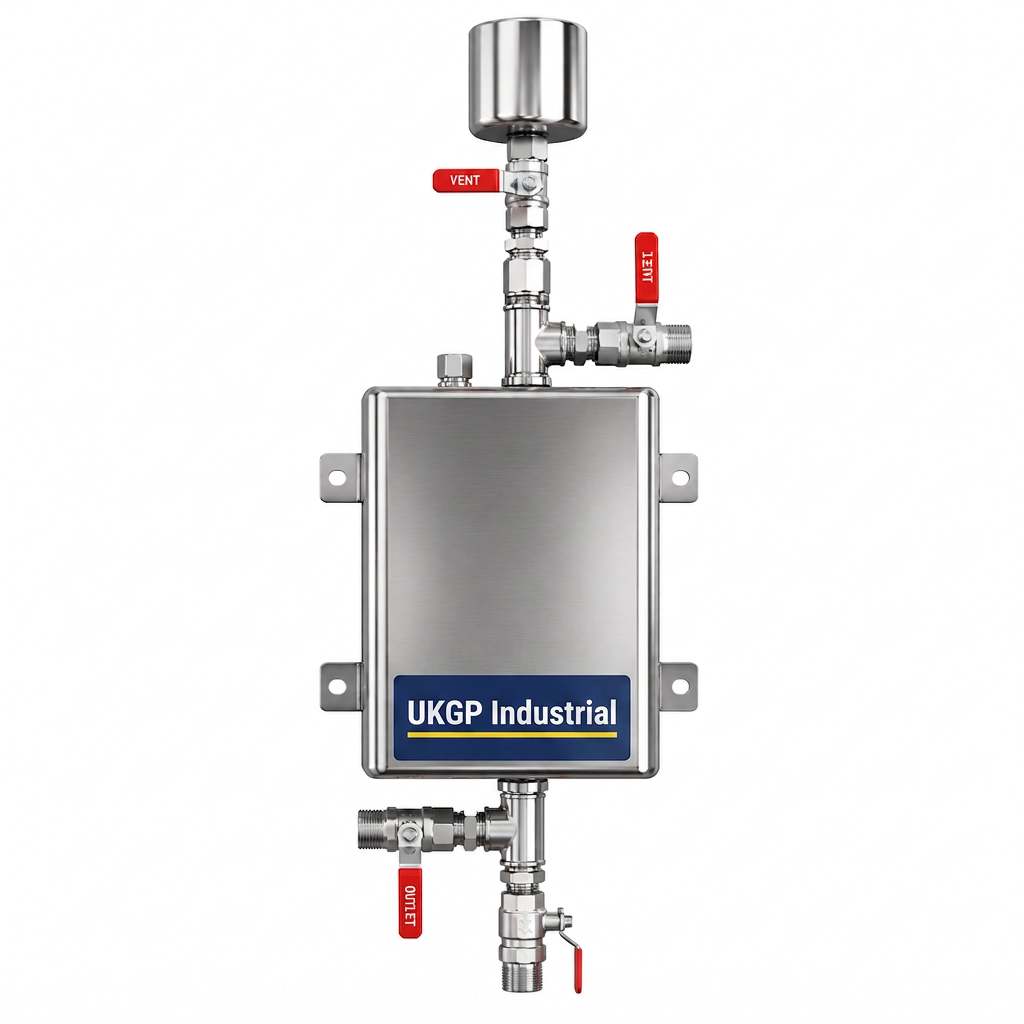
Chemical enhancement is the second pillar of a successful flush using these machines. Neutral pH cleaners are typically circulated for several hours, or even days in severely fouled systems, to break down the bond between the debris and the pipe walls. It is essential that these chemicals are thoroughly flushed out with clean water before the system is re-dosed with permanent inhibitors. Residual cleaning chemicals can be corrosive if left in the system. Following the flush, a chemical dosing pot should be used to introduce the final inhibitor package. This ensures the system water is passive and compliant with the requirements of major UK commercial boiler OEMs, protecting the manufacturer's warranty and the client's asset.
Finally, it is worth noting that power flushing machines cannot always reach every dead-leg in a complex commercial circuit. In large buildings with numerous branches, some areas may remain fouled. This is why BSRIA BG50 emphasises the importance of continuous side stream filtration to 'polish' the water over time. By combining the high-capacity purge of a power flush with a UKGP side stream filtration skid, you create a fail-safe environment. Our skids, available for flow rates of 5-50 m³/h, feature a 2-year warranty and are skid-mounted with isolation valves for easy integration into existing plant-rooms, providing a superior long-term solution to water quality management.
- Isolate sensitive plant-room equipment before commencing a high-velocity flush.
- Use flow-reversal techniques to maximise the dislodging of magnetite.
- Utilise chemical dosing pots for post-flush inhibitor application.
- Supplement the flush with permanent magnetic filtration to capture residual solids.
BSRIA Compliance and Water Quality Standards
Compliance with BSRIA BG29 and BG50 is not just a best-practice recommendation; it is often a contractual requirement in UK commercial construction and maintenance. These guides provide the framework for pre-commission cleaning and the ongoing maintenance of water quality. Use of power flushing machines is explicitly recognised as a method for achieving the required cleanliness levels during the finishing stages of a project. However, achieving compliance also requires rigorous documentation. Engineers must record the initial water conditions, the flushing duration, the chemicals used, and the final lab analysis to prove that the system is free from harmful suspended solids and has been properly passivated.
A key aspect of BSRIA BG50 is the focus on total suspended solids (TSS) and iron levels. High iron levels indicate ongoing corrosion, which can quickly lead to the failure of modern high-efficiency heat exchangers. While power flushing machines provide an excellent 'reset' button for the system, only continuous monitoring and filtration can guarantee that iron levels stay within the recommended limits of <5mg/l. This is why incorporating pH sensors and transmitters into your plant-room helps provide real-time data on the water's chemical state. Maintaining a stable pH between 8.0 and 10.0 for steel systems is critical to preventing the formation of the magnetite that clogs pipes.
Ultimately, the goal of using power flushing machines and side stream filtration is to protect the long-term operational viability of the UK's building stock. Whether you are a consultant designing a new school heating system or an FM manager at a corporate headquarters, the strategy remains the same: clean, treat, and protect. By specifying high-quality equipment—from UKGP filtration skids to precision-engineered low loss headers—you ensure that the HVAC system operates at its design efficiency for its entire service life. Investing in the right tools today prevents the 'sludge-tax' of increased energy bills and premature equipment failure tomorrow, keeping your facilities compliant and cost-effective.
- BG29 alignment ensures clean handovers in new-build projects.
- BG50 focus on 'clean and protect' drives the need for continuous filtration.
- pH monitoring via dedicated sensors prevents future magnetite build-up.
- Rigorous logging of water chemistry is required for boiler warranty validation.
The Engineering Specification: Why Choose UKGP?
For UK building services consultants and M&E contractors, selecting the right partner for water quality equipment is crucial. UKGP understands the unique challenges of the UK commercial market, from the hard water of the South East to the high-pressure demands of London's high-rise developments. While power flushing machines offer a tactical fix, our side stream filtration skids provide the strategic protection required by modern specifications. Each unit is built in Surrey and features high-intensity magnets alongside 25 µm filtration, perfect for maintaining systems at peak BSRIA-compliant levels. With isolation valves included on the skid-mount, installation is streamlined, reducing on-site labour time and risk.
Our expertise extends beyond just filtration. We provide the essential building blocks for a healthy plant-room, including dosing pots, air separators, and expansion joints. When you source a UKGP side stream filtration skid, you are choosing a product backed by a 2-year warranty and a team that understands the technical nuances of BS EN 12828 and BSRIA guidelines. This confidence in equipment quality is why our products are specified in leading commercial projects across the UK. We ensure that your heating and cooling systems are not just 'running', but performing at the highest efficiency levels possible through superior water management.
If your current project requires a solution for system cleaning, or if you are looking to upgrade a plant-room to meet BSRIA BG50 standards, contact us today. Our technical team can advise on the flow rates required (from 5 to 50 m³/h) and help you integrate the correct filtration and dosing equipment into your design. Don't wait for your heat exchangers to block or your pumps to fail due to magnetite ingress. Move beyond the temporary fix of power flushing machines and invest in a permanent UKGP water quality solution that guarantees performance, longevity, and peace of mind for you and your clients.
- UK-based engineering support and technical specification guidance.
- Comprehensive range including skids, dosing pots, and expansion joints.
- 2-year warranty on filtration skids for commercial peace of mind.
- Fast lead times for Surrey-based manufacturing and stock.
Frequently asked questions
How often should power flushing machines be used in commercial systems?
- Power flushing machines should be used during commissioning (as per BSRIA BG29) or when a system shows signs of heavy fouling, such as uneven heating or frequent pump failure. However, if a permanent side stream filtration skid is installed, the need for intensive power flushing is often eliminated.
Can power flushing machines replace side stream filtration?
- No. Power flushing is a one-time cleaning event, whereas side stream filtration provides continuous protection. For commercial systems, BSRIA BG50 recommends permanent filtration to maintain water quality and prevent the re-accumulation of magnetite.
Are power flushing machines safe for older commercial boilers?
- When used correctly at low pressure but high velocity, they are safe. However, the plant-room (including boilers and heat exchangers) should ideally be isolated during the flush of the wider distribution circuit to avoid pushing debris into the new equipment.
What is the benefit of a UKGP side stream filtration skid over a manual flush?
- The UKGP skid (5-50 m³/h) provides continuous 25 µm filtration and magnetic capture without system downtime. This ensures BSRIA BG50 compliance 24/7, whereas a manual flush only addresses the debris present on the day of the service.
Do I need to add chemicals when using power flushing machines?
- Yes, chemical cleaners are typically used to loosen scale and magnetite. These must be thoroughly flushed out and replaced with an inhibitor, often introduced through a chemical dosing pot, to prevent new corrosion.