The Role of Power Flushing Equipment in BSRIA Compliance
In the UK's commercial building services sector, the cleanliness of closed-loop systems is governed by strict frameworks, most notably BSRIA BG29 for pre-commission cleaning and BG50 for ongoing water treatment. Utilizing high-performance power flushing equipment is often the first critical step in removing construction debris, mill scale, and corrosion by-products from a new system. Without this initial purge, even the most advanced HVAC systems remain at risk of premature failure. Power flushing equipment works by circulating water at high velocities with chemicals to mobilise settled solids that standard gravity draining simply cannot move. This mechanical action is vital to ensure the internal surfaces of the pipework are passivated and clear before the building is handed over to the client.
Maintenance professionals must recognise that power flushing equipment is not merely for corrective action in ailing systems but serves as a foundational preventative tool. When a legacy system is being upgraded or a new commercial boiler is installed, the use of power flushing equipment ensures that historical sludge from the old radiators and pipework does not contaminate the new high-efficiency heat exchangers. Modern low-water-content boilers are particularly sensitive to magnetite and debris, meaning that a thorough flush to BS 8552 standards is essential for warranty protection and operational longevity. Failure to clear these contaminants results in cold spots, poor thermal transfer, and increased energy consumption that can affect the commercial viability of the building's operations.
Engineers should look for power flushing equipment that offers dual-flow reversing capabilities, as this further enhances the agitation of stubborn sludge. However, the temporary nature of flushing often means that once the equipment is disconnected, the system begins to accumulate new corrosion particles immediately. To bridge the gap between initial cleaning and long-term protection, UKGP recommends that while power flushing provides the 'deep clean,' a permanent side stream filtration skid should be installed to act as the constant guardian of water quality. This hybrid approach aligns perfectly with the recommendations found in BG50, ensuring that the system water remains within the specified parameters throughout the life of the building's mechanical services.
- Ensures compliance with BSRIA BG29 and BG50 guidelines for system hygiene
- Reduces the risk of thermal stress and blockage in compact heat exchangers
- Essential for protecting warranties on new boiler plant installations
- Improves system-wide energy efficiency by restoring design flow rates
Integrating Side Stream Filtration with Power Flushing
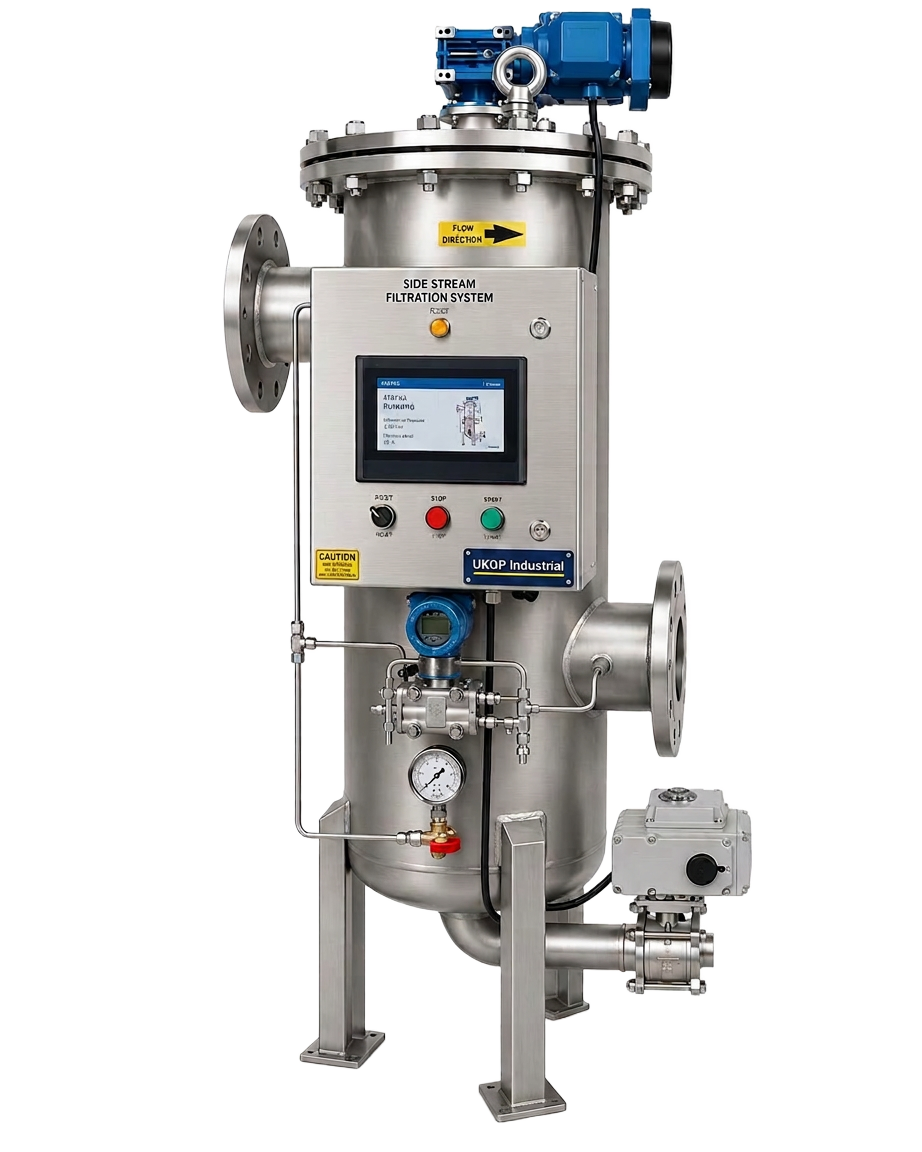
While power flushing equipment is excellent for a one-time high-velocity clear-out, it cannot monitor or manage the ongoing chemical and physical changes within a recirculating HVAC system. This is where the UKGP side stream filtration skid becomes an indispensable asset for any commercial plant room. Designed for flow rates between 5 and 50 m³/h, these skids take over where power flushing equipment leaves off, continuously removing magnetite and suspended solids that are generated during normal operation. By filtering up to 15% of the total system flow, UKGP skids ensure that the water quality achieved during the initial commission is maintained year-round, preventing the re-accumulation of sludge that would otherwise necessitate another costly flush.
A UKGP side stream filtration skid features a high-intensity magnetic core combined with a 25 µm bag or cartridge filter, providing dual-action removal of both metallic and non-metallic debris. This level of filtration is critical because even microscopic particles can lead to abrasive wear on pump seals and fouling in the secondary side of plate heat exchangers. By installing a skid-mounted unit, complete with isolation valves for easy maintenance, M&E contractors provide their clients with a 'set and forget' solution. These units come with a 2-year warranty and are fully aligned with BSRIA BG29/BG50, offering a level of protection that temporary power flushing equipment alone simply cannot replicate in a live commercial environment.
We encourage plant-room engineers to view the UKGP skid as a long-term insurance policy. When specifying a project, including a UKGP side stream filtration skid ensures that the system is not reliant on periodic reactive maintenance. The skid-mounted design allows for rapid installation and commissioning in various plant room layouts, from basement boiler rooms to rooftop energy centres. For consultants, ensuring that both the initial use of power flushing equipment and the subsequent installation of a side stream skid are included in the specification is the gold standard for protecting the client's investment and ensuring high COP (Coefficient of Performance) across all heating and cooling assets.
- Capacities ranging from 5 to 50 m³/h suitable for various plant sizes
- Magnetic and 25 µm bag/cartridge filtration for comprehensive cleaning
- Robust skid-mounted design with 2-year manufacturer warranty
- Continuous removal of sludge to avoid the need for repetitive chemical flushing
Protecting Assets Beyond the Pipework
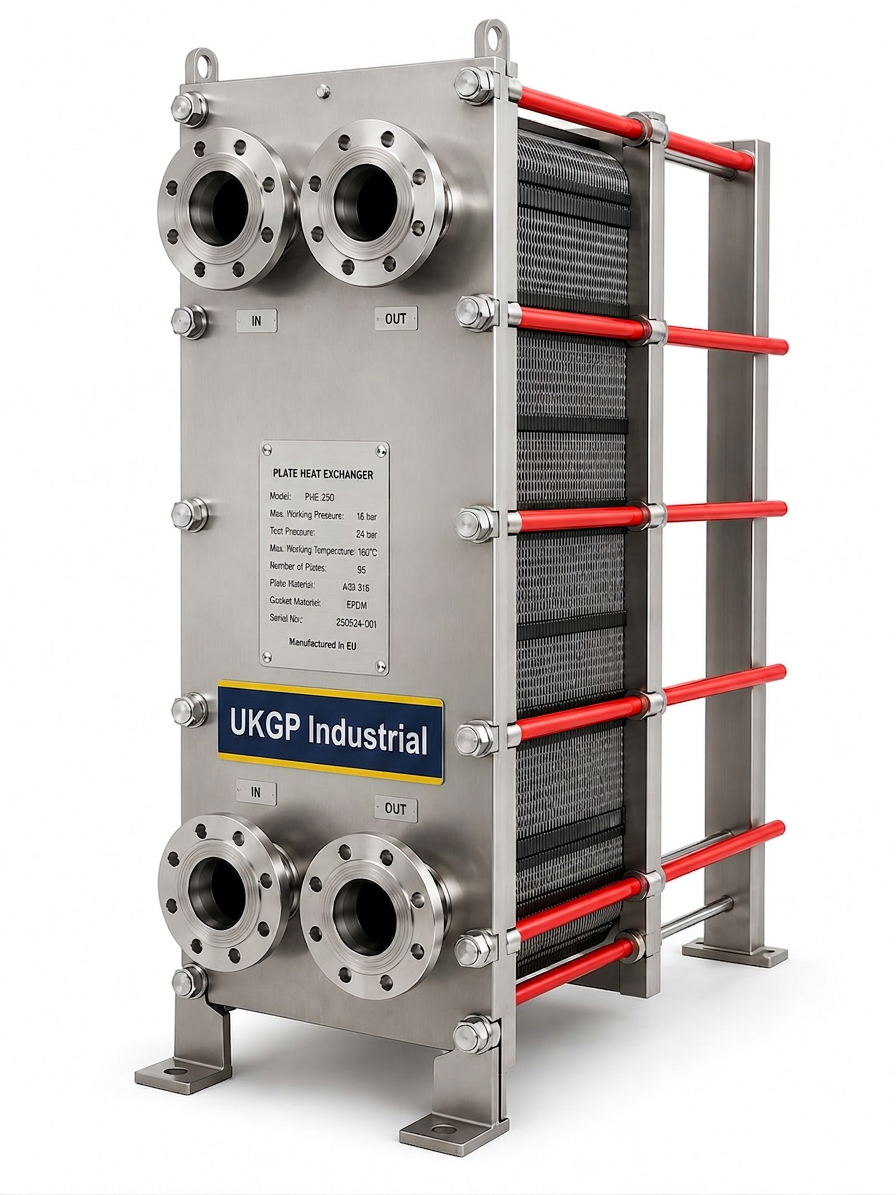
The impact of water quality extends beyond the pipe walls and directly affects high-value components such as plate heat exchangers. When power flushing equipment is used correctly, it clears the primary side, but over time, scale and biological growth can still occur. A properly maintained system, supported by permanent filtration, ensures that the heat transfer efficiency of these components remains optimal. Plate heat exchangers are particularly prone to fouling due to their narrow plate gaps, which can act as a sieve for any debris that escapes the initial cleaning phase. By maintaining clean system water, you prevent these narrow channels from becoming blocked, which otherwise leads to temperature drops and increased pump load.
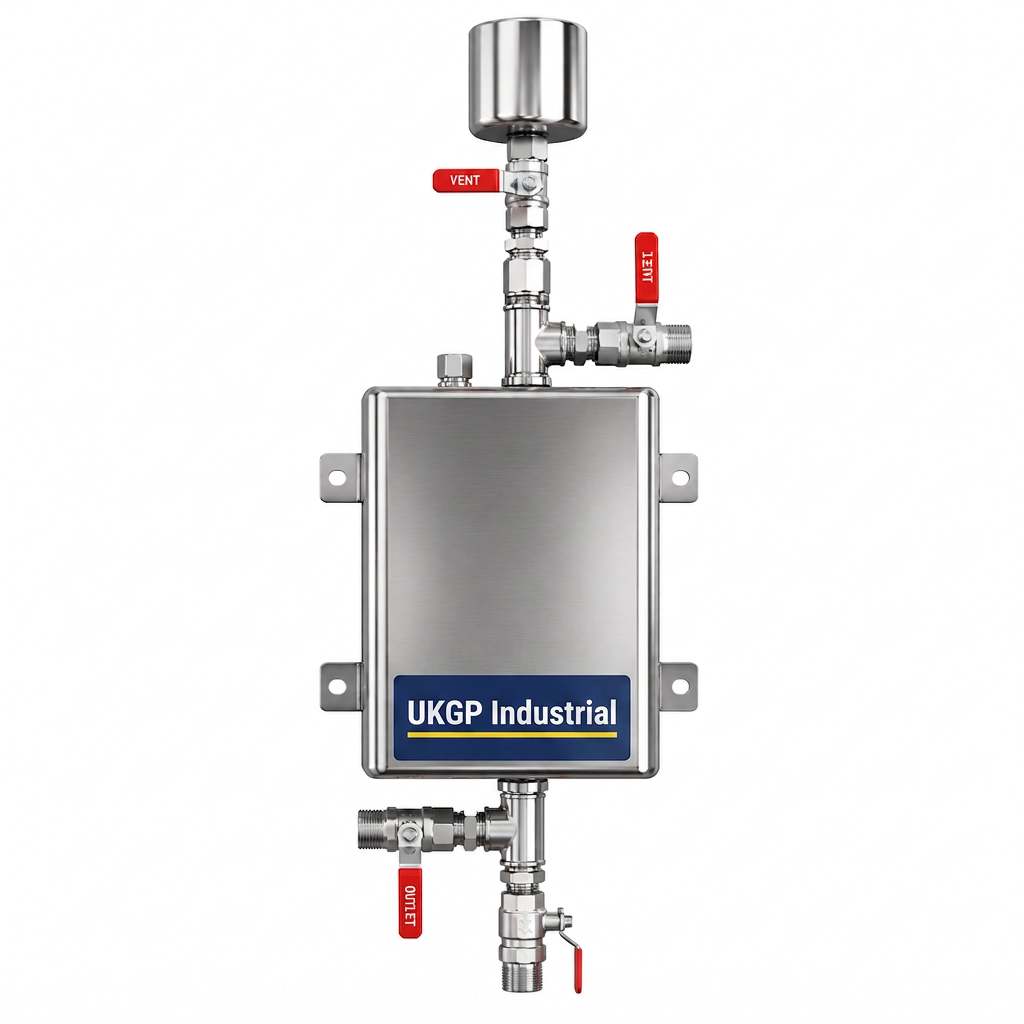
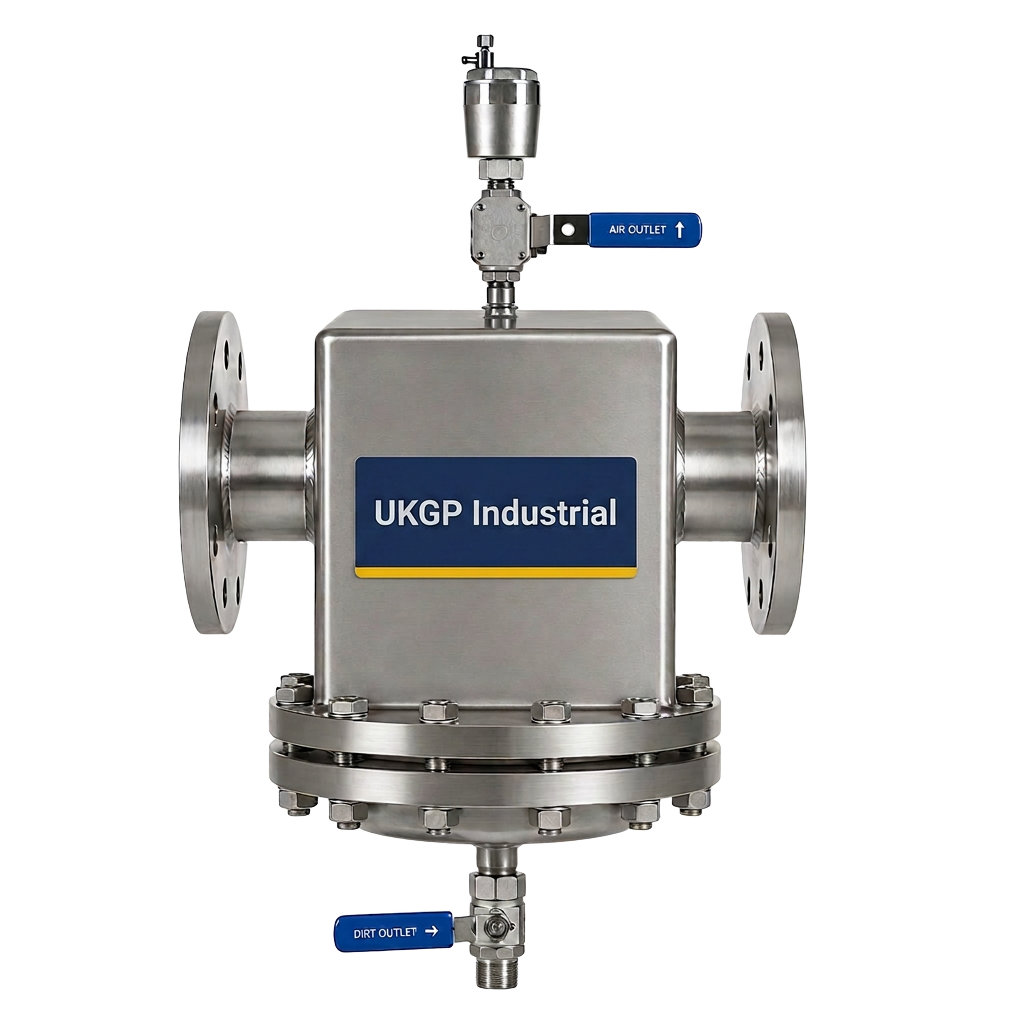
In addition to filtration, maintaining the correct pressure and flow is essential for system health. Components like expansion bellows and air and dirt separators work in tandem with the filtration system to remove dissolved gases and manage thermal expansion. For example, excessive air in the system can lead to pockets of corrosion that generate the very magnetite you are trying to remove using power flushing equipment. By addressing the root cause through air and dirt separators, you reduce the workload on your filtration assets and the frequency with which you need to deploy temporary equipment. This holistic view of the plant room is what separates high-performing buildings from those plagued by constant call-outs and component failures.
Furthermore, modern UK plant rooms now frequently utilize low loss headers to decouple the primary and secondary circuits. While these devices are excellent for balancing flow, they can sometimes serve as a low-velocity settling area for sludge. Ensuring that the system has been cleared with power flushing equipment before installing a low loss header is good practice. Once in place, a UKGP side stream skid can draw from the header or the return line to ensure that water moving into the secondary loops is of the highest quality. This integrated approach to water chemistry and mechanical filtration is the most effective way to protect the intricate internal components of leading commercial boiler manufacturers' equipment.
- Maintains high heat transfer efficiency for plate heat exchangers
- Reduces cavitation and abrasive wear on high-efficiency pumps
- Manages thermal expansion stress in accordance with BS EN 14917
- Ensures low loss headers do not become reservoirs for settled debris
The Technical Benefits of Professional-Grade Equipment
Procurement leads and M&E contractors often face the choice between standard consumer tools and professional-grade power flushing equipment. In a B2B environment, the choice is clear: commercial-grade equipment must withstand higher pressures and flow rates to move the volume of water found in large-diameter headers and multi-storey risers. Industrial-grade flushing pumps can manage longer runs without losing the force required to keep particles in suspension. When this is coupled with a side stream filtration unit during the early stages of a building's operation, the developer can be confident that the HVAC system will pass final inspections and achieve the performance metrics required for modern environmental certifications like BREEAM or LEED.
Moreover, the commercial impact of using high-quality power flushing equipment cannot be overstated. Reduced commissioning times and fewer 'snagging' issues related to heating performance directly correlate to better profit margins for contractors. When you specify UKGP side stream filtration as part of the mechanical package, you are providing a solution that minimizes the risk of expensive remedial work later. The 25 µm bag filtration found in our skids is fine enough to capture the majority of suspended particles that cause bypass valves and control valves to stick. This reliability is essential for the automated Building Management Systems (BMS) that control modern HVAC environments, where precise flow control is mandatory for energy efficiency goals.
It is also worth noting the health and safety implications of water quality. Stagnant sludge and debris can provide a breeding ground for bacteria, including Legionella species, particularly in tepid secondary circuits. While power flushing equipment and biocidal washes can address an active infestation, ongoing filtration and monitoring are the best defence. A UKGP side stream skid provides a sampling point where water quality can be checked without breaching the main system integrity. This proactive monitoring allows FMs to adjust chemical dosing levels before a problem becomes critical, ensuring the safety and comfort of all building occupants while maintaining the integrity of the mechanical infrastructure.
- Supports faster project handover by meeting water quality targets rapidly
- Minimizes the risk of sticking control valves and BMS sensors
- Facilitates easier water sampling for BS 8552 compliance testing
- Enhances safety by removing substrates that support bacterial growth
Selecting the Right Filtration Solution for Your Project
When selecting power flushing equipment or a permanent filtration solution, the volume of the system is the primary determining factor. Large commercial systems require massive amounts of water to be treated, meaning that small, domestic-scale units will be ineffective. UKGP offers consultation to help specify the correct side stream filtration skid, spanning from 5 to 50 m³/h capacity. This ensures that the velocity within the filter housing is optimised for the magnetic and mechanical capture of debris. A unit that is too small will not keep up with the rate of corrosion, while an oversized unit may lead to unnecessary bypass and energy waste from additional pumping requirements.
Our side stream filtration skids are designed for easy integration into existing plant rooms, provided there is enough space to accommodate the skid and the necessary isolation valves. Because they are skid-mounted, they can be positioned effectively to deal with the areas of the system most vulnerable to debris accumulation. Unlike temporary power flushing equipment, which requires a technician to be present, our skids operate autonomously, with clear pressure gauges to indicate when the filter bag or cartridge needs to be replaced. This simplicity is vital for time-pressed facilities managers who need to maintain multiple sites with limited on-site mechanical staff.
In summary, the transition from initial cleaning to operational maintenance should be a seamless process. By using professional power flushing equipment to start on the right foot and a UKGP side stream filtration skid to stay there, you are following the best industry practices defined by BSRIA and CIBSE. We invite all building services professionals to contact us for a detailed quotation. Our technical team can provide the specific data sheets and CAD drawings required to integrate our skids into your next project, ensuring that your HVAC plant room remains a model of efficiency and reliability for years to come.
- Expert sizing advice for systems ranging from tens to thousands of litres
- Autonomous operation with intuitive indicators for maintenance
- Detailed technical documentation provided for consultants and specifiers
- Aligned with CIBSE CP1 and other industry best practice guides
Securing Long-Term Performance of HVAC Plant
Long-term HVAC performance is a product of both mechanical design and ongoing maintenance. The use of power flushing equipment at the start of a building's life cycle is the catalyst for success, but the momentum is maintained through the use of high-quality components and filtration. When specifying UKGP products, you are opting for a partner that understands the UK's commercial landscape. From our Surrey base, we supply the components that make modern plant rooms work, including dosing pots, pH sensors, and transmitters that provide the data needed to keep system chemistry in balance. When data from these sensors shows a rise in turbidity, it often indicates that the filtration needs checking or that a flush may be required.
Future-proofing a building's heating and cooling system also means considering the cost of downtime. A single day of lost production in a commercial facility or a day of school closure due to boiler failure far outweighs the cost of installing a UKGP side stream filtration skid. By investing in the right power flushing equipment at the outset and permanent filtration for the duration of the asset's life, you are protecting the bottom line. The 2-year warranty on our skids provides additional peace of mind, knowing that the equipment is built to the highest standards to handle the rigours of industrial and commercial use.
Ultimately, the goal of any M&E professional is to deliver a system that works reliably and efficiently. By combining the immediate action of power flushing equipment with the continuous protection of UKGP filtration, you achieve a level of cleanliness that meets the most stringent BSRIA standards. We encourage you to reach out to our team today to discuss your specific project requirements. Whether you are dealing with a new build or a complex retrofit, UKGP has the technical expertise and the rugged hardware necessary to ensure your plant room operates at its peak for its entire design life.
- Reduces commercial downtime and reactive repair costs
- Surrey-based technical support for rapid response and delivery
- Comprehensive range of plant room components for a single-source solution
- Demonstrates commitment to sustainable and efficient building operation
Frequently asked questions
What is the difference between power flushing and side stream filtration?
- Power flushing equipment is used for high-velocity, temporary cleaning to remove large quantities of debris, whereas side stream filtration is a permanent installation that continuously cleans a portion of the system flow to maintain water quality over time.
How often should power flushing equipment be used in a commercial system?
- It is typically used during initial commissioning (BSRIA BG29), when installing new boilers into an old system, or if system performance has significantly degraded due to sludge buildup.
Is power flushing equipment enough to meet BSRIA BG50 standards?
- No, while flushing clears the system initially, BG50 requires ongoing water quality management, which usually necessitates a permanent side stream filtration system and regular chemical monitoring.
Can UKGP filtration skids handle magnetic particles?
- Yes, our side stream filtration skids are equipped with high-intensity magnetic cores specifically designed to capture magnetite, the most common cause of sludge in HVAC systems.
What flow rates do UKGP side stream filtration skids support?
- We offer skids with capacities ranging from 5 to 50 m³/h, making them suitable for a wide variety of commercial and industrial plant room applications.