Understanding the Limits of Power Flushing British Gas Methods
In the residential sector, the concept of power flushing british gas is frequently synonymous with clearing radiator sludge and restoring domestic boiler efficiency. While these techniques are effective for small-bore copper pipework in a suburban semi-detached home, they lack the shear force and volumetric capacity required to cleanse a 6-inch steel header or a complex multi-storey district heating network. Commercial systems house significant internal volumes where suspended solids, magnetite, and haematite settle in low-flow areas, effectively becoming impervious to the temporary high-pressure pumps used in domestic applications. Relying solely on a one-off flush often leaves deep-seated debris that inevitably remobilises once the main system pumps are commissioned.
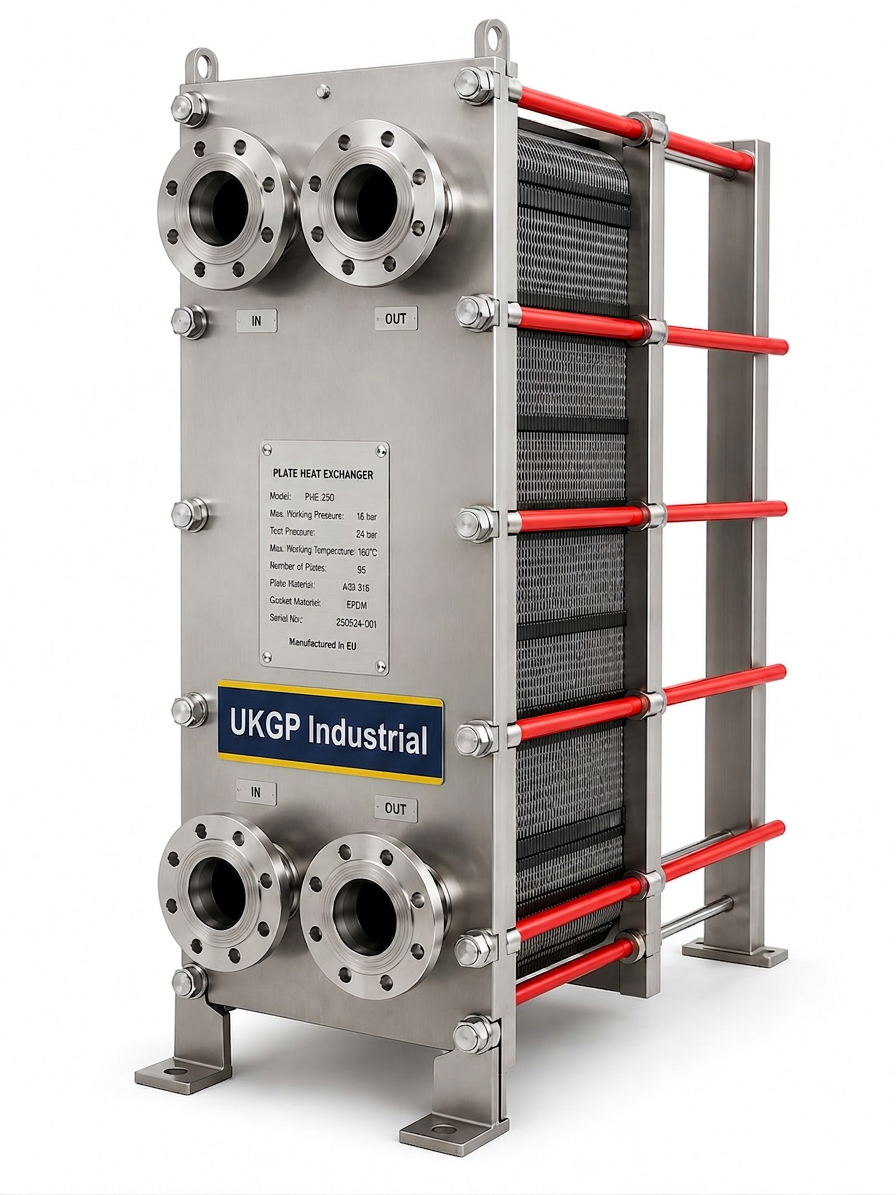
Furthermore, the chemical profiles used in domestic flushing are rarely calibrated for the mixed-metal environments found in modern commercial plant rooms. When an engineer considers power flushing british gas as a benchmark, they must recognise that BSRIA BG29 Pre-Commission Cleaning requirements demand a far more forensic approach to debris removal. Modern commercial installations, featuring high-efficiency plate heat exchangers and precision control valves, have very low tolerances for particulate matter. Even a small amount of residual swarf or flux, left behind by an inadequate domestic-style flush, can cause catastrophic erosion-corrosion or catastrophic failure of delicate internal components within weeks of the system going live on site.
To bridge the gap between residential expectations and commercial reality, engineers must pivot towards permanent, high-performance filtration solutions. While a power flushing british gas service provides a snapshot of cleanliness, it does not offer the continuous protection required to maintain the long-term integrity of a commercial HVAC circuit. By integrating side stream filtration into the design phase of a project, consultants ensure that a system remains 'clean' throughout its operational life, rather than just in the moments following a manual intervention. This shift from reactive to proactive maintenance is the cornerstone of modern, energy-efficient building services engineering in the UK today.
- Inadequate flow rates for large-bore commercial pipework diameters
- Higher risk of settling debris in low-velocity zones and dead legs
- Limited chemical contact time compared to continuous filtration
- Lack of real-time monitoring and debris capture verification
Comparing BSRIA BG50 to Standard Power Flushing British Gas
The primary distinction between a domestic power flushing british gas approach and a professional BSRIA BG50 water treatment regime is the commitment to continuous water quality monitoring. BSRIA BG50 specifically addresses the maintenance of water quality in closed-circuit heating and cooling systems, emphasizing that cleanliness is a journey, not a destination. For commercial building services consultants, this means moving away from the 'flush and forget' mentality. A commercial system requires constant particulate removal down to microscopic levels to protect the investment in high-efficiency heat generators and chillers which are susceptible to fouling.
Suspended solids in commercial systems act as an abrasive, scouring the internal surfaces of pipework and destroying pump seals. While a standard power flushing british gas service might target large flakes of rust, it often bypasses the finer 25-micron particles that can bridge gaps in plate heat exchangers. By adhering to the stricter BS 8552 sampling protocols, engineers can identify the specific nature of the contaminants—be they microbiological or metallic—and deploy the correct filtration and chemical dosing strategy. This level of granularity is essential for maintaining the performance warranties of major UK commercial boiler and chiller manufacturers.
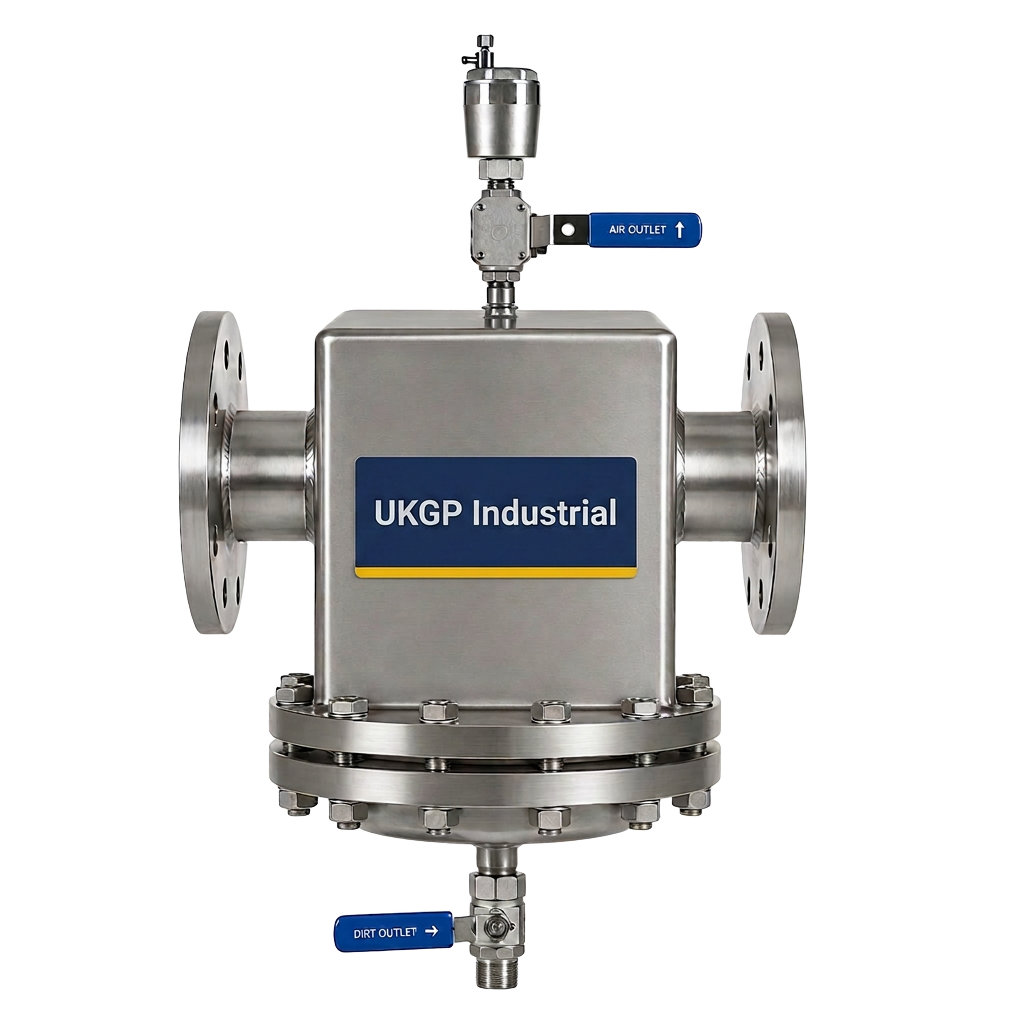
Commercial plant rooms also feature complex pressure dynamics that domestic systems simply do not encounter. The use of expansion bellows and multi-pump arrays creates a turbulent environment where gas entrainment and microbubble formation are common. These bubbles interfere with heat transfer and accelerate corrosion. While power flushing may remove some air, it is no substitute for a permanent air and dirt separator or a high-capacity side stream filtration unit. These components work in tandem to ensure that the water remains clear, non-corrosive, and thermally conductive, vastly outperforming the temporary benefits of a residential flushing service.
- Adherence to BSRIA BG50 continuous monitoring standards
- Protection of high-value plate heat exchangers and control valves
- Management of dissolved oxygen and microbubble entrainment
- Verification of water chemistry via independent laboratory analysis
The Role of High-Performance Side Stream Filtration
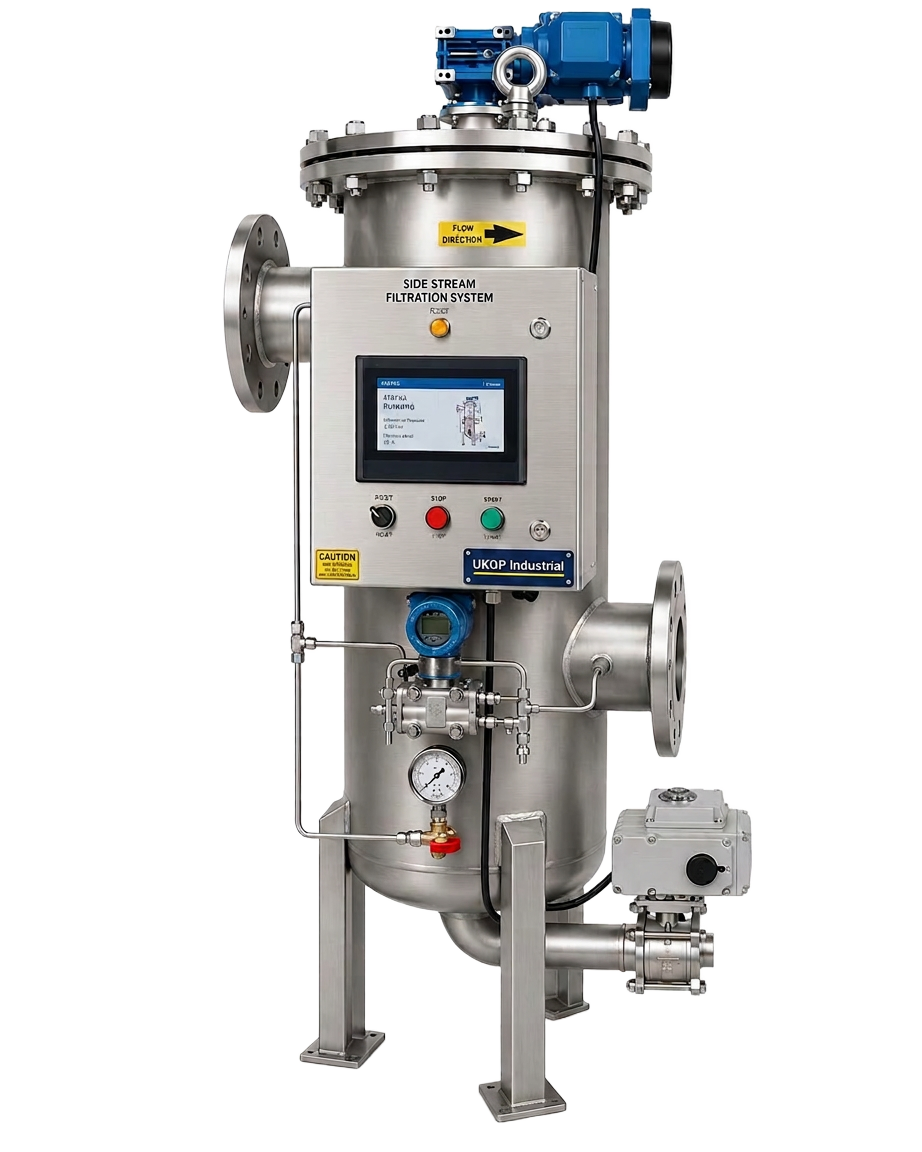
For a robust installation that exceeds the baseline of power flushing british gas, the inclusion of a dedicated side stream filtration skid is non-negotiable. UKGP offers a range of side stream filtration skids, capable of processing between 5 and 50 m³/h, designed specifically to meet the rigorous demands of BSRIA BG29 and BG50. These skids combine powerful magnetic separation to capture magnetite with 25-micron bag or cartridge filters for non-magnetic debris. This dual-action approach ensures that even the finest particulates, which escape traditional flushing methods, are removed from the system during normal operation without requiring a costly plant shutdown.
Installing a UKGP side stream filtration skid provides the plant-room engineer with total control. Each unit is skid-mounted and comes complete with isolation valves, making installation straightforward for M&E contractors. With a 2-year warranty and a design that focuses on ease of maintenance, these units allow for filter changes while the main system remains fully pressurised. This is a critical advantage over the temporary power flushing british gas model, as it allows for the capture of debris that only becomes mobilised under full load or seasonal temperature shifts, which a one-off flush would never be able to address.
When procuring water treatment equipment, commercial leads should prioritise units that facilitate the BSRIA BG50 requirement for low-suspended solids. A UKGP skid typically treats 5-15% of the total system volume per hour, ensuring that the entire water body is polished multiple times a day. This permanent solution not only protects the boiler plant but also preserves the life of the circulation pumps and heat emitters. It is a commercially aware investment that pays for itself by reducing downtime, lowering energy bills, and extending the MTBF (Mean Time Between Failures) of the entire building services infrastructure.
- 5-50 m³/h capacity tailored to commercial system volumes
- Integrated magnetic and 25-micron bag/cartridge filtration
- BSRIA BG29 and BG50 aligned for compliance and peace of mind
- Convenient skid-mounted design for rapid M&E installation
Chemical Dosing and Water Treatment Synergy
Filtration is only one half of the story; chemical balance is the other. While a basic power flushing british gas service usually involves adding a generic inhibitor, commercial systems require a more nuanced approach. Correct chemical dosing is vital to prevent the secondary formation of magnetite and the proliferation of bacteria such as Pseudomonas. Without correct inhibitor levels, a system that has just been flushed will immediately begin to corrode again, often at an accelerated rate if oxygenated fresh water was used to refill the circuit during the flushing process. This is why a dosing pot is a fundamental requirement in any plant room.
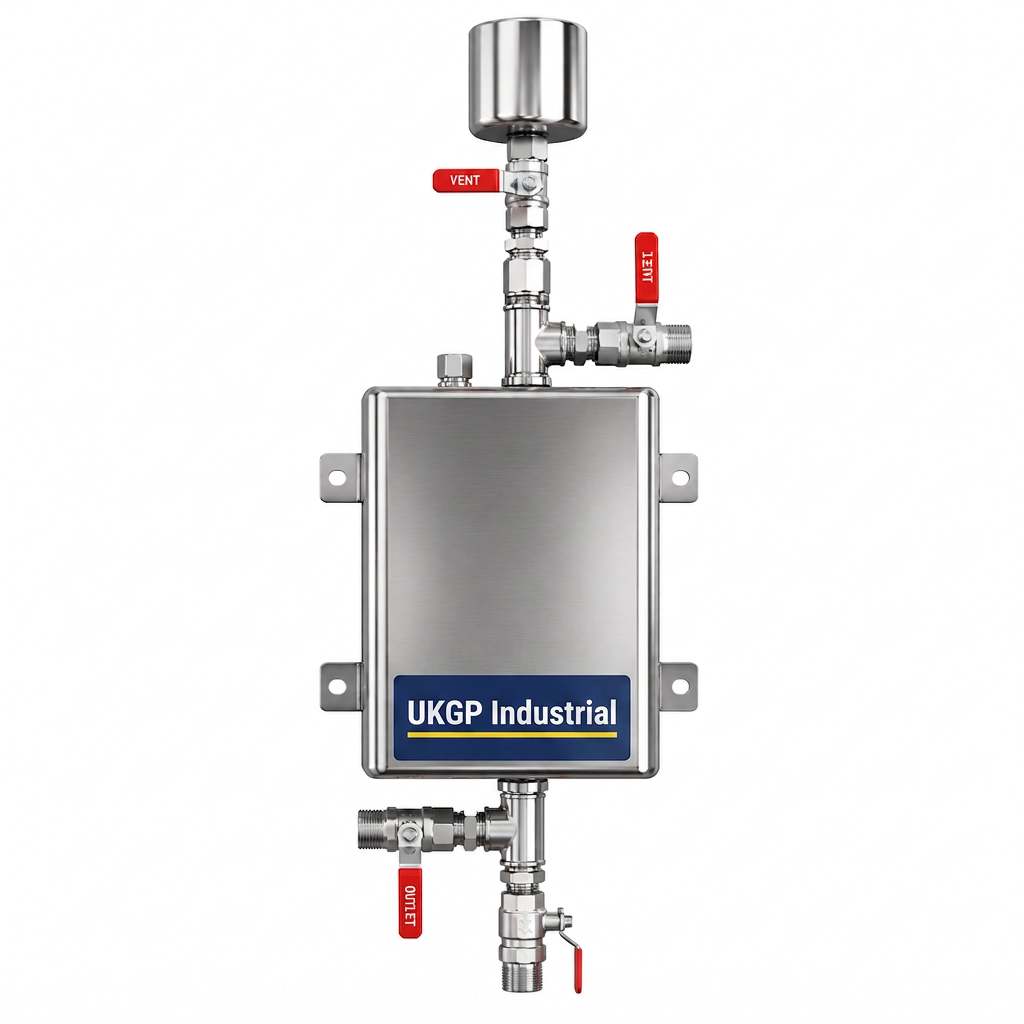
Professional dosing pots allow for the safe and controlled introduction of inhibitors, biocides, and glycol without the need to depressurise the entire system. When used alongside a high-quality filter, the chemicals work more efficiently because they are not being 'used up' trying to neutralise existing sludge. This synergy is what allows a building service manager to guarantee the 25-year design life of the system pipework. Many contractors find that following the power flushing british gas method without subsequent chemical maintenance leads to a rapid decline in water clarity, leading to expensive call-outs and potential warranty disputes.
For consultants specifying new projects, it is imperative to include an integrated water treatment package. This should comprise side stream filtration, air and dirt separation, and a dosing pot. By specifying the UKGP range, you ensure that all components are engineered to work together, maintaining the peak efficiency of the boilers and plate heat exchangers. This holistic approach ensures that the system is not only clean at handover but stays clean for the duration of its life cycle, far exceeding the minimal standards associated with residential maintenance routines.
- Controlled chemical introduction via stainless steel dosing pots
- Prevention of secondary corrosion and microbiological growth
- Protection of glycol integrity in chilled water systems
- Reduced chemical consumption through lower particulate load
Protecting System Integrity with Expansion Bellows
In large-scale commercial networks where thermal expansion is a significant factor, the accumulation of grit and sludge can be particularly damaging to expansion bellows. Unlike the simple radiator loops discussed in power flushing british gas articles, commercial systems undergo massive expansion and contraction cycles. If particulates settle within the convolutions of a stainless steel bellow (compliant with BS EN 14917), they can lead to stress corrosion cracking or mechanical wear. Pure water with low suspended solids is essential to ensure these critical safety components reach their full operational lifespan.
Mechanical stress within a plant room often leads to micro-cracks in pipework where oxygen can enter the system. This ingress of oxygen reacts with steel to form magnetite. If an engineer relies solely on a power flushing british gas baseline, they may ignore the ongoing contribution of oxygen ingress to the debris load. Permanent side stream filtration is the only way to capture this material as it forms. By maintaining a debris-free environment, the delicate stainless steel membranes of expansion bellows are protected from erosion, ensuring the integrity of the secondary distribution network remains intact through thousands of heat cycles.
Modern building services design demands that every component be protected by high-quality filtration. Whether you are installing a high-temperature district heating system or a low-temperature heat pump circuit, the presence of abrasive solids will eventually lead to component failure. By choosing UKGP side stream filtration, you are not just cleaning the water; you are protecting the mechanical lifespan of expansion joints, valves, and headers. Our skids are designed to handle the high temperatures and pressures found in these demanding environments, offering a level of durability that domestic flush rigs simply cannot match.
- Prevention of debris accumulation in bellow convolutions
- Reduction in stress-corrosion cracking risks in metal joints
- Maintaining flexibility and safety of thermal expansion devices
- BS EN 14917 compliant components for high-pressure durability
Validation and Commissioning for Long-Term Performance
The final stage of any water treatment project is validation through sampling. While a homeowner might judge a power flushing british gas service by how hot their radiators feel, a commercial building manager requires laboratory-backed evidence of water quality. This is where sampling points on our side stream filtration skids become invaluable. By taking regular samples in accordance with BS 8552, engineers can track iron levels, copper levels, and total dissolved solids (TDS). This data-driven approach allows for the adjustment of chemical levels or filter change intervals, ensuring the system remains within the tight parameters defined by BSRIA.
Ultimately, the goal of any M&E professional should be to move beyond the reactive nature of power flushing and toward a model of preventative asset management. Our side stream filtration skids are engineered to manage flows from 5 to 50 m³/h, providing a scalable solution for everything from small office hubs to massive industrial warehouses. With magnetic separation and high-efficiency 25-micron filtration, these units provide the technical security needed to sign off on major commissioning projects. They come with a 2-year warranty, reflecting our confidence in their ability to perform in the harsh environments of UK plant rooms.
If you are currently managing a project where water quality is a concern, or if you are looking to upgrade an existing system that has previously failed to meet standards after a standard flush, we invite you to consult with our technical team. We can provide tailored quotes for UKGP side stream filtration skids that align with your specific flow rates and system requirements. Don't settle for the domestic baseline of power flushing british gas; invest in a industrial-grade solution that provides long-term reliability and efficiency for your built environment.
- Accurate water sampling via integrated skid ports
- Long-term energy savings via reduced fouling of heat surfaces
- 2-year warranty for commercial peace of mind
- Expert technical support for BSRIA-aligned specifications
Frequently asked questions
How does commercial filtration differ from power flushing british gas?
- Commercial filtration is a permanent, continuous process using side stream skids designed for large volumes (5-50 m³/h), whereas power flushing british gas usually refers to a one-time reactive cleaning process for domestic heating circuits.
Why is BSRIA BG50 important for UK commercial systems?
- BSRIA BG50 provides the industry-standard guidance for maintaining water quality in commercial systems, focusing on preventing corrosion and scaling through continuous monitoring and filtration, which far exceeds domestic standards.
Can a UKGP side stream filtration skid handle magnetite?
- Yes, our skids feature powerful magnetic separation combined with 25-micron bag or cartridge filters specifically to capture magnetite and other particulate debris found in commercial loops.
What is the benefit of a 25-micron filter compared to a standard flush?
- A 25-micron filter captures much finer particulates that a standard power flush might leave behind. These fine particles are often responsible for fouling plate heat exchangers and damaging high-efficiency control valves.
Are UKGP filtration skids easy to maintain?
- Absolutely. Our skids are designed with isolation valves and are skid-mounted, allowing for safe filter changes without shutting down the entire system, ensuring continuous protection of your HVAC assets.