Understanding the Need for a Power Flushing Boiler Specification
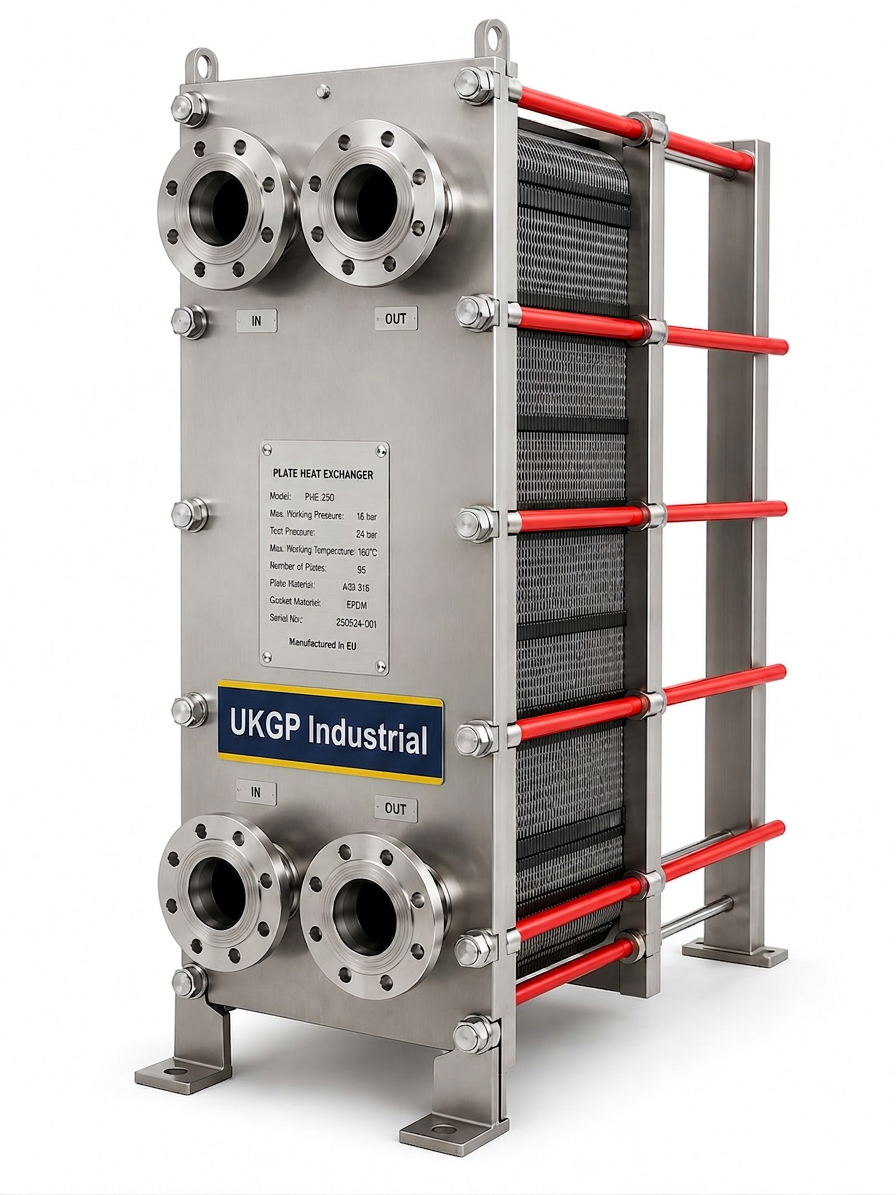
In the UK commercial sector, the accumulation of magnetite and corrosion debris is a major contributor to system failure. When engineers discuss a power flushing boiler strategy, they are usually addressing the remediation of neglected closed-loop systems where thermal transfer has drastically dropped. Specifying this process requires a deep understanding of the existing water chemistry and the mechanical integrity of the pipework. Without a robust specification, the high-velocity flow required during flushing can potentially damage sensitive components like plate heat exchangers or control valves, leading to costly leaks and unbudgeted repairs during the commissioning phase of a project.
The technical objective of a power flushing boiler operation is to mobilize and remove sludge that has settled in low-flow areas of the circuit. This is particularly important for major UK commercial boiler OEMs who specify strict water quality standards to maintain heat exchanger warranties. However, a one-off power flush is often a reactive measure. Building services consultants should instead specify a proactive water treatment regime that aligns with BSRIA BG29 and BG50. These standards emphasise that while chemical cleaning and flushing are necessary during pre-commissioning, the long-term protection of the plant depends on continuous filtration and monitoring systems.
When drafting a specification for a power flushing boiler, procurement leads must consider the environmental impact of the chemicals used and the volume of water discharged. Modern site requirements often restrict the use of aggressive acid-based cleaners. Instead, a neutral pH mobilisation agent is preferred to loosen iron oxide deposits without risking the integrity of older steel pipework or expansion bellows. By specifying clear parameters for water analysis before and after the flush, facility managers can verify the effectiveness of the intervention. This data-led approach ensures that the commercial system returns to its design efficiency and that the internal surfaces of the boilers are restored to a clean state.
- Assessment of system volume and current iron levels (mg/l)
- Review of bypass valve positions to ensure full-loop circulation
- Verification of chemical compatibility with multi-metal systems
- Integration of magnetic collection points to trap fine particulates
Moving Beyond Temporary Power Flushing Boiler Solutions
While a power flushing boiler service provides a clean slate, it does not prevent the ongoing oxidation of internal components that naturally occurs in large-scale commercial networks. In many plant-room environments, the sheer volume of water makes traditional power flushing logistically challenging and expensive due to down-time. This is why leading UK building services engineers are moving toward the installation of permanent side stream filtration skids. By continuously treating a percentage of the circulating water, these units remove debris in real-time without the need for a system shutdown, providing a more sustainable alternative to periodic chemical flushing.
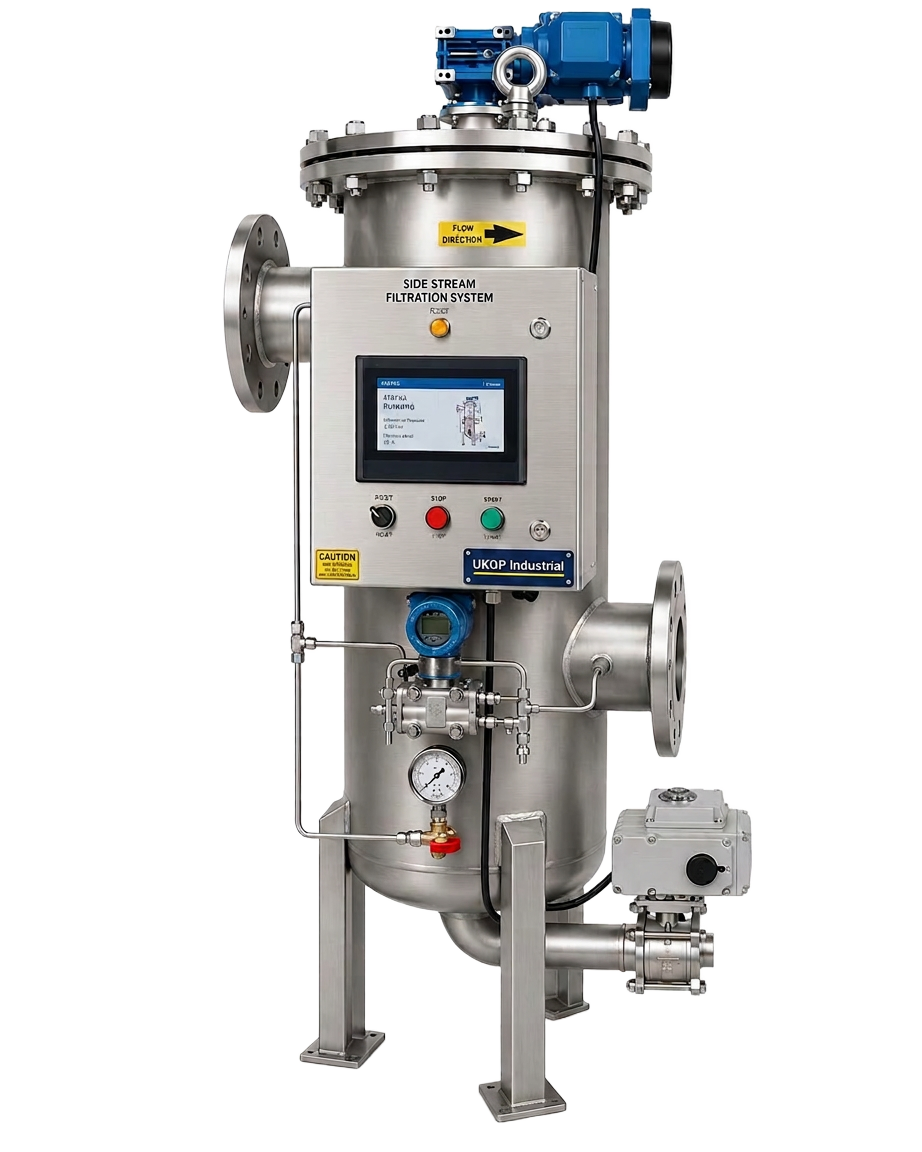
UKGP Industrial provides a 25 micron bag and cartridge side stream filtration skid designed to exceed the requirements of BSRIA BG50. For any consultant writing a power flushing boiler specification, including a requirement for a 5-50 m³/h filtration unit is the most effective way to ensure the water remains clear after the initial cleaning process. These skids come equipped with high-intensity magnetic rods to specifically target magnetite, which is the most common cause of high-temperature failure in commercial heat exchangers. A permanent skid-mounted solution with isolation valves allows for easy maintenance without interrupting the heat supply to the building.
The shift from reactive power flushing boiler tasks to proactive filtration also benefits the longevity of mechanical seals and circulating pumps. Suspended solids act as an abrasive medium that erodes valve seats and degrades pH sensor accuracy. By specifying our BSRIA aligned filtration skids, contractors can offer clients a 2-year warranty-backed solution that protects their capital equipment. This commercially aware approach reduces the total cost of ownership by eliminating the need for repeated flush cycles every few years. It is a strategic move that moves the plant room toward a more reliable and maintenance-friendly operating model for facilities management teams.
- Continuous removal of particles down to 25 micron using bag or cartridge
- High-gauss magnetic separation for effective magnetite capture
- Skid-mounted design for rapid installation into existing systems
- Alignment with BSRIA BG29 and BG50 best practices
Technical Compliance with BSRIA BG29 and BG50
Compliance with BSRIA BG29 (Pre-commission cleaning) and BG50 (Water treatment for closed heating and cooling systems) is the gold standard for any power flushing boiler project. These documents outline the necessity of achieving specific flow velocities to effectively suspend particulate matter. For a commercial system, the specifier must ensure the flushing pump is capable of overcoming the system's hydraulic resistance. If the flow rate is insufficient, the power flushing boiler operation will fail to remove heavy sludge located at the bottom of headers or within the radiator circuits. This leads to hot spots and eventual thermal cracking in high-output commercial boilers.
Furthermore, BS 8552 provides the framework for sampling and monitoring the water quality before a power flushing boiler procedure. It is essential to measure turbidity, suspended solids, and dissolved oxygen to determine the root cause of the corrosion. If a system is repeatedly requiring a flush, it suggests a recurring ingress of oxygen, often caused by failing expansion bellows or incorrect low loss header design. Solving the underlying technical issue is as important as the flush itself. A technician should look for leaks or negative pressure zones that encourage the formation of new magnetite, which quickly undoes the benefits of the cleaning process.
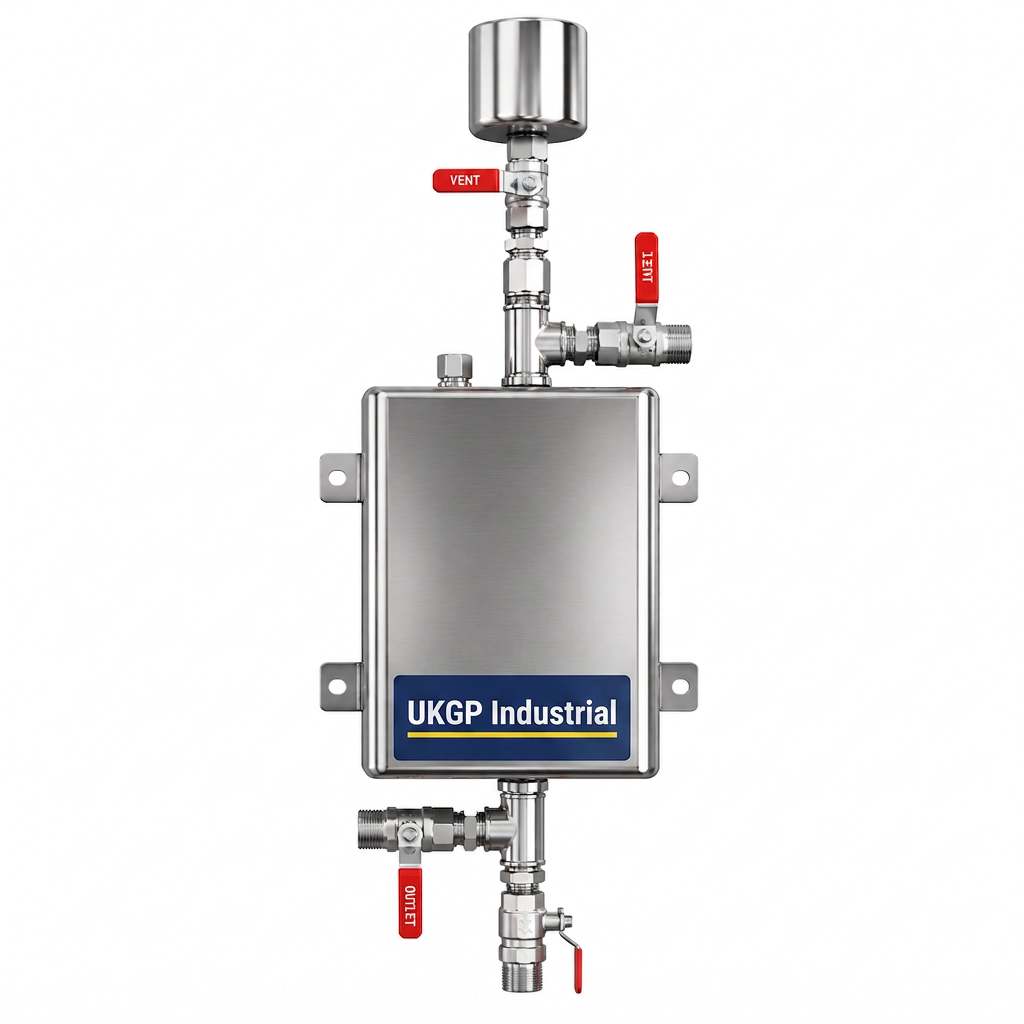
To maintain the water quality achieved after a power flushing boiler intervention, the addition of a chemical dosing pot is mandatory for the introduction of corrosion inhibitors and biocides. These chemicals form a protective film on the internal surfaces of the pipework, slowing down the oxidation process. Consultants should specify a high-quality dosing pot that is pressure-rated to the system's design and includes robust isolation for safe operation. Coupling a well-executed flush with accurate chemical dosing and side stream filtration creates a 'triple-threat' defense against HVAC degradation and ensures compliance with the most stringent UK industry standards for water hygiene.
- Adherence to BSRIA BG29 flow velocity requirements
- Integration of BS 8552 water sampling protocols
- Regular monitoring of pH and inhibitor levels for corrosion control
- Selection of pressure-rated dosing pots for chemical injection
Designing for Access and Ease of Maintenance
A common mistake when specifying a power flushing boiler project is failing to include sufficient access points for the flushing equipment. M&E contractors must ensure that the plant-room layout allows for the connection of high-flow hoses and that drainage facilities can handle the discharge in accordance with local water authority regulations. If a system lack adequate points of entry, the effectiveness of the power flushing boiler is compromised. Ideally, twin-port isolation valves should be included near the main flow and return headers to provide a dedicated loop for cleaning without affecting the primary boiler circuit.
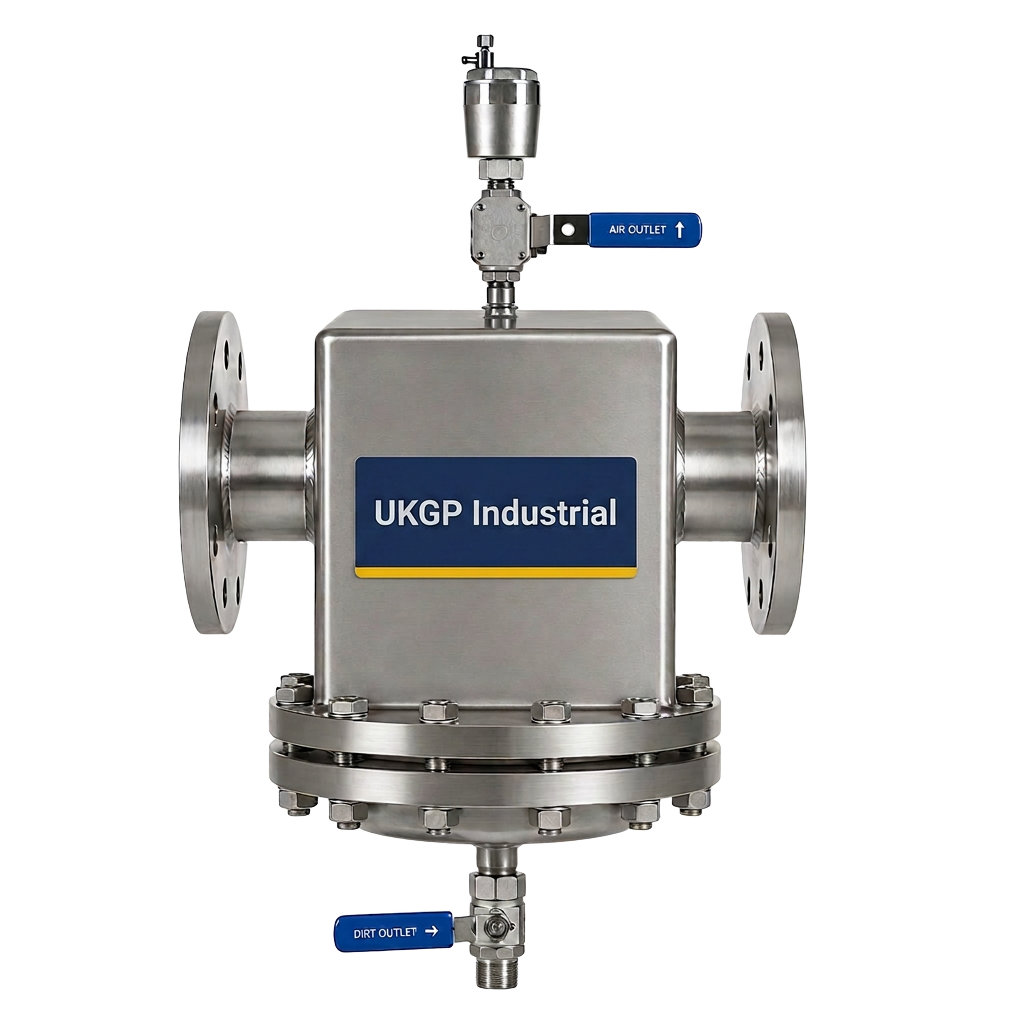
Incorporating air and dirt separators also plays a vital role in keeping the system clean post-flush. While the power flushing boiler clears the bulk of the debris, micro-bubbles and fine grit can still circulate. Specifying high-efficiency micro-bubble deaerators helps remove dissolved gases that lead to localised corrosion. When these units are used in conjunction with a side stream filtration skid, the system reaches a state of hydraulic equilibrium where thermal transfer is optimised. This practical design consideration is what separates a standard installation from one that is engineered for a thirty-year lifespan, reducing the stress on FM leads.
Finally, consideration must be given to the sensors monitoring the system's health. Following a successful power flushing boiler operation, installing pH sensors and transmitters provides the BMS with real-time data regarding the chemical state of the water. If the pH drops into the acidic range, the risk of rapid corrosion increases exponentially. Real-time telemetry allows for early intervention, potentially avoiding the need for another power flush for decades. Procurement leads should seek a package that includes high-quality sensors and filtration skids to provide the ultimate protection for the building's central heating and cooling plant.
- Strategic placement of isolation valves for flushing loops
- Provision of adequate drainage for high-volume water disposal
- Integration of deaerators to prevent oxygen-based corrosion
- BMS connectivity for pH and conductivity monitoring
The Commercial Rationale for Continuous Side Stream Filtration
From a commercial perspective, the cost of a large-scale power flushing boiler intervention can be substantial, especially when considering the required labour, chemicals, and potential system downtime. For a hospital, school, or multi-storey office block, a loss of heating during the winter months is unacceptable. Specifying a UKGP side stream filtration skid at the design stage or as an upgrade to an existing plant room provides a much higher return on investment. These 5-50 m³/h units operate silently and continuously, ensuring that the system water remains within the parameters required by major boiler manufacturers and BSRIA standards.
The mechanical specifications of our skids are tailored for the UK market. Featuring a dual-action 25 µm bag or cartridge filter and a high-strength magnetic assembly, they target both non-magnetic debris and fine iron oxide. Because they are skid-mounted and include their own isolation valves and premium pumps, they are incredibly simple to specify and install. When a building services consultant chooses this path over a one-off power flushing boiler service, they are providing the client with a long-term insurance policy against pipework erosion, valve sticking, and heat exchanger blockages, which are the primary causes of pump failure.
In conclusion, while a power flushing boiler is sometimes a necessary 'reset' for a neglected system, it is much more efficient to specify a filtration system that maintains water quality indefinitely. We recommend that M&E contractors and FMs request a quote for a side stream filtration skid to be integrated into any new-build or refurbishment project. With a 2-year warranty and design alignment with BG29 and BG50, our UK-manufactured filtration solutions offer the reliability and technical excellence that modern British infrastructure requires. Contact UKGP Industrial today to discuss your specific plant-room flow requirements and technical parameters.
- Reduces long-term maintenance costs and plant downtime
- Prolongs the life of expensive boiler heat exchangers
- Ensures constant high-efficiency thermal transfer rates
- Provides a 2-year manufacturer warranty for peace of mind
Final Specification Checklist for HVAC Systems
When finalising your specification for a power flushing boiler or a filtration upgrade, ensure that all components are rated for the operating pressure and temperature of the system. For high-rise commercial buildings, expansion bellows must be checked to ensure they can handle the thermal movement without introducing air into the system. Similarly, low loss headers should be used to protect the boilers from hydraulic fluctuations, which can often occur when flushing pumps are engaged. A comprehensive specification covers every mechanical detail to prevent the recurrence of the debris buildup that necessitates a power flush in the first place.
The quality of the components used after a power flushing boiler procedure dictates the frequency of future maintenance. Opting for UK-manufactured separators, dosing pots, and filtration skids ensures that replacement parts and technical support are readily available. UKGP Industrial is a Surrey-based provider, meaning our technical team can assist with site-specific advice for contractors and plant-room engineers. By specifying a 25 micron filtration solution with magnetic separators, you are choosing a solution that is proven to work in the toughest commercial environments, from social housing boiler rooms to high-end commercial office developments.
Do not leave your plant room's health to chance. A power flushing boiler service is only as good as the preventative measures put in place afterwards. Ensure your project documentation includes a requirement for continuous side-stream filtration and automated chemical monitoring. This holistic approach ensures that the energy savings promised by high-efficiency condensing boilers are actually realised over the long term. For more information on our 5-50 m³/h skids or to receive a bespoke technical submittal, reach out to our Surrey office to speak with a technical sales engineer familiar with UK BSRIA standards.
- Verify all components meet BS EN 14917 for expansion bellows
- Include low loss headers for hydraulic stability in multi-boiler setups
- Standardise on 25 micron filtration for all side-stream specifications
- Mandate the use of magnetic separation units on all return lines
Frequently asked questions
Why is a power flushing boiler service required in commercial systems?
- Over time, commercial systems accumulate magnetite (black sludge) and scale due to corrosion. This debris settles in low-flow areas and boiler heat exchangers, reducing efficiency and eventually causing thermal stress or blockages. A flush is used to restore flow and heat transfer.
How does BSRIA BG50 relate to power flushing?
- BSRIA BG50 provides guidelines for the maintenance of water quality in closed-loop systems. It emphasizes that while flushing removes existing debris, continuous filtration and water treatment are necessary to prevent the recurrence of corrosion and to protect system components.
Can side stream filtration replace a power flushing boiler service?
- For heavily fouled systems, an initial flush may be required to clear major blockages. However, once the system is clean, a side stream filtration skid like the UKGP 5-50 m³/h model can maintain that cleanliness indefinitely, effectively replacing the need for future periodic power flushing.
What level of filtration is recommended for commercial plant rooms?
- Industry best practice is to specify 25 micron bag or cartridge filtration combined with high-strength magnetic separation. This ensures the removal of both fine magnetite particles and larger non-magnetic particulates that can damage pumps and valves.
Are UKGP filtration skids compatible with high-pressure systems?
- Yes, our side stream filtration skids are engineered for commercial HVAC pressures and come skid-mounted with isolation valves for safe integration into existing or new-build heating and cooling circuits.