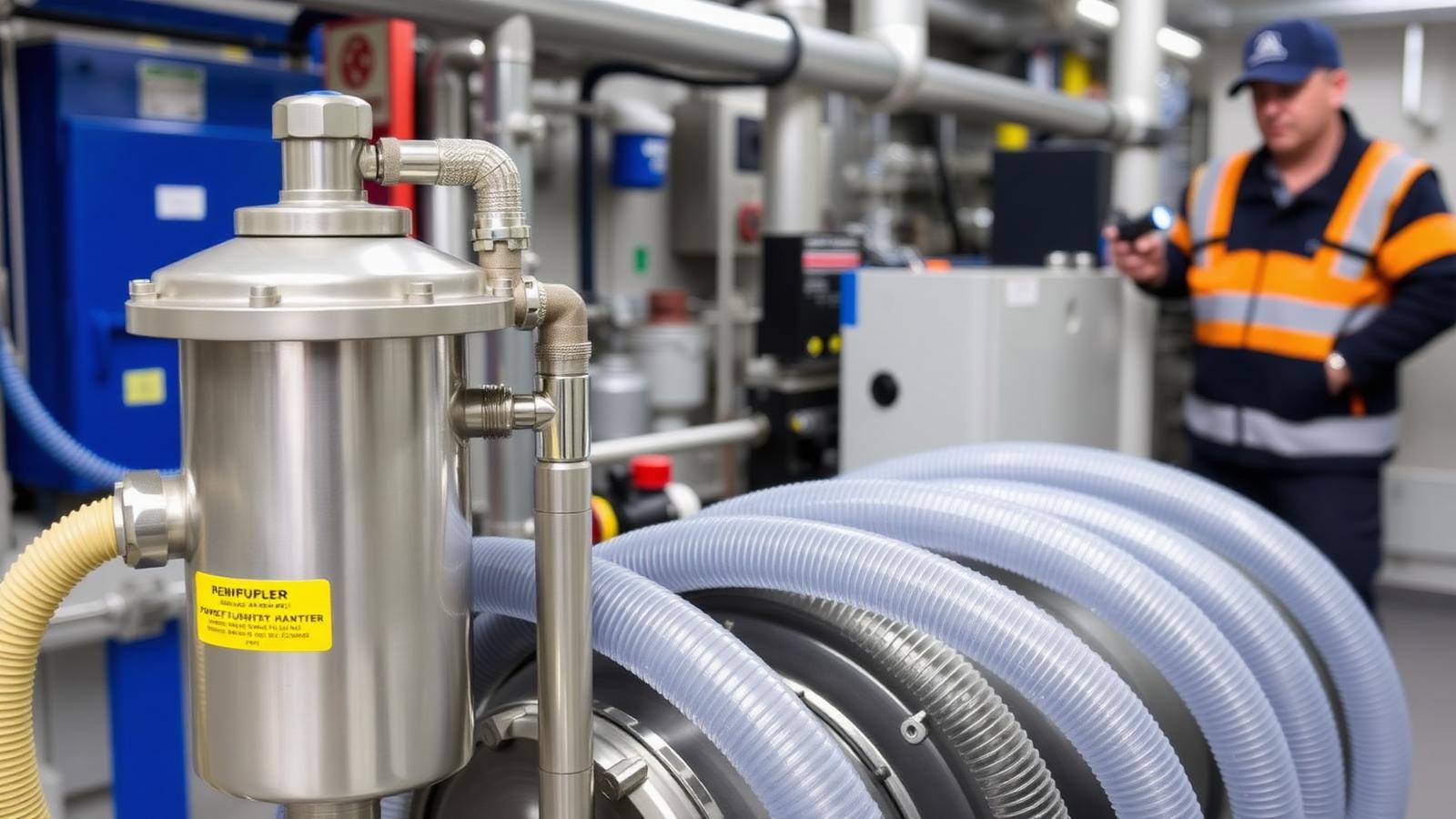
The methodology of power flushing a commercial boiler
Power flushing a commercial boiler is a high-velocity, low-pressure restorative process designed to clear accumulated magnetite, sludge, and debris from a secondary heating circuit. In a commercial context, this involves the use of specialised pumping stations that circulate chemically treated water at significantly higher speeds than the system’s standard circulators. The primary objective is to mobilise settled particulate matter that restricts flow across heat exchangers and reduces the heat transfer coefficient. UK building services engineers often specify a power flush when systemic cold spots appear in emitters or when boiler cycling becomes excessive due to restricted primary flow. It is a critical intervention during the remediation phase of a legacy system that has suffered from poor water chemistry management over several years.
The process begins with a comprehensive system survey to identify dead legs and ensure that all valves, including thermostatic radiator valves (TRVs) and zone valves, are fully operational and open. Following the initial audit, a high-strength chemical cleanser is introduced and circulated throughout the loop. This chemical agent breaks down the stubborn iron oxide deposits that cling to the internal walls of the pipework and the heat exchanger plates. During the flush, the engineer will frequently reverse the flow direction to create a turbulent scouring action, which is far more effective at dislodging debris than a unidirectional flow. This phase is often time-consuming in large-scale UK plant rooms, sometimes requiring multiple days of site attendance to ensure every circuit is sufficiently agitated and cleared of contaminants.
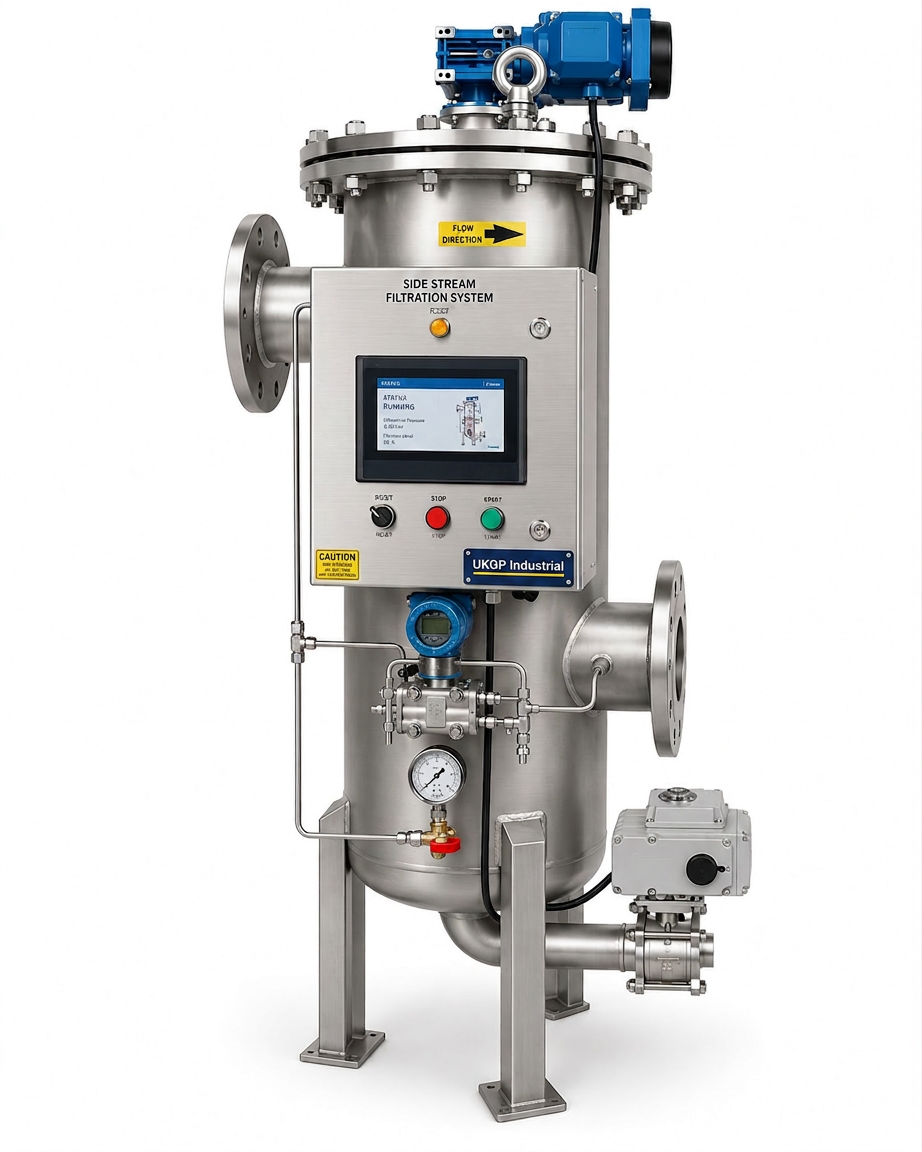
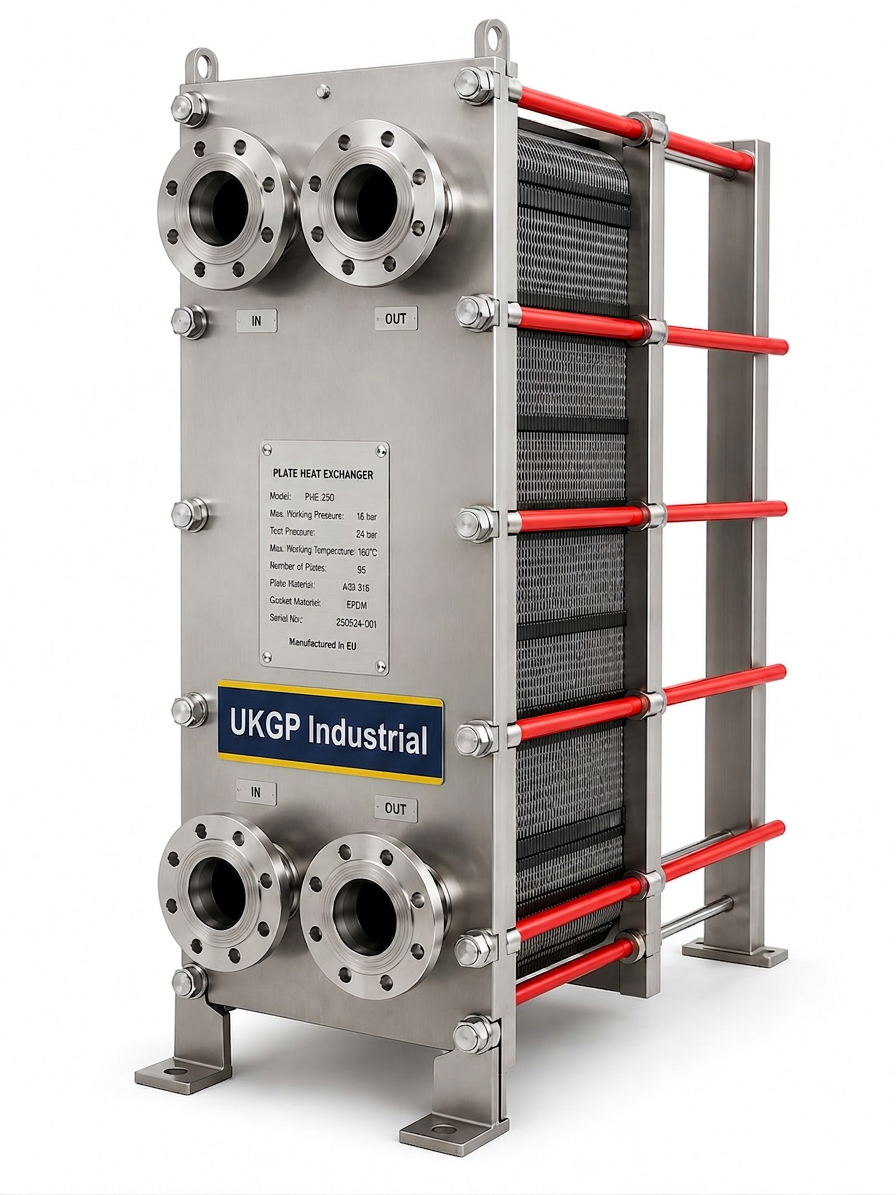
Once the debris is mobilised, the system is purged with fresh water until the discharge runs clear and the Total Dissolved Solids (TDS) levels match the incoming mains supply. For UK-based facilities managers, achieving this level of cleanliness is paramount to meeting the performance criteria set out in BSRIA BG50 'Water Treatment for Closed Heating and Cooling Systems'. However, it is vital to acknowledge that power flushing is an invasive, one-off procedure. While it addresses the immediate symptoms of a fouled system, it does not provide the continuous protection necessary for modern high-efficiency condensing boilers or plate heat exchangers. To move from reactive flushing to proactive protection, many consultants are now integrating side stream filtration skids into their primary plant room designs.
- Initial thermal imaging and system audit to locate debris blockages.
- Introduction of BSRIA-compliant chemical mobilising agents.
- High-velocity flow reversal to maximise internal scouring and sludge removal.
- Comprehensive system purging and TDS monitoring to ensure chemical neutralisation.
Commercial power flushing costs and ROI in the UK
When calculating the cost of power flushing a commercial boiler, procurement leads must account for several variables including system volume, the number of connected emitters, and the severity of the fouling. For a medium-sized UK commercial plant room, professional power flushing rates typically start from £1,500 for a simple single-zone setup but can quickly exceed £5,000 to £8,000 for complex, multi-storey buildings. These costs cover the specialist equipment hire, high-grade chemicals, and several days of mechanical labor. It is a significant capital outlay that provides an immediate boost to efficiency, often reducing energy consumption by up to 15% in heavily fouled systems. However, the 'hidden' cost of power flushing is the system downtime and the potential stress placed on aged seals and joints by the high-velocity pumping equipment.
Beyond the direct service fee, building owners must consider the frequency of the requirement. If a system requires power flushing more than once every five to seven years, there is an underlying issue with the water treatment regime or a lack of adequate filtration. Relying solely on periodic power flushing is often a false economy for UK businesses. The intermittent nature of the flush means that magnetite begins to rebuild the moment the engineer leaves the site. Transitioning to a continuous filtration model can yield a much higher return on investment by extending the life of the boiler's primary heat exchanger and reducing the need for emergency call-outs. This is particularly relevant when managing high-value assets where downtime is not an option for the building's occupants.
To provide a more sustainable and cost-effective solution, UKGP offers side stream filtration skids starting from £6,800 +VAT. These units are made to order with a 6-8 week lead time and are designed for permanent installation. By investing in a standalone filtration unit, FMs can effectively eliminate the need for future power flushing. Our skids, available in sizes from DN50 to DN100, provide continuous removal of magnetite down to sub-micron levels. When compared to the recurring cost of repeated power flushes and the associated chemical discharge fees, a dedicated side stream skid represents a superior long-term financial decision for any commercial facility. Each unit comes with a 2-year warranty, ensuring peace of mind for site engineers and asset managers alike.
- Typical UK commercial flushing costs range from £1,500 to over £8,000 depending on scale.
- Significant energy savings of 10-15% achievable post-flush in legacy systems.
- Potential for internal component damage due to high-pressure scouring methods.
- Transitioning to side stream filtration offers better long-term TCO than reactive flushing.
Technical standards: BSRIA BG29 and BG50 compliance
Adhering to recognised industry standards is non-negotiable for professional boiler maintenance. The BSRIA BG29/2021 guide for pre-commission cleaning and the BG50 guide for operational systems provide the framework for maintaining water quality. When power flushing a commercial boiler, the water chemistry must be verified both before and after the procedure. Failure to properly neutralise cleaning chemicals or verify the removal of suspended solids can lead to accelerated corrosion rates, particularly in multi-metal systems containing aluminium and copper. Professional UK contractors will provide a full water analysis report following a power flush to prove that the system water meets the conductivity and pH parameters specified by the boiler manufacturer and British Standards like BS 8552.
One of the primary challenges identified in BG50 is the management of non-magnetic particulates and microbiological growth alongside magnetite. While power flushing is excellent for removing bulk sludge, it often fails to address the underlying microbial corrosion (MIC) if the system is not properly biocide-treated post-flush. High-velocity flushing can also inadvertently push debris into small-bore pipework or control valves if the process is not carefully zoned. This is why thorough planning and the use of bypasses are essential. UKGP recommends that instead of relying on a singular invasive event, engineers should look toward permanent water quality management tools that work in tandem with the building's BMS to provide real-time alerts on water condition and pressure drops.
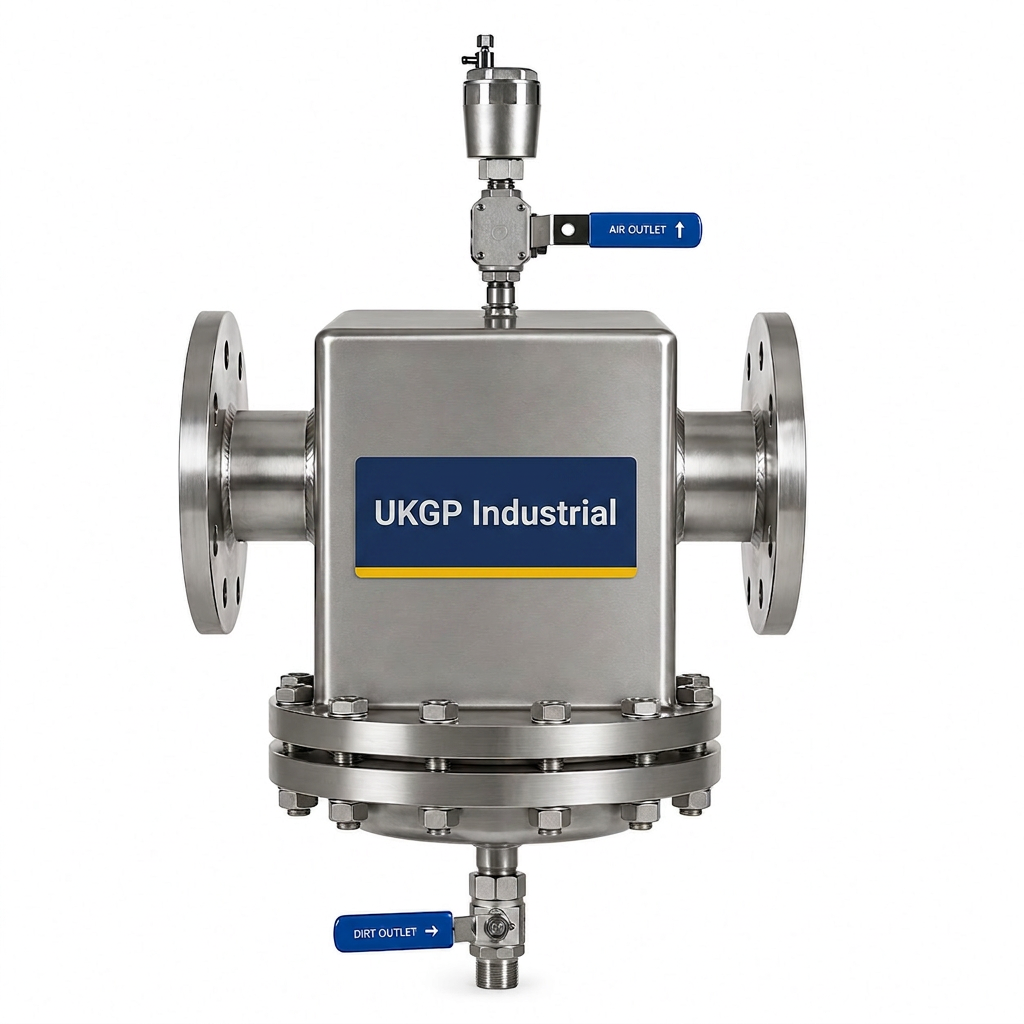
In addition to filtration, the role of air and dirt separators cannot be overlooked in the quest for a clean system. While a power flush removes existing dirt, an air and dirt separator works 24/7 to remove micro-bubbles and heavy particulate matter before they settle. This preventive approach is far more aligned with modern CIBSE best practices than traditional reactive flushing. By combining a UKGP side stream skid with our high-efficiency air and dirt separators, contractors can design a system that remains in a 'perpetual flush' state. This ensures that the water quality never degrades to the point where a disruptive and expensive power flush is required, thereby protecting the boiler’s warranty and the building's operational continuity.
- Compliance with BSRIA BG50 is essential for maintaining commercial boiler warranties.
- Post-flush water analysis must confirm pH, conductivity, and inhibitor levels.
- Risk of localised blockages if debris is not correctly managed during the flush.
- Permanent filtration and separation are preferred by CIBSE for system longevity.
Why side stream filtration is the superior alternative
While power flushing a commercial boiler is a useful remedial tool, it is essentially a 'sticking plaster' for a system with poor hygiene. Side stream filtration takes a different approach by continuously diverting a small percentage (usually 5-15%) of the total system flow through a high-intensity magnetic and stainless-steel mesh filter. This process effectively cleans the entire volume of system water multiple times per day without requiring a system shutdown. For UK hospitals, schools, and data centres, the ability to maintain water quality without interrupting the heating or cooling supply is a massive operational advantage. Our side stream skids are engineered to handle the high flow rates of commercial DN50 to DN100 pipework, ensuring that even the largest networks remain free of magnetite buildup.
The environmental impact of power flushing is also a growing concern for UK businesses aiming for Net Zero. A commercial power flush requires thousands of litres of water to be chemically treated and then flushed to the drain. This not only incurs high water and sewerage costs but also challenges the sustainability credentials of the facility. In contrast, side stream filtration is a low-waste technology. The captured magnetite is simply blown down or removed during a brief maintenance cycle, requiring minimal water loss. This makes it the preferred choice for FMs who are tasked with reducing the carbon footprint and environmental waste of their building services operations while maintaining peak HVAC efficiency.
Finally, the mechanical integrity of the system is better preserved through continuous filtration. Power flushing involves introducing external pumps that can operate at pressures higher than the system's design parameters, risking leaks in older gaskets or under-floor heating manifolds. By installing a UKGP side stream filtration skid, you are opting for a gentle, consistent cleaning method that works within the system's natural operating pressure. Priced from £6,800 +VAT and backed by a 2-year warranty, these made-to-order units are the gold standard for modern UK plant room management. They eliminate the 'boom and bust' cycle of system fouling and provide a measurable improvement in the longevity of downstream components like plate heat exchangers and dosing pots.
- Continuous cleaning without the need for system downtime or shutdowns.
- Lower environmental impact through reduced water waste and chemical discharge.
- Easier maintenance with simple blow-down procedures for sludge removal.
- Protects sensitive components like secondary pumps and heat exchangers.
Identifying when your commercial system requires a flush
Recognising the early warning signs of system contamination can save thousands in emergency repair costs. The most common indicator that power flushing a commercial boiler may be necessary is a significant increase in the Delta-T across the boiler or heat exchanger. If the temperature differential exceeds the manufacturer's specified range, it suggests that internal fouling is impeding heat transfer. Similarly, if your circulation pumps are failing prematurely or showing signs of cavitation, magnetite crystals may be abrading the internal seals and impellors. For UK plant room engineers, regular water sampling—conducted at least quarterly—is the only definitive way to monitor the ppm (parts per million) of suspended iron and other metallic debris.
Another tell-tale sign is the noise coming from the plant room. A 'kettling' sound in the boiler or high levels of vibration in the pipework often point to localized boiling caused by sludge deposits on the heat exchanger surfaces. In large commercial buildings, cold spots in radiators on the upper floors or at the furthest ends of the run often indicate that the system's balancing has been compromised by debris accumulation. When these symptoms appear, the system's efficiency has already dropped significantly. It is at this stage that many consultants specify an urgent power flush. However, at UKGP, we advocate for the installation of DQ (Data Quality) monitoring and side stream filtration before these catastrophic symptoms manifest, ensuring the system remains at peak performance.
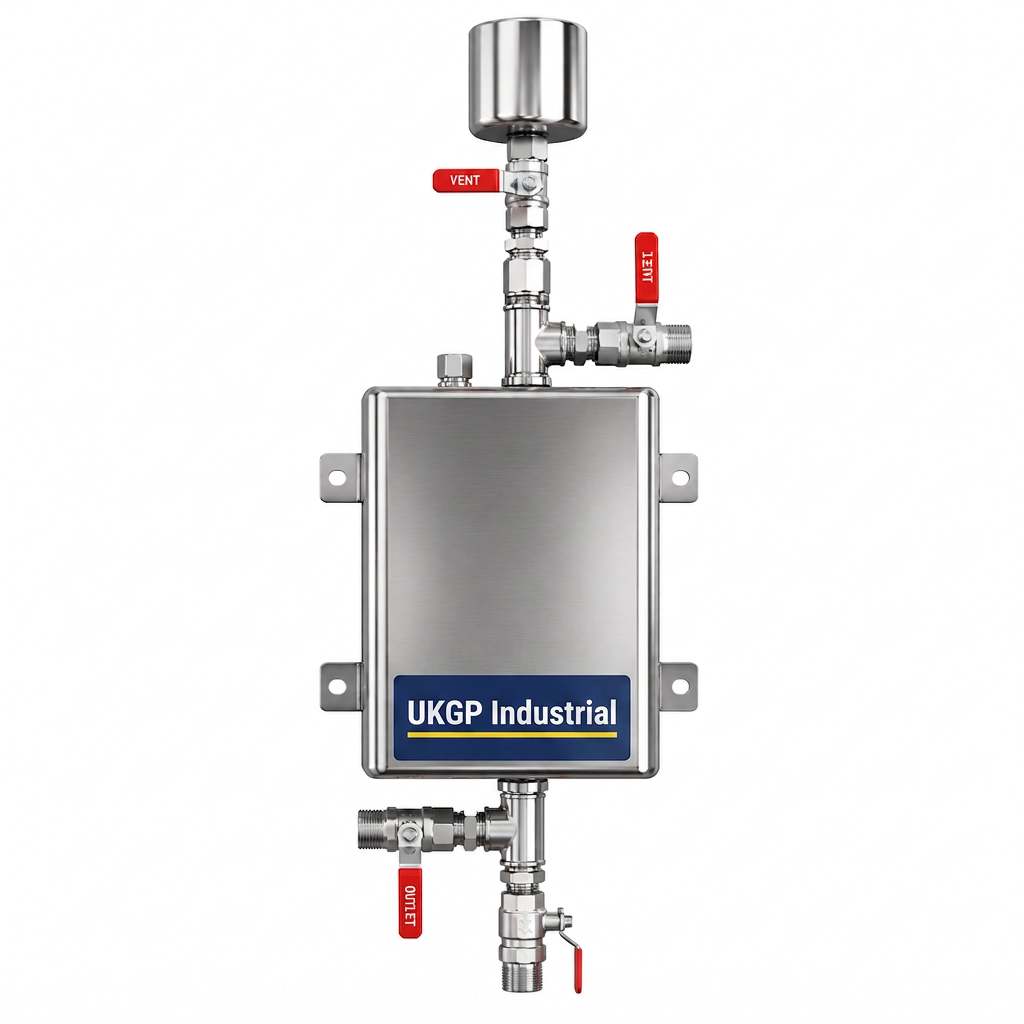
Procurement leads should also look at the history of chemical dosing in the building. If the dosing pot is rarely used or if records show inconsistent inhibitor levels, it is highly likely that internal corrosion is currently occurring. A dosing pot is an essential tool for maintaining the initial chemical barrier, but it cannot remove existing rust. For systems where the water has already turned black or 'inky', a flush followed by the installation of a DN50-DN100 side stream skid is the only way to restore the circuit to original design specifications. At UKGP, we provide the full suite of equipment—from dosing pots to filtration skids—to ensure your commercial heating system meets the highest UK standards of reliability and efficiency.
- Increased Delta-T and reduced heat transfer efficiency across the primary loop.
- Frequent pump failures or mechanical seal leaks due to abrasive magnetite.
- Audible kettling or localized boiling sounds within the boiler casing.
- Visible 'black water' or sludge during routine bleeding of air-and-dirt separators.
The role of side stream filtration in system restoration
Once a system has been assessed and the decision is made to restore its performance, the hardware choice is critical. While a one-time power flush removes the bulk of the muck, a side stream filtration skid ensures that the microscopic particles—which are often the most damaging to modern modulating pumps—are permanently removed. Our UKGP skids are specifically designed for the UK market, featuring robust Grundfos pumps and integrated magnetic separators. By installing a skid, you provide a dedicated 'kidney dialysis' machine for your building’s heating heart. This is especially vital when upgrading an old atmospheric boiler to a new high-efficiency condensing model, as the narrow waterways in modern boilers are highly susceptible to blockage from old debris.
In many commercial retrofit projects in London and across the UK, space in the plant room is at a premium. Our skids are designed with a compact footprint, making them easy to integrate into existing DN50 to DN100 pipework configurations. With a lead time of 6-8 weeks, these units can be factored into summer maintenance schedules or planned plant room refurbishments. The cost of £6,800 +VAT is a minor investment when compared to the £50,000+ price tag of a commercial boiler replacement. Furthermore, the 2-year warranty we provide on all our UK-manufactured skids reflects our confidence in the durability of the components used, from the stainless steel housing to the high-quality valves and gauges.
Effective system restoration isn't just about the hardware; it's about the strategy. Combining a power flush with the immediate commissioning of a side stream filter is the CIBSE-recommended approach for older systems. This ensures that any residual debris stirred up during the commissioning of new plant is caught before it can do damage. For contractors and FMs, this reduces the 'callback' rate and ensures that the system performs exactly as the design intended. Whether you are dealing with a large primary heating loop or a chilled water circuit, our technical team at UKGP can help you size the correct filtration solution to move beyond the limitations of periodic power flushing and into a new era of system reliability.
- Essential for protecting new condensing boilers during plant room retrofits.
- Compact UK designs tailored for DN50 to DN100 commercial pipework.
- Reduces contractor liability and minimizes post-installation remedial works.
- Direct manufacturer support and 2-year warranty on all side stream units.
Frequently asked questions
How long does power flushing a commercial boiler take?
- For a standard UK commercial building, the process typically takes between 2 to 5 days. This allows for individual circuit flushing, chemical circulation time, and final neutralisation as per BSRIA BG50 standards.
Can power flushing damage old pipework?
- There is a minor risk. Modern power flushing uses high velocity but low pressure; however, the removal of heavy lime-scale or rust can sometimes reveal existing pinhole leaks that were previously 'plugged' by debris.
What is the price of a commercial side stream filtration skid?
- At UKGP, our commercial side stream filtration skids start from £6,800 +VAT. These are made-to-order units with a 6-8 week lead time and are available for pipe sizes DN50 to DN100.
Is power flushing better than side stream filtration?
- Power flushing is a reactive, one-time cleaning event for heavily fouled systems. Side stream filtration is a proactive, continuous solution that maintains water quality 24/7 and is generally considered superior for long-term asset protection.
Do I need to bypass the boiler during a power flush?
- Yes, it is often recommended to bypass sensitive components like the boiler heat exchanger or plate heat exchangers during the initial heavy flush to prevent large debris from becoming trapped in narrower waterways.