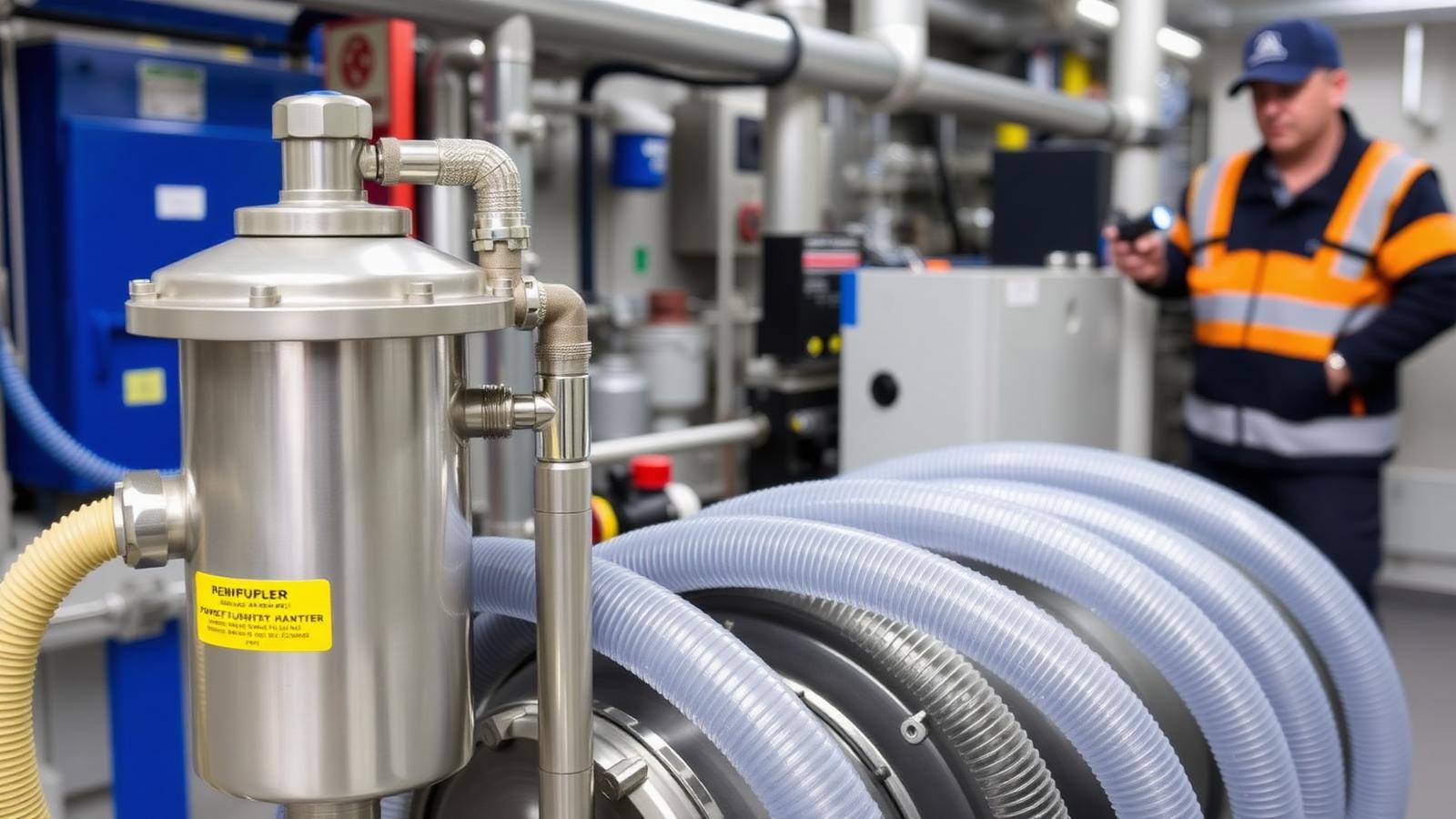
Understanding the Power Flush vs Chemical Clean PHE Debate
In the UK building services sector, the debate over power flush vs chemical clean PHE applications centres on the nature of the blockage. A power flush uses high-velocity water, sometimes with light pulsing, to physically dislodge loose debris and sludge from the narrow channels of a plate heat exchanger. While effective for clearing soft magnetite and general loose sediment, it often fails to tackle mineral scale or stubborn biological films that adhere to the 316 stainless steel plates. For facility managers, choosing the wrong method can lead to repeated call-outs and incremental energy costs that far exceed the initial cleaning price.
Conversely, a chemical clean involves circulating specific acid or alkaline solutions through the PHE to break down molecular bonds between the foulant and the plate surface. This method is governed strictly by COSHH regulations and requires careful material compatibility checks to ensure the gaskets and plates are not compromised. In a fouled commercial system, the decision is rarely binary; often, a manual strip-down and chemical soak is the only way to restore the heat transfer coefficient to its original design specification. Consulting BSRIA BG50 guidelines provides a framework for water quality that helps prevent this fouling before it necessitates such invasive remedial action.
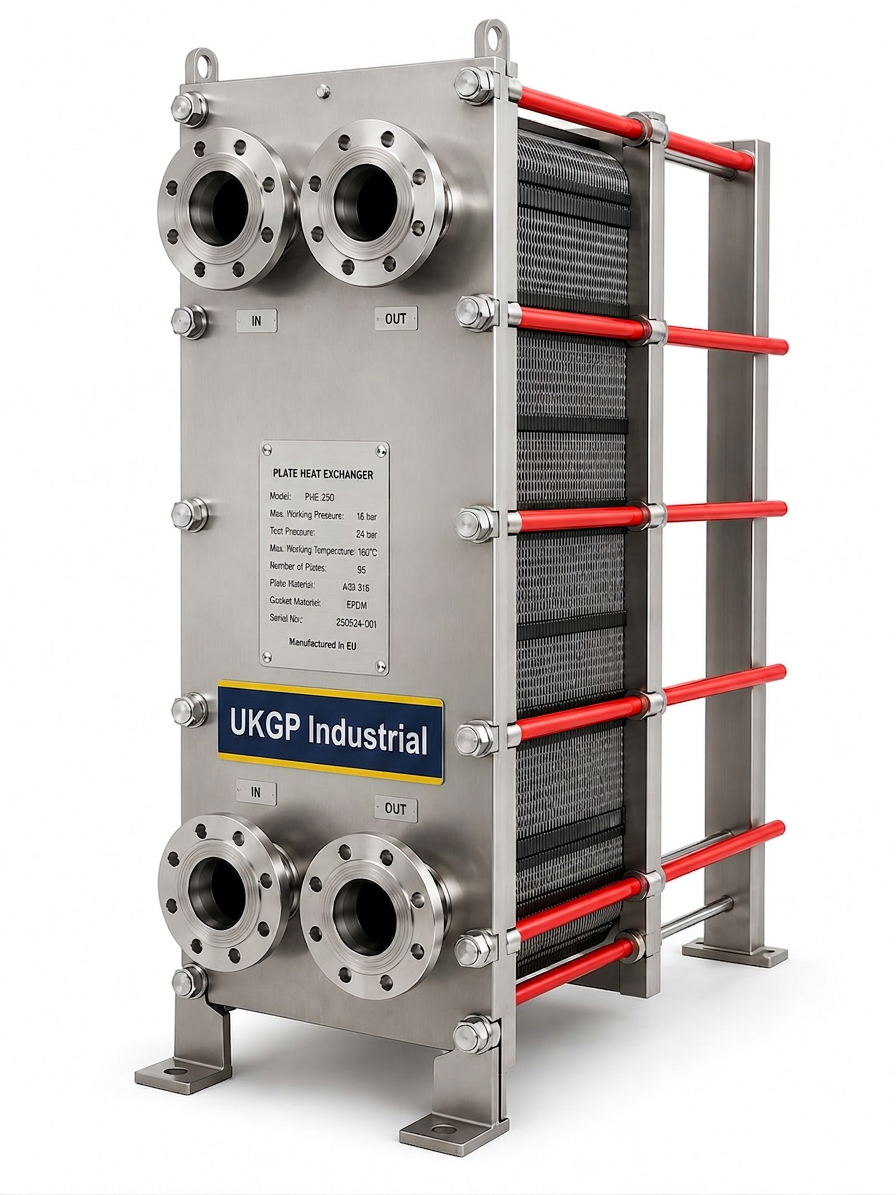
The commercial implications of these choices are significant for UK procurement leads. A standard power flush might be a quick fix for a small commercial boiler loop, but for large-scale heat networks, a bespoke chemical cleaning regime is often required to meet the stringent requirements of BS 8552. When the fouling is too severe, the most cost-effective route is often replacing the unit entirely with a high-efficiency UKGP plate heat exchanger, especially when downtime costs exceed the capital expenditure of a new, warrantied component designed for modern system pressures and temperatures.
- Power flushing is best for loose magnetite and mobile sludge.
- Chemical cleaning targets calcium carbonate scale and bio-films.
- Manual strip-downs allow for gasket inspection and plate replacement.
- Incorrect chemical selection can cause pitting corrosion in stainless steel.
- BSRIA BG29 and BG50 offer the gold standard for UK system cleanliness.
Technical Efficacy of Chemical Cleaning Methods
Chemical cleaning is the preferred route when dealing with hard water scaling or aged corrosion products that have calcified within the heat exchanger. This process is highly technical, requiring a methodical approach to ensure that the chemical strength is sufficient to dissolve the obstruction without attacking the parent metal. UK engineers often utilise inhibited acids that provide a protective layer on the steel while aggressively targeting the scale. In a power flush vs chemical clean PHE scenario, the chemical route is the only one that truly penetrates the 'dead zones' within the plate corrugations where flow velocity is naturally lower and debris tends to settle.
It is essential to note that the effectiveness of a chemical clean is dependent on the flow rate of the circulating pump and the temperature of the cleaning solution. Many contractors fail to achieve the required results because they do not heat the cleaning fluid, which significantly slows the reaction time. Furthermore, once the cleaning is complete, the system must be thoroughly neutralised and flushed to remove any residual acidity. Failure to do so can lead to rapid post-clean corrosion, often referred to as 'flash rusting,' which can re-foul the PHE within weeks of the maintenance being completed on-site.
From a commercial perspective, a professional chemical clean performed by a specialist contractor can cost several thousand pounds depending on the system volume. If the PHE is beyond the point of chemical recovery, it is worth considering UKGP's range of replacement units. While a chemical clean might temporarily restore performance, installing a fresh, made-to-order plate heat exchanger ensures a 2-year warranty and a clean slate for your water treatment regime. This long-term view is increasingly favoured by FMs who are tasked with reducing the carbon footprint of their heating and cooling assets.
- Utilises inhibited acids to protect 316/316L stainless steel plates.
- Requires precise temperature control for maximum reaction efficacy.
- Neutralisation is a critical final step to prevent system damage.
- Effective against biological fouling in low-temperature systems.
- Must be performed by trained specialists to comply with HSE regs.
The Role of Power Flushing in Preventative Maintenance
Power flushing is frequently used as a pre-commissioning cleaning step or as part of a routine maintenance programme to clear mobile contaminants before they become lodged in the PHE. When comparing power flush vs chemical clean PHE strategies, power flushing is generally less invasive and carries lower risk regarding material degradation. By circulating water at high velocity, the shear force helps keep particulates in suspension, allowing them to be captured by high-performance filtration systems. This is particularly relevant in UK plant rooms where older, black-iron pipework is prevalent and constantly shedding magnetite into the primary and secondary loops.
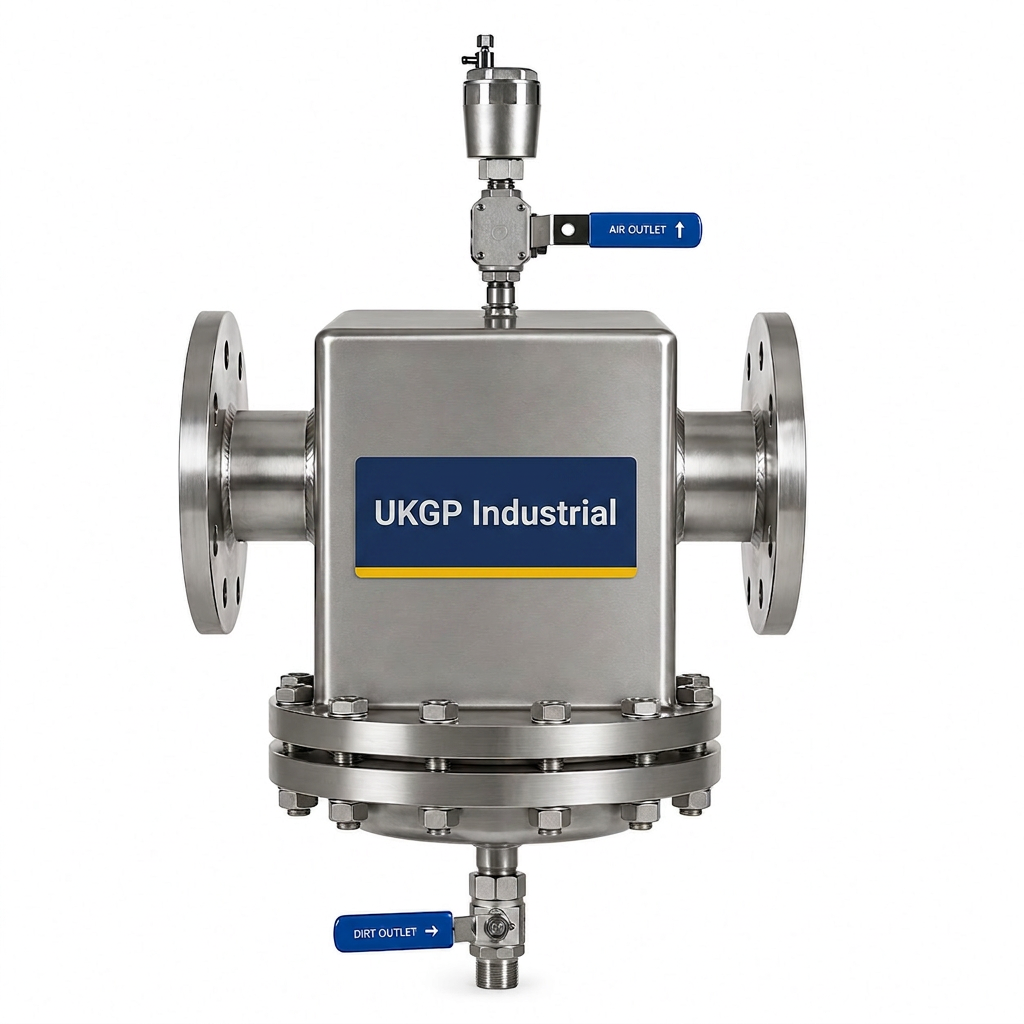
However, the limitation of power flushing is the 'path of least resistance.' In a heavily fouled PHE, the water will flow through the few remaining clear channels, leaving the blocked sections virtually untouched. This creates a false sense of security for the maintenance engineer, as the peripheral flow might improve, but the overall thermal transfer remains severely throttled. In these instances, a power flush should be seen as a supplementary tool rather than a standalone solution for a deeply fouled heat exchanger. It is most effective when combined with the installation of high-quality air and dirt separators to maintain clarity post-flush.
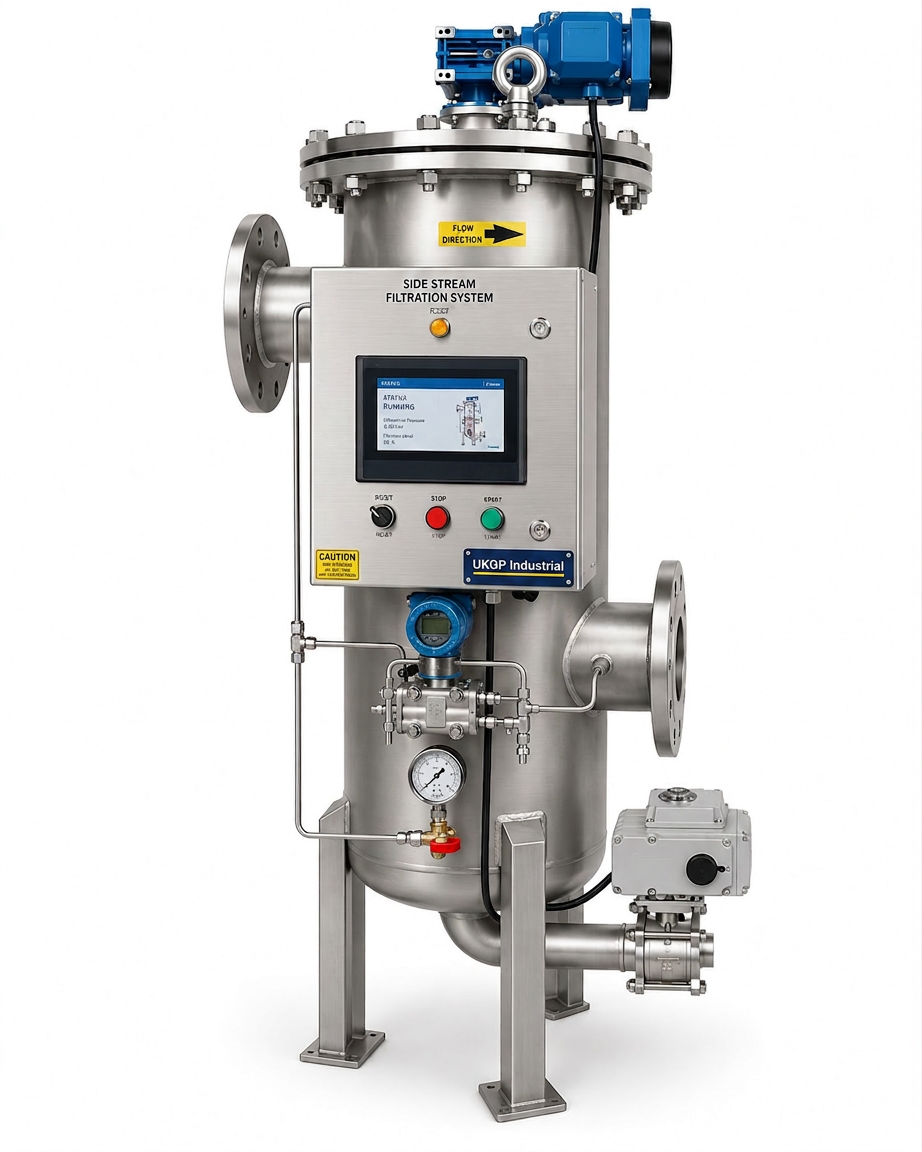
For M&E contractors, recommending a power flush is often the first line of defence because it is relatively fast and doesn't require the complex disposal of hazardous waste associated with chemical cleaning. However, if the system has been neglected for years, a power flush alone will rarely satisfy the thermal performance requirements of a modern building management system (BMS). Investing in permanent filtration solutions, such as the UKGP side stream filtration skids, is the industry-recognised way to ensure that once a system is flushed clean, it stays that way by continuously removing particles down to sub-micron levels.
- Clears mobile magnetite effectively from primary boiler loops.
- Lower risk of gasket damage compared to aggressive chemicals.
- Requires high-performance pumps to reach the necessary Reynolds numbers.
- Less effective for mineral scale or compacted blockages.
- Ideal for pre-commissioning cleans under BSRIA BG29 standards.
Implementing Side Stream Filtration to Avoid Fouling
The best way to resolve the power flush vs chemical clean PHE dilemma is to prevent the fouling from occurring in the first place. BSRIA BG50 highlights the importance of side stream filtration in closed-loop systems to manage suspended solids. By constantly diverting a portion of the system flow through a high-intensity magnetic and media filter, you can prevent the build-up of the sludge that necessitates invasive cleaning. UKGP offers specialized side stream filtration skids (DN50 to DN100) that are custom-built to order, typically within a 6-8 week lead time, ensuring your system remains within BSRIA water quality parameters.
A UKGP side stream filtration skid, starting from £6,800+VAT, provides a robust commercial-grade solution for protecting expensive plate heat exchangers and boiler plant. These units are designed to remove both magnetic and non-magnetic debris, which is essential because modern systems often contain a mix of materials, including copper, brass, and plastics, alongside traditional steel. By maintaining low turbidity, you ensure that the plate heat exchanger operates at peak efficiency, reducing the strain on circulating pumps and lowering the overall energy consumption of the building—a primary goal for modern sustainability-focused facility management.
When procurement leads evaluate the cost of a side stream skid versus the cost of repeated chemical cleans and eventual PHE replacement, the ROI is clear. A skid provides a 2-year warranty and peace of mind that the HVAC system is protected 24/7. Made to order for specific UK site requirements, these skids are a 'set and forget' piece of infrastructure that simplifies the maintenance schedule. Instead of debating power flush vs chemical clean PHE methods every winter, the engineer simply needs to perform a routine blow-down of the filter, which takes minutes rather than days of expensive system downtime.
- Continuous removal of suspended solids down to sub-micron levels.
- Reduces the frequency of invasive and expensive chemical cleans.
- DN50 to DN100 sizes available to suit various commercial loads.
- UKGP skids start from £6,800+VAT with a 2-year warranty.
- Essential for compliance with BSRIA BG50 water quality targets.
BSRIA Standards and Compliance for UK Plant Rooms
Compliance with BSRIA BG29 (Pre-commission cleaning of pipework systems) and BG50 (Water treatment for closed heating and cooling systems) is not just a best-practice recommendation; it is often a requirement for insurance and manufacturer warranties in the UK. These documents outline the acceptable levels of metals, bacteria, and suspended solids in a system. When a PHE becomes fouled, it is an objective sign that these standards have been breached. Whether you choose a power flush or a chemical clean, the ultimate goal is to return the system to the chemistry levels defined by these industry-recognised standards to prevent future corrosion.
BSRIA BG50 specifically emphasizes the need for a holistic approach to water treatment, combining chemical inhibitors with physical filtration. If an M&E contractor merely performs a power flush without addressing the underlying water chemistry or lack of filtration, they are treating the symptom rather than the cause. This leads to a cycle of fouling that degrades the internal surface of the plate heat exchanger over time. A chemical clean might be more successful at reaching BSRIA-compliant levels of cleanliness in a badly maintained system, as it can strip away the biofilm that harbours corrosive anaerobic bacteria like Sulfate-Reducing Bacteria (SRB).
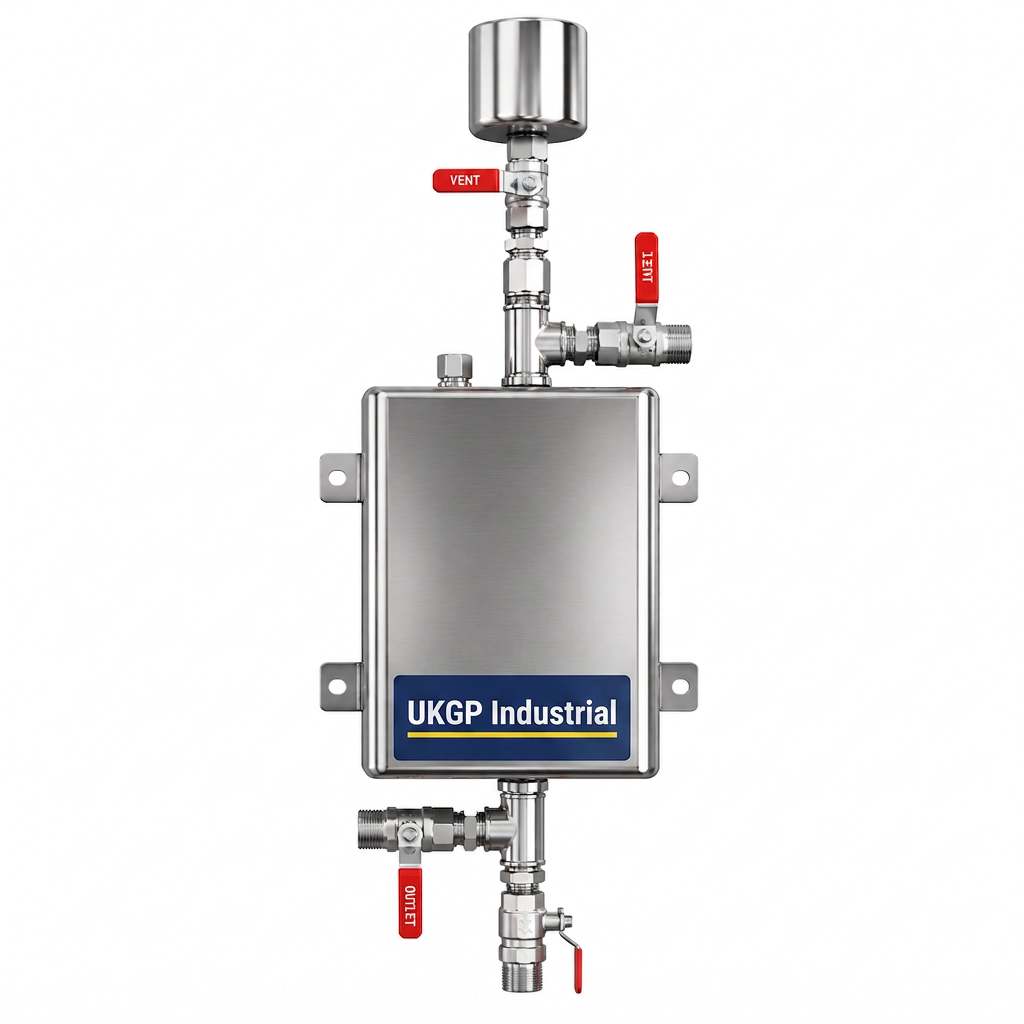
Engineers must document the cleaning process and the resulting water quality to provide a trail of compliance. This documentation is vital during building handovers or when troubleshooting performance issues with energy consultants. By selecting high-quality UK-manufactured equipment, such as dosing pots and filtration skids from UKGP, contractors can ensure that they have the best tools available to maintain these standards. Our units are built for the rigours of UK plant rooms, ensuring that your remedial work—whether a flush or a clean—is backed by hardware that keeps the system stable for the long term.
- BG29 covers the essential cleaning of new-build installations.
- BG50 provides the framework for ongoing water quality management.
- Documenting water chemistry is vital for warranty and insurance.
- SRB and other bacteria require chemical intervention, not just flushing.
- Proper filtration ensures ongoing compliance after the initial clean.
Cost-Benefit Analysis: Clean vs Replace
When a plate heat exchanger is heavily fouled, building owners must consider the cost-benefit of cleaning versus total replacement. A professional chemical clean for a large DN100 unit can be expensive, and there is always a risk that the plates have already suffered from pinhole corrosion beneath the scale. If the unit is more than 10 years old, the cost of labour, chemicals, and new gaskets might approach 50-60% of the cost of a brand-new unit. UKGP provides bespoke plate heat exchangers that offer modern efficiency gains, which can often pay for themselves through reduced energy bills in a relatively short period.
For many UK facility managers, the 6-8 week lead time for a new, made-to-order PHE is the main barrier, leading them to opt for a power flush as a temporary measure. However, this often results in suboptimal performance throughout a heating season, costing thousands in extra gas or electricity. Planning for replacement during the shoulder months (spring and autumn) allows for the procurement of a UK-manufactured unit with a 2-year warranty, ensuring that the plant room is ready for peak demand without the risk of a mid-winter failure. This proactive approach is always more commercially sound than reactive fire-fighting.
In conclusion, while the choice between power flush vs chemical clean PHE depends on the specific foulant, the most important factor is the long-term health of the system. Integrating high-quality components like side stream filtration and air/dirt separators from the outset is the only way to avoid these costly remedial decisions. If you are currently facing a fouled system, we recommend a thorough water analysis to determine the best course of action. Whether you need a quote for a new PHE or a side stream filtration skid to protect your existing assets, UKGP is here to provide the technical expertise and high-quality hardware required for UK building services.
- Cleaning can cost substantial sums with no guarantee of 100% recovery.
- New UKGP units come with a 2-year warranty and improved efficiency.
- Energy savings from a clean PHE can exceed maintenance costs quickly.
- Consider lead times of 6-8 weeks when planning major plant overhauls.
- Request a quote for UKGP skids and exchangers to compare ROI.
Frequently asked questions
How can I tell if my PHE needs a power flush or a chemical clean?
- A power flush is suitable if the pressure drop across the PHE is high due to loose sludge. If the heat transfer is poor but the flow is relatively normal, it usually indicates mineral scaling or biofilm, which requires a targeted chemical clean.
Is a power flush safe for old plate heat exchangers?
- Power flushing is generally safe, but if the PHE is very old or already corroded, the high pressure can sometimes expose existing leaks. Always inspect the gasket condition before proceeding with high-velocity flushing.
What is the typical lead time for a replacement UKGP PHE?
- Our made-to-order plate heat exchangers typically have a lead time of 6-8 weeks, though this can vary based on specific material requirements and size. All our units come with a 2-year warranty.
Do I need to follow BSRIA BG50 after cleaning my PHE?
- Yes, following BSRIA BG50 is critical to ensure the cleaning results last. This includes maintaining the correct level of inhibitor and using side stream filtration to capture any remaining or new debris.
What is the price of a commercial side stream filtration skid?
- UKGP side stream filtration skids start from £6,800+VAT. They are bespoke, made-to-order units specifically designed for UK commercial HVAC systems, ranging from DN50 to DN100.