Estimating the Power Flush of Central Heating System Cost
Determining a realistic power flush of central heating system cost for commercial buildings requires a nuanced look at the scale of the distribution pipework. Unlike residential call-outs, a commercial power flush involves significantly higher volumes of water and chemical quantities, often necessitating heavy-duty pumping equipment to achieve the Reynolds numbers required for effective debris suspension. Costs are typically driven by the total system volume, the number of radiators or fan coil units, and the complexity of the plant room layout. A small office complex might see costs starting from four figures, while large industrial sites can reach much higher amounts due to the labour-intensive nature of isolating and flushing individual zones and high-capacity system headers.
A major component influencing the power flush of central heating system cost is the disposal of the wastewater and the subsequent replenishment of high-quality inhibitors. Under BS 8552 and BSRIA BG50 guidelines, flushed water cannot simply be discarded if it contains high concentrations of suspended solids or heavy metals. Specialist disposal or on-site neutralisation adds to the overhead. Furthermore, if the system has been neglected for years, the intensity of the chemical cleaning process increases, potentially requiring more expensive acidic cleaners and longer labour hours to achieve the water clarity required by major UK commercial boiler OEMs before they will honour heat exchanger warranties. Proactive maintenance remains the most cost-effective path.
Contractors must also account for the potential risks associated with high-pressure flushing in older systems. The power flush of central heating system cost often includes a contingency for repairing leaks that emerge when magnetite and limescale are stripped away from compromised seals or thinning pipe walls. For facilities managers, the 'hidden' cost is often the system downtime. Power flushing requires the primary heat source to be offline, which may not be feasible for 24/7 industrial processes or healthcare environments. This often necessitates out-of-hours work or a phased approach, both of which inflate the final invoice significantly compared to a standard preventative maintenance schedule overseen by a site engineer.
- System volume and total number of terminal units
- Chemical additive requirements and neutralisation stages
- Specialist waste disposal and environmental compliance
- Labour duration and out-of-hours premiums for facility uptime
BSRIA BG29 and BG50 Compliance Costs
Adhering to BSRIA BG29 'Pre-commission Cleaning of Pipework Systems' and BG50 'Water Treatment for Closed Heating and Cooling Systems' is non-negotiable for modern UK commercial installations. When calculating the power flush of central heating system cost, one must include the professional water analysis fees required to validate that the flush was successful. Without documented proof that suspended solids, iron, and copper levels have returned to acceptable parameters, the initial investment in the flush may be wasted as corrosion will immediately re-initiate. Consulting engineers increasingly demand that these standards are met before sign-off on new builds or major refurbishments, placing the financial burden of compliance on the lead M&E contractor.
The cost of failing to meet these standards far outweighs the initial power flush of central heating system cost. Inefficient heat transfer caused by magnetite buildup can increase fuel consumption by up to 15%, according to industry estimates. Furthermore, modern high-efficiency heat exchangers have tight waterways that are easily blocked by circulating debris. If a commercial boiler fails prematurely due to poor water quality, the manufacturer's warranty is frequently voided if the owner cannot provide BSRIA-aligned maintenance records. This makes the cost of a professional flush an essential insurance policy against catastrophic plant room failure and the associated replacement costs of primary heating assets and pumps.
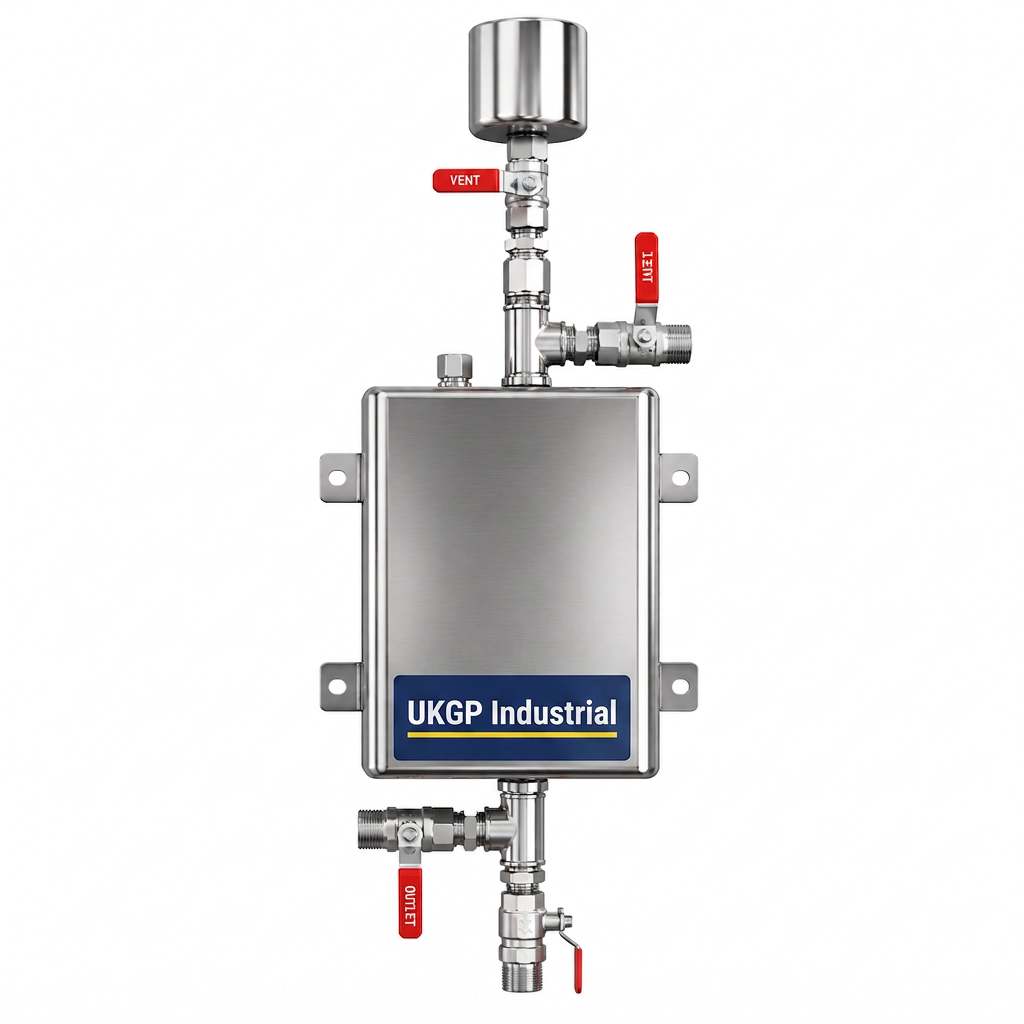
Strategic water treatment avoids the 'flush and forget' cycle that many facility managers fall into. While a one-off power flush addresses the current symptoms of a dirty system, it does not prevent the return of corrosion. Investing in high-quality chemical dosing pots and side stream filtration is the only way to ensure that the money spent on a power flush provides lasting value. By continuously removing microscopic particles, these systems keep the iron and mineral levels well within the limits defined by BSRIA BG50, effectively extending the interval between major system flushes and reducing the total lifecycle cost of the building's mechanical and electrical services.
- Mandatory water sampling and laboratory analysis costs
- Documentation and validation for BSRIA compliance
- Increased fuel costs from undissolved mineral deposits
- Risk of warranty invalidation from leading boiler manufacturers
Integrating Side Stream Filtration for Long-Term Savings
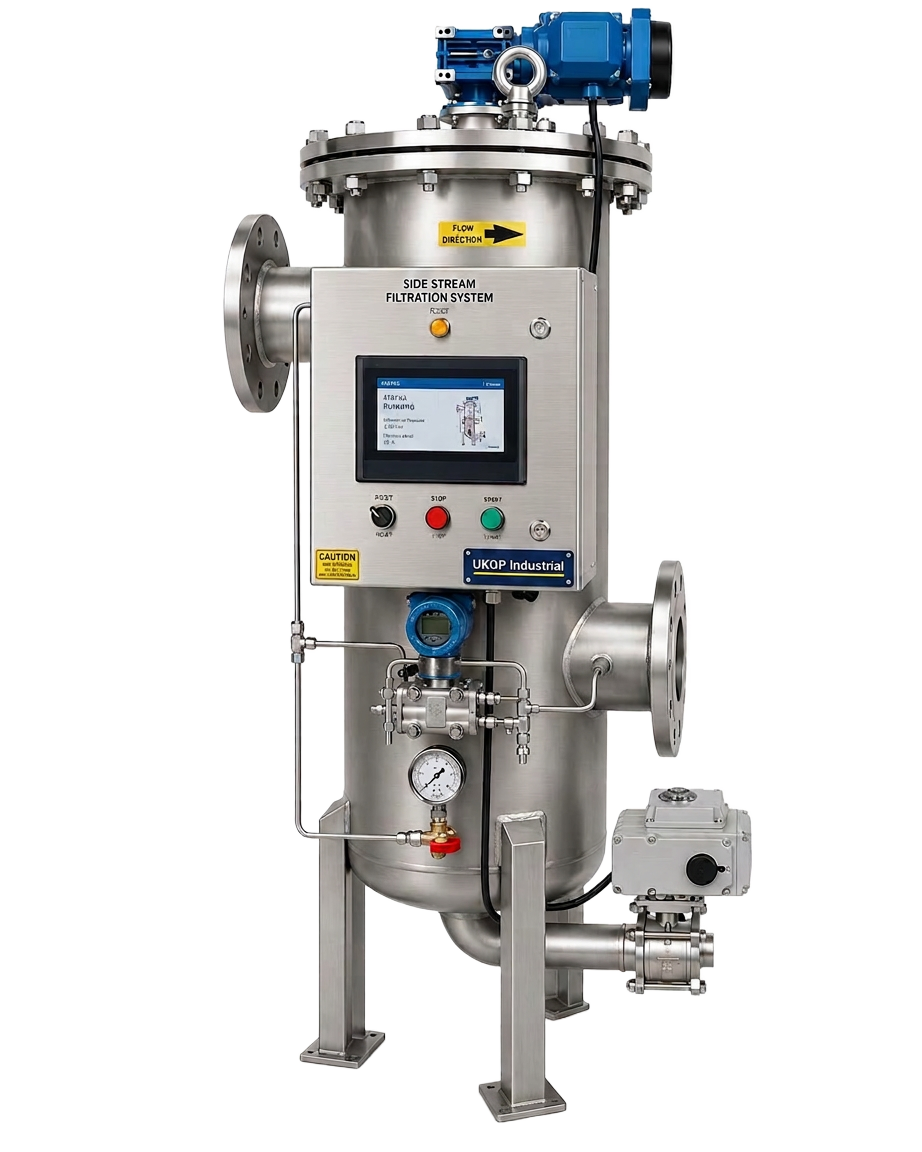
One way to mitigate the recurring power flush of central heating system cost is the installation of a high-performance side stream filtration skid. While a power flush is an intensive one-time event, side stream filtration provides continuous cleaning of the circulating water, capturing magnetite and non-magnetic debris without interrupting the system's operation. This is particularly crucial in large-scale commercial networks where a full system drain-down is impractical. By diverting a percentage of the flow through a high-intensity magnetic core and a fine-mesh bag or cartridge filter, the water quality remains at a premium level, significantly reducing the frequency of required flushes and protecting delicate internal components like control valves and sensors.
Choosing the right filtration equipment is paramount for achieving CIBSE-endorsed water quality metrics. A UKGP side stream filtration skid is specifically designed for these demanding environments, offering throughput capacities from 5 to 50 m³/h. These units combine powerful magnetic capture with 25 µm bag or cartridge filters to remove both metallic and organic particulate matter. Being skid-mounted with isolation valves included as standard, they are easily integrated into existing plant rooms with minimal pipework modification. This proactive hardware investment ensures that the system stays clean, effectively capping the long-term power flush of central heating system cost by maintaining the water in a 'pre-commission' state of cleanliness.
From a procurement perspective, the ROI for a filtration skid is often realised within 24 to 36 months when accounting for reduced chemical usage and lower labour costs for emergency maintenance. UKGP units arrive fully assembled and ready for commissioning. With a 2-year warranty and a design aligned with BSRIA guidelines, these skids offer peace of mind to M&E contractors and FM leads alike. By opting for a permanent filtration solution, you move from a reactive maintenance model to a predictive one, ensuring that heat transfer efficiency is maximised and the lifespan of the entire heating circuit is extended well beyond its original design parameters. This is the most commercially sound approach to managing water quality.
- 5-50 m³/h capacity with magnetic + 25 µm bag filtration
- Skid-mounted with isolation valves for easy plant room retrofitting
- Fully aligned with BSRIA BG29/BG50 water quality standards
- 2-year warranty for commercial and industrial applications
The Role of Mechanical Protection in Cost Reduction
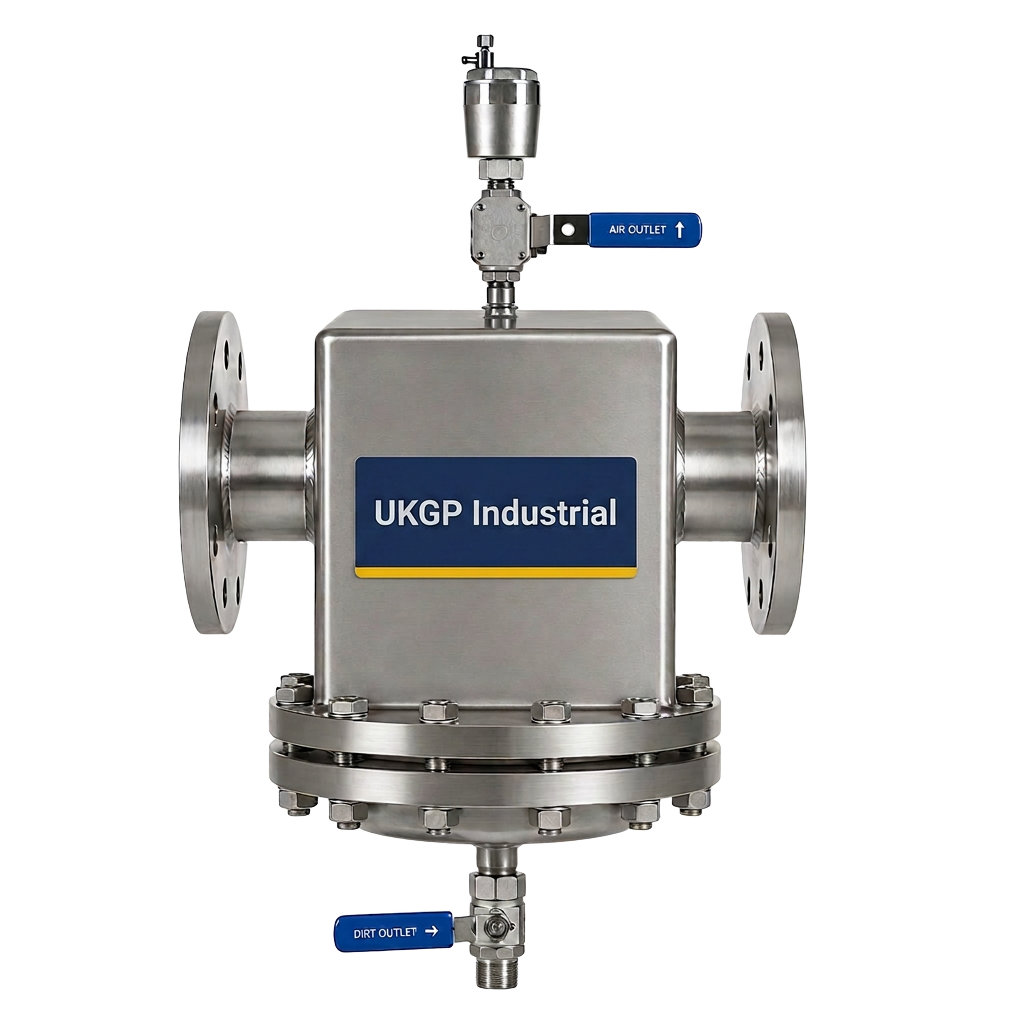
In addition to chemical and filtration strategies, mechanical components such as air and dirt separators and expansion bellows play a vital role in reducing the need for expensive flushing interventions. Air ingress is a primary driver of internal corrosion in closed-loop systems. When oxygen enters the circuit, it reacts with ferrous components to form magnetite—the black sludge that eventually necessitates a power flush of central heating system cost. By installing high-efficiency microbubble deaerators and dirt separators, you can remove the catalysts for corrosion before they cause significant damage. This mechanical layer of protection works in tandem with chemical inhibitors to maintain a stable, non-corrosive environment for the heating transport fluid.
Expansion bellows and flexible connectors are also critical for preserving the integrity of the pipework system, particularly in large industrial installations where thermal expansion is significant. Mechanical stress on joints can create micro-leaks or allow atmospheric air to be drawn into the system through seals under certain pressure conditions. Ensuring that BS EN 14917 compliant expansion joints are used reduces the risk of stress-related failure and keeps the system sealed. A well-sealed and pressure-stable system is far less likely to suffer from the rapid scale buildup and corrosion that leads to the high power flush of central heating system cost that facilities managers dread, particularly in high-volume circuits with complex zoning.
Regular monitoring via pH sensors and transmitters is the final piece of the puzzle. Real-time data on the water's chemical state allows maintenance teams to adjust inhibitor levels precisely, preventing the acidification of the system water which accelerates metal loss. Instead of waiting for a total system failure or a drop in heat output to trigger a expensive flush, engineers can use sensor data to perform minor, targeted corrections. This level of oversight ensures that the original investment in a power flush is preserved and that the system remains efficient for decades. UKGP provides the full suite of these sensors and transmitters to deliver a comprehensive water management strategy for any commercial heating site.
- Air and dirt separators to eliminate corrosion-causing oxygen
- Expansion bellows to prevent stress-related leaks and air ingress
- Real-time pH sensors to monitor chemical stability and acidity
- Reduction in-line monitoring to reduce reactive maintenance intervals
Impact of Heat Exchanger Efficiency on Operational Costs
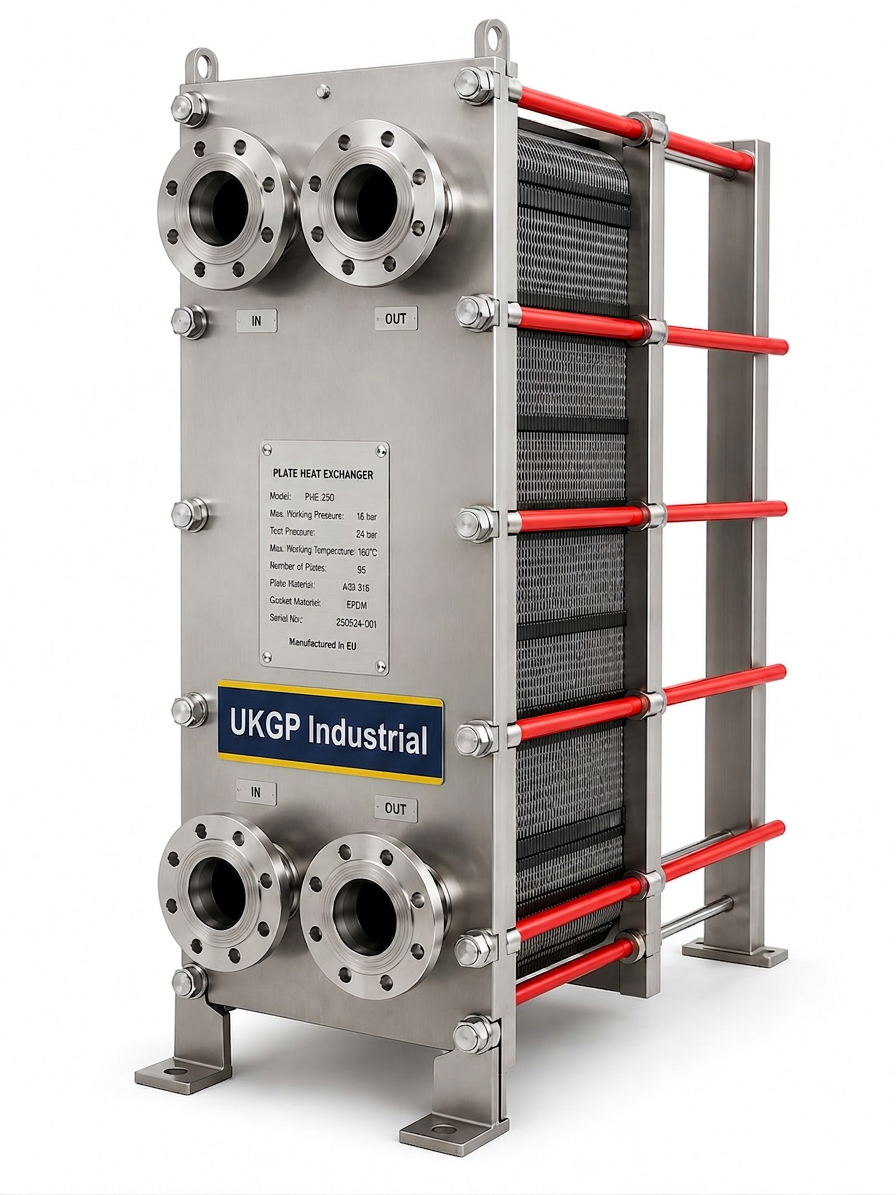
The interaction between water quality and heat exchanger performance is the primary reason why any power flush of central heating system cost is considered a justifiable expense. In a modern plant room, plate heat exchangers are often used to decouple the primary boiler circuit from the secondary distribution loops. If the secondary side is contaminated with sludge, the plates can quickly foul, reducing the thermal transition efficiency and forcing the pumps to work harder. This result is a double-hit on operational costs: higher energy bills due to wasted heat and increased wear on expensive variable speed drives and centrifugal pumps that must compensate for the restricted flow through the fouled exchanger.
When a system has been properly flushed and protected by side stream filtration, the plate heat exchanger operates at peak design efficacy. This ensures that the primary boiler can run at its most efficient condensing temperature, significantly reducing carbon emissions and fuel spend. For commercial buyers, the cost of the flush should be viewed in the context of the total energy budget. A clean system with a UKGP plate heat exchanger will maintain a high delta-T, which is essential for the performance of modern low-temperature heating systems. By maintaining these components, you avoid the secondary power flush of central heating system cost associated with cleaning or replacing fouled heat exchange plates late in the season.
Maintenance is simplified when the water is clean. If a plate heat exchanger does require servicing, a clean system allows for a simple CIP (Cleaning In Place) procedure rather than a total strip-down and manual plate cleaning. This reduces labour costs and the risk of damaging expensive gaskets. By coordinating your filtration needs with high-efficiency heat exchange hardware, you create a robust system that resists the typical decay seen in older UK commercial buildings. Always request a quote for a system-specific side stream filtration skid to protect these critical assets; UKGP offers units capable of handling the high flow rates required for district heating and large industrial clusters.
- Prevention of fouling on high-efficiency plate heat exchangers
- Reduction in pump energy consumption through improved flow
- Maintaining high delta-T for optimal condensing boiler efficiency
- Simplifying CIP procedures for heat exchange maintenance
Conclusion: Procurement Strategy for Water Treatment
Ultimately, managing the power flush of central heating system cost is about balancing immediate remedial actions with long-term preventative hardware. A commercial flush is a necessary 'reset' button for many legacy systems, but without the subsequent addition of high-grade filtration and monitoring, the system will inevitably return to a state of inefficiency. UK plant rooms are increasingly adopting the standards set out in BSRIA BG50, which advocate for continuous side stream filtration as the best practice for modern building management. This approach guarantees that the heating medium remains clear of the magnetite and scale that drive up energy and repair costs in the first place.
For procurement leads and M&E contractors, the goal should be to specify a solution that satisfies both the immediate technical requirements and the long-term financial objectives of the client. A UKGP side stream filtration skid provides this balance, offering a robust, easy-to-install solution that directly addresses the root cause of systemic debris. With flow rates up to 50 m³/h and a reliable 2-year warranty, these units are the preferred choice for engineers who value UK-based support and industrial-grade build quality. Investing in this technology today is the most effective way to eliminate the recurring and unpredictable power flush of central heating system cost in the future.
To get started on protecting your commercial heating infrastructure, evaluate your current water quality status against BSRIA standards and identify the critical assets that require protection. Whether you are managing a hospital, a university campus, or a multi-storey office block, the principles of effective water treatment remain the same: extract solids, monitor chemistry, and prevent air ingress. Reach out to UKGP for a technical consultation on integrating the right side stream filtration skid into your plant room. By choosing high-specification UK-manufactured equipment, you ensure that your central heating system remains an asset rather than a constant maintenance liability.
- Shift from reactive flushing to proactive side stream filtration
- Specify UKGP skids for reliable, high-volume particulate removal
- Ensure long-term BSRIA BG50 compliance for asset protection
- Contact UKGP for bespoke technical quotes and plant room advice
Frequently asked questions
How long does a commercial power flush take?
- The duration depends on system volume, but a medium-sized commercial office typically requires 2 to 4 days of onsite work to ensure all zones are thoroughly cleared to BSRIA standards.
Will a power flush fix all heating problems?
- A power flush removes debris and sludge, but it cannot fix mechanical failures, damaged pumps, or poorly sized expansion vessels. It should be part of a wider maintenance strategy.
Is side stream filtration better than a power flush?
- They serve different purposes. A power flush is a heavy-duty clean for a dirty system, while side stream filtration provides continuous maintenance to prevent the need for frequent future flushes.
How often should I test my commercial heating water?
- In accordance with BSRIA BG50, commercial closed-circuit water should be tested at least quarterly to check for inhibitor levels, pH stability, and bacteriological activity.
Does a power flush affect manufacturer boiler warranties?
- Yes, most major UK boiler OEMs require water to be tested and flushed as per BSRIA standards before they will cover repairs on heat exchangers or internal components.