The Necessity of a Power Flush Hotel Heating Strategy
In the UK hospitality sector, the thermal comfort of guests is a non-negotiable metric for success. Over time, central heating systems accumulate magnetite, a black iron oxide sludge that settles in low-flow areas and coats the internal surfaces of heat emitters. For a hotel, this results in cold spots on radiators and noisy pipework, both of which trigger immediate guest complaints. Implementing a power flush hotel heating programme is essential for restoring internal flow rates and ensuring that the boilers do not have to work overtime to achieve set temperatures. By forcing high-velocity water and chemical cleaning agents through the network, maintenance teams can strip away years of debris, effectively resetting the system's baseline efficiency and preventing the catastrophic failure of critical components.
Beyond immediate comfort, the commercial implications of a clogged system are severe. Increased fuel consumption can rise by up to 25% when heat transfer is inhibited by sludge, a significant overhead for large-scale properties. Furthermore, compliance with BSRIA BG50 guidelines for water treatment in closed heating systems is a requirement for many insurance policies and manufacturer warranties. A comprehensive power flush provides the deep clean necessary to meet these standards, providing a clean slate for subsequent water treatment regimes. For FM managers, the challenge lies in executing this invasive process without closing down entire wings or causing noise disturbance that reflected poorly on TripAdvisor reviews or internal KPIs.
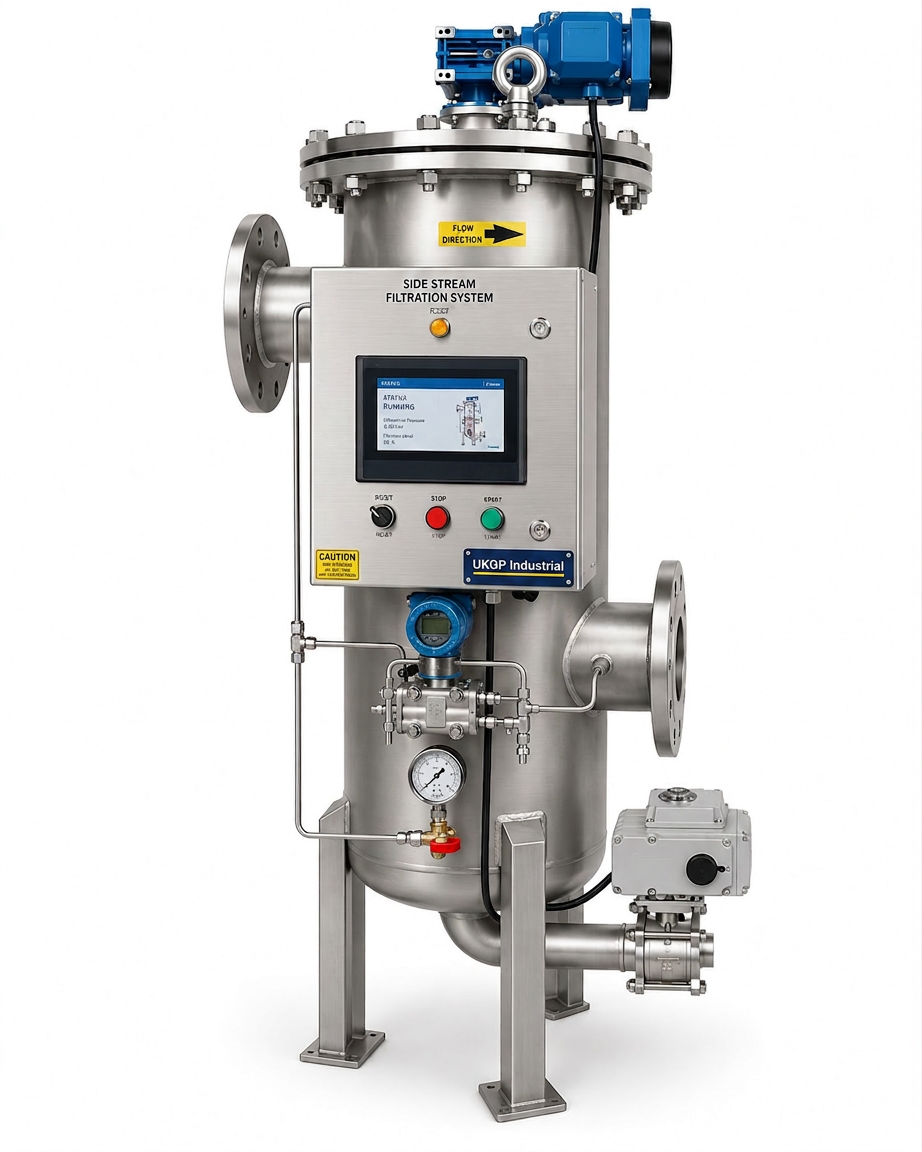
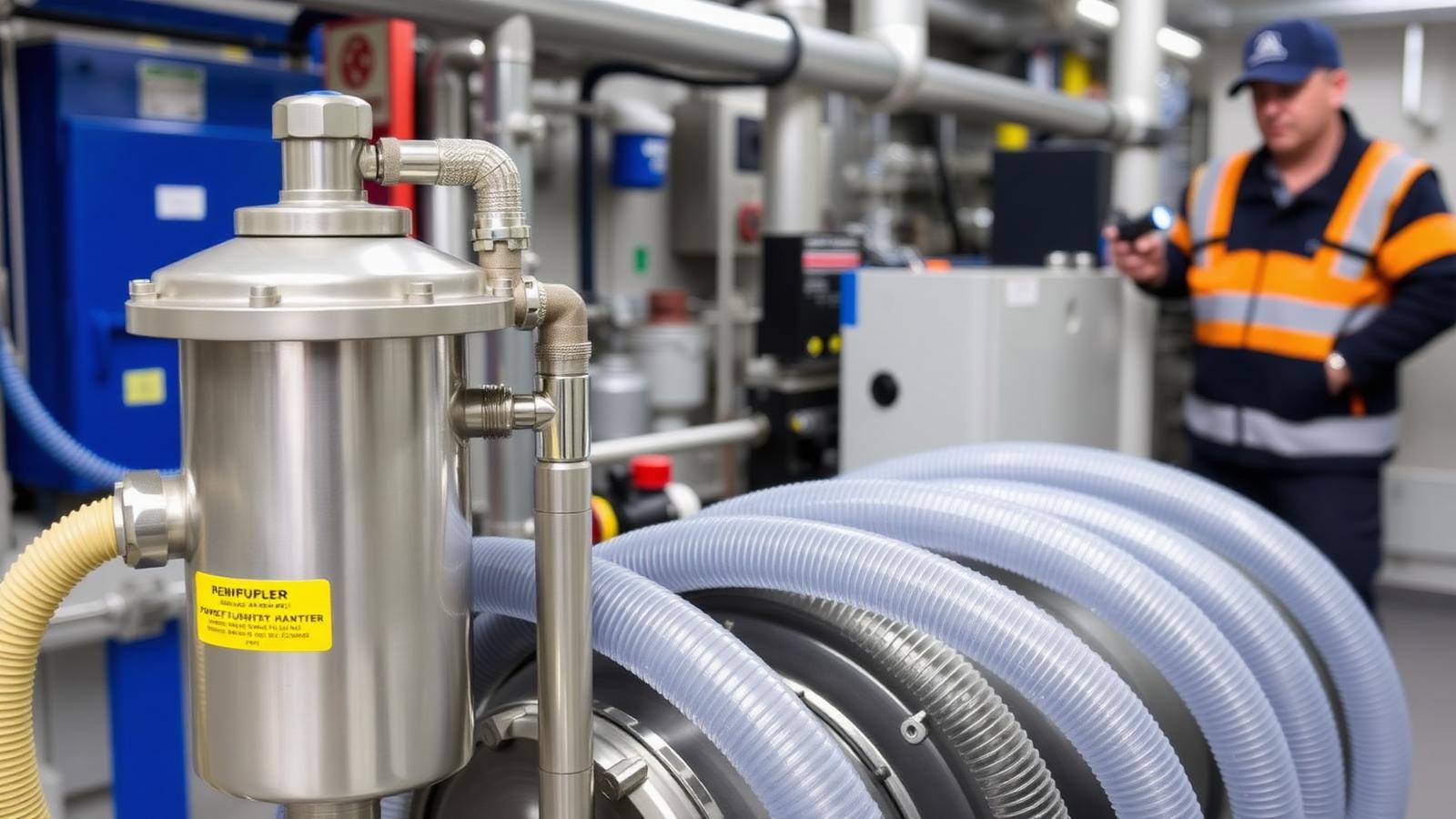
To mitigate these risks, many UK hotels are moving away from reactive one-off flushing in favour of a combined approach that includes side stream filtration. While a power flush hotel heating event cleans existing legacy debris, it is a point-in-time solution. To maintain that level of cleanliness continuously, installing a side stream filtration skid is highly recommended. These units, which UKGP Industrial manufactures as made-to-order solutions (starting from £6,800+VAT), provide ongoing protection by filtering out solids down to sub-micron levels. This hybrid strategy ensures that once the system is flushed, it stays clean, drastically reducing the frequency at which guest-disturbing power flushes are required in the future.
- Restoration of uniform heat distribution across all guest rooms.
- Significant reduction in boiler energy consumption and carbon footprint.
- Protection of sensitive valves and pumps from abrasive magnetite particles.
- Alignment with BSRIA BG50 best practices for system maintenance.
Maintaining CIBSE and BSRIA Compliance during Works
Technical compliance in the UK hotel sector is governed by strict frameworks, most notably CIBSE CP1 and BSRIA BG29/BG50. These documents outline the necessity of maintaining water quality to prevent corrosion and microbiological growth. When planning a power flush hotel heating project, engineers must ensure that the chemicals used are compatible with the system's metallurgy, especially if older galvanised steel or modern aluminium components are present. Failure to follow these guidelines can lead to pinhole leaks shortly after the flush, as aggressive chemicals might strip away protective oxide layers if not properly neutralised and inhibited. Professional contractors will always conduct a pre-flush water analysis to determine the specific chemical cocktail required.
The process typically involves the use of high-pressure pumps and magnetic filters to capture the released magnetite. For a hotel, this means locating a suitable plant room or basement access point where the equipment can be staged. It is crucial to document the 'before and after' water quality, specifically turbidity and iron content, to prove the efficacy of the work. This documentation is vital for facility managers who must present maintenance logs to ownership groups or during health and safety audits. In large-scale systems, the volume of water displaced during a power flush is substantial; therefore, proper disposal routes must be identified in accordance with local water authority regulations.
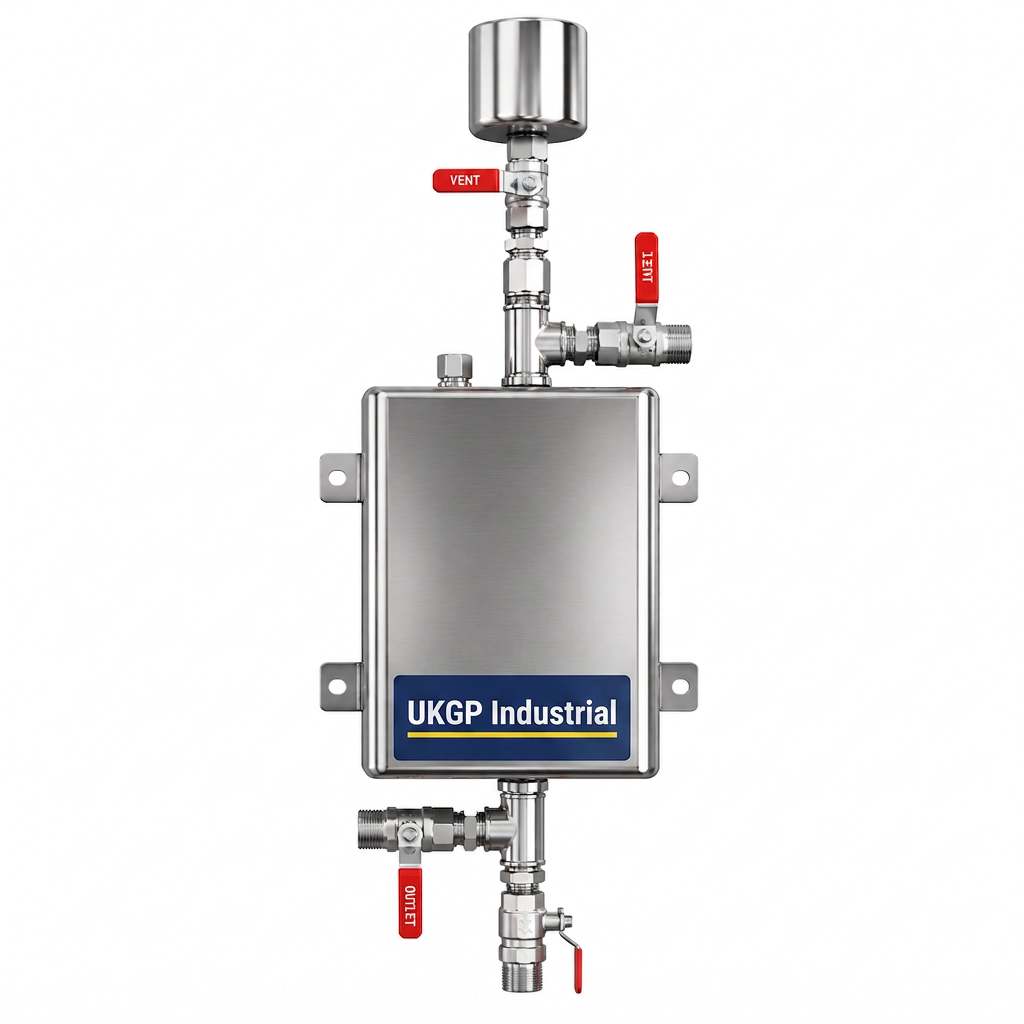
Once the power flush is complete, the focus shifts to 'passivation' and the addition of corrosion inhibitors. This is the stage where many hotel maintenance programmes fail by not ensuring the correct concentration of chemicals is maintained across the entire loop. This is why UKGP Industrial recommends the installation of dosing pots to facilitate the easy introduction of these chemicals without needing to depressurise the system. A chemical dosing pot is a simple, cost-effective addition that allows FM teams to top up inhibitors regularly, ensuring the results of the power flush are preserved for years to come and that the system remains within the parameters defined by BS 8552.
- Pre-flush water analysis to identify specific contaminants.
- Adherence to BSRIA BG50 for ongoing water quality monitoring.
- Verification of chemical inhibitor levels post-flush.
- Safe disposal of chemical waste in line with UK environmental laws.
Strategic Scheduling: Managing the Guest Experience
The primary hurdle for any power flush hotel heating operation is the physical noise and access requirements. Power flushing requires pumps that can be audible through walls, and engineers often need access to individual radiators in guest rooms to agitate them and ensure debris is shifted. To minimise guest impact, scheduling should be staggered during off-peak occupancy windows, typically mid-week in February or November. By zoning the building, engineers can work on one wing at a time, allowing the hotel to sell rooms in unaffected areas. Clear communication with the front of house staff is essential so they can inform guests of 'planned maintenance' should any minor temperature fluctuations occur.
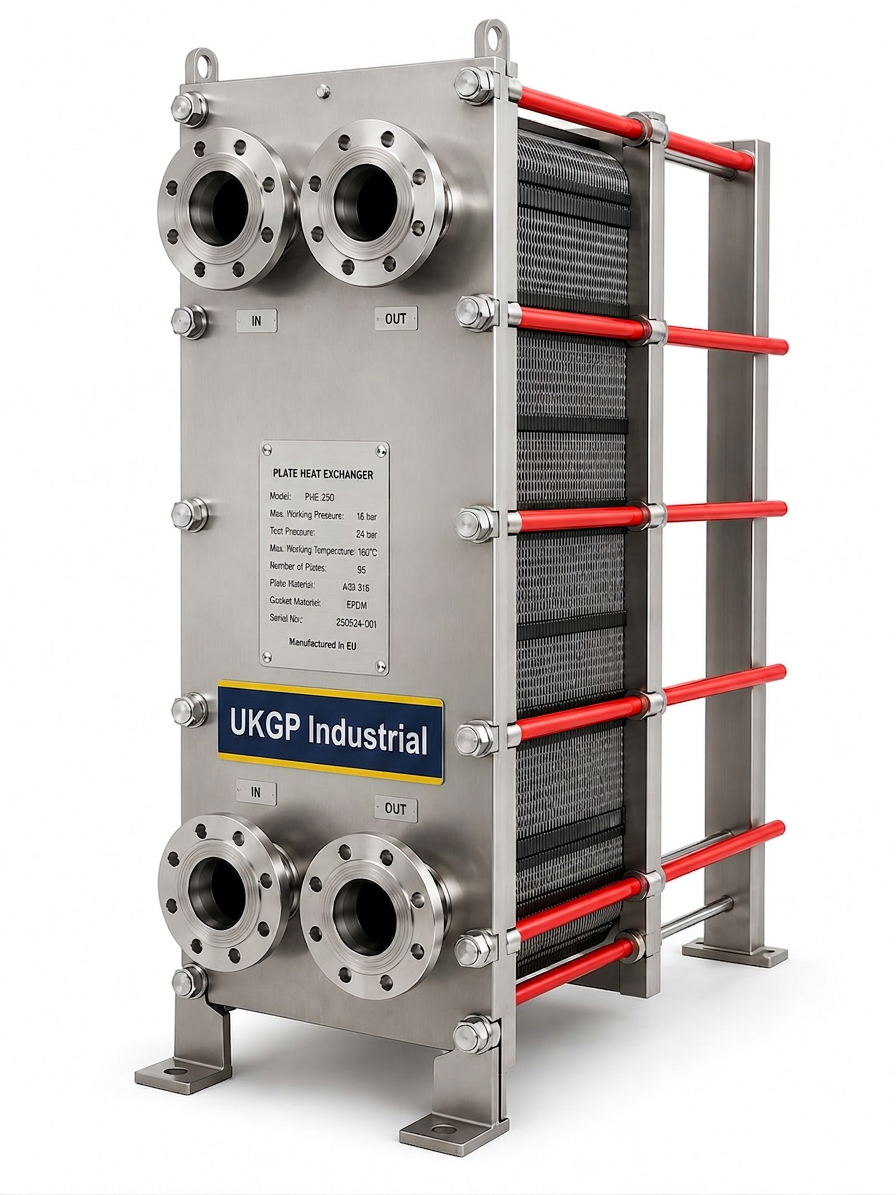
In modern hotel designs, many systems use plate heat exchangers to separate the primary boiler loop from the secondary heating circuits. This can be an advantage during a maintenance cycle. By isolating the secondary circuit, a power flush can be performed on the room emitters without affecting the primary heat source. However, if the plate heat exchanger itself is scaled up, it will act as a bottleneck for the entire building. Engineers should inspect these units during the power flush period. If the plates are fouled beyond simple chemical cleaning, sourcing a replacement plate heat exchanger from a reliable UK supplier like UKGP Industrial is necessary to restore the system's delta T.
A successful power flush hotel heating project concludes with a full system balancing. After debris is removed, flow rates usually increase, which can cause some rooms to overheat while others remain under-served if the valves are not re-calibrated. This balancing act ensures that the energy savings promised by the flush are actually realised. For contractors, the use of ultrasonic flow meters can provide non-invasive verification that the flush has successfully cleared blockages in specific risers. This data-driven approach provides the hotel general manager with peace of mind that the investment in maintenance has yielded a tangible improvement in infrastructure performance.
- Zoned maintenance to keep 80% of rooms operational.
- Use of sound-dampening mats for pumps in sensitive areas.
- Comprehensive re-balancing of TRVs and balancing valves post-flush.
- Inspection of secondary heat exchangers for calcium and sludge build-up.
The Role of Air and Dirt Separators in Sludge Prevention
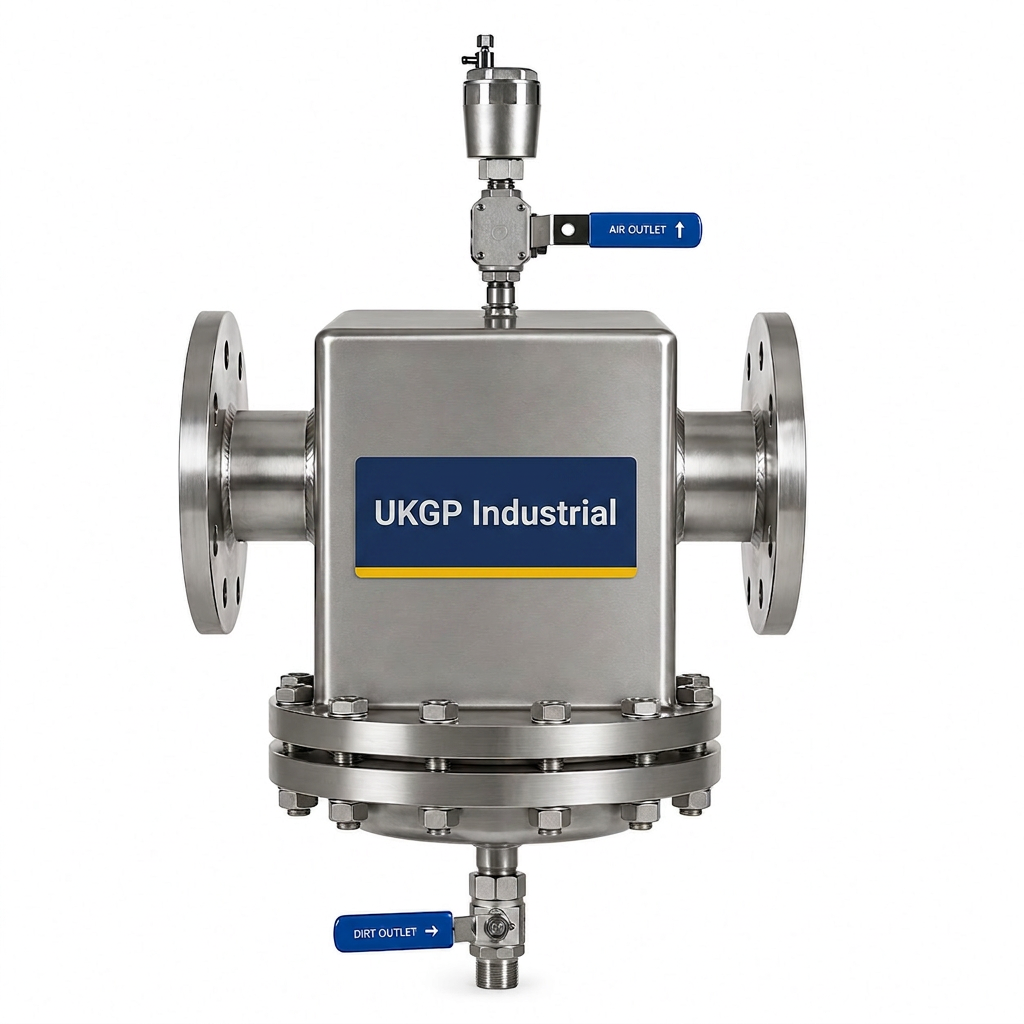
While a power flush is a corrective measure, the root cause of magnetite formation is often the presence of entrained air and micro-bubbles within the system water. Oxygen entering the system via permeation through flexible hoses or during top-ups leads to the oxidation of ferrous components. To prevent the recurrence of sludge after a power flush hotel heating service, the installation of high-efficiency air and dirt separators is critical. These devices, ideally placed on the main flow and return headers in the plant room, continuously remove both micro-bubbles and fine dirt particles before they have a chance to settle in the emitters or pipework.
For a hotel with a large volume of water, standard domestic-scale magnetic filters are insufficient. Industrial grade separators are required to handle the high flow rates without creating significant pressure drops. By integrating these into the plant room design, the intervals between power flushes can be extended from every 3-5 years to 10+ years. This represents a massive cost saving for the hotel and significantly reduces the lifetime guest disruption. UKGP Industrial provides a range of separators that complement our side stream filtration units, creating a multi-layered defence against system degradation and ensuring peak thermal performance year-round.
When procurement leads are looking at the costs of a power flush versus the capital expenditure of better filtration, the return on investment (ROI) is usually seen within 18 to 24 months through reduced repair bills and lower energy spend. A bespoke side stream filtration skid, manufactured to order with a 6-8 week lead time, offers a robust solution for systems from DN50 up to DN100. These skids come with a 2-year warranty and are designed for the rigours of commercial hospitality use. For those managing multiple sites, standardising on this type of equipment simplifies spare parts management and ensures a consistent standard of water quality across the portfolio.
- Continuous removal of oxygen to stop the corrosion process.
- High-capacity dirt collection chambers for easy maintenance.
- Reduced mechanical wear on circulator pump seals.
- Enhanced protection for high-efficiency condensing boilers.
Integrating Side Stream Filtration for Long-Term Maintenance
For large UK hotels, the logistics of a full power flush can be a nightmare. This is why many engineers now insist on the installation of a side stream filtration skid as a permanent fixture. Unlike a power flush, which is a high-intensity, short-duration event, side stream filtration works 24/7. It diverts approximately 5-15% of the total system flow through a high-efficiency filter media or magnetic core. UKGP Industrial’s skids (starting at £6,800+VAT) are built specifically to handle the demands of commercial buildings, providing a way to clean the system water without ever needing to isolate the heating or interrupt guest comfort.
The benefits of these units are particularly evident in 'dirty' systems that have accumulated years of debris. While a power flush hotel heating service might remove the bulk of the sludge, fine particles often remain in suspension. A side stream unit will polish the water over time, achieving a level of clarity that meets the most stringent BSRIA BG50 requirements. This continuous cleaning is essential for protecting modern, narrow-waterway boilers which are extremely sensitive to particulate matter. Because these skids are made to order, they can be tailored to the specific flow rates and space constraints of your hotel’s plant room, with a typical 6-8 week delivery window.
Requesting a quote for a side stream filtration skid from UKGP Industrial is a proactive step for any Facilities Manager. Our units are available in sizes from DN50 to DN100 and include high-quality components designed for longevity. Each unit is backed by a 2-year warranty, reflecting our confidence in UK manufacturing standards. By investing in this technology, you are not just buying a piece of kit; you are securing the operational integrity of your heating system and ensuring that the only 'heat' your guests feel is the controlled comfort of their well-maintained rooms. Contact us today to discuss how we can support your next plant room upgrade.
- Continuous water 'polishing' without system downtime.
- Easy maintenance with visible pressure differential gauges.
- Compact footprint suitable for retrofitting in existing plant rooms.
- Proven protection for plate heat exchangers and control valves.
Technical Best Practices for Hotel FM Teams
Successfully managing a power flush hotel heating project requires a disciplined technical approach. First, ensure that all radiator valves and thermostatic heads are fully open to allow the flush to reach every available surface. If your hotel utilizes expansion bellows or flexible connectors, inspect them for signs of stress or fatigue before the flush, as the increased pressure and flow can exacerbate existing weaknesses. UKGP Industrial supplies a full range of expansion bellows if replacements are needed. Regular testing of the water is the only way to verify that the system is stable post-flush; we recommend quarterly sampling to track iron and copper levels as part of your BSRIA compliance log.
Training for on-site staff is also vital. The plant room team should know how to blow down separators and check the dosing pot levels. If you have recently invested in a side stream filtration skid, ensure the filter bags or cartridges are checked weekly during the first month following a power flush, as they will capture a significant amount of residual debris. This simple maintenance task prevents the filter from bypassing and ensures the water quality continues to improve. A well-maintained system not only protects the building's assets but also reduces the noise associated with air pockets and debris, contributing to a premium guest experience.
Finally, always plan for the future. A power flush is a significant operational expense, and while it is necessary for legacy systems, it should be the catalyst for a better water treatment strategy. By combining a one-time flush with the installation of a UKGP side stream filtration unit (available from £6,800+VAT), you move from reactive crisis management to proactive asset preservation. With made-to-order lead times of 6-8 weeks, now is the time to plan your summer maintenance window. Our team is ready to provide technical specifications and help you select the right DN50 to DN100 units for your specific hotel capacity.
- Verify all bypass valves are correctly positioned during the flush.
- Monitor system pressure closely to avoid activating safety relief valves.
- Document all chemical additives and concentrations for the health and safety file.
- Schedule annual water quality audits with a certified laboratory.
Frequently asked questions
How long does a power flush hotel heating procedure take?
- For a standard 50-100 room hotel, a comprehensive power flush can take 3 to 5 days depending on the level of sludge. Scheduling by zones allows the hotel to remain open during this period.
What is the cost of a side stream filtration skid for a UK hotel?
- UKGP Industrial provides made-to-order side stream filtration skids starting from £6,800+VAT. These are designed for commercial use, offering a much higher filtration efficiency than standard domestic filters.
Does a power flush affect guest room hot water?
- If the hotel uses a secondary plate heat exchanger for domestic hot water (DHW), the hot water supply can usually remain operational while the space heating (radiator) circuit is being flushed.
How often should a hotel system be power flushed?
- Ideally, if BSRIA BG50 guidelines are followed and a side stream filtration unit is installed, a full power flush should only be required every 10 years or during a major boiler plant replacement.
What size filtration unit do I need?
- We offer units from DN50 to DN100. The size depends on your system's total water volume and pump flow rates. Our technical team can help you specify the correct unit for your plant room.