Breaking down the power flush central heating price
In the UK commercial sector, the power flush central heating price is often influenced by the complexity of the secondary heating circuit and the quantity of magnetic magnetite present within the system. Unlike domestic properties, a plant room intervention requires high-capacity equipment and significantly more aggressive chemical cleaning agents to strip internal corrosion. When a building services consultant requests a quote, they are typically looking at a comprehensive package that includes a pre-flush water analysis, the physical flushing process itself, and the subsequent application of inhibitors as dictated by BS 8552. Failing to account for the total system volume can lead to an underestimated budget, as the price scales linearly with the number of emitters and the total pipework run distance within the facility.
A significant component of the power flush central heating price is the downtime required for the procedure. For many businesses, shutting down a central heating system during the winter months is a non-starter. This often necessitates out-of-hours labour, which can double or triple the standard daytime rate for specialist M&E contractors. It is also important to consider that a one-off power flush is a reactive measure; it cleanses the current state of the water but does nothing to prevent future oxygen ingress or the continuous buildup of metallic debris that naturally occurs in older steel-piped systems. Consequently, facilities managers are increasingly looking at the value proposition of continuous filtration as a more cost-effective alternative to repeating these expensive manual interventions every five years.
Furthermore, the disposal of contaminated flush water is a regulatory headache that adds to the total power flush central heating price. Under modern environmental legislation, heavily treated chemical effluent cannot simply be dumped into the foul sewer without local water authority consent. This often involves additional logistics and cost to ensure compliance with waste disposal regulations. When you factor in the potential for leaks during the high-pressure flushing process—which can be particularly risky for aged plant room infrastructure—the financial risk profile of a traditional power flush becomes quite high. It is for this reason that industry experts are pivoting toward mid-maintenance technical solutions that provide constant water quality control without the inherent risks and costs of high-pressure mechanical flushing.
- Pre-flush water chemical analysis to determine metal loading
- Disposal costs for hazardous sludge and chemical effluent
- Higher labour rates for out-of-hours plant room access
- Potential risk of high-pressure leaks in aged system joints
- Long-term chemical inhibitor costs following the procedure
Comparing manual flushing to side stream filtration
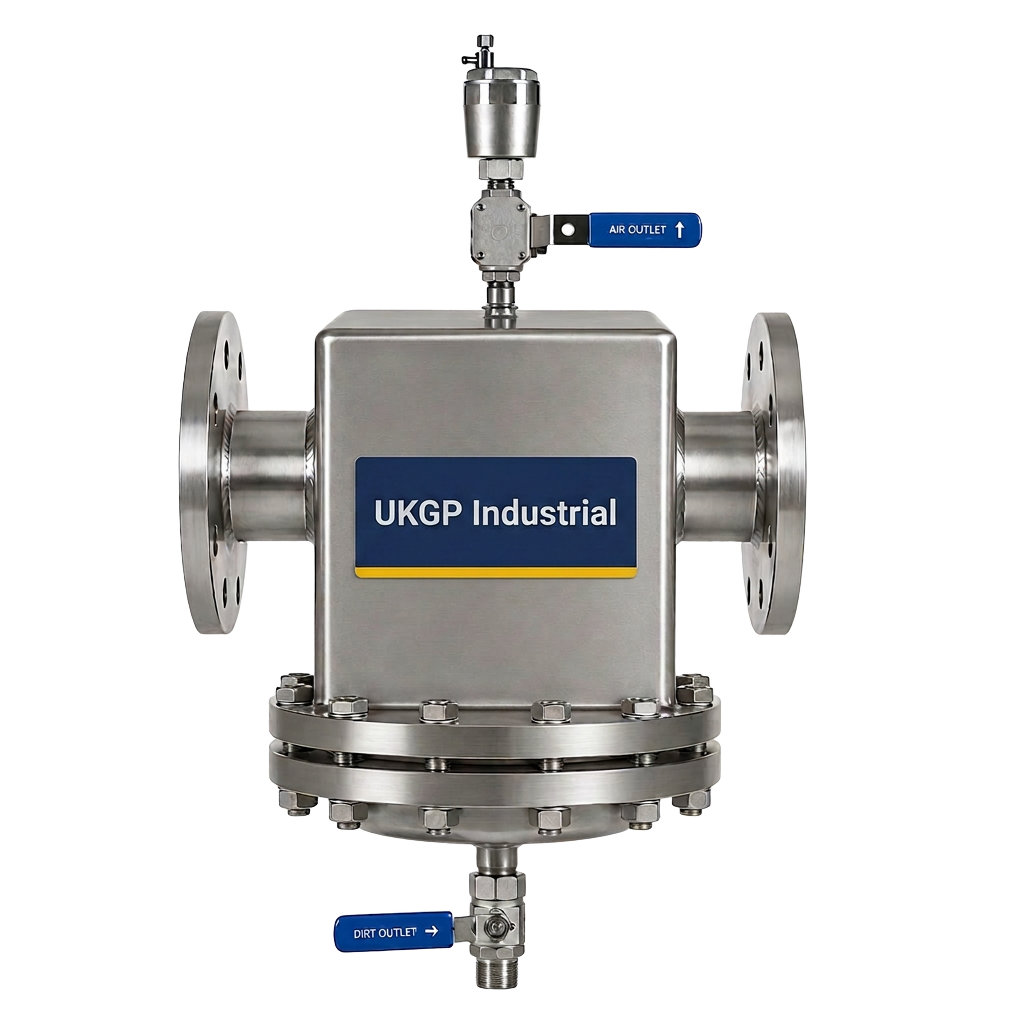
While the power flush central heating price may seem like a high one-off operational expense, it is vital to compare this against the capital expenditure of installing a continuous side stream filtration skid. In many large-scale BSRIA BG50 compliant systems, the side stream filter offers a far superior return on investment. Rather than suffering the disruption of a full system shutdown and the associated labour costs of a manual flush, a filtration skid removes particles down to 25 microns and captures magnetic sludge in real-time. This ensures that the water quality remains within the strict parameters required by leading commercial boiler manufacturers, protecting the internal components from thermal stress and erosion without requiring a total system drain-down.
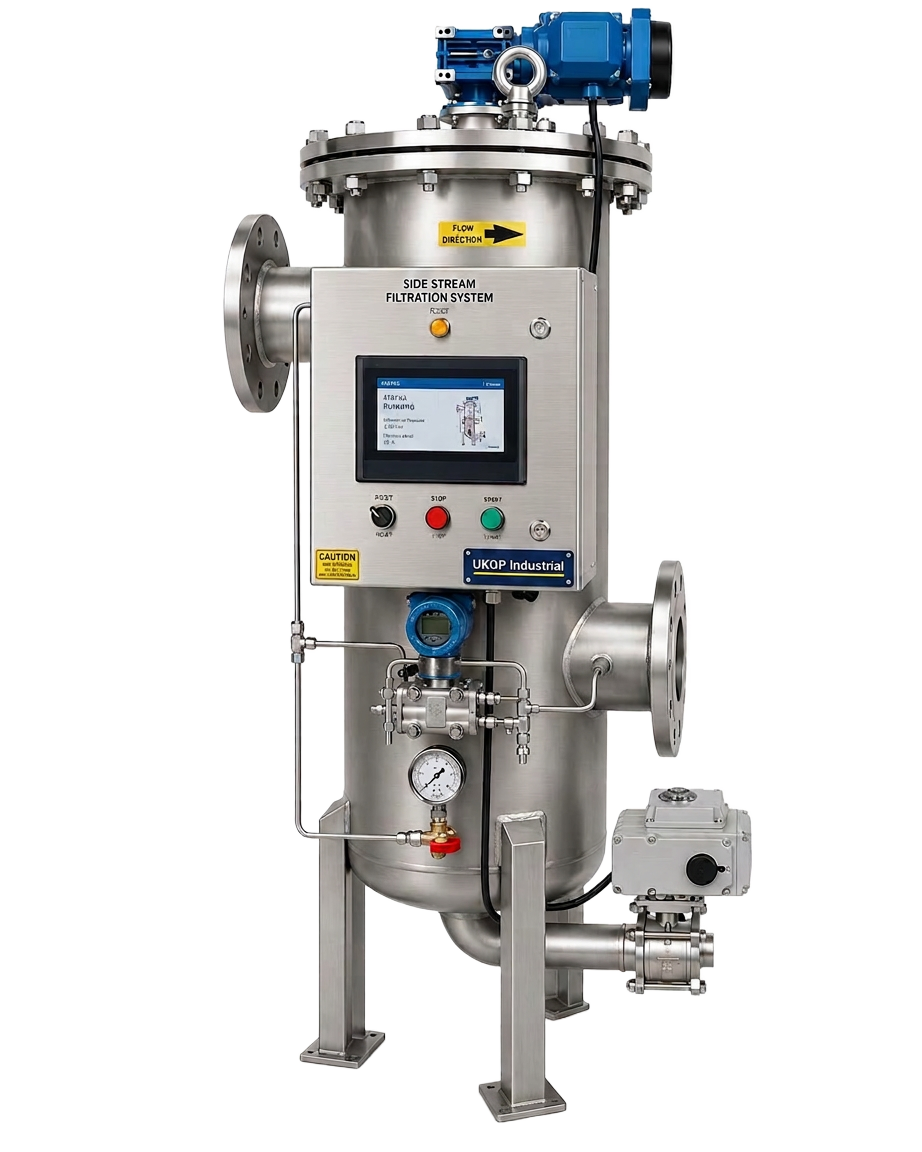
When you evaluate the power flush central heating price over a ten-year life cycle, the argument for UKGP side stream filtration becomes even more compelling. A manual flush typically needs to be repeated periodically to maintain efficiency, whereas a permanent filtration unit acts as a 24/7 insurance policy. Our UKGP side stream filtration skids are designed for flow rates between 5-50 m³/h, featuring an integrated magnetic assembly alongside a 25 µm bag or cartridge filter. This dual-action approach ensures that both metallic and non-metallic debris are effectively removed, satisfying the most demanding BSRIA BG29 pre-commissioning cleaning standards and ongoing BG50 maintenance regimes. For procurement leads, this represents a move from reactive to proactive asset management.
Investing in a high-quality side stream assembly helps to stabilise the system pressure and reduces the load on primary circulating pumps. By removing the suspended solids that would otherwise settle in low-flow areas or plate heat exchangers, you effectively extend the mean time between failures for the entire plant room. The UKGP skid-mounted solution arrives with isolation valves ready for integration, backed by a 2-year warranty for total peace of mind. Instead of paying a recurring power flush central heating price, building owners can secure their infrastructure with a robust, British-engineered filtration system that pays for itself through reduced chemical consumption and lower energy bills across the plant's lifetime.
- Continuous 25-micron filtration avoids the need for periodic manual flushes
- Magnetic capture of magnetite prevents plate heat exchanger blockage
- Compliant with BSRIA BG29 and BG50 water quality standards
- Reduced chemical inhibitor demand over the system lifecycle
- Full isolation valves included for simplified maintenance tasks
The role of plate heat exchangers in system efficiency
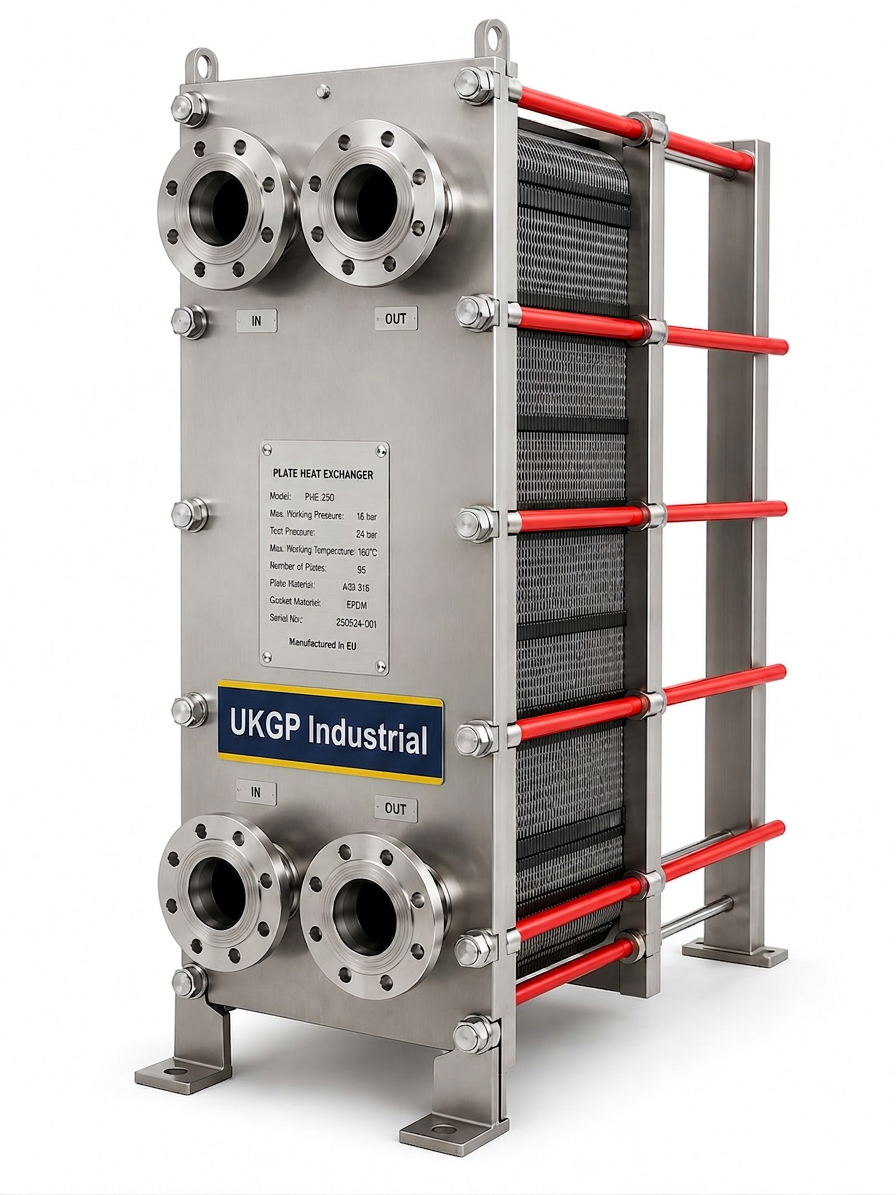
A critical factor that dictates the necessity of a flush and impacts the power flush central heating price is the condition of the plate heat exchangers. These components are notoriously sensitive to fouled water; narrow channels within the plates are the first place that sludge will accumulate. Once fouled, the heat transfer efficiency drops significantly, leading to increased fuel consumption and higher burner cycling on the boilers. If a manual power flush fails to clear these restricted channels, the only remaining option is to dismantle and chemically clean the plates, which adds several thousand pounds to the overall intervention cost. This level of maintenance is precisely what modern building services consultants aim to avoid through better design.
By integrating a UKGP plate heat exchanger alongside a proper side stream filtration strategy, engineers can create a resilient system that isolates the primary boiler circuit from the secondary heating loops. This approach protects the more expensive boiler assets from potential debris found in older radiator circuits. When the power flush central heating price is weighed against the cost of replacing a fouled heat exchanger or a corroded boiler block, the financial logic of preventive maintenance is undeniable. Using high-grade stainless steel plates ensures longevity, provided the water chemistry is managed correctly according to CIBSE guidelines and the BSRIA BG50 framework for closed heating and cooling systems.
Furthermore, maintaining a clean thermal circuit reduces the pump energy required to circulate water through the plates. As sludge builds up, the pressure drop across the exchanger increases, forcing pumps to work harder and consume more electricity. This hidden cost is rarely included when simply looking at a power flush central heating price quote, yet it represents a significant portion of a facility's annual operational budget. At UKGP, we provide technical data to help consultants calculate these pressure drops, ensuring that every pump, header, and exchanger works in perfect harmony to deliver maximum thermal efficiency with minimal maintenance-related downtime.
- Reduces pressure drops across the plate heat exchanger assembly
- Isolates primary boiler circuits from debris-laden secondary loops
- Constructed from high-grade stainless steel for thermal durability
- Minimises the risk of localized boiling and thermal stress on boilers
- Supports compliance with CIBSE and BSRIA maintenance standards
Why BSRIA BG50 standards increase the project value
Adhering to the BSRIA BG50 manual for water treatment in closed systems is a non-negotiable requirement for modern commercial insurance and warranty compliance. Any contractor quoting for a power flush central heating price should be referencing these standards as their benchmark for success. BG50 specifically highlights the importance of side stream filtration as a method for controlling suspended solids, which are often the root cause of under-performance in large-scale plant rooms. By following these industry-recognised procedures, facilities managers can ensure that their maintenance spend is actually yielding results rather than just providing a temporary fix for a deeper systemic problem.
The power flush central heating price usually includes a basic chemical inhibitor treatment, but BG50 mandates a more rigorous approach, including regular sampling and analysis. If a system is correctly balanced and filtered, the need for a full power flush is drastically reduced, which fundamentally changes the financial outlook of the plant room maintenance. Instead of a large, disruptive expenditure every few years, the budget can be allocated to more effective real-time monitoring technology, such as pH sensors and transmitters, which provide immediate alerts if the water chemistry begins to drift into corrosive territory. This proactive stance is what distinguishes a well-managed UK facility from one that is constantly fighting internal corrosion.
Consultants who prioritise BG50 compliance also recognise that a power flush may not be able to reach high-stagnation points in a large building's pipework. This is why side stream filtration is so powerful; as the water circulates naturally during normal operation, the filter continuously cleanses the volume, eventually capturing debris that a one-time high-speed flush might have missed. When a client asks for a power flush central heating price, it is often an opportunity to present them with a more sophisticated water quality management strategy that aligns with modern engineering standards and provides better protection for their long-term capital investments.
- Ensures long-term compliance with equipment manufacturer warranties
- Prevents the buildup of anaerobic bacteria and biofilm in pipework
- Reduces the frequency of emergency call-outs for blocked valves
- Provides a verifiable audit trail for health and safety inspections
- Optimises chemical dosing levels for maximum component protection
Technical considerations for side stream skid installation
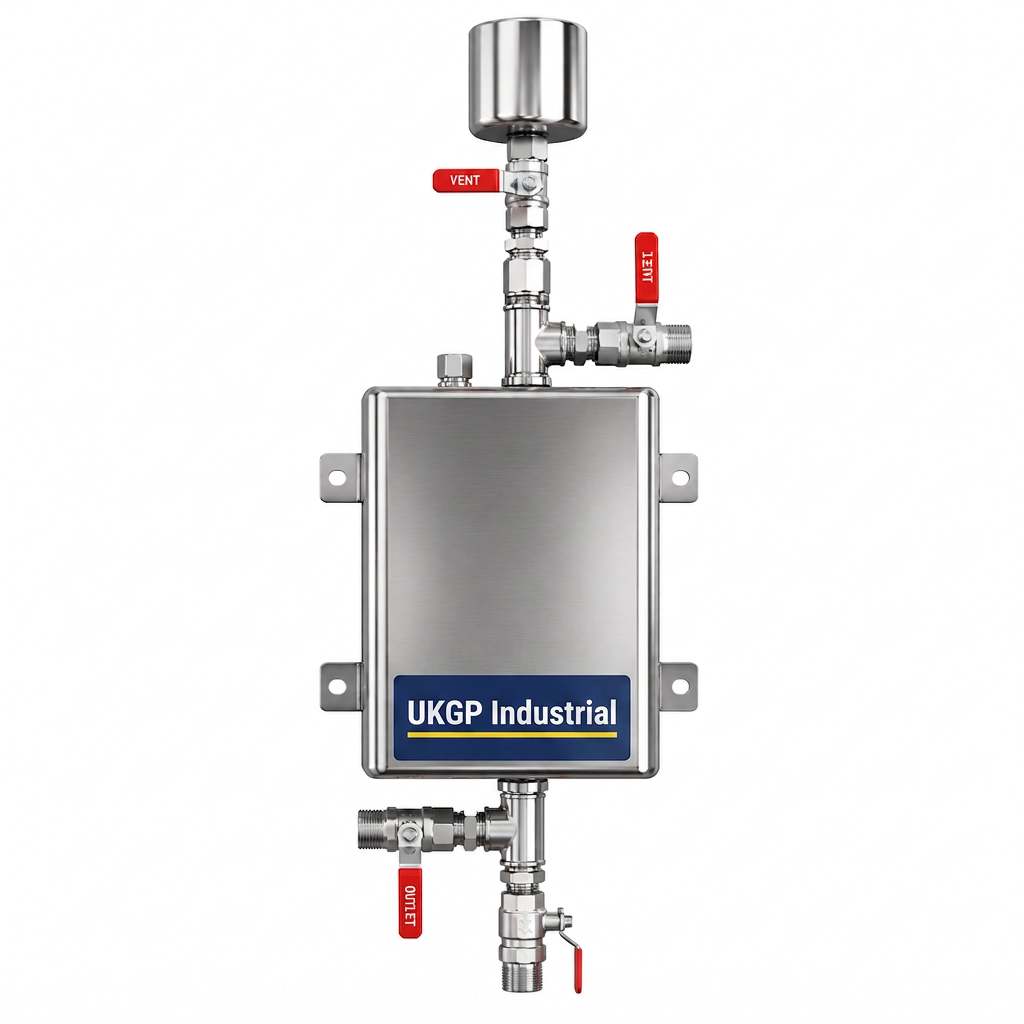
Integrating a filtration skid into an existing plant room does involve an initial investment, but it is one that effectively eliminates the need to pay a recurring power flush central heating price. Our skids are designed for ease of installation, featuring a compact footprint that fits into most UK commercial plant rooms. They are typically bypassed across the main flow and return headers, allowing for continuous cleaning without affecting the main system pressure or flow dynamics. The inclusion of high-integrity isolation valves and a robust mounting frame means that installation time is kept to a minimum, reducing the labour cost that often inflates the price of standard mechanical cleaning services.
The technical specification of the side stream filtration unit is paramount. A magnetic core is essential for capturing the fine magnetite particles that are small enough to pass through standard mesh filters but aggregate to cause damage in circulator pumps. By combining this with a 25-micron secondary filter, the system achieves a level of water clarity that is impossible to maintain through chemical treatment alone. When a building services engineer compares the power flush central heating price to the cost of one of our 5-50 m³/h skids, they quickly see that the capital outlay is justified by the immediate improvement in system reliability and the removal of future flushing requirements.
Finally, simplicity in maintenance is a core design philosophy at UKGP. Our skids are designed so that the filter media can be changed in minutes without shutting down the entire heating system. This accessibility ensures that site staff are more likely to carry out necessary maintenance, keeping the system in peak condition. For procurement teams looking to lock in costs, our 2-year warranty provides further security. In short, while the power flush central heating price might seem like the easy fix today, the long-term strategic move is to install a permanent filtration solution that supports the health of the entire HVAC infrastructure for decades to come.
- Skid-mounted design with integrated isolation valves for easy retrofitting
- Available in a range of capacities from 5 m³/h to 50 m³/h
- Features high-intensity magnetic rods for sub-micron particle capture
- Simple bag or cartridge changes without system interruption
- Robust construction backed by an industry-leading 2-year warranty
Final audit: Evaluating the ROI on plant room flushing
When conducting a final financial audit of your plant room maintenance, the power flush central heating price should be viewed as part of the total cost of ownership. Beyond the invoice from the contractor, you must account for the energy losses associated with circulating sludge and the potential for premature failure of heat exchangers and valves. In many commercial settings, the cost of a single day of system downtime can exceed the entire price of a power flush or the cost of a new side stream filter skid. By choosing a UKGP filtration solution, you are essentially buying an insurance policy against these catastrophic failures and the astronomical costs that accompany them.
The trend in UK building services is moving away from the 'flush and forget' mentality. Instead, consultants are specifying sophisticated filtration and monitoring systems as the baseline for all new plant room projects. This shift is driven by a better understanding of the total power flush central heating price, acknowledging that it is far more expensive to clean a system than it is to keep it clean. Our technical team works closely with M&E contractors to select the right skid for the job, ensuring that the filtration capacity matches the system volume and the expected contaminant load, providing a tailored solution that standard flushing packages simply cannot match.
If you are currently evaluating a quote for a power flush, we invite you to contact us for a comparative quote on a permanent UKGP side stream filtration skid. Our experts can help you calculate the potential savings and show you how a one-time investment can permanently remove the high power flush central heating price from your annual maintenance budget. With UK-based support and a deep understanding of BSRIA BG29 and BG50 standards, we are the ideal partner for ensuring your heating and cooling systems operate at peak efficiency with the lowest possible environmental and financial impact. Request a technical quote today to secure your plant room's future.
- Calculate the true ROI by including energy savings and asset longevity
- Move from a reactive 'crisis' budget to a predictable O&M model
- Access expert UK technical support for BSRIA-compliant design
- Ensure all mechanical components reach their full design life
- Reduce environmental impact through decreased chemical waste
Frequently asked questions
What factors influence the power flush central heating price most?
- The primary drivers are the total system volume, the existing level of contamination (iron oxide loading), and the accessibility of the plant room. For commercial sites, the need for out-of-hours work and the disposal of chemical waste also play a major role in the final quote.
Is a power flush or side stream filtration better for BG50 compliance?
- BSRIA BG50 recommends side stream filtration as a continuous method for maintaining water quality. While a power flush is an effective reactive clean-out, continuous filtration is preferred for ongoing compliance and asset protection.
How long does a commercial power flush take?
- Depending on the size of the installation, a commercial power flush can take anywhere from 12 hours to several days. This downtime often contributes significantly to the real power flush central heating price in industrial or healthcare settings.
What is the maintenance requirement for a UKGP filtration skid?
- Maintenance is minimal, typically involving a monthly check of the pressure gauges and periodic cleaning of the magnetic rods and replacement of the 25 µm filter bag. These tasks can be performed without shutting down the heating system.
Can a side stream filter remove existing sludge?
- Yes, although it works slower than a power flush, a side stream filter will gradually clean the entire system as the water circulates. For heavily fouled systems, multiple filter bag changes may be required initially before the water reaches stable, clean parameters.