What is a Plate Type Heat Exchanger and How Does It Work?
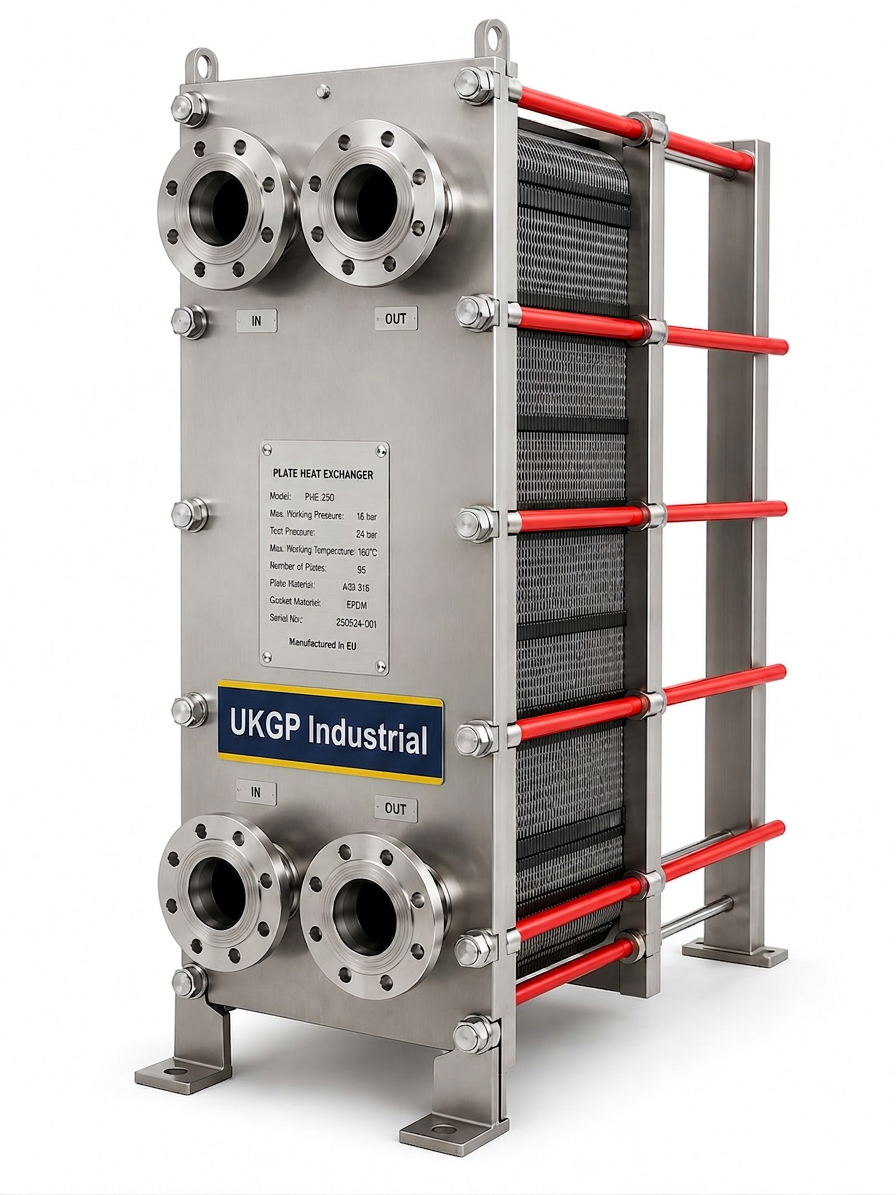
A plate type heat exchanger is a specialized piece of equipment designed to transfer thermal energy between two fluids without them ever coming into contact. In a typical UK plant room, this is achieved using a series of thin, corrugated metal plates packed together. These plates create a large surface area for heat exchange, which is far more efficient than traditional shell and tube designs. The corrugations on the plates are engineered to induce turbulence in the fluid flow, even at low velocities, which significantly enhances the heat transfer coefficient and prevents laminar flow blankets that can insulate the heat source.
The primary function of a plate type heat exchanger in a BSRIA BG50 compliant closed-loop system is to provide hydraulic separation. By isolating the primary heat source—such as a boiler or a district heating network—from the secondary building circuit, you protect sensitive equipment from debris and pressure fluctuations. This separation is vital for system integrity, especially when integrating modern low-carbon technologies like air source heat pumps with existing high-temperature infrastructure. The modular nature of these units allows for easy maintenance, as gasketed versions can be dismantled for manual cleaning or plate additions to meet future capacity increases.
When consulting on plant room refurbishments, specifying a plate type heat exchanger requires a deep understanding of the thermal load and pressure drop requirements. It is not a one-size-fits-all component; the plate material (typically 316 stainless steel) and the gasket material (often EPDM or Nitrile) must be matched to the fluid properties and temperature ranges of the application. UKGP specializes in providing these units sized from a full thermal spec, ensuring that the velocity through the ports and the log mean temperature difference (LMTD) are optimized for the specific demands of the UK building services sector.
- Corrugated plates maximise surface area for higher thermal efficiency.
- Hydraulic separation protects high-value primary plant equipment.
- Compact footprint allows for high outputs in confined plant rooms.
- Turbulent flow design reduces the risk of biological and mineral fouling.
Gasketed vs Brazed Plate Type Heat Exchanger Options
Selecting between a gasketed and a brazed plate type heat exchanger depends heavily on the scale of the project and the long-term maintenance strategy. Gasketed units (PHEs) consist of a series of plates held together by a frame and tightening bolts. These are ideal for DN20 to DN300 applications where serviceability is a priority. Because the plates can be removed, cleaned, or replaced, they are the preferred choice for systems prone to scaling or where BSRIA BG29 pre-commission cleaning might be challenging. They offer unparalleled flexibility for commercial FM teams who need to inspect internal surfaces periodically.
Brazed plate heat exchangers (BPHEs), on the other hand, are vacuum-brazed with copper or nickel to form a permanent, pressure-resistant unit. These are incredibly compact and cost-effective for smaller duties or high-pressure applications where a gasket might fail. However, they are generally considered 'replace rather than repair' units because they cannot be opened. At UKGP, we provide both gasketed and brazed options to ensure that your specific plant room constraints and budgetary requirements are met. Both types are designed to handle the rigorous demands of UK commercial heating and cooling circuits while adhering to BS EN standards.
In terms of procurement, lead times are a critical factor for M&E contractors. UKGP maintains a robust supply chain to offer a 4-6 week lead time on our range of plate heat exchangers. This ensures that project timelines are maintained without compromising on the quality of the thermal sizing. Our gasketed units are particularly popular for larger DN300 connections where high flow rates are expected. When you request a quote for a UKGP plate heat exchanger, you receive a unit backed by a 2-year warranty, providing peace of mind for both the installer and the end-user.
- Gasketed units offer DN20-DN300 flexibility and easy plate cleaning.
- Brazed units provide a compact, high-pressure solution for smaller duties.
- Both types utilise 316 stainless steel as standard for corrosion resistance.
- Selection is driven by duty requirements and maintenance accessibility.
The Role of Plate Type Heat Exchanger Units in BSRIA BG29 and BG50 Compliance
Water quality is the single most important factor for the longevity of a plate type heat exchanger. BSRIA BG29 (Pre-commission cleaning of pipework systems) and BG50 (Water treatment for closed heating and cooling systems) provide the framework for maintaining these assets. A plate type heat exchanger can act as a debris trap if the system chemistry is not correctly managed. Suspended solids and calcium deposits can quickly foul the narrow channels between the plates, leading to increased pressure drops and a significant reduction in heat transfer efficiency. This necessitates the use of robust filtration and chemical dosing strategies to protect the unit.
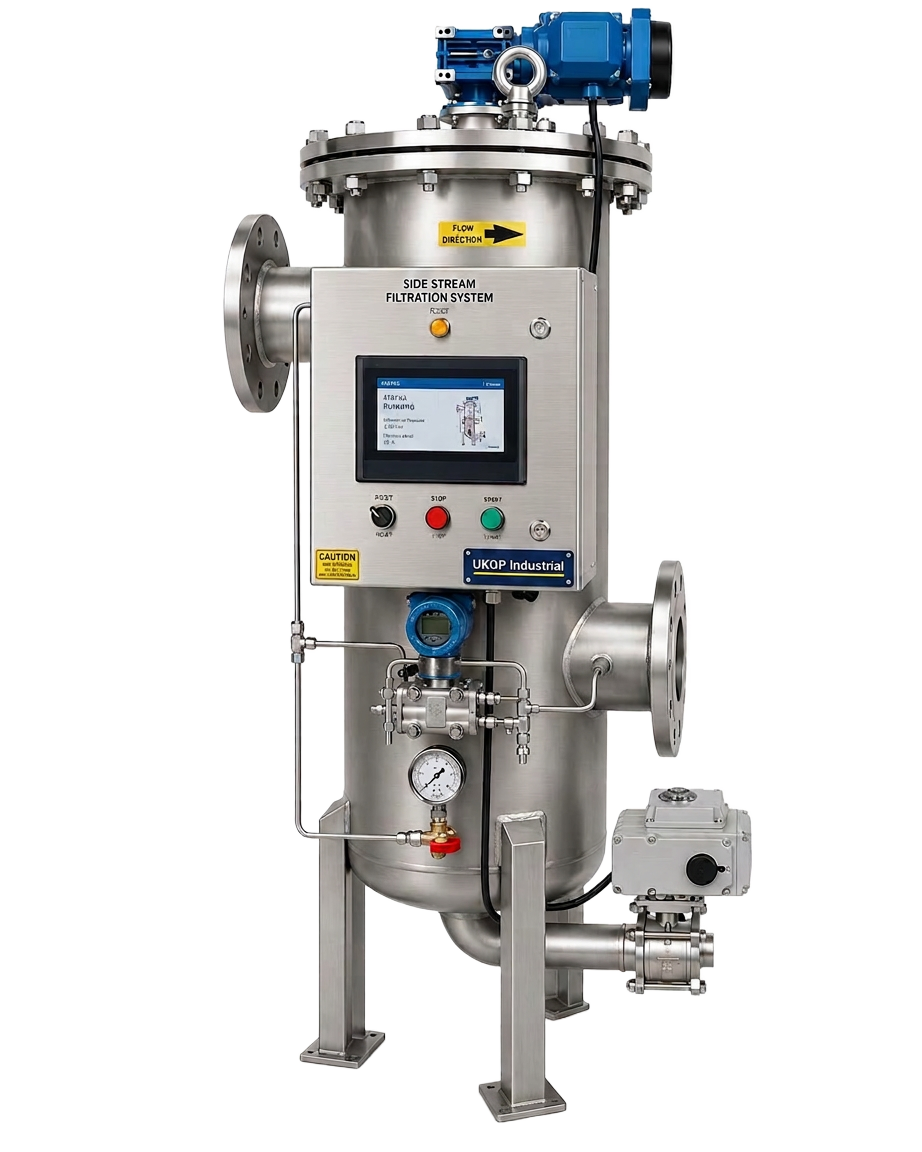
To ensure compliance with these British standards, it is highly recommended to install side stream filtration alongside your plate type heat exchanger. Side stream filtration removes fine particulates that standard strainers might miss, preventing the 'silting up' of the heat exchanger plates. This proactive approach to water quality maintenance extends the time between manual cleannd and ensures the system operates at its peak designed efficiency. For plant room engineers, this means fewer emergency call-outs and a more stable thermal environment for the building's occupants.
Furthermore, monitoring the pH and conductivity of the system water is essential. The 316 stainless steel plates in a plate type heat exchanger are generally resilient, but they can be susceptible to pitting if the chloride levels or pH are outside of the recommended ranges. Integrating high-quality sensors and transmitters into the circuit allows for real-time monitoring of these parameters. By maintaining the water chemistry within the limits defined by CIBSE and BSRIA, you ensure that the plate heat exchanger delivers its full 25-year service life with minimal degradation in performance.
- Compliance with BG50 prevents fouling and maintains thermal duty.
- System separation limits the volume of water requiring high-grade treatment.
- Regular monitoring of pressure drops indicates when cleaning is required.
- Standardized water chemistry protects 316 stainless steel from pitting.
Technical Sizing: From Thermal Spec to Site Installation
Correct sizing of a plate type heat exchanger is a complex process that goes beyond simple kW ratings. To provide an accurate bespoke solution, UKGP requires a full thermal specification, including the primary and secondary inlet/outlet temperatures, the required flow rates, and the maximum allowable pressure drop across the unit. A common mistake is undersizing the unit to save on capital costs, which results in insufficient heat transfer and causes the primary heat source to cycle excessively. Over-sizing can also be an issue, as it may lead to low velocities that promote fouling within the plate channels.
Our engineering team uses advanced software to model the performance of the plate type heat exchanger under various load conditions. We consider the specific gravity and viscosity of the fluids, particularly if glycol is used in the circuit for frost protection. The result is a DN20 to DN300 unit that is perfectly matched to your building’s requirements. This precision is why UKGP is a preferred partner for UK building services consultants who need reliable performance data for their CIBSE-aligned system designs. Once sized, our units are manufactured to the highest standards, ensuring easy integration into your pipework.
Installation of the plate type heat exchanger must also account for future maintenance. Sufficient clearance must be left for the removal of the tightening bolts on gasketed units and the potential expansion of the plate pack. We recommend the installation of isolation valves and drain points on all four ports to facilitate easy flushing and servicing. By choosing a UKGP unit with a 2-year warranty, contractors can be confident that the product will perform as specified from the moment of commissioning through the initial years of operation, supported by our expert technical team.
- Full thermal spec sizing ensures optimal LMTD and velocity.
- Consideration of glycol concentration is critical for accurate duties.
- Proper spacing around the unit facilitates BS EN compliant maintenance.
- Isolation valves on all ports are a prerequisite for efficient servicing.
Integrating Expansion and Air/Dirt Separation
A plate type heat exchanger does not operate in isolation; it is part of a complex hydraulic ecosystem. To protect the heat exchanger and the wider system from the damaging effects of thermal expansion and air entrainment, integrated components must be specified. Expansion bellows are often required at the connections to the unit to absorb thermal growth and vibration, preventing stress on the heat exchanger’s nozzles and the surrounding pipework. This is particularly important in high-temperature applications where the metal expansion can be significant over long pipe runs.
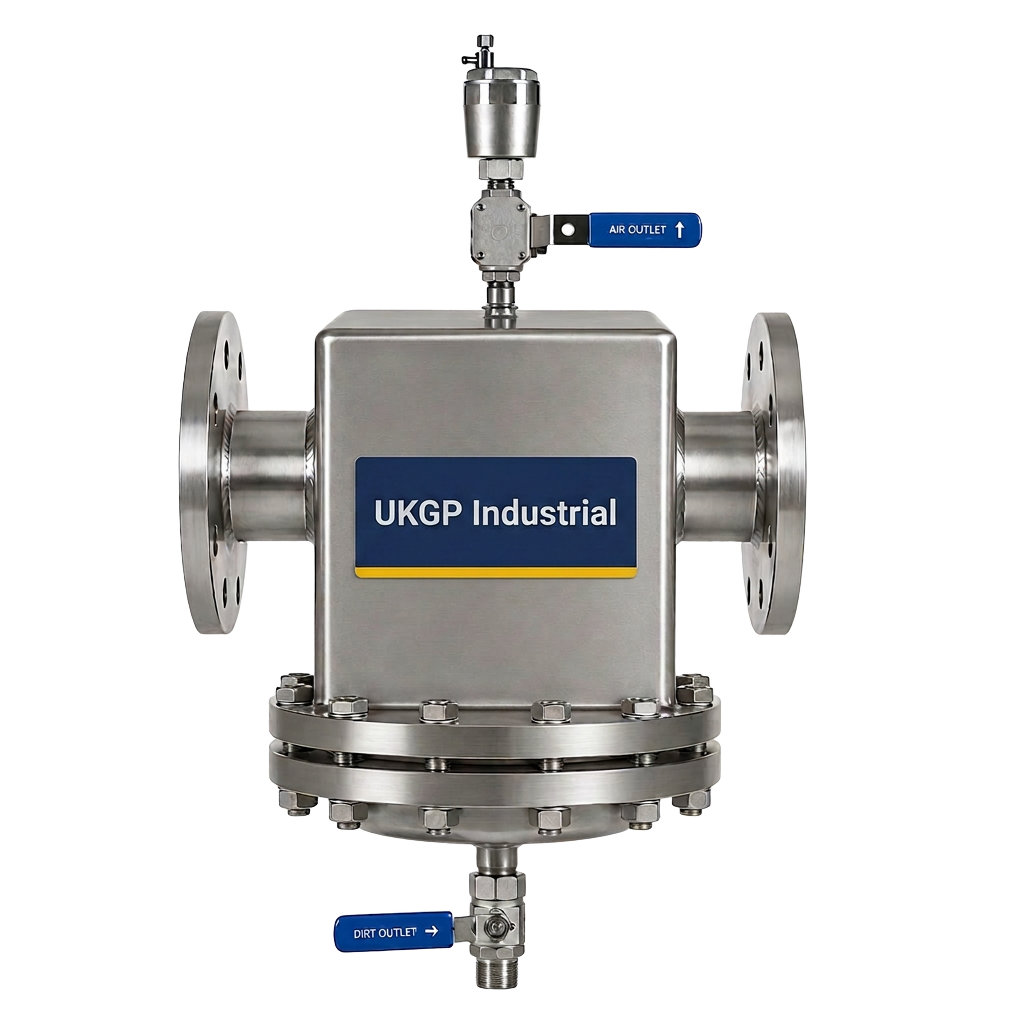
Air and dirt separators are equally crucial. Micro-bubbles and particulate matter are the enemies of efficient heat transfer. If air is allowed to accumulate in the top of the plate type heat exchanger, it creates air locks that reduce the effective surface area for heat exchange. Similarly, dirt accumulation in the narrow plate gaps causes increased resistance. By installing high-efficiency air and dirt separators, you ensure that the fluid entering the plate heat exchanger is clean and free of gases, maintaining the high turbulence required for maximum efficiency as per CIBSE guidelines.
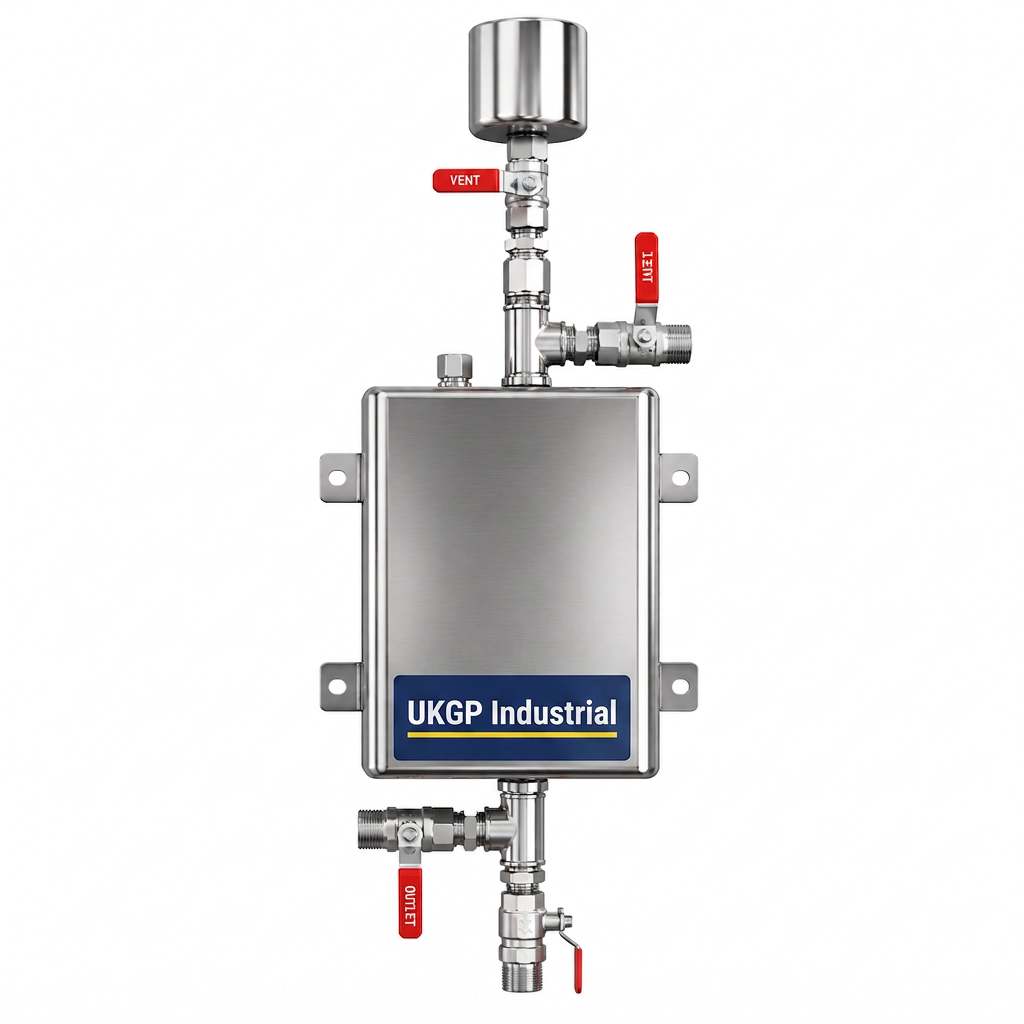
For UK plant rooms, the combination of a high-performance plate type heat exchanger and proper ancillary equipment results in a low-maintenance, high-reliability system. UKGP provides a holistic range of products, from dosing pots to separators, to complement our heat exchangers. When specifying a project, procurement leads should look for a supplier that can provide the entire thermal separation and protection package. This single-source approach simplifies the logistics and ensures that all components are compatible and sized to work together seamlessly under the design pressure and temperature conditions.
- Expansion bellows prevent nozzle stress and mechanical vibration.
- Air separators prevent air locks in the upper plate channels.
- Dirt separators reduce the frequency of manual heat exchanger cleaning.
- Holistic system design improves overall plant room reliability.
The Commercial Advantage of UKGP Heat Exchanger Solutions
In the competitive UK B2B market, lead times and technical support are the deciding factors for many M&E contractors and FMs. Choosing a UKGP plate type heat exchanger means you are not just buying a component; you are investing in a partnership. Our 4-6 week lead time is amongst the best in the industry for bespoke-sized gasketed units, ensuring that your project stays on track even during tight turnover periods. We understand the commercial pressure of plant room upgrades and work to minimize the downtime associated with equipment replacement or installation.
The 2-year warranty provided on our plate type heat exchanger range is a testament to the quality of our manufacturing and the materials used. We utilize premium 316 stainless steel and high-grade gaskets to ensure that every unit can withstand the harsh conditions of a commercial heating system. For consultants, specifying UKGP means recommending a product that meets all relevant BS EN 14917 and BS 8552 requirements, reducing the risk of professional liability and ensuring the end-user receives a system that is both efficient and robust.
To get started on your next project, simply provide our team with your thermal requirements. Whether you need a small brazed unit for a residential block or a large DN300 gasketed unit for an industrial facility, we have the expertise to deliver. A plate type heat exchanger from UKGP is a high-yield investment in the energy efficiency and operational reliability of your building. Contact us today for a full technical quote and discover how our sized-to-spec solutions can optimize your plant room's performance for years to come.
- Rapid 4-6 week lead times keep UK construction projects on schedule.
- Bespoke thermal sizing prevents the common pitfalls of over or undersizing.
- 2-year warranty provides unmatched security for contractors and FMs.
- DN20 to DN300 range covers all commercial and industrial duties.
Frequently asked questions
What information is needed to size a plate type heat exchanger?
- To accurately size a plate type heat exchanger, we require the primary and secondary inlet and outlet temperatures, the total load in kW or the flow rates for both sides, the fluid type (e.g., water or glycol percentage), and the maximum allowable pressure drop.
How often should a gasketed plate type heat exchanger be serviced?
- Service intervals depend on water quality and BSRIA BG50 compliance. Generally, we recommend an annual inspection of pressure drops. If the pressure drop increases by more than 10-15%, it may indicate fouling, and the plate pack should be cleaned.
Can I increase the capacity of my existing UKGP heat exchanger?
- Yes, one of the main advantages of a gasketed plate type heat exchanger is its modularity. If the frame has enough 'chimney' space, additional plates can be added to increase the thermal duty as the building's requirements grow.
Are the plates resistant to corrosion?
- Our units use 316 stainless steel plates as standard, which offer excellent resistance to corrosion in most HVAC applications. However, for specialized industrial applications with high chloride levels, titanium plates can be specified.
What is the typical lead time for a UKGP plate heat exchanger?
- For both gasketed and brazed units sized from a full thermal spec, the typical lead time is 4-6 weeks, although we always strive to meet urgent project deadlines where possible.