Heat Transfer Efficiency and Thermal Performance
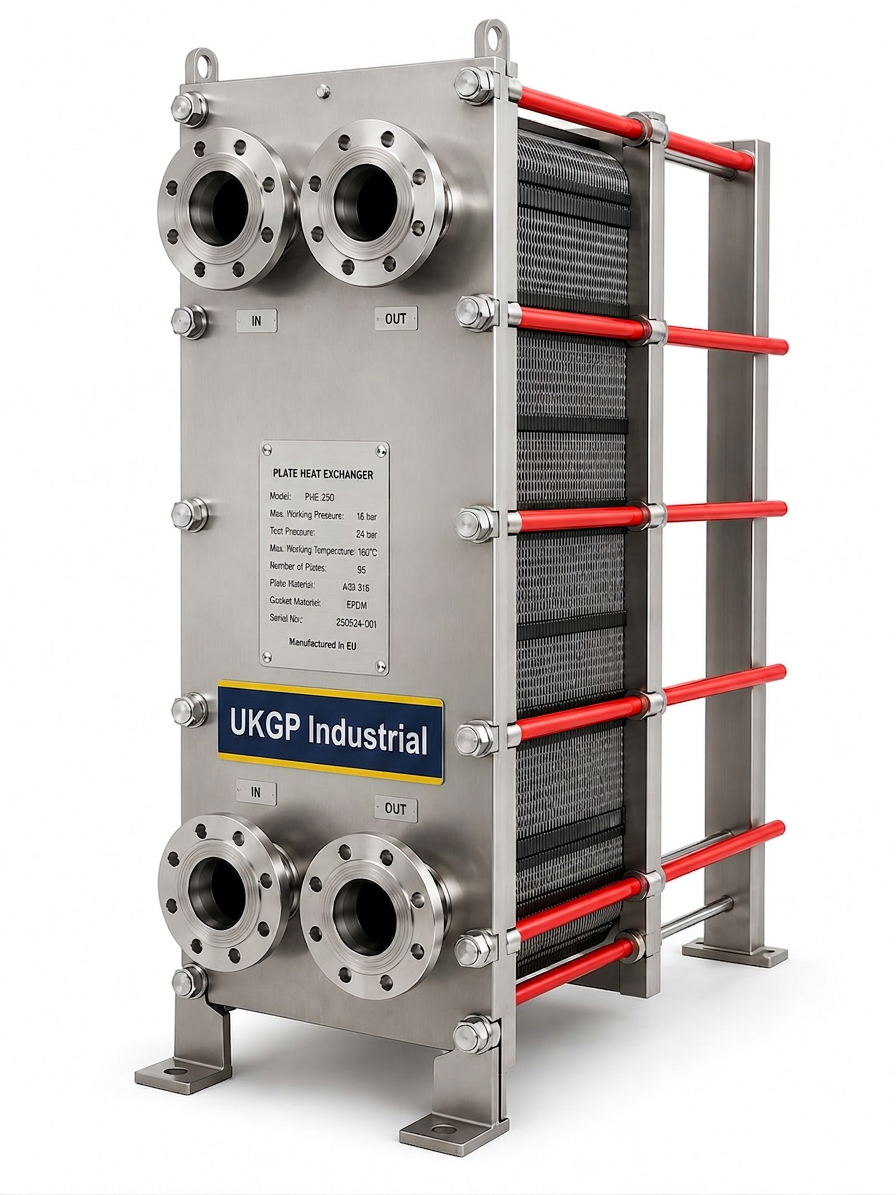
In the context of modern UK energy targets and Part L of the Building Regulations, thermal efficiency is paramount. Plate heat exchangers utilise corrugated plates to create highly turbulent flow even at low velocities. This turbulence breaks down the boundary layer, resulting in heat transfer coefficients that are typically three to five times higher than those of shell and tube exchangers. This efficiency allows PHEs to achieve the same thermal duty as a shell and tube unit but with significantly less surface area.
Shell and tube exchangers generally operate with a combination of cross-flow and counter-flow, which necessitates the use of an LMTD correction factor. This often leads to over-sizing the unit to compensate for 'dead zones' within the shell where fluid velocity is stagnant. In contrast, the parallel plate arrangement of a PHE ensures that nearly 100% of the surface area is active in the heat transfer process.
The ability to achieve a close approach temperature is a defining advantage for PHEs in heat pump and heat recovery applications. Where a shell and tube unit might struggle to achieve an approach of less than 5K without becoming prohibitively large, a UKGP Industrial plate heat exchanger can comfortably operate with a 1K or 2K approach, maximising the Coefficient of Performance (COP) of the primary heat source.
- Higher heat transfer coefficients (U-values) due to induced turbulence.
- Logarithmic Mean Temperature Difference (LMTD) correction factors are closer to 1.0.
- Capability for true counter-current flow.
- Ability to handle close approach temperatures (as low as 1K).
Footprint and Spatial Constraints in Plant Rooms
UK plant room refurbishments are frequently constrained by limited floor space and restricted access. Plate heat exchangers offer a compact alternative, often occupying only 20% to 30% of the floor space required by a shell and tube unit of equivalent duty. This compact footprint is primarily due to the high surface area-to-volume ratio provided by the plate geometry.
A critical consideration for M&E contractors is the 'service zone.' To maintain a shell and tube exchanger, space must be allocated for the complete withdrawal of the tube bundle, effectively doubling the unit's installed length. Gasketed PHEs, however, are serviced by loosening the compression bolts and sliding the plates along the carrying bar. This means the service area is contained within the frame's existing footprint or a small side-clearance.
The weight difference also impacts structural requirements. In many London rooftop plant rooms, the reduced operating weight of a PHE eliminates the need for expensive secondary steelwork or structural reinforcement. This makes the PHE the preferred choice for both new builds and the replacement of Victorian-era calorifiers.
- Weight reduction of up to 80% compared to shell and tube.
- Service clearance required only on one side for PHEs.
- Shell and tube requires double its length for tube bundle withdrawal.
- Modular design allows for easier transport through standard doorways.
Frequently asked questions
Which heat exchanger type is better for water quality issues?
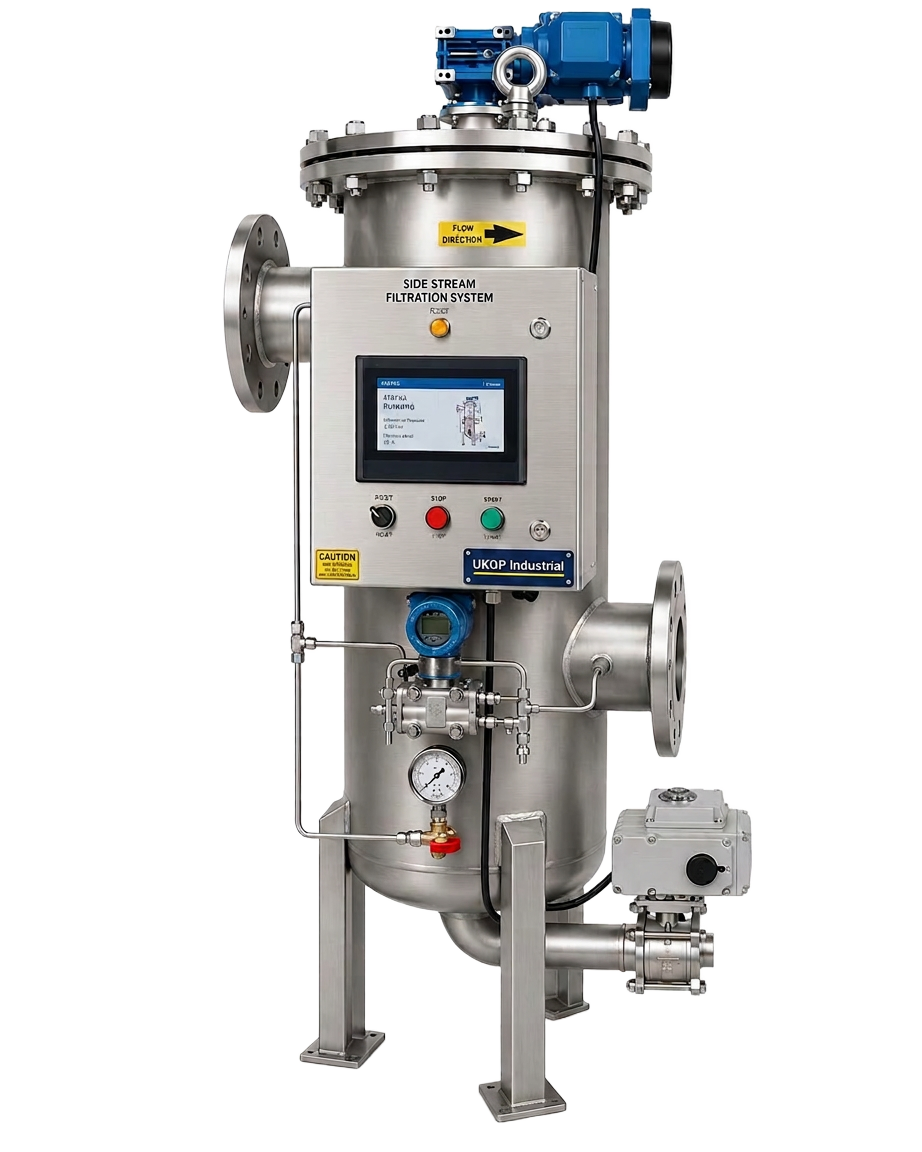
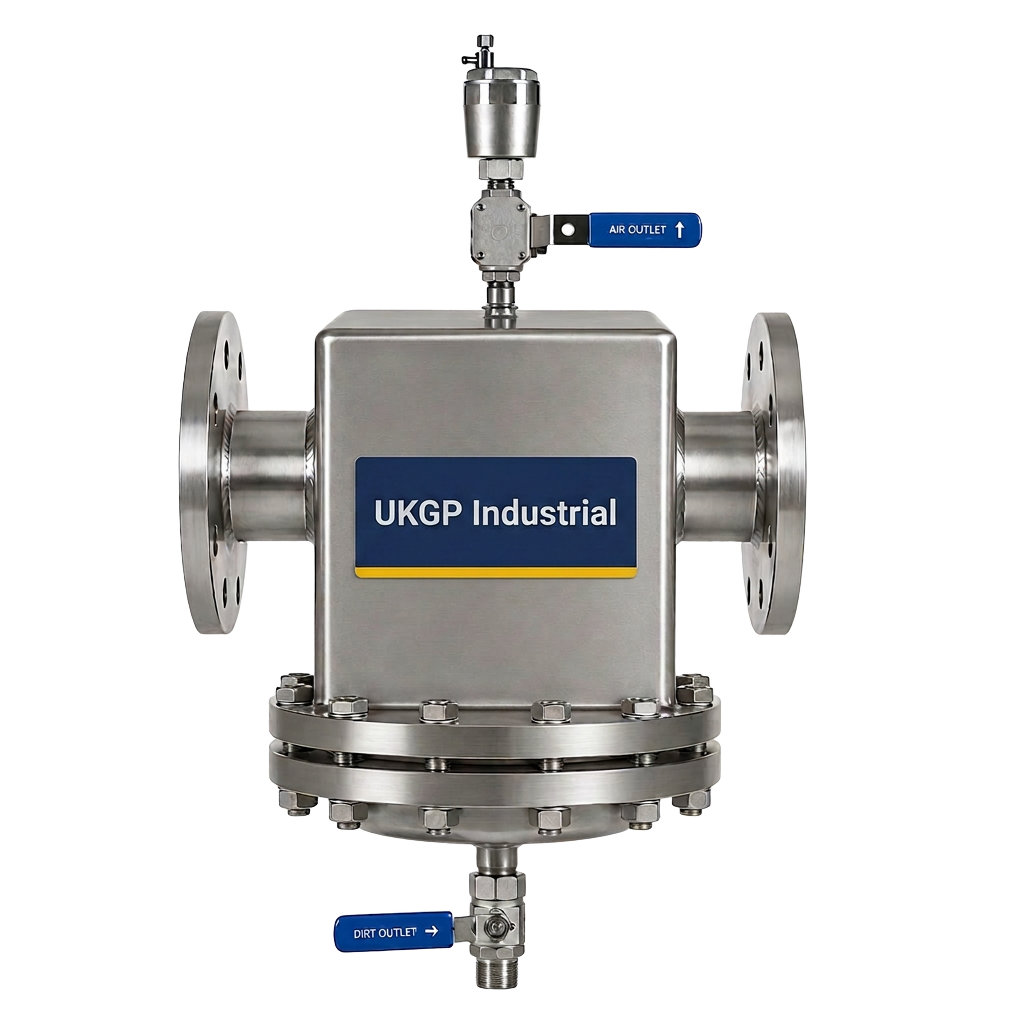
- BSRIA BG29/21 and BG50 highlight that PHEs are more susceptible to blockage due to narrow plate gaps. Side-stream filtration and air/dirt separators are essential for PHE protection, whereas shell and tube units can often tolerate higher TSS (Total Suspended Solids) loads.
Can I increase the capacity of my heat exchanger after installation?
- Gasketed PHEs allow for the addition or removal of plates to adjust capacity, making them superior for future-proofing. Shell and tube units are fixed-capacity pressure vessels.
Which is better for low-temperature heat pump circuits?
- For heat pump applications with low T (typically 5K), PHEs are the standard choice due to their ability to achieve close approach temperatures (down to 1K), which maximises COP.
What are the pressure and temperature limits?
- Generally, shell and tube exchangers can be designed for significantly higher pressures (100+ bar) and temperatures (500°C+), whereas standard gasketed PHEs are usually limited to 25 bar and 180°C.