Dynamics of the Plate Heat Exchanger UK Market
The current landscape for a plate heat exchanger UK professional involves navigating a complex supply chain where stock availability and custom engineering often collide. UK M&E contractors are increasingly looking for domestic reliability over generic imports to ensure that heat network specifications are met with precision. When you source a plate heat exchanger UK through UKGP, you are securing a unit sized from a full thermal spec, ensuring that the primary and secondary flow rates align perfectly with your CIBSE CP1 requirements. Whether you are retrofitting a commercial boiler room or designing a district heating scheme, understanding the local market dynamics helps in mitigating the risks associated with volatile material costs and shipping delays that have plagued the industry recently.
Choosing a local partner in Surrey like UKGP Industrial allows for a deeper technical collaboration than simply ordering from a catalogue. In the UK, plate heat exchangers must operate within stringent efficiency parameters to meet modern building regulations. A high-quality plate heat exchanger UK unit must be designed to handle specific pressure drops while maximising heat recovery, which is essential for reducing the carbon footprint of commercial properties. Our engineering team focuses on providing gasketed and brazed options that cater to varying maintenance cycles, from easy-access gasketed plates for high-fouling applications to compact, maintenance-free brazed units for space-constrained plantrooms. This dual approach ensures that procurement leads can tick every box on the consultant’s checklist without compromising on quality or thermal performance standards.
Pricing for a plate heat exchanger UK is dictated by plate material, gasket type, and the complexity of the frame construction. Recent fluctuations in stainless steel and titanium prices have made fixed-term quoting more challenging; however, UKGP maintains a transparent pricing model that provides peace of mind for procurement leads. By focusing on DN20 to DN300 connection sizes, we cover the vast majority of commercial and industrial applications across the British Isles. When you request a quote, we don't just provide a price; we provide a technical validation of your thermal requirements. Our goal is to ensure that every plate heat exchanger UK delivered is fit for purpose, backed by a robust 2-year warranty that reflects our confidence in the build quality and the engineering behind the thermal calculations.
- Specialised sizing from DN20 up to DN300 connections
- Materials ranging from stainless steel flow plates to titanium options
- Thermal specifications validated for CIBSE CP1 compliance
- 2-year comprehensive warranty as standard on all units
Technical Compliance and BSRIA Standards
Compliance with BSRIA BG29 and BG50 is non-negotiable for any plate heat exchanger UK installation within a modern HVAC system. These guidelines dictate the water quality and system cleanliness required to prevent the premature fouling of heat transfer surfaces, which can drastically reduce efficiency. When integrating a plate heat exchanger UK unit into a closed-loop system, it is vital to ensure that the primary side is treated according to BS 8552 guidelines. This technical rigour prevents the accumulation of magnetite and scale, which are the primary enemies of plate-to-plate heat transfer. Our technical team works closely with FMs to ensure that the chosen heat exchanger is compatible with the existing chemical regime and filtration strategy employed on-site.
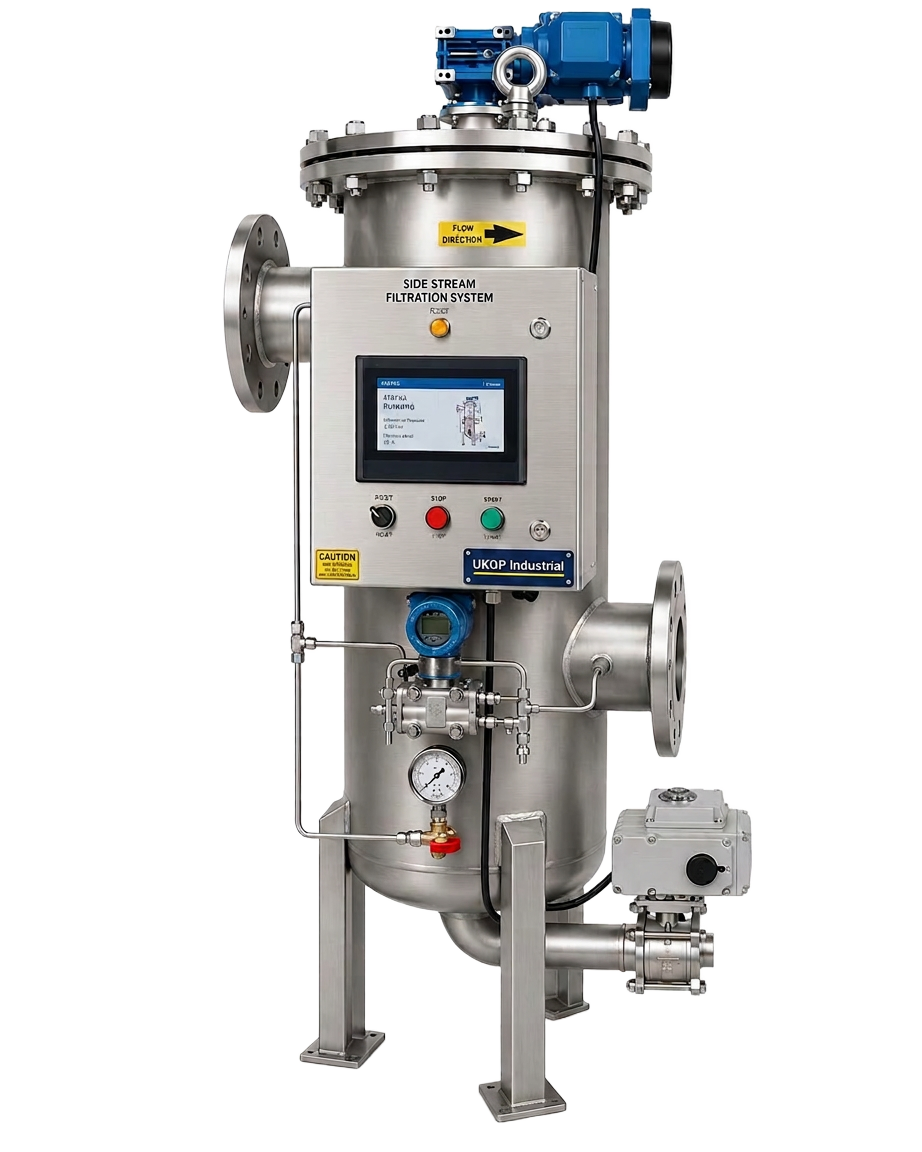
Moreover, for contractors involved in the pre-commissioning cleaning phase, the plate heat exchanger UK acts as a critical boundary that must be protected. During BSRIA BG29 flushing procedures, any debris bypass can lead to blocked narrow channels within the plate pack. This is why we recommend high-quality side stream filtration to work in tandem with our heat exchangers. Efficient heat transfer is only sustainable if the fluid dynamics are maintained through proper system hygiene. By adhering to these UK-specific standards, you ensure that the plate heat exchanger UK performs at its peak design efficiency for its entire service life, reducing the need for emergency maintenance or chemical descaling protocols that can be both costly and disruptive to building occupants.
We also focus on the mechanical integrity of the units, ensuring they meet the necessary pressure equipment directives relevant to the British market. Every plate heat exchanger UK supplied by UKGP is tested and certified to ensure it can withstand the thermal shocks and pressure surges common in large-scale commercial heating systems. From gasketed units that allow for future expansion by adding more plates to brazed units that offer the ultimate in leak protection for high-temperature applications, our range is designed to exceed the expectations of the most demanding M&E consultants. We provide full technical documentation to support your handover files, ensuring that the FM team has everything they need for ongoing BSRIA BG50 compliance and proactive system management.
- Strict adherence to BSRIA BG29 flushing protocols during install
- Compatibility with BS 8552 water quality monitoring standards
- Full certification under relevant UK pressure equipment regulations
- Technical documentation support for seamless O&M manual integration
Lead Times and Project Milestones
In the fast-paced world of UK construction, lead times are often as important as the purchase price. A plate heat exchanger UK typically carries a 4-6 week lead time from UKGP, which is significantly faster than many larger international manufacturers who are currently citing months rather than weeks. This expedited delivery is possible because we manage the sizing and assembly process locally, allowing for a more agile response to project changes. When a plantroom schedule is tight, having a reliable plate heat exchanger UK supplier who can commit to a firm delivery window is the difference between meeting your practical completion date and incurring liquidated damages. We understand the pressure on M&E contractors to coordinate various trades in a confined space.
To expedite your project, we recommend providing a full thermal spec as early as possible. This allows our engineers to produce the GA drawings and performance curves required for consultant approval quickly. Once the technical submittal is signed off, the manufacture of your plate heat exchanger UK begins in earnest. We handle everything from the initial DN20-DN300 sizing to the final pressure test before dispatching the unit to your site in London, Surrey, or anywhere else in the UK. This streamlined workflow is designed to fit into the standard procurement cycles of the UK building services sector, ensuring that your heat transfer equipment arrives exactly when the pipework contractors are ready to make the final connections, reducing on-site storage risks.
Furthermore, our logic-driven approach to logistics means we can often coordinate the delivery of ancillary equipment alongside your plate heat exchanger UK. Whether you need an expansion bellows or a low loss header to complete the plantroom circuit, UKGP provides a single-point solution. By consolidating your procurement, you not only save on shipping costs but also ensure that all components are technically compatible. Our 4-6 week lead time remains one of the most competitive in the country for high-spec, gasketed heat exchangers. If your project demands a more urgent response, our team is always available to discuss stock options for brazed units which may be available on an even shorter turnaround to keep your project moving forward.
- Industry-leading 4-6 week lead time for custom-sized units
- Local assembly and pressure testing for rapid quality control
- Coordinated delivery with ancillary plantroom components
- Prompt technical submittals for consultant approval phases
Optimising Thermal Efficiency in Industrial Systems
The thermal performance of a plate heat exchanger UK is highly dependent on the correct calculation of Log Mean Temperature Difference (LMTD) and the pressure drop across the plates. Over-specifying a unit can lead to low velocities and increased fouling, while under-specifying will result in a failure to meet the building's peak heating or cooling demand. Our UKGP specialists use advanced software to size every plate heat exchanger UK based on the exact temperature and flow requirements provided in your thermal spec. This bespoke approach ensures that the unit operates at the optimum 'sweet spot' of high turbulence and low resistance, which is vital for long-term energy savings and meeting the carbon reduction targets set out by local UK authorities.
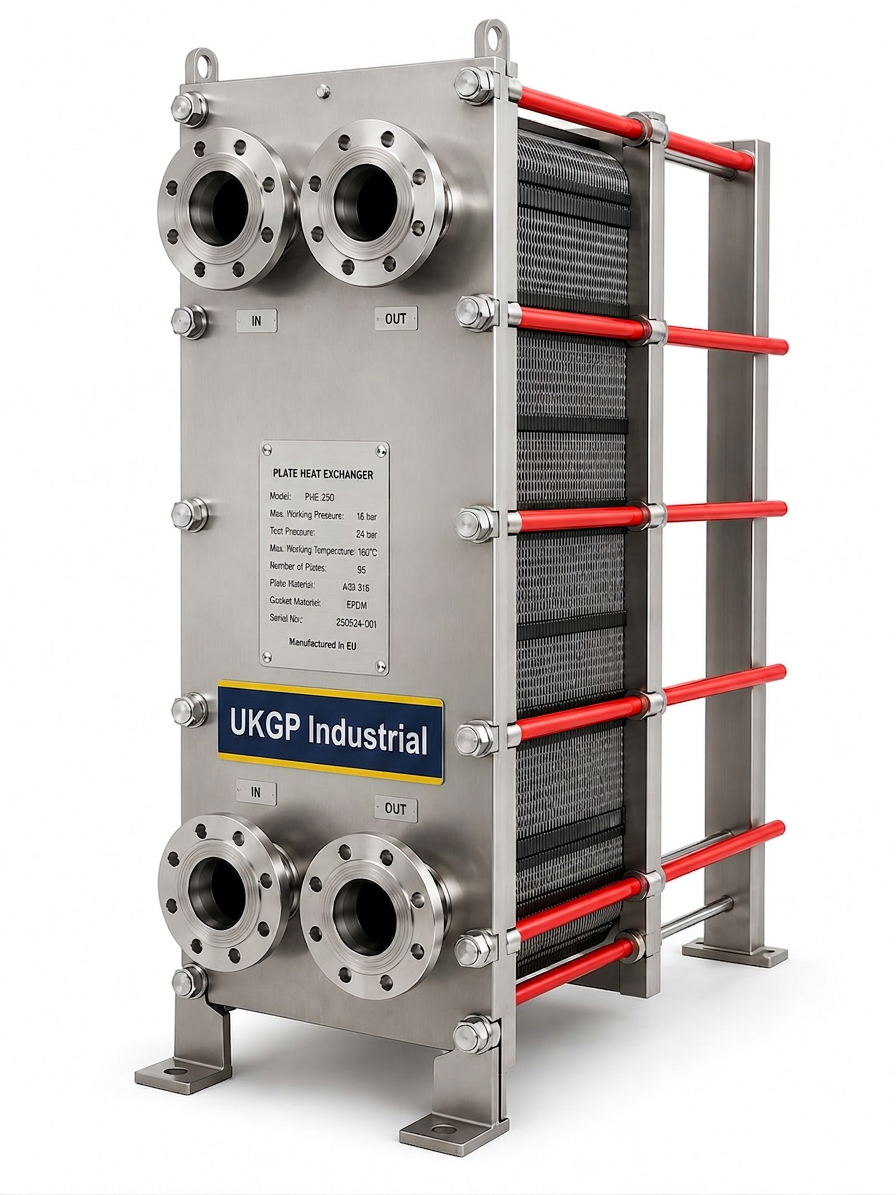
Maintenance is another critical factor when selecting a plate heat exchanger UK for an industrial or commercial application. Gasketed plate heat exchangers (GPHEs) are favoured in the UK for systems where the plates may need periodic cleaning or where thermal capacity might need to be increased in the future. The ability to unbolt the frame and replace individual gaskets or add plates makes the GPHE an incredibly versatile asset. For procurement leads, the 2-year warranty offered by UKGP on these units provides a significant safety net, covering both material performance and manufacturing integrity. We ensure that the DN sizes, ranging from DN20 to DN300, are matched to standard UK pipework dimensions to simplify the installation process and reduce the need for expensive adapters.
Brazed plate heat exchangers (BPHEs) offer a different set of advantages, particularly where space is at a premium and the operating pressures are higher. While they cannot be opened for cleaning, their compact footprint makes them ideal for modern UK apartment blocks and light industrial processes. When you choose a plate heat exchanger UK from our brazed range, you are getting a unit that has been rigorously tested for vacuum and pressure integrity. No matter which technology you choose, our commitment to technical excellence and commercial transparency remains the same. We invite you to contact us with your full thermal specification today to receive a detailed quote that reflects the latest market rates and a reliable delivery schedule that respects your project's critical path.
- Bespoke thermal sizing to ensure LMTD and pressure drop accuracy
- Choice between versatile gasketed and compact brazed designs
- Support for future system expansion with modular plate packs
- Focus on high-turbulence engineering to minimise scale build-up
Integration with Modern Plantroom Equipment
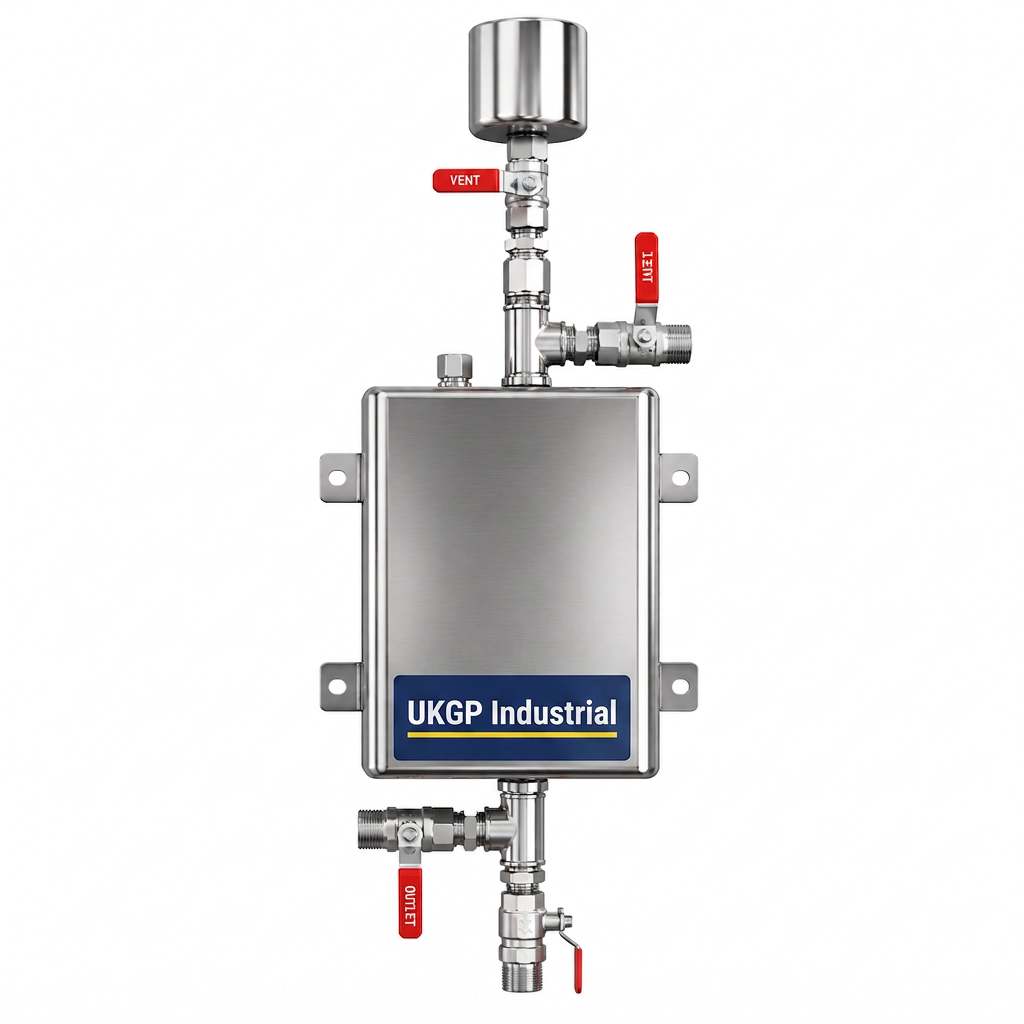
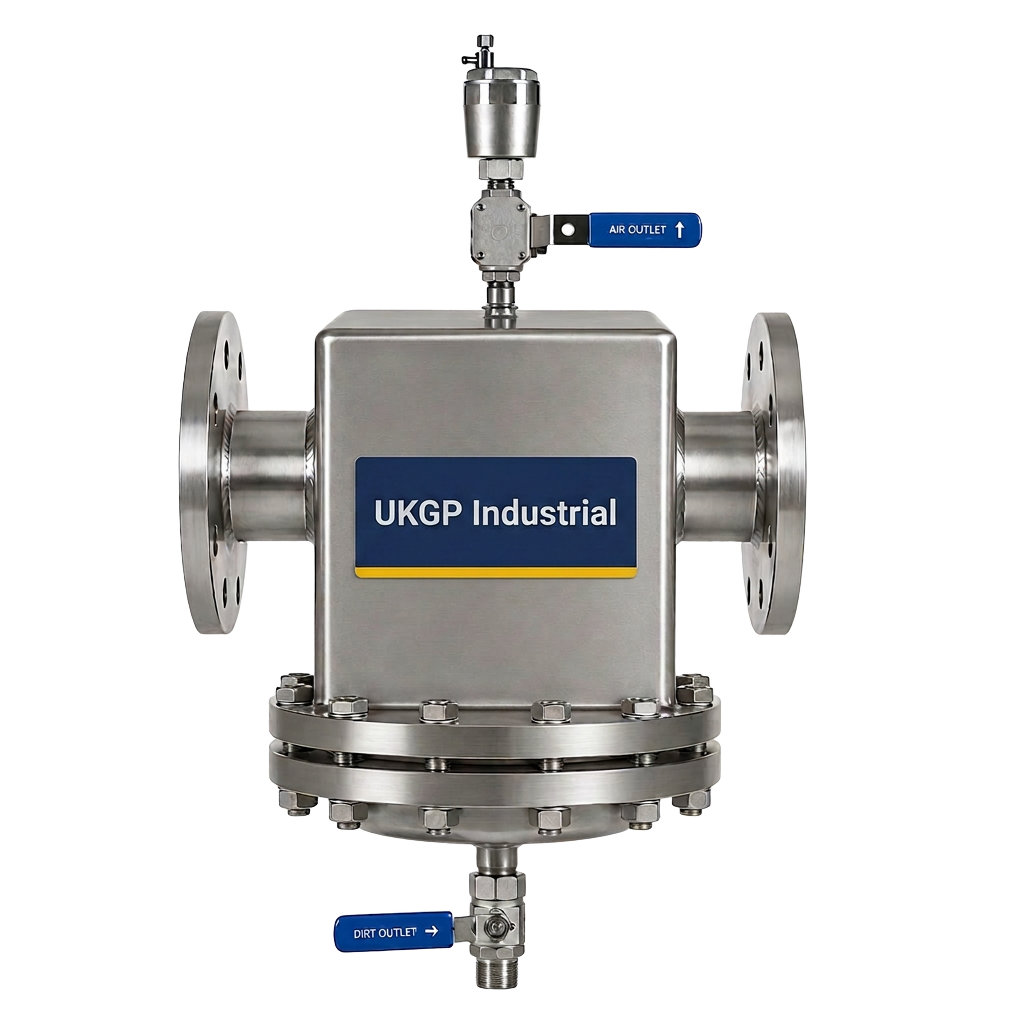
A plate heat exchanger UK rarely operates in isolation; it is a vital part of a wider ecosystem that includes pumps, valves, and air & dirt separators. Ensuring that the heat exchanger is protected from air-entrained bubbles and micro-bubbles is essential for maintaining the film coefficients required for efficient heat transfer. When we supply a plate heat exchanger UK, we often advise on the placement of deaeration equipment to prevent air pockets from forming within the plate channels. Air pockets not only reduce the effective heat transfer area but can also lead to localised overheating and stress on the gaskets, potentially shortening the lifespan of the unit and leading to premature leaks that disrupt building services.
The interaction between the plate heat exchanger UK and the system's hydraulic balance is also critical. Low loss headers and buffer vessels play a role in ensuring that the flow rates across the primary and secondary sides of the heat exchanger remain stable, even as load demands fluctuate. This stability is key to achieving the precise temperature control required in modern HVAC systems and industrial processes. By sourcing your heat exchanger and auxiliary equipment from a single UK supplier, you ensure that the DN connection sizes and pressure ratings are fully aligned. This holistic approach to plantroom design is why many UK M&E contractors prefer UKGP for their most complex projects, knowing that the engineering support is just a phone call away.
Finally, monitoring the performance of your plate heat exchanger UK is a requirement under most modern facilities management contracts. We provide units that can easily be fitted with temperature and pressure sensors, allowing for real-time monitoring of the heat transfer efficiency. If a decrease in performance is noted, it usually indicates a need for cleaning or a change in the chemical dosing regime. By proactively managing these factors, you can extend the intervals between major overhauls and ensure that the building continues to operate at peak efficiency. Requesting a quote for a plate heat exchanger UK from UKGP is the first step toward a more reliable and efficient heating system, backed by a team that understands the nuances of the British building services sector.
- Strategic integration with air and dirt separation equipment
- Hydraulic balancing support for stable thermal performance
- Provisions for sensor integration to facilitate remote monitoring
- Comprehensive spares support for long-term maintenance cycles
Cost Factors and Long-Term Value
When evaluating the cost of a plate heat exchanger UK, it is essential to look beyond the initial capital expenditure (CAPEX) and consider the total cost of ownership (OPEX). A cheaper unit may initially seem attractive, but if it is not sized correctly from a full thermal spec, it could lead to significantly higher pumping costs and frequent downtime for maintenance. UKGP focuses on providing high-value solutions where the efficiency of the heat transfer plates reduces the primary energy consumption of the building. In the context of rising energy prices in the UK, a more efficient plate heat exchanger UK can pay for itself in a remarkably short period through reduced utility bills and lower carbon taxes.
The durability of materials also plays a major role in the long-term value of your investment. By specifying high-grade 316 stainless steel or even titanium for more aggressive fluids, we ensure that your plate heat exchanger UK remains resistant to corrosion and erosion. Our 2-year warranty is a testament to the quality of our build process and the materials we use. For peace of mind, all our units are pressure tested to 1.5 times their design pressure before leaving our facility, ensuring they are ready for the rigours of commercial operation. This attention to detail is why our products are frequently specified for critical infrastructure projects, from hospitals to data centres, where reliability is the number one priority.
In conclusion, procuring a plate heat exchanger UK from UKGP Industrial means you are partnering with a specialist who understands the unique demands of the UK market. With lead times of 4-6 weeks and a range of sizes from DN20 to DN300, we provide the flexibility and responsiveness that modern M&E projects require. Our transparent pricing and technical expertise ensure that you get the right unit for the right price, delivered exactly when you need it. To get started with your next project, simply send us your thermal requirement, and our Surrey-based team will provide a comprehensive quote and technical submittal to help you move forward with confidence.
- Reduced OPEX through high-efficiency heat transfer surfaces
- Long-term durability with high-grade stainless steel plates
- Rigorous pressure testing up to 150% of design specs
- Transparent commercial terms with no hidden delivery costs
Frequently asked questions
What is the typical lead time for a plate heat exchanger UK order?
- Our standard lead time for a custom-sized plate heat exchanger UK is 4 to 6 weeks, which includes full thermal sizing, assembly, and pressure testing at our UK-based facilities.
What information is needed to size a plate heat exchanger?
- To provide an accurate quote for a plate heat exchanger UK, we require a full thermal spec including inlet/outlet temperatures for both the primary and secondary sides, the required heat load (kW), and the maximum allowable pressure drop.
Are your heat exchangers covered by a warranty?
- Yes, every plate heat exchanger UK supplied by UKGP Industrial comes with a comprehensive 2-year warranty, covering both manufacturing defects and material performance.
What connection sizes do you offer for plate heat exchangers?
- We offer a wide range of connection sizes from DN20 up to DN300, ensuring compatibility with standard UK commercial and industrial pipework systems.
Can you provide both gasketed and brazed heat exchangers?
- Yes, we supply both gasketed and brazed units. Gasketed units are ideal for maintenance and future capacity expansion, while brazed units offer a compact footprint for high-pressure applications.