Core Principles of Plate Heat Exchanger Selection
In the UK commercial sector, plate heat exchanger selection is a critical exercise that dictates the overall resilience of the plant room. A well-designed selection process begins with a comprehensive thermal specification, accounting for primary and secondary fluid temperatures, flow rates, and allowable pressure drops. UKGP provides bespoke sizing based on your specific duty, ensuring that the resulting hardware is neither undersized—causing thermal shortfalls—nor oversized, which leads to inefficient laminar flow and unnecessary capital expenditure. Our technical team works alongside M&E contractors to refine these parameters, ensuring the equipment integrates seamlessly within the wider HVAC architecture.
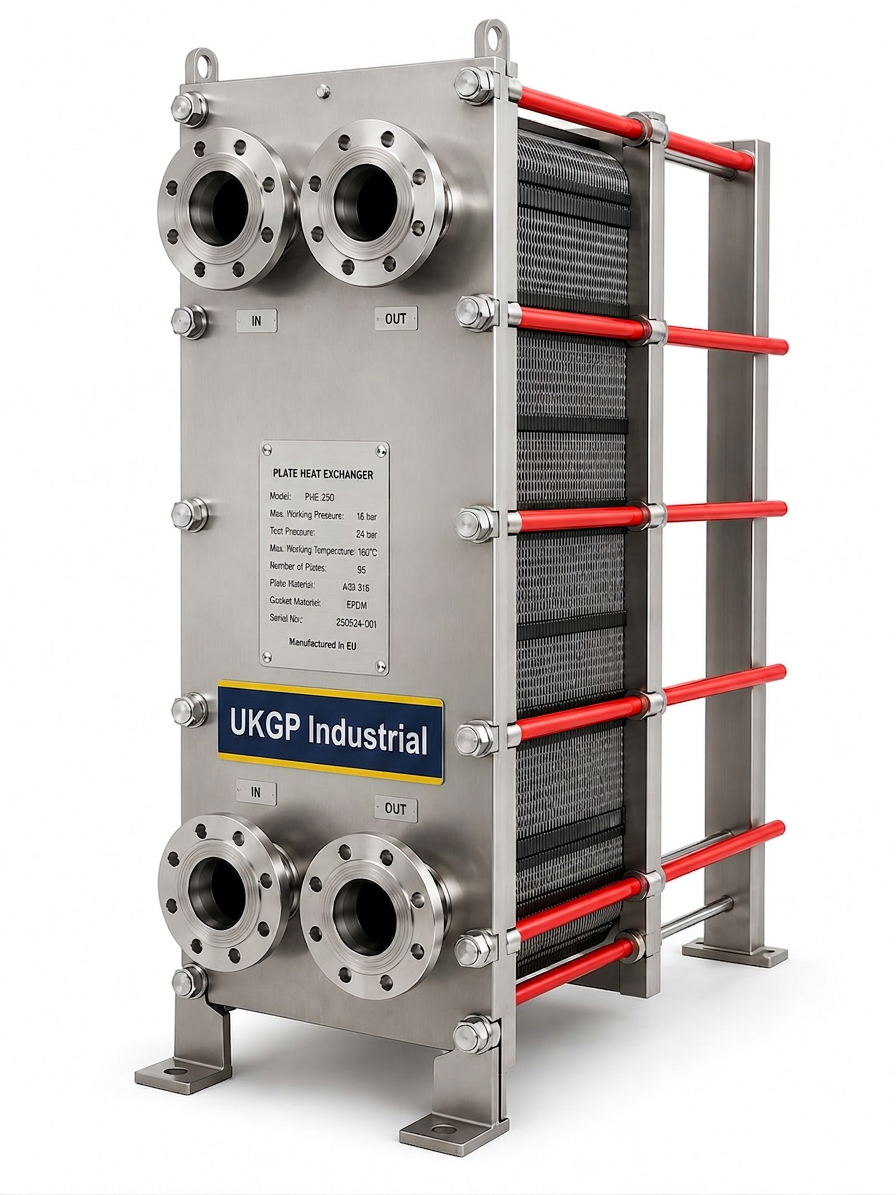
Choosing between gasketed and brazed designs is a pivotal step in the selection journey. Gasketed units offer unmatched flexibility, allowing for future expansion by adding plates and simplifying maintenance through manual disassembly. Conversely, brazed units are ultra-compact and cost-effective for smaller commercial applications where the duty remains constant. At UKGP, we supply both configurations with connection sizes ranging from DN20 to DN300, catering to everything from local district heating interfaces to large-scale industrial processing plants. Every unit is backed by a 2-year warranty, reflecting our confidence in the materials and assembly processes used to meet British engineering standards.
Precision in plate heat exchanger selection also involves evaluating the Log Mean Temperature Difference (LMTD) and its impact on the required surface area. For high-efficiency condensing boilers leading commercial boiler OEMs typically recommend close approach temperatures. If the temperature cross is tight, the plate configuration must be highly optimized. UKGP’s technical sizing software ensures that even the most demanding thermal profiles are satisfied with a lead time of just 4-6 weeks, allowing project managers to stick to tight construction schedules without compromising on the quality or performance of the heat transfer interface.
- Hydraulic separation to protect high-efficiency boilers from secondary circuit debris.
- Accurate LMTD calculation to minimise required heat transfer surface area.
- Optimization of pressure drop to keep circulation pump energy consumption low.
- Versatile connection sizes from DN20 to DN300 for various system scales.
Aligning Selection with BSRIA BG29 and BG50 Compliance
The integrity of any plate heat exchanger selection is deeply tied to the water quality standards outlined in BSRIA BG29 and BG50. These guidelines emphasise the importance of pre-commissioning cleaning and ongoing water treatment to prevent scaling and corrosion, which can drastically reduce the heat transfer coefficient of the plates. When selecting a unit, engineers must consider how the plate material—typically 316L stainless steel—will interact with the system chemistry. Failure to manage dissolved oxygen and suspended solids can lead to pitting corrosion or clogging, particularly in the narrow channels of a high-performance heat exchanger plate, making maintenance more frequent and costly.
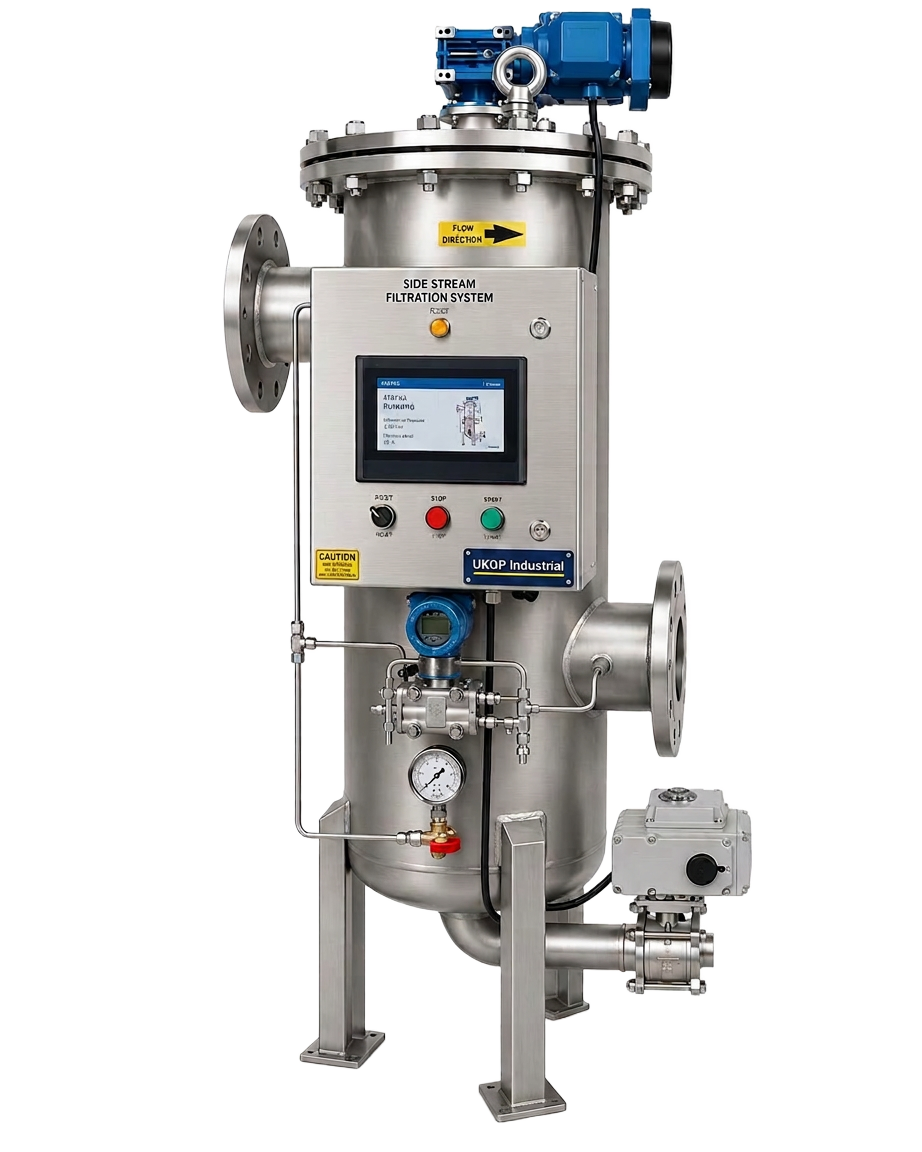
To safeguard the system after your plate heat exchanger selection is complete, it is common practice to install side-stream filtration alongside the heat exchanger. This ensures that the high-velocity turbulent flow within the plates is not compromised by circulating magnetite or scale. BSRIA BG50 highlights that for closed-loop systems, maintaining a low level of suspended solids is non-negotiable for system longevity. Integration of such filtration skids helps maintain the design approach temperature over the lifespan of the building, preventing the 'thermal drift' often seen in neglected commercial heating circuits where efficiency degrades steadily after the first year of operation.
UKGP supports consultants in achieving full compliance by providing equipment that fits into a holistic water management strategy. Our side stream filtration skids are engineered to complement our range of heat exchangers, ensuring that the particulate matter mentioned in BS 8552 is captured before it can settle in stagnant areas of the plate pack. This combined approach to hardware selection and water quality management ensures that the 2-year warranty remains a safety net rather than a necessity, as the system is hardened against the most common causes of commercial heating failure. Choosing the right ancillary equipment is as vital as the primary thermal component itself.
- Protection of 316L stainless steel plates from crevice corrosion and pitting.
- Maintenance of design K-values through consistent water chemistry monitoring.
- Integration of side-stream filtration to meet BSRIA BG50 particulate targets.
- Ensuring the 2-year warranty integrity through proper commission cleaning.
Technical Parameters for Thermal Specification
When performing plate heat exchanger selection, the fluid properties are just as important as the temperatures. For instance, if the system uses an ethylene or propylene glycol mix for freeze protection, the viscosity and specific heat capacity shift dramatically compared to pure water. This requires an adjustment in the plate surface area to achieve the same thermal duty. UKGP’s engineering team requests a full thermal specification from clients to account for these variables, ensuring the pump head is sufficient to overcome the plate friction losses. Without this level of detail, there is a significant risk of pump cavitation or insufficient heat delivery to the secondary zones.
The mechanical durability of the unit is governed by the design pressure and temperature ratings. In high-rise commercial developments, the static head can be substantial, necessitating a plate heat exchanger that can withstand 10 bar or 16 bar working pressures. Our gasketed units are built to robust standards, featuring high-grade EPDM or NBR gaskets that retain their elasticity over thousands of thermal cycles. During the plate heat exchanger selection phase, we also consider the expansion and contraction of the external pipework, often recommending the inclusion of expansion bellows to prevent mechanical stress from being transferred directly to the heat exchanger nozzles, which could lead to leaks.
Finally, accessibility for maintenance must be a consideration in the plant room layout. While the selection process focuses on thermal performance, the physical dimensions matter. UKGP provides detailed CAD blocks for our DN20-DN300 units so that M&E contractors can ensure there is sufficient 'pull space' to remove the plate pack if chemical cleaning is required. With a lead time of 4-6 weeks, we provide the documentation early in the procurement cycle, allowing for accurate BIM coordination. This proactive approach ensures that once the unit arrives on-site, it is installed in an environment that facilitates long-term operational efficiency and straightforward servicing.
- Accounting for glycol concentrations and their effect on heat transfer.
- Verification of pressure ratings to match the static head of high-rise buildings.
- Assessment of nozzle sizes from DN20 to DN300 to match existing pipework.
- Early provision of CAD and BIM assets for seamless plant room integration.
Expansion and Air Removal in the Secondary Circuit
A successful plate heat exchanger selection must be supported by adequate pressure management on both the primary and secondary sides. As the heat exchanger facilitates the transfer of energy, the resulting temperature fluctuations will cause the system fluid to expand. It is imperative that expansion bellows and correctly sized expansion vessels are installed to accommodate this volumetric change without triggering safety relief valves. UKGP supplies a range of bellows to BS EN 14917 standards, which work in tandem with the heat exchanger to maintain hydraulic stability, especially in systems where the secondary circuit serves multiple zones with varying loads.
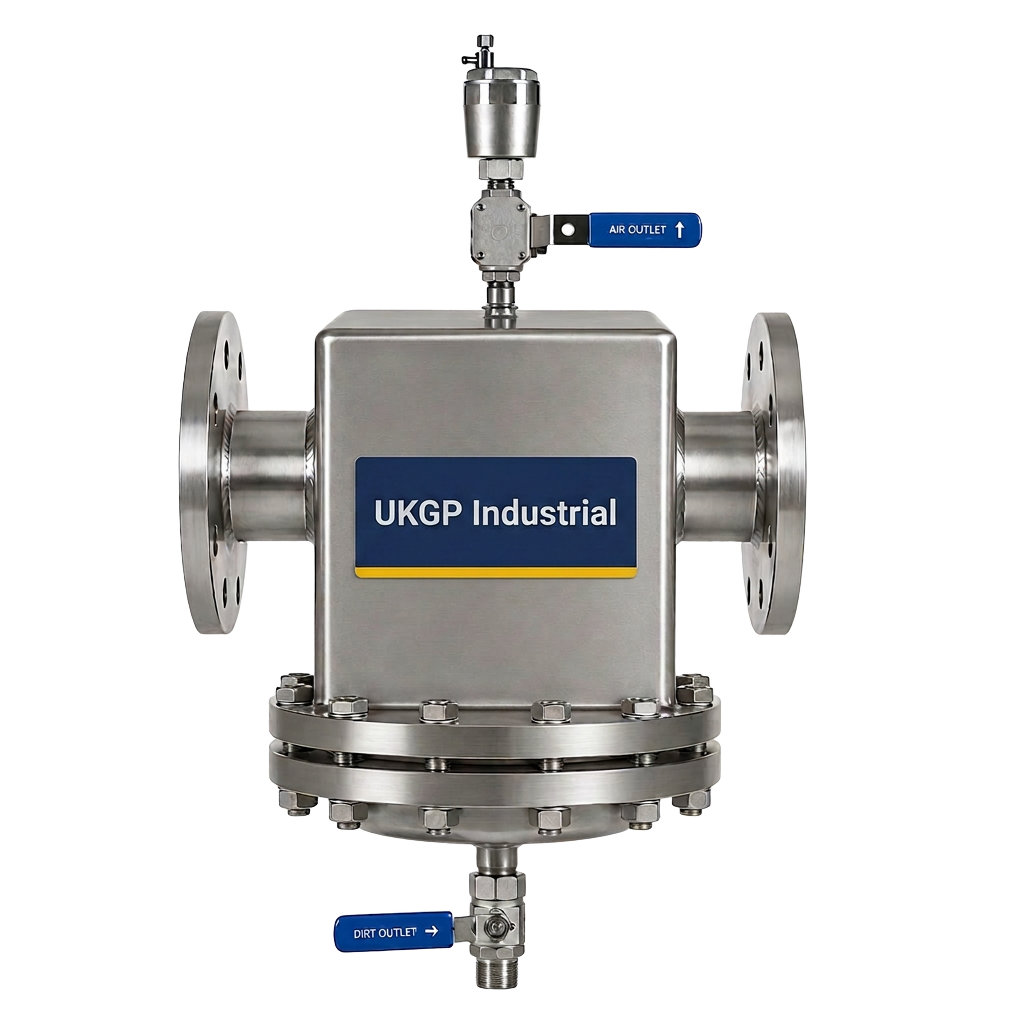
Air and dirt separation is another non-negotiable component to consider alongside your plate heat exchanger selection. Micro-bubbles and dissolved gases can congregate in the upper regions of a plate pack, creating air locks that drastically reduce the effective heat transfer area. By installing a high-efficiency air and dirt separator at the point of lowest solubility—typically the hottest part of the system—you ensure that the plate surfaces remain fully wetted. This not only maintains the thermal efficiency but also prevents the oxidative corrosion of the heat exchanger's internal components, as highlighted in CIBSE Guide M regarding best practices for plant room maintenance.
Combining these protection devices with a UKGP plate heat exchanger creates a robust thermal bridge that is easy to manage. When you request a quote, our team evaluates the entire circuit to ensure that the gaskets and plates are not subjected to oxygen-rich water or mechanical vibration. This holistic view of the plant room is what sets our technical support apart, moving beyond simple component sales to become a strategic partner for UK building services consultants. We ensure that your 4-6 week lead time is spent preparing a system that is fully integrated for maximum reliability and minimum downtime.
- Usage of bellows to BS EN 14917 for absorbing thermal expansion stresses.
- Installation of air and dirt separators to maintain plate wetting and efficiency.
- Mitigation of oxidative corrosion through proactive gas removal.
- Comprehensive system review during the quotation and sizing phase.
Monitoring and Maintenance of Heat Transfer Units
Once the plate heat exchanger selection process is complete and the unit is operational, real-time monitoring becomes the priority. Measuring the temperature differential and pressure drop across the plates allows Facilities Managers to detect the onset of fouling before it impacts building comfort. A sharp increase in pressure drop across the heat exchanger is a clear indicator that debris is accumulating or that scaling is occurring. UKGP recommends the use of high-quality pH sensors and transmitters to monitor the secondary fluid, ensuring that the chemical dosing remains within the parameters defined by BS 8552, thus protecting the plate material from acidic or alkaline attack.
The ability to service gasketed plate heat exchangers is a major advantage for commercial FM teams. Unlike brazed units, which may require chemical CIP (Cleaning-In-Place) or total replacement if heavily fouled, a gasketed unit can be opened and manually scrubbed. This longevity is supported by our 2-year warranty, which covers the mechanical integrity of the frame and plates. By selecting the correct plate material and gasket type during the initial plate heat exchanger selection, you significantly extend the asset life and reduce the Total Cost of Ownership (TCO) for the end client, which is a key priority for modern procurement leads.
Lead times for replacement gaskets and plates can often be a bottleneck, but UKGP maintains a robust supply chain to support our UK customers. With our standard 4-6 week delivery for complete units, we also ensure that spare parts are accessible for routine maintenance cycles. This reliability is essential for critical infrastructure such as hospitals or data centres, where thermal management is mission-critical. Our team provides the technical guidance needed to schedule these interventions, ensuring that the heating system operates at its peak designed efficiency year-round, regardless of external seasonal variations.
- Continuous monitoring of pH levels to prevent chemical degradation of plates.
- Utilising pressure drop data to inform the maintenance and cleaning schedule.
- Manual cleaning options for gasketed units to extend service life indefinitely.
- Reliable spare parts supply to support the 2-year manufacturer warranty.
Commercial Procurement and Specification Support
For procurement leads and M&E contractors, the commercial aspect of plate heat exchanger selection is often driven by a balance of cost, lead time, and technical compliance. UKGP streamlines this process by offering a direct route to expertly sized thermal solutions. By providing a full thermal spec, you enable our engineers to provide a competitive quote for a unit that precisely matches your project’s needs. Whether you require a compact DN20 brazed unit for a modest commercial refurbishment or a large DN300 gasketed unit for a new-build district heating scheme, our 4-6 week lead time ensures that your project remains on track.
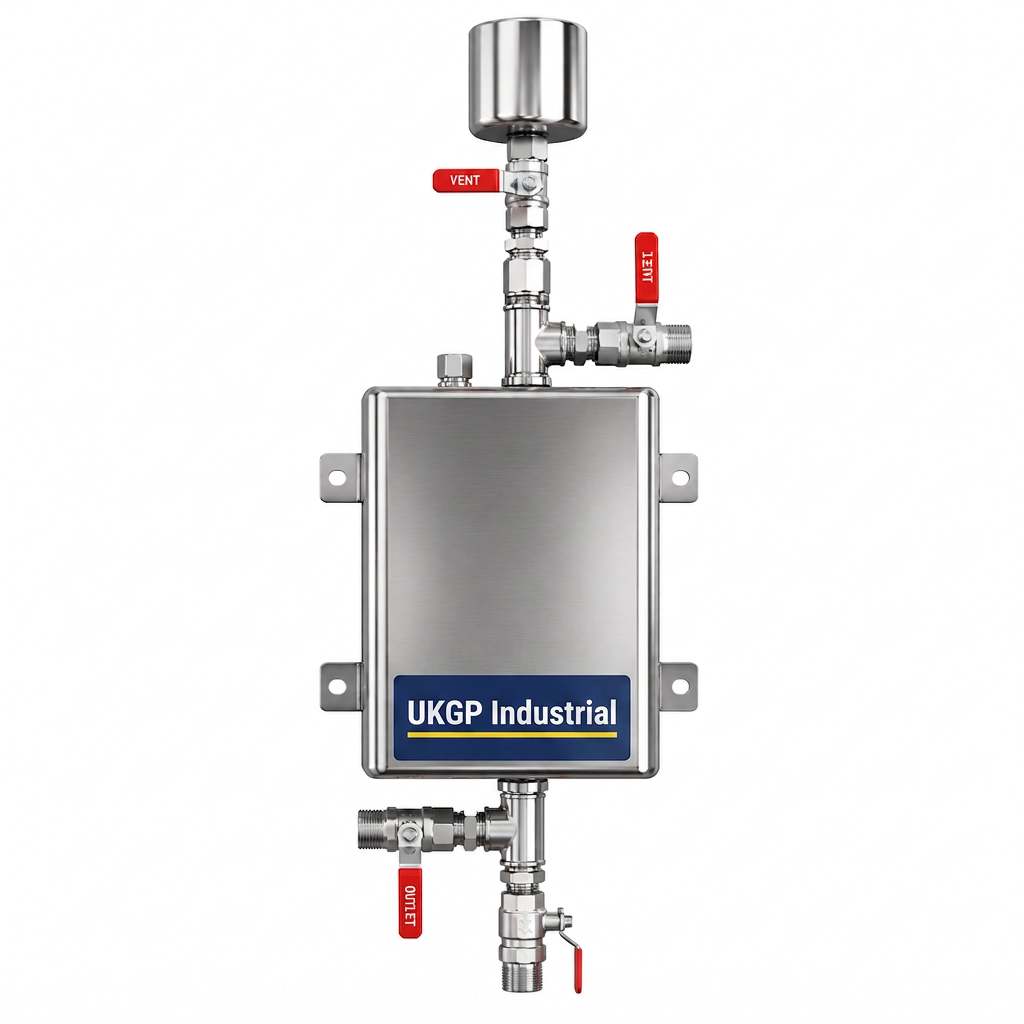
Furthermore, the inclusion of a 2-year warranty provides peace of mind for both the installer and the building owner. This warranty is a testament to the build quality of our heat exchangers, which are designed to withstand the rigours of commercial heating and cooling. During the plate heat exchanger selection stage, we also offer advice on the best auxiliary components, such as low loss headers and dosing pots, to ensure the primary and secondary circuits are perfectly balanced and chemically treated. This comprehensive approach reduces the risk of post-handover issues and ensures high tenant satisfaction through consistent thermal performance.
Working with a Surrey-based supplier like UKGP Industrial means you have access to technical expertise and responsive customer service throughout the lifecycle of your project. We understand the nuances of UK building regulations and the specific requirements of the local market, from CIBSE recommendations to BSRIA guidelines. Our goal is to simplify the plate heat exchanger selection process for you, providing a single point of contact for high-performance heat transfer and fluid management products. Contact our technical sales desk today with your thermal load data to receive a detailed quotation and sizing report for your next commercial heating project.
- Streamlined procurement with comprehensive technical sizing reports.
- Predictable 4-6 week lead times for both standard and bespoke units.
- Expert advice on auxiliary components like dosing pots and low loss headers.
- Access to Surrey-based technical support for rapid query resolution.
Frequently asked questions
How do I start the plate heat exchanger selection process?
- Begin by compiling a full thermal specification, including the required heat load (kW), primary and secondary flow/return temperatures, and maximum allowable pressure drops. UKGP uses this data to size the most efficient unit for your application.
What is the typical lead time for a UKGP plate heat exchanger?
- Our standard lead time for both gasketed and brazed plate heat exchangers is 4-6 weeks from the point of order and technical approval, allowing for precise manufacturing and testing.
What connection sizes are available for UKGP heat exchangers?
- We offer a wide range of connection sizes, from DN20 for smaller commercial duties up to DN300 for large-scale industrial and district heating applications.
Does UKGP provide a warranty on their heat exchangers?
- Yes, all of our plate heat exchangers come with a 2-year warranty, covering manufacturing defects and ensuring peace of mind for building owners and contractors.
Should I choose a gasketed or brazed plate heat exchanger?
- Gasketed units are ideal if you require the ability to clean or expand the plate pack in the future. Brazed units are better suited for high-pressure, high-temperature applications where space is at a premium and the duty is fixed.