Identifying the Need for Plate Heat Exchanger Repairs
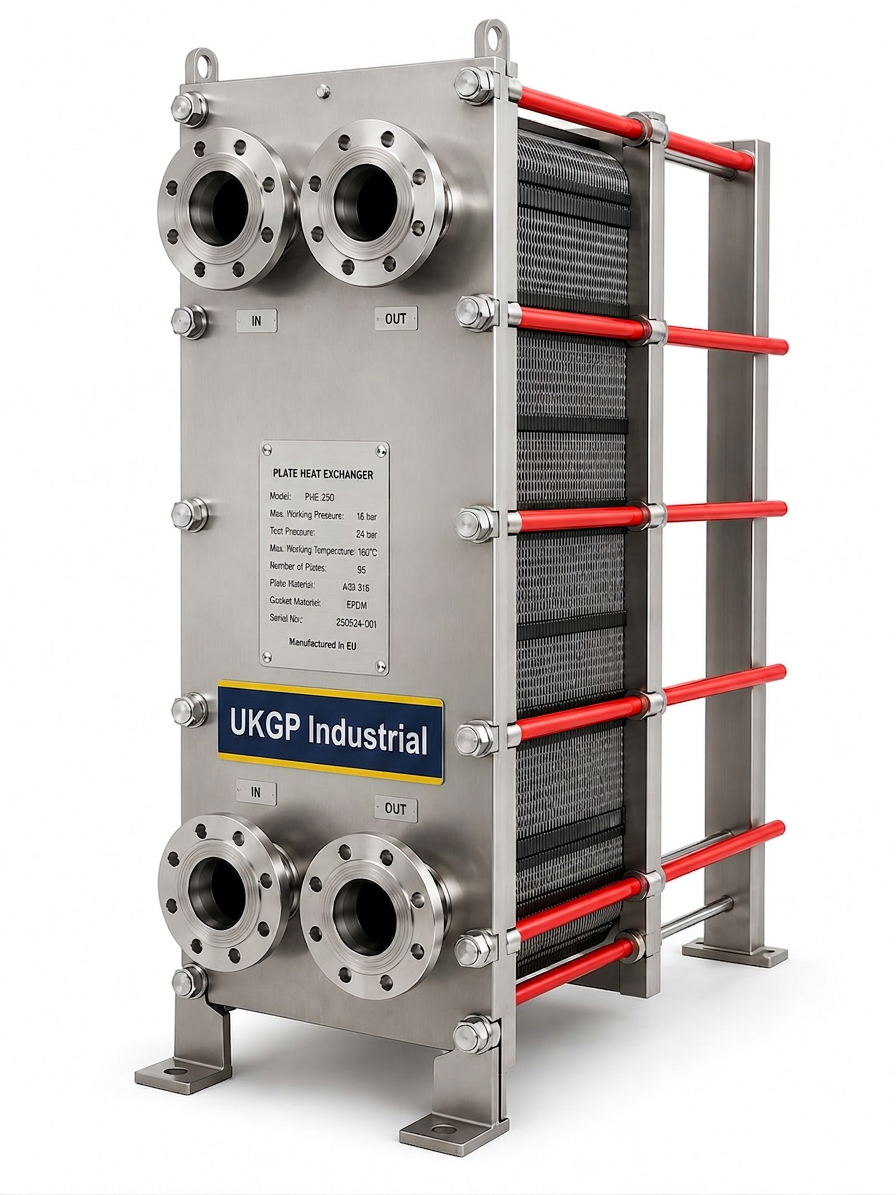
In the demanding world of UK building services, identifying the early signs that indicate a need for plate heat exchanger repairs is crucial for facility managers and M&E contractors. Common symptoms such as pressure drops exceeding design specifications, visible external leakage around the gasket line, or internal cross-contamination between circuits often signal that the unit's integrity is compromised. When these issues occur, the efficiency of the primary heating or cooling circuit drops significantly, forcing pumps and boilers to work harder to overcome thermal resistance. Addressing these failures early through professional repair services can prevent total system shutdowns and extend the operational lifespan of the entire HVAC network.
Engineering standards such as BSRIA BG50 provide a framework for managing water quality in closed-loop systems, but even with perfect chemistry, mechanical wear is inevitable. Plates can suffer from erosion at the ports or stress corrosion cracking over time, particularly if the system has been subjected to frequent thermal cycling or hydraulic shock. For senior plant room engineers, documenting these performance deviations is the first step toward a successful intervention. While some minor leaks may appear manageable in the short term, they typically indicate a wider failure of the gasket elastomer or the plate pack compression, necessitating a structured approach to plate heat exchanger repairs to restore the system to its original design duty.
The commercial implications of ignoring these warning signs are significant, as degraded heat transfer directly increases carbon emissions and utility bills. When evaluating whether to refurbish or replace, engineers must consider the mechanical condition of the frame and the specific nature of the fouling. If the frame remains structurally sound, a comprehensive refurbishment—including acid cleaning of the plates and new gaskets—is often the most sustainable and cost-effective route. This approach aligns with modern ESG targets by reducing the embodied carbon associated with manufacturing entire new units, provided the repairs are carried out by technicians who understand the specific thermal requirements of the building.
- Monitoring for unexplained pressure drops across the primary and secondary ports.
- Regular inspection for 'weeping' at the gasket-to-plate interface.
- Verifying approach temperatures against the original thermal specification.
- Checking for fluid intermixing which suggests internal plate perforation.
Technical Best Practices for Commercial Repairs
Executing plate heat exchanger repairs effectively requires a strict adherence to assembly tolerances and gasket material compatibility. When units are dismantled, each plate should be meticulously inspected for signs of pitting or deformation. In hard water areas across the UK, limescale buildup is a common culprit that requires chemical descaling in accordance with manufacturer guidelines to avoid damaging the base metal. Using high-pressure cleaning or incorrect chemical concentrations can lead to micro-fractures, which eventually turn into pinhole leaks. The aim of any repair should be to return the plate surfaces to their original condition, ensuring that the turbulent flow characteristics intended by the designers are fully restored.
During the reassembly phase, the tightening dimension, often referred to as the 'A-measurement', is critical. Over-tightening can crush the gaskets and deform the plates, while under-tightening will lead to leaks as soon as the system is pressurized. Engineers must use calibrated torque wrenches and follow the specific bolt-tightening sequence recommended for that particular frame size. Furthermore, when carrying out plate heat exchanger repairs, it is vital to ensure that the replacement gaskets are compatible with the operating temperature and fluid media. EPDM and Nitrile are common, but the specific grade must match the application, whether it is standard LTHW or high-temperature steam-to-water heat transfer.
Validation of the repair is the final, essential step. This involves a hydrostatic pressure test, typically conducted at 1.5 times the maximum working pressure, to ensure the integrity of the seals. CIBSE guidelines emphasize the importance of thorough commissioning following any major component repair to verify that the flow rates and temperature differentials meet the calculated design loads. If the repair process reveals that the existing plates are beyond economic salvage, procurement leads should look for rapid replacement options. UKGP offers high-efficiency plate heat exchangers with DN20 to DN300 port sizes, which can be custom-sized from a full thermal spec and delivered with a 2-year warranty to minimize plant down-time.
- Utilising calibrated tools to maintain precise plate pack compression dimensions.
- Ensuring gasket material compatibility (EPDM/Nitrile) for specific fluid temperatures.
- Conducting dye penetrant testing on plates to detect invisible cracks.
- Adhering to a documented tightening sequence to prevent frame distortion.
The Role of Water Treatment in Preventing Future Damage
Maintaining optimal water chemistry is a fundamental requirement post-repair to ensure that plate heat exchanger repairs are not required again in the near future. BSRIA BG29 and BG50 highlight the dangers of corrosive water and suspended solids, which can lead to rapid fouling and erosion of the thin stainless steel plates. Plate heat exchangers are particularly sensitive to debris because of the narrow channels between the plates that are designed to promote turbulence. If the system water is not properly filtered or if the chemical balance is incorrect, the high-velocity areas within the exchanger can suffer from accelerated wear, leading to early failure of the unit despite recent remediation.
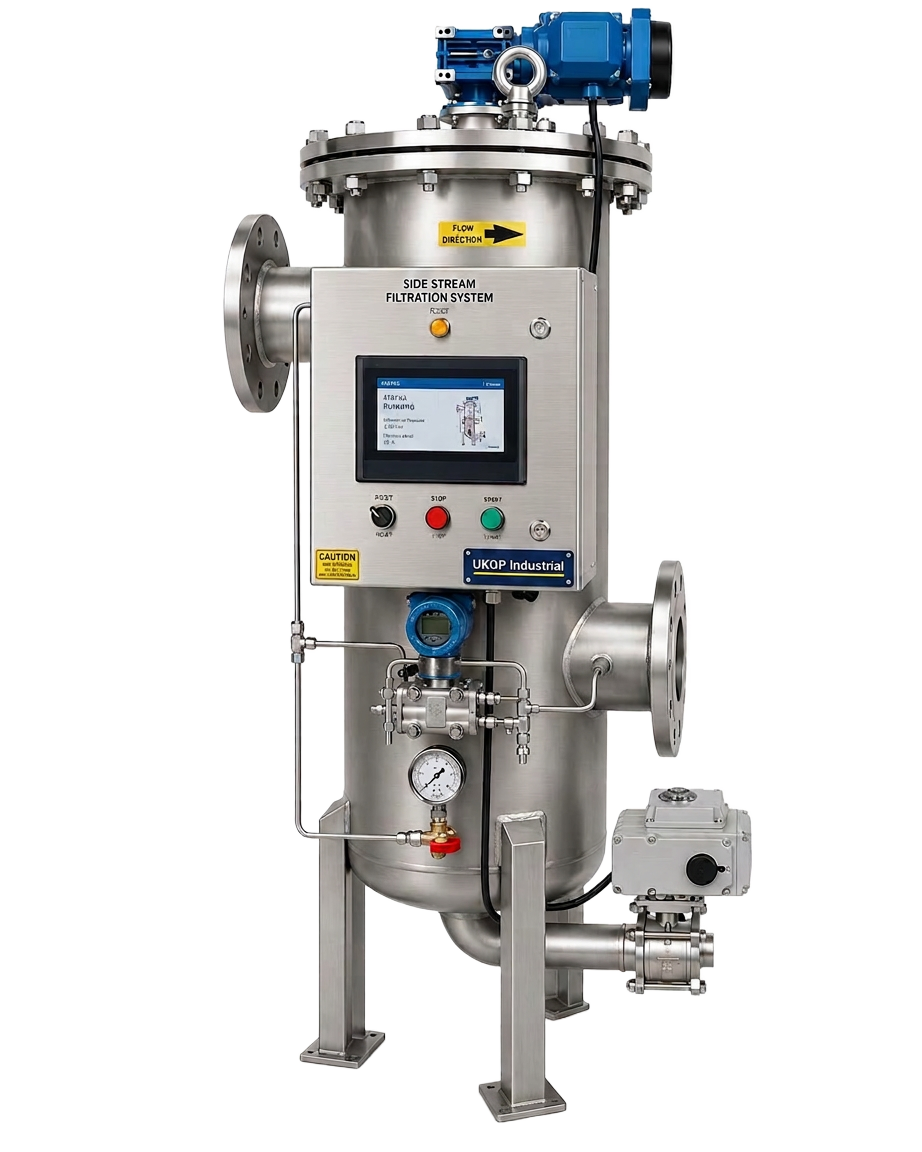
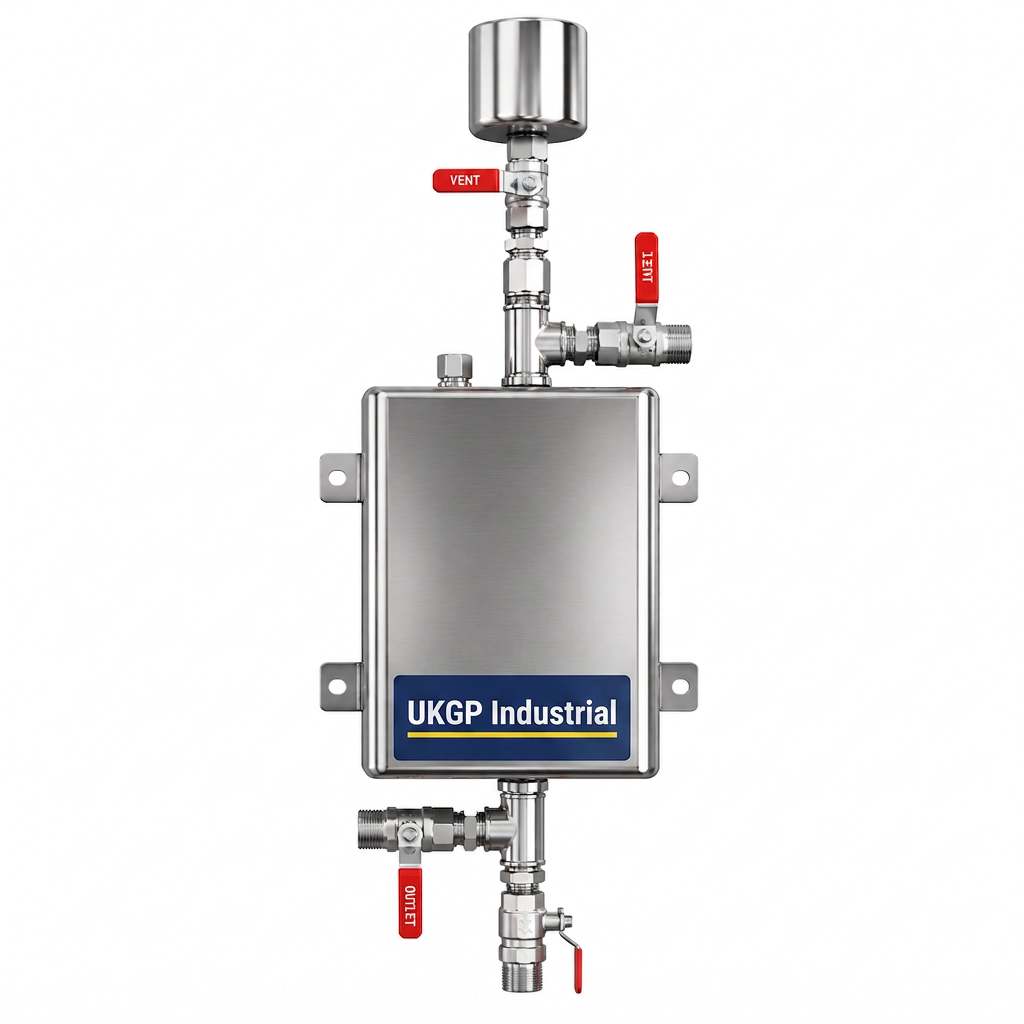
To protect the investment made in repairs, many UK engineers specify the installation of side stream filtration skids alongside their heat exchangers. These units continuously remove silverize and other suspended solids that would otherwise settle in the low-velocity areas of the Heat Exchanger (PHE). By maintaining low turbidity, the efficiency of the heat transfer remains high, and the risk of localized ‘under-deposit corrosion’ is significantly reduced. This proactive approach to system health is far more cost-effective than reactive maintenance. When a PHE is serviced, it is also the ideal time to review the dosing regime and ensure that the correct inhibitors are being utilized via dedicated dosing pots.
Integrating sensing technology can provide real-time data on the condition of the circulating fluid. Monitoring pH levels is particularly important in systems with multi-metal components, as drastic shifts in acidity or alkalinity can strip protective oxide layers from the plates. By combining professional plate heat exchanger repairs with robust water treatment and monitoring, building owners can achieve a significantly higher Return on Investment (ROI) and lower Lifecycle Costs (LCC). UKGP provides the essential components for this, including pH sensors and transmitters that integrate seamlessly into existing BMS architectures, allowing for immediate alerts if the system water deviates from the required BSRIA parameters.
- Implementing side stream filtration to remove suspended solids and magnetite.
- Maintaining chemical inhibitor levels via robust dosing pot installations.
- Continuous monitoring of pH levels to prevent aggressive corrosion of plates.
- Adhering to BSRIA BG50 standards for ongoing closed-circuit maintenance.
Environmental and Commercial Benefits of PHE Refurbishment
Choosing to undertake plate heat exchanger repairs rather than full unit replacement offers significant environmental advantages. In the context of the UK’s commitment to Net Zero, the reduction in carbon footprint by reusing heavy steel frames and only replacing the wearing parts—the gaskets and occasionally specific plates—is substantial. Most commercial heat exchanger frames are built to last decades, and their scrap value is far outweighed by their functional value when paired with a fresh plate pack. This circular economy approach is increasingly becoming a requirement in public sector and large-scale commercial tenders where sustainability is a key performance indicator.
From a commercial perspective, the lead times for new large-bore heat exchangers can sometimes disrupt tight maintenance schedules, especially during the ‘heating season’ when plant room uptime is non-negotiable. While high-quality suppliers like UKGP can provide new units in 4-6 weeks, a localized repair can often be staged to minimize the impact on building occupants. Efficient repairs restore the heat transfer coefficient (U-value) of the unit, which directly impacts the energy consumption of the primary heat source. In an era of high energy prices, even a 5% improvement in heat transfer efficiency across a large HVAC system can result in thousands of pounds of annual savings.
Furthermore, ensuring your heat exchangers are in peak condition facilitates better hydraulic balance within the plant room. When a PHE is fouled or requires repair, the increased resistance can cause imbalances that affect the performance of low loss headers and shunt pumps. By maintaining the design Delta-T through professional plate heat exchanger repairs, the entire system—from the primary boiler circuit to the tertiary emitters—operates more predictably. This predictability reduces the stress on other components, such as expansion bellows and valves, which are often the secondary victims of the erratic pressures caused by blocked or failing heat exchangers.
- Reducing embodied carbon by extending the life of existing steel frames.
- Improving system Delta-T to optimize primary heat source efficiency.
- Lowering operational energy costs through better heat transfer coefficients.
- Minimising building disruption compared to full plant replacement projects.
Common Challenges in Sizing and Specification
One of the biggest challenges when approaching plate heat exchanger repairs is dealing with legacy equipment where the original manufacturer’s data plate is missing or illegible. In these instances, a full thermal respecification is often required to ensure the repaired unit will meet the current building load. It is not uncommon for building usage to have changed since the original installation, meaning the initial design duty may no longer be appropriate. Professional suppliers can assist by taking current flow and temperature requirements and calculating the optimum plate configuration for the existing frame, ensuring that the 'new' unit is perfectly tuned to the contemporary needs of the HVAC system.
Selecting the right plate material is also critical during the repair process. While 316 Stainless Steel is the standard for most UK HVAC applications, certain environments—such as those involving swimming pools or industrial processes with high chloride levels—may require Titanium plates to resist corrosion. Engineers must evaluate the secondary side fluid carefully before ordering replacement parts. If the plate heat exchanger repairs involve a change in duty, such as moving from a traditional high-temperature boiler system to a low-temperature heat pump primary, the plate arrangement may need to be expanded or reconfigured to handle the different log mean temperature differences (LMTD) involved.
When procurement leads are evaluating their options, the balance between cost and quality is paramount. It can be tempting to source generic gaskets, but these often lack the longevity and thermal resilience of high-specification components. For those looking for reliable new installations or major upgrades, UKGP provides both gasketed and brazed solutions, sized from DN20 to DN300. Their units are sized from a full thermal spec provided by the client, ensuring perfect performance from day one. With a standard 4-6 week lead time and a 2-year warranty, these units provide a robust alternative if existing equipment is found to be beyond the point of economical plate heat exchanger repairs.
- Re-sizing plate packs to match updated building heat load requirements.
- Selecting appropriate metallurgy (Stainless 316 vs Titanium) for the application.
- Evaluating the transition from high-temperature to low-temperature primary heat.
- Avoiding low-quality generic gaskets that compromise seal integrity.
Strategic Maintenance Scheduling for UK Facilities
For Facility Managers, the key to avoiding emergency plate heat exchanger repairs is the implementation of a strategic maintenance schedule that aligns with CIBSE Guide M. This involves seasonal checks and biennial servicing where the unit is opened and inspected. By scheduling this work during the summer months for heating systems, or during the winter for cooling-only systems, the risk to building operations is mitigated. This planned approach allows for the procurement of high-quality components and ensures that specialist technicians are available to perform the work to a high standard. It also allows time for the thermal performance to be logged before and after the service to quantify the efficiency gains.
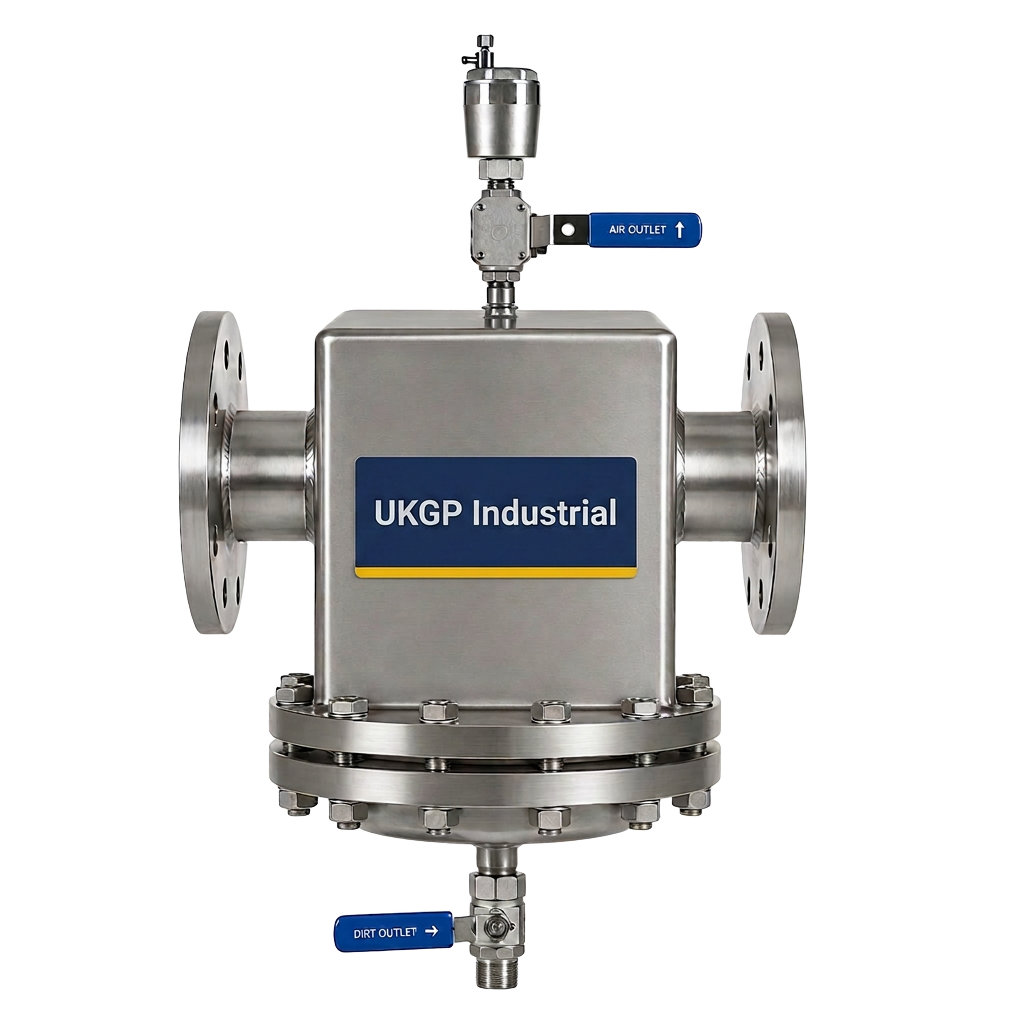
Regular servicing also offers an opportunity to inspect related plant room components. For example, while the PHE is offline for plate heat exchanger repairs, engineers should check the condition of expansion bellows for signs of fatigue and ensure that air and dirt separators are functioning correctly. If the system has been suffering from air ingress, this can accelerate the oxidation of the PHE plates, making it a priority to fix the root cause rather than just the symptom. Integrated plant room health is about understanding how these individual components interact, and a PHE service is often the best time to perform a comprehensive 'system health check' to ensure long-term reliability.
In conclusion, plate heat exchanger repairs are a vital part of the technical upkeep of any modern UK commercial building. Whether it is a simple gasket replacement or a full plate pack refurbishment, the focus must always be on restoring design efficiency and protecting the unit from future degradation through better water treatment and filtration. For projects where a repair is no longer viable, UKGP stands ready to support with high-performance gasketed and brazed heat exchangers. Sized to your specific thermal requirements and ranging from DN20 to DN300, these units come with the peace of mind of a 2-year warranty and a manageable 4-6 week lead time for most UK sites.
- Scheduling PHE inspections during low-demand seasons to prevent downtime.
- Combining PHE servicing with a broader audit of expansion bellows and separators.
- Logging pre- and post-maintenance data to verify system efficiency improvements.
- Aligning maintenance activities with CIBSE Guide M for best-practice compliance.
Frequently asked questions
How often should I perform plate heat exchanger repairs or servicing?
- It is recommended to inspect plate heat exchangers annually and perform a full service, including cleaning and gasket inspection, every 2-3 years depending on water quality and thermal stress. Following BSRIA BG50 guidelines for water treatment can extend these intervals.
Can I replace just one or two plates during a repair?
- Yes, if specific plates are damaged by erosion or mechanical impact, they can be replaced. However, it is usually recommended to replace the gaskets for the entire plate pack to ensure even compression and prevent future leaks.
What is the typical lead time for a new UKGP plate heat exchanger?
- If plate heat exchanger repairs are not viable, a new UKGP unit—sized from your full thermal spec and ranging from DN20 to DN300—typically carries a lead time of 4-6 weeks and includes a 2-year warranty.
What causes internal cross-contamination in a PHE?
- Internal contamination is usually caused by pinhole leaks in the plates due to corrosion, or a failure of the double-seal area of the gaskets. This requires urgent plate heat exchanger repairs to prevent the mixing of primary and secondary fluids.
Are gasketed or brazed heat exchangers easier to repair?
- Gasketed heat exchangers are designed for serviceability and can be fully stripped and repaired. Brazed units are generally considered non-repairable and must be replaced if they fail or become severely blocked.