The Engineering Challenge to Protect Plate Heat Exchanger Assets
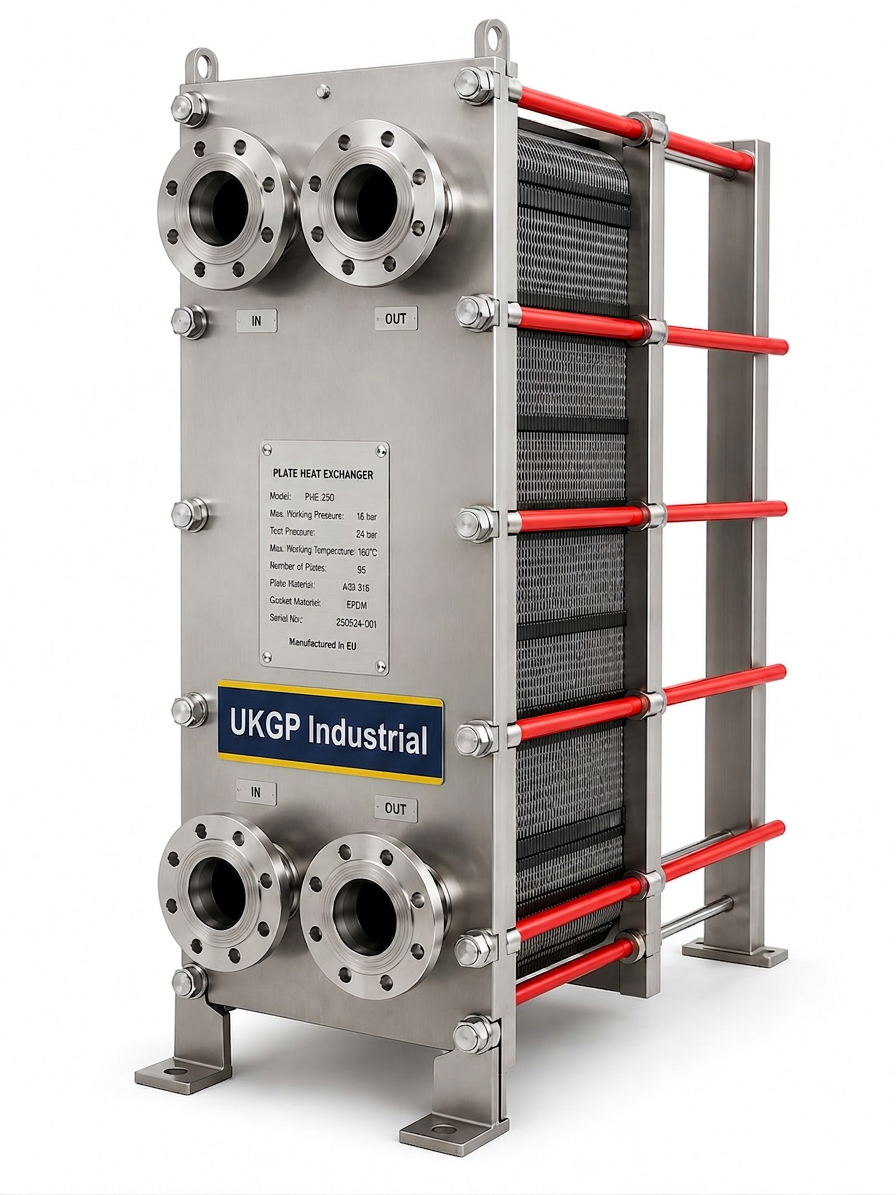
In modern UK commercial heating and cooling circuits, the plate heat exchanger (PHE) is the heart of the thermal delivery system. However, the very design that makes them efficient—the narrow gaps between stainless steel plates—also makes them incredibly vulnerable to particulate fouling. To effectively protect plate heat exchanger performance, engineers must address the build-up of magnetite and non-magnetic debris which can restrict flow and drastically reduce heat transfer coefficients. When these narrow channels become blocked, the pressure drop increases across the unit, forcing pumps to work harder and significantly increasing the operational energy costs of the building.
The financial implications of failing to protect plate heat exchanger surfaces are substantial, often leading to premature equipment replacement and expensive downtime. According to CIBSE guidelines, maintaining secondary water quality is non-negotiable for system longevity. Without adequate filtration, the turbulent flow within the PHE can cause localized erosion or under-deposit corrosion. UKGP Industrial provides the necessary infrastructure to mitigate these risks, ensuring that your HVAC plant operates within its design parameters for the duration of its lifespan. Investing in a structured protection plan is far more cost-effective than reactive maintenance or acid-cleaning plates that have already reached a point of thermal failure.
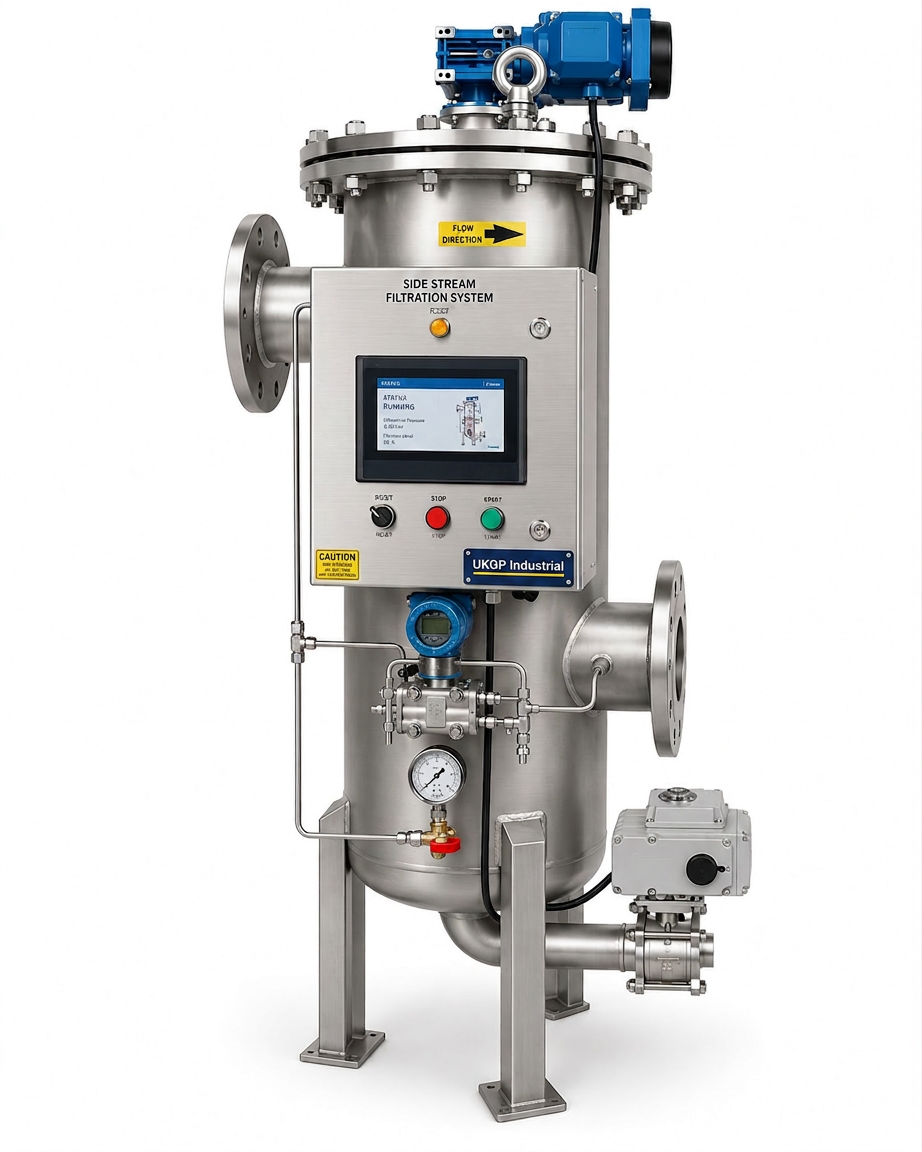
A holistic approach to system health involves more than just monitoring; it requires active mechanical intervention. By installing dedicated side stream filtration skids, you create a continuous cleaning loop that removes the problematic suspended solids before they can settle within the delicate plate corrugations. This is particularly critical in older systems undergoing refurbishment where legacy debris is often disturbed and mobilised throughout the circuit. UKGP provides bespoke solutions, including units from DN50 to DN100, designed to meet the rigorous demands of UK plant rooms while adhering to the highest manufacturing standards.
- Prevention of magnetite build-up within narrow plate channels
- Reduction in system-wide pressure drops and pumping energy usage
- Compliance with BSRIA BG50 water quality recommendations
- Extended lifespan of stainless steel 316 and titanium plates
- Minimised risk of localized under-deposit corrosion
Side Stream Filtration as a Primary Defence Mechanism
To truly protect plate heat exchanger infrastructure, side stream filtration is the industry-recognised gold standard. Unlike full-flow filters which can be bulky and difficult to maintain, a side stream skid continuously diverted a percentage of the circulating volume—typically 5% to 15%—through a high-efficiency filter media or centrifugal separator. UKGP Industrial manufactures made-to-order side stream filtration skids starting from £6,800+VAT, providing a robust solution for contractors and M&E engineers. These units are specifically designed to capture fine particulates that standard strainers miss, ensuring that the water circulating through the heat exchanger remains clear and non-abrasive.
The technical specification of our filtration skids, ranging from DN50 to DN100, allows for seamless integration into various plant room configurations. With a standard lead time of 6-8 weeks, these skids are engineered in the UK to withstand the rigors of heavy-duty commercial use. Each unit comes with a 2-year warranty, offering peace of mind to facility managers who are tasked with maintaining BSRIA compliance. By choosing a UKGP skid, you are opting for a system that combines magnetic separation with fine particle filtration, which is essential for removing both black iron oxide and the non-magnetic debris that contributes to biofilm formation and thermal resistance.
Implementing this technology allows for the continuous cleaning of the system water without the need for a full shutdown. This is a critical advantage for mission-critical facilities like data centres or hospitals where maintaining constant thermal regulation is mandatory. As consultants design modern systems, specifying a UKGP side stream filtration skid ensures the project meets the latest efficiency standards while providing the installer with a reliable, ready-to-fit component. Requesting a quote for these skids early in the procurement phase ensures that the long-term health of the plate heat exchanger is secured from day one of commissioning.
- Continuous 24/7 filtration of suspended solids down to 5 microns
- Available in sizes DN50 to DN100 to suit varying flow rates
- Robust UK manufacturing with a 2-year mechanical warranty
- Typical lead times of 6-8 weeks for made-to-order skids
- Priced competitively from £6,800+VAT for high-spec commercial grade
The Role of Chemical Dosing in Corrosion Inhibition
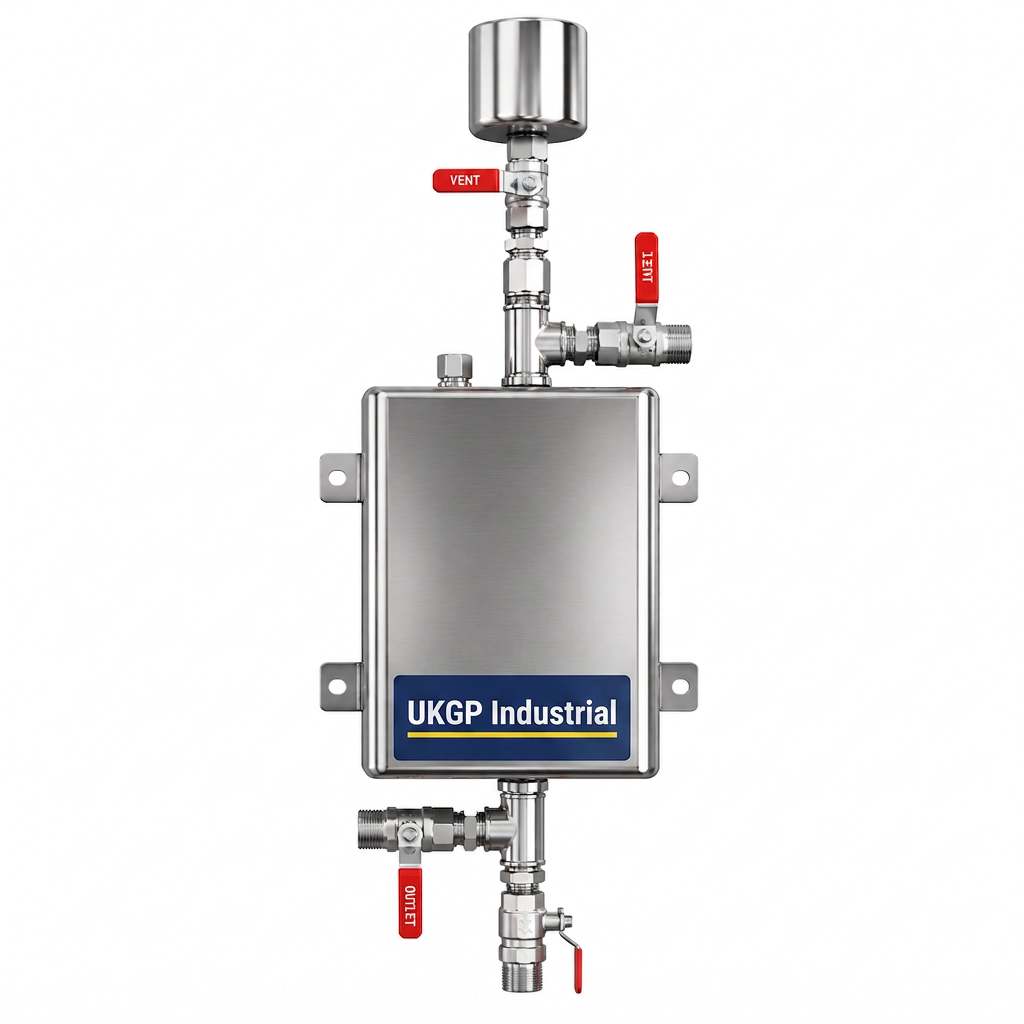
While mechanical filtration is vital, chemical treatment remains a cornerstone to protect plate heat exchanger assets against internal degradation. Using a high-quality chemical dosing pot allows maintenance teams to introduce corrosion inhibitors and biocides accurately. In the UK, BS 8552 provides the framework for sampling and monitoring water quality in closed systems, and the use of dosing pots facilitates the maintenance of these chemical levels. Without consistent inhibitor concentrations, the metallic components within the heating or cooling loop are subject to galvanic corrosion, which releases the very particulates that lead to heat exchanger fouling.
UKGP Industrial provides a range of robust chemical dosing pots designed for ease of use and long-term durability. These vessels are essential for the initial commissioning of the system as per BSRIA BG29 guidelines and for ongoing maintenance as per BG50. By ensuring the correct chemistry is maintained, you create a passive film on the internal surfaces of the system, further reducing the workload on your filtration equipment. This multi-layered approach—combining mechanical removal via skids and chemical prevention via dosing—is the only way to guarantee the thermal performance of a plate heat exchanger over its intended service life.
Furthermore, dosing pots allow for the targeted introduction of biocides to control Microbiologically Influenced Corrosion (MIC). MIC is a significant threat in low-temperature heating systems and chilled water circuits where bacteria can thrive, creating a sticky biofilm that acts as an insulator on heat exchanger plates. A well-maintained dosing regime, supported by reliable UKGP hardware, ensures that these biological threats are neutralised before they can impact system efficiency. For procurement leads, sourcing high-spec dosing pots alongside filtration skids streamlines the supply chain and ensures component compatibility across the entire plant room installation.
- Facilitates the safe and accurate introduction of inhibitors
- Essential for compliance with BS 8552 and BSRIA BG50
- Helps prevent the formation of insulating biofilms and MIC
- Durable construction suitable for high-pressure commercial loops
- Simplifies the water treatment process for facilities management teams
Adhering to BSRIA BG50 and BG29 Standards
In the UK building services sector, BSRIA BG29 (Pre-commission cleaning) and BG50 (Water treatment for closed heating and cooling systems) are the definitive guides for plant longevity. To protect plate heat exchanger units effectively, these standards must be embedded in the maintenance strategy. BG29 emphasizes the need for a clean system from the point of installation, which often involves high-velocity flushing and chemical cleaning. However, the debris generated shortly after commissioning can quickly overwhelm a system if a dedicated filtration solution is not in place. This is where the UKGP side stream filtration skid adds immense value during the early stages of a building's life.
BSRIA BG50 shifts the focus to ongoing operational health, highlighting that water quality must be managed throughout the life of the system to prevent efficiency tail-off. It specifically recommends the use of side stream filtration for systems where particulate matter cannot be adequately managed by traditional strainers. By integrating a UKGP solution, engineers can provide documented evidence of proactive water quality management, which is often required for warranty claims on major boiler or chiller plant. The cost of a DN50-DN100 skid, starting at £6,800+VAT, is a minor investment compared to the risk of voiding warranties on multi-million pound plant assets.
Compliance is not merely a box-ticking exercise; it is a fundamental requirement for meeting UK energy efficiency targets. A fouled heat exchanger requires significantly more energy to achieve the required delta-T, leading to higher carbon emissions and increased utility bills. Consultants who specify UKGP equipment can be confident that they are providing their clients with a path to compliance that is grounded in British engineering excellence. Our made-to-order approach ensures that every skid and dosing pot is fit for the specific hydraulic conditions of the project, backed by our comprehensive 2nd-year warranty for added security and professional assurance.
- Alignment with BSRIA BG29 pre-commission cleaning protocols
- Continuous compliance with BG50 operational water quality
- Protection of manufacturer warranties on primary plant equipment
- Support for building carbon reduction and energy efficiency goals
- Provides a verifiable audit trail for water treatment standards
Deaeration and Its Impact on Heat Transfer
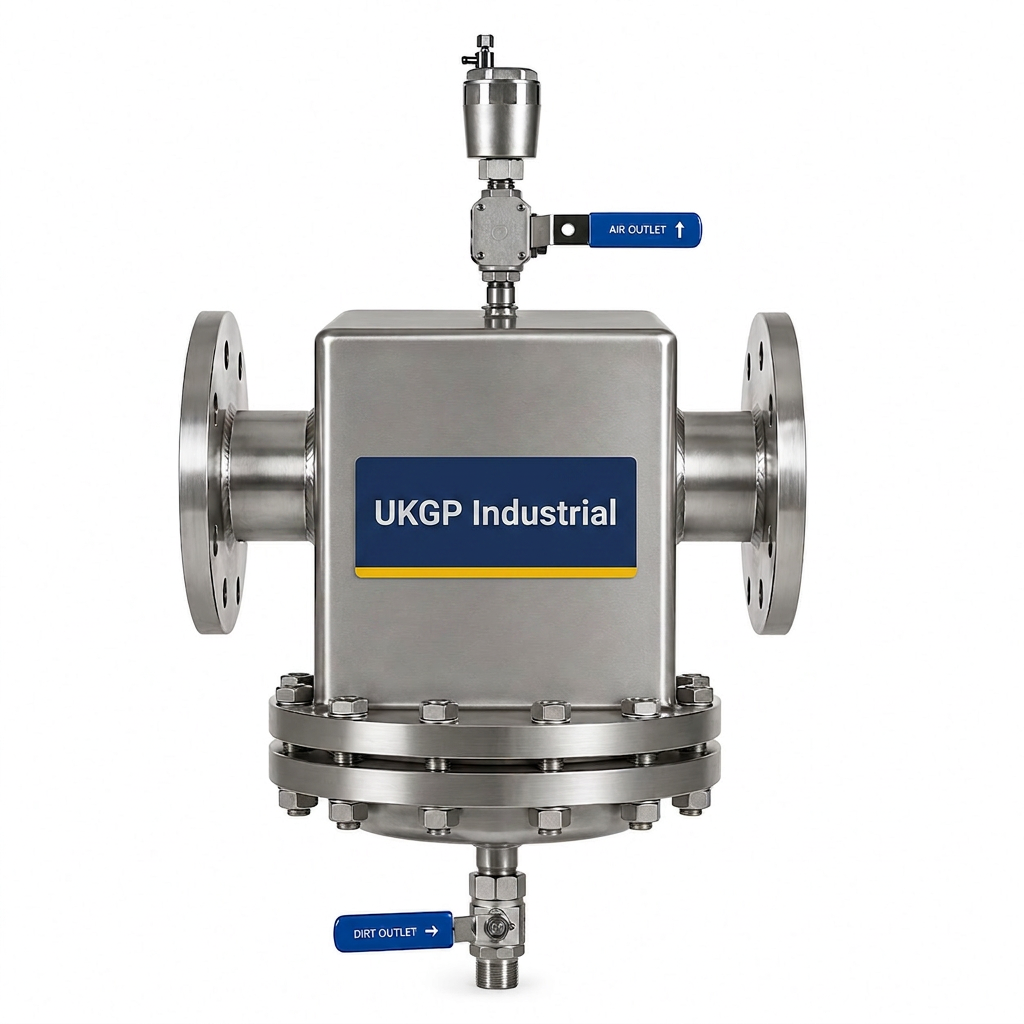
Air in a closed-loop system is as detrimental as dirt when it comes to heat transfer efficiency. Microbubbles can accumulate on the surface of heat exchanger plates, creating an insulating layer that prevents the effective transfer of thermal energy. To fully protect plate heat exchanger performance, air and dirt separators should be installed at the point of lowest solubility in the circuit. UKGP air and dirt separators work in tandem with our side stream filtration skids to ensure that the water is both chemically stable and physically clean. This dual-action approach removes the 'insulation' of air and the 'obstruction' of debris simultaneously.
Oxygen entering the system is the primary driver of corrosion. By effectively deaerating the system water, you drastically reduce the rate at which magnetite is formed, thereby reducing the burden on your filtration skid. This synergy between deaeration and filtration is a core principle of advanced HVAC design. For M&E contractors, installing a high-quality separator from UKGP during the initial fit-out identifies them as a quality-focused provider. Our separators are built to handle the flow rates typical of large commercial buildings, ensuring that even the smallest microbubbles are captured and vented before they cause oxidative damage to the heat exchanger plates.
When specifying these components, it is important to consider the total cost of ownership. While a standard strainer may have a lower initial capital cost, it cannot match the performance of a dedicated air and dirt separator or a side stream filtration skid. The UKGP range provides the technical performance required for modern high-efficiency buildings. With a 6-8 week lead time, these components can be planned into the construction schedule, ensuring that the plant room is equipped with the best possible protection. Contacting our Surrey-based technical team for a quote ensures you receive a solution tailored to your specific system pressures and temperatures.
- Removes insulating microbubbles from the heat transfer fluid
- Reduces oxygen concentration to inhibit internal corrosion
- Enhances the effectiveness of chemical inhibitors and biocides
- Prevents air-related noise and pump cavitation issues
- Integrates seamlessly with UKGP side stream filtration skids
Long-term Maintenance and ROI Considerations
The decision to invest in high-end side stream filtration and dosing equipment is supported by clear financial logic. For a typical UK commercial installation, the return on investment (ROI) for a UKGP filtration skid is often realized within the first two years of operation. These savings come from reduced chemical consumption, lower energy bills due to maintained heat transfer efficiency, and significantly lower labour costs associated with manual plate cleaning. When you protect plate heat exchanger assets with automated or semi-automated filtration skids, you free up the facilities management team to focus on other critical tasks rather than reactive repairs.
Furthermore, the made-to-order nature of UKGP products means they are built for the specific constraints of UK plant rooms. Whether you require a DN50 or a DN100 connection, our skids are designed for easy maintenance access, with clear indicators for when filter media needs cleaning or replacement. The 2-year warranty we offer is a testament to the build quality of our Surrey-manufactured units. We understand that in the B2B sector, reliability is paramount, and our equipment is designed to provide decades of service in demanding environments. By choosing UK-made hardware, you also benefit from local technical support and readily available spare parts.
To move forward with a project, we recommend requesting a technical consultation and quote. Our pricing for made-to-order side stream filtration skids starts at £6,800+VAT, a competitive price point for equipment that effectively secures the thermal heart of your building. With a production window of 6-8 weeks, now is the ideal time to integrate these solutions into your upcoming project schedules. By prioritizing the protection of your plate heat exchangers today, you ensure a more efficient, compliant, and cost-effective HVAC system for the future. Trust UKGP Industrial for engineering excellence that stands the test of time and keeps your facility running at peak performance.
- Significant reduction in manual maintenance and cleaning costs
- Lower total energy consumption through optimized heat transfer
- Local UK support and spare parts for fast turnaround
- Enhanced system reliability and reduced technical risk
- Professional engineering support from a Surrey-based manufacturer
Frequently asked questions
Why is side stream filtration better than a standard strainer for PHEs?
- Standard strainers only catch large debris. Side stream filtration skids catch fine particulates and magnetite down to 5 microns, which are the primary causes of fouling in the narrow channels of a plate heat exchanger.
How does BSRIA BG50 apply to heat exchanger protection?
- BSRIA BG50 provides guidelines for proactive water treatment and monitoring. Following these standards ensures that the water quality is maintained to prevent scale and corrosion from damaging the heat exchanger plates.
What is the typical lead time for a UKGP filtration skid?
- Our side stream filtration skids are made to order in our Surrey facility with a typical lead time of 6-8 weeks, ensuring they meet the specific requirements of your DN50 to DN100 system.
Can I retrofit a dosing pot and filtration skid to an existing system?
- Yes, retrofitting is highly recommended for older systems to manage legacy debris and maintain chemical levels, especially when new high-efficiency plate heat exchangers are introduced to the circuit.
What warranty is provided with UKGP Industrial equipment?
- We provide a comprehensive 2-year warranty on our side stream filtration skids and other plant room components, reflecting our confidence in UK manufacturing quality.