Material Selection for Plate Heat Exchanger Gaskets
Specifying the correct elastomer for plate heat exchanger gaskets is a fundamental requirement for M&E contractors and plant room engineers. In typical commercial HVAC applications involving LTHW or chilled water, EPDM (Ethylene Propylene Diene Terpolymer) is the industry standard due to its excellent resistance to heat and ageing. However, for systems where oil-based contaminants or high-pressure steam might be present, Nitrile (NBR) or Viton alternatives may be required. Selecting an inappropriate material can lead to premature swelling, hardening, or chemical degradation, which directly compromises the seal and risks cross-contamination between the primary and secondary circuits.
When evaluating plate heat exchanger gaskets, engineers must consider the mechanical design of the gasket groove and the attachment method. Clip-on or 'para-clip' designs are increasingly popular in the UK market as they allow for rapid on-site maintenance without the need for specialized adhesives. Conversely, glued gaskets offer a more 'permanent' fixing but require significant downtime for cleaning and curing during a refurbishment. For any UK building services consultant, ensuring the specified gaskets meet the operating temperature peaks—often exceeding 90 degrees Celsius in commercial boiler circuits—is essential for system longevity and avoiding emergency call-outs.
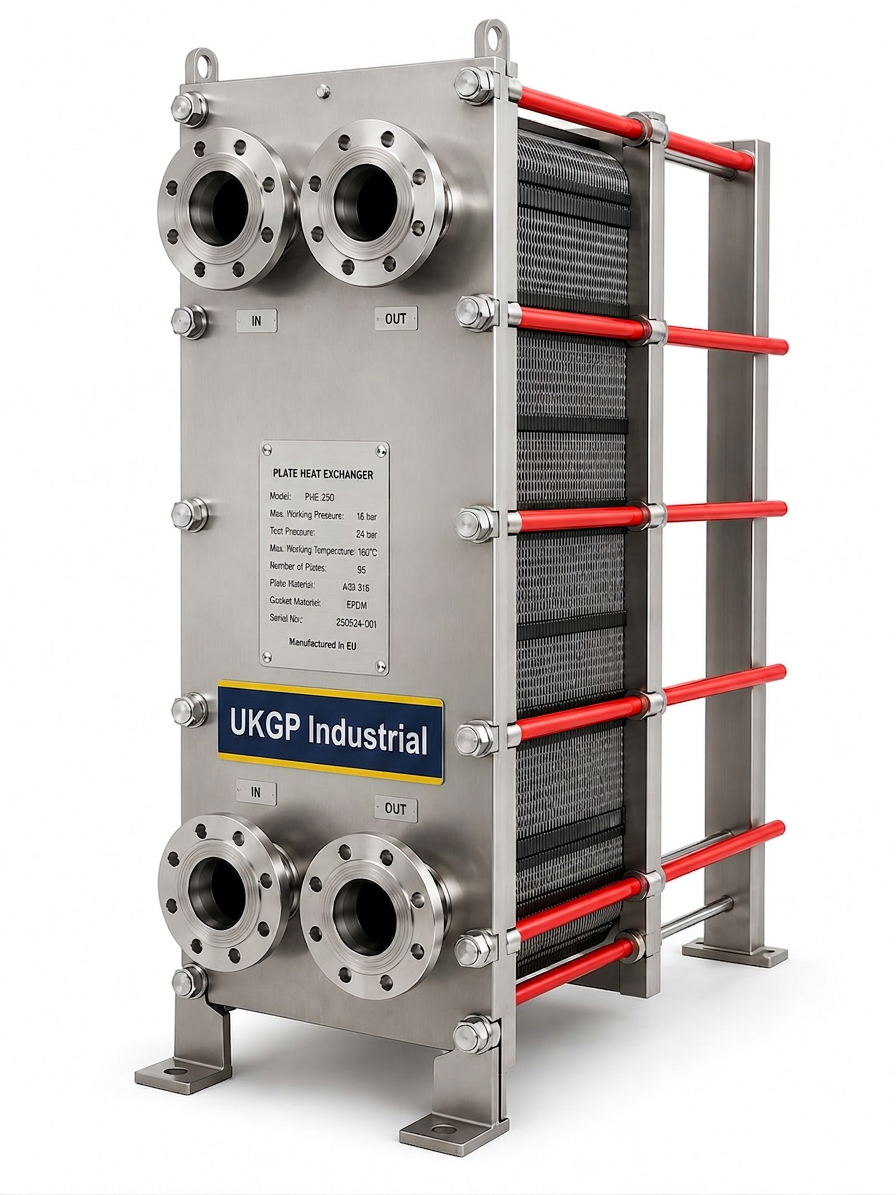
At UKGP, we understand that gasket integrity is only as good as the thermal sizing of the unit itself. We provide gasketed plate heat exchangers from DN20 to DN300, tailored specifically to your project's thermal specification. By matching high-grade EPDM gaskets with precision-pressed plates, we ensure that your system remains compliant with the rigorous demands of modern UK commercial assets. Whether you are replacing an aged unit or designing a new plant room, our technical team works with you to ensure every component, from the frame to the elastomer, is perfectly suited to the fluid dynamics of your specific application.
- EPDM gaskets for high-temperature resistance up to 150°C.
- Nitrile (NBR) options for oil-containing or industrial heat recovery.
- Adhesive-free clip-on designs for reduced maintenance downtime.
- Compression-set resistance to ensure long-term sealing performance.
Maintaining Plate Heat Exchanger Gaskets via BG50 Standards
BSRIA BG50 (Water Treatment for Closed Heating and Cooling Systems) places significant emphasis on the physical condition of heat transfer surfaces and their seals. Degradation of plate heat exchanger gaskets is often a symptom of underlying water chemistry issues, such as excessive oxygen ingress or incorrect inhibitor levels. When gaskets fail, it allows for the ingress of atmospheric oxygen or the loss of treated water, leading to a cycle of corrosion that can damage leading commercial boiler heat exchangers and circulating pumps. Regular inspection of the gasket profile for signs of 'pinching' or flatness is a core part of a proactive FM strategy.
Thermal cycling is one of the most significant stressors for gaskets in a commercial environment. During peak load periods, the rapid expansion and contraction of the plate pack put immense pressure on the elastomer's ability to recover. Over time, the gaskets may lose their elasticity, leading to 'weeping' leaks that often only manifest when the system cools down during a shutdown. To mitigate this, engineers should ensure that the plate pack is tightened to the manufacturer's 'A' dimension, but never over-tightened, as crushing the plate heat exchanger gaskets can lead to permanent deformation and immediate failure of the seal.
For FMs overseeing site refurbishments, it is often more cost-effective to replace the entire PHE unit rather than attempting a full re-gasket of a 15-year-old assembly. UKGP offers gasketed plate heat exchangers with a 2-year warranty and lead times of just 4-6 weeks, providing a faster and more reliable resolution than sourcing individual replacement parts for obsolete frames. By installing a new, thermally optimized unit with fresh gaskets, you ensure that the system operates at peak efficiency while meeting current energy performance targets. Our units are sized from a full thermal spec to ensure they match the exact flow and return temperatures of your existing M&E design.
- Alignment with BSRIA BG50 for closed-loop system maintenance.
- Monitoring of 'A' dimension measurements to prevent gasket crushing.
- Proactive replacement cycles to avoid catastrophic plant room flooding.
- Analysis of thermal cycling effects on elastomer recovery rates.
The Impact of Water Quality on Gasket Longevity
The chemical composition of the circulating fluid has a profound impact on the lifespan of plate heat exchanger gaskets. Excessive concentrations of chlorides, for instance, can lead to pitting corrosion on the stainless steel plates, which in turn creates sharp edges that can slice into the gasket material during thermal expansion. Furthermore, the use of aggressive chemical cleaning agents during a BSRIA BG29 pre-commissioning clean must be carefully managed. If flush chemicals are not adequately neutralised, they can attack the polymer bonds within the gasket, leading to brittleness and eventual failure once the system is brought up to working temperature.
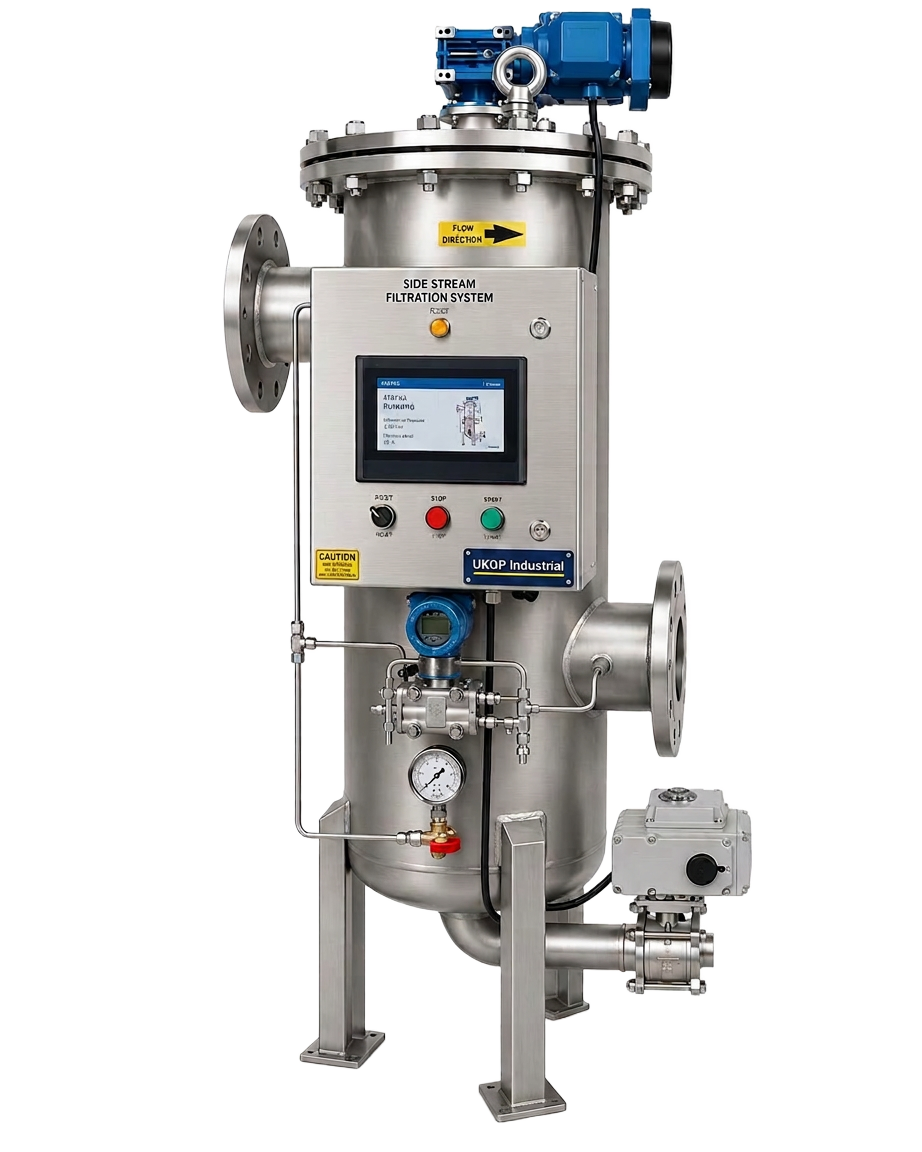
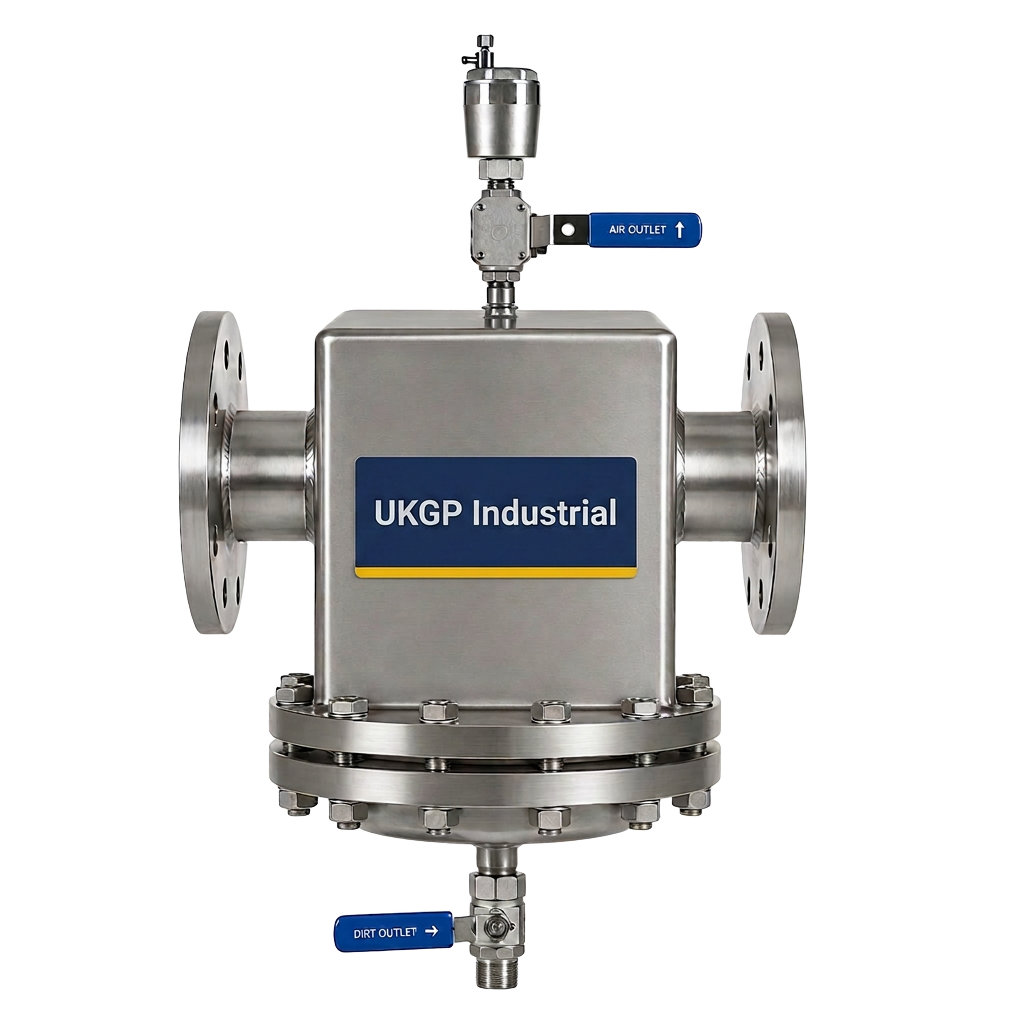
To protect both the heat exchanger plates and the gaskets, the integration of high-quality side stream filtration and air and dirt separation is non-negotiable in the UK commercial sector. By removing magnetite and suspended solids, you prevent abrasive particles from lodging in the gasket grooves where they can cause 'fretting'—a process where vibration causes particles to wear away the elastomer material. This is particularly important in variable speed pumping systems where flow rates fluctuate throughout the day, causing subtle but constant movement within the plate pack that can degrade the seal over time.
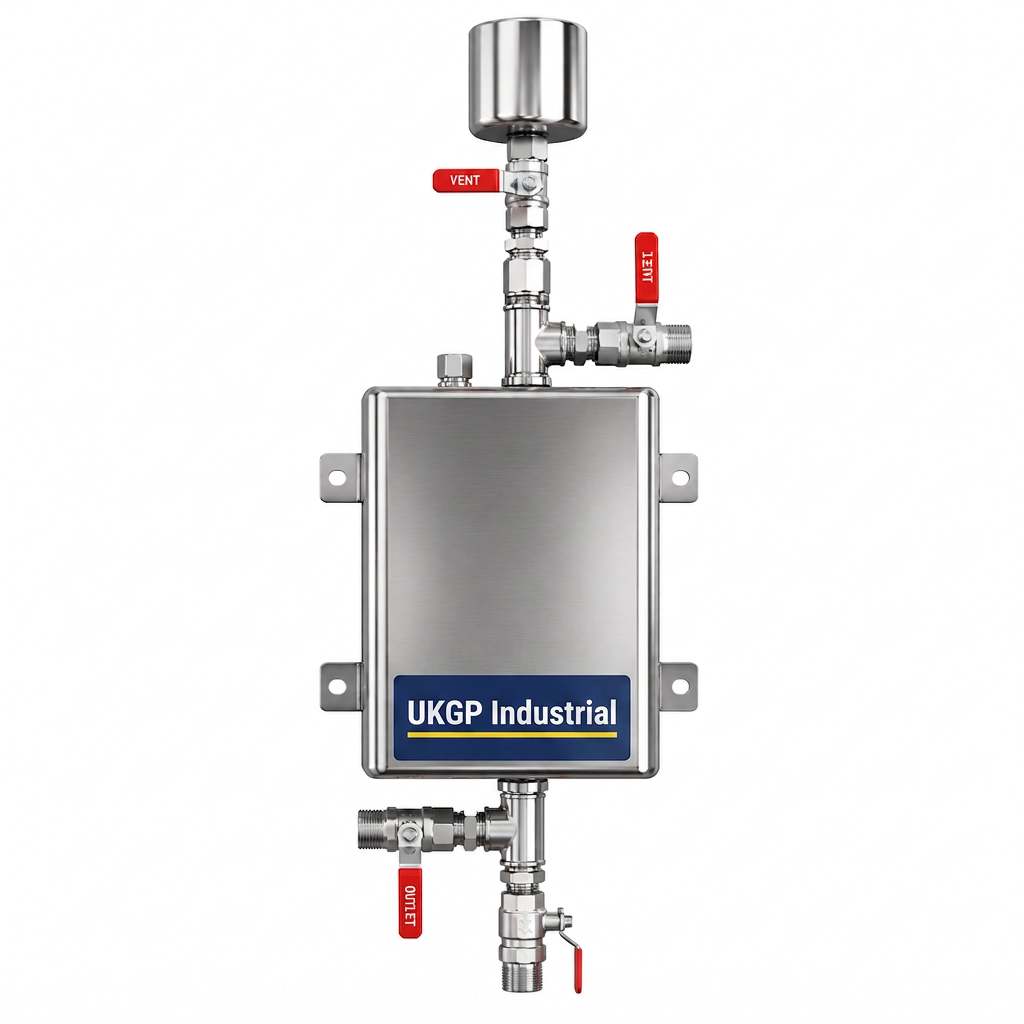
Implementing a robust water treatment regime, including the use of dosing pots for inhibitor delivery, will significantly extend the service life of your plate heat exchanger gaskets. When the primary circuit is kept clean and chemically balanced, the elastomers remain supple and the sealing surfaces remain smooth. At UKGP, we recommend a holistic approach to plant room design, combining thermally efficient heat exchangers with industry-leading filtration solutions to ensure that your investment is protected from the corrosive realities of modern UK commercial heating systems.
- Chloride concentration monitoring to prevent plate-to-gasket interface corrosion.
- Neutralization of pre-commissioning chemicals to protect polymer integrity.
- Use of air and dirt separators to eliminate abrasive debris.
- Regular sampling via BS 8552 guidelines to monitor fluid safety.
Selecting the Right Gasket for DN20 to DN300 Requirements
Sizing a heat exchanger involves more than just calculating the kW load; it involves selecting a frame and gasket configuration that can handle the physical stresses of the installation. For smaller DN20 or DN32 applications, the gaskets are often thin and require precise alignment during assembly. As we move up to DN300 utility-scale exchangers, the cross-sectional area of the plate heat exchanger gaskets increases significantly, requiring massive clamping forces to achieve a liquid-tight seal. Understanding the relationship between pipe size, flow velocity, and gasket surface area is essential for any M&E engineer drafting a specification for a commercial build.
The connection type—be it threaded for smaller units or flanged for DN50 through to DN300—also dictates the pressure rating and the subsequent load placed on the gaskets. In high-rise London developments, for example, high static pressures mean that plate heat exchanger gaskets must be rated for 10 bar, 16 bar, or even 25 bar. Standard EPDM may suffice for temperature, but the Shore hardness of the gasket must be specified correctly to ensure it does not extrude from the groove under these high-pressure conditions. Consultants must ensure that the PHE manufacturer provides a full data sheet confirming the pressure-temperature rating of the seal.
UKGP specializes in providing these technical data sets, ensuring that our gasketed and brazed range meets the specific hydraulic demands of your project. We provide units that are sized from a full thermal spec, ensuring that the gasket material and thickness are perfectly matched to your flow rates and pressure drops. With a 2-year warranty as standard, our plate heat exchangers offer the reliability requested by the UK's leading M&E contractors and procurement leads, backed by a supply chain that delivers within a competitive 4-6 week lead time.
- Compatibility with flanged connections from DN50 to DN300.
- Pressure ratings up to 25 bar for high-static head applications.
- Shore hardness testing to prevent gasket extrusion under load.
- Detailed thermal specification matching for every bespoke unit.
Managing Expansion and Vibration Near the Heat Exchanger
A common cause of failure for plate heat exchanger gaskets is not the gasket itself, but the lack of adequate stress relief in the connected pipework. If a system does not utilize expansion bellows or flexible connectors, the thermal expansion of the main headers can transmit mechanical torque directly into the PHE frame. This torque can slightly distort the frame or misalign the plates, creating an uneven load across the gasket face. Over months of operation, this misalignment leads to uneven wear and eventual leakage, often incorrectly attributed to a 'faulty' gasket when the root cause is actually poor pipework design.
In accordance with BS EN 14917, the use of expansion joints is critical in preventing these external Forces from compromising the heat exchanger seals. By isolating the PHE from the rest of the plant room vibration and expansion, you allow the plate heat exchanger gaskets to do their job—maintaining internal fluid separation without having to resist external structural loads. For engineers working in tight plant room footprints, ensuring that the pipework is supported independently of the heat exchanger is a vital step in ensuring the 10-to-15-year lifespan of the gaskets and plates.
UKGP provides a comprehensive range of expansion bellows designed to complement our plate heat exchanger installations. By specifying both the exchanger and the expansion control from a single UK supplier, you ensure that the entire thermal interface is protected. Our technical team can advise on the correct placement of anchors and guides to ensure that no axial or lateral stress reaches your PHE unit. Protecting your plate heat exchanger gaskets starts with a sound hydraulic design that respects the physical limits of the equipment and the materials involved.
- BS EN 14917 compliant expansion bellows for stress relief.
- Reduction of mechanical torque on the PHE frame and plate pack.
- Independent pipework support to maintain gasket alignment.
- Vibration isolation to prevent fretting wear on EPDM seals.
Procurement Logic for Gasketed Plate Heat Exchangers
When procuring a replacement for a leaking unit, many procurement leads are faced with the choice between 'all-new' equipment or a refurbishment of existing plates. While re-gasketing sounds environmentally friendly, the labour costs associated with professional chemical cleaning of plates and the manual application of new plate heat exchanger gaskets can often exceed the cost of a new unit. Furthermore, a refurbished unit rarely carries the same performance guarantee as a new factory-built PHE. For critical infrastructure like hospitals or data centres, the risk of a refurbished gasket failing soon after installation is often too high to justify the marginal savings.
The standard for modern UK commercial projects is moving towards high-efficiency gasketed units that can be easily serviced. By choosing a UKGP plate heat exchanger, you benefit from a unit sized exactly to your current thermal requirements, which may have changed since the original plant was installed. Our lead time of 4-6 weeks is among the best in the industry for bespoke-sized equipment, ensuring that your project stays on schedule even when faced with emergency replacements for failed legacy systems. Every unit we supply is backed by a 2-year warranty, providing the peace of mind that the gaskets and plates will perform as expected.
Ultimately, the health of your HVAC system relies on the integrity of the plate heat exchanger gaskets. By selecting high-quality EPDM or Nitrile seals within a robustly engineered frame, you ensure thermal efficiency and operational safety. We invite UK building services consultants and M&E contractors to reach out for a full thermal sizing quote. Let our Surrey-based technical team help you specify a solution that meets the highest standards of the UK engineering sector, from the initial DN20 to DN300 sizing through to final commissioning and long-term maintenance support.
- Comparative cost-benefit analysis of re-gasketing vs. new unit replacement.
- Standard 2-year warranty on all new UKGP gasketed units.
- 4-6 week lead times for bespoke thermal specifications.
- Expert technical support from our Surrey-based engineering team.
Frequently asked questions
What is the typical lifespan of plate heat exchanger gaskets?
- In a well-maintained UK commercial heating system following BG50 guidelines, gaskets typically last 7 to 10 years. However, poor water quality, excessive thermal cycling, or lack of expansion bellows can reduce this to 3-5 years.
Can I replace plate heat exchanger gaskets on-site?
- Yes, especially if the unit uses clip-on or 'glueless' gaskets. However, the plates must be thoroughly cleaned and inspected for pitting or scale before new gaskets are fitted to ensure a proper seal.
Why is EPDM the preferred material for PHE gaskets?
- EPDM offers excellent resistance to heat, water, and steam, making it ideal for LTHW and HVAC applications. It maintains its elasticity over a wide temperature range, ensuring a reliable seal during thermal fluctuations.
How do I know if my gaskets are failing?
- Signs include visible 'weeping' or leaks from the plate pack, a drop in secondary circuit pressure, or evidence of cross-contamination between fluids. Regularly checking the 'A' dimension measurement of the plate pack can also indicate gasket thinning.
Are UKGP gaskets compatible with all fluids?
- We offer various materials including EPDM and Nitrile. While EPDM is standard for water-based systems, we can specify different elastomers based on your full thermal spec and the specific chemicals or oils present in your system.