Material Selection and Corrosion Resistance Balance
The most significant failure mode for swimming pool heat exchangers in the UK is chloride-induced stress corrosion cracking and pitting. While AISI 316L stainless steel is the standard for most HVAC applications, the chemical dosing regimes in commercial pools—specifically the use of sodium hypochlorite—often exceed the material’s resistance. Chlorine ions penetrate the passive chromium oxide layer of stainless steel, leading to rapid localised failure. Consequently, titanium plates are the industry benchmark for commercial installations, offering virtual immunity to corrosion in pool water.
When specifying gaskets, EPDM is the material of choice due to its resilience against chemical additives and heat. However, engineers must ensure the gasket attachment method (clip-on or glueless) is suitable for the high-velocity flow often required in pool filtration circuits. For smaller residential or low-occupancy commercial pools, high-grade brazed plate heat exchangers are sometimes used, but these must be selected with caution as the copper brazing can be susceptible to erosion and chemical attack.
- Titanium Gr.1: Essential for saltwater/saline pools and highly recommended for chlorinated commercial pools to prevent pitting.
- AISI 316L Stainless Steel: Limited to fresh water pools with strictly controlled chloride levels (<200 mg/l).
- EPDM Gaskets: The standard for pool applications, providing excellent resistance to water treatment ozone and ozone-enriched environments.
- Hastelloy: Reserved for niche high-concentration chemical applications, though rarely required for standard pool heating.
Hydraulic Design and Temperature Profiles
The hydraulic design of a pool PHE must balance the heat transfer coefficient against the pressure drop constraints of the pool’s circulation pumps. Commercial pool filtration systems typically operate at high flow rates to meet turnover requirements specified in PWTAG (Pool Water Treatment Advisory Group) guidelines. The heat exchanger must accommodate these flows without exceeding a pressure drop of 0.2 to 0.5 bar, which often necessitates a multi-pass arrangement or larger port sizes.
Temperature profiles often vary depending on the primary heat source. Modern UK plant rooms are increasingly moving away from gas-fired boilers toward Air Source Heat Pumps (ASHPs). Because ASHPs operate at lower flow temperatures, the Mean Temperature Difference (MTD) is reduced. Engineers must specify 'hard' plate patterns with high turbulence to maximise heat transfer efficiency under these low-grade conditions, often resulting in a larger physical footprint for the PHE compared to traditional boiler-fed systems.
- Boiler Primary: Typically 80/60°C or 70/50°C.
- Heat Pump Primary: Typically 55/45°C or lower, requiring significantly larger surface areas.
- Pool Secondary: 28-30°C for competition pools; 30-34°C for hydrotherapy or leisure pools.
- Approach Temperature: Ideally 5K to 10K to ensure efficient heat transfer without excessive plate counts.
Integration with Low-Carbon Heat Sources
As the UK moves towards Net Zero, the integration of heat pumps into leisure centres presents a specific thermal challenge. Unlike a boiler that can provide an 80°C primary, a heat pump may only provide 45°C. To achieve a pool temperature of 30°C, the PHE must be significantly upsized to provide the necessary surface area. This often leads to the selection of Gasketed Plate Heat Exchangers (GPHEs) over brazed units, as they allow for plate pack expansion if additional heat pump capacity is added in the future.
Furthermore, where heat recovery from backwash water or air handling unit (AHU) condensate is implemented, the use of a dedicated plate heat exchanger is vital. These 'inter-stage' exchangers must be carefully sized to manage the low temperature differentials available, ensuring that every kilowatt of recovered energy is effectively transferred back into the pool’s primary or secondary loop.
Installation Best Practices for Longevity
Proper installation is as critical as material selection. A common error in UK plant rooms is the failure to account for 'stagnant' chemical exposure. When the pool circulation pump stops, but the chemical dosing system or the primary heat source continues to run for a short period, concentrated chemicals or excessive heat can bake onto the plates. Interlocking the dosing system and the primary heat source with the pool flow switch is a mandatory safety requirement for the protection of the PHE.
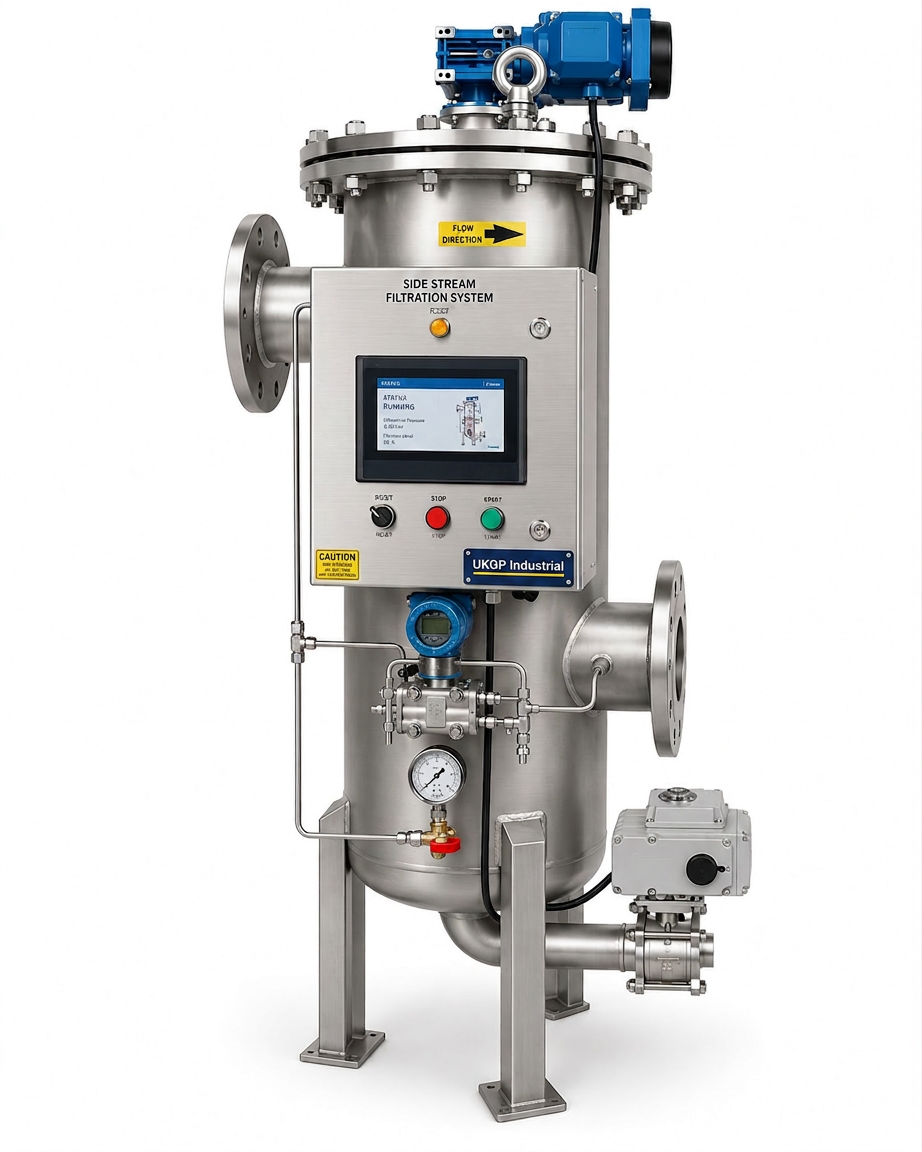
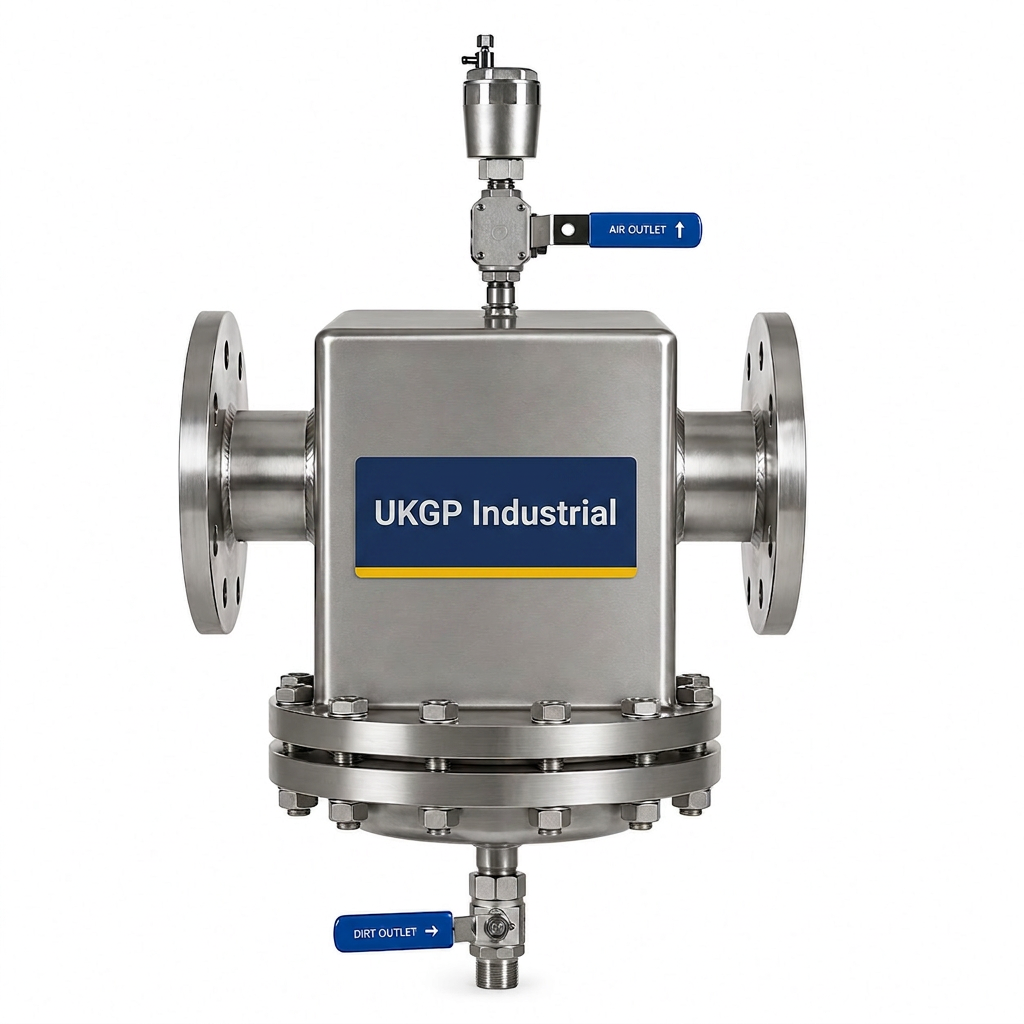
Debris management is equally important. Fine sand from filters or hair and lint can bypass primary strainers and lodge in the narrow channels of the PHE. Installing an air and dirt separator on the primary circuit and ensuring the secondary circuit has a robust pre-filter will prevent fouling. A fouled heat exchanger not only increases energy consumption due to reduced heat transfer but also increases the pump load, potentially leading to cavitation or motor failure.
- Manual Isolation: Ensure full-bore isolation valves are installed on all four ports to allow for maintenance without draining the pool.
- Non-Return Valves: Essential on the chemical dosing line downstream of the PHE to prevent 'slugs' of concentrated acid or chlorine from siphoning back into the exchanger during pump shutdown.
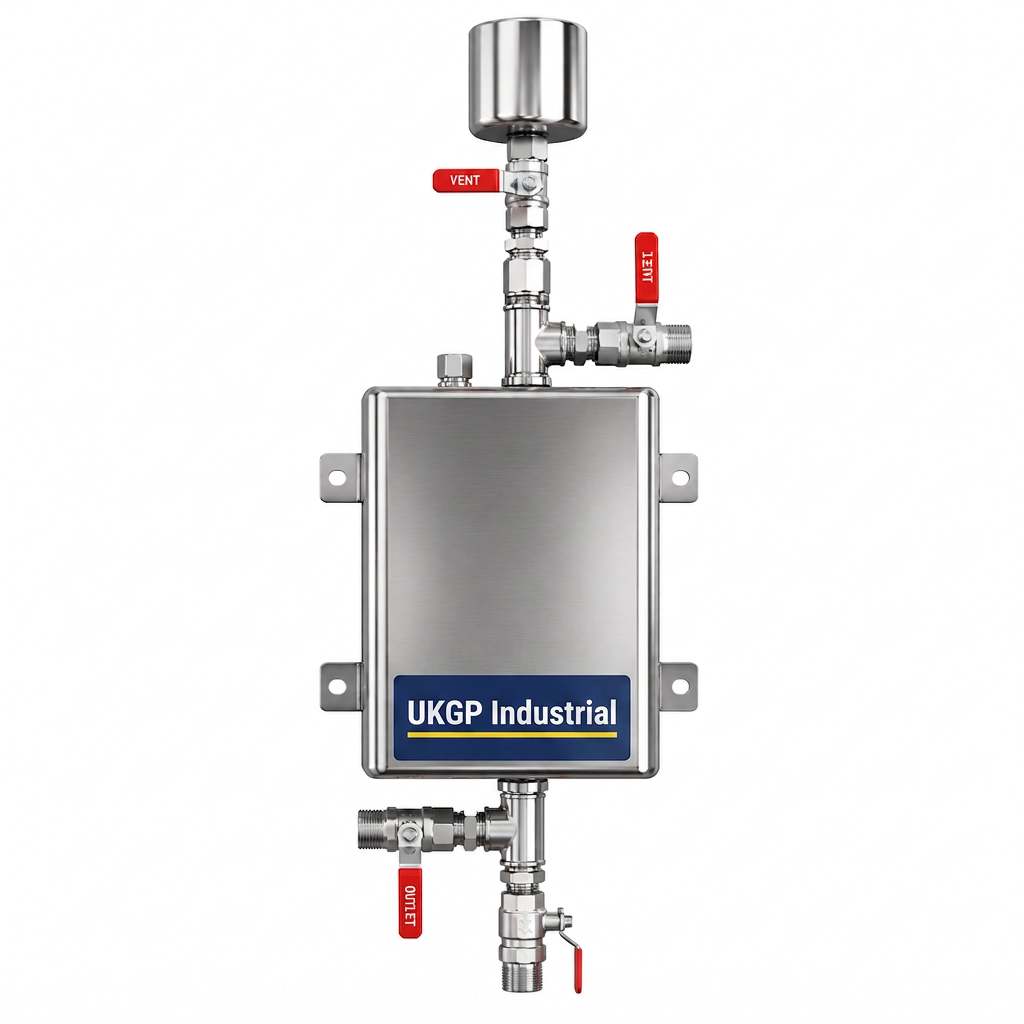
- Air Venting: Automatic air vents should be placed at the highest points of the circuit to prevent air locking, which can lead to hot spots and scale formation.
Maintenance and Fouling Management
Over time, the efficiency of a swimming pool PHE will degrade due to scaling (calcium carbonate deposits) and biological fouling. In hard water areas like South East England, scaling on the secondary side is particularly prevalent as the heated surface of the plates promotes the precipitation of minerals. Regular monitoring of the pressure drop across the PHE is the most effective way to identify fouling; a 20% increase in ΔP typically indicates that a cleaning cycle is required.
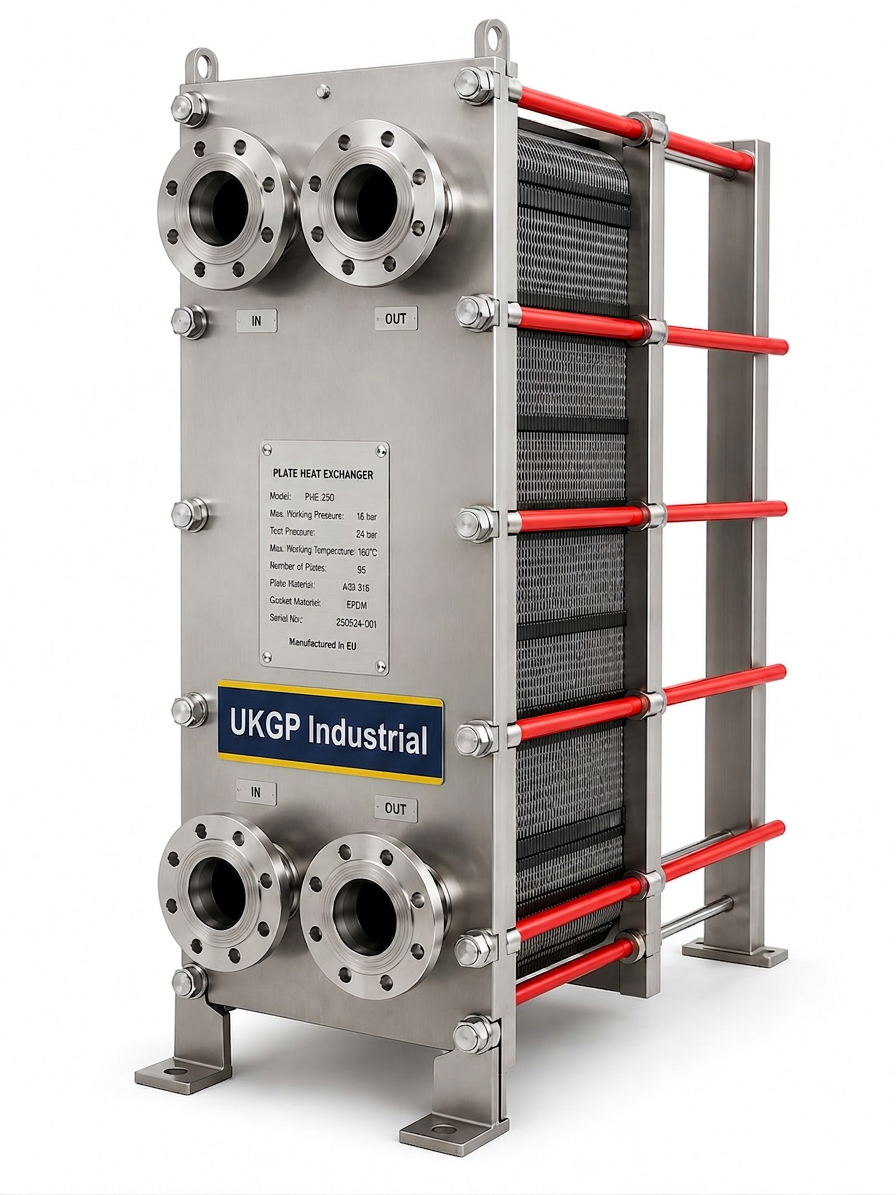
For Gasketed Plate Heat Exchangers, the ability to dismantle the unit for manual cleaning is a significant operational advantage. Plates should be pressure washed with a non-metallic brush to avoid scratching the titanium or stainless steel surface, which would create sites for future corrosion. Following any manual cleaning, new gaskets should be considered if the unit is more than five years old, ensuring the stack is tightened according to the manufacturer's specific sequencing to prevent plate deformation.
- Visual Inspection: Check for leaks around the gasket line monthly.
- CIP (Cleaning-In-Place): Use a mild acidic solution for descaling without dismantling the plate pack.
- Torque Verification: For gasketed units, ensure the distance between the pressure plate and frame plate is within the manufacturer’s 'A-dimension' to maintain correct gasket compression.
Frequently asked questions
Why is titanium preferred over stainless steel for pool heat exchangers?
- Standard 316 stainless steel will typically fail due to pitting corrosion within months in chlorinated pool water. Titanium is the industry standard for longevity, though 316L is sometimes used in strictly controlled, low-chloride fresh water environments.
What is the typical design ΔT for a swimming pool heat exchanger?
- The secondary (pool) side should be sized for a low temperature rise (typically 2-4°C) to maintain bather comfort and high flow rates, while the primary (boiler/heat pump) side depends on your heat source's ΔT requirements. Fluids should always flow in counter-current directions.
Can I use a brazed heat exchanger for a saltwater pool?
- Saltwater chlorination systems generate high levels of chloride ions which are extremely aggressive to stainless steel. Titanium plates are mandatory for these installations to prevent stress corrosion cracking (SCC).
How does water chemistry affect PHE lifespan?
- BSRIA BG29/21 and BG50 guidelines for water treatment should be adhered to on the primary circuit. On the secondary side, maintain pH between 7.2 and 7.6 and ensure Langelier Saturation Index (LSI) remains near neutral to prevent scaling or aggressive leaching.