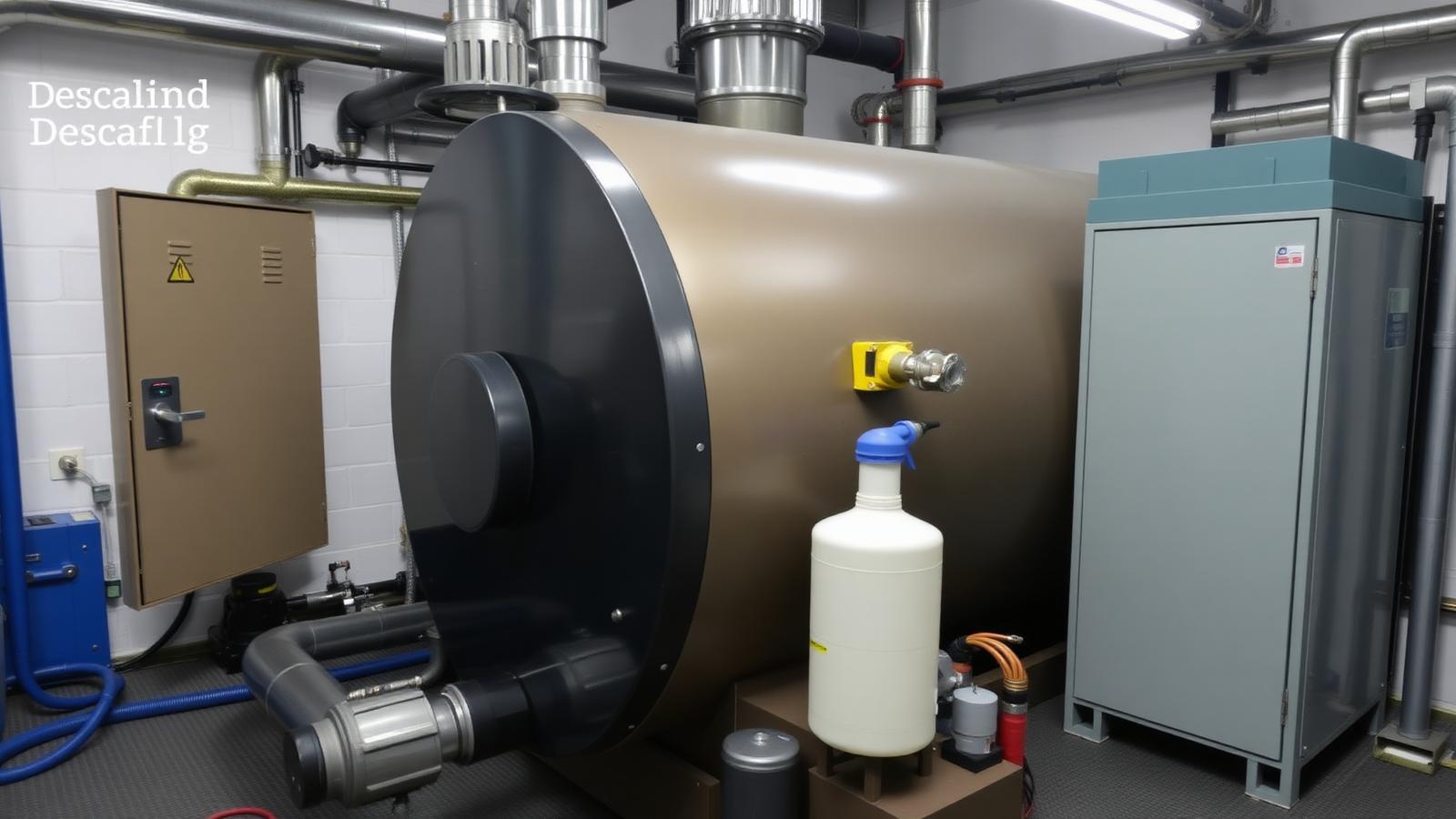
The Impact of Limescale on Heat Transfer Efficiency
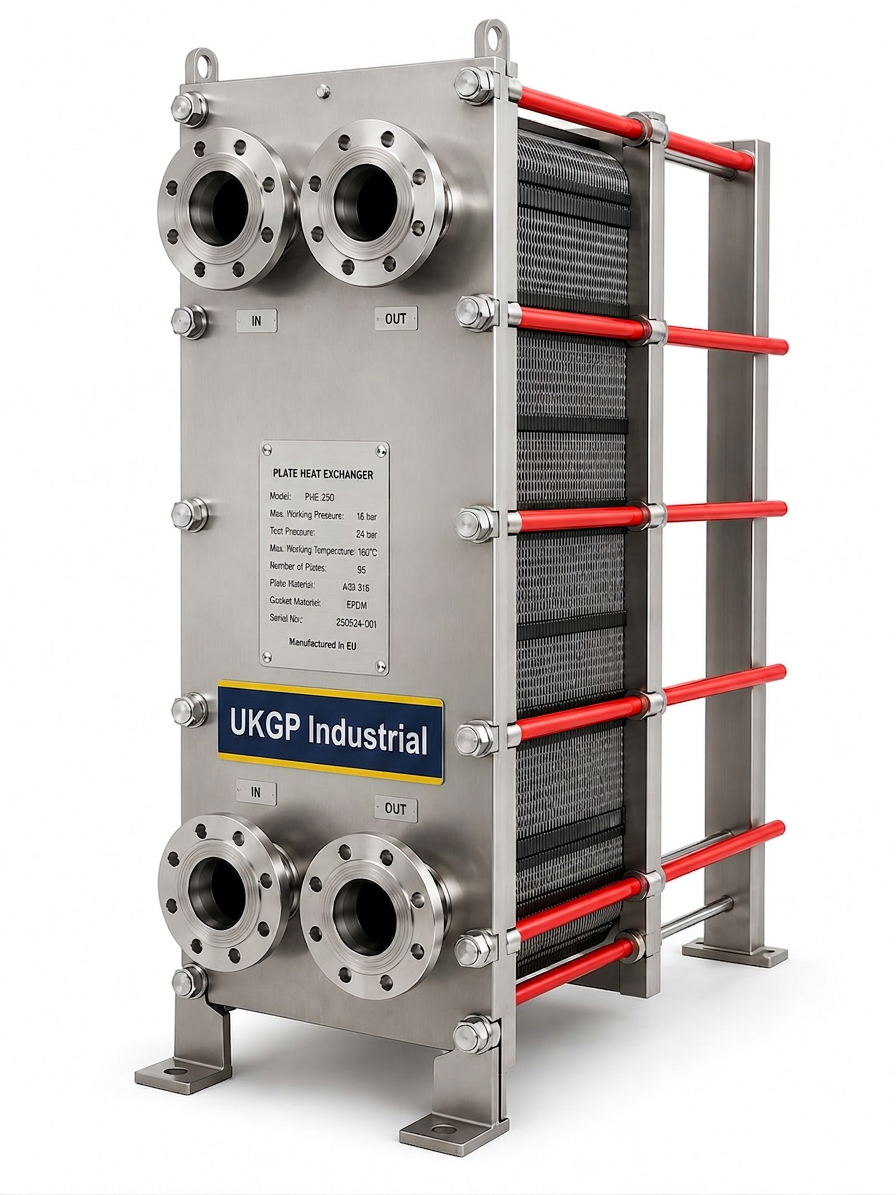
Limescale accumulation within a plate heat exchanger (PHE) acts as a high-efficiency insulator, which is precisely what a thermal management system does not require. Even a millimetre of scale can result in a significant drop in thermal efficiency, often exceeding 10% in fuel or energy costs. In the UK, where hard water is prevalent in regions like the South East and London, the buildup of calcium carbonate is rapid. Without the strategic use of plate heat exchanger descaling chemicals, your boiler or chiller system is forced to work harder to overcome the thermal resistance created by these deposits, leading to premature component failure and higher carbon emissions.
From a technical perspective, the narrow channels within a PHE are designed for turbulent flow to maximise heat transfer. However, these same narrow passages are highly susceptible to clogging. When scale begins to form, it creates a feedback loop; the resulting restriction in flow leads to higher local temperatures, which in turn accelerates the precipitation of further minerals. This creates a risk for M&E contractors and facilities managers as it directly violates the efficiency targets often stipulated in CIBSE Guide M. Adopting a proactive maintenance regime involving specific chemical cleaning agents is the only way to restore the equipment to its design performance levels.
Furthermore, neglected heat exchangers can lead to systemic issues including increased pressure drops that your circulation pumps may not be sized to handle. If the differential pressure across the PHE exceeds the original commissioning data provided by the manufacturer, it is a clear indicator that chemical intervention is required. Relying on baseline water treatment alone is often insufficient for aged systems; a dedicated descaling protocol is necessary to strip away the hardened calcification that standard bypass filters cannot remove. UKGP Industrial recommends checking pressure gauges against BS 8552 guidelines to determine exact cleaning intervals for your specific installation.
- Increases thermal resistance and energy consumption
- Reduces flow rates through narrow corrugated plates
- Elevates operational stress on primary and secondary pumps
- Shortens the lifespan of expensive stainless steel plates
Selecting the Right Plate Heat Exchanger Descaling Chemicals
Choosing the appropriate plate heat exchanger descaling chemicals requires an understanding of metallurgy and chemical compatibility. Most modern PHEs utilise 316L stainless steel plates with EPDM or Nitrile gaskets. Using aggressive, uninhibited acids like high-concentration hydrochloric acid can lead to pitting corrosion or stress corrosion cracking, which effectively destroys the unit. Instead, professional-grade descalers are typically formulated with inhibited phosphoric or citric acids. These chemicals are designed to aggressively target mineral scales while leaving a protective passivating layer on the metal surface, ensuring the structural integrity of the plates remains intact throughout the cleaning process.
The concentration of the chemical solution is also a vital factor for engineers to consider. A solution that is too weak will fail to remove the hardened magnetite or calcium deposits, while a solution that is too strong can degrade the gaskets, leading to external leaks or cross-contamination between the primary and secondary circuits. For UK consultants and plant room managers, it is essential to source chemicals that are COSHH compliant and supplied with full Material Safety Data Sheets (MSDS). This ensures that the onsite team can safely handle the substances while adhering to the health and safety regulations required for commercial and industrial boiler house environments.
Beyond the chemical composition, the application method—typically Clean-In-Place (CIP)—determines the effectiveness of the descaling task. By circulating the plate heat exchanger descaling chemicals through the unit in a reverse-flow direction, you can effectively lift and flush out the scale. This prevents the need for full disassembly, which can be time-consuming and risks damaging the gaskets during the re-tightening process. When specified correctly, these chemical treatments can restore a heat exchanger to 98% of its original efficiency, providing a massive return on investment compared to the cost of a complete unit replacement.
- Prefer inhibited acids to prevent stainless steel pitting
- Always verify gasket compatibility (EPDM/NBR) before application
- Utilise Clean-In-Place (CIP) methods to reduce downtime
- Ensure full compliance with UK COSHH regulations
Integration with BSRIA BG29 and BG50 Standards
In the UK B2B sector, all water treatment and maintenance activities should align with BSRIA BG29 (Pre-commission Cleaning of Pipework Systems) and BG50 (Water Treatment for Closed Heating and Cooling Systems). While descaling is often a remedial action, it must be viewed as part of a holistic water quality strategy. If you are frequently needing to use plate heat exchanger descaling chemicals, it suggests that your closed-loop system is suffering from excessive make-up water or inadequate primary treatment. BSRIA guidelines emphasise the importance of monitoring dissolved solids and pH levels to prevent the very scale that descaling chemicals are designed to solve.
Following a chemical descaling procedure, it is mandatory to thoroughly flush the system to ensure no residual acid remains, which could cause flash rusting or pH imbalances. This is where high-quality side stream filtration becomes an essential partner to chemical cleaning. While chemicals dissolve the scale, a filtration skid is required to capture the suspended solids that are liberated during the process. For contractors working on heritage refurbishments or large district heating schemes, maintaining these BSRIA standards is often a contractual requirement for handover and warranty validation of the heat generation plant.
Proper documentation is also a key component of the BG50 standard. Every time plate heat exchanger descaling chemicals are introduced into the system, the event should be logged alongside the resulting changes in temperature differential and pressure drop. This data-driven approach allows facilities managers to predict future fouling rates and schedule maintenance during low-demand periods, rather than reacting to a total system failure during peak winter loads. UKGP Industrial supports this rigorous approach by providing the hardware necessary to keep system fluids within the recommended parameters of CIBSE and BSRIA directives.
- Ensures compliance with BSRIA BG50 maintenance regimes
- Prevents long-term corrosion following the descaling process
- Facilitates the removal of liberated solids from the system
- Maintains the manufacturer's warranty for high-value plant
Protecting Assets with Side Stream Filtration
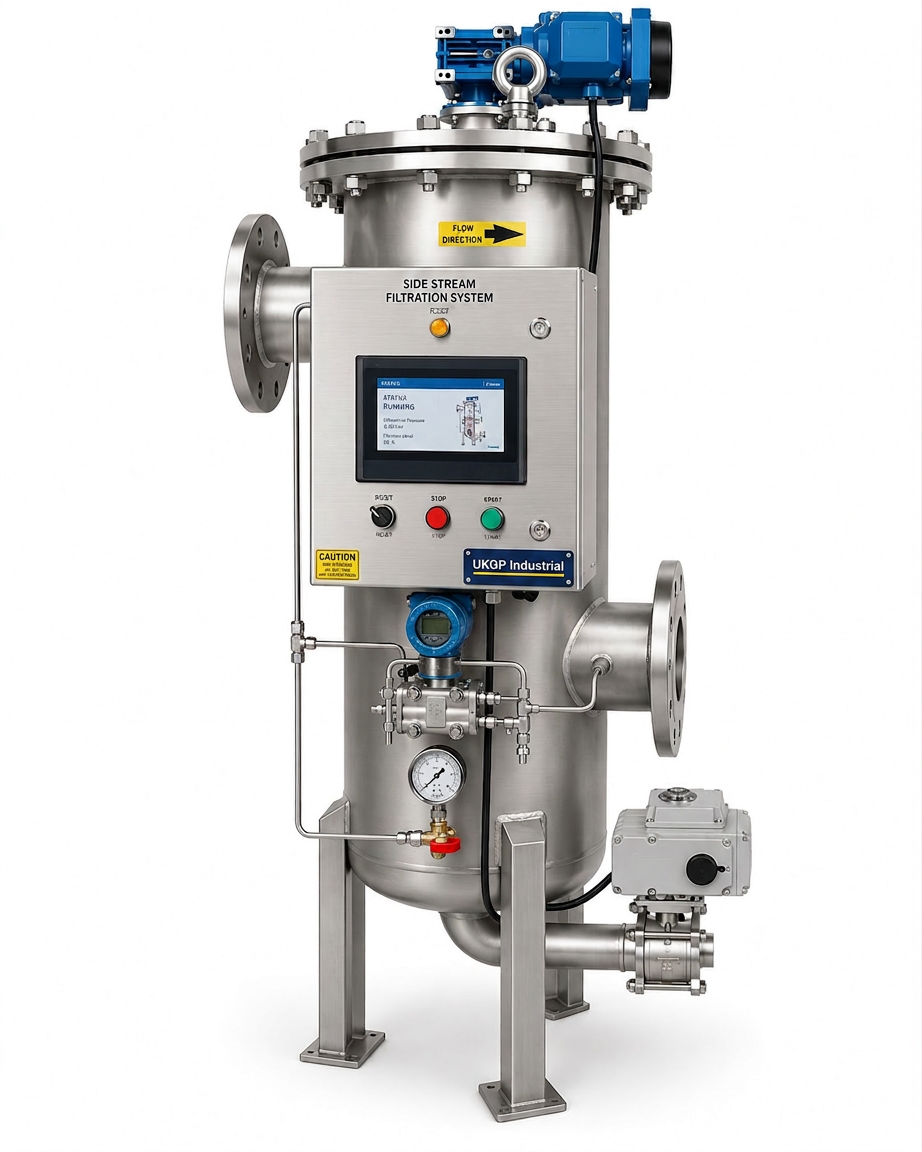
While plate heat exchanger descaling chemicals are excellent for reactive maintenance, the ultimate goal for any building services engineer is to minimise the frequency of such interventions. This is where the installation of a UKGP side stream filtration skid is invaluable. By continuously filtering a portion of the system volume, our skids remove the magnetite and debris that often act as a ‘seed’ for scale formation. Our side stream filtration units, starting from £6,800 + VAT, are designed for UK plant rooms where space and reliability are paramount. These are made to order with a 6-8 week lead time and come with a 2-year warranty as standard.
Integrating side stream filtration (available in sizes from DN50 to DN100) ensures that once you have used descaling chemicals to clean your PHE, the system remains clean. We find that many FM providers struggle with recurring scale because they treat the symptom rather than the cause. By installing a skid, you reduce the suspended solids count to levels required by BS 8552, significantly extending the time between chemical cleans. This not only saves on the cost of the chemicals themselves but also reduces the labour-intensive task of isolating and pumping cleaning fluids through your heat exchangers throughout the year.
For procurement leads looking to optimise life-cycle costs, the combination of high-quality plate heat exchanger descaling chemicals for initial recovery and a UKGP filtration skid for ongoing protection is the gold standard. Our technical team can help you specify the correct skid size based on your total system volume and flow requirements. Investing in a DN80 or DN100 unit for larger commercial circuits provides a robust defence against the efficiency-robbing effects of scale and sludge. Reach out today for a bespoke quote on our UK-manufactured filtration solutions to protect your critical heat transfer assets.
- Side stream filtration from £6,800 + VAT (Made to order)
- Available in DN50 to DN100 sizes for all commercial scales
- Reduces the frequency of required chemical descaling
- Includes a 2-year warranty and 6-8 week lead time
Safe Handling and Disposal of Chemicals
The application of plate heat exchanger descaling chemicals involves more than just pumping a liquid into a pipe; it requires stringent adherence to environmental and safety protocols. Because these chemicals are designed to dissolve minerals, they can be harmful to skin, eyes, and the local environment if not handled with care. UK facilities managers must ensure that neutralisation procedures are in place before any spent cleaning solution is discharged into the foul sewer. Most local water authorities in the UK require the pH to be adjusted to a neutral range (typically between 6 and 9) before disposal is permitted, often requiring a temporary discharge consent.
Furthermore, the physical setup for descaling should include robust chemical-rated hoses and a dedicated circulation pump. Using incorrect materials can lead to leaks of the plate heat exchanger descaling chemicals, which can damage plant room floors or other sensitive electronic equipment nearby. It is always recommended to use a closed-loop circulation kit with a transparent tank, allowing the technician to monitor the colour of the descaling solution. Often, these chemicals contain a pH-sensitive dye that changes colour once the acid is spent, providing a visual cue that more chemical is needed or that the cleaning process is nearing completion.
Finally, once the descaling of the plate heat exchanger is complete, the unit must be passivated. Fresh water should be circulated at high velocity to remove any loose particulate, followed by the introduction of a corrosion inhibitor. This step is frequently overlooked but is vital; a freshly cleaned metal surface is highly reactive and prone to rapid oxygen corrosion if not properly treated. By following these professional steps, you ensure the longevity of the stainless steel plates and maintain the system in line with the high standards expected by UK building owners and insurance providers alike.
- Neutralise spent chemicals before sewer disposal
- Use pH-sensitive indicators to monitor chemical effectiveness
- Ensure technicians wear appropriate UK-rated PPE
- Always passivate the metal surfaces after a descale
Economic Benefits of Regular PHE Maintenance
From a commercial perspective, the cost of plate heat exchanger descaling chemicals is negligible compared to the potential savings in energy and downtime. In a typical UK commercial building, heating and cooling account for a significant portion of total operational expenditure. By ensuring that the PHE operates at its peak coefficient of performance, you are directly reducing the kwh consumption of your primary heat source. For procurement leads, this translates to a fast payback period, often within a single heating season. A proactive descaling schedule prevents the need for emergency call-outs, which are significantly more expensive than planned maintenance.
There is also the consideration of capital expenditure (CAPEX) avoidance. A plate heat exchanger that is allowed to scale up to the point of total blockage frequently requires replacement plates or an entirely new frame. For a DN100 unit, this can cost thousands of pounds and involve weeks of lead time for parts. In contrast, a recurring investment in the right plate heat exchanger descaling chemicals keeps the existing hardware in service for decades. This sustainable approach to asset management is favoured by FMs who are tasked with meeting ESG (Environmental, Social, and Governance) targets by reducing waste and improving building efficiency.
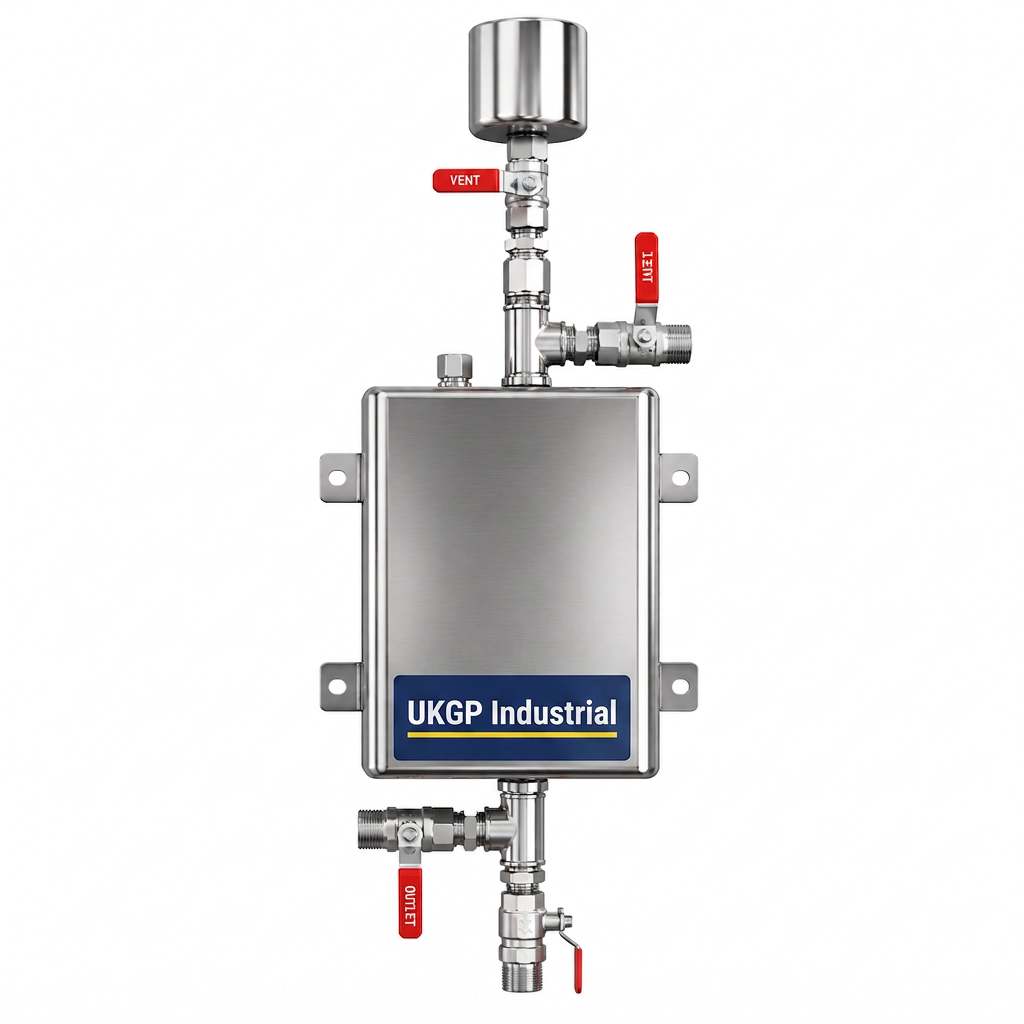
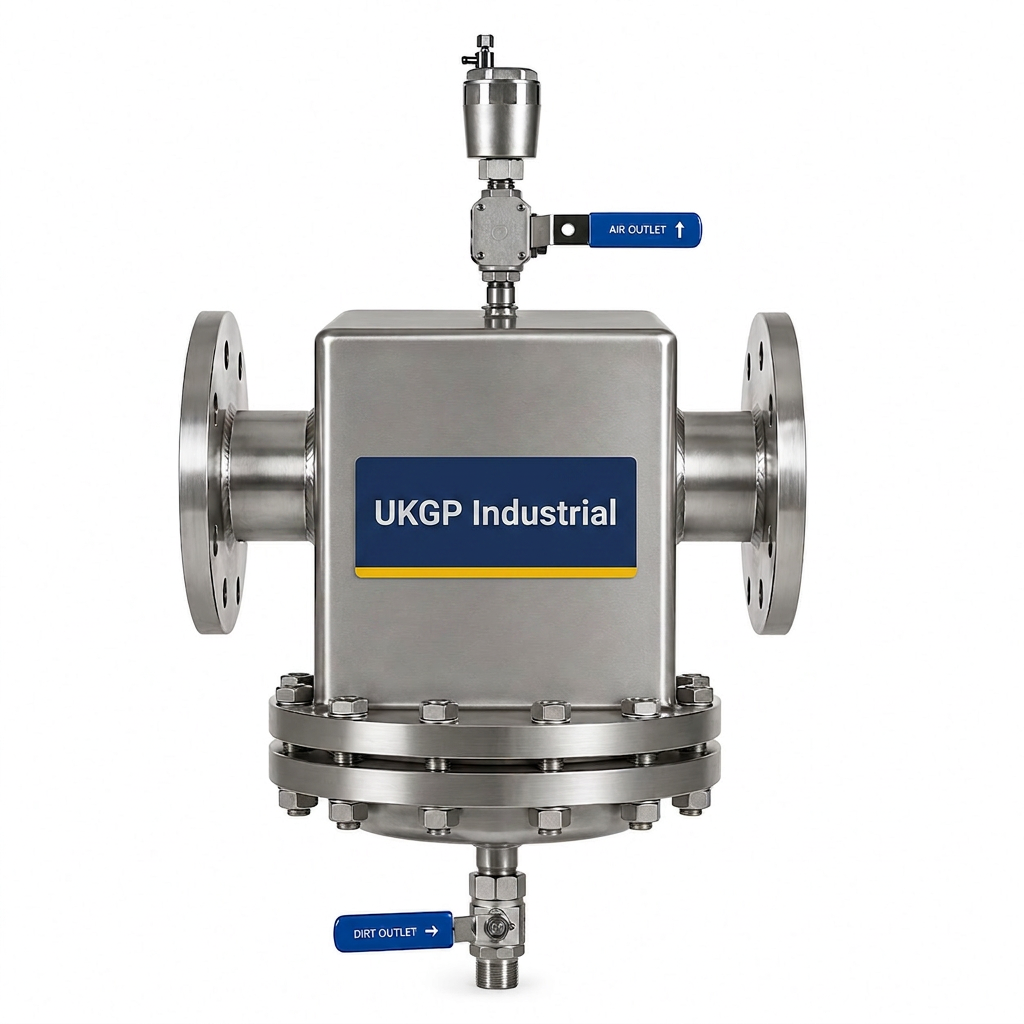
In conclusion, the strategic use of descaling chemicals, supported by UKGP Industrial’s filtration and separator technology, provides a comprehensive solution for HVAC system health. Whether you are dealing with a small dosing pot installation or a large-scale plate heat exchanger in a district heating network, the principles remain the same: clean, protect, and monitor. For those looking to upgrade their plant room resilience, moving from reactive descaling to a proactive filtration model using our side stream skids is the most cost-effective path forward for modern UK building services.
- Reduces gas and electricity bills via improved heat transfer
- Avoids the high CAPEX of heat exchanger replacement
- Improves the building's overall energy performance certificate (EPC)
- Minomises the risk of emergency plant room shutdowns
Frequently asked questions
How often should I use plate heat exchanger descaling chemicals?
- Frequency depends on local water hardness and system operating temperatures. Typically, an annual inspection of the temperature differential (Delta T) and a chemical clean every 2-3 years is standard for UK systems without advanced filtration.
Are these chemicals safe for all types of heat exchangers?
- Most plate heat exchanger descaling chemicals are safe for 316 stainless steel and common gasket materials like EPDM. However, you must check compatibility if you have copper-brazed units or aluminium components, as certain acids can be corrosive to these metals.
Can I descale a PHE without taking it apart?
- Yes, this is known as Clean-In-Place (CIP). By using a circulation pump and the correct plate heat exchanger descaling chemicals, you can clean the internal plates through the existing service valves without breaking the gasket seals.
What happens if I don't neutralise the descaling chemicals?
- Failure to neutralise can lead to the corrosion of the plates and downstream pipework. It also violates UK environmental regulations regarding the discharge of acidic waste into the public sewer system.
How do I know if the descaling process was successful?
- A successful descale is evidenced by the system returning to its original design pressure drop and the primary/secondary temperature approach returning to the manufacturer's specified figures.