The importance of regular plate heat exchanger cleaning
In the UK commercial sector, thermal efficiency is the benchmark for operational success, yet it is often compromised by the accumulation of limescale, magnetite, and biological biofilms. Plate heat exchanger cleaning is not merely a reactive maintenance task but a proactive strategy to ensure that heat transfer coefficients remain consistent with original design specifications. When fouling occurs, the narrowing of the plate gaps increases the pressure drop across the unit, forcing pumps to work harder and significantly raising energy consumption. This inefficiency often leads to a failure in meeting the required secondary return temperatures, which can trigger wider system instabilities and potentially violate CIBSE best practice for hot water delivery and space heating.
Moreover, the structural integrity of the unit is at risk if a plate heat exchanger cleaning schedule is ignored. For gasketed units, the presence of abrasive debris can lead to premature seal failure or localized pitting corrosion on the 316L stainless steel plates. In closed-loop systems, adhering to BSRIA BG50 monitoring cycles allows engineers to identify the early warning signs of fouling before the system suffers a total thermal block. By scheduling a professional cleaning intervention, M&E contractors can extend the lifecycle of the gaskets and plates, avoiding the significant capital expenditure associated with a full unit replacement or emergency repair works during peak winter loads.
From a commercial perspective, the cost of elective cleaning is far outweighed by the operational losses incurred during a breakdown. For many facilities manager professionals, the goal is to align cleaning intervals with annual shutdowns. A well-executed plate heat exchanger cleaning regime ensures that the system remains compliant with BS 8552 for water quality monitoring. This meticulous approach to maintenance ensures that the building's infrastructure remains resilient, providing the reliable heat or cooling service that tenants and stakeholders expect. Investing in the right protocol now safeguards the long-term performance of your plant room assets while reducing the total cost of ownership across the system's life.
- Maintains thermal efficiency and heat transfer coefficients.
- Reduces pump energy consumption by minimizing pressure drops.
- Prevents localized pitting corrosion and gasket degradation.
- Ensures compliance with BSRIA BG50 and CIBSE recommendations.
On-site plate heat exchanger cleaning techniques
There are two primary methods for on-site plate heat exchanger cleaning: Mechanical cleaning (manual) and Chemical Cleaning-In-Place (CIP). For gasketed plate heat exchangers, mechanical cleaning involves isolating the unit, loosening the compression bolts, and carefully scrubbing each individual plate with a soft brush and high-pressure water. It is vital to avoid metal brushes or abrasive tools that could damage the plate surface or remove the passive oxide layer, as this makes the metal more susceptible to corrosion. Engineers must also inspect the gaskets for signs of hardening or compression set during this process, replacing them if they no longer exhibit the elasticity required to maintain a watertight seal upon re-tensioning.
Chemical Cleaning-In-Place (CIP) is often the preferred method for brazed heat exchangers or units where frequent manual stripping is impractical. This process involves circulating a specialized cleaning solution through the unit via a temporary pump arrangement. Selecting the correct chemical agent is critical; for example, phosphoric acid is often used to remove calcium carbonate scale, while mild alkaline cleaners may be used for organic debris. The fluid must be circulated in the reverse direction of the normal flow to dislodge stubborn deposits efficiently. Throughout the CIP process, monitoring the pH levels and the clarity of the effluent provides the engineer with visual and empirical evidence of the cleaning progression.
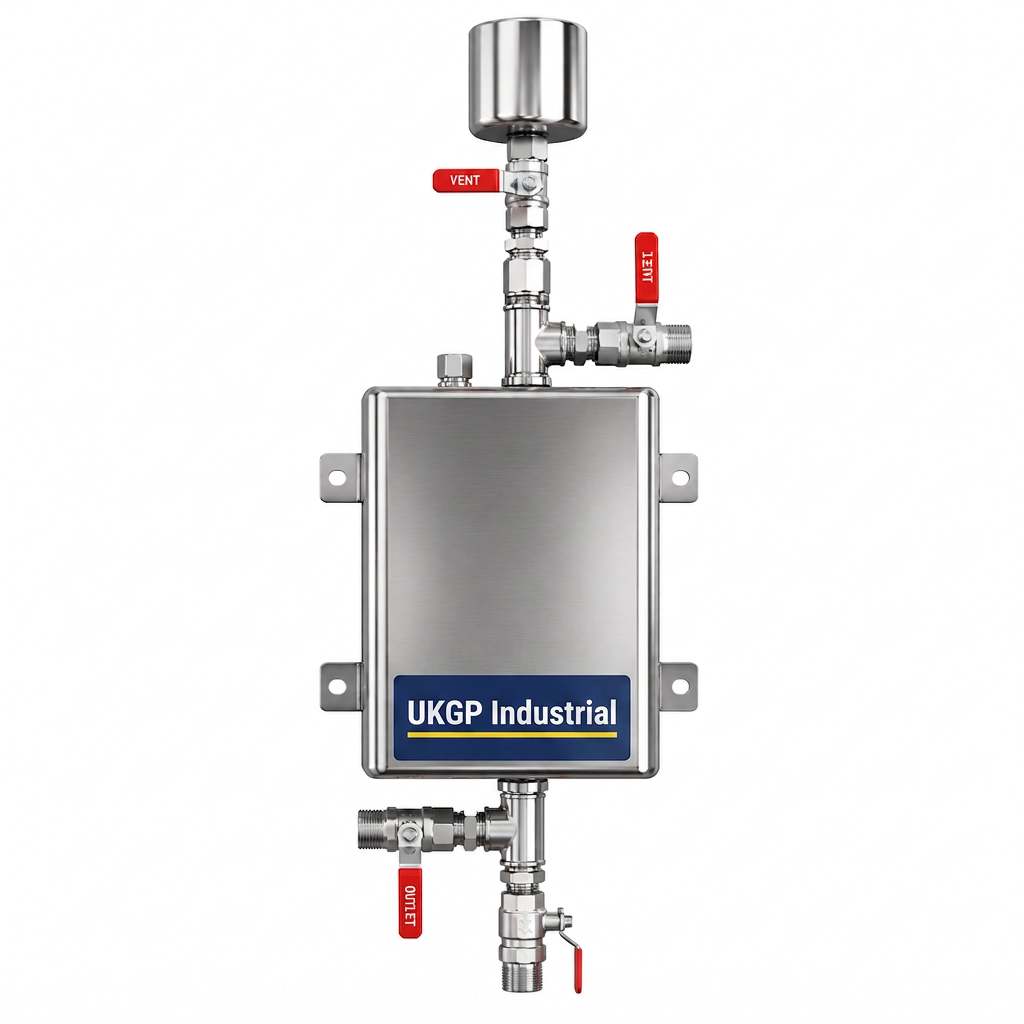
Safety and environmental compliance are paramount when conducting chemical plate heat exchanger cleaning. All chemical runoff must be neutralized and disposed of in accordance with local water authority guidelines and COSHH regulations. Once the cleaning cycle is complete, the unit must be thoroughly flushed with clean water to remove any residual acid or alkali. This flushing continues until the effluent pH matches the incoming feed water, ensuring that no corrosive agents remain within the delicate plate channels. For complex systems, integrating a chemical dosing pot into the circuit can assist with future water treatment regimens to prevent the rapid re-occurrence of fouling after the initial deep clean.
- Mechanical cleaning via manual stripping for gasketed units.
- CIP circulation for brazed units or mild fouling scenarios.
- Reverse flow circulation to maximize debris displacement.
- Neutralization of cleaning agents to meet environmental standards.
Identifying when to replace vs. clean
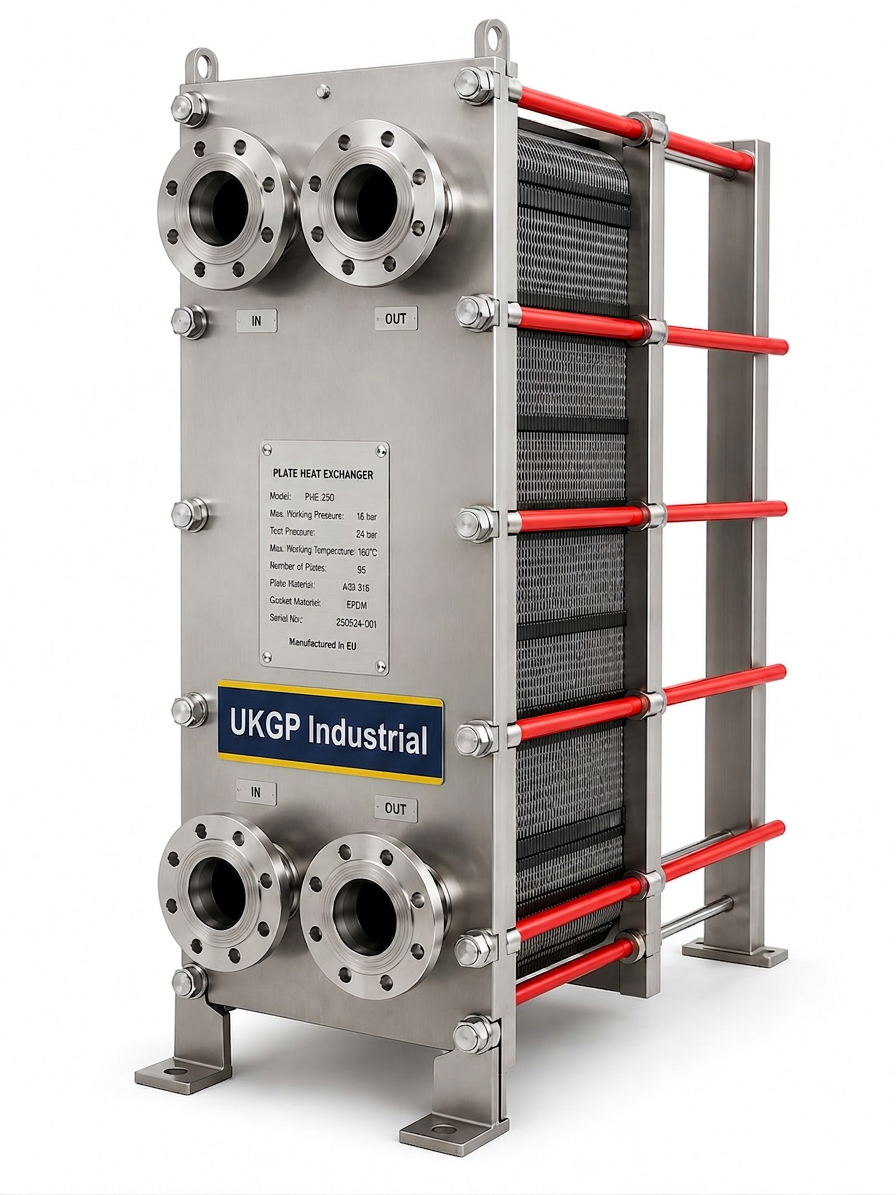
While plate heat exchanger cleaning can restore a significant amount of efficiency, there comes a point where total unit replacement is the more commercially viable option. Extensive pitting corrosion, persistent cross-contamination between circuits, or severe deformation of the plates (known as 'tenting') are indicators that cleaning will no longer suffice. In such cases, sourcing a modern, high-efficiency replacement is the logical step. UKGP provides gasketed and brazed plate heat exchangers, sized from DN20 to DN300, tailored to your full thermal specification. With a 2-year warranty and a project lead time of 4-6 weeks, replacing a compromised unit can often be more cost-effective than continuous, ineffective cleaning cycles on a degraded asset.
A full thermal specification allows UKGP engineers to size a replacement that may even outperform the original installation. Many older units were oversized or designed for outdated temperature deltas; a modern UKGP plate heat exchanger ensures peak performance and compliance with current energy regulations. Transitioning from a damaged unit to a new gasketed or brazed model also allows for better integration of modern materials and gasket compounds that are better suited to contemporary glycols and inhibitors. This ensures that once the new unit is commissioned, the maintenance cycle can be restarted with a clean slate, backed by a robust 2-year warranty for peace of mind.
When procurement leads evaluate the cost of several failed plate heat exchanger cleaning attempts against a new installation, the downtime costs often tip the balance. A replacement from UKGP, ranging from DN20 up to DN300, provides a documented performance curve and verified pressure drop data. This reliability is crucial for mission-critical environments such as hospitals or data centers where thermal failure is not an option. By opting for a new unit, you are not just buying hardware; you are investing in a 4-6 week lead time solution that restores full operational capacity to your plant room with the latest in heat transfer technology.
- Compare cleaning costs against long-term energy loss.
- DN20 to DN300 sizing available for all commercial scales.
- Brazed and gasketed options to suit specific application needs.
- Full thermal specification service provided by UKGP experts.
BSRIA BG50 compliance and water quality
Effective plate heat exchanger cleaning is only one part of a wider water treatment strategy defined by BSRIA BG50. This industry-standard guidance emphasizes the importance of maintaining water quality to prevent the very fouling that necessitates cleaning. By implementing a consistent monitoring regime, including the checking of inhibitor levels and microbiological activity, engineers can significantly extend the intervals between plate services. If the water quality in a closed-loop system is neglected, even a perfectly cleaned heat exchanger will show signs of fouling within months, leading to a frustrating cycle of recurring maintenance and diminished system performance.
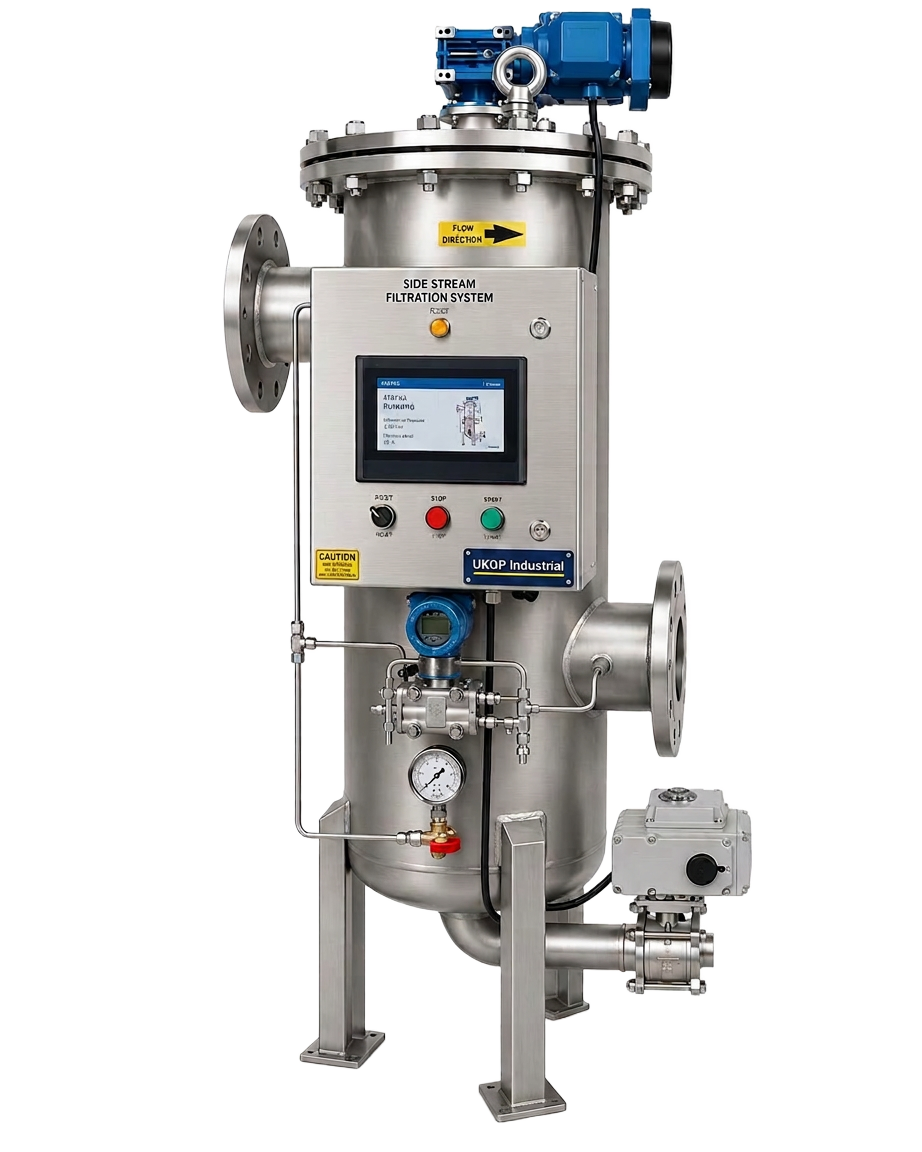
The role of side stream filtration cannot be overlooked in this context. While plate heat exchanger cleaning removes the deposits already stuck to the plates, a side stream filter actively removes suspended solids from the circulating water, preventing them from settling in the low-velocity areas between the plates. This synergy between cleaning and filtration is what separates high-performing buildings from those plagued by constant plant room issues. Adhering to BS 8552 for sampling ensures that you have the empirical data needed to justify maintenance budgets and demonstrate compliance with health and safety expectations regarding bacterial growth and system hygiene.
Ultimately, the goal of BSRIA BG50 is to achieve system stability. When a plate heat exchanger cleaning protocol is integrated into a wider maintenance contract, it should be supported by regular water analysis reports. These reports serve as an early warning system; for instance, a spike in iron levels may indicate active corrosion that will eventually lead to magnetite deposits on the heat exchanger surfaces. By addressing the root cause—poor water chemistry—you protect the heat exchanger from premature fouling, ensuring that when you do perform a clean, it is a straightforward task rather than a salvage operation for a failing system.
- Align cleaning cycles with BSRIA BG50 monitoring.
- Use BS 8552 sampling to track system health.
- Monitor inhibitor levels to prevent scale and corrosion.
- Identify root causes of fouling through water analysis.
System protection following a clean
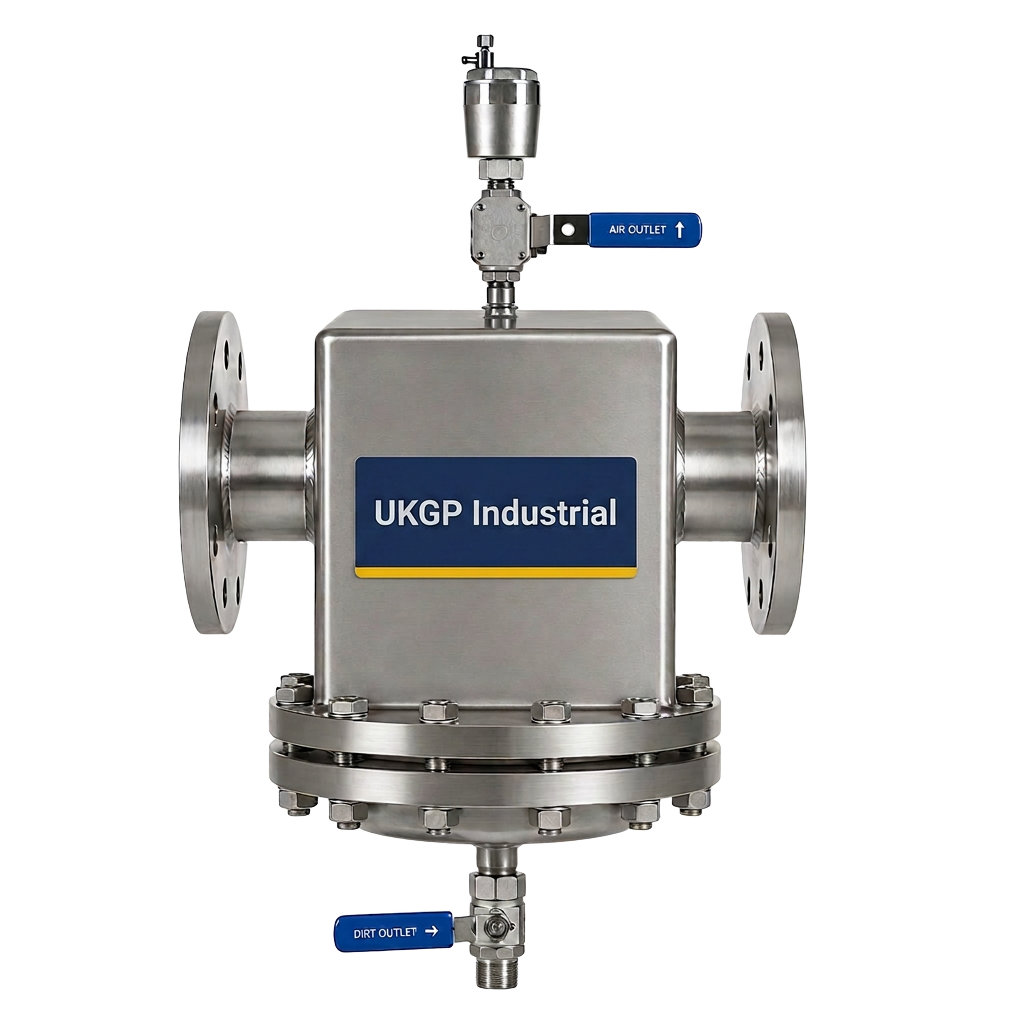
After completing a successful plate heat exchanger cleaning, it is vital to protect the system from immediate re-contamination. This is often the best time to inspect other plant room components, such as air and dirt separators, which work to remove microbubbles and debris that contribute to fouling. If these components are blocked or undersized, the newly cleaned heat exchanger will soon become a filter for the rest of the system's sludge. Ensuring that the entire circuit is flushed and treated with the correct dose of corrosion inhibitor is a critical final step in any commercial protocol before the unit is brought back online.
Furthermore, ensuring that thermal expansion is properly managed via expansion bellows can prevent mechanical stress on the heat exchanger connections. Vibrations or stresses from pipework expansion can lead to microscopic leaks at the gasket interface, which can allow oxygen ingress and accelerate corrosion. A holistic view of the plant room, encompassing everything from the primary heat source to the smallest sensors, ensures that the benefit of a plate heat exchanger cleaning is not lost to external system faults. Consistency in hydraulic pressure and flow rates, managed through properly sized low loss headers, also prevents the turbulent flow conditions that can lead to erosion-corrosion within the plates.
Finally, the implementation of pH sensors and transmitters allows for real-time monitoring of the system fluid. If the pH drifts significantly from the neutral or slightly alkaline range recommended by BSRIA, the heat exchanger plates are at immediate risk of chemical attack. By automating this monitoring, facilities managers can receive alerts long before a manual sample would have identified the issue. This technical layer of protection, combined with a diligent plate heat exchanger cleaning protocol, creates a resilient HVAC environment that operates at peak efficiency year-round, reducing the carbon footprint of the building and lowering operational costs for the owner.
- Inspect air and dirt separators to maintain water clarity.
- Verify expansion bellows are functioning to reduce vibration.
- Use pH sensors for real-time water chemistry monitoring.
- Evaluate low loss headers to ensure stable hydraulic flow.
Documenting the protocol and results
A formal record of every plate heat exchanger cleaning event should be maintained within the site logbook. This documentation must include the date of the clean, the method used, the chemicals employed, and the before-and-after pressure drop readings. Having this data allows the engineer to track the fouling rate over time, which is invaluable for predictive maintenance planning. If the time between required cleanings is decreasing, it indicates a systemic issue with water treatment or a change in load that needs to be addressed. This evidence-based approach is exactly what CIBSE and BSRIA recommend for modern building management.
Additionally, documenting the tightening dimensions (the 'A' measurement) on gasketed units after a clean is essential. Tightening the plate pack beyond the manufacturer’s specified minimum can deform the plates, while under-tightening will lead to leaks. By recording these technical specs, any engineer attending the site in the future can verify the unit's status at a glance. For brazed units, the post-clean thermal performance should be validated against the original commissioning data to ensure that the chemical circulation achieved the desired results. This level of detail provides the commercial transparency needed for procurement teams to justify maintenance expenditure.
In conclusion, a meticulous plate heat exchanger cleaning protocol is the backbone of plant room reliability. Whether you are maintaining a legacy system or installing a new UKGP plate heat exchanger, the focus must always be on thermal accuracy and structural integrity. By following the steps outlined—from choosing between CIP and manual scrubbing to ensuring BSRIA BG50 compliance—you ensure your system remains efficient. For those finding their current units beyond salvage, remember that UKGP offers expertly sized replacements with a 2-year warranty and 4-6 week lead times, ensuring your facility's heating and cooling requirements are met with precision and expert support.
- Record before-and-after pressure drop and temperature data.
- Document tightening dimensions for gasketed plate packs.
- Keep a log of all chemicals used during CIP processes.
- Compare fouling rates to optimize future maintenance schedules.
Frequently asked questions
How often should plate heat exchanger cleaning be performed?
- Frequency depends on water quality and system load. Under BSRIA BG50 guidelines, annual inspections are recommended, with cleaning occurring when pressure drops increase by 10-15% or thermal performance noticeably degrades.
Can I use hydrochloric acid for plate heat exchanger cleaning?
- No, hydrochloric acid should never be used on stainless steel plates as it causes rapid stress corrosion cracking. Use phosphoric, citric, or sulfamic acids as specified by the manufacturer and the cleaning chemical provider.
What is the difference between CIP and manual cleaning?
- CIP (Cleaning-In-Place) involves circulating chemicals through the unit without dismantling it, ideal for brazed units. Manual cleaning involves stripping the unit down to scrub the plates, which is only possible with gasketed heat exchangers.
How do I know if my heat exchanger needs cleaning or replacing?
- If cleaning fails to restore the design pressure drop or if there is internal cross-contamination (leaking between circuits), replacement is necessary. UKGP provides replacements sized from DN20-DN300 based on your thermal spec.
Does UKGP provide a warranty on their heat exchangers?
- Yes, all UKGP plate heat exchangers, whether gasketed or brazed, come with a 2-year warranty and are manufactured to high commercial standards with a typical 4-6 week lead time.