The Importance of Regular Plate Heat Exchanger Cleaning
In the UK's commercial building sector, the efficiency of heating and cooling networks relies heavily on the performance of heat transfer surfaces. Over time, calcium carbonate deposits, magnetite, and biological biofilms accumulate on the internal plates, creating a thermal barrier that forces pumps to work harder and reduces overall Delta T. Professional plate heat exchanger cleaning is not merely a reactive fix for a failing system but a proactive energy-saving strategy. When plates become fouled, the pressure drop across the unit increases significantly, which can lead to premature pump failure and inconsistent temperatures for end-users across the secondary circuit, whether in residential heat interface units or large-scale commercial air handling units.
From a regulatory and compliance perspective, maintaining clean heat exchangers is supported by various industry frameworks including BSRIA BG50 and CIBSE recommendations. Neglecting the thermal interface can lead to systemic issues that affect the entire plant room's longevity. By scheduling regular plate heat exchanger cleaning, facility managers can identify small leaks or gasket failures during the dismantling process before they lead to catastrophic water damage or system downtime. In hard water areas like Surrey and London, the rate of scaling is accelerated, making a structured maintenance regime even more critical for operational continuity. The cost of a professional clean is invariably lower than the cost of increased carbon levies and electricity consumption driven by fouled, inefficient equipment.
Choosing the right approach depends on the degree of fouling and the specific application of the heat exchanger. Whether it is a gasketed unit or a brazed version, the goal remains the same: restoring the original heat transfer coefficients specified by the manufacturer. UKGP Industrial advocates for a holistic view of water quality that includes high-performance side stream filtration to reduce the suspended solids that often settle on these plates. Investing in professional plate heat exchanger cleaning ensures that your capital equipment operates at the design parameters intended at installation, protecting your bottom line and ensuring occupant comfort throughout the heating and cooling seasons across the United Kingdom's diverse building stock.
- Reduces operational energy costs by restoring thermal conductivity
- Prevents excessive pressure drops and protects secondary pumps
- Supports compliance with BSRIA BG50 water quality guidelines
- Extends the lifespan of expensive gaskets and stainless steel plates
- Minimises the risk of legionella and bio-growth in low-velocity areas
Standard Procedure for Commercial Plate Heat Exchanger Cleaning
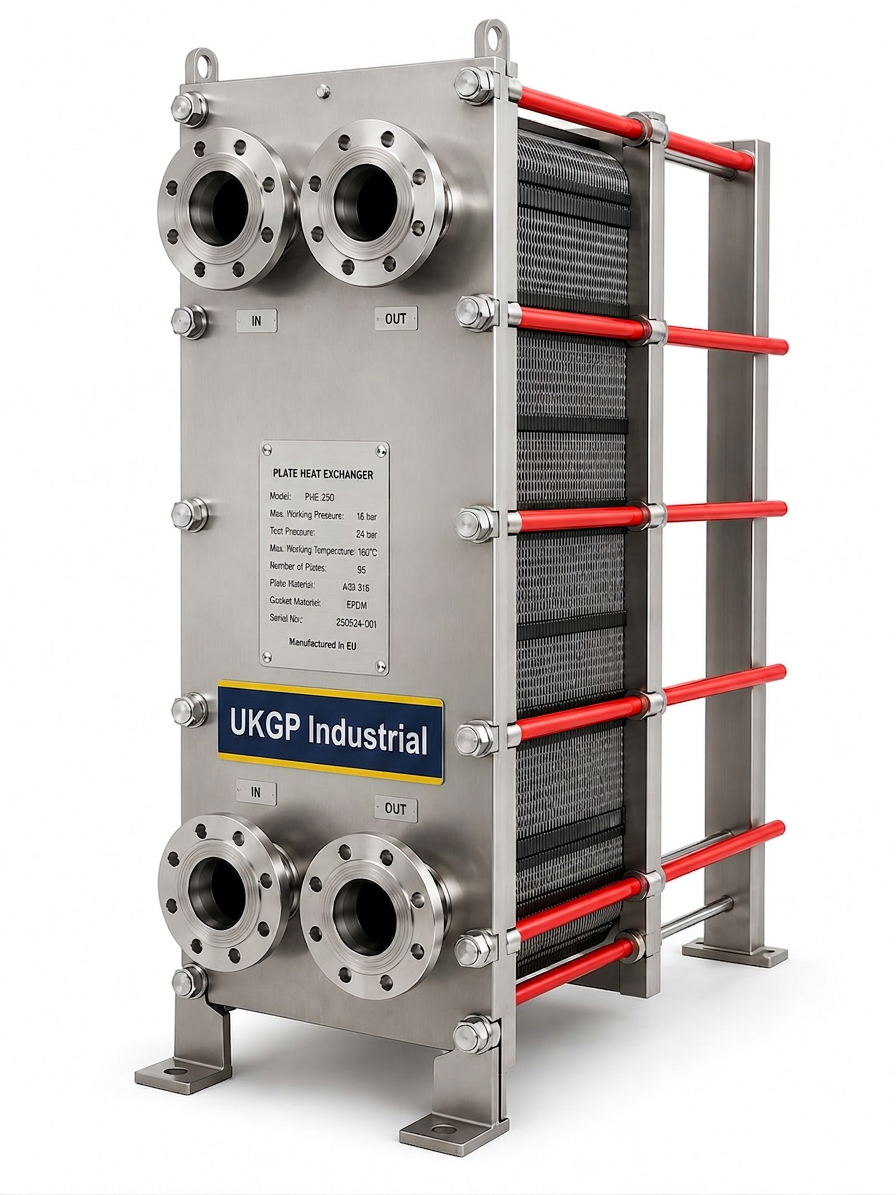
The standard procedure for plate heat exchanger cleaning begins with a comprehensive system isolation and drainage phase to ensure the safety of the engineering team. For gasketed units, the compression bolts are loosened in a specific sequence to prevent the frame from warping. Once the plate pack is exposed, each plate is carefully removed and inspected for signs of pitting, corrosion, or gasket fatigue. It is essential to record the orientation and sequence of the plates to ensure correct reassembly. Mechanical cleaning using high-pressure water jets and soft-bristle brushes is the first line of defense against soft sludge and loose debris that has accumulated since the last maintenance cycle, especially in systems without adequate filtration.
For harder mineral scales, a chemical soak or 'Clean-In-Place' (CIP) method may be required. This involves circulating a mild acid-based descaling solution through the unit without necessarily dismantling the entire plate pack. However, for a truly thorough plate heat exchanger cleaning, manual disassembly is preferred as it allows for a visual inspection of every individual surface. During this stage, engineers check for the 'tightness' of the gaskets and look for any signs of cross-contamination between the primary and secondary fluids. If gaskets are found to be brittle or flattened, they must be replaced with identical EPDM or Nitrile equivalents to prevent future leaks when the system is brought back up to operating pressure.
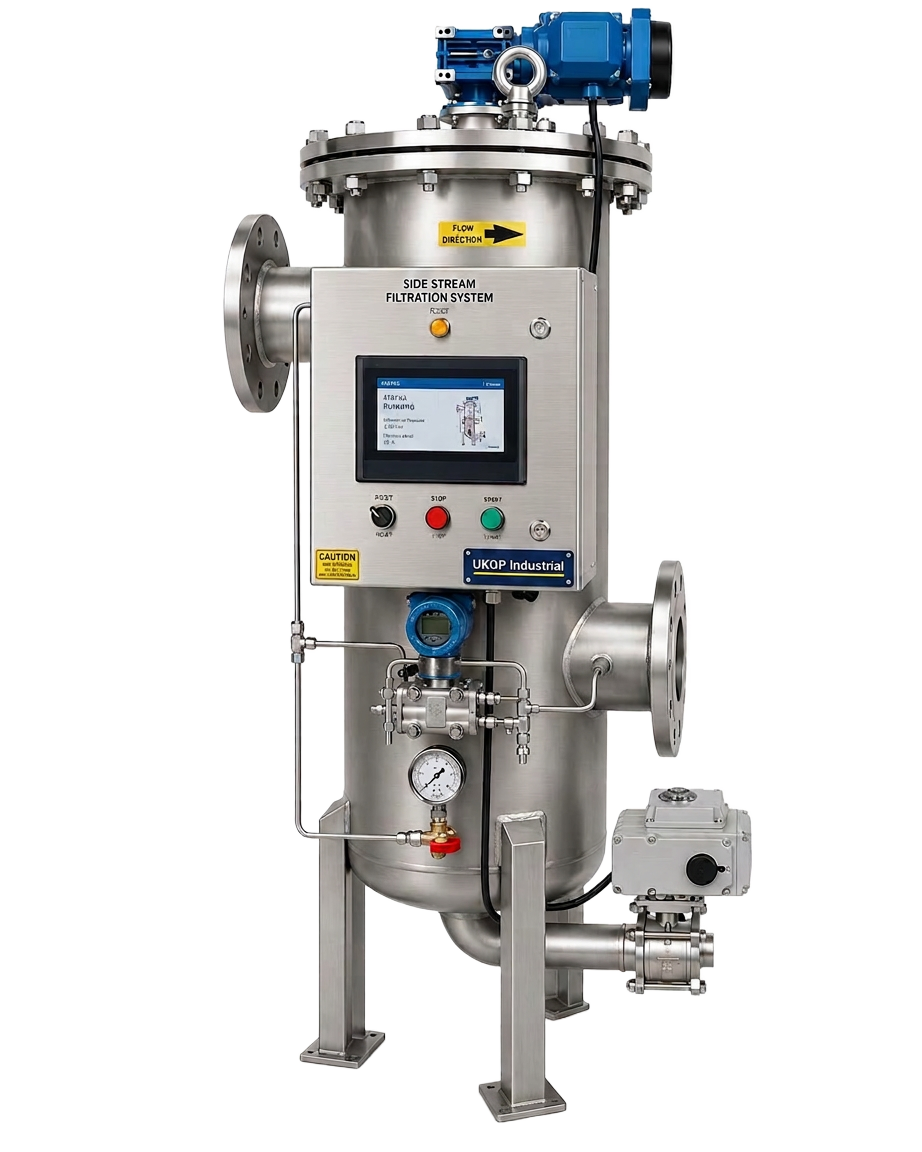
Once the cleaning is complete, the plates are re-stacked and the frame is tightened back to the manufacturer's specified dimension (the 'A' measurement). A hydrostatic pressure test is then performed to confirm the integrity of the seals before the unit is reintroduced to the system. This meticulous approach to plate heat exchanger cleaning ensures that the unit remains a reliable component of the building's infrastructure. To prevent rapid re-fouling, we recommend the installation of a UKGP side stream filtration skid, which removes the magnetite and particulates that otherwise settle in the narrow channels of the heat exchanger, ensuring that your newly cleaned plates stay efficient for a significantly longer period.
- Initial isolation and plate sequence recording for accurate reassembly
- Manual scraping and high-pressure washing for loose debris removal
- Chemical descaling tailored to the specific mineral build-up
- Verification of the 'A' dimension to ensure correct gasket compression
- Integrity testing before system reintegration to prevent leaks
Estimating Maintenance and Labour Costs
When budgeting for plate heat exchanger cleaning, UK building services consultants must account for several variables, including the size of the unit, the number of plates, and the ease of access in the plant room. For a standard commercial unit, labour costs typically represent the largest portion of the quote. A basic inspection and mechanical clean might start from a few hundred pounds, but for complex, large-scale gasketed units requiring full disassembly and chemical dipping, costs can rise into several thousand. It is also vital to factor in the cost of a full gasket set, which can vary significantly depending on the material and the manufacturer, often being the most expensive consumable part in the maintenance cycle.
To mitigate these recurring costs, high-specification water treatment and filtration are essential. While professional plate heat exchanger cleaning is a necessary periodic expense, its frequency can be reduced by investing in better system protection. For example, installing a UKGP side stream filtration skid—available from £6,800+VAT—drastically improves water clarity and protects the heat exchanger from the abrasive effects of suspended solids. These skids are made to order with a 6-8 week lead time and come with a 2-year warranty, offering a much more cost-effective long-term solution than frequent emergency cleaning call-outs. When you calculate the downtime and labour for cleaning every 12 months, the ROI on a filtration skid becomes clear within the first few years of operation.
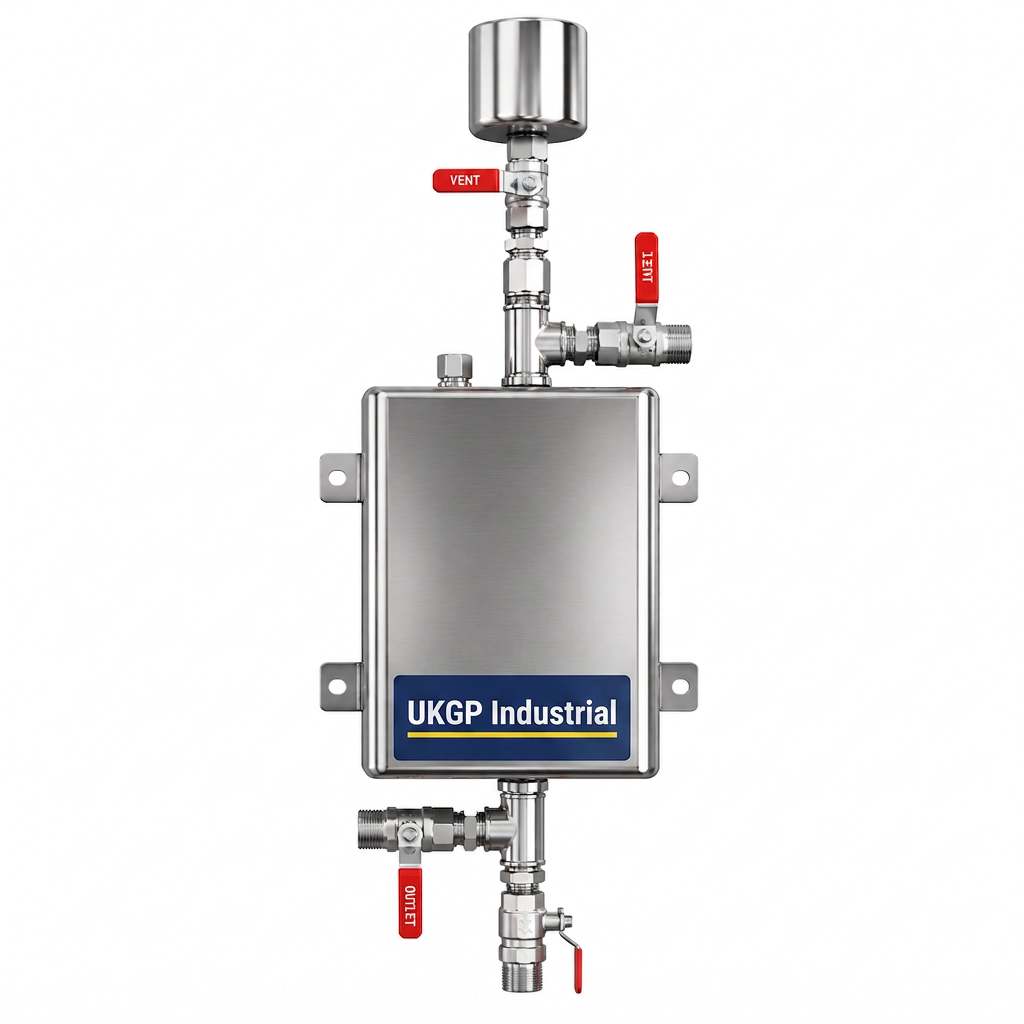
In addition to the physical cleaning costs, engineers must consider the chemical disposal fees. If a chemical CIP is performed, the effluent must be neutralised and disposed of according to local UK water authority regulations, adding another layer to the cost structure. Most reputable contractors will provide a fixed-price quote for plate heat exchanger cleaning that includes all consumables, disposal, and a final report detailing the condition of the unit. For procurement leads, looking at the total cost of ownership is key; ensuring the system is equipped with dosing pots and air separators alongside the heat exchanger will maintain the water chemistry and chemistry-metal interface, further protecting the investment in plate cleaning services.
- Labour costs vary based on plate count and plant room accessibility
- Replacement gasket sets often represent a major portion of the spend
- Chemical disposal must meet UK environmental and utility standards
- Total cost of ownership reduced by high-quality side stream filtration
- Fixed-price quotes should include pressure testing and final reports
Common Challenges in Plate Heat Exchanger Cleaning
One of the most frequent challenges encountered during plate heat exchanger cleaning is the discovery of advanced corrosion through the stainless steel plates, known as pin-holing. This is often caused by high chloride levels in the system water or stagnant conditions during periods of low demand. If pin-holing is detected, the affected plates must be replaced immediately to prevent the mixing of primary and secondary fluids, which could contaminate domestic hot water supplies or damage sensitive boiler components with treated system water. This highlights why professional cleaning and inspection are so critical; a simple chemical flush from the outside will never reveal these internal structural failures.
Another issue is the hardening of old gaskets, which can become 'baked' onto the metal surfaces over years of high-temperature operation. Removing these without damaging the delicate grooves of the plates requires specialized tools and patience. During plate heat exchanger cleaning, if the gaskets are not removed cleanly, the new seals will not seat properly, leading to persistent weeping or major leaks once the system reaches operating temperature and pressure. This is a common point of failure for inexperienced contractors who may rush the cleaning process, leading to further remedial costs and extended downtime for the building's occupants and facilities management teams.
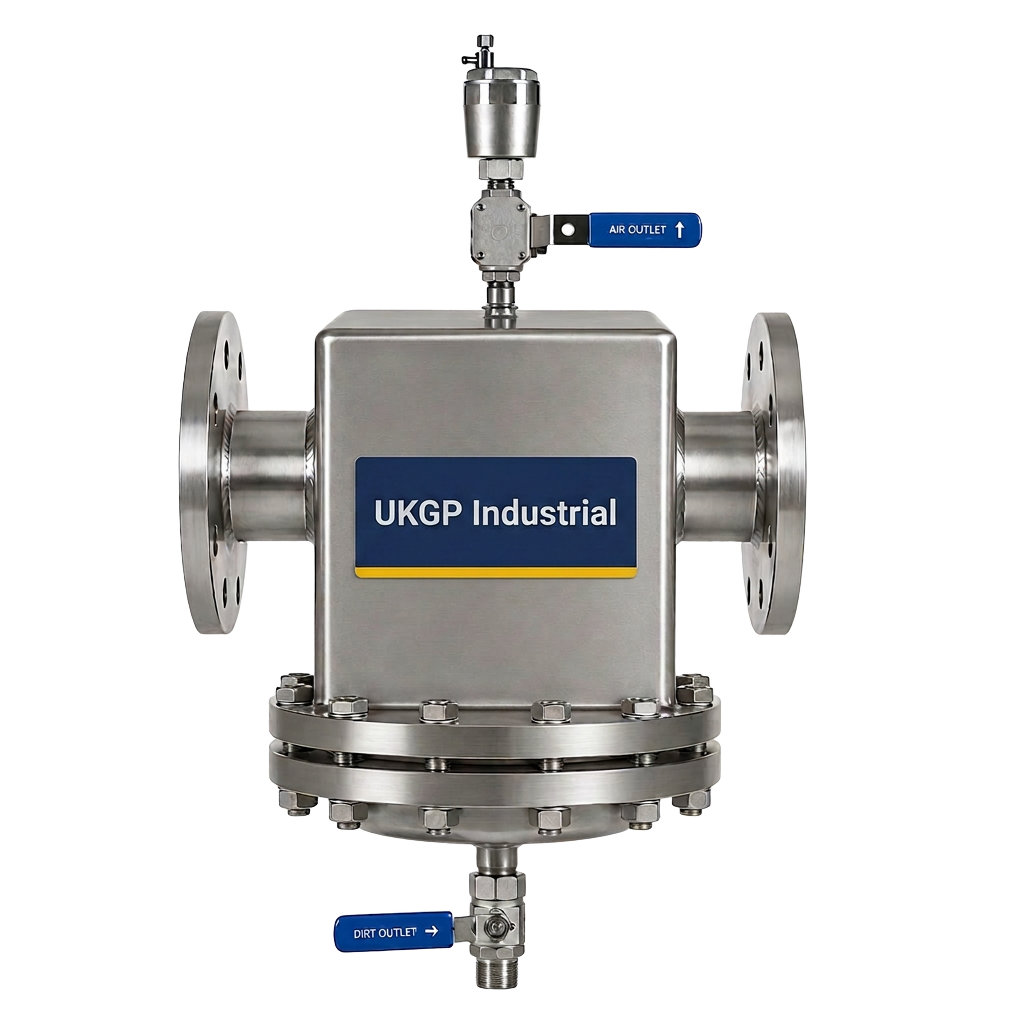
Furthermore, the accumulation of magnetite—a common byproduct of corrosion in UK heating systems—can create dense blockages that are difficult to remove with chemicals alone. This sludge settles in the bottom of the plate pack where velocities are lowest, effectively bypassing sections of the heat exchanger and reducing its capacity. For these reasons, the plate heat exchanger cleaning process must be thorough and include a review of the system's filtration strategy. By introducing air and dirt separators, many of these particulates can be captured before they ever reach the heat exchanger, simplifying the future cleaning process and maintaining higher operational efficiency throughout the winter months.
- Identification of internal pin-holing and cross-contamination risks
- Dealing with brittle, heat-damaged gaskets that require careful removal
- Removal of dense magnetite sludge that evades standard chemical flushes
- Ensuring the integrity of plate grooves for perfect seal seating
- Coordinating downtime with building users to minimise operational impact
The Role of Water Quality Standards: BS 8552 & BG 29
Compliance with British Standards such as BS 8552 and BSRIA guides like BG 29 (Pre-commission cleaning) and BG 50 (Water treatment for closed heating and cooling systems) provides the blueprint for preventing the need for excessive plate heat exchanger cleaning. These documents emphasize the importance of maintaining specific water chemistry parameters to prevent the very scaling and corrosion that foul heat exchangers. For instance, monitoring iron and copper levels in the system water can give early warning signs of corrosion. If these levels are high, it is a clear indicator that the heat exchanger is acting as a filter for the system, capturing debris that should have been removed by other means.
By adhering to these standards, FMs can move from reactive plate heat exchanger cleaning to a more planned, condition-based maintenance approach. BG 50 specifically highlights the use of side stream filtration as a best-practice method for maintaining water clarity. When a system is designed and maintained to these specifications, the plates remain clean for much longer, and the heat transfer efficiency remains close to the design specification. This not only saves money on maintenance but also aligns the building with modern ESG goals by reducing the energy waste associated with fouled thermal interfaces and ensuring the longevity of the plant room assets.
UKGP Industrial provides the hardware necessary to meet these rigorous standards. From chemical dosing pots that allow for the easy introduction of inhibitors to our DN50 to DN100 side stream filtration units, we support engineers in fulfilling their obligations under BS 8552. When you consider that a professional plate heat exchanger cleaning is often required because the primary water quality has drifted outside of the recommended limits, the value of robust filtration becomes undeniable. A well-maintained system where water quality is a priority is a system where the heat exchanger operates reliably for decades rather than years, protecting the infrastructure of the UK's most critical commercial assets.
- BS 8552 provides the framework for sampling and monitoring water
- BSRIA BG 50 highlights side stream filtration as a key maintenance tool
- Limits scaling by maintaining correct chemical inhibitor concentrations
- Condition-based maintenance reduces the frequency of manual cleaning
- Supports environmental sustainability by optimising heat transfer efficiency
Integrating Filtration to Minimise Cleaning Frequency
The ultimate goal for any plant room engineer should be to extend the intervals between plate heat exchanger cleaning as long as possible without sacrificing efficiency. The most effective way to achieve this is via 'polishing' the water through a side stream filter. Unlike full-flow filters, which can create significant pressure drops, a side stream unit continuously filters a percentage of the total flow, effectively removing all suspended solids over time. This ensures that the water passing through the narrow channels of the heat exchanger is as clean as possible, preventing the siltation and magnetite accumulation that usually necessitates a manual clean.
UKGP Industrial's side stream filtration skids are engineered specifically for the demands of UK commercial systems. Starting from £6,800+VAT, these units are a robust alternative to frequent manual plate heat exchanger cleaning. Made to order with a standard 6-8 week lead time, they are integrated into the system using DN50 to DN100 connections. With a 2-year warranty, they provide peace of mind to contractors and facility managers who are tired of dealing with the fallout of poor water quality. By capturing particles down to 5 microns, these skids keep the stainless steel surfaces of your heat exchangers gleaming and functioning at peak thermal capacity.
In conclusion, while plate heat exchanger cleaning is an essential maintenance task, it should be part of a broader strategy that includes high-quality filtration and chemical treatment. At UKGP Industrial, we provide the technical expertise and the hardware—including plate heat exchangers and side stream filtration skids—to ensure your building's HVAC system is efficient, compliant, and cost-effective. Request a quote today for our Surrey-made skids or our high-performance heat exchangers to upgrade your system's resilience. Investing in the right protection today prevents the heavy costs of emergency repairs and excessive energy bills tomorrow, ensuring your plant room remains a model of engineering excellence.
- Continuous side stream 'polishing' removes solids that foul plates
- Reduces the frequency and intensity of manual cleaning schedules
- UKGP skids (DN50-DN100) are made to order with a 2-year warranty
- Protects the system's thermal efficiency and secondary circuit pumps
- Provides a verifiable ROI by lowering labour and energy expenditure
Frequently asked questions
How often should commercial plate heat exchanger cleaning be performed?
- Based on BSRIA BG50 guidelines, an annual inspection is recommended. However, the actual frequency of plate heat exchanger cleaning depends on water quality; systems with high-quality side stream filtration may only require cleaning every 3-5 years, while poorly treated systems may need it annually.
What is the typical lead time for replacement plates or gaskets?
- Standard gaskets and plates are often available within 1-2 weeks, but for bespoke or older units, lead times can extend. UKGP Industrial suggests planning your plate heat exchanger cleaning 6-8 weeks in advance to ensure all necessary consumables are on-site before disassembly.
Can I use any chemical for plate heat exchanger cleaning?
- No, the chemicals must be compatible with the plate material (usually 316 stainless steel or titanium) and the gasket elastomer (EPDM/Nitrile). Using the wrong acid can cause rapid corrosion, leading to pin-holing and total equipment failure.
Is a CIP (Clean-In-Place) better than manual cleaning?
- CIP is less invasive and faster, but it cannot remove heavy magnetite sludge or allow for gasket inspection. For a comprehensive plate heat exchanger cleaning that meets commercial safety and efficiency standards, manual disassembly is the gold standard for gasketed units.
How much does a new side stream filtration skid cost to prevent fouling?
- UKGP Industrial's side stream filtration skids start from £6,800+VAT. These units are made to order in 6-8 weeks and are a vital investment for reducing the long-term frequency and cost of plate heat exchanger cleaning.