Fundamental Selection Criteria for UK Plant Rooms
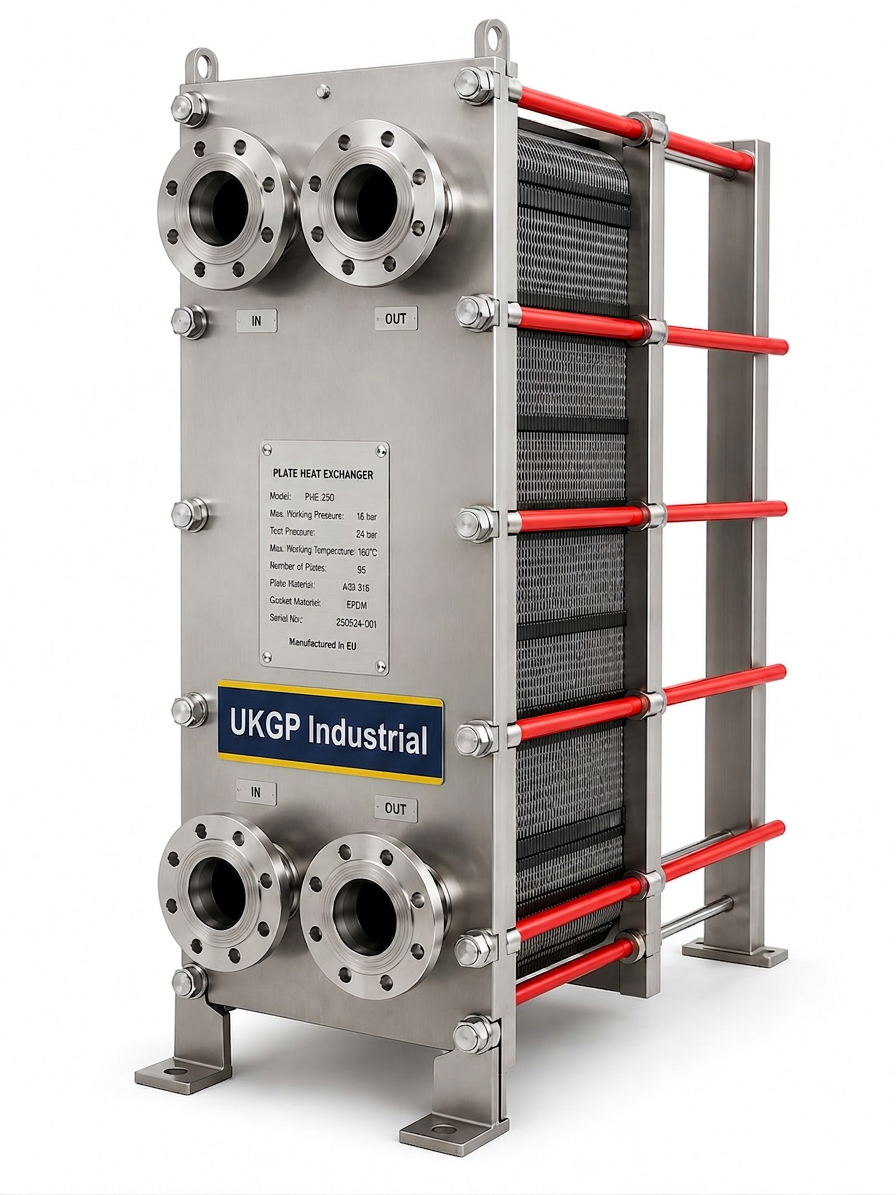
The primary advantage of a Plate Heat Exchanger (PHE) in UK commercial plant rooms is its high heat transfer coefficient, achieved through corrugated plate designs that induce turbulent flow even at low velocities. When specifying for public sector or large-scale commercial developments, the decision typically begins with the choice between Gasketed Plate Heat Exchangers (GPHE) and Brazed Plate Heat Exchangers (BPHE). BPHEs are common in smaller commercial boilers and heat pumps, whereas GPHEs are the industry standard for substation interfaces and high-duty cooling.
Sizing is governed by the Log Mean Temperature Difference (LMTD) and the required 'approach' temperature. In UK district heating schemes, such as those compliant with CIBSE CP1 (2020), narrow approach temperatures (as low as 2-5°C) are often necessary to allow for low return temperatures, which increase network efficiency. However, a narrower approach requires more surface area, increasing the physical size and cost of the unit. Balancing these capital costs against the operational savings of a low-return system is a key engineering trade-off.
Materials must be selected based on the fluid properties and local water chemistry. In most UK HVAC applications, AISI 316 stainless steel plates are the standard. However, in aggressive environments or where high chloride levels exist—common in coastal areas or industrial processes—316 may suffer from pitting corrosion. In such cases, Titanium or higher-grade alloys like SMO 254 must be specified to prevent premature failure. Duty engineers should consult local water analysis reports before finalizing the bill of quantities.
- High thermal efficiency due to counter-current flow and high turbulence.
- Compact footprint compared to traditional shell-and-tube or calorifiers.
- Gasketed units offer scalability—plates can be added or removed as loads change.
- Low holdup volume, providing faster response times for DHW demands.
Materials, Gaskets and Construction Standards
UK building services must adhere to the Pressure Equipment Directive (PED) and the subsequent UKCA marking requirements. Gasketed PHEs consist of a plate pack compressed between a fixed 'head' and a movable 'follower' plate using tightening bolts. The frame thickness is determined by the design pressure, typically rated in PN10, PN16, or PN25 for UK installations. For high-rise developments in London or Manchester, where static heads are significant, PN25 ratings are increasingly common.
Gaskets are typically of the 'glued' or 'clip-on' variety. Clip-on designs are preferred for modern UK maintenance regimes as they allow for rapid on-site replacement without the need for toxic adhesives or long curing times. EPDM is the standard gasket material for LTHW (Low Temperature Hot Water) and chilled water systems. For steam-to-water applications, specialized high-temperature EPDM or steam-grade Viton may be required to prevent hardening and subsequent leaks.
Plate corrugations, often referred to as the 'chevron' pattern, come in different angles. A 'high-theta' plate has a steeper angle, creating more turbulence and higher heat transfer but results in a higher pressure drop. Conversely, a 'low-theta' plate offers less resistance but requires more surface area. Hybrid packs, using a mix of both plate types, are frequently used to optimize the balance between heat transfer efficiency and available pump head.
- AISI 316 Stainless Steel: The default for UK heating and cooling.
- Titanium: Required for sea water or high-chloride process fluids.
- EPDM Gaskets: Ideal for water-to-water heating and cooling up to 150°C.
- Nitrile (NBR): Used for oil-coolers or oily water interfaces.
Frequently asked questions
How do I choose between high-theta and low-theta plates?
- Efficiency is dictated by the NTU (Number of Transfer Units). A high-NTU plate has a long, narrow chevron pattern for close temperature approaches, while a low-NTU plate has a wide pattern for low pressure drop applications. Professional sizing software balances these to meet the specific ΔT of the system.
What water quality standards must be met to protect plate heat exchangers?
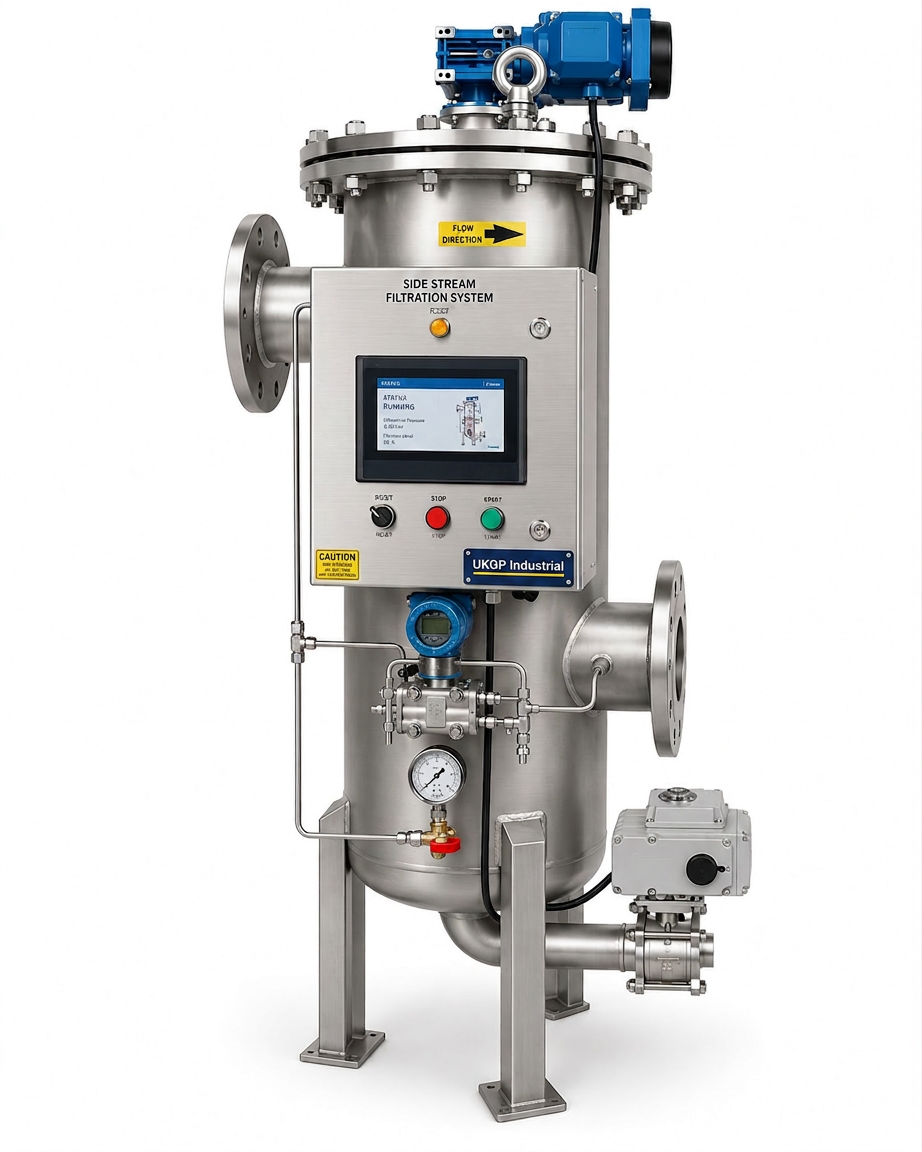
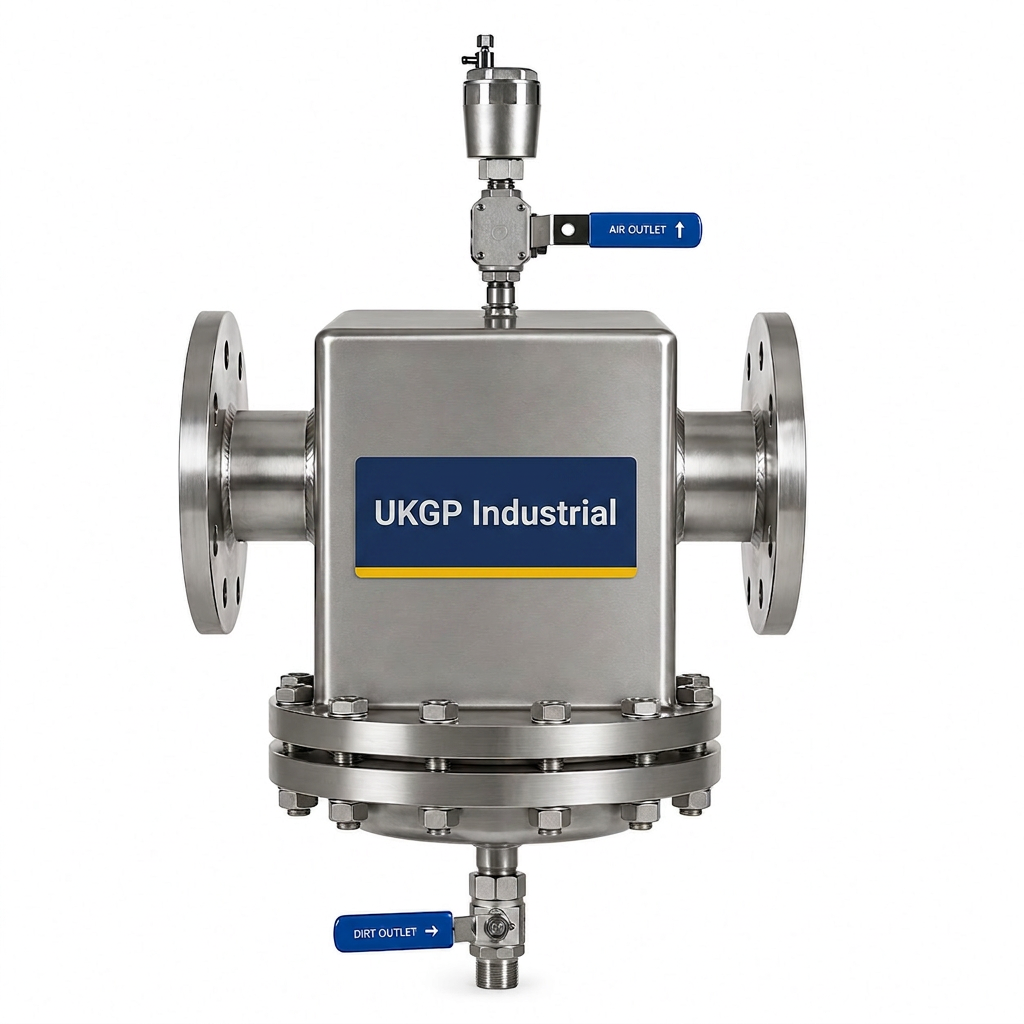
- BSRIA BG29/21 and BG50 are the primary standards. For PHEs, maintaining low suspended solids is critical to prevent channel blockages. If the secondary loop is dirty, a side-stream filter should be installed to protect the narrow plate gaps.
What is the maximum operating temperature for a gasketed PHE?
- Standard EPDM gaskets are typically rated up to 150°C. For higher temperature applications or steam-to-water duties, Nitrile (for oils) or Viton/FKM (for high-temperature chemicals) may be required. Always verify the PT diagram provided by the manufacturer.
Why is pressure drop so critical in PHE selection?
- Pressure drop (ΔP) is usually limited to 20-50 kPa in commercial HVAC. While a higher ΔP allows for a smaller, cheaper heat exchanger due to increased turbulence, it significantly increases life-cycle pumping costs and may exceed the available pump head.
When should I specify a brazed PHE over a gasketed unit?
- Brazed units are more compact and can handle higher pressures (up to 40+ bar) but cannot be opened for cleaning. Gasketed units are larger and limited by gasket pressure ratings but allow for capacity expansion and mechanical cleaning of the plates.