Identifying symptoms of a plate heat exchanger blocked condition
In a commercial plant room, the first indication of a plate heat exchanger blocked by debris is often a significant increase in differential pressure across the primary or secondary ports. System monitors may show that while the pumps are operating at a higher frequency, the flow rates are stagnating or dropping below the designed threshold. This physical resistance suggests that the narrow channels between the corrugations of the plates are becoming constricted by circulating particulates. Engineers should immediately cross-reference these pressure readings with the original design specifications to confirm if the deviation exceeds standard tolerances for the specific heat duty required for the building load.
Thermal performance degradation is the second major red flag that suggests a plate heat exchanger blocked internally. When the effective surface area of the plates is covered by insulating layers of scale or sludge, the approach temperature—the difference between the primary inlet and the secondary outlet—widens significantly. Facility managers may receive complaints about inadequate domestic hot water temperatures or failing space heating in specific zones. If the system is struggling to reach the temperature setpoint despite the boiler or chiller operating at full capacity, the interfacial heat transfer is likely compromised. It is vital to act quickly to avoid excessive energy consumption and potential pump cavitation stemming from the increased head pressure.
Advanced diagnostics involving ultrasonic flow meters or thermal imaging can provide a non-invasive look at the internal state of the unit. A thermal image might reveal cold spots or uneven heat distribution across the plate pack, which is a classic symptom of a plate heat exchanger blocked in specific channels while others remain open. This uneven flow, often termed 'channelling', puts additional thermal stress on the gasket materials and can lead to premature failure. Building services consultants recommend a systematic review of the BMS data logs to pinpoint exactly when the performance began to taper, helping to distinguish between sudden debris ingress and the gradual build-up of calcium carbonate or microbiological growth.
- Rapid increase in differential pressure (dP) across the heat exchanger.
- Failure to achieve design secondary outlet temperatures.
- Audible whistling or increased pump noise due to high flow resistance.
- Uneven temperature patches visible via thermal imaging across the plate frame.
- Sudden drop in flow rates despite pump speed remaining constant.
Common causes of blockage in HVAC plate heat exchangers
The primary culprit in most UK commercial systems is magnetite (black iron oxide) which originates from the corrosion of mild steel pipework. If the water treatment regime does not strictly follow BSRIA BG29 pre-commissioning cleaning or BG50 maintenance standards, these heavy particles settle in the low-velocity areas of the plate heat exchanger. Since many exchangers use high-theta plates with tight chevron patterns to maximise efficiency, they unfortunately act as highly effective filters for any suspended solids. Once a small amount of magnetite settles, it creates a nucleation site for further debris, leading to a plate heat exchanger blocked situation that requires physical intervention to clear rather than simple chemical flushing.
Limescale is another frequent offender, particularly in hard water areas like Surrey and London. When hard water is heated, calcium and magnesium salts precipitate out of the solution and bond to the hot metal surfaces of the plates. This mineral scaling is particularly problematic in gasketed plate heat exchangers used for domestic hot water (DHW) generation, where temperatures are frequently high enough to accelerate precipitation. A plate heat exchanger blocked by scale not only restricts hydraulic flow but also creates a significant thermal barrier, forcing the primary heat source to work harder. Without adequate softened water and high-quality chemical dosing, these mineral deposits can become almost impossible to remove without caustic cleaning agents.
Biological fouling and debris from cooling towers can also enter the primary loop if filtration systems are inadequate. Biofilms create a sticky matrix that traps other particles, rapidly leading to a plate heat exchanger blocked by a thick, insulating sludge. In systems where glycol is used, degraded fluid can also form 'glycol balls' or acidic by-products that contribute to the blockage and corrode the 316L stainless steel plates. Understanding the specific chemistry of the blockage is essential for choosing the right recovery method. We recommend checking the system's chemical dosing pot logs and recent water analysis reports to identify if the current water treatment strategy has deviated from BS 8552 guidelines.
- Magnetite and suspended solids from un-flushed system pipework.
- Calcium carbonate scaling in hard water areas without softening.
- Microbiological growth and biofilm accumulation in low-temperature loops.
- Construction debris such as solder, PTFE tape, or weld slag.
- Degraded glycol or chemical residues from improper dosing.
Remediation strategies for a plate heat exchanger blocked by debris
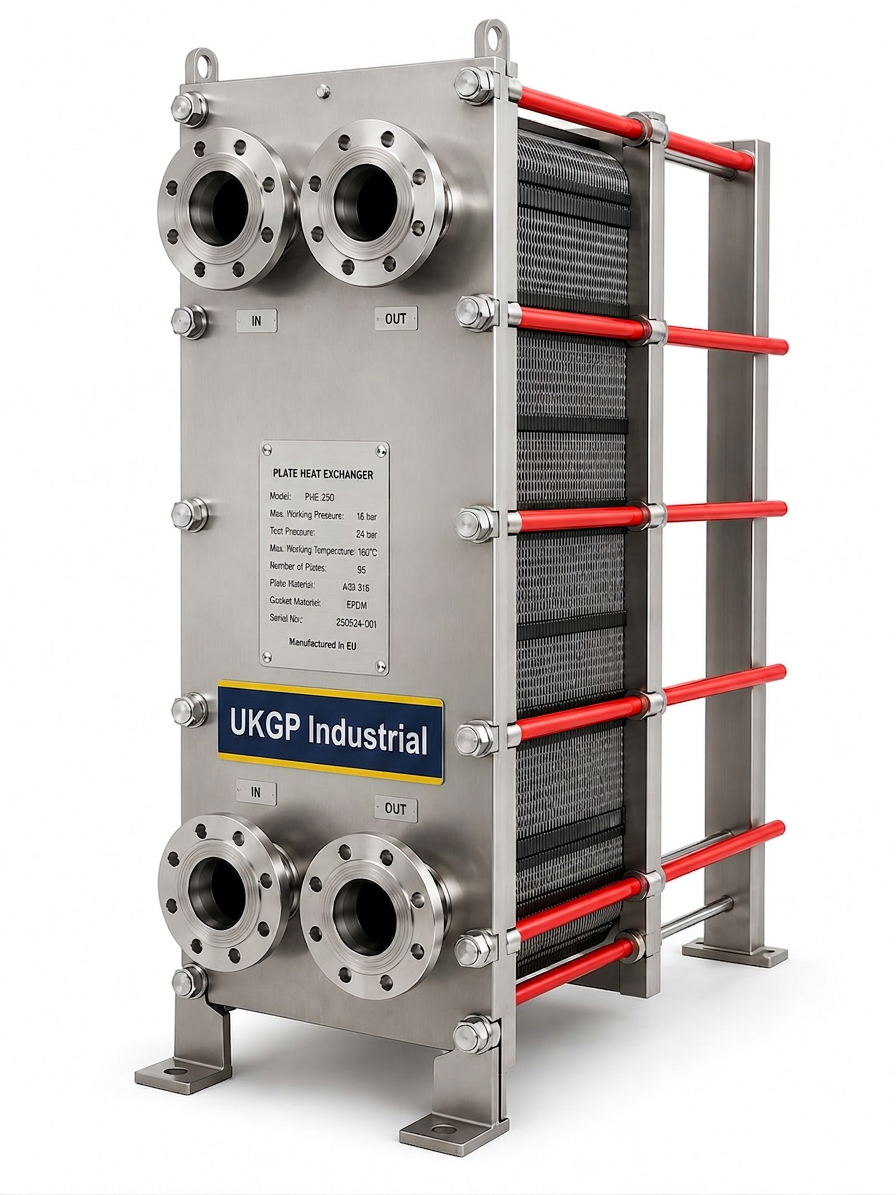
When faced with a plate heat exchanger blocked by significant debris, the first step is often a high-velocity chemical flush using acidic or alkaline cleaners, depending on the nature of the deposit. For gasketed units, we recommend a 'Clean-in-Place' (CIP) procedure. This involves circulating a cleaning solution through the unit in the reverse direction of the normal flow, helping to dislodge and dissolve the particles. However, if the blockage is severe, a CIP may not be sufficient. In such cases, the unit must be mechanically cleaned. For UKGP gasketed plate heat exchangers, this involves loosening the tie bolts, sliding back the pressure plate, and manually cleaning each plate with a soft brush and high-pressure water, ensuring the gaskets remain seated correctly.
Manual cleaning offers the most thorough results but requires downtime and new gasket sets if the existing ones are brittle or aged. When reassembling a gasketed unit, it is critical to follow the tightening sequence and dimension (the 'A' dimension) specified in the UKGP technical manual to prevent leaks and ensure an even seal. If you are dealing with a brazed plate heat exchanger blocked by scale, mechanical cleaning is not an option as the unit is a sealed vessel. In these instances, a chemical soak or back-flushing with a circulating pump is the only path forward. If the brazed unit remains blocked after chemical treatment, it likely requires a full replacement to restore system performance.
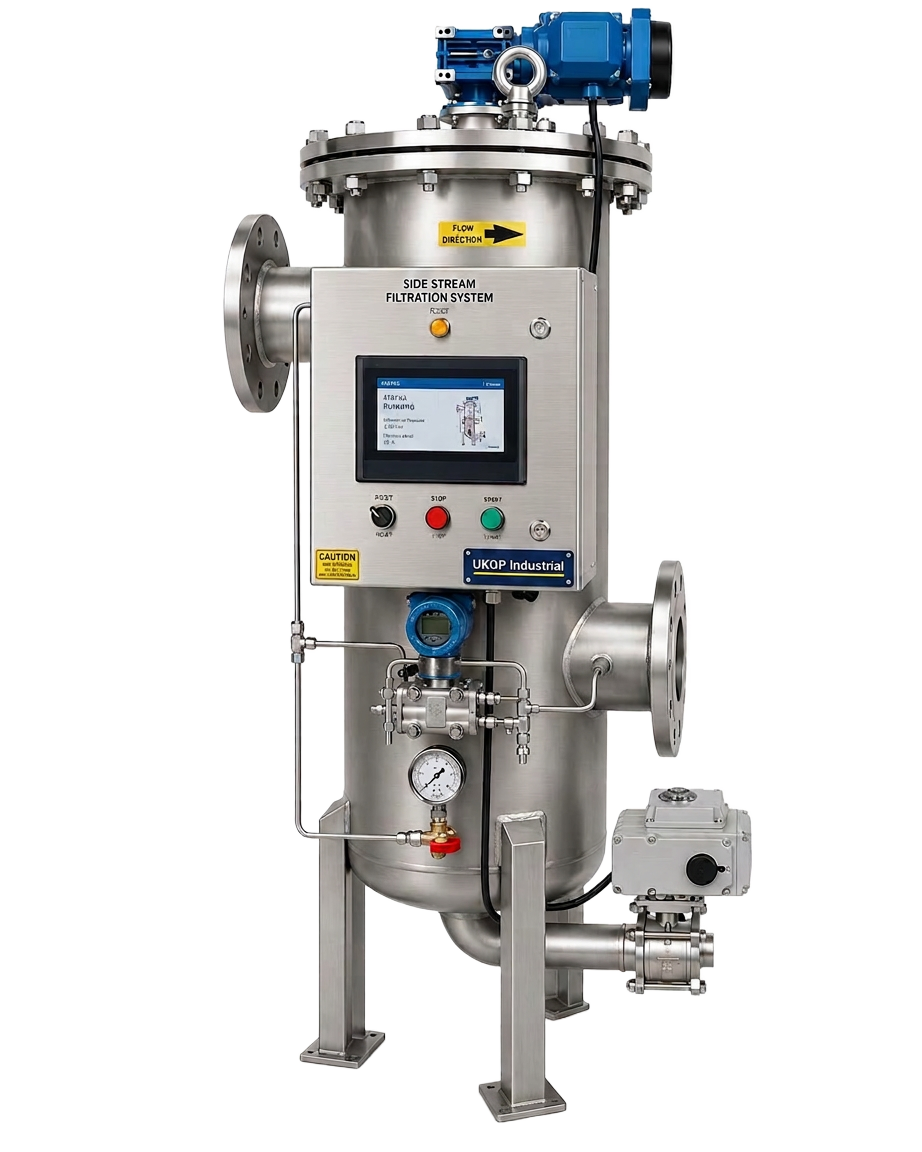
To ensure a long-term fix, the root cause of the contamination must be addressed alongside the cleaning. If the heat exchanger was blocked due to system-wide debris, installing or upgrading side stream filtration is non-negotiable. Merely cleaning the plates without improving the water quality will lead to a reoccurrence of the plate heat exchanger blocked status within months. M&E contractors should consult with a specialist supplier like UKGP to ensure that the replacement or refurbished unit is protected by modern air and dirt separators and that the water chemistry is stabilised according to BSRIA BG50 standards to protect the 2-year warranty and capital investment.
- Reverse-flow chemical flushing (CIP) for minor mineral scaling.
- Manual plate-by-plate cleaning for heavily fouled gasketed units.
- Replacement of brazed units if chemical soaking fails to restore flow.
- Verification of the 'A' dimension during reassembly of gasketed frames.
- Installation of high-efficiency side stream filtration to prevent re-fouling.
Optimising system design to prevent future blockages
Preventing a plate heat exchanger blocked from impacting your facility starts during the design and procurement phase. Building services consultants should specify units with slightly wider plate gaps if the fluid quality is known to be marginal, though this must be balanced against heat transfer efficiency. More importantly, the inclusion of a high-quality side stream filtration system is the best defence against magnetite and other suspended solids. By continuously filtering a portion of the system volume, you ensure that the water remains clear of the microscopic particles that typically settle in the tight channels of the heat exchanger plates. This proactive approach significantly extends the intervals between necessary maintenance and reduces the risk of emergency shutdowns.
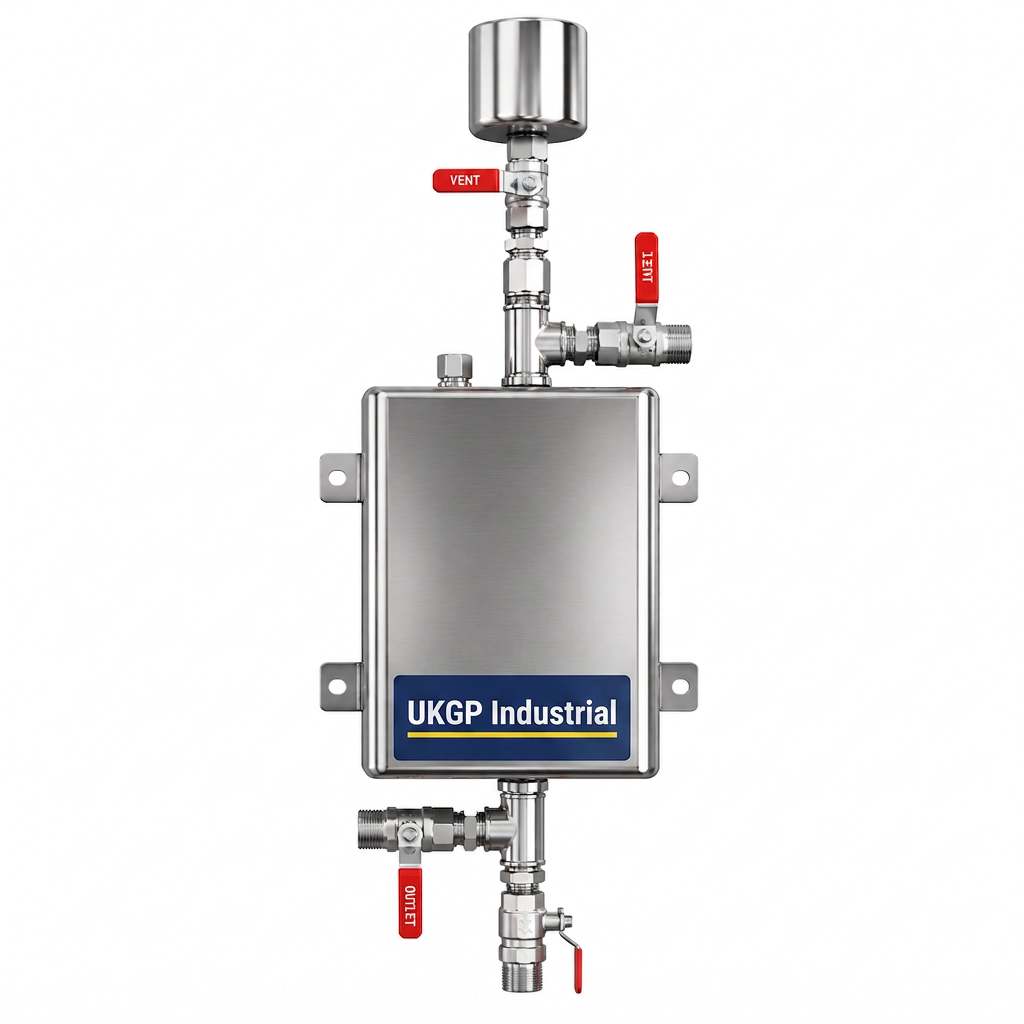
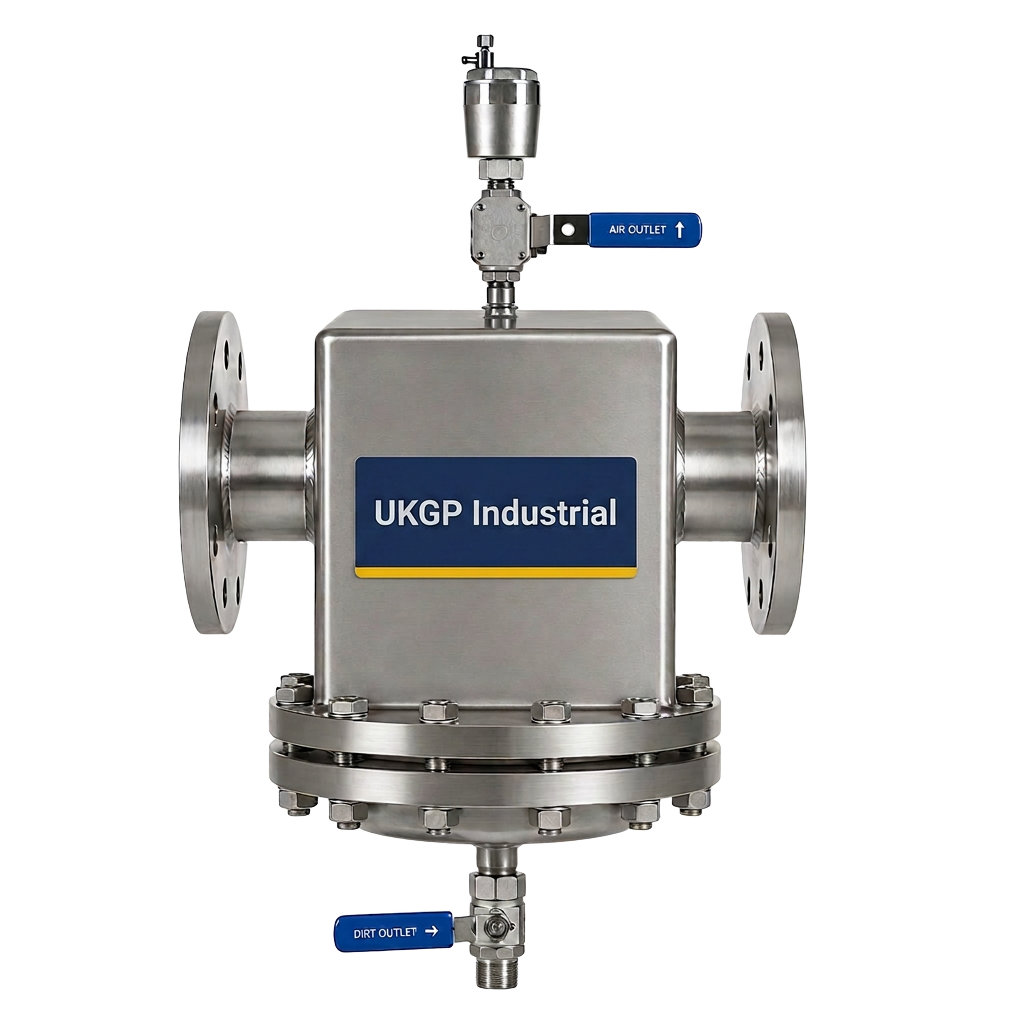
Air and dirt separators should be installed on the main flow and return lines to catch larger debris before it enters the heat exchanger. These units utilise internal coalescing media to slow the fluid and allow bubbles to rise and particles to fall into a collection chamber. For larger commercial projects, pairing these with a magnetic filter provides the ultimate protection against the fine black iron oxide that is the leading cause of a plate heat exchanger blocked in the UK. Furthermore, ensuring that the system is properly pressurised with correctly sized expansion bellows and pressurisation units prevents the ingress of oxygen, which is the primary driver of the corrosion processes that create debris in the first place.
Regular monitoring is the final piece of the prevention puzzle. Implementing a schedule for pressure drop checks and water chemistry analysis ensures that any deviation from the norm is caught early. We recommend that FM teams keep a set of spare gaskets on-site for their UKGP gasketed units to ensure that if a plate heat exchanger blocked situation does occur, it can be resolved during a single maintenance window. Our gasketed and brazed units, ranging from DN20 to DN300, are designed for ease of maintenance and long-term reliability. When sized from a full thermal spec by our Surrey team, these units offer the robust performance required for modern M&E applications, backed by our 2-year warranty and 4-6 week lead times.
- Inclusion of magnetic side stream filtration to remove fine magnetite.
- Correct sizing of air and dirt separators on primary and secondary loops.
- Regular BS 8552 water quality testing and chemical dosing adjustments.
- Use of expansion bellows to maintain system integrity and oxygen exclusion.
- On-site stock of spare gaskets for rapid response to fouling issues.
When to consider a full heat exchanger replacement
There are scenarios where a plate heat exchanger blocked by debris is beyond economical or technical repair. This is most common with brazed plate units where the internal passages are so constricted that chemicals cannot penetrate the core of the blockage. Attempting to force flow through a severely blocked unit can lead to internal plate deformation or even a breach between the two fluid paths, leading to cross-contamination. If a brazed unit has been chemically cleaned twice without a return to at least 90% of design flow, it is time to request a quote for a replacement. UKGP can size a new unit based on your original thermal specifications to ensure a seamless drop-in replacement with minimal pipework modification.
For gasketed units, replacement is usually indicated if the plates themselves are pitted, eroded, or warped. A plate heat exchanger blocked by hard scale often requires aggressive descaling chemicals that can sometimes attack the protective chromium oxide layer of the stainless steel. If inspection reveals significant 'pitting' corrosion, the structural integrity of the plates is compromised, and they may leak under pressure. In this case, replacing the entire plate pack is often nearly as expensive as a new unit. Replacing the whole assembly at this stage allows you to move to a more efficient plate geometry and benefit from our 2-year warranty, ensuring the plant room remains operational for another 15 to 20 years without further issues.
When procuring a replacement, it is crucial to work with a supplier that understands the specific pressures of the UK market. At UKGP, we provide both gasketed and brazed versions in sizes from DN20-DN300, tailored to your full thermal spec. With a lead time of 4-6 weeks, we can help you recover from a plate heat exchanger blocked failure relatively quickly compared to standard industry waits. By upgrading to a modern UKGP unit, you also gain the peace of mind that comes with a robust design engineered to withstand the rigours of commercial HVAC applications. Don't let a failing, blocked unit compromise your building's energy efficiency; proactive replacement is often the most commercially sound decision for long-term facility management.
- Brazed units that fail to respond to multiple chemical cleaning attempts.
- Internal plate deformation due to excessive differential pressure.
- Evidence of cross-contamination between primary and secondary fluids.
- Extensive pitting or corrosion discovered during mechanical cleaning.
- Plate packs that require more than 30% of plates to be replaced.
Maintenance best practices for Surrey & London plant rooms
In the densely populated areas of Surrey and London, plant rooms are often located in basements with restricted access, making the servicing of a plate heat exchanger blocked by debris a logistical challenge. We advocate for a 'prevention over cure' mindset, where annual inspections include a check of the strainer screens and a verification of the differential pressure against commissioning data. Maintaining a clear logbook of these readings allows engineers to trend the performance and plan a cleaning intervention during a scheduled shutdown, rather than reacting to a total loss of heat during the peak of winter. This planned approach reduces labour costs and minimises the disruption to building occupants.
Furthermore, ensuring that the water treatment specialist is collaborating with the M&E contractor is vital. Often, the chemical dosing levels are correct, but the physical removal of solids is neglected. If your side stream filtration unit is not being cleaned out regularly, the debris it catches simply recirculates, eventually leading to a plate heat exchanger blocked condition. By integrating the heat exchanger maintenance into the wider BSRIA BG50 compliance strategy, you ensure that every component of the system—from the dosing pots to the expansion bellows—is working in harmony to protect the most sensitive parts of the circuit, which are almost always the heat exchangers.
Finally, remember that the quality of the original equipment plays a major role in how easily it can be maintained. UKGP's range of gasketed heat exchangers is designed with the service engineer in mind, featuring clear markings and high-grade gaskets that withstand multiple openings. Whether you are dealing with a DN20 or a DN300 size, the principles remain the same. If you are struggling with a persistent plate heat exchanger blocked issue, our technical team is available to review your thermal specs and provide a robust solution. With a 2-year warranty and expert UK-based support, we are the preferred partner for M&E contractors and procurement leads looking for reliability and performance in their thermal transfer solutions.
- Log differential pressure monthly to track gradual clogging trends.
- Clean all strainers and side stream filter bags every 3 to 6 months.
- Perform an annual 'deep dive' review of water treatment logs and glycol health.
- Ensure clear access space around the heat exchanger for plate removal.
- Train on-site staff to recognise the early thermal signs of a blockage.
Frequently asked questions
What are the first signs of a plate heat exchanger blocked by debris?
- The primary indicators are an increase in differential pressure across the unit and a decrease in heat transfer efficiency, often resulting in lower secondary outlet temperatures than specified.
Can a brazed plate heat exchanger be cleaned if it is blocked?
- Yes, but only via chemical circulation or back-flushing (CIP). Unlike gasketed units, they cannot be opened for manual cleaning, so if chemical treatment fails, the unit must be replaced.
How often should I clean my gasketed plate heat exchanger?
- This depends on water quality. In systems following BSRIA BG50 with effective side stream filtration, cleaning may only be needed every 3-5 years. In poor water conditions, it may be annual.
Does a blocked heat exchanger affect pump life?
- Yes, a plate heat exchanger blocked by debris increases system resistance, forcing pumps to operate further up their curve, which can lead to overheating, increased energy use, and potential cavitation.
What is the lead time for a replacement UKGP plate heat exchanger?
- Our standard lead time for bespoke gasketed and brazed plate heat exchangers, sized to your specific thermal requirements, is typically 4-6 weeks.