Thermal Sizing and the Plate and Frame Heat Exchanger
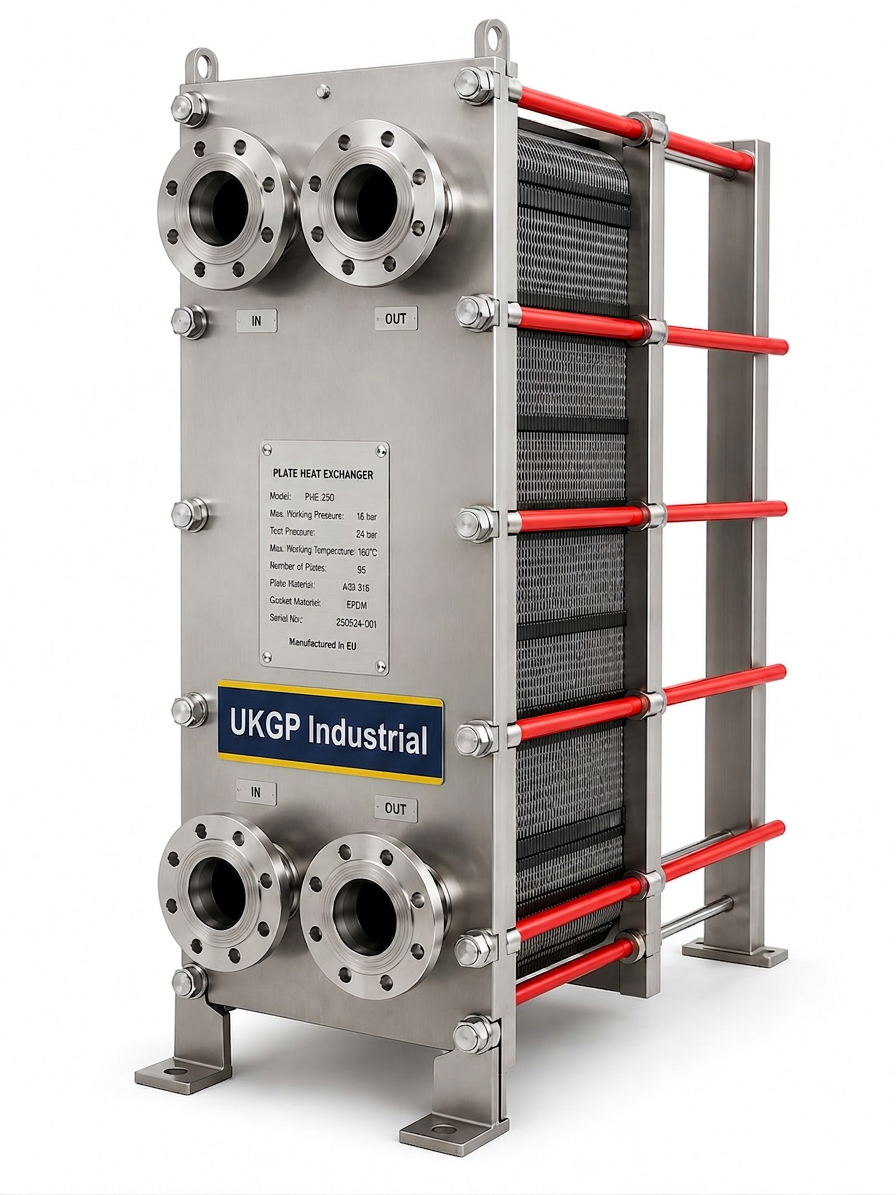
In the UK building services sector, the selection of a plate and frame heat exchanger is rarely a simple off-the-shelf exercise; it requires a deep dive into the specific thermal duties of the plant room. A correctly specified unit must balance the heat transfer coefficient against the allowable pressure drop to ensure circulation pumps are not over-worked. When engineers overlook the logarithmic mean temperature difference (LMTD), they often end up with over-sized equipment that leads to turbulent flow issues or under-sized units that fail to meet peak winter demand. Our UKGP technical team prioritises these calculations, ensuring every unit is sized from a full thermal specification provided by the consultant or contractor.
Precision in specification is particularly vital when dealing with low-temperature hot water (LTHW) systems or heat pump integrations where temperature differentials are narrow. A plate and frame heat exchanger facilitates high-efficiency energy transfer due to the corrugated plate design, which induces turbulence even at lower flow velocities. This turbulence is key to preventing the buildup of bio-films and mineral deposits, alignng with the maintenance best practices outlined in BSRIA BG50. By choosing the right plate geometry and material—typically 316 stainless steel for standard HVAC applications—specifiers can ensure the system operates within its design envelope for decades while maintaining low approach temperatures.
Commercial awareness is just as important as technical accuracy when procurement leads evaluate their options. A high-quality plate and frame heat exchanger from UKGP arrives with a 2-year warranty and is available in sizes ranging from DN20 to DN300, covering everything from small commercial branches to major district heating hubs. With a lead time of 4-6 weeks, M&E contractors can maintain tight project schedules without sacrificing quality. When you request a quote, our engineers work alongside you to verify that the secondary side temperatures meet the specific requirements of the heat emitters, whether they are underfloor heating manifolds or high-output fan coil units.
- Accurate LMTD calculation for precise thermal transfer
- Corrugated plate design to maximise turbulent flow
- Materials selection based on fluid chemistry and BSRIA BG50
- Compliance with UK building regulations Part L
Maintaining System Integrity with Side Stream Filtration
The longevity of any heat transfer surface is directly linked to the water quality circulating through it. Even the most robust plate and frame heat exchanger will suffer from reduced efficiency if the system water is contaminated with magnetite or suspended solids. CIBSE guidelines and BSRIA BG29 emphasize the importance of pre-commissioning cleaning and the ongoing maintenance of water chemistry. If debris is allowed to settle within the narrow channels of the plates, it creates stagnant zones that are prone to under-deposit corrosion. This not only diminishes the heat transfer rate but can eventually lead to plate perforation and cross-contamination between the primary and secondary circuits.
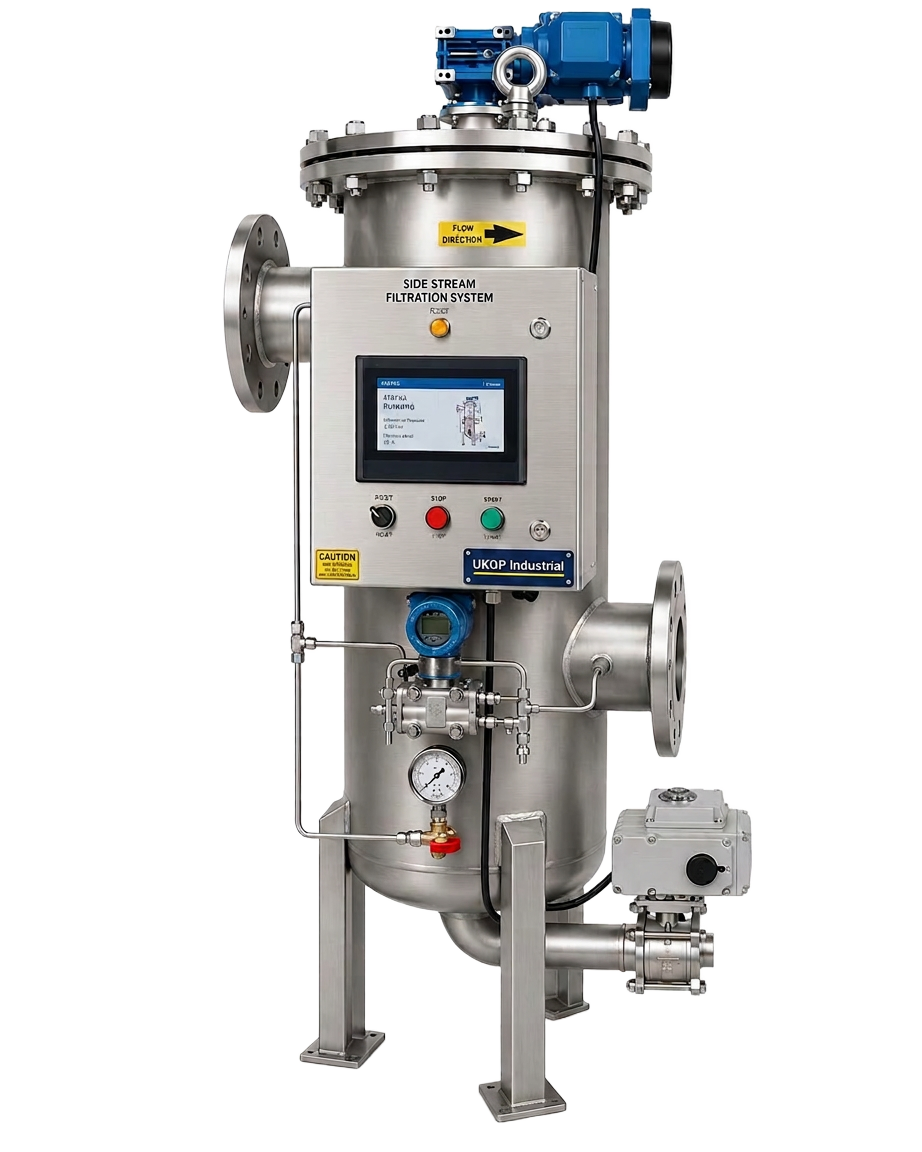
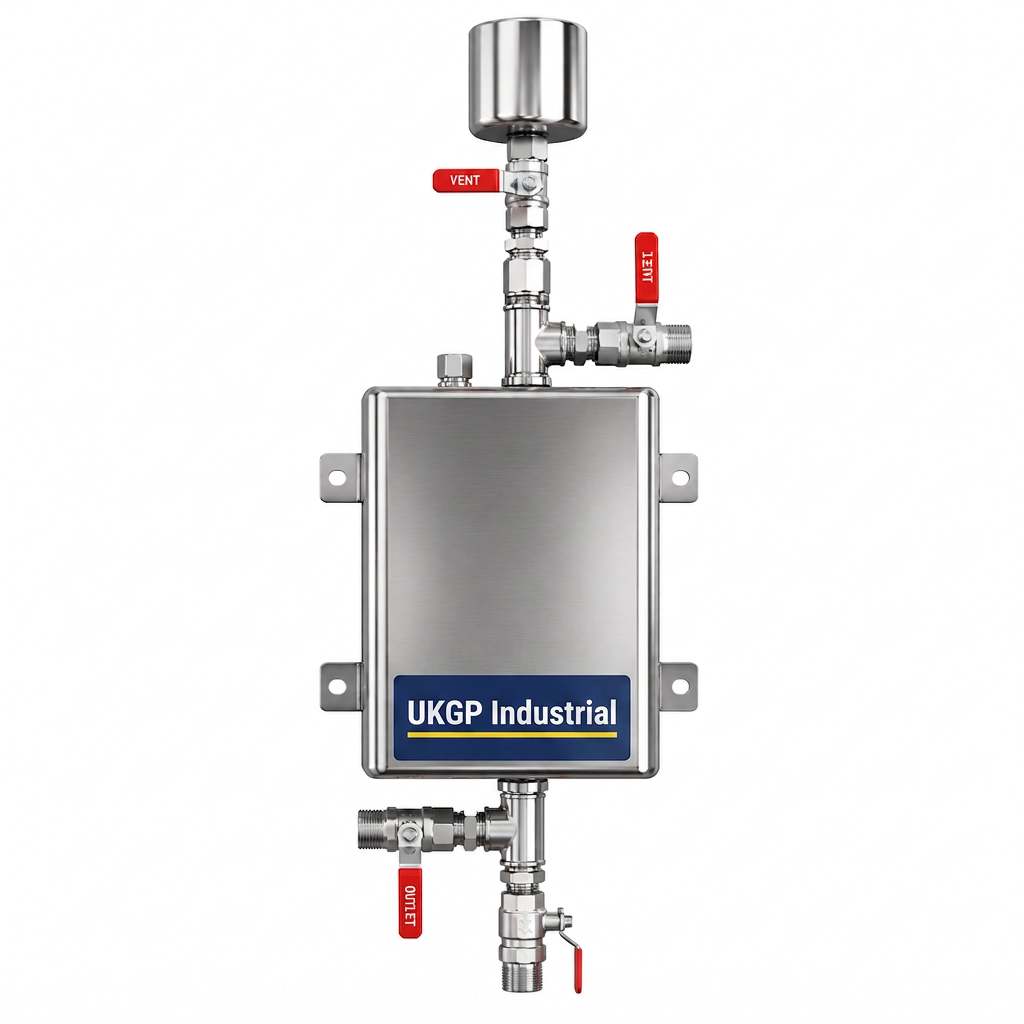
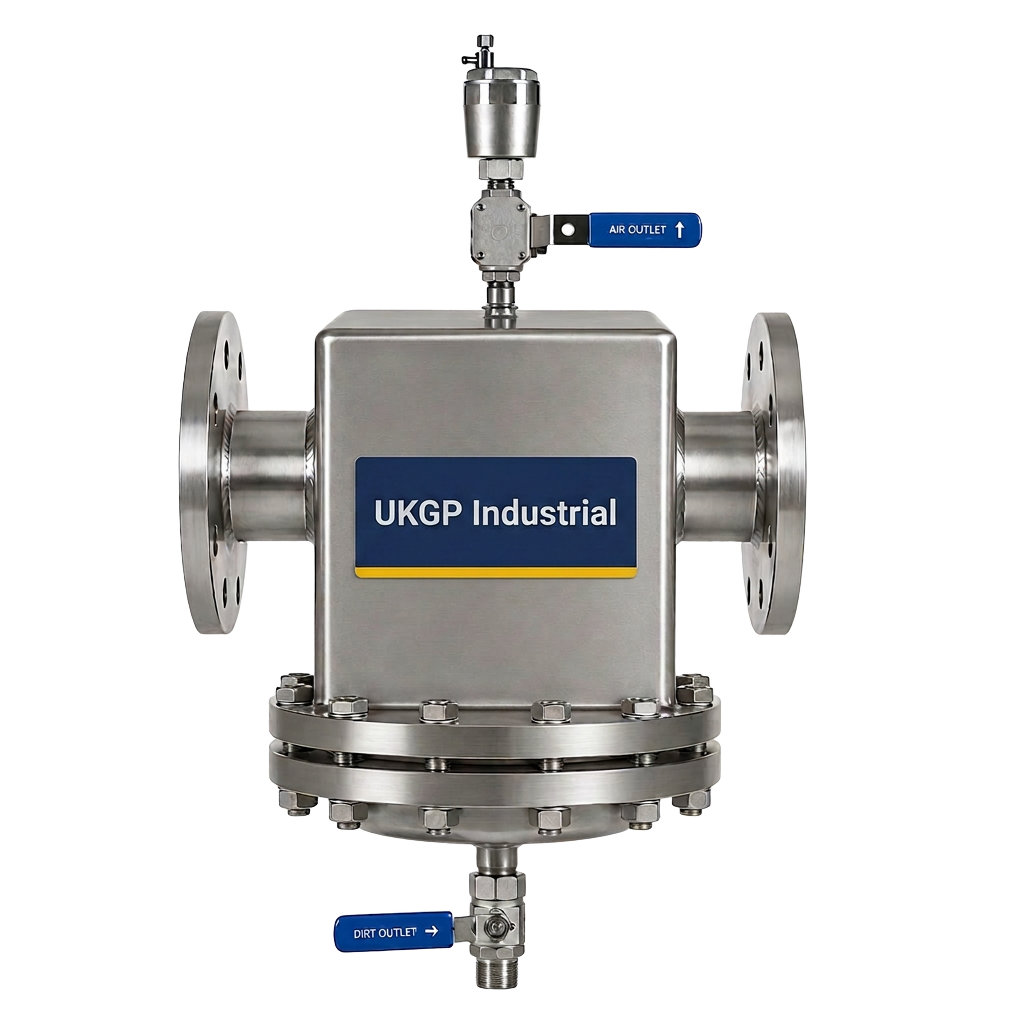
To mitigate these risks, UKGP recommends the installation of side stream filtration skids alongside our heat exchangers. These units continuously treat a portion of the circulating volume, removing microscopic particles that standard Y-strainers miss. By integrating a stainless steel side stream filter, you protect the investment made in your plate and frame heat exchanger and reduce the frequency of manual plate cleaning. This proactive approach to plant room maintenance is increasingly specified by facility managers who are looking to extend the mean time between failures (MTBF) for critical infrastructure. It is a cost-effective insurance policy against the hidden costs of system downtime and emergency repairs.
Furthermore, ensuring that the water remains within the correct pH range and conductivity levels is paramount. When a plate and frame heat exchanger is installed in a system with poor chemical dosing, the gaskets—whether EPDM or Nitrile—can degrade prematurely. This leads to leaks that damage the surrounding plant room environment and require a full teardown of the plate pack. By combining our high-performance heat exchangers with robust filtration and dosing solutions, UKGP provides a holistic thermal management strategy that meets the rigorous demands of modern UK commercial buildings, from London high-rises to regional hospital trusts.
- Removal of magnetite and non-magnetic debris
- Reduction in under-deposit corrosion risks
- Extension of plate pack service life
- Alignment with BSRIA BG29/BG50 water quality standards
Gasketed vs Brazed Plate Heat Exchanger Configurations
Navigating the choice between a gasketed and a brazed plate and frame heat exchanger is a critical decision for any project. Gasketed units offer the ultimate in flexibility, as they can be stripped down for cleaning or expanded with additional plates if the building's thermal load increases in the future. This makes them the preferred choice for large-scale applications where the fluid may contain higher levels of particulates or where the system cannot afford lengthy shutdowns. UKGP provides gasketed solutions in a wide range of connection sizes, ensuring that whether yours is a DN50 or a DN300 requirement, the unit can be maintained in-situ by an engineer with standard tools.
In contrast, brazed plate heat exchangers are compact, vacuum-sealed units that offer high pressure-temperature ratings but lack the ability to be opened for service. While they are excellent for smaller HVAC duties or as domestic hot water (DHW) generators, the traditional plate and frame heat exchanger (gasketed) remains the workhorse of industrial and large commercial heating. The ability to replace a single damaged plate or a set of aged gaskets is a significant commercial advantage, especially in mission-critical environments like data centres. Our technical team can help you weigh these options based on your specific thermal spec, ensuring the selected unit is fit for purpose over its entire 20-plus year design life.
When specifying these units, it is also vital to consider the frame construction and the tightening bolt arrangement. UKGP frames are robustly engineered to withstand the hydraulic forces involved in high-pressure systems. Each plate and frame heat exchanger we supply is pressure tested and certified before it leaves our facility, providing peace of mind to the installing contractor. Our 4-6 week lead time ensures that even custom-configured gasketed units reach your site precisely when needed. When you combine this with our 2-year warranty, the commercial case for UKGP becomes clear: we provide high-spec engineering backed by reliable UK-based support and technical expertise.
- Gasketed units for easy maintenance and expansion
- Brazed units for compact, high-pressure applications
- Detailed frame analysis to prevent hydraulic failure
- On-site serviceability for reduced downtime
Pressure Drop and Pump Energy Considerations
One of the most common pitfalls in selecting a plate and frame heat exchanger is ignoring the impact of pressure drop on the building's overall energy consumption. While a higher pressure drop can allow for a more compact and cheaper heat exchanger, it forces the circulation pumps to work harder, leading to increased electricity bills and a higher Carbon usage for the facility. In accordance with the latest CIBSE sustainability guidelines, engineers are now encouraged to specify heat exchangers with lower pressure drops, typically between 20kPa and 50kPa, to align with Part L energy efficiency targets. This requires a larger heat transfer area, which UKGP can accommodate through our extensive range of plate sizes.
A well-designed plate and frame heat exchanger balances these capital costs against the operational expenditure. By utilising a full thermal spec, our engineers can iterate through different plate configurations to find the 'sweet spot' where thermal performance is maximised without creating excessive resistance for the pumps. This is particularly important in variable speed drive (VSD) systems, where flow rates fluctuate throughout the day. If the heat exchanger is not sized for the full range of flow conditions, the system may suffer from poor temperature control during low-load periods, potentially causing cycling issues in the boilers or chillers on the primary side.
Furthermore, we must consider the fluid properties, such as glycol concentration, which significantly alters viscosity and heat capacity. A plate and frame heat exchanger operating with a 30% glycol mix for frost protection will require a different plate geometry than one operating with pure water. UKGP's sizing software accounts for these variables, ensuring the DN20-DN300 unit delivered to site performs exactly as the model predicts. By choosing a UK-based supplier with deep technical knowledge, you ensure that your procurement process is robust and that the final installation delivers the energy savings promised in the original building design.
- Optimisation of pressure drop (20kPa to 50kPa)
- Impact of glycol concentrations on thermal transfer
- Reduction of lifecycle Carbon through efficient sizing
- Compatibility with VSD pumping systems
Installation Best Practices and Connection Standards
The physical installation of a plate and frame heat exchanger requires careful planning regarding plant room space and pipework alignment. For larger units with DN150 to DN300 connections, the weight of the unit when filled with water can be substantial, requiring a reinforced plinth. It is also essential to leave sufficient 'draw space' on one side of the frame to allow for the removal of the pressure plate and individual plates during maintenance cycles. At UKGP, we provide detailed dimensional drawings during the submittal phase, allowing M&E contractors to coordinate with other services like ductwork and electrical trays before the unit arrives on site.
Connection orientations are another critical factor. Most plate and frame heat exchanger configurations follow the 'U-type' or 'L-type' flow patterns. Correct piping is essential to ensure true counter-current flow, which is necessary to achieve the specified approach temperature. If the primary and secondary flows are piped in parallel instead of counter-flow, the heat exchanger's capacity can drop by as much as 20% or more. Our technical team checks every drawing to ensure that the nozzle locations fit your plant room layout, reducing the need for complex on-site pipework adjustments and ensuring a clean, professional installation that meets BS EN standards.
Finally, insulation should never be an afterthought. A plate and frame heat exchanger loses a significant amount of heat to the ambient plant room environment if left bare. UKGP offers custom-tailored thermal jackets that are easy to remove for inspection and replace thereafter. These jackets are essential for modern energy-efficient buildings and help maintain the plant room at a manageable temperature. When you order from UKGP, you are choosing a partner who understands the practicalities of the plant room, from the initial DN20-DN300 sizing to the 2-year warranty that protects the facility long after the contractors have moved on to the next project.
- Provision for maintenance draw space
- Verification of counter-current flow piping
- Custom thermal insulation jackets for energy saving
- Accurate nozzle orientation (DN20-DN300)
Procurement and Lead Times for UK Projects
In the current economic climate, project delays can be catastrophic for contractors. Sourcing a plate and frame heat exchanger should not be the bottleneck in your programme. UKGP prides itself on a reliable 4-6 week lead time, ensuring that even custom-sized units reach the site in Surrey, London, or further afield exactly when the plant room is ready for fit-out. This reliability allows procurement leads to manage their cash flow more effectively and reduces the risk of expensive liquidied damages. Our transparent communication means you are kept informed from the moment the thermal spec is approved through to the final delivery.
Every plate and frame heat exchanger we supply is backed by a 2-year warranty, which is double the industry standard in many cases. This reflects our confidence in the materials and assembly processes used in our UK-managed facilities. For consultants, this warranty provides a layer of security when specifying UKGP on high-profile public or private sector tenders. We understand that the total cost of ownership is what matters to the end-user, and by providing a high-capacity unit with stainless steel plates and robust gaskets, we ensure the lowest possible maintenance costs over the system's life.
Whether you are looking for a compact DN20 unit for a residential plant room or a DN300 giant for an industrial cooling process, UKGP is ready to assist. We don't just sell components; we provide engineered solutions. Contact us today with your thermal duty, including flow rates, temperatures, and allowable pressure drops, and our team will provide a comprehensive quote for a gasketed or brazed plate and frame heat exchanger. With our technical expertise and commitment to quality, we help you deliver projects that are efficient, compliant, and built to last.
- Industry-leading 2-year warranty on all units
- Rapid 4-6 week lead time for UK sites
- Full technical support for thermal duty sizing
- Comprehensive documentation for BIM and O&M manuals
Frequently asked questions
What information is needed to size a plate and frame heat exchanger?
- To provide an accurate thermal spec, we require the primary and secondary inlet/outlet temperatures, the required heat load (kW), the maximum allowable pressure drop, and the fluid types (e.g., water or glycol percentage).
Can I replace a brazed unit with a gasketed plate and frame heat exchanger?
- Yes, provided there is sufficient space in the plant room. Gasketed units are larger but offer the advantage of being serviceable and expandable, which is often preferred for long-term facility management.
What are the standard lead times for UKGP heat exchangers?
- Our standard lead time for both gasketed and brazed units across the DN20 to DN300 range is 4-6 weeks from the approval of the technical submittal.
Are the heat exchangers compatible with BSRIA BG50 standards?
- Absolutely. By ensuring high-quality stainless steel plates and advising on proper side-stream filtration and water treatment, our units fully support the system longevity goals set out in BSRIA BG50.
Is a warranty included with the unit?
- Yes, all UKGP plate and frame heat exchangers come with a comprehensive 2-year warranty, providing peace of mind for both contractors and end-users.