Defining the Thermal Specification Requirements
Before any hardware is selected, a consultant must define the full thermal profile of the system. This includes the primary and secondary flow and return temperatures, the total kilowatts required, and the allowable pressure drop across the unit. When you specify a phe heat exchanger, accuracy at this stage prevents the common pitfall of oversizing, which often leads to poor flow velocity and increased fouling rates. We recommend a close approach temperature, often as low as 2 to 5 degrees Celsius, to maximise heat recovery in modern district heating or biomass applications. UKGP Industrial leverages advanced software to ensure these calculations align with the specific demands of your plant room environment.
Under-sizing a unit is equally detrimental, as it forces pumps to work harder to overcome resistance, leading to increased energy consumption and premature component failure. A well-sized phe heat exchanger must balance the 'Log Mean Temperature Difference' (LMTD) with the physical footprint available in the plant room. Designers should also consider the expansion coefficients of the fluids involved to prevent thermal stress on the gaskets or brazed joints. By adhering to a strict sizing protocol, M&E contractors can ensure that the installed system delivers the precise heat transfer coefficient required for the building’s peak load while maintaining operational efficiency during partial load scenarios.
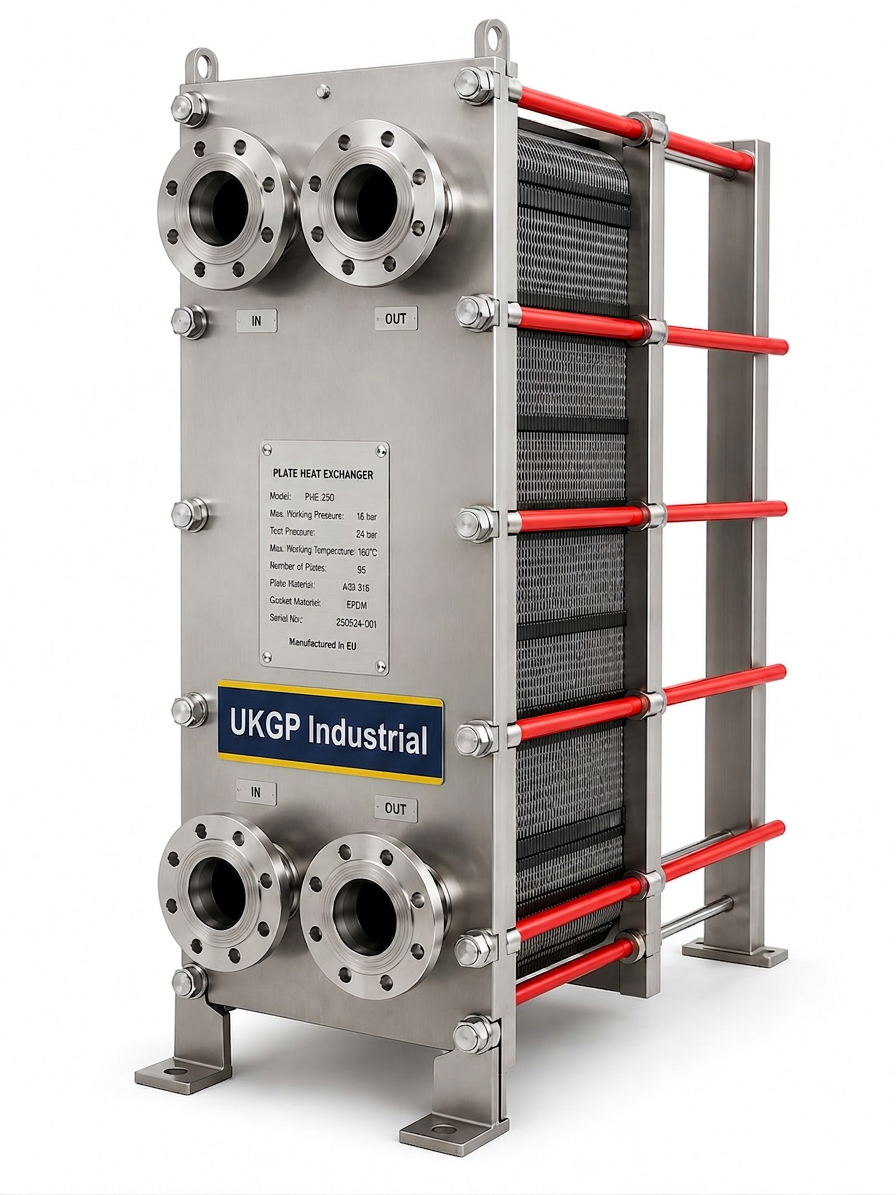
In the UK market, the choice between gasketed and brazed units often depends on the long-term maintenance strategy and the chemical nature of the fluids. For larger commercial installations where cleaning or future expansion may be necessary, a gasketed phe heat exchanger offers the modularity required for such flexibility. Brazed units, conversely, provide a compact and permanent solution for high-pressure or high-temperature applications where space is at a significant premium. Regardless of the construction, every unit must be rigorously tested and certified to ensure it stands up to the rigours of continuous operation in a pressurised UK heating or cooling network.
- Primary and secondary fluid inlet and outlet temperatures
- Required heat load in kW or MW
- Maximum allowable pressure drop on both circuits
- Fluid properties including viscosity and thermal conductivity
Technical Selection of a PHE Heat Exchanger
When selecting a phe heat exchanger, engineers must choose between gasketed and brazed configurations based on the DN (Diameter Nominal) requirements and maintenance accessibility. UKGP Industrial provides a wide range of solutions from DN20-DN300, ensuring we can accommodate everything from small-scale residential interfaces to massive industrial heat recovery projects. Each solution is sized from a full thermal spec provided by the client, ensuring the plate geometry and chevron pattern are optimised for the specific fluid turbulence needed to maintain high heat transfer rates. This bespoke approach is essential for complying with BS EN ISO standards and ensuring the longevity of the heat transfer surface.
A critical factor in the specification is the lead time and warranty support. We understand that UK construction timelines are often tight, which is why we offer a reliable 4-6 weeks lead time for our plate heat exchangers. Furthermore, every phe heat exchanger we supply comes with a 2-year warranty, providing facility managers and building owners with the necessary peace of mind regarding equipment reliability. This commercial assurance is as vital as the technical performance, particularly in sensitive environments such as hospitals or data centres where downtime is not an option and rapid replacement of parts is a fundamental requirement of the FM contract.
Thermal performance is further enhanced by selecting the correct plate material, typically 316 Stainless Steel for standard HVAC applications or Titanium for more aggressive environments like swimming pools or saline processes. The specification should also dictate the gasket material, with EPDM and NBR being the industry standard for most UK heating applications. By integrating a high-quality phe heat exchanger into the primary circuit, you create a robust hydraulic separation that protects expensive boilers or chillers from secondary side contaminants, thereby extending the overall life cycle of the entire mechanical plant while maintaining optimal CIBSE-compliant performance levels.
- Gasketed and brazed options available for all scales
- DN20 to DN300 port sizes for versatile connectivity
- Comprehensive 2-year warranty for long-term security
- 4-6 weeks lead time to meet project deadlines
Complying with BSRIA BG29 and BG50 Standards
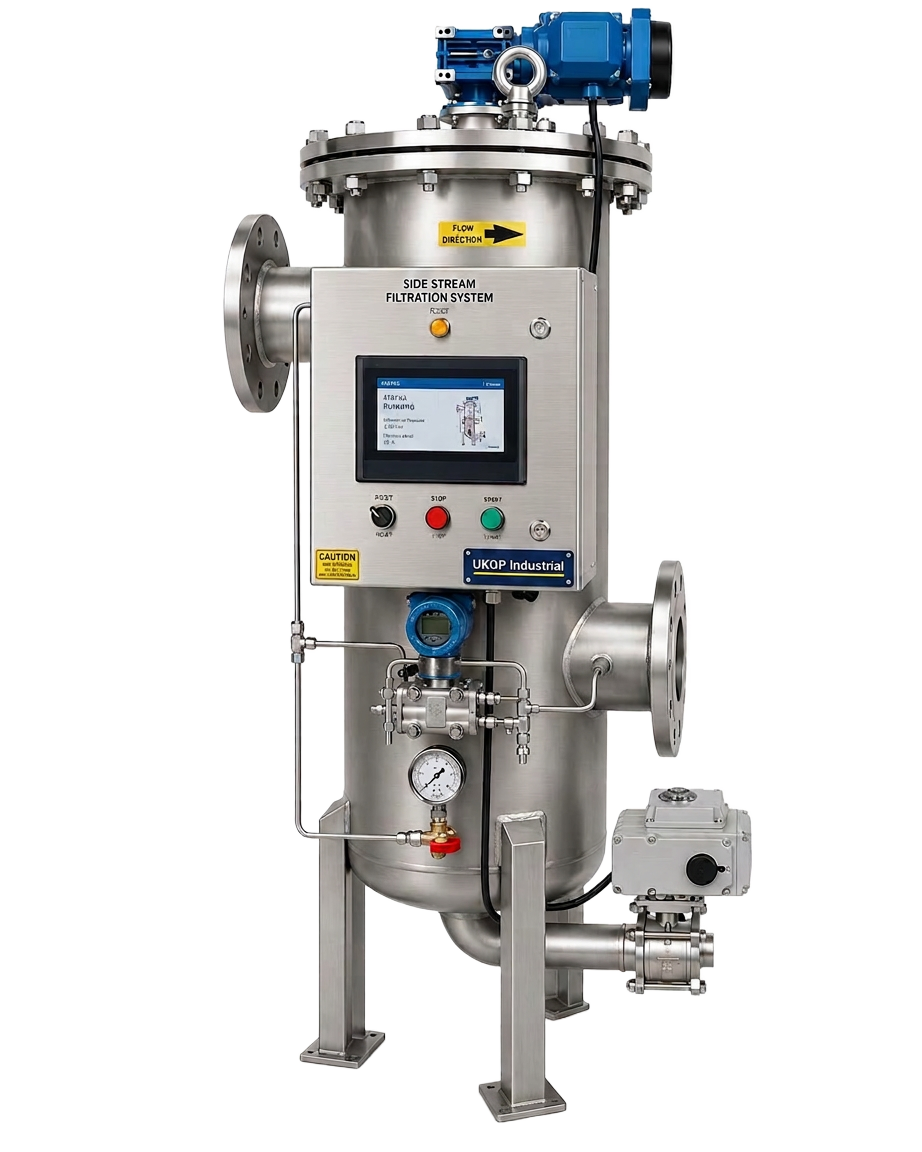
Maintaining the efficiency of a phe heat exchanger requires rigorous adherence to water quality standards, specifically BSRIA BG29 for pre-commission cleaning and BG50 for ongoing water treatment. Particulate matter and scale formation can quickly insulate the plates, reducing the heat transfer coefficient and increasing the pressure drop. During the specification phase, it is advisable to include side stream filtration to continuously remove suspended solids that would otherwise settle in the narrow channels of the plate pack. This proactive approach ensures that the phe heat exchanger operates at its design peak for as long as possible, reducing the frequency of manual strip-downs or chemical cleaning cycles.
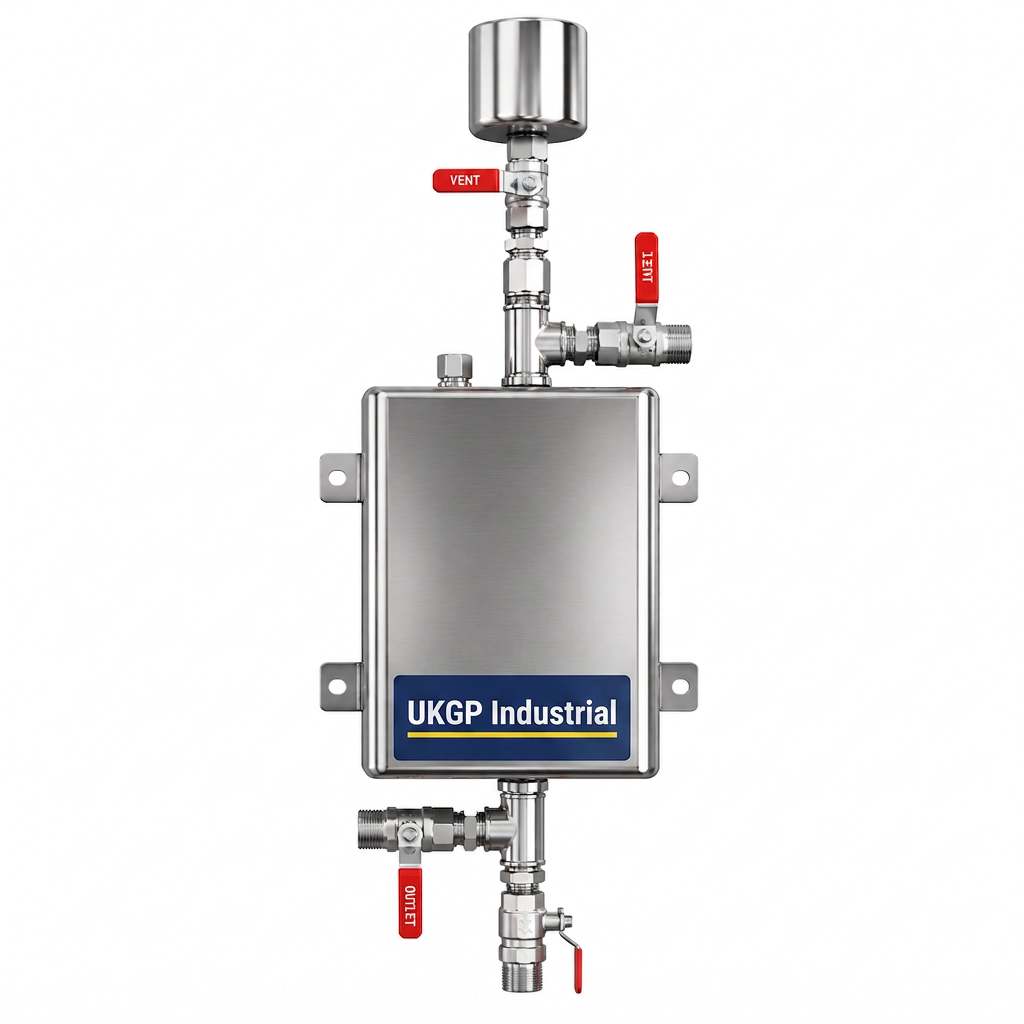
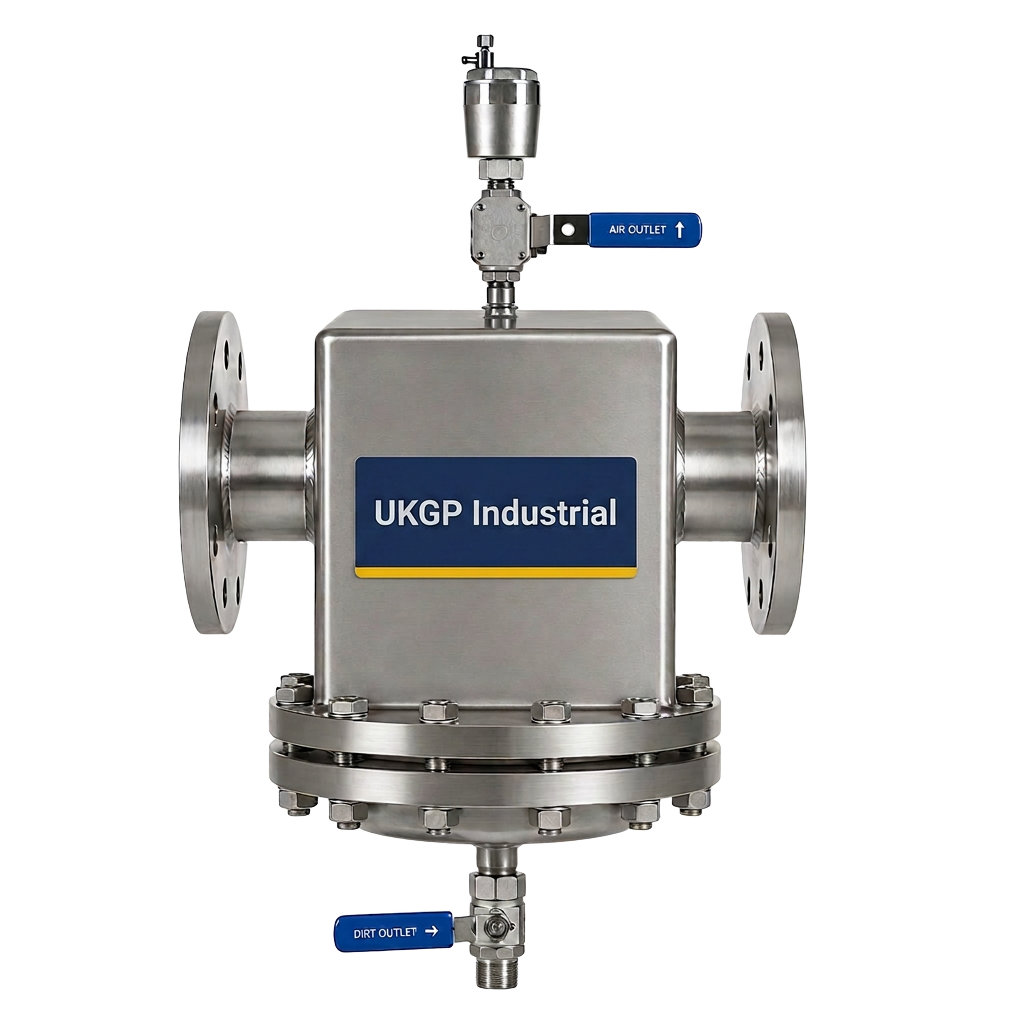
Furthermore, BS 8552 monitoring of water quality provides the data necessary to adjust chemical dosing levels in real-time. If the fluid moving through the phe heat exchanger is not correctly treated, corrosion can occur, leading to cross-contamination between the primary and secondary circuits. This is particularly dangerous in domestic hot water (DHW) generation where primary boiler water must remain strictly separated from the potable water supply. By integrating high-quality chemical dosing pots and air & dirt separators into the system design, consultants can safeguard the thermal integrity of the heat exchanger and the safety of the building occupants over the system's lifetime.
The role of hydraulic separation provided by the phe heat exchanger is also crucial for system stability. By decoupling the primary and secondary pumps, you allow for variable flow rates on either side without affecting the pressure balance of the other circuit. This is a core principle in modern HVAC design, facilitating better control over delta T and pump energy consumption. When sized correctly from a full thermal spec, the heat exchanger acts as a highly efficient interface that bridges the gap between energy generation and energy distribution, provided that the physical and chemical condition of the circulating fluid is managed according to the latest UK industry best practices and guidelines.
- Adherence to BSRIA BG29 pre-commission cleaning
- Guidance from BG50 for water treatment and maintenance
- Protection of plates via side stream filtration
- BS 8552 compliant water quality monitoring
Installation and Commissioning Best Practices
Proper installation is vital to ensure that a phe heat exchanger delivers its rated performance. Pipework should be configured to allow for the 'counter-current' flow principle, where the hot and cold fluids enter from opposite ends of the plate pack. This method maximizes the temperature gradient across the plates, resulting in the most efficient heat transfer possible. Contractors must also ensure there is sufficient space around the unit for maintenance, particularly for gasketed versions that require the plate pack to be opened for inspection. Using flexible expansion bellows on the pipe connections can prevent mechanical stresses and vibrations from being transferred to the heat exchanger’s nozzle connections.
During the commissioning phase, it is essential to verify that the actual flow rates and temperatures match the design thermal spec. Pressure gauges should be installed on both the inlet and outlet of each circuit to monitor the pressure drop in real-time. If the measured drop significantly exceeds the design values, it may indicate air entrapment or debris within the plate channels. Using high-quality air and dirt separators upstream of the phe heat exchanger is a proven way to mitigate these issues early in the commissioning process. This ensures that the system is handed over to the client in an optimal state, meeting all energy performance certificates and operational requirements.
Finally, the insulation of the heat exchanger should not be overlooked. While the plates themselves are efficient, heat loss from the frame and the exposed edges of the plate pack can reduce overall system efficiency. Tailored thermal jackets are an excellent addition to any phe heat exchanger installation, especially in high-temperature heating systems. This attention to detail reflects a commitment to CIBSE's energy efficiency targets and helps in achieving BREEAM points for the building. By selecting a supplier like UKGP Industrial, you get more than just hardware; you get a partner who understands the complexities of UK plant room engineering and the importance of delivering a fully integrated, high-performance thermal solution.
- Counter-current flow orientation for maximum efficiency
- Installation of pressure gauges for performance monitoring
- Usage of thermal insulation jackets to reduce heat loss
- Integration of expansion bellows for stress relief
Maintenance and Longevity of the PHE Heat Exchanger
Long-term reliability of a phe heat exchanger depends on a structured maintenance regime. Gasketed units should have their bolts tightened according to the manufacturer's torque specifications to prevent leaks as the gaskets age and lose elasticity. Over time, the internal plates can accumulate scale or bio-films, which act as insulators. Periodic 'Cleaning In Place' (CIP) procedures or physical cleaning of the plates can restore the unit to its original thermal efficiency. For UK facility managers, scheduling these inspections during seasonal shutdowns ensures that the heating or cooling capacity is fully available when peak demand returns, thereby avoiding emergency repairs or costly downtime.
Monitoring the health of the phe heat exchanger can be automated using pH sensors and transmitters. A sudden shift in the pH of the system water can indicate a leak or a chemical imbalance that could lead to rapid corrosion of the stainless steel plates. By integrating these sensors into the building management system (BMS), engineers can receive early warnings before a minor issue becomes a major failure. This proactive approach to asset management is essential for large-scale commercial properties where the cost of a catastrophic heat exchanger failure far outweighs the investment in high-quality monitoring equipment and regular water quality testing according to BS 8552 standards.
Choosing a UK-based supplier like UKGP Industrial ensures that spare parts, such as replacement gaskets and plates, are readily available. Our 2-year warranty provides an additional layer of security, but the true value lies in the initial sizing and specification. A phe heat exchanger that is correctly sized for its application will naturally experience less stress and fouling than one that is incorrectly specified. By providing a full thermal spec at the outset, you enable us to deliver a unit that is perfectly matched to your flow rates and temperatures, ensuring a long and trouble-free service life that meets the high expectations of UK building services consultants and plant-room engineers alike.
- Annual inspection of gaskets and tightening bolts
- Implementation of CIP (Cleaning In Place) cycles
- Utilisation of pH sensors for leak and corrosion detection
- Availability of UK-based spare parts and technical support
Sustainability and Commercial Considerations
In the drive towards Net Zero, the efficiency of the phe heat exchanger plays a pivotal role. Highly efficient heat transfer allows for lower return temperatures, which is a prerequisite for the effective operation of heat bombs and condensing boilers. By improving the delta T across the heat exchanger, building operators can significantly reduce their carbon footprint and operational costs. Specifying a unit with high-grade materials and a modular design also supports a circular economy, as the plates can be cleaned and reused for decades rather than being scrapped. This makes the plate heat exchanger one of the most sustainable components in a modern building’s mechanical infrastructure.
Commercially, the decision to invest in a premium phe heat exchanger is supported by the rapid return on investment seen through energy savings. While the initial capital expenditure for a bespoke sized unit might be higher than an off-the-shelf alternative, the reduced pumping costs and lower maintenance requirements quickly offset the difference. At UKGP Industrial, we provide transparent lead times of 4-6 weeks and a robust 2-year warranty to ensure that procurement leads can plan their projects with confidence. We focus on providing a 'right-first-time' solution that minimises the total cost of ownership for the end-user while making the installation process seamless for the M&E contractor.
The final specification should always be a collaborative process. We encourage consultants and engineers to reach out with their specific project parameters so we can assist in the sizing of the ideal phe heat exchanger. Whether you are dealing with DN20 brazed units for a residential block or DN300 gasketed units for a major industrial process, our team has the expertise to ensure your thermal requirements are met with precision. By following the guidelines outlined in this article and referencing BSRIA and CIBSE standards, you can ensure that your HVAC system is built on a foundation of quality, efficiency, and long-term reliability in the demanding UK market.
- Contribution to BREEAM and carbon reduction targets
- Lower Return temperatures enhancing boiler efficiency
- Reduced total cost of ownership through energy savings
- Collaborative bespoke sizing for optimized performance
Frequently asked questions
What information is needed to size a phe heat exchanger?
- To provide an accurate thermal spec, we require the fluid types, the inlet and outlet temperatures for both primary and secondary sides, the total heat load in kW, and the maximum allowable pressure drop for each circuit.
What is the typical lead time for a UKGP plate heat exchanger?
- Our standard lead time for both gasketed and brazed units is 4 to 6 weeks, allowing for bespoke sizing and assembly to meet your specific project requirements in the UK.
What types of plate heat exchangers do you supply?
- We supply both gasketed and brazed plate heat exchangers, with connections ranging from DN20 to DN300, ensuring we have solutions for systems of all sizes and complexities.
Are your heat exchangers covered by a warranty?
- Yes, all our plate heat exchangers come with a 2-year warranty as standard, reflecting our confidence in the build quality and thermal performance of our products.
How does BSRIA BG50 relate to heat exchangers?
- BSRIA BG50 provides guidelines for water treatment in closed heating and cooling systems. Proper water treatment is critical for a phe heat exchanger to prevent fouling and corrosion, ensuring it maintains its design heat transfer coefficient.