Environmental Compliance for an Oil-Water Separator For Air Compressor
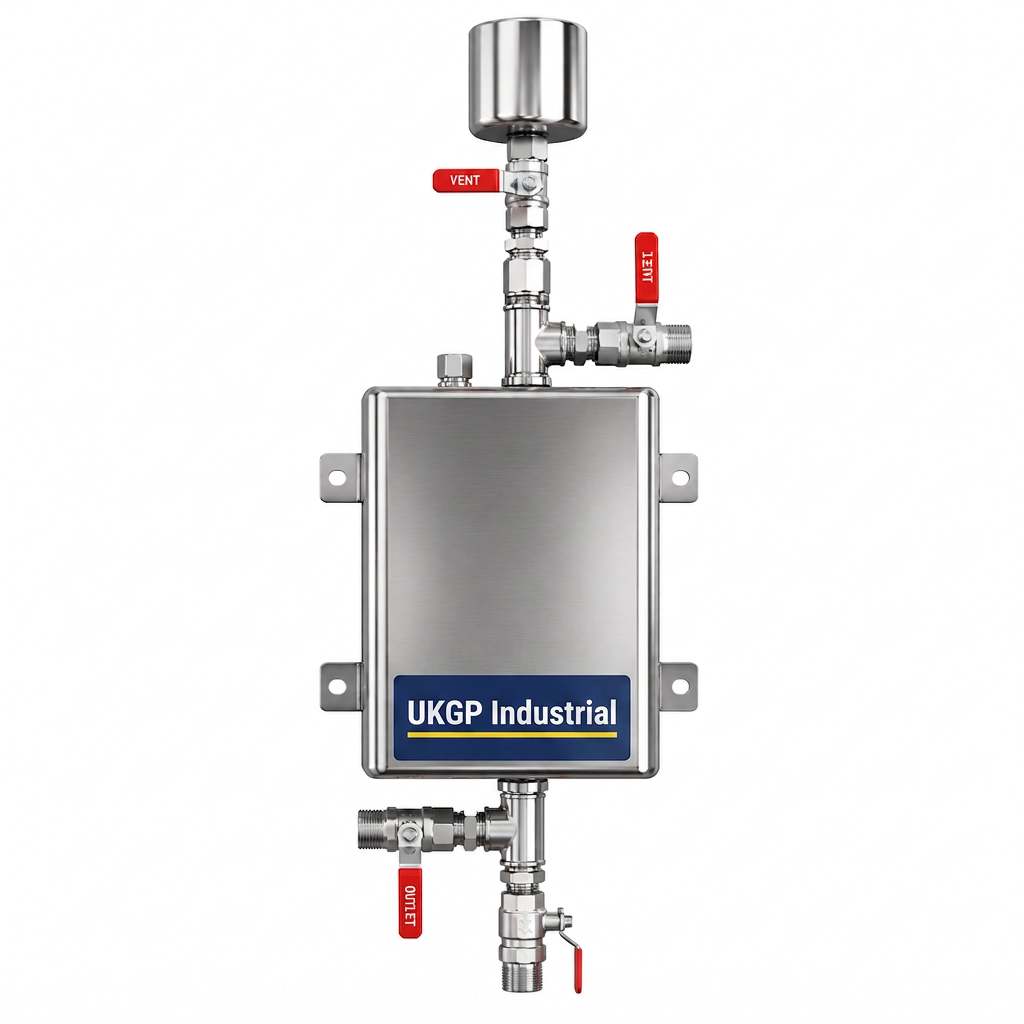
In the UK, the Water Industry Act 1991 and various local sewage undertaker regulations dictate that untreated compressor condensate cannot be discharged directly into the foul sewer. Every oil-water separator for air compressor applications must be capable of reducing oil-in-water concentrations to below 20mg/litre, though many local authorities now demand even lower thresholds. For building services consultants and facilities managers, ignoring this requirement can lead to substantial fines and permanent damage to local water treatment works. Implementing a dedicated separation stage ensures that the oily waste is captured in an internal filter or carbon bed, while the clean water can be safely disposed of via standard drainage channels.
When designing a plant room layout, the placement of the oil-water separator for air compressor units should account for ease of maintenance and the potential for secondary contamination in the wider pipework. According to BSRIA BG50 guidelines, maintaining water quality across all closed-loop and auxiliary systems is essential for preventing the buildup of sludge and biofilm. By addressing the compressor condensate at the source, you reduce the risk of cross-contamination into other plant room assets. This proactive approach to fluid management not only satisfies environmental health officers but also aligns with the rigorous site standards expected in modern BS EN standard commercial builds.
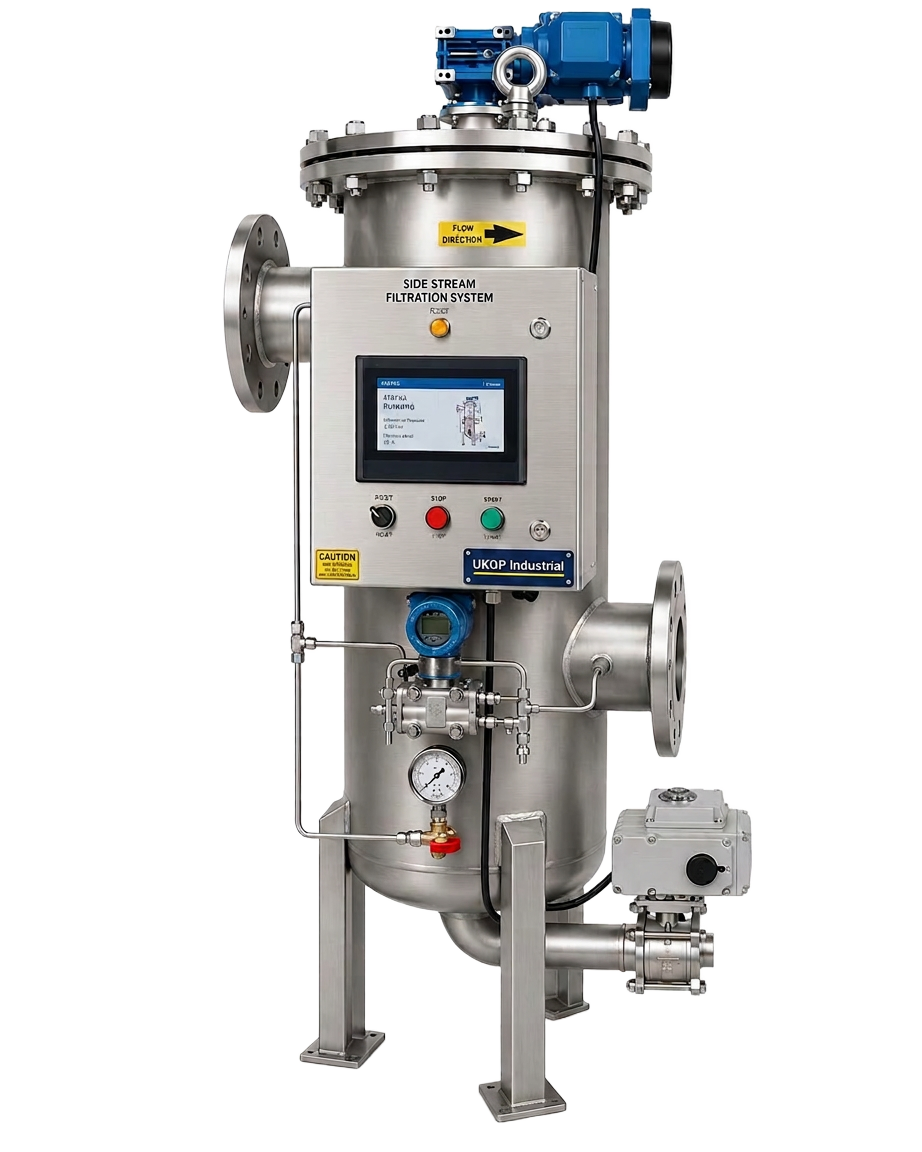
The technical specification of these units typically involves multi-stage filtration, using oleophilic filters and activated carbon bags. As the compressed air cools, water and lubricant oil emulsify; the separator is tasked with breaking this emulsion through gravity or chemical means. Choosing a high-capacity model ensures that even during peak humidity periods, when condensate production is at its highest, the system remains compliant. Engineers should also consider the integration of electronic level sensors to alert FM teams when the collection canisters or filter elements require replacement, ensuring the 'separating' function never fails to meet its primary environmental objective.
- Ensure compliance with the Water Industry Act 1991 and local sewer bylaws.
- Reduce hydrocarbon concentrations to under 20mg/l for safe plant room drainage.
- Incorporate multi-stage filter media including activated carbon and oleophilic mats.
- Align system maintenance with BSRIA BG50 water quality management protocols.
Optimising Thermal Efficiency with Plate Heat Exchangers
While managing compressed air condensate is vital, broader HVAC efficiency often relies on effective heat transfer between different fluid circuits. In many commercial plant rooms, the heat generated by large-scale compressors can be recovered and repurposed. This is where a high-specification plate heat exchanger becomes an invaluable asset for a UKGP client. By transferring thermal energy from the compressor oil or cooling jacket into the low-pressure hot water (LPHW) circuit, engineers can significantly reduce the load on the main heating plant. This energy recovery strategy is increasingly common in BREEAM-rated buildings where every kilowatt of 'waste' energy must be accounted for and reused where possible.
A UKGP plate heat exchanger offers a compact footprint with exceptional heat transfer coefficients, making it ideal for the confined spaces of a typical Surrey or London plant room. These units are designed to withstand the thermal stresses of continuous operation and are accessible for cleaning to prevent scaling. When paired with an effective oil-water separator for air compressor infrastructure, the entire compressed air plant becomes a contributor to the building’s efficiency rather than just a utility cost. Specifying the correct plate geometry and metallurgy is crucial for ensuring that the heat exchanger does not become a point of failure due to fluid incompatibility or thermal shock.
CIBSE guidelines emphasize the importance of lifecycle costs when selecting heat transfer equipment. By using high-grade stainless steel plates and robust gasket materials, UKGP ensures that our exchangers provide a long service life with minimal pressure drop. This efficiency directly impacts the operational expenditure of the facility. For M&E contractors, the ease of installation and the ability to scale these units for higher thermal loads provide a flexible solution that can be adapted as the building's occupancy or mechanical requirements change over time. Combining these with our chemical dosing pots ensures the secondary circuit remains free of corrosion, protecting the investment in high-end heat transfer technology.
- Recover waste heat from compressor cooling loops for secondary use.
- Compact design allows for easy integration into existing HVAC plant rooms.
- High-grade stainless steel plates prevent corrosion and ensure durability.
- Support BREEAM and LEED certification through improved energy recovery.
Maintaining System Integrity with Air and Dirt Separators
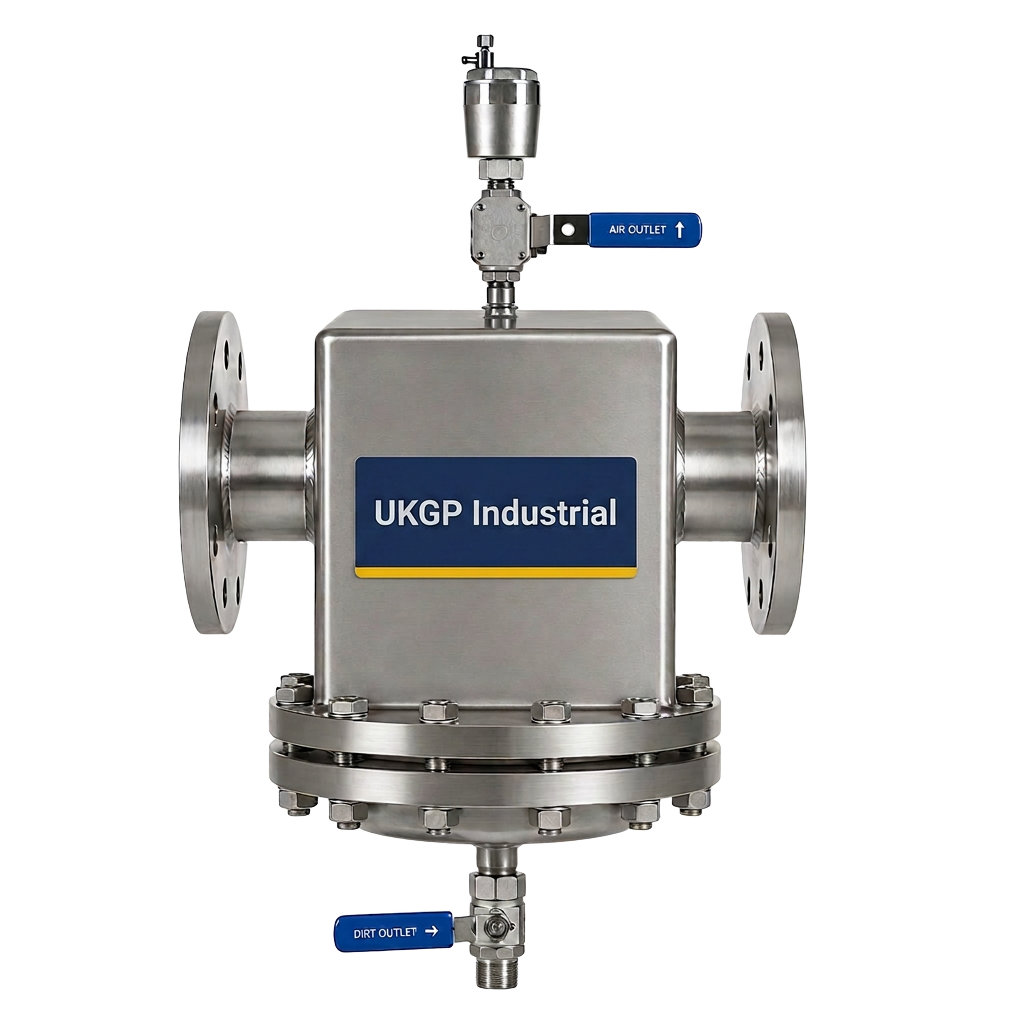
Beyond the specific needs of an oil-water separator for air compressor condensate, the wider hydronic system requires constant protection from micro-bubbles and magnetite. Air and dirt particles are the primary enemies of modern high-efficiency pumps and leading commercial boiler manufacturers' heat exchangers. Left unchecked, entrained air leads to localized overheating and corrosion, while debris can block narrow waterways and impair sensor accuracy. The UKGP combined air and dirt separator is engineered to remove these contaminants simultaneously, utilizing high-surface-area coalescing media to force micro-bubbles out of the fluid stream while allowing heavy particles to settle safely in the collection chamber.
For plant room engineers, the integration of a magnetic catch within the separator is a game-changer for protecting system health. Magnetite, often a result of internal pipework corrosion, can cause catastrophic failure in wet-rotor pumps and control valves. Our UKGP air and dirt separators feature a powerful magnetic insert that captures even the finest metallic particles, which can then be easily flushed out during routine maintenance without needing a system shutdown. This aligns perfectly with BSRIA BG29 pre-commissioning cleaning standards and BG50 ongoing maintenance regimes, ensuring that the system fluid remains as clear as the day it was commissioned.
We recommend specifying a UKGP air and dirt separator (combined coalescing media + magnetic catch, DN25-DN300, flanged, PN10/16, with isolation kit, 2-year warranty) for any new build or plant room refurbishment. These units are built to withstand the rigours of commercial service and include an isolation kit to simplify the blow-down process for site technicians. By ensuring your primary heating or cooling loop is free from air and dirt, you maximise the thermal efficiency of the entire building. Contact our engineering team today for a technical submittal or a competitive quote on our DN25 to DN300 range, ensuring your plant room meets the highest technical standards of reliability.
- Combined coalescing media and magnetic catch for dual-action protection.
- Available in sizes DN25 to DN300 with flanged PN10/16 connections.
- Includes a full isolation kit and a comprehensive 2-year manufacturer warranty.
- Crucial for protecting high-efficiency pumps and boilers from magnetite damage.
Integrating an Oil-Water Separator For Air Compressor in UK Plant Rooms
The practical installation of an oil-water separator for air compressor systems requires careful consideration of the condensate drain lines. These lines should avoid sharp bends where oil can trap and stagnate, which might lead to bacterial growth or 'slugs' of oil bypassing the separation media. Using a gravity-fed approach is common, but in larger installations, automated zero-loss electronic drains are preferred to transport the condensate to the separator without wasting valuable compressed air. This systematic approach ensures that the separator works at its design efficiency, providing a consistent discharge quality that meets the expectations of UK water authorities.
Regular monitoring of the separator's performance is a core aspect of professional facility management. By testing the effluent from the oil-water separator for air compressor discharge point monthly, plant managers can detect if the internal filter media has reached saturation. This preventative maintenance prevents accidental pollution incidents and ensures the facility remains on the right side of Environmental Agency guidelines. Documentation of these checks is often required during ISO 14001 audits, making a reliable and easily serviceable separator a key component of a building's environmental management system. UKGP units are designed with these operational realities in mind, offering clear sight glasses and easy-access ports.
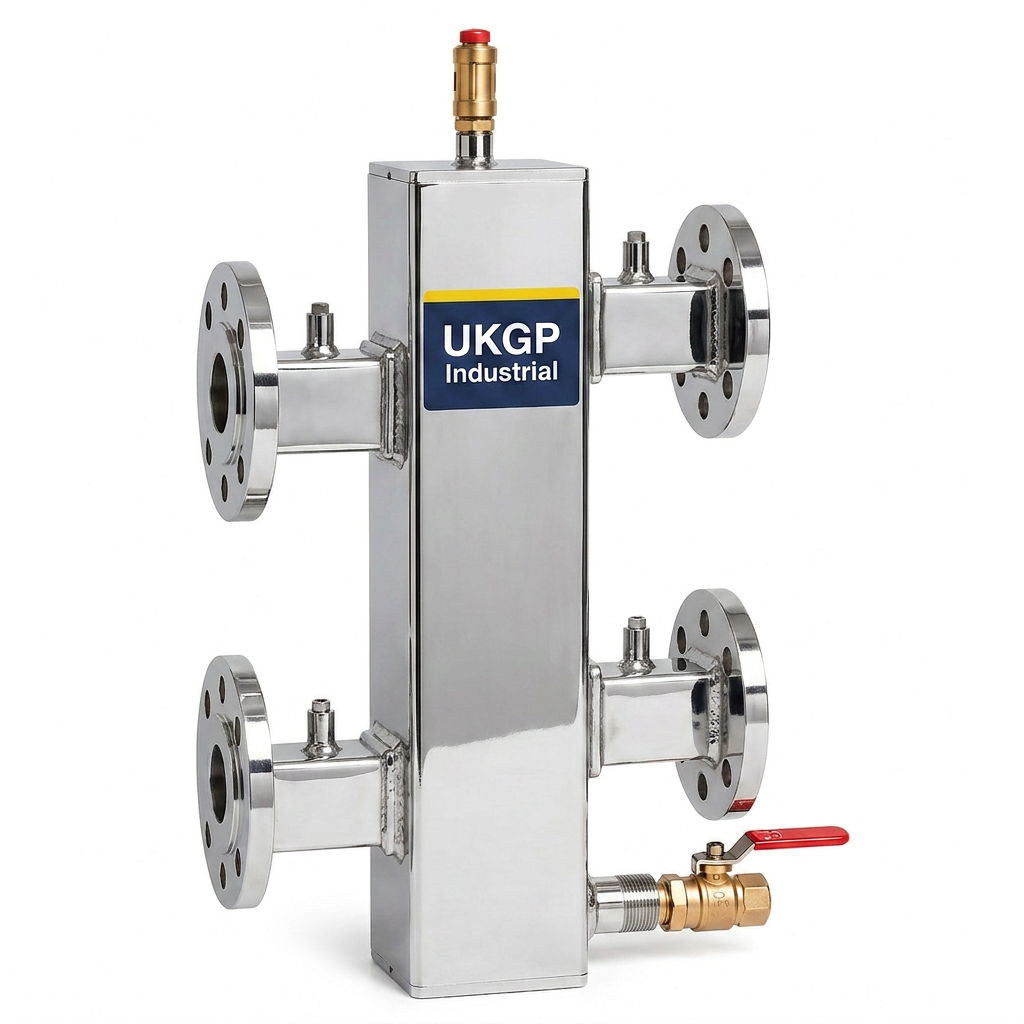
Furthermore, integrating these separators into a broader plant room strategy involves ensuring that other components, such as expansion bellows and low loss headers, are also performing optimally to maintain steady pressure and temperature. Variations in room temperature can affect the rate of condensate formation, so the oil-water separator for air compressor must be sized for 'worst-case' summer humidity profiles in the UK. This ensures that even on the hottest days, the volume of oily water generated does not overwhelm the filtration capacity. Our technical team can assist in sizing these units based on your compressor's total CFM and the ambient conditions of your specific site.
- Sized for peak UK humidity to prevent seasonal overflow or filter bypass.
- Clear sight glasses and sampling points for easy ISO 14001 compliance checks.
- Compatible with zero-loss electronic drains for maximum energy efficiency.
- Supports long-term pipework health by preventing oily buildup in drains.
Technical Standards and Sizing Requirements
When specifying an oil-water separator for air compressor use, engineers must refer to the flow capacity of the compressed air system, typically measured in Litres per Second (l/s) or Cubic Feet per Minute (CFM). A separator that is undersized will suffer from short-circuiting, where the oily emulsion passes through the media too quickly for effective separation to occur. This leads to contaminated water reaching the sewer and a potential breach of BS 8552 water sampling standards. UKGP provides a range of separators that cater to everything from small workshop compressors to large-scale industrial centrifugal units found in major district heating schemes.
Material compatibility is another vital consideration. The condensate produced by many compressors can be slightly acidic, especially if oil-free units or synthetic lubricants are employed. Therefore, the internal components of the oil-water separator for air compressor must be resistant to corrosion. High-impact plastics or coated metals are standard, ensuring the unit itself does not become a source of debris within the plant room drainage system. This focus on material science extends to all UKGP products, from our pH sensors to our expansion bellows, ensuring that every component in your mechanical specification is fit for purpose and durable.
Finally, the role of the oil-water separator for air compressor in professional M&E design cannot be overstated. By providing a clean, clear discharge, these units protect the local environment and the building's own reputation. Procurement leads should look for units that offer long-life filter kits and low maintenance requirements to reduce the TCO (Total Cost of Ownership). When you partner with UKGP, you receive more than just a component; you get the technical backing of a Surrey-based team that understands British standards and the practical challenges of UK plant room installations. We ensure your documentation is robust and your hardware is reliable.
- Accurate sizing based on peak CFM and lubricant type for reliable separation.
- Corrosion-resistant internal components to handle acidic condensate levels.
- Designed to help facilities meet BS 8552 water quality sampling standards.
- Reduces Total Cost of Ownership through extended filter life and ease of service.
The Importance of Pressure Management and Connection Flexibility
In complex plant rooms where vibrating machinery like compressors is located near sensitive sensors and pipework, the use of expansion bellows is critical. These components absorb the vibration and thermal expansion that could otherwise cause stress fractures or leaks in the system. While the oil-water separator for air compressor deals with the fluid waste, expansion bellows ensure the physical integrity of the connecting pipework remains intact. This holistic view of plant room design—considering both fluid chemistry and mechanical stress—is what separates a standard installation from an expert-grade building services project that will last for decades.
BS EN 14917 standards for metallic expansion joints provide the framework for selecting the correct bellows for commercial applications. At UKGP, we ensure that our bellows and separators are compatible with standard BS flanging, making the job of the on-site M&E contractor much simpler. Whether you are installing a new air and dirt separator or a complex dosing pot arrangement, having the correct flexible connectors prevents the transmission of noise and movement throughout the building structure. This is particularly important in commercial offices or hospitals where acoustic performance is a primary metric for the client and occupants.
Integrating a UKGP air and dirt separator alongside your compressed air treatment ensures that both the air and water sides of the plant room are protected. Our separators, featuring combined coalescing media and a powerful magnetic catch, are available for systems up to DN300, providing the scale required for large industrial hubs. By specifying UKGP components across the board—from the oil-water separator for air compressor for your pneumatic needs to our low loss headers for your primary heating circuits—you ensure a unified, high-quality approach that simplifies procurement and ensures technical consistency across the entire mechanical package.
- Utilise expansion bellows to isolate compressor vibration from pipework.
- Ensure all bellows meet BS EN 14917 for safety and thermal performance.
- Standard flanged connections allow for rapid on-site installation by contractors.
- Unified procurement through UKGP simplifies technical submittals and support.
Frequently asked questions
Why is an oil-water separator for air compressor systems required by law?
- Under the Water Industry Act 1991, it is an offence to discharge trade effluent, including oily condensate, into the foul sewer without treatment. These separators remove oil to safe, legal levels (typically <20mg/l).
How often should I service the oil-water separator for air compressor?
- Service intervals depend on the compressor's run hours and the ambient humidity, but the filter media generally requires replacement every 6 to 12 months. Monthly sampling of the discharge water is recommended to ensure compliance.
Can the separator handle synthetic compressor oils?
- Yes, modern UKGP separators are designed to handle both mineral and synthetic lubricants, though sizing and filter media type may need to be adjusted for stable emulsions.
What is the benefit of a magnetic catch in a separator?
- A magnetic catch, found in our air and dirt separators, specifically targets magnetite and ferro-magnetic particles that standard filtration might miss, protecting pumps and boilers from abrasive wear.
Does UKGP provide technical support for sizing separators?
- Absolutely. Our Surrey-based technical team provides full support for sizing all plant room components, including oil-water separators, air and dirt separators, and plate heat exchangers.