The Impact of Magnetite on Modern UK Plant Rooms
In the sphere of industrial building services, magnetite—principally black iron oxide—represents the single greatest threat to system efficiency and mechanical integrity. Formed through the inevitable process of electrolytic corrosion between dissolved oxygen and carbon steel pipework, these heavy, abrasive particles tend to settle in low-flow areas or adhere to critical heat exchange surfaces. For UK facility managers and plant engineers, ignoring magnetite removal commercial heating requirements leads to a rapid decline in thermal transfer coefficients and a measurable increase in pumping energy costs. As boilers move towards higher efficiencies with smaller internal waterways, the risk of blockage becomes a critical failure point rather than a minor maintenance concern.
The financial implications of poor water quality management are significant within the UK commercial sector. Beyond the immediate rise in fuel consumption, magnetite accumulation is a leading cause of premature pump seal failure and control valve sticking. When these metallic particles circulate through the secondary circuit, they act as an abrasive paste, scouring internal components and leading to pinhole leaks. By referencing BSRIA BG50, 'Water Treatment for Closed Heating and Cooling Systems,' engineers are tasked with implementing proactive measures that go beyond simple chemical dosing. A structured approach to magnetite removal ensures that expensive assets, such as modular condensing boilers and high-performance pumps, operate within their designed parameters throughout their service life.
Choosing the correct method for magnetite removal commercial heating applications requires an understanding of both particle size and system volume. While initial system cleaning and flushing according to BSRIA BG29 provide a clean baseline, the ongoing accumulation of corrosion products necessitates a permanent filtration or separation solution. Whether you are managing a small office block or a sprawling district heating network, the objective remains the same: to reduce the suspended solid load to a level that prevents settlement and protects heat transfer surfaces. UKGP Industrial specializes in providing the hardware required to meet these stringent standards, offering technical expertise to ensure your specific plant room configuration is protected against the long-term degradation caused by iron oxide build-up.
- Reduces heat transfer efficiency and increases carbon footprint
- Accelerates mechanical wear on high-efficiency pump impellers
- Causes catastrophic failure in plate heat exchanger narrow channels
- Essential for compliance with BSRIA BG50 water quality benchmarks
Comparing Magnetic Separators vs. Side Stream Filtration
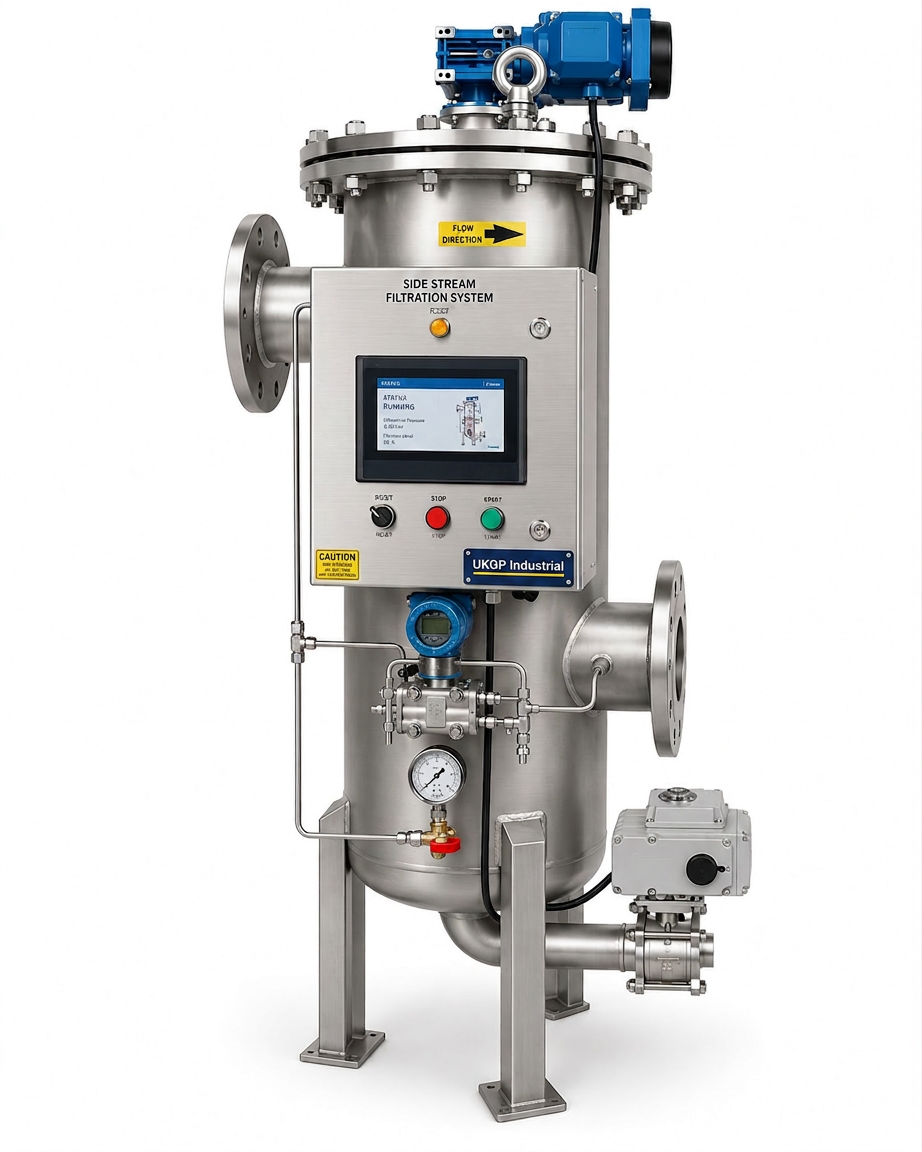
For decades, the industry relied heavily on standard inline magnetic separators. These units are effective at capturing ferromagnetic particles as they pass through the main flow, but they often struggle with non-magnetic debris or fine suspended solids that remain in suspension. In contrast, magnetite removal commercial heating via side stream filtration offers a more comprehensive solution for larger systems. Side stream filtration works by diverting a portion of the circulating water—typically 5% to 15%—through a dedicated skid. This allows for both magnetic capture and mechanical filtration, ensuring that even non-metallic scale and microbiological film are removed from the loop, providing a much higher level of system cleanliness over the long term.
The choice between these two methods often comes down to the specific requirements of the UK building services consultant. In smaller commercial installs, an inline separator might suffice for basic protection, but for larger industrial sites or multi-tenanted buildings, the side stream approach is favoured for its ability to be serviced without interrupting the main heating circuit. Because a side stream skid is bypass-connected, filters can be changed or magnets cleaned while the plant remains online. This operational continuity is a vital factor for FMs managing critical infrastructure where downtime is not an option. Furthermore, side stream units often include integrated dosing ports and monitoring points, making it easier to maintain the chemical balance required by BS 8552.
UKGP Industrial provides advanced side stream filtration skids specifically engineered for the UK market. These units combine powerful neodymium magnets with high-capacity bag filters or cartridges to provide a dual-action magnetite removal commercial heating solution. By selecting a side stream skid over a basic separator, you gain the ability to filter down to sub-5-micron levels, which is essential for protecting the tight tolerances found in modern plate heat exchangers. For engineers looking to specify a robust solution, our skids are available with 2-year warranties and are made to order with typical lead times of 6-8 weeks, ensuring you receive a bespoke assembly that fits the exact footprint and flow requirements of your specific boiler room or energy centre.
- Side stream skids allow for maintenance without system shutdown
- Dual-action removal captures both magnetic and non-magnetic debris
- Superior micron-level filtration compared to standard inline pots
- Integrated monitoring points assist in BSRIA water quality compliance
The Role of Plate Heat Exchangers in Magnetite Management
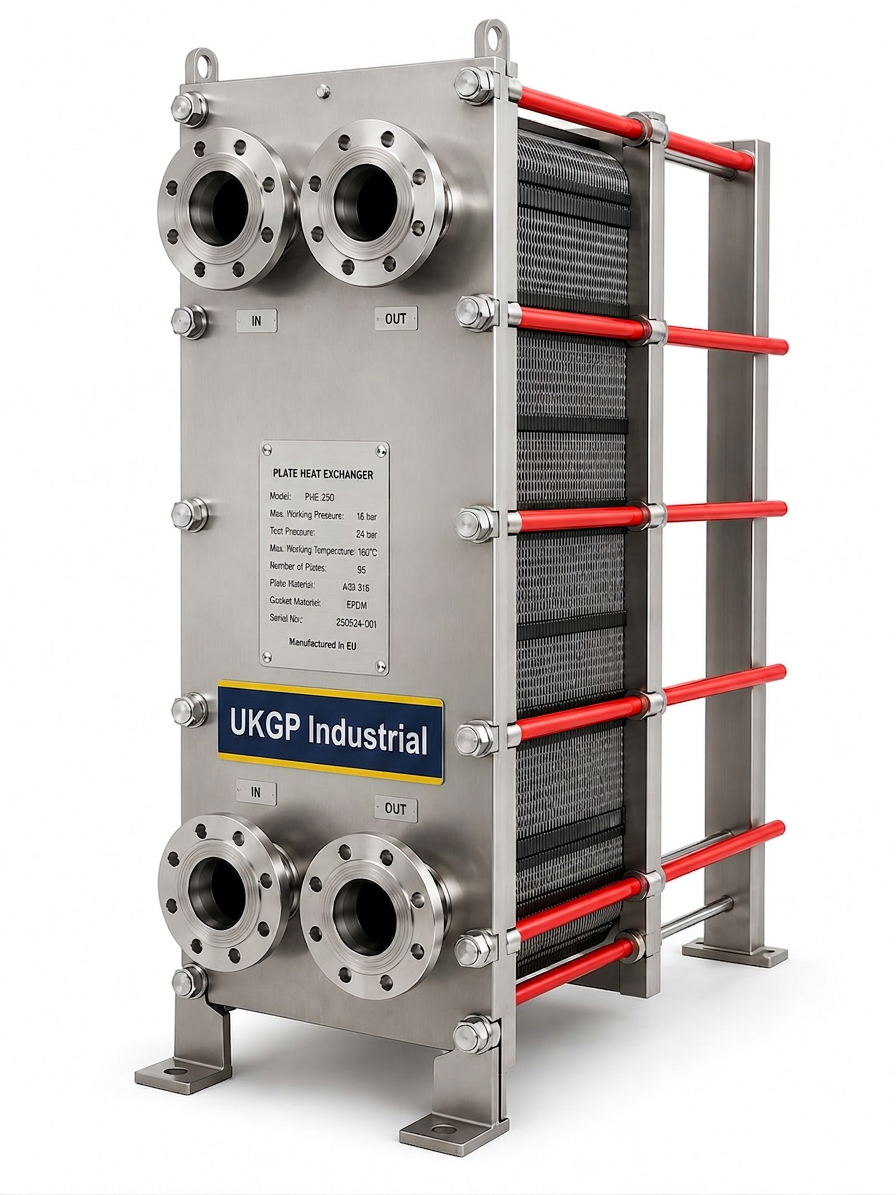
Plate heat exchangers (PHEs) are ubiquitous in modern UK commercial heating systems, primarily used for hydraulic separation between primary and secondary circuits. However, they are also the most vulnerable components when it comes to magnetite accumulation. Because the gaps between the stainless steel plates are extremely narrow, often only a few millimetres wide, they act as unintended filters. Magnetite removal commercial heating strategies must account for this by ensuring that the water entering the PHE is thoroughly cleaned. If magnetite is allowed to settle within the plate pack, it creates an insulation layer that significantly reduces thermal efficiency and increases the pressure drop across the unit, forcing pumps to work harder and consume more energy.
From a procurement and engineering perspective, protecting a PHE with high-grade filtration is far more cost-effective than frequent chemical cleaning or manual strip-downs. When magnetite builds up, it doesn't just reduce performance; it creates an environment ripe for under-deposit corrosion. This localized corrosion can lead to plate perforation, resulting in cross-contamination between the heating fluid and the domestic hot water or chilled water loop. Therefore, integrating a dedicated filtration solution at the design stage is a hallmark of a high-quality building services project. UKGP Industrial supplies high-efficiency plate heat exchangers alongside our filtration range, providing a holistic approach to thermal management that prioritizes long-term reliability and ease of maintenance.
When specifying a heat exchanger, it is crucial to consider the fluid quality on both sides of the plates. Even if the primary boiler circuit is well-maintained, the secondary distribution network often holds large volumes of water prone to magnetite formation. We recommend that consultants pair their PHE specifications with a UKGP side stream filtration skid to ensure the primary heat source is never compromised by secondary circuit contaminants. Our plate heat exchangers are designed for the rigors of UK commercial use, and when used in conjunction with active magnetite removal, they provide a stable and efficient thermal transfer solution that can last for decades. Request a quote today to see how our combined heating packages can enhance your next HVAC project performance.
- PHEs act as 'traps' due to narrow channel spacing
- Under-deposit corrosion leads to expensive plate failure
- Maintaining clean water ensures design temperature deltas are met
- Pairing PHEs with side stream filtration extends service intervals
BS 8552 and BSRIA Standards for UK Commercial Heating
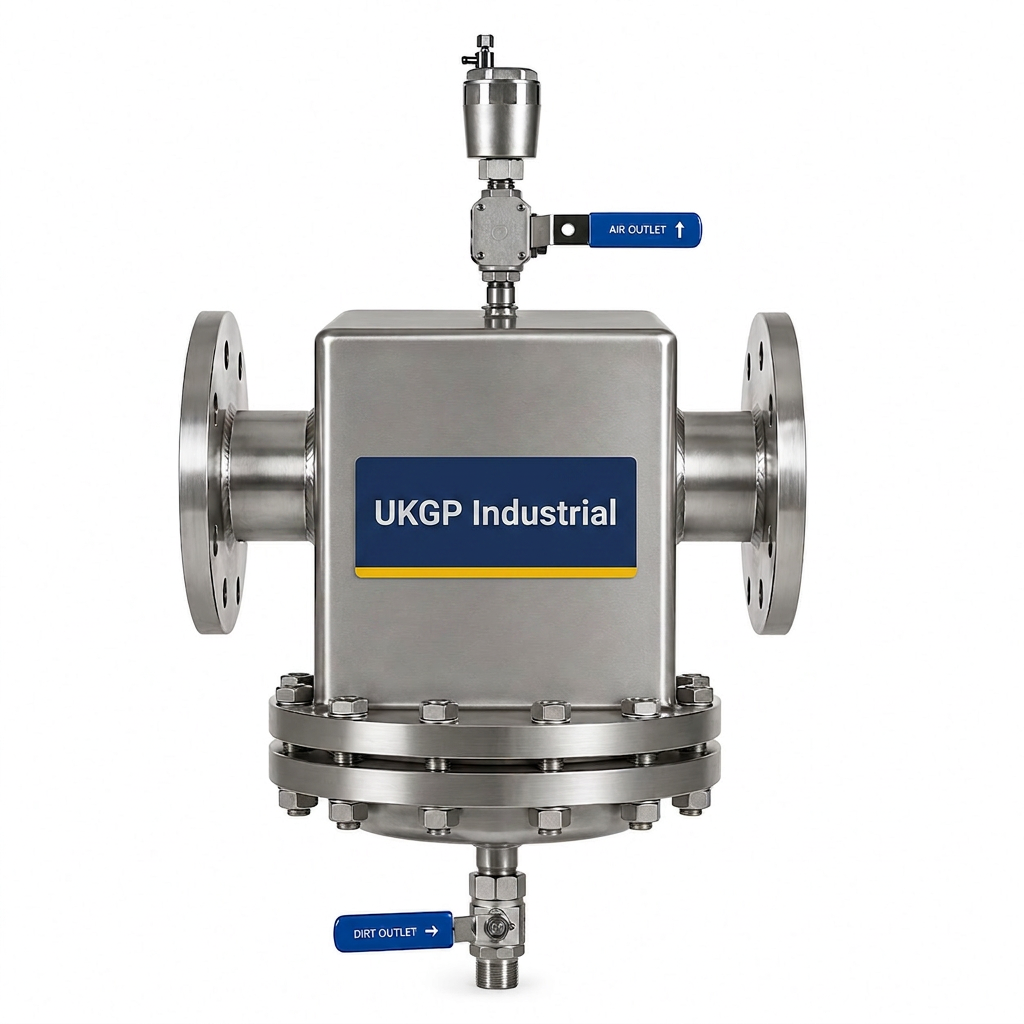
Compliance with UK industry standards is not just about ticking boxes; it is about ensuring the commercial viability and safety of the heating system. BSRIA BG50 'Water Treatment for Closed Heating and Cooling Systems' provides the definitive framework for magnetite removal commercial heating practices. It emphasizes the need for continuous monitoring and a multi-faceted approach to water quality. This includes the use of chemical inhibitors, such as those introduced via dosing pots, alongside physical removal technologies like side stream filtration and air/dirt separators. For M&E contractors, adhering to these standards during the commissioning and operational phases is essential to satisfy warranty requirements from boiler manufacturers and to avoid costly litigation following system failures.
The British Standard BS 8552 provides a code of practice for sampling and monitoring water from these closed systems. It highlights that magnetite is not always in a settled state; it can be colloidal or suspended, requiring sophisticated filtration methods to extract. Effective magnetite removal commercial heating solutions must, therefore, be capable of capturing particles across a wide range of sizes. Regular water testing, as outlined in BS 8552, will reveal the concentration of dissolved iron and suspended solids, giving a clear indication of whether the existing filtration strategy is effective or if an upgrade to a UKGP side stream skid is necessary. This data-driven approach to maintenance allows for much more predictable O&M budgets and prevents the 'firefighting' mentality of reactive repairs.
Ultimately, the goal of these standards is to maintain a 'passive' environment within the pipework where corrosion is minimized. This is only possible when air is removed, chemicals are correctly balanced, and magnetite is actively extracted. At UKGP Industrial, our equipment is specifically designed to help your facility meet BSRIA and CIBSE recommendations. By installing our DN50 to DN100 side stream filtration units, you are implementing a Tier 1 solution for suspended solids management. Our technical team can assist in interpreting your water test results and recommending the specific skid configuration needed to bring your system back into compliance with BG50 guidelines. Investing in the right filtration now avoids the significantly higher costs of system-wide pipe replacement or industrial chemical descaling in the future.
- BSRIA BG50 defines the benchmarks for suspended solid levels
- BS 8552 sets the standard for accurate water sampling protocols
- Mandatory for many commercial boiler and pump warranties
- Supports the drive toward Net Zero by maintaining thermal efficiency
Economic Analysis: The Costs of Effective Magnetite Removal
When evaluating magnetite removal commercial heating options, procurement leads must look beyond the initial capital expenditure (CAPEX) and consider the total cost of ownership (TCO). A high-quality side stream filtration skid from UKGP Industrial typically starts from approximately £6,800 + VAT for a DN50 unit. While this may seem like a larger investment compared to a basic centrifugal separator, the efficiency gains and protection offered to expensive components like boilers and PHEs provide a rapid return on investment. Efficient magnetite removal can reduce annual gas consumption by as much as 10-15% in heavily fouled systems by restoring optimal heat transfer and reducing the energy required to pump water through restricted pipework.
Operating expenses (OPEX) are also significantly improved. Each UKGP side stream skid is made to order with a typical lead time of 6 to 8 weeks and comes with a 2-year warranty, reflecting our confidence in the build quality. The maintenance routine for our skids is straightforward, involving the periodic cleaning of the magnetic core and the replacement of the filter bag. This can be done by on-site FM teams without the need for specialist external contractors, unlike complex chemical cleaning regimes. By keeping the system clean on a continuous basis, the frequency of emergency call-outs for failed pumps or blocked valves is drastically reduced, allowing building owners to allocate their maintenance budgets more effectively elsewhere.
Commercial heating systems are long-term assets, and their protection should be handled with a long-term view. A poorly protected system will suffer from increasing energy bills and declining performance as early as three years after commissioning. By contrast, a system equipped with a dedicated magnetite removal commercial heating skid remains at peak efficiency throughout its 20+ year life cycle. For M&E contractors, specifying UKGP equipment ensures that the project handover is smooth and that there are no post-completion issues related to water quality. We offer a range of sizes from DN50 up to DN100, ensuring that whether it is a small school or a large hospital power plant, we have the right filtration capacity to protect your client's investment and your professional reputation.
- Initial investment from £6,800 + VAT pays back through fuel savings
- 2-year warranty and made-to-order UK manufacturing
- Typical Lead times of 6-8 weeks for bespoke skid assemblies
- Reduces long-term OPEX by preventing expensive part failures
Implementation: Sizing and Installing Your Filtration Solution
Correct sizing is the most critical factor in the success of a magnetite removal commercial heating project. A filter that is too small for the system volume will fail to reduce the iron oxide levels quickly enough to prevent damage, while an oversized unit may lead to unnecessary bypass flow. The general rule of thumb followed by UK building services engineers is to size the side stream flow for 10% of the total system volume per hour. This turnover rate ensures that all the water in the loop is treated multiple times per day, keeping the suspended solid count well below the BSRIA threshold. At UKGP Industrial, we assist consultants in selecting between our DN50, DN65, DN80, and DN100 options based on the specific hydraulic profile of their plant room.
Installation of these units should ideally take place in the return leg of the heating circuit, just before the water enters the boilers or plate heat exchangers. This ensures the primary assets receive the cleanest possible water. Because our skids are self-contained, they require minimal site work; they simply need to be tied into the main flow and return with isolation valves to allow for the 6-8 week lead time planning. For retrofits where space is at a premium, our compact skid designs are particularly advantageous. They provide a high-performance magnetite removal commercial heating solution without requiring a complete redesign of the plant room floor plan. Engineers should also ensure that an air and dirt separator is present in the main line to complement the fine filtration of the side stream unit.
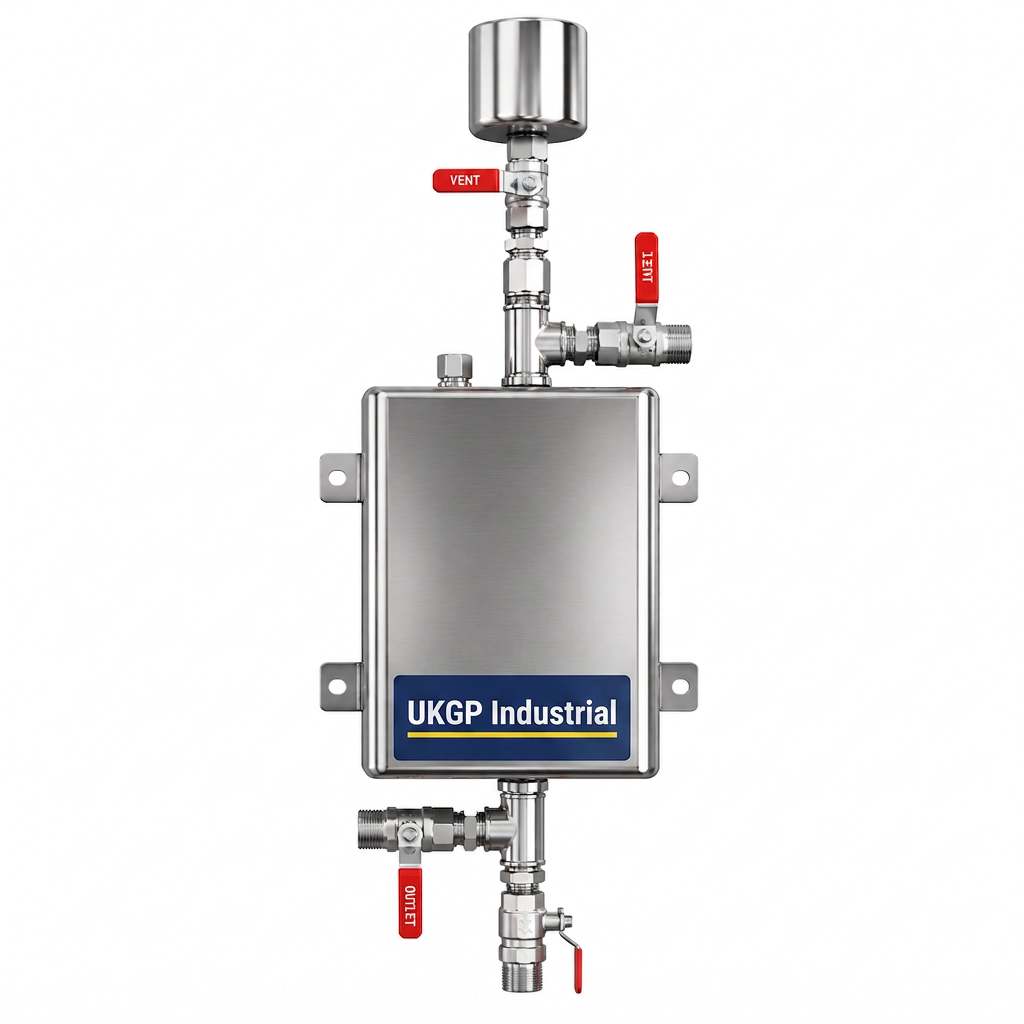
Finally, for a complete water treatment strategy, a chemical dosing pot should be integrated into the side stream circuit. This allows for the precise addition of inhibitors and biocides while the system is under pressure. By combining physical magnetite removal with high-quality chemical treatment, you create a robust defence against all forms of corrosion. UKGP Industrial is proud to be a Surrey-based provider, offering local support and technical guidance to ensure your installation meets all CIBSE and BSRIA standards. Contact our team today for a technical consultation or a formal quote for your next commercial heating project. Let us help you ensure that magnetite build-up becomes a thing of the past for your building's HVAC infrastructure.
- Size for 10% system volume turnover per hour
- Install on return pipework to protect expensive primary assets
- Integrate with dosing pots for a complete chemical/physical solution
- Local Surrey expertise for UK-based building services projects
Frequently asked questions
What is the primary indicator that my commercial heating system needs magnetite removal?
- Low temperature deltas across heat exchangers, noisy pumps, and cold spots in radiators are key indicators. A water test showing high iron levels (above 15mg/L) per BSRIA BG50 confirms the need for an active magnetite removal commercial heating solution like a side stream skid.
How does a side stream filter differ from a standard magnetic separator?
- Standard separators only capture magnetic iron oxide in the main flow. A side stream skid, such as the UKGP range, incorporates both powerful magnets and mechanical filter bags, allowing for the removal of non-magnetic scale, biofilm, and finer particles down to 5 microns.
What are the typical lead times for a UKGP side stream filtration skid?
- Our industrial skids are made to order in the UK with a standard lead time of 6 to 8 weeks. This ensures each unit is manufactured to the exact specifications (DN50 to DN100) required for your commercial plant room project.
Can magnetite removal equipment be retrofitted to existing commercial systems?
- Yes, side stream filtration is ideally suited for retrofits. Because it connects via a bypass, it can be installed with minimal disruption to the main system. This is a common strategy for improving efficiency in older UK buildings prior to installing modern high-efficiency boilers.
Why is BSRIA BG50 compliance important for facility managers?
- BG50 compliance ensures that the water quality remains within parameters that prevent corrosion and scaling. This protects the equipment warranty, reduces energy bills, and helps the facility meet its environmental and sustainability targets through optimized heat transfer.