The Role of Kamco Power Flushing in Modern HVAC Care
In the UK commercial boiler market, maintaining system hydraulic balance and heat exchange efficiency is paramount for operational longevity. Using kamco power flushing technology allows M&E contractors and facility managers to clear restrictive sludge that builds up within narrow-bore heat exchangers and distribution pipework. This process is particularly critical when upgrading older plant rooms with modern high-efficiency condensing boilers, which are notoriously sensitive to suspended solids. By employing a high-flow, low-pressure approach, the mechanical agitation dislodges stubborn magnetite without risking the integrity of older pipework joints or thin-walled radiator panels found in legacy estates.
While kamco power flushing is highly effective for localized restoration, it must be viewed as part of a managed BSRIA-compliant ecosystem. For consultants and procurement leads, the objective is not just a one-off cleaning event but a sustained reduction in Total Dissolved Solids (TDS) and suspended haematite. Failure to clear these contaminants can lead to premature pump failure, valve sticking, and localized pitting corrosion. Therefore, the flushing process should be validated through sampling and analysis, ensuring that the water chemistry returns to acceptable baseline levels as defined by BS 8552 and CIBSE CP1 guidelines for heat networks and closed-loop systems.
Integrating UKGP filtration solutions alongside your cleaning regimen ensures that the system remains clean long after the initial kamco power flushing is complete. While the flushing pump removes the bulk of the debris during the commissioning or remedial phase, the ongoing capture of fine particulates is what prevents the re-accumulation of sludge. Our technical team recommends that every commercial plant room upgrade includes a dedicated side stream filtration unit to maintain the water quality standards achieved during the initial flush. This proactive approach significantly reduces the frequency of intrusive chemical cleaning and protects the capital investment in high-performance boiler plant and plate heat exchangers.
- Restores system circulation and thermal efficiency in legacy commercial circuits
- Reduces the risk of localized ‘cold spots’ and noise in distribution pipework
- Essential preparatory step prior to installing high-efficiency boiler plant
- Helps achieve the water clarity required for BSRIA BG20/2021 compliance
Technical Compliance with BSRIA BG29 and BG50
Adhering to BSRIA BG29 ‘Pre-commissioning Cleaning of Pipework Systems’ is a contractual necessity for most UK commercial builds. When performing kamco power flushing on new installations, the primary focus is the removal of construction debris, jointing compounds, and mill scale. This process ensures that the protective film-forming inhibitors applied later can bond effectively with the metallic surfaces. Without a thorough flush, these contaminants provide a breeding ground for Microbiologically Influenced Corrosion (MIC). Contractors must document flow rates and chemical concentrations during the flushing procedure to provide a complete audit trail for the handover pack, satisfying both the client and the insurance underwriters.
For existing systems, BSRIA BG50 'Water Treatment for Closed Heating and Cooling Systems' provides the framework for ongoing maintenance. If a system has been neglected, a kamco power flushing exercise can be the first step in a remedial action plan. However, BG50 emphasizes that mechanical cleaning alone is insufficient if the underlying cause of corrosion, such as oxygen ingress or incorrect pH levels, is not addressed. Monitoring equipment like pH sensors and transmitters should be installed to provide real-time data on system health. This allows FM teams to intervene before the accumulation of magnetite necessitates another disruptive and costly full-system power flush in the future.
To bridge the gap between initial cleaning and long-term stability, we provide skid-mounted filtration solutions designed to work in tandem with the results achieved by kamco power flushing. Our skids are engineered to capture the sub-micron particles that standard strainers miss, ensuring that system water remains within the strict turbidity limits specified in BSRIA guidelines. By installing a UKGP side stream filtration skid, you are effectively providing a continuous cleaning service that complements the periodic use of high-flow flushing pumps. This dual-layered strategy is the gold standard for maintaining the design life of commercial HVAC components across the UK.
- Ensures compliance with BG29 pre-commissioning standards for new builds
- Aligns remedial works with BG50 maintenance recommendations for existing plant
- Facilitates the effective application of corrosion inhibitors and biocides
- Minimizes the risk of Microbiologically Influenced Corrosion (MIC)
Protecting Distribution with Expansion Bellows and Separators
The mechanical stress placed on a system during kamco power flushing requires high-quality ancillary components that can withstand pressure fluctuations. Specifically, the distribution headers and long pipe runs must be equipped with high-grade expansion bellows to manage thermal expansion once the system is back at operating temperature. While the flush removes solid debris, it does not address the physical expansion of the metallic pipework. Ensuring that BS EN 14917 compliant expansion joints are installed protects the structural integrity of the system, preventing leaks that could lead to fresh water make-up and further oxygen-driven corrosion.
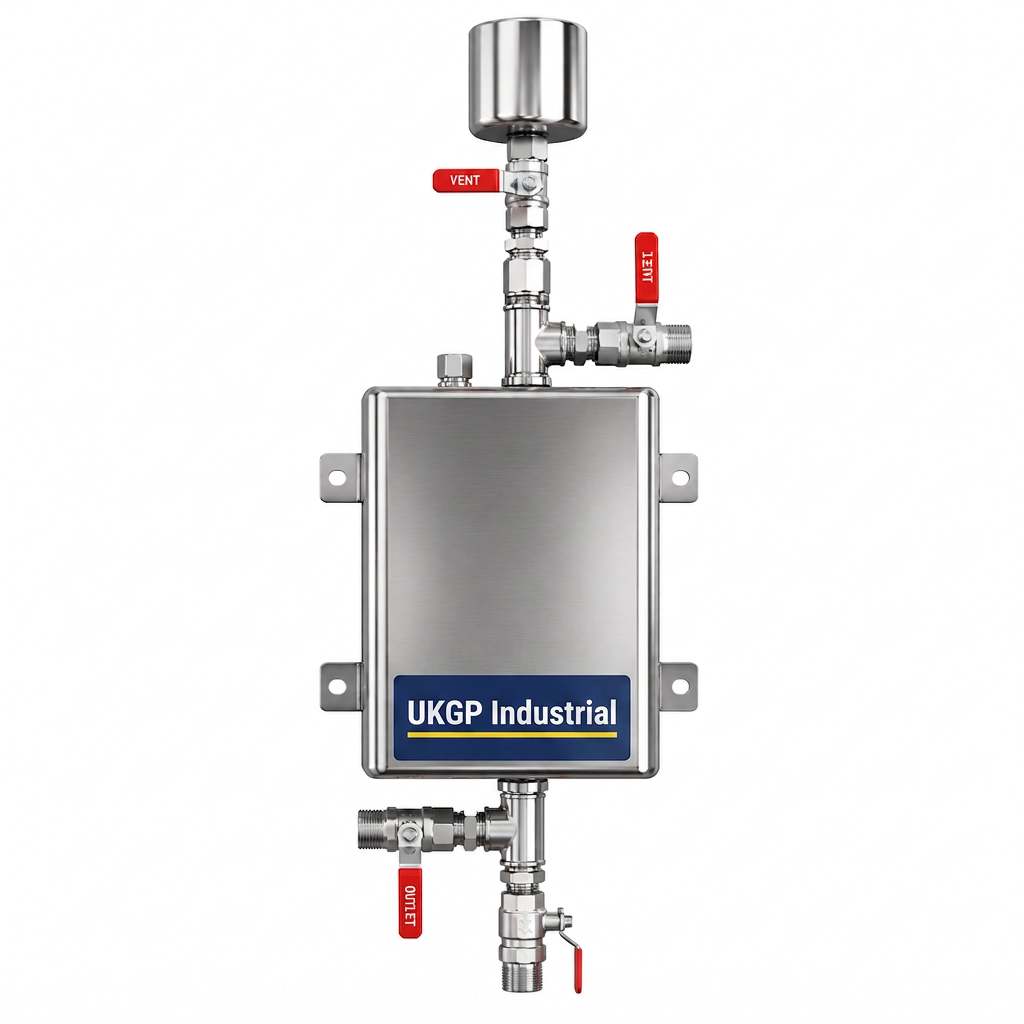
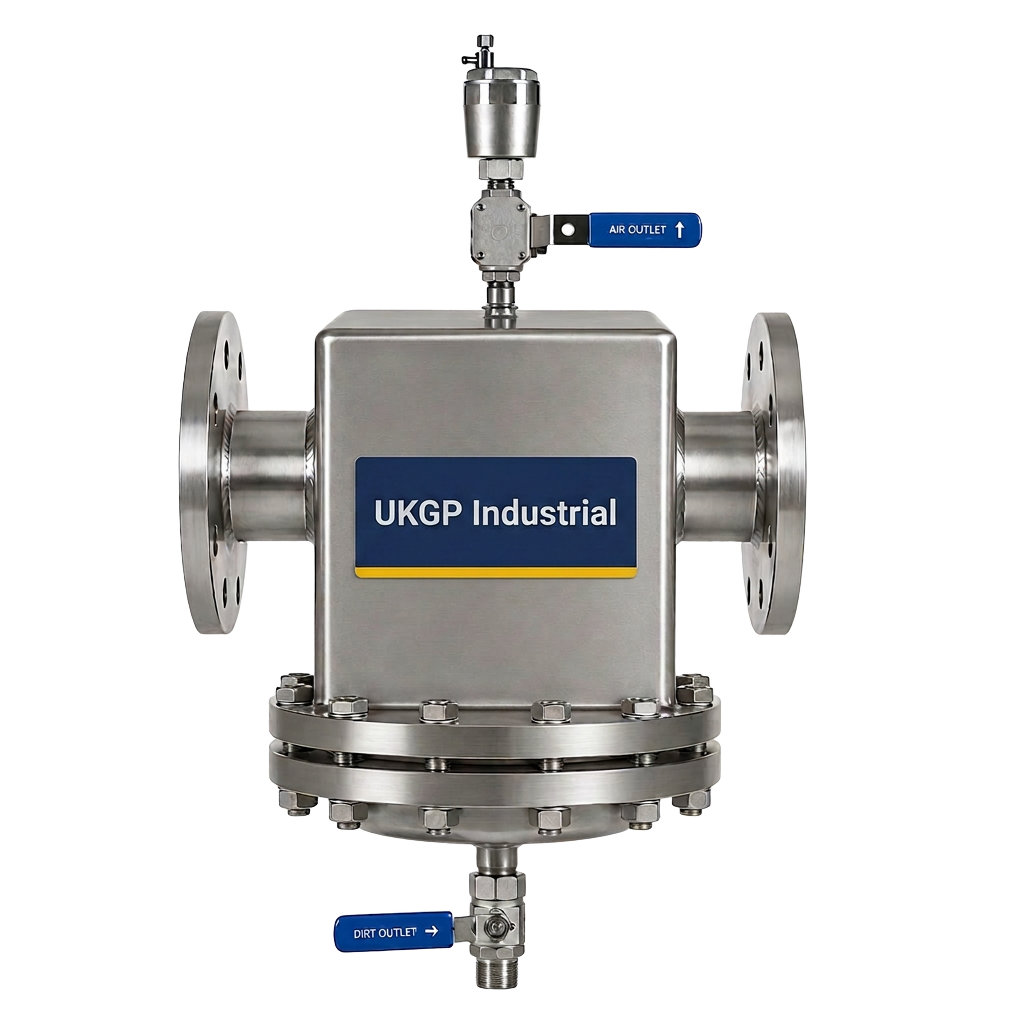
Furthermore, the presence of air in a system can significantly undermine the effectiveness of any water treatment program. Even after a successful kamco power flushing procedure, micro-bubbles can continue to cause erosion and noise. It is standard best practice for UK plant-room engineers to install high-performance air and dirt separators on the primary flow. These units complement the power flush by removing any air introduced during the cleaning process and trapping any remaining oversized debris particles. This multi-stage separation strategy ensures that the circulating fluid is as close to chemically and physically inert as possible, meeting CIBSE recommendations.
When specifying these components, it is crucial to consider the total system volume and the expected flow rates. A well-designed plant room uses a combination of low loss headers to decouple the primary and secondary circuits, alongside high-efficiency separation and filtration. This architecture allows for a more controlled kamco power flushing process if maintenance is required in specific zones without draining the entire building. By using UKGP’s range of British-manufactured separators and headers, engineers can build a system that is easy to flush, easy to maintain, and exceptionally reliable under the demanding conditions of commercial use.
- Install expansion bellows to manage thermal stress post-flushing
- Utilize air and dirt separators to remove gases introduced during the flush
- Integrate low loss headers for hydraulic decoupling and easier zone maintenance
- Ensure all bellows meet BS EN 14917 standards for safety and longevity
Chemical Dosing and Water Chemistry Control
No kamco power flushing exercise is complete without the correct chemical application. Dosing pots are the industry-standard method for introducing cleaning chemicals during the flush and inhibitors thereafter. For commercial systems, these pots must be robust enough to handle the pressures of a full plant room. Proper chemical dosing ensures that the 'scouring' action of the power flush is chemically assisted to break down hardened magnetite. Once the flush is finished, the same dosing pots are used to introduce passivation chemicals that protect the freshly cleaned metal surfaces from flash rusting, a common issue in poorly managed systems.
Monitoring the efficacy of these chemicals is where many facility management teams fall short. Following a kamco power flushing procedure, it is vital to use precise pH sensors and transmitters to monitor the alkalinity of the system water. Most commercial boiler heat exchangers require a specific pH range—typically between 8.2 and 9.5 for multi-metal systems—to avoid both acidic corrosion and caustic gauging. If the chemical balance is not maintained post-flush, the system will rapidly return to its previous state of degradation, rendering the expensive cleaning process a waste of resources. Modern BMS integration allows these values to be monitored remotely.
UKGP supports this technical requirement through our range of high-capacity dosing pots and precision monitoring equipment. By combining the physical removal of debris via kamco power flushing with accurate chemical control, you achieve a level of system stability that meets the highest BSRIA and BS 8552 standards. For procurement leads, this representative approach ensures that the building's infrastructure is protected against common failure modes. We recommend a regular sampling schedule be established immediately after the initial flush to confirm that the inhibitor levels remain at the manufacturer-recommended concentrations, sustaining the thermal performance of the entire heating or cooling loop.
- Use commercial dosing pots for accurate chemical delivery during flushing
- Monitor pH levels post-flush to prevent flash rusting and caustic damage
- Establish a baseline water chemistry profile according to BS 8552
- Integrate sensors with BMS for real-time alerts on water quality deviations
Integrating UKGP Side Stream Filtration After flushing
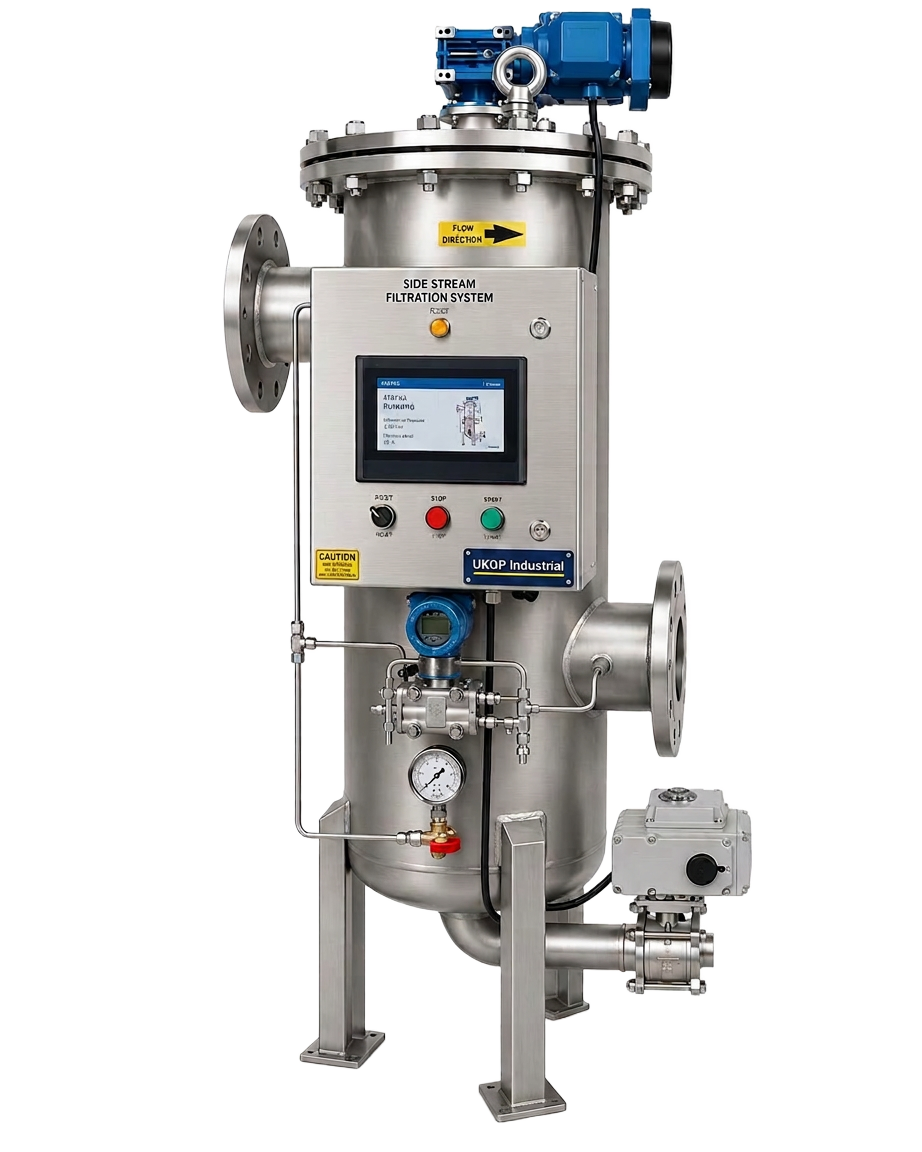
While kamco power flushing provides the high-intensity 'deep clean' required to restore a system, it is the side stream filtration units that provide the long-term protection. Specifically, a UKGP side stream filtration skid—offering flow rates from 5 to 50 m³/h—is designed to continuously divert a portion of the system flow through high-intensity magnetic rods and 25 µm bag or cartridge filters. This ensures that any magnetite that persists after a flush, or any new debris created by secondary corrosion, is captured before it can settle in heat exchangers or sensitive control valves. This is the only way to satisfy the continuous maintenance requirements of BSRIA BG50.
Our skids are manufactured in Surrey and come fully skid-mounted with isolation valves for easy installation and maintenance. This 'plug-and-play' design is ideal for M&E contractors who need to deliver BSRIA-aligned results within tight project timelines. Every unit includes a 2-year warranty, reflecting our confidence in the British engineering that goes into our products. For consultants, specifying a side stream filter along with a kamco power flushing requirement ensures that the client receives a system that maintains its efficiency rating throughout its life cycle. It prevents the gradual 'efficiency creep' caused by sludge accumulation, which can otherwise increase energy costs by up to 15%.
When budgeting for plant room works, the combination of kamco power flushing and UKGP side stream filtration represents excellent value for money. The reduction in emergency call-outs and the extension of boiler life far outweigh the initial capital expenditure. Our technical team is available to assist with sizing the correct skid for your specific system volume and flow requirements. Whether you are dealing with a small office block or a large-scale district heating network, our filtration solutions provide the fine-particle capture that standard strainers simply cannot match, ensuring your water quality remains within BSRIA-specified limits year-round.
- Continuous capture of sub-25 µm particles post-flush
- High-intensity magnetic separation for effective magnetite removal
- Fully skid-mounted with isolation valves for rapid site integration
- 2-year warranty on all Surrey-manufactured filtration units
Best Practice for Commercial Plant Room Handover
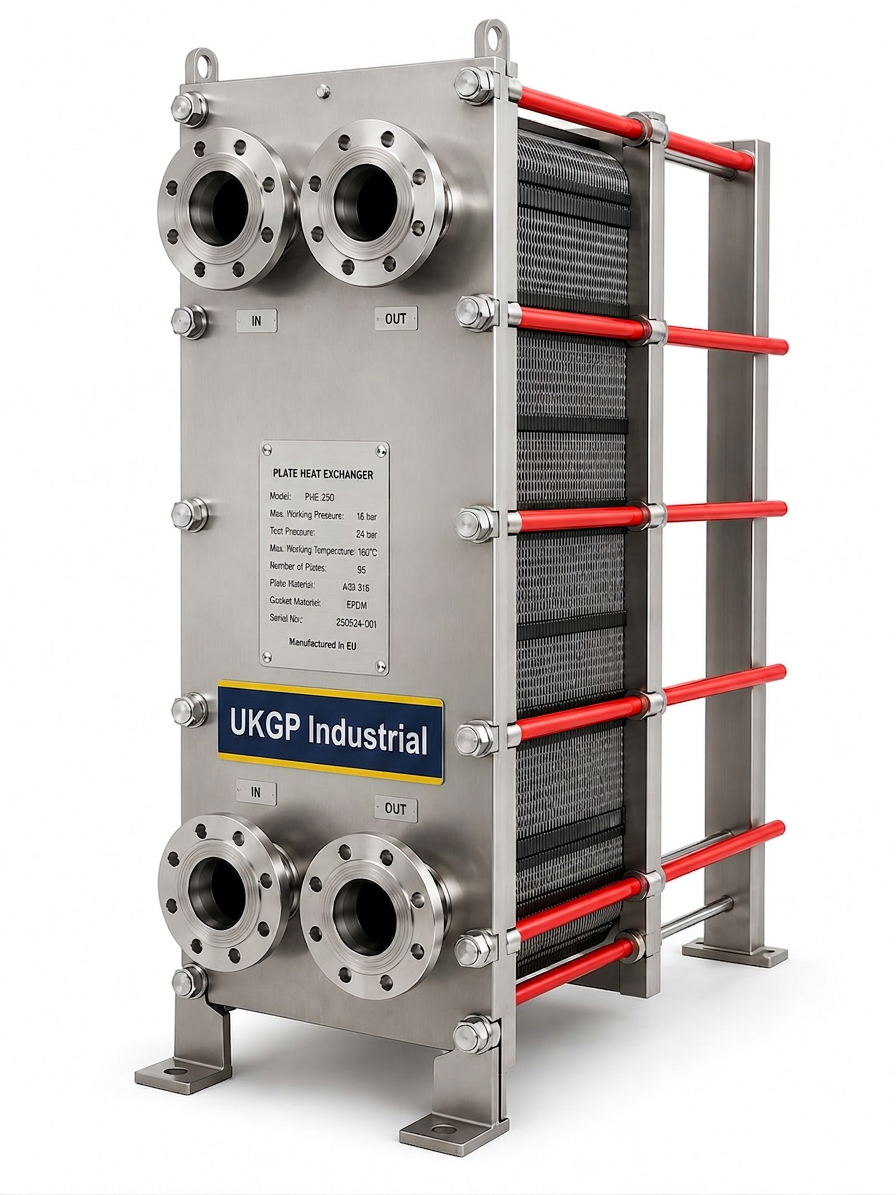
The final stage of any remedial or commissioning project involving kamco power flushing is the validation of results. This involves not only water testing but also a thorough inspection of all plate heat exchangers and sensors. If the system incorporates plate heat exchangers to separate primary and secondary circuits, these can act as debris traps. Ensuring they are bypassed or individually flushed during the power flushing process prevents blockages. Following the flush, the performance of the heat exchangers should be verified by checking the approach temperature—the difference between the primary and secondary outlet temperatures—to ensure optimal heat transfer has been restored.
Documentation is often the most overlooked part of the process. For BSRIA BG29 and BG50 compliance, a full report should be generated detailing the kamco power flushing duration, the chemicals used, the water samples taken, and the final turbidity readings. This report serves as a benchmark for the FM team. By providing clear evidence of the system's baseline cleanliness, you protect the reputation of the M&E contractor and provide the client with peace of mind. Regular maintenance contracts should then be established to check the side stream filters and dosing pots, ensuring that the water quality does not deviate from these established standards over time.
In summary, kamco power flushing is a vital tool, but its success depends on the auxiliary equipment and maintenance procedures that surround it. UKGP is committed to supporting the UK building services industry with high-quality, technically compliant products designed for the rigours of commercial heating and cooling. From low loss headers that ensure proper flow distribution to side stream filtration skids that provide 24/7 water polishing, we have the engineering expertise to help you achieve and maintain BSRIA-aligned results. Contact our Surrey office today for technical specifications or to request a quote for your next commercial project.
- Bypass or individually flush plate heat exchangers to prevent blockages
- Generate comprehensive BSRIA-compliant handover reports and logs
- Schedule regular inspections of magnetic filters and dosing units
- Verify heat transfer efficiency through delta-T and approach temperature checks
Frequently asked questions
How often should kamco power flushing be performed?
- In a well-maintained commercial system with UKGP side stream filtration and correct chemical dosing, a full kamco power flushing should only be necessary during commissioning or when making significant changes to the plant. However, if BG50 water analysis shows a spike in suspended solids or iron, a remedial flush may be required.
Does kamco power flushing remove 100% of magnetite?
- While highly effective at removing bulk debris, mechanical flushing alone rarely removes 100% of all particulates, especially sub-micron iron oxides. This is why BSRIA BG50 recommends the permanent installation of magnetic side stream filtration to capture any remaining or newly formed magnetite that shifts during normal operation.
Can kamco power flushing damage old pipework?
- Professional kamco power flushing uses high flow rates at low pressure (typically below 2 bar), which is safer for the system than high-pressure jetting. However, a pre-flush survey should always be conducted to ensure the structural integrity of the pipework and to identify any thin-walled sections that may be prone to failure.
How do I size a side stream filter for my project?
- Sizing is based on the total system volume and the desired turnover rate. Generally, we recommend a flow rate through the filter that equates to 5-15% of the total system circulation. UKGP offers skids ranging from 5 to 50 m³/h to cover most commercial applications, from schools to hospitals.
Is chemical cleaning necessary every time we flush?
- BSRIA BG29 and BG50 both emphasize the importance of chemical assistance during a flush. Specific cleaners help detach magnetite and oily films from internal surfaces, making the mechanical power flushing much more effective. Always ensure the system is thoroughly neutralised and inhibited after using cleaning chemicals.