The Role of Inhibitor Dosing Equipment in Modern HVAC
In the UK building services sector, the integrity of a closed-loop heating or chilled water system is directly proportional to the consistency of its chemical treatment regime. Inhibitor dosing equipment, primarily consisting of high-quality stainless steel dosing pots, serves as the critical entry point for corrosion inhibitors and biocides. Without professional-grade equipment, engineers risk uneven chemical distribution, leading to localized corrosion cells and the eventual degradation of expensive system components like boilers and heat exchangers. Following the principles of BSRIA BG29 and BG50, it is essential that these dosing solutions are integrated during the pre-commissioning cleaning phase and maintained throughout the operational life of the building to prevent the formation of magnetite and scale.
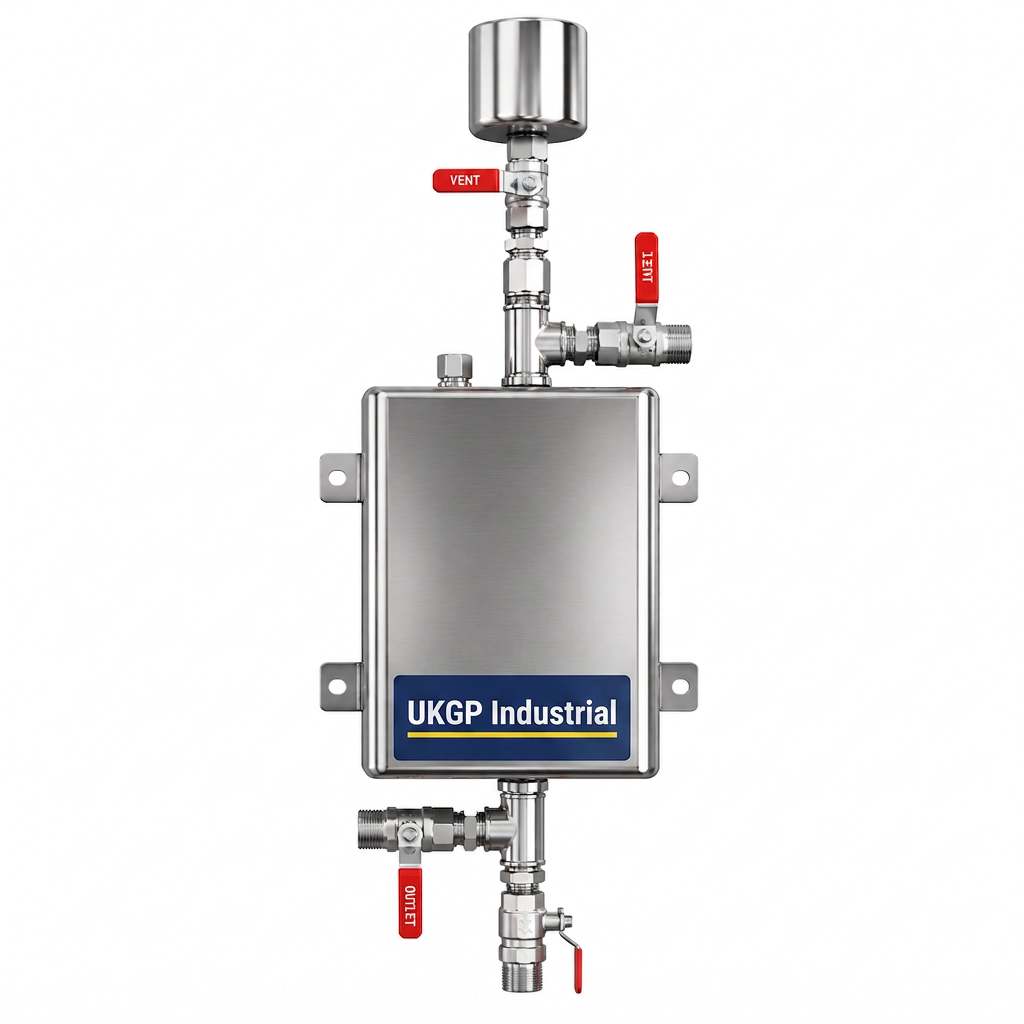
Choosing the right inhibitor dosing equipment involves understanding the specific volume and pressure requirements of your facility. A standard dosing pot from UKGP Industrial is designed to allow the safe manual injection of chemicals into the circuit without de-pressurising the main system. This is achieved through a sequence of valve operations that isolates the pot, allowing it to be filled and then reintroduced to the flow. In large-scale M&E projects, ensuring these pots are manufactured to BS EN 13445 standards is a non-negotiable safety requirement. The robust construction of our UK-manufactured range ensures that contractors can meet building regulations while providing facilities managers with a reliable, leak-free solution for ongoing water chemistry maintenance.
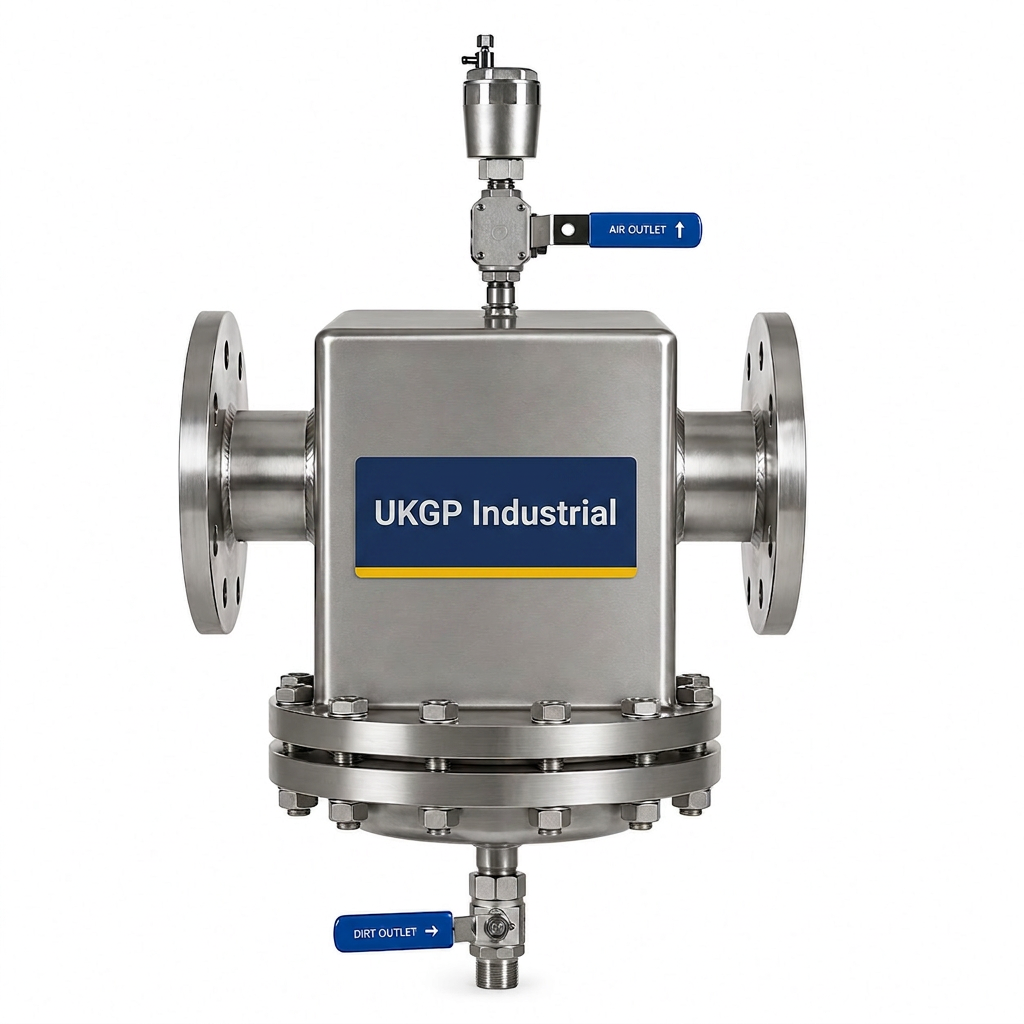
Beyond the hardware itself, the effectiveness of inhibitor dosing equipment is tied to the total system health strategy. This includes the use of air and dirt separators to remove physical contaminants that could otherwise shield bacteria from biocide treatment. When specifying equipment for a Surrey-based project or a London commercial fit-out, professionals must consider the ease of access for testing and sampling. As per BS 8552, regular sampling is required to monitor the levels of active inhibitors. Integrating a well-positioned dosing pot facilitates this process, ensuring that any shortfall in chemical concentration can be rectified immediately, thereby protecting the capital investment of the HVAC infrastructure and reducing the risk of premature system failure.
- Complies with BSRIA BG29 and BG50 water quality guidelines.
- Manufactured from high-grade stainless steel for longevity.
- Tapered threads and high-quality isolation valves as standard.
- Available in various capacities from 3.5 to 25 litres.
- Facilitates easy biocide and inhibitor introduction.
Technical Specifications and Sizing for Dosing Pots
Sizing inhibitor dosing equipment is not merely a matter of plant room space but is governed by the total system water volume and the required dosage rates of the chosen chemicals. A common mistake in UK plant room design is undersizing the dosing pot, which leads to multiple time-consuming dosing cycles for the maintenance team. Typically, for a standard commercial heating system, a 10-litre to 15-litre dosing pot is the industry standard, providing a balance between physical footprint and functional capacity. UKGP Industrial fabricates these units to order, ensuring they meet the specific pressure ratings of your circuit, often up to 10 or 14 bar, depending on the building height and pump head specifications.
The installation of inhibitor dosing equipment must follow a specific bypass configuration across the main flow and return headers or the primary circulating pump. By utilizing the pressure differential created by the pump, the chemical charge is naturally drawn into the system. It is vital to specify units that include an integral tundish and a non-return valve to prevent backflow and potential contamination of the local water supply. Our UK-made dosing pots are designed with the installer in mind, featuring clear labelling and robust support feet. This attention to detail reduces the time spent on-site by M&E contractors and ensures that the final handover meets the high aesthetic and technical standards expected in modern British plant room environments.
When procurement leads evaluate inhibitor dosing equipment, the total cost of ownership must include the durability of the valves and internal finishes. Cheap imports often suffer from valve seizure or internal rusting within years, leading to a loss of system protection. In contrast, UKGP Industrial provides a 2-year warranty on our dosing equipment, reflecting our confidence in the British manufacturing process. Our lead times are typically 6 to 8 weeks for bespoke orders, allowing project managers to align delivery with the early stages of plant room fit-out. Investing in high-quality dosing hardware at the start of a project avoids the significant costs associated with flushing and remediating a fouled system later in its lifecycle.
- Stainless steel body prevents internal corrosion of the equipment itself.
- Supplied with 1/2 inch or 1 inch connections to suit system flow.
- Includes air vent and drain valves for safe operation.
- Pressure tested to ensure compliance with PD5500 requirements.
- Suitable for both chilled water and LTHW applications.
Integrating Side Stream Filtration with Dosing
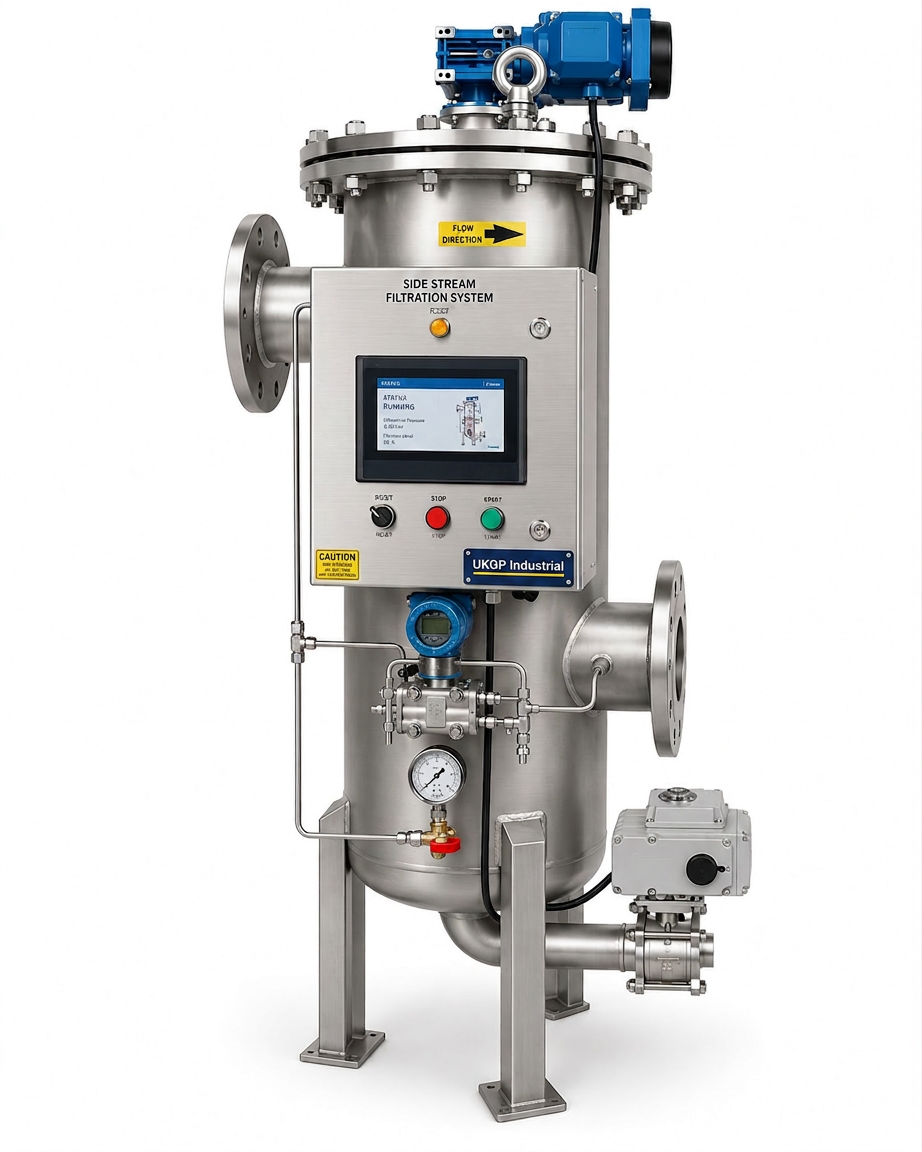
While individual inhibitor dosing equipment is vital for chemical entry, its effectiveness is significantly enhanced when paired with a side stream filtration skid. In a closed-loop system, debris and suspended solids can harbour bacteria and consume chemical inhibitors, rendering the treatment less effective. A side stream filtration unit continuously cleans a percentage of the circulating water, typically 5-15% of the total flow rate as per BSRIA BG50 recommendations. By removing solids down to 5 microns, the filtration skid ensures that the corrosion inhibitors introduced via the dosing pot can reach all metal surfaces unimpeded, providing a comprehensive protection strategy that is far superior to chemical treatment alone.
UKGP Industrial specializes in the manufacture of side stream filtration skids that are designed to complement your inhibitor dosing equipment. Starting from £6,800 + VAT, these made-to-order units are a cost-effective insurance policy against system blockages. Available in sizes from DN50 to DN100, our skids are typically delivered within a 6-8 week lead time and come with a 2-year warranty. For a building services consultant, specifying a combined approach—where the dosing pot handles the chemistry and the filtration skid handles the water clarity—is the most reliable way to ensure the HVAC system performs to its designed efficiency while meeting the rigorous demands of CIBSE CP1 standards for heat networks.
Commercial plant rooms in the UK are increasingly adopting these integrated skids because they simplify maintenance. Instead of reactive flushing, which wastes water and expensive chemicals, the side stream filter captures contaminants in a controlled manner. When the chemicals are added via the inhibitor dosing equipment, they are not 'spent' cleaning up existing dirt but are instead used for their intended purpose: protecting the base metal. For procurement leads, the ROI is clear; reduced pump wear, improved heat transfer in plate heat exchangers, and lower chemical consumption over the building's life. Request a quote for our DN50-DN100 skids to secure a robust, UK-engineered solution for your next project.
- Units priced from £6,800 + VAT for DN50 specifications.
- Standard 6-8 week lead time for UK-made bespoke units.
- Comprehensive 2-year warranty for peace of mind.
- Removes suspended solids that interfere with chemical inhibitors.
- Designed for seamless integration with dosing pots and separators.
Best Practices for Biocide and Inhibitor Application
Successfully managing water chemistry requires more than just high-quality inhibitor dosing equipment; it demands a strict adherence to dosing protocols. Biocides, in particular, must be dosed in a 'slug' fashion to maintain a high enough concentration to kill microbes effectively without allowing them to build resistance. This is where a correctly sized dosing pot becomes essential, allowing the full required volume to be introduced at once. In chilled water systems where temperature conditions can promote Pseudomonas growth, biocide dosing is a critical safety measure. Engineers must ensure they are using the equipment to hit the target concentrations specified in the water treatment specialist's program, often verified by a site-based test kit.
Corrosion inhibitors, conversely, require maintained levels to form a protective film on the internal pipework. If the inhibitor dosing equipment is under-utilised, this film can break down, leading to rapid 'pitting' corrosion which can breach a pipe wall in months. For M&E contractors, the handover process should include a clear demonstration of the dosing pot's operation to the FM team. This ensures that the system is not left vulnerable during the critical first year of operation. All UKGP equipment is supplied with clear documentation to facilitate this training, ensuring that the water treatment regime remains consistent from day one of the building's occupancy.
It is also important to consider the environmental impact of chemical dosing. Over-dosing is not only wasteful and expensive but can also affect the discharge permits of a site if the system needs to be drained. By using precise inhibitor dosing equipment, engineers can ensure exactly the right amount of product is used. This precision supports the sustainability goals of modern UK developments and aligns with BREEAM requirements for water and energy efficiency. When you choose a UKGP dosing pot, you are choosing a tool designed for precision, durability, and compliance with the highest standards of British engineering.
- Slug dosing for biocides ensures maximum efficacy against bacteria.
- Constant inhibitor levels prevent 'pitting' and oxygen-driven corrosion.
- Precise dosing saves money and reduces environmental impact.
- Training for FM teams is easier with high-quality, labelled equipment.
- Compatible with all major UK chemical treatment brands.
Material Selection and Durability Standards
In the aggressive environment of an industrial plant room, the material of construction for your inhibitor dosing equipment is paramount. While some low-cost units utilize mild steel, these are prone to internal corrosion which can contaminate the very system they are meant to protect. UKGP Industrial exclusively uses high-grade stainless steel for our dosing pots and filtration housings. This ensures that the equipment remains inert and does not contribute to the iron loading of the system water. For procurement leads and plant room engineers, this material choice represents a commitment to quality that avoids the 'false economy' of cheaper, and ultimately shorter-lived, alternatives.
The valves and fittings associated with the inhibitor dosing equipment are equally critical. We specify high-specification ball valves with reinforced seats to ensure a tight shut-off even after years of being submerged in chemically treated water. Every unit is pressure tested in our UK facility before dispatch, ensuring it can handle the thermal expansion and pressure fluctuations common in LTHW and chilled water circuits. By adhering to BS EN standards during the manufacturing process, we ensure that our products provide a safe working environment for the engineers who operate them daily, minimizing the risk of high-temperature or high-pressure incidents.
Lead times for high-quality inhibitor dosing equipment in the UK have fluctuated recently, but UKGP Industrial maintains a stable 6-8 week production cycle for made-to-order units. This reliability is vital for contractors working on tight construction schedules. By manufacturing in Surrey, we eliminate the delays and uncertainty associated with international shipping. Whether you require a single 3.5L pot for a small commercial unit or a suite of 25L pots for a district heating network, our team provides the technical support and quick turnaround necessary to keep your project on track and in full compliance with BSRIA standards.
- Exclusively manufactured from 304 or 316 stainless steel.
- All units pressure tested at factory to 1.5x working pressure.
- Reinforced valve seats for long-term leak prevention.
- Sourced and manufactured locally in the UK (Surrey).
- Clear technical data sheets provided for every order.
Ensuring Long-Term Performance of HVAC Systems
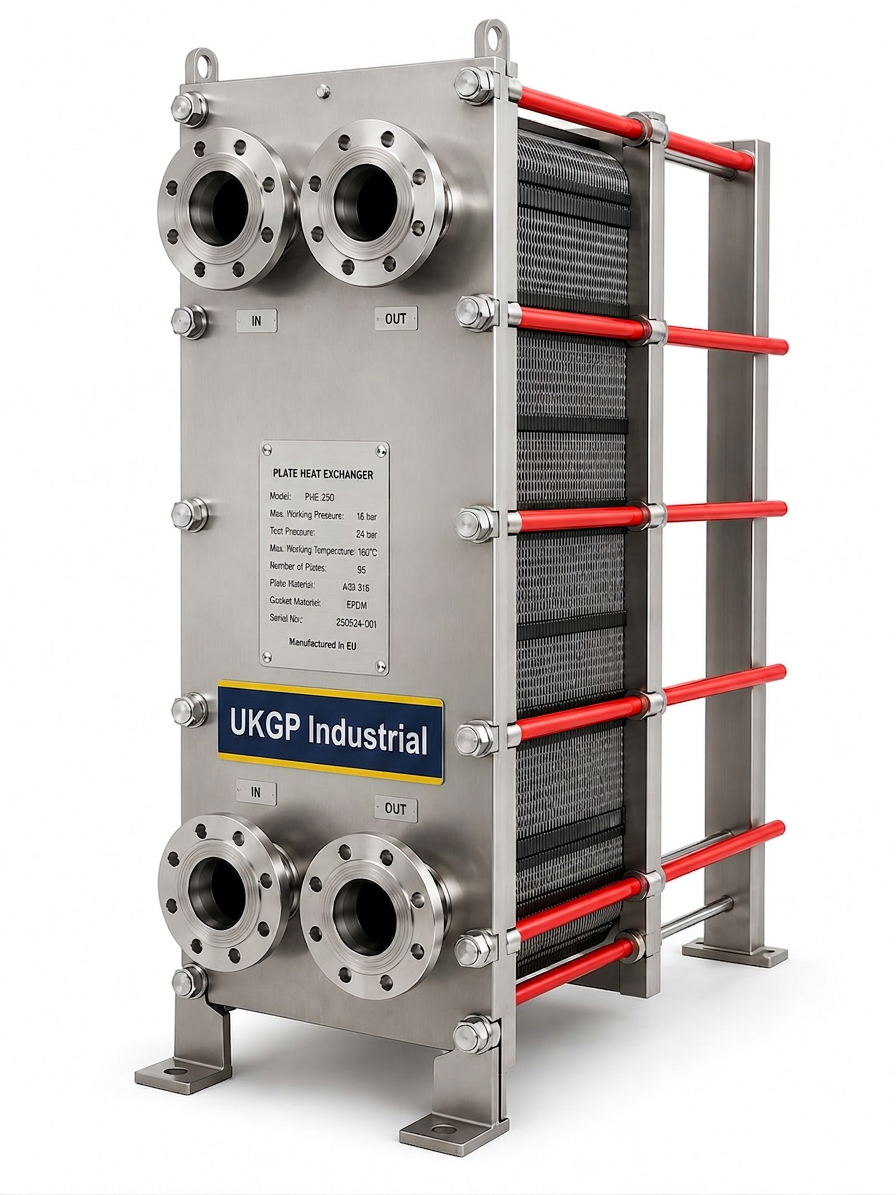
The ultimate goal of installing professional inhibitor dosing equipment is the preservation of the building's HVAC assets. From the plate heat exchangers that handle domestic hot water to the expansion bellows that accommodate thermal movement, every component relies on the water chemistry being correct. A failure in the dosing regime can lead to scale build-up in heat exchangers, reducing their efficiency and increasing energy costs for the building operator. By implementing a proactive approach with UKGP equipment, you ensure that the system operates at its peak coefficient of performance (COP) for the duration of its intended service life, as outlined in CIBSE Guide M.
Regular maintenance of the inhibitor dosing equipment itself is minimal but necessary. Checking the seals and ensuring the valves are unobstructed will keep the unit ready for use. More importantly, using the equipment as part of a scheduled water treatment plan ensures that the system water remains within the parameters of BG50. This prevents the costly 'dirty system' cycle, where inefficiency leads to higher pump speeds, which leads to more erosion, and ultimately, system failure. For the building owner, the presence of UKGP Industrial equipment in the plant room is a sign of a high-quality build that values longevity and operational excellence.
As you finalize your plant room specifications, consider the advantage of sourcing all your water quality components from a single UK manufacturer. Alongside our inhibitor dosing equipment, we offer air and dirt separators, expansion bellows, and our signature side stream filtration skids. This holistic approach ensures compatibility and simplified procurement. Our DN50 to DN100 filtration skids, starting at £6,800 + VAT, are the perfect partner for our dosing range, offering a 2-year warranty and a 6-8 week lead time. Contact our engineering team today to discuss your project requirements and receive a technical proposal tailored to your system's specific needs.
- Protects expensive plate heat exchangers from scaling.
- Reduces energy consumption by maintaining heat transfer efficiency.
- Sourcing from one UK manufacturer simplifies technical support.
- 2-year warranty covers all UKGP manufactured dosing equipment.
- Aids in achieving CIBSE and BSRIA operational standards.
Frequently asked questions
What is the standard lead time for a UKGP dosing pot?
- Our inhibitor dosing equipment is typically manufactured to order in our Surrey facility with a lead time of 6-8 weeks, ensuring you receive a unit built to your specific pressure and capacity requirements.
Do I need a side stream filter if I have a dosing pot?
- While the dosing pot introduces chemicals, it does not remove existing debris. BSRIA BG50 recommends side stream filtration to remove suspended solids, which ensures your inhibitor dosing equipment can work effectively without chemicals being 'used up' by sludge.
What standards do UKGP dosing pots comply with?
- All our inhibitor dosing equipment is manufactured in accordance with the Pressure Equipment Directive and follows the best practice guidelines set out in BSRIA BG29 and BG50.
What size dosing pot should I specify for a commercial building?
- This depends on the total system volume. However, 10-litre and 15-litre units are most common for medium-sized commercial plant rooms. We can help you calculate the correct size based on your system's water capacity.
What is the warranty on UKGP water treatment equipment?
- We provide a comprehensive 2-year warranty on all our made-to-order inhibitor dosing equipment and side stream filtration skids, reflecting our commitment to UK manufacturing quality.