Breaking Down the Average Heat Exchanger Cleaning Cost
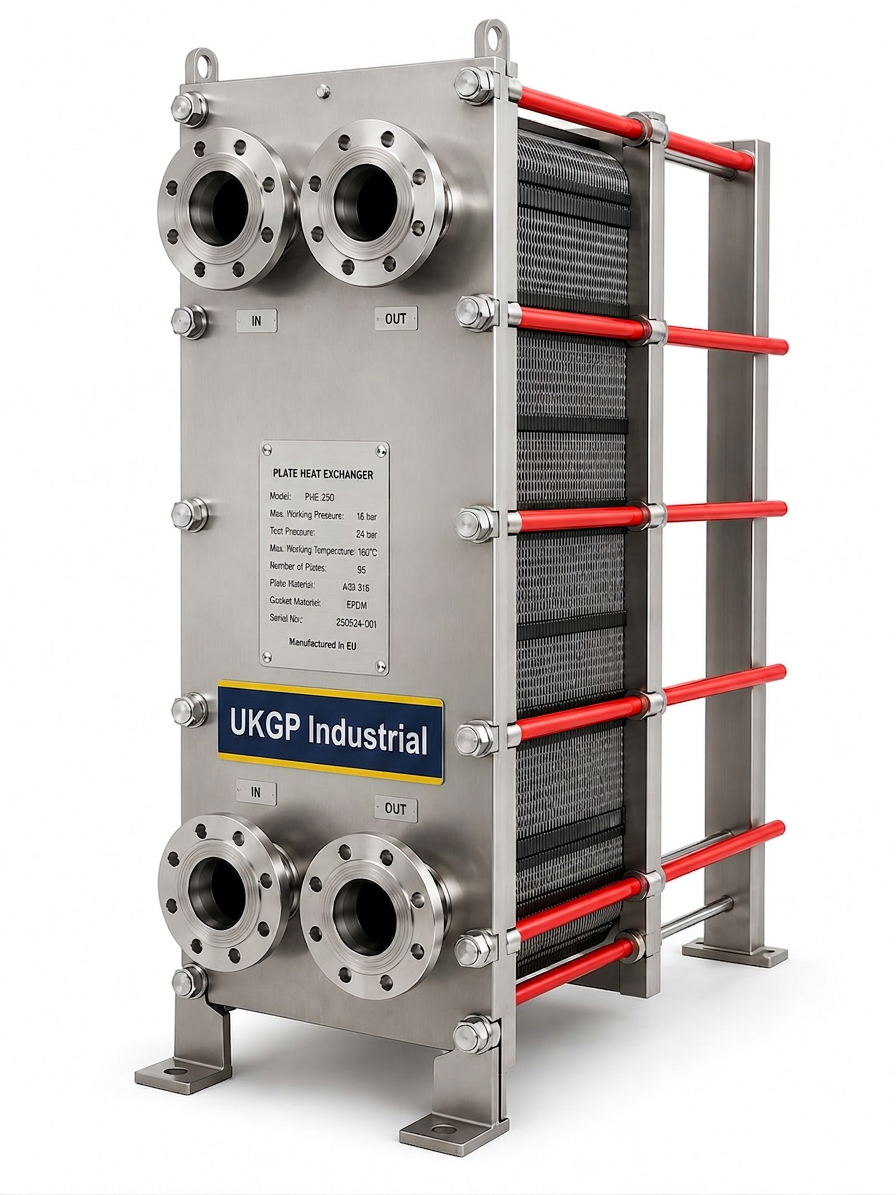
Estimating the direct heat exchanger cleaning cost requires an analysis of both labour and consumables within the UK commercial sector. For a standard plate heat exchanger (PHE), a professional chemical clean in place (CIP) or manual strip-and-clean can vary significantly based on the unit's capacity and the severity of the fouling. On average, facility managers should budget between £800 and £2,500 per unit for a comprehensive service, excluding the cost of replacement gaskets if the plates are disassembled. It is critical to account for the downtime associated with these works, as process interruptions can often outweigh the physical invoice from the HVAC contractor.
The complexity of the system plays a major role in determining the final quote provided by M&E contractors. Factors such as site access, the volume of chemical descaling agents required, and the disposal of acidic waste liquids according to local UK environmental regulations all influence the pricing structure. Additionally, if the unit has been neglected for several years, the labour-intensive nature of removing stubborn magnetite or limescale deposits will naturally push the heat exchanger cleaning cost toward the higher end of the spectrum. Many consultants recommend a fixed-price maintenance contract to mitigate the risk of surge pricing during emergency breakdowns.
Choosing between a CIP procedure and a full manual service is the primary decision point for budget holders. While a CIP is generally faster and less invasive, it may not be effective against heavy biological fouling or large debris trapped within the plate pack. Conversely, a manual clean allows for detailed inspection of every plate for pitting or cracks but necessitates a full set of new gaskets to ensure a leak-free seal upon reassembly. UKGP Industrial advises that while the upfront heat exchanger cleaning cost for a manual service is higher, it often provides more peace of mind regarding the structural integrity of the heat transfer surfaces.
- Standard CIP service: £800 - £1,500 per unit.
- Manual strip-and-clean: £1,800 - £3,200 including gasket sets.
- Acidic waste disposal and environmental compliance fees.
- Labour rates for specialized M&E technicians in Greater London vs regional UK.
The Impact of BSRIA BG50 on Maintenance Budgets
Adhering to BSRIA BG50 (Water Treatment for Closed Heating and Cooling Systems) is not just a matter of compliance; it is a strategic move to manage the long-term heat exchanger cleaning cost. The guidance highlights that poor water quality is the primary driver of fouling in plate heat exchangers, which are particularly susceptible to narrow-channel blockages. By implementing the monitoring and treatment regimes suggested by BSRIA, UK engineers can extend the intervals between deep cleans, shifting expenditure from reactive 'firefighting' to lower-cost preventative maintenance. This proactive stance ensures that the system operates within its design parameters for as long as possible.
BSRIA BG50 emphasizes that the accumulation of corrosion products like magnetite at the bottom of heat exchangers significantly reduces thermal conductivity. When these solids are allowed to settle, the energy required to achieve the desired temperature setpoint increases, leading to a spike in utility bills that often dwarfs the nominal heat exchanger cleaning cost. For UK based procurement leads, investing in water quality testing and chemical dosing pots is a prerequisite for protecting expensive plant room assets. Regular sampling according to BS 8552 provides the empirical data needed to justify maintenance spend before a total system failure occurs.
Furthermore, the guidance points toward the necessity of physical filtration as a supplement to chemical treatment. In the context of the UK’s aging infrastructure, many retrofit projects face challenges with legacy debris that can quickly choke a newly installed heat exchanger. Designers following CIBSE guidelines will often specify robust filtration solutions to ensure that the heat exchanger cleaning cost does not become a recurring annual burden. By focusing on the removal of suspended solids down to the micron level, the life expectancy of the PHE plates is preserved, and the frequency of invasive cleaning procedures is dramatically reduced.
- Adherence to BSRIA BG50 guidelines for closed-loop systems.
- Regular water sampling in accordance with BS 8552 protocols.
- Prevention of magnetite build-up to maintain thermal efficiency.
- Reduction of energy waste by maintaining low approach temperatures.
Protecting Assets with Side Stream Filtration
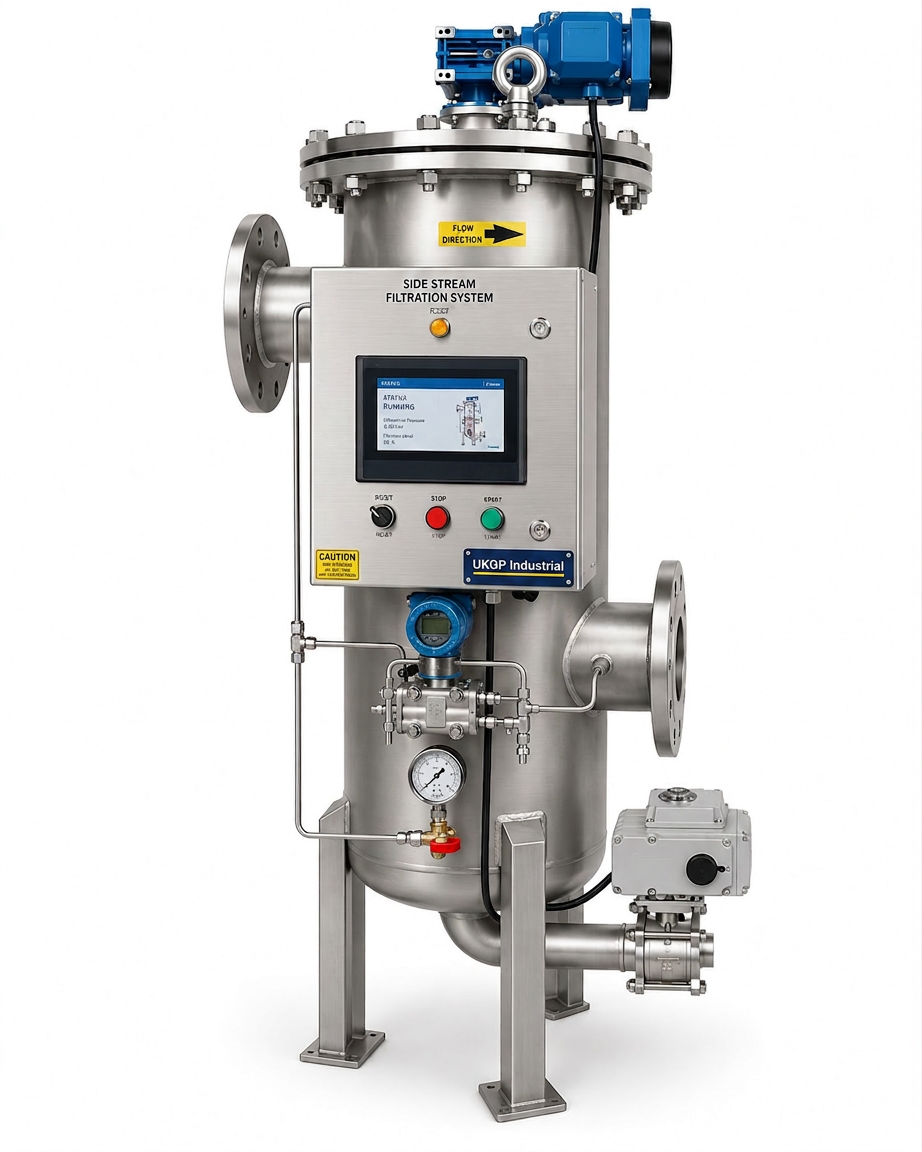
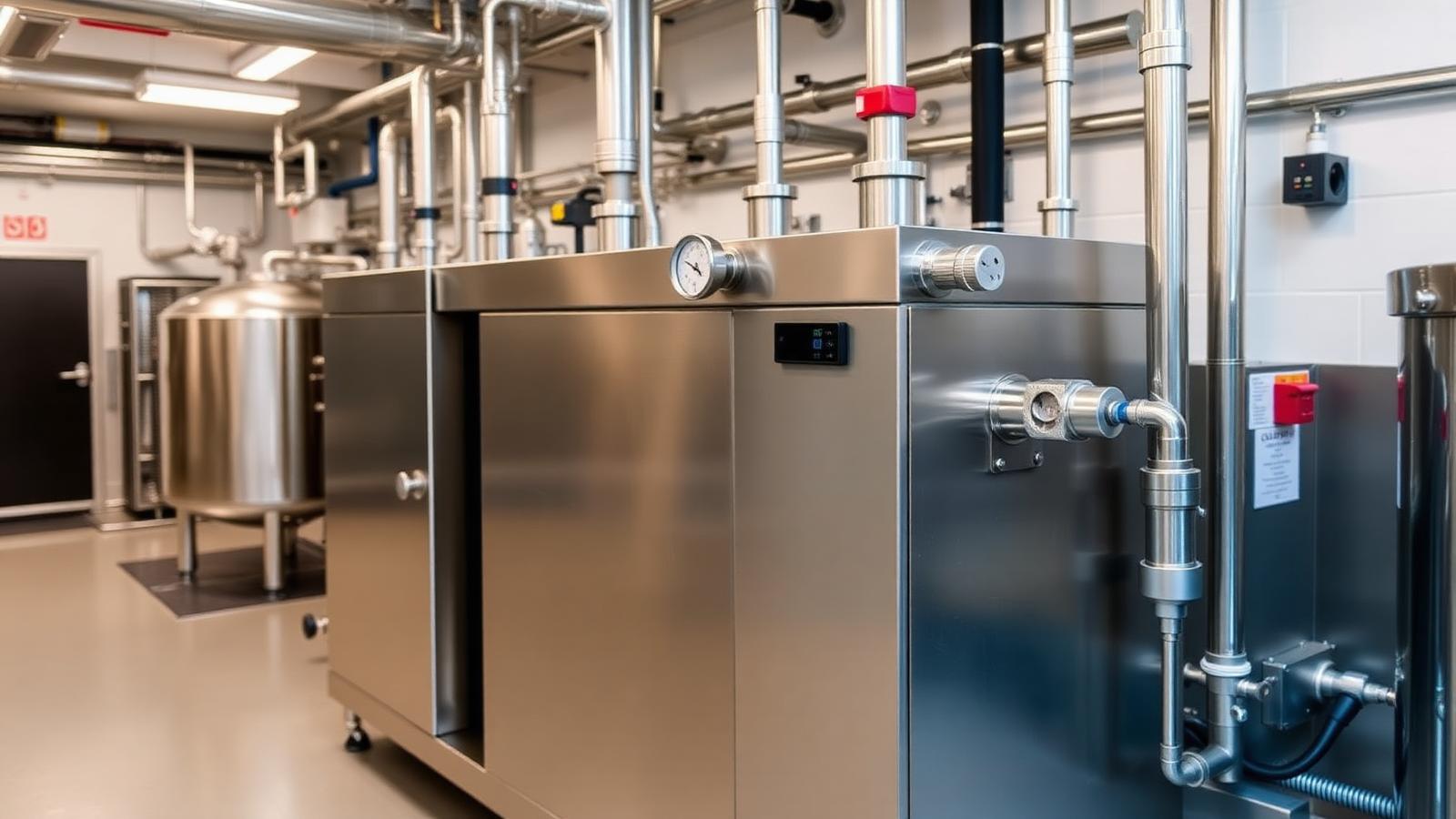
One of the most effective ways to lower the long-term heat exchanger cleaning cost is the installation of a high-performance side stream filtration skid. These systems are designed to continuously divert a portion of the system water through a filtration medium, removing both magnetic and non-magnetic particles that would otherwise settle in the low-velocity narrow channels of a plate heat exchanger. UKGP Industrial manufactures bespoke filtration skids that are specifically engineered for the UK's demanding commercial environments. By capturing debris before it reaches the heat transfer surfaces, you can effectively eliminate the need for frequent and costly chemical descaling or manual plate scrubbing.
Our side stream filtration units are made to order with a typical lead time of 6 to 8 weeks, ensuring they are perfectly matched to your system's flow rates and pipework configuration (ranging from DN50 to DN100). Starting from approximately £6,800 plus VAT, these skids offer a compelling return on investment by significantly reducing the secondary heat exchanger cleaning cost. Each unit is backed by a 2-year warranty and is built to the highest standards of UK manufacturing. For a facility manager, this represents a one-off capital expenditure that pays for itself through reduced maintenance labour, lower chemical usage, and the preservation of system-wide efficiency.
When you consider that a single emergency shutdown and emergency heat exchanger cleaning cost can reach several thousand pounds, the value of a permanent filtration solution becomes clear. A UKGP side stream filtration skid maintains water clarity, which is a key requirement under BSRIA BG29 for pre-commission cleaning and BG50 for ongoing operation. Whether you are managing a district heating network or a large commercial office block in Surrey, our technical team can provide a tailored quote and specification to help you protect your plant room and stabilize your maintenance budget for years to come.
- Units available for pipe sizes from DN50 up to DN100.
- Starting price from £6,800+VAT with a 2-year warranty.
- Typical 6-8 week lead time for made-to-order UK manufacturing.
- Removes suspended solids to prevent PHE fouling and scaling.
The Hidden Expenses: Fouling and Energy Loss
In addition to the visible heat exchanger cleaning cost, facility managers must account for the 'hidden' costs of fouled equipment. Scaling acts as an unwanted layer of insulation on the heat transfer plates, forcing primary heat sources such as boilers or heat pumps to work harder and consume more fuel. In many UK industrial applications, a mere 1mm of scale can result in a 10% to 15% drop in efficiency. Over a single winter season, the excess energy expenditure can easily exceed the cost of three professional cleanings. This makes the financial argument for regular monitoring and elite filtration systems even more persuasive to the C-suite.
Fouled heat exchangers also contribute to accelerated wear and tear on other system components. For instance, circulating pumps may be required to run at higher speeds to overcome the increased pressure drop (delta P) caused by debris accumulation within the PHE. This increased load shortens the lifespan of the pump seals and bearings, leading to further secondary maintenance costs. Therefore, the heat exchanger cleaning cost should be viewed as one part of a holistic 'total cost of ownership' model. Maintaining a clean system ensures that every component, from the valves to the expansion bellows, operates under its intended design stress levels.
A further consideration is the risk of microbial growth, such as Legionella or Pseudomonas, which can thrive in stagnant areas created by sludge build-up within a fouled heat exchanger. The legal and reputational costs of a waterborne pathogen outbreak in a UK commercial building are astronomical compared to the standard heat exchanger cleaning cost. Regular thermal shocking and chemical cleaning are common mitigation strategies, but they are only truly effective if the physical debris—where these bacteria often hide—is removed via constant filtration. Investing in a robust water treatment and filtration strategy is an insurance policy against both mechanical and biological risks.
- Energy efficiency drops of up to 15% due to calcification.
- Increased pressure drop leading to premature pump failure.
- Mitigation of biological risks including Legionella proliferation.
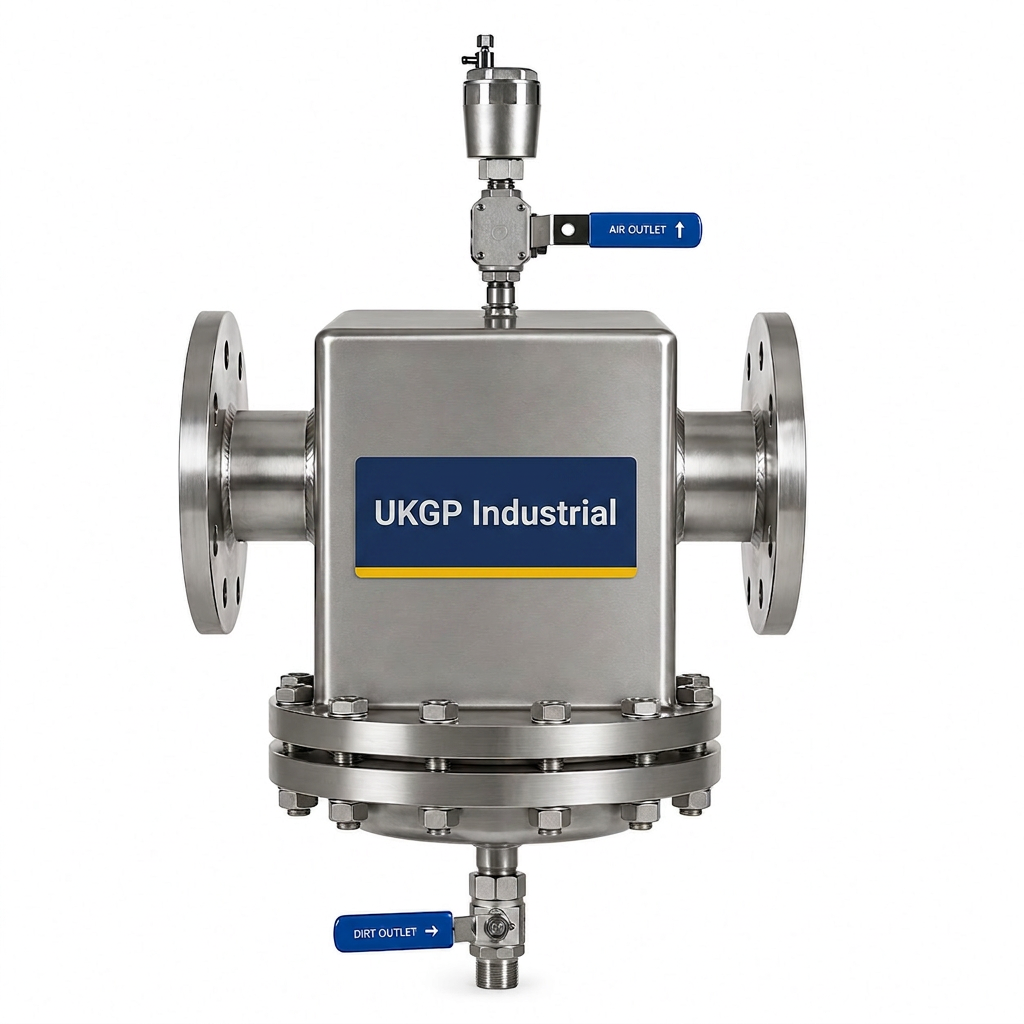
- Protection of downstream assets like air and dirt separators.
Frequency of Cleaning vs. Preventive Equipment
The frequency of service directly dictates the annual heat exchanger cleaning cost for any given site. Traditionally, many UK plant rooms operated on a 'wait and see' basis, only ordering a clean when performance dropped below a critical threshold. Modern best practices, however, suggest a shift toward condition-based maintenance. By installing differential pressure gauges and temperature sensors, engineers can track the exact moment fouling begins to impede performance. This data-driven approach allows for the heat exchanger cleaning cost to be scheduled during planned shutdowns, avoiding the premium rates associated with emergency call-outs and weekend shifts.
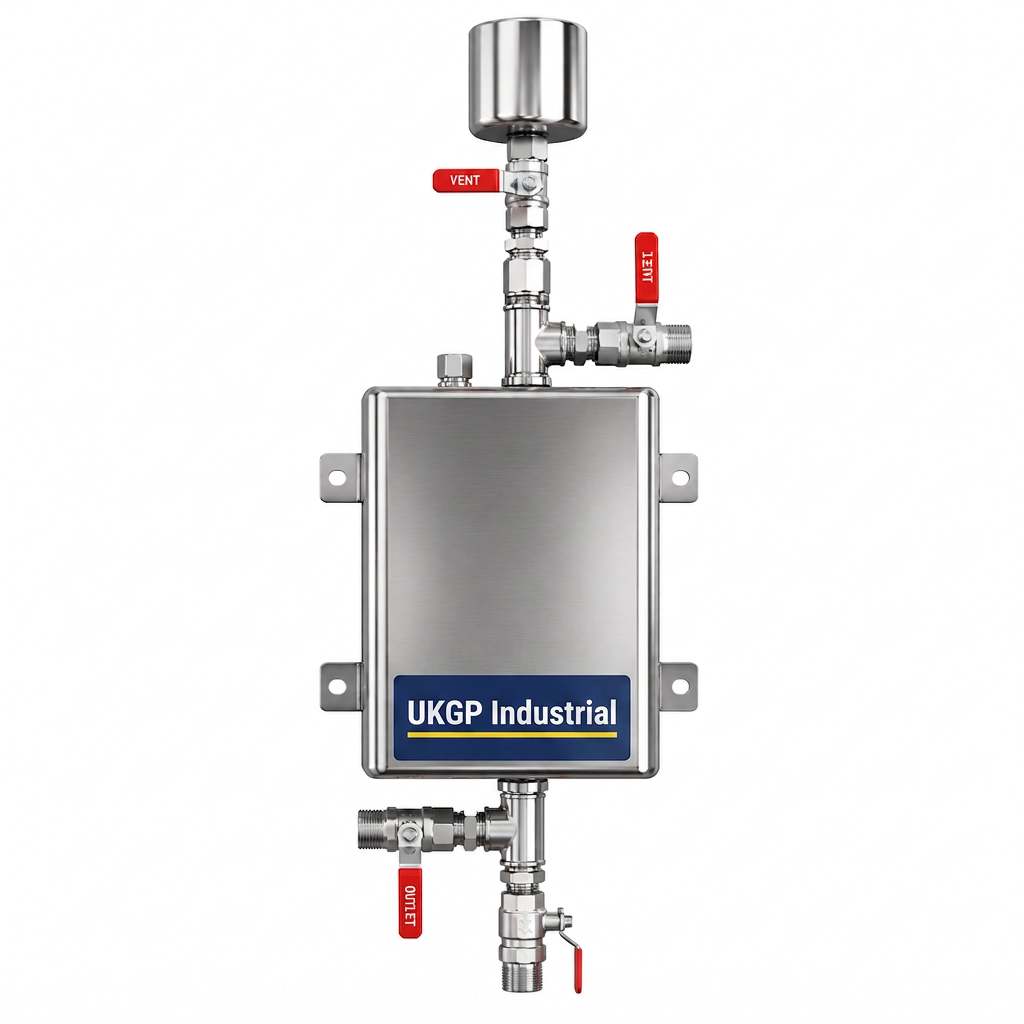
To minimize the frequency of these interventions, many contractors recommend the installation of chemical dosing pots alongside filtration. A dosing pot allows for the easy introduction of inhibitors and biocides, which keep the internal surfaces of the PHE free from oxidation and biofilm. While this adds a small amount to the initial plant room setup, it drastically lowers the lifetime heat exchanger cleaning cost. When combined with a UKGP side stream filtration unit, the water quality is far easier to maintain at the levels required by BSRIA standards. This multi-layered defense is the Gold Standard for UK building services.
Ultimately, the goal for any FM or M&E contractor should be to make the heat exchanger cleaning cost a rare line item rather than a monthly frustration. By investing in UK-manufactured filtration and dosing hardware, you are securing the operational integrity of the building’s HVAC system. UKGP Industrial provides the technical support and high-quality components required to achieve this. From expansion bellows that accommodate thermal movement to the filtration skids that keep the water clear, every piece of equipment we supply is designed to reduce the maintenance burden on the end-user.
- Transitioning from reactive to condition-based maintenance.
- Using differential pressure monitoring to signal cleaning needs.
- Synergy between chemical dosing pots and filtration skids.
- Reducing the 'delta P' to save on circulating pump energy.
Conclusion: Optimizing Your Maintenance Budget
In conclusion, while the immediate heat exchanger cleaning cost may seem like a straightforward service expense, it is deeply intertwined with the overall health of your HVAC system. Budgeting for a professional clean every 12 to 24 months is a sensible baseline for most UK facilities, but the true path to savings lies in prevention. By integrating BSRIA BG50 compliant water treatment, high-grade side stream filtration, and constant monitoring, you can protect your plate heat exchangers from the damaging effects of fouling and corrosion. This approach not only saves money on labour and chemicals but also extends the operational life of your entire plant room.
At UKGP Industrial, we specialize in helping UK building services consultants and contractors specify the right equipment to keep these costs under control. Our side stream filtration skids (DN50-DN100) are the centerpiece of this strategy, offering a robust, UK-made solution that addresses the root cause of fouling. Starting from £6,800+VAT and manufactured to order within 6-8 weeks, these units are a blue-chip investment for any commercial system. We back our products with a 2-year warranty, reflecting our confidence in their durability and performance in harsh industrial environments.
Don't let rising energy prices and unexpected repair bills compromise your facility's performance. Take control of your heat exchanger cleaning cost today by consulting with our Surrey-based technical team. Whether you need a replacement PHE, a custom dosing pot, or a full filtration skid, UKGP Industrial provides the quality and expertise required by modern UK engineering standards. Contact us to request a bespoke quote and find out how we can help you streamline your maintenance schedule and improve your building's energy footprint.
- Long-term ROI through the reduction of invasive cleaning.
- UK-manufactured quality for reliable plant room performance.
- Expert technical support based in Surrey for UK contractors.
- Commitment to CIBSE and BSRIA industry-best practices.
Frequently asked questions
How often should I pay for heat exchanger cleaning?
- Typically, a plate heat exchanger should be cleaned every 12 to 24 months. However, this depends on water quality and whether you have side stream filtration installed. If BSRIA BG50 standards are met, you can often double this interval.
What is the difference between CIP and manual cleaning costs?
- CIP (Clean-In-Place) is generally cheaper, starting around £800, as it doesn't require disassembly. Manual cleaning costs more (often £1,800+) because it involves labour-intensive plate scrubbing and the cost of new gasket sets.
Does a side stream filtration skid really reduce cleaning costs?
- Yes. By removing the suspended solids and magnetite that cause fouling, a side stream filter prevents the build-up that necessitates a deep clean. This can reduce the frequency of heat exchanger cleaning by 50-70%.
Are there environmental costs associated with heat exchanger cleaning?
- Yes, in the UK, the chemicals used for descaling must be neutralized and disposed of according to environmental regulations. Professional contractors include this ‘waste transfer’ in their total heat exchanger cleaning cost.
What is the lead time for a UKGP filtration skid to help prevent fouling?
- Our filtration skids are made to order in the UK with a lead time of 6-8 weeks. They are available in sizes DN50 to DN100 and include a 2-year warranty.