Thermal sizing and the heat exchanger plate price
In the UK commercial sector, the heat exchanger plate price is primarily dictated by the mechanical design software outputs rather than a simple flat-rate cost. When UKGP Industrial engineers size a unit, we look at the Log Mean Temperature Difference (LMTD) and the pressure drop limits. A tighter approach temperature requires more surface area, which naturally increases the heat exchanger plate price. For contractors working to BSRIA BG29 pre-commissioning cleaning standards, ensuring the initial design is robust against fouling is essential. A higher initial investment in a well-sized unit often pays dividends in reduced pumping costs and improved heat transfer efficiency over the system's life cycle.
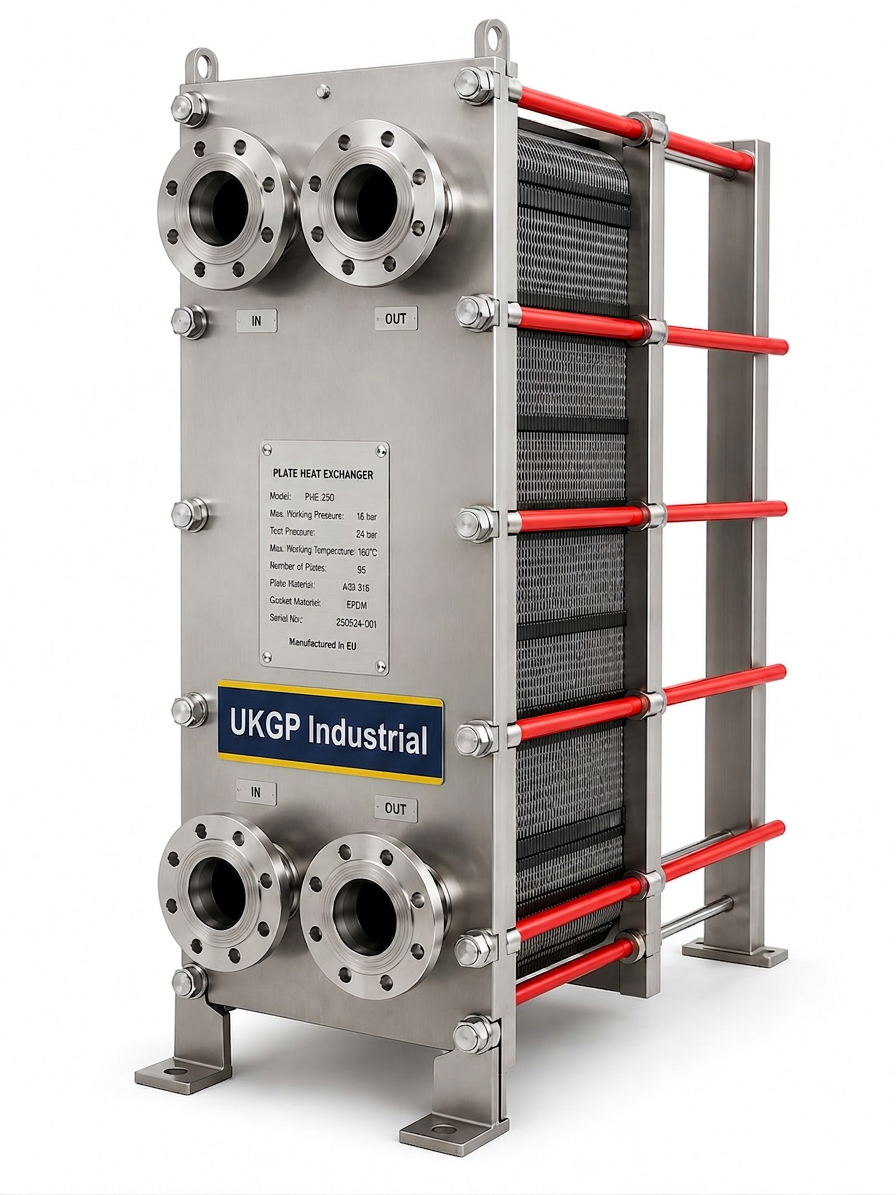
Choosing between gasketed and brazed units also shifts the technical and commercial landscape. While brazed units offer a compact footprint for smaller DN20 or DN32 applications, larger commercial district heating schemes typically require gasketed plate heat exchangers (PHEs) ranging up to DN300. The heat exchanger plate price for gasketed models includes the complexity of the frame, the compression bolts, and the specific plate metallurgy required for the fluid type. For instance, high-chloride domestic hot water applications might necessitate 316 stainless steel or even titanium, which will impact the final quote significantly compared to standard 304 stainless steel plates.
Consultants must also account for the lead time and warranty when evaluating the heat exchanger plate price. UKGP Industrial offers a clear advantage here, providing expert UK-based sizing from full thermal specs with a standard 4-6 week lead time. Furthermore, a 2-year warranty provides peace of mind for M&E contractors who are liable for defects during the first 24 months of operation. By engaging with a supplier that understands CIBSE Heat Networks Code of Practice (CP1), you ensure that the plate configuration matches the hydraulic requirements of the modern low-carbon plant room, avoiding the costly mistake of undersizing for the sake of a lower sticker price.
- Material selection: 304 vs 316 Stainless Steel impact on CAPEX.
- Impact of plate thickness (typically 0.4mm to 0.6mm) on durability.
- Thermal length (Theta) requirements and their role in plate count.
- Gasket material options including NBR, EPDM, and Viton.
BSRIA BG50 and the importance of side stream filtration
Maintaining the integrity of your heat exchanger plates is just as important as the initial heat exchanger plate price you pay at procurement. BSRIA BG50 (Water Treatment for Closed Heating and Cooling Systems) emphasizes the need for continuous monitoring and filtration to prevent the buildup of magnetite and scale. If particles settle within the narrow channels of a plate heat exchanger, the resulting pressure drop increase forces pumps to work harder and eventually leads to plate fouling or corrosion. This degradation effectively negates the efficiency gains of the original thermal design and can lead to premature failure of the gaskets or plates themselves.
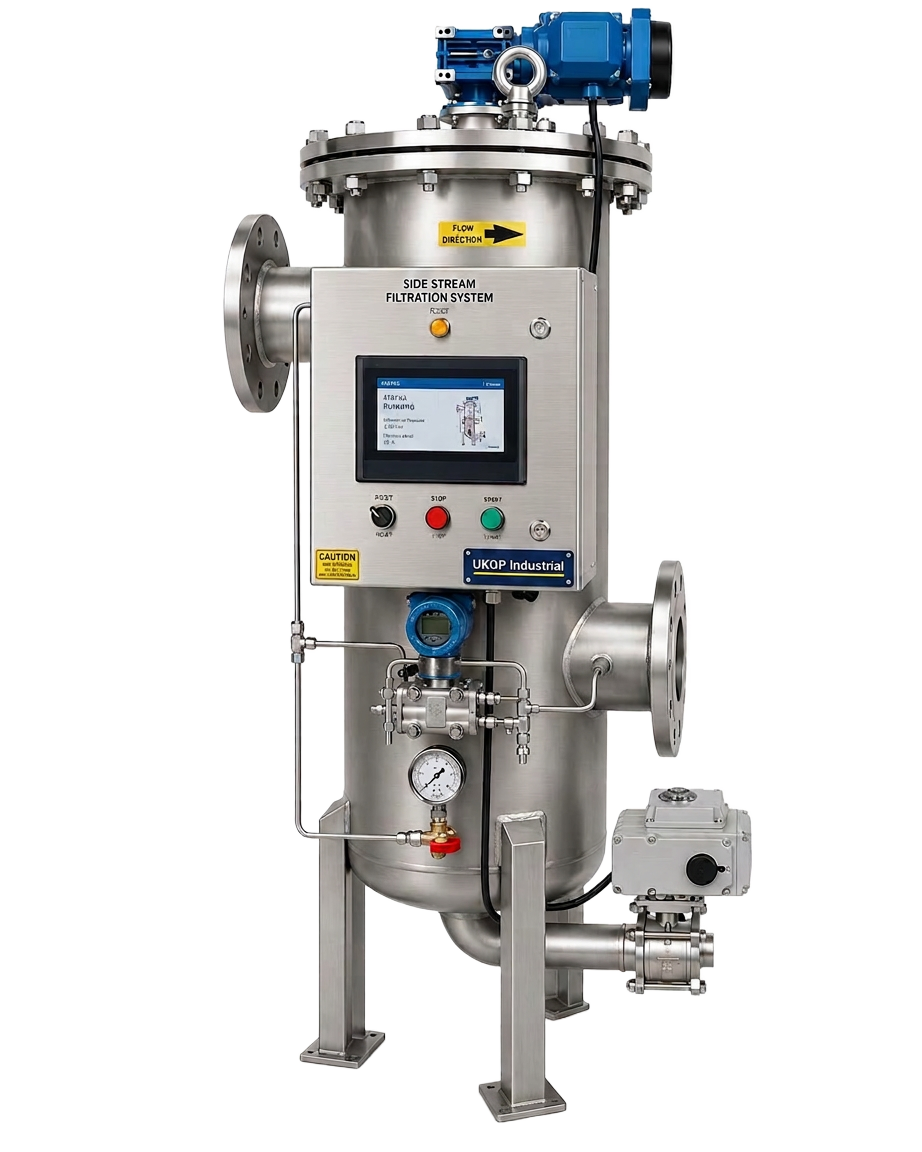
To protect your investment and avoid the cost of frequent plate cleaning or replacement, incorporating side stream filtration is a technical necessity. By filtering at least 5% to 15% of the system volume per hour, you remove suspended solids that would otherwise deposit on the high-efficiency heat transfer surfaces. This proactive approach ensures that the performance of the unit remains consistent with the design specification throughout its service life. When calculating the total cost of ownership, the small additional cost of a filtration skid is negligible compared to the expense of downtime in a commercial or industrial facility.
UKGP Industrial provides comprehensive side stream filtration solutions designed to work alongside our heat exchanger ranges. These skids are essential for systems following BS 8552 sampling protocols, where water quality is regularly audited to ensure compliance with industry best practices. By managing the suspended solids load, you significantly extend the intervals between plate pack inspections. This prevents the heat exchanger plate price from being inflated by hidden maintenance costs and emergency repairs that arise from poor water chemistry management in closed-loop commercial heating installations.
- Reduction in suspended solids to protect narrow plate channels.
- Compliance with BSRIA BG50 maintenance standards.
- Lowering the frequency of expensive plate pack chemical cleaning.
- Standardising system pressure by preventing thermal blockage.
The role of expansion bellows in plate protection
Thermal expansion and hydraulic shock are two major risks to the structural integrity of any heat exchanger installation. When hot water suddenly enters a cold plate pack, the resulting thermal stress can cause fine fractures or gasket displacement. To mitigate this, BS EN 14917 compliant expansion bellows should be installed on the primary and secondary pipework. These components absorb the linear expansion and vibration that would otherwise be transferred directly into the plate heat exchanger frame. While this adds a small amount to the bill of materials, it protects the wider heat exchanger plate price by preventing mechanical fatigue in the connection ports.
Consulting engineers frequently specify UKGP expansion bellows to ensure that pipework stresses are not localized at the brittle connections of a brazed unit or the heavy-duty flanges of a gasketed model. Without these flexible connections, the expansion of long pipe runs in commercial risers can exert significant force on the unit. Over time, this results in leaks that require a total gasket overhaul or, in the case of brazed units, a complete replacement of the heat exchanger. Investing in high-quality EPDM or stainless steel bellows is therefore a critical strategy for protecting the long-term viability of the plant room assets.
When you request a quote from UKGP Industrial, we can provide both the plate heat exchanger and the compatible expansion bellows sized for your specific flow rates and temperatures. Our bellows are designed to meet the rigorous demands of UK commercial mechanical projects, ensuring that your plant room remains leak-free. By addressing these auxiliary components during the design phase, you avoid the common pitfalls of post-installation failures. A robust design that includes vibration isolation and expansion management is the best way to safeguard the capital committed to your heat exchanger plate price.
- Absorption of axial, lateral, and angular movement.
- Reduction of mechanical noise and vibration transfer.
- Protection of DN20 to DN300 flanged connections.
- Alignment with BS EN 14917 technical specifications.
Operational monitoring with pH sensors and transmitters
Water chemistry is a dynamic variable that can rapidly affect the metal surfaces of your heat exchanger. A sudden drop in pH indicates oxidative conditions that can lead to pitting corrosion in stainless steel plates. To prevent this, modern commercial plant rooms are increasingly utilizing real-time pH sensors and transmitters. These devices provide a live data feed to the Building Management System (BMS), allowing facility managers to intervene before chemical imbalances cause irreversible damage. This is particularly important in systems where the heat exchanger plate price was high due to the use of specialist materials for aggressive process fluids.
UKGP Industrial supplies high-accuracy pH sensors that are compatible with standard industrial control protocols. These sensors allow for the automation of chemical dosing, ensuring that the water remains within the neutral to slightly alkaline range recommended by BSRIA BG29 and BG50. When pH levels are stabilized, the protective magnetite layer on internal steel surfaces remains intact, and the plate heat exchanger operates at peak thermal efficiency. This level of control is essential for high-value assets in hospitals, universities, and large-scale residential developments where reliability is the primary performance indicator.
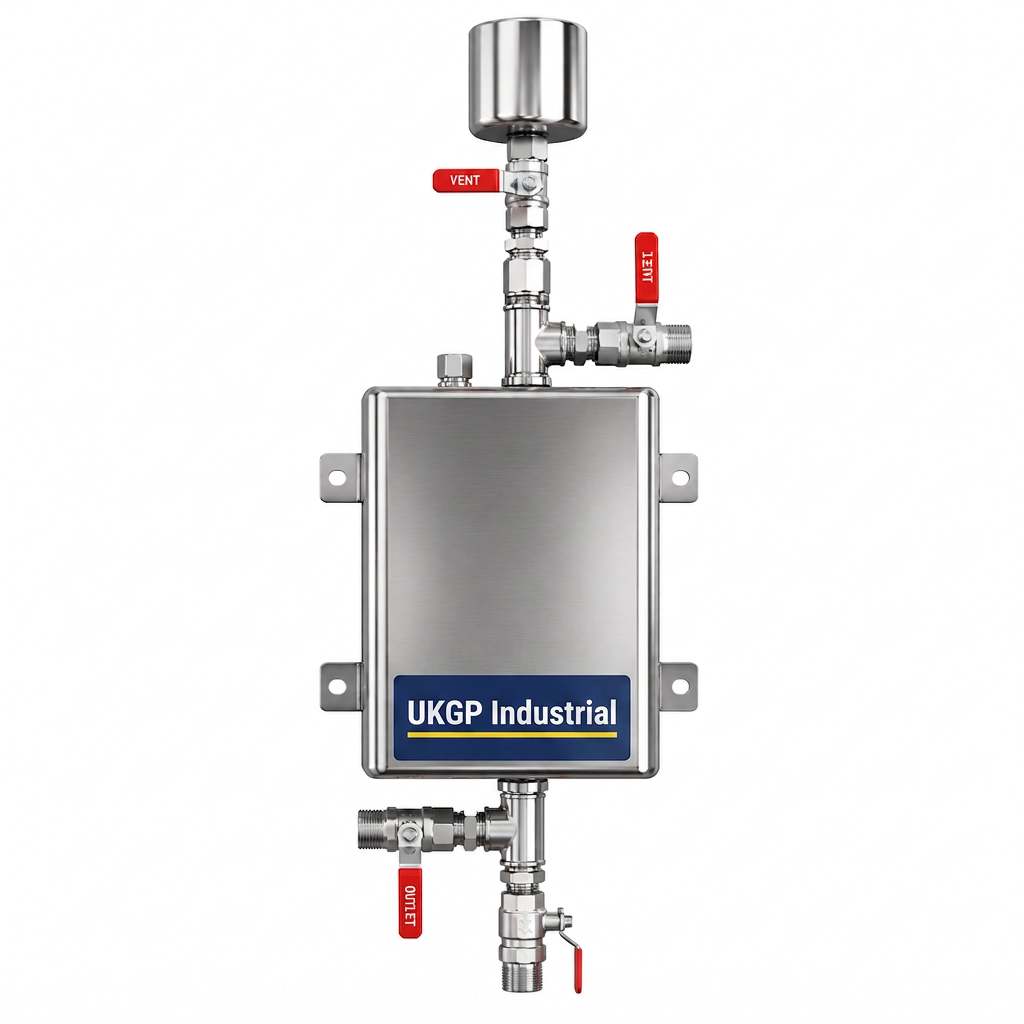
Integrating sensors also assists in compliance with BS 8552, which outlines the requirements for water sampling and monitoring in buildings. Instead of relying solely on monthly manual tests, digital monitoring provides an early warning system. For the procurement lead, this means that the heat exchanger plate price is a one-time capital expense rather than a recurring cost caused by plate corrosion. Protecting the unit through active monitoring and correct chemical dosing via a dosing pot or automated skid is the most cost-effective way to manage a commercial heating or cooling network over a twenty-year horizon.
- Real-time monitoring of system alkalinity and acidity.
- BMS integration for remote alerts and data logging.
- Prevention of pitting corrosion in 316L stainless plates.
- Extended life for EPDM and NBR gasket seals.
Optimising hydraulic balance with low loss headers
In many commercial boiler circuits, the flow rate required by the heat exchanger is different from the flow rate generated by the primary heat source. To prevent these two circuits from interfering with one another, a low loss header is often installed. The low loss header acts as a point of zero pressure, allowing the primary and secondary pumps to operate independently. This hydraulic decoupling ensures that the plate heat exchanger always receives the design flow rate, which is critical for maintaining the LMTD that the heat exchanger plate price was based upon. Without proper decoupling, the PHE may underperform, leading to comfort issues in the building.
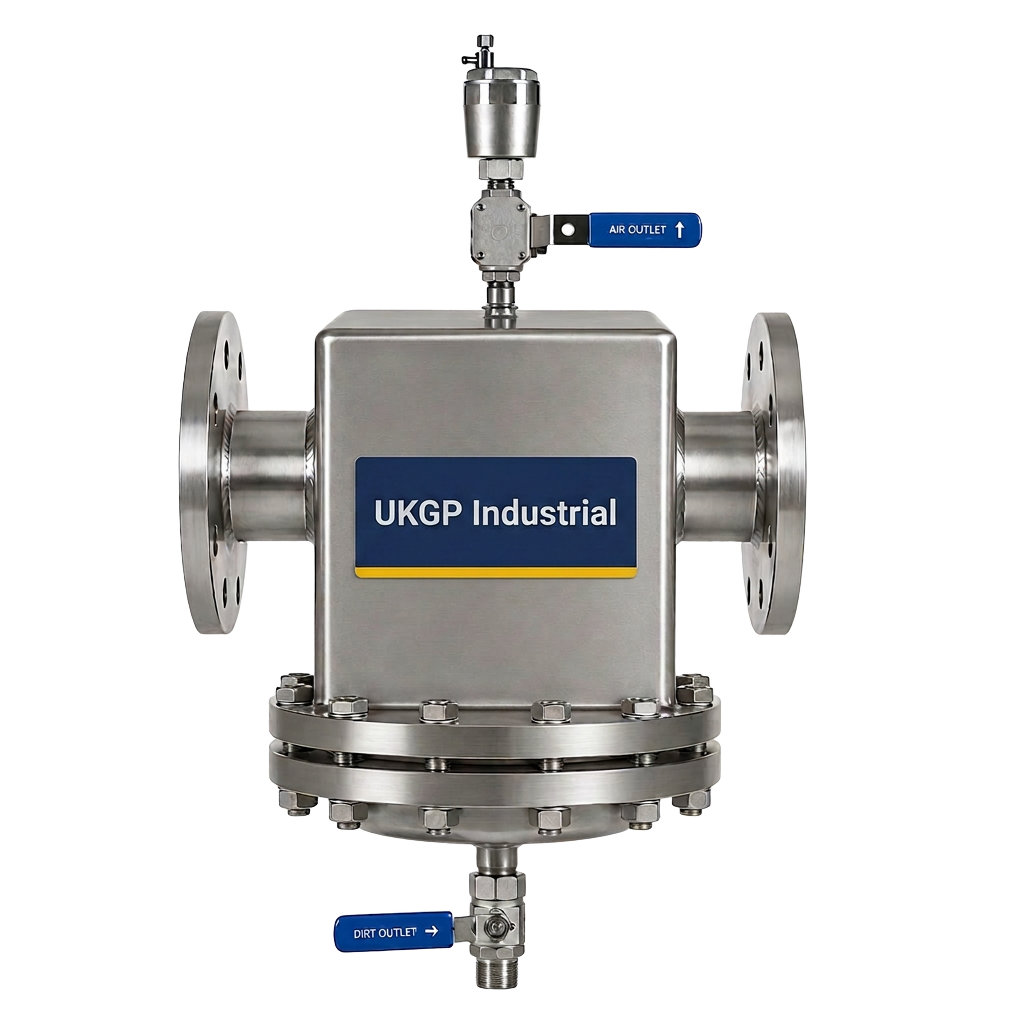
Using a UKGP low loss header also provides an additional point for air and dirt separation. As velocity drops within the header vessel, heavier debris falls to the bottom for blowdown, while air bubbles rise to be vented through an automatic air vent. This further protects the plate heat exchanger surfaces from debris that could cause erosion. For M&E contractors, installing a header alongside the PHE simplifies the commissioning process and ensures that the system meets the high-performance standards required by current CIBSE guidance. It is a standard component in any well-designed UK commercial plant room using leading boiler technology.
The heat exchanger plate price should always be considered alongside the hydraulic architecture of the system. If the system is not balanced, even the most expensive plate heat exchanger will fail to deliver its rated capacity. UKGP Industrial manufactures headers that complement our plate ranges, ensuring that your DN50 to DN300 connections are perfectly aligned for ease of installation. By procuring a complete plant room package from a single UK supplier, you benefit from coordinated technical support and a 2-year warranty across your primary heat transfer and hydraulic components, ensuring a cohesive and reliable heating solution.
- Hydraulic decoupling of primary and secondary circuits.
- Improved temperature control and thermal stability.
- Reduction in pump wear through correct pressure balancing.
- Available in various orientations to suit tight plant rooms.
Procurement strategy for heat exchanger plate price
Finalising your procurement strategy requires a balance between the initial heat exchanger plate price and the long-term operational efficiency. UKGP Industrial assists building services consultants by providing detailed thermal specifications that allow for transparency in the quoting process. We ensure that our gasketed and brazed units are sized exactly for the application, whether it is for domestic hot water, underfloor heating, or high-pressure steam. With a 4-6 week lead time, we support fast-track fit-out projects and emergency replacements across the UK, ensuring that plant downtime is kept to an absolute minimum while maintaining quality standards.
When comparing quotes, it is important to ensure that you are comparing like-for-like in terms of plate surface area and material quality. A lower heat exchanger plate price might indicate fewer plates or thinner material, which could lead to higher pressure drops or a shorter lifespan. UKGP provides documented performance data for every unit, ensuring compliance with UK engineering requirements. Our focus is on providing robust, industrial-grade equipment that stands up to the rigours of 24/7 commercial operation. By prioritizing quality and correct sizing, you secure the best value for your project budget and minimize the risk of future maintenance liabilities.
In conclusion, the heat exchanger plate price is influenced by a multitude of technical factors including metallurgy, gasket type, and hydraulic design. By adhering to BSRIA BG50 and utilizing high-quality British-supplied components like those from UKGP Industrial, you ensure that your HVAC system operates efficiently for decades. We invite M&E contractors and consultants to contact our Surrey-based technical team for a full thermal sizing and a competitive quote. Our 2-year warranty and commitment to technical excellence make us the preferred partner for heat transfer solutions in the UK commercial and industrial sectors.
- Demand a full thermal spec for transparent price comparison.
- Verify lead times to ensure project deadlines are met.
- Check warranty terms; UKGP offers a standard 2-year period.
- Ensure all designs meet CIBSE and BSRIA best practices.
Frequently asked questions
What affects the heat exchanger plate price for commercial units?
- The price is primarily affected by the number of plates, the material (e.g., 316 Stainless Steel vs Titanium), the gasket material (EPDM/NBR), and the size of the connection flanges (DN20 to DN300). Specific thermal requirements like a low LMTD also increase the plate count and price.
Why is sizing important for the heat exchanger plate price?
- Correct sizing ensures you aren't paying for excess plates you don't need, or conversely, undersizing a unit that will fail to meet the heat load. UKGP Industrial provides precise sizing from thermal specs to ensure the best commercial and technical balance.
How does BSRIA BG29 impact my heat exchanger investment?
- BSRIA BG29 focuses on pre-commissioning cleaning. Proper cleaning prevents debris from clogging the narrow channels of the heat exchanger plates at startup, protecting your capital investment from immediate performance degradation.
What is the typical lead time for a UKGP plate heat exchanger?
- Our standard lead time for bespoke sized gasketed and brazed plate heat exchangers is 4-6 weeks, allowing for rapid deployment in UK commercial HVAC projects.
Do you offer a warranty on the plates?
- Yes, UKGP Industrial provides a 2-year warranty as standard on our plate heat exchangers, covering both gasketed and brazed models against manufacturing defects.