Understanding the Necessity of Heat Exchanger Plate Cleaning
In the UK's demanding commercial heating and cooling sectors, the accumulation of limescale, debris, and microbiological growth can quickly degrade system performance. Failing to prioritise heat exchanger plate cleaning leads to increased pressure drops across the primary and secondary circuits, forcing pumps to work harder and significantly raising energy consumption. BSRIA BG50 guidelines emphasise that even a millimetre of scale can reduce thermal transfer efficiency by up to ten percent, which directly impacts the operational budget of any large-scale building. Understanding the specific nature of the deposits within your system is the first step toward selecting the correct chemical cleaning agent to restore design performance levels.
M&E contractors often observe that neglected plate heat exchangers (PHEs) act as a secondary filter for the entire system, trapping suspended solids that bypass primary filtration. This buildup creates an ideal environment for localized corrosion, which can eventually lead to plate perforation and cross-contamination of fluids. Professional heat exchanger plate cleaning is not merely a reactive fix for low delta-T issues; it is a vital preventative measure that extends the lifespan of the entire HVAC infrastructure. By incorporating regular inspections and cleaning cycles into the planned preventative maintenance (PPM) schedule, engineers ensure that the system operates within its original design parameters and remains compliant with local environmental regulations.
Consultants advising on plant room refurbishments frequently highlight that high-efficiency heat transfer is only sustainable through clean surfaces. When heat exchanger plate cleaning is overlooked, the total cost of ownership for the plant increases due to frequent component failures and emergency call-outs. Implementing a structured Clean-in-Place (CIP) strategy allows for effective maintenance without the high labour costs associated with full unit disassembly. This approach is particularly beneficial for gasketed units where frequent opening can stress the seals and lead to leaks. Whether dealing with brazed or gasketed variants, a consistent focus on keeping the internal plate geometries free from obstructions is key to long-term reliability and system stability.
- Prevents excessive energy consumption by maintaining design thermal conductivity.
- Reduces modern pump wear by maintaining lower system pressure drops.
- Mitigates the risk of under-deposit corrosion and premature plate failure.
- Ensures compliance with BSRIA BG50 water quality management standards.
Preparation and Safety Protocols for CIP Operations
Before commencing any heat exchanger plate cleaning procedure, it is essential to conduct a thorough risk assessment and ensure all necessary safety equipment is on-site. Isolation is the first priority; both the primary and secondary circuits must be fully valved off from the main system to prevent the cleaning chemicals from circulating through sensitive equipment like boilers or chillers. It is also critical to allow the unit to cool to an ambient temperature to prevent thermal shock and to protect the engineer from hot surfaces or pressurized steam. Checking the material compatibility of the cleaning solution with the plate metallurgy (typically 304 or 316 stainless steel) and the gasket material (EPDM or Nitrile) is a non-negotiable step in the preparation phase.
Establishing a dedicated CIP loop involves connecting a mobile pump and a mixing tank to the drain and vent ports of the exchanger. Engineers should ensure that the cleaning solution flows in the opposite direction to the normal operational flow—known as back-flushing—to more effectively dislodge stubborn deposits. During the heat exchanger plate cleaning process, monitoring the pH levels of the cleaning solution is vital to understand when the reaction with the scale has reached completion. If the pH neutralizes too quickly, the solution may have become saturated with debris and require refreshing. Safety data sheets for all phosphoric or citric-based cleaners must be readily available to handle any accidental spillages or exposure professionally.
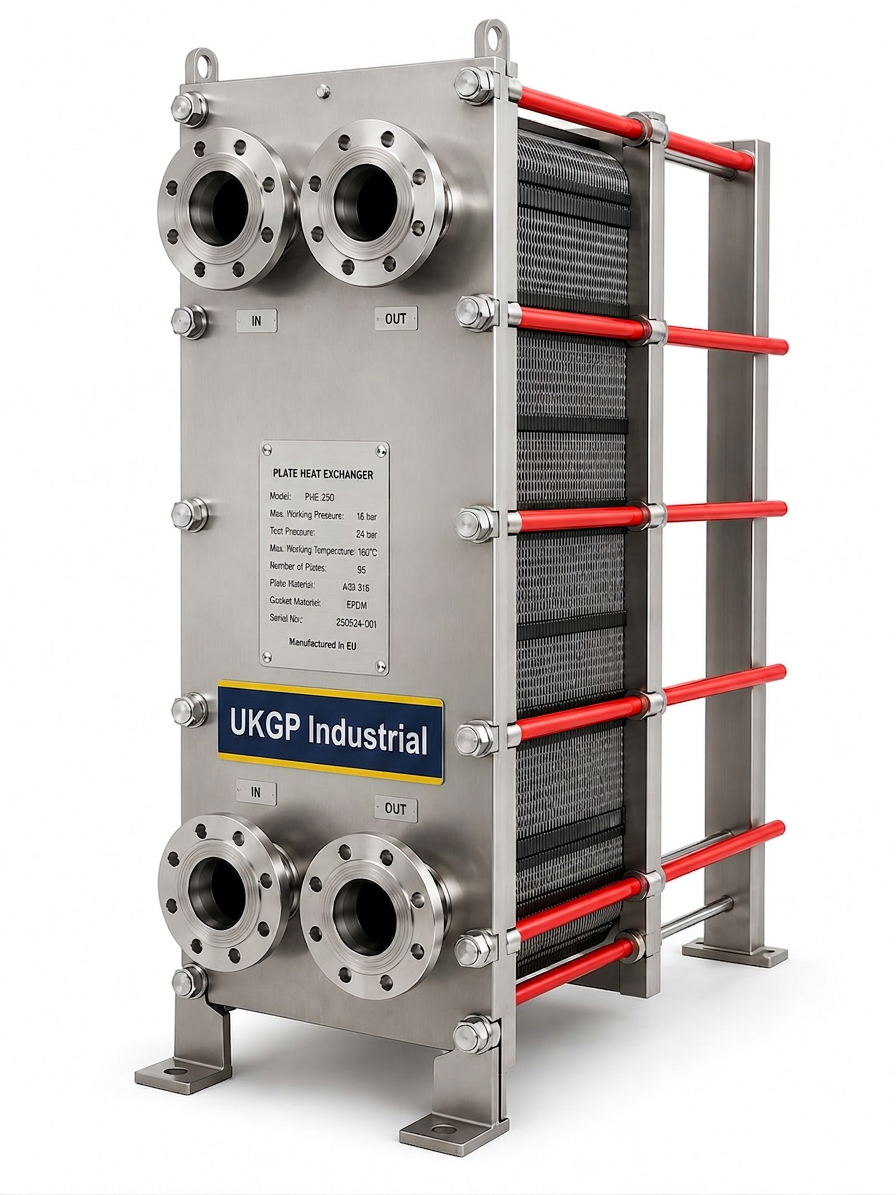
Standard industry practice, as referenced in CIBSE maintenance guides, requires that the cleaning area is well-ventilated and clearly cordoned off. Proper disposal of the spent cleaning solution must be planned, ensuring it meets local water authority requirements for pH and chemical content before being discharged into the foul sewer. If you find your current unit is frequently clogging despite robust water treatment, it may be time to upgrade to a more resilient solution. A UKGP plate heat exchanger, available in gasketed and brazed configurations from DN20 to DN300, is sized from a full thermal spec and offers a 2-year warranty to give engineers peace of mind regarding future maintenance requirements.
- Verify chemical compatibility with 316 Stainless Steel and EPDM gaskets.
- Ensure full isolation and depressurisation of the PHE before connection.
- Prepare a back-flush circulation loop for maximum debris removal.
- Organise a safe disposal route for used acidic or alkaline cleaning agents.
The Role of Side Stream Filtration in Reducing Cleaning Frequency
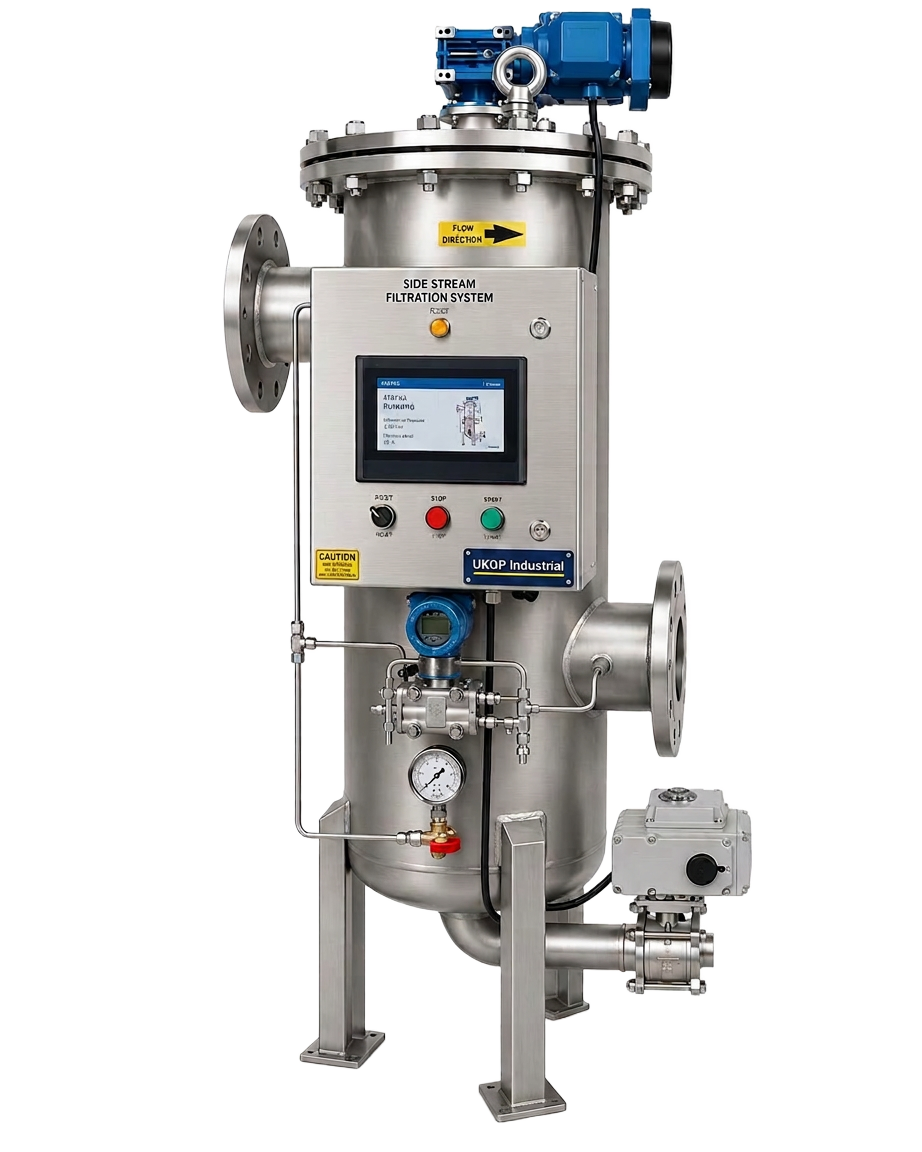
While routine heat exchanger plate cleaning is essential, the frequency of these interventions can be significantly reduced by improving overall system water quality. Side stream filtration plays a pivotal role here by continuously removing suspended solids and magnetite from the circulating water. BSRIA BG29 and BG50 highlight that high concentrations of suspended solids lead to fouling in low-velocity areas, such as the narrow channels between exchanger plates. By capturing these particles before they settle in the PHE, building services consultants can ensure the system remains efficient for longer periods between service intervals, reducing the direct cost of chemical cleaning and intensive labour.
Installing a side stream filter helps maintain the clarity of the water, which in turn preserves the integrity of the heat transfer surfaces. In systems where heat exchanger plate cleaning has become a monthly necessity, it is often a sign that the primary filtration strategy is failing. By implementing a high-fines removal system, you can capture particles down to 5 microns, protecting the intricate plate patterns that are most susceptible to blockage. This proactive approach to water chemistry and physical filtration reduces the mechanical stress on the plates during CIP cycles and minimises the downtime needed for descaling. It is an investment that pays for itself through lower maintenance costs and higher operational uptime.
Furthermore, by keeping the water free from abrasive particles, you extend the life of the secondary seals and internal components. A well-designed system integrates both chemical dosing and physical filtration to create a stable environment. When water quality is maintained to BS 8552 standards, the heat exchanger plate cleaning process becomes a simple periodic rinse rather than a difficult descaling operation. This shift from reactive to proactive maintenance is favoured by FMs who manage large commercial properties where cooling or heating reliability is non-negotiable. Reducing the frequency of CIP cycles also lessens the environmental impact of chemical disposal and fresh water usage over the building's life cycle.
- Removes magnetite and suspended solids that cause plate fouling.
- Reduces the abrasive wear on internal heat exchanger surfaces.
- Lowers the chemical demand during the CIP cleaning process.
- Supports compliance with BS 8552 guidelines for water quality monitoring.
Step-by-Step Guide to the CIP Cleaning Process
The first mechanical step in the heat exchanger plate cleaning sequence is the initial flush. Using clean water, flush the unit in both directions to remove any loose sludge or debris that hasn't yet calcified. Once the initial effluent runs clear, the chemical cleaning solution can be introduced into the loop. The concentration should be mixed according to the manufacturer's instructions, typically between 2% and 5% depending on the severity of the fouling. The CIP pump should then circulate this solution through the plate pack. It is often beneficial to pulse the pump or periodically reverse the direction to ensure that the chemical reaches every corner of the corrugated plate pattern for a comprehensive clean.
Monitoring the temperature of the cleaning solution is also important, as many descaling agents work more efficiently at slightly elevated temperatures, though these should not exceed the limits of the gasket material. During the heat exchanger plate cleaning process, keep an eye on the pressure gauge of the CIP pump; a decrease in pressure over time often indicates that the flow paths are opening up as the scale dissolves. Typically, a circulation period of 2 to 4 hours is sufficient for most moderate fouling cases. If the unit is particularly compromised, a longer soak period or a higher concentration of chemical may be required, provided it does not risk damaging the stainless steel substrate or brazing material.
After the chemical circulation is complete, the final phase is a thorough neutralisation and rinse. The system must be flushed with clean water until the discharge water reaches a neutral pH, ensuring no residual acid remains to cause corrosion during future operation. Once the heat exchanger plate cleaning is finished and the unit is reconnected to the main system, it should be slowly brought back up to pressure and temperature while checking for any leaks. Most engineers find that a UKGP plate heat exchanger, which features a robust design and a 4-6 week lead time for custom builds, responds exceptionally well to this standardized cleaning process, restoring the high heat transfer coefficients expected in modern UK plant rooms.
- Start with an initial freshwater flush to remove loose system sludge.
- Circulate a specific descaling chemical in reverse flow for 2-4 hours.
- Monitor pH and pressure throughout the cleaning cycle for progress.
- Rinse thoroughly to a neutral pH before returning to active service.
Best Practices for Maintaining Plate Efficiency Post-Cleaning
Once the heat exchanger plate cleaning is complete, the focus must shift to maintaining that cleanliness for as long as possible. Tracking the approach temperature—the difference between the secondary outlet temperature and the primary inlet temperature—is the most effective way to gauge performance. When this temperature begins to drift beyond the design specification, it is usually a clear indicator that fouling is reoccurring. Keeping a log of pressure drops across the unit at a constant flow rate also provides a quantifiable metric for cleanliness. Effective water treatment, including the use of corrosion inhibitors and biocides, is essential for preventing the rapid return of the foulants that were just removed.
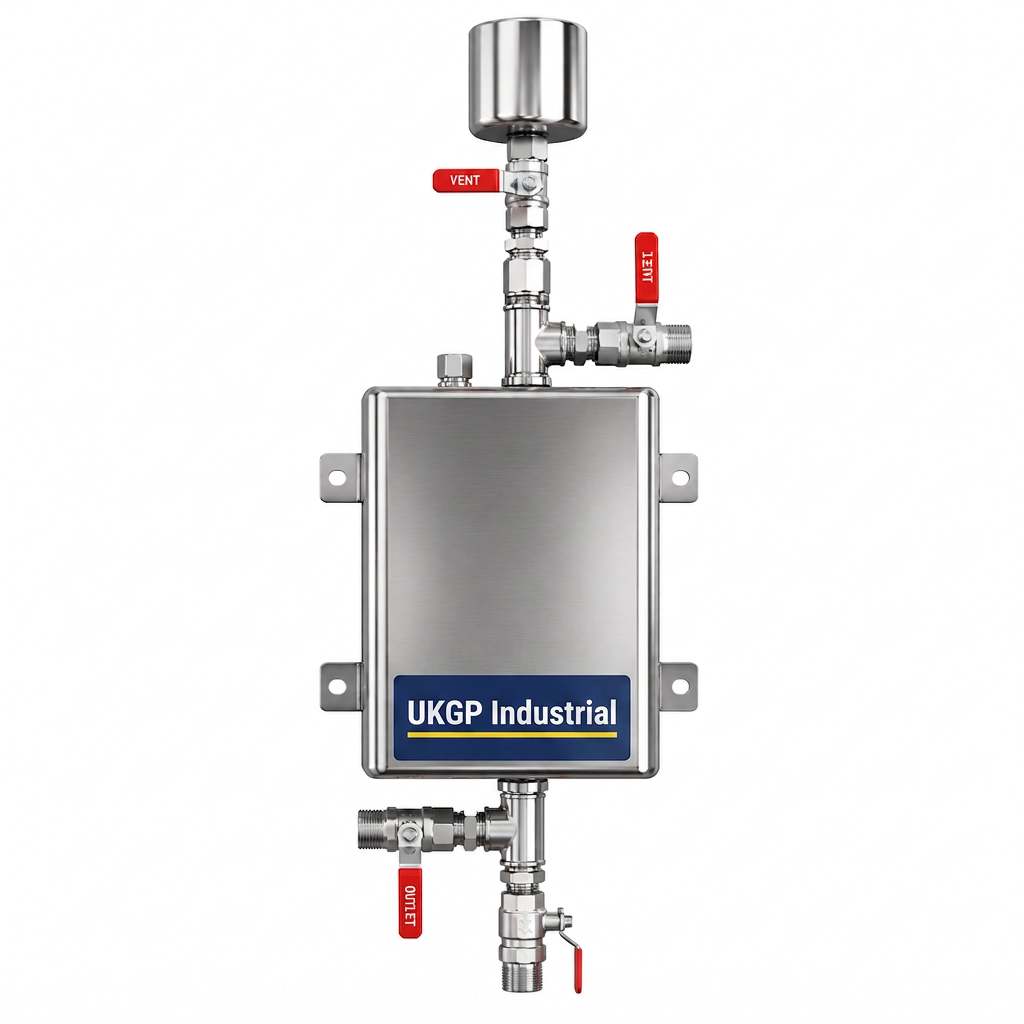
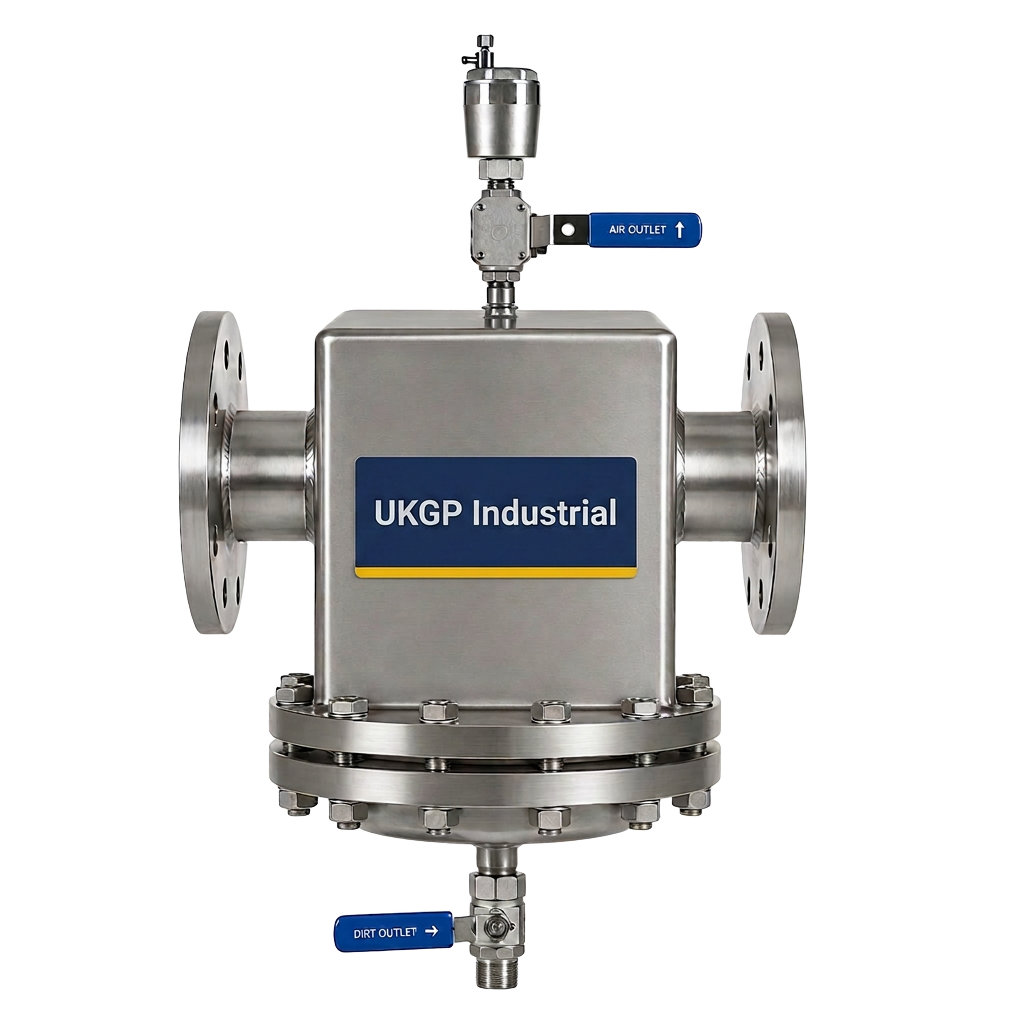
Consultants often recommend the installation of temperature sensors and pressure transmitters on both the primary and secondary connections of the exchanger. This allows for real-time monitoring through a Building Management System (BMS), alerting the maintenance team to the need for heat exchanger plate cleaning before efficiency drops too low. Regular checks of the expansion vessels and air & dirt separators also play a role, as air ingress can accelerate corrosion and the formation of magnetite, which eventually ends up in the PHE. By taking a holistic view of the plant room, we can ensure that every component works in harmony to protect the most efficient parts of the thermal network.
For those managing older systems where cleaning is no longer effective due to severe corrosion or plate deformation, replacing the unit is the more commercially viable option. UKGP provides bespoke plate heat exchangers, either gasketed or brazed, with connections ranging from DN20 to DN300. These are sized from a full thermal spec to match your current system requirements exactly, ensuring that your next maintenance cycle is as straightforward as possible. With a 2-year warranty and high-quality construction, these units are designed to withstand industrial-grade cleaning regimes while maintaining the strict thermal tolerances required by CIBSE guidelines and modern building regulations.
- Log approach temperatures and pressure drops for performance tracking.
- Maintain inhibitor levels as per BSRIA BG50 recommendations.
- Integrate PHE monitoring into the Building Management System.
- Ensure air and dirt separators are functioning to reduce debris ingress.
Expert Selection for New Heat Exchanger Installations
Selecting the right unit at the outset is just as important as the eventual heat exchanger plate cleaning routine. A correctly sized exchanger with the appropriate plate material and gasket type will naturally be more resistant to fouling and easier to clean when the time comes. When specifying a plate heat exchanger, it is vital to provide a full thermal specification, including flow rates, temperatures, and the allowable pressure drop. This ensures the unit is not oversized, which can lead to low velocities and increased sedimentation, nor undersized, which leads to excessive wear and thermal bypass. Working with a specialist UK manufacturer allows for these nuances to be factored into the design process.
The UKGP range covers both gasketed and brazed units from DN20 to DN300, tailored for everything from domestic hot water to large industrial cooling applications. Because we understand the importance of plant room uptime, our lead times are kept to a competitive 4-6 weeks. Every unit is backed by a 2-year warranty, reflecting our confidence in the materials and assembly. When you choose a UKGP plate heat exchanger, you are investing in a component designed with maintenance in mind, making future heat exchanger plate cleaning tasks more effective and less time-consuming for your engineering team, which is a major factor in reducing long-term OPEX.
In summary, while the chemical and mechanical aspects of CIP are fundamental, the quality of the hardware itself determines the success of your maintenance strategy. Choosing robust equipment and pairing it with a consistent cleaning schedule based on data-driven monitoring will ensure your facility's thermal efficiency remains optimal. For bespoke advice on sizing or for a quote on a replacement heat exchanger that meets the highest UK industry standards, our technical team is available to review your thermal specs. By following the cleaning and selection steps outlined in this guide, you can significantly improve the performance and reliability of your building's HVAC infrastructure.
- Specify units based on full thermal data to avoid low-velocity fouling.
- Choose UK-made hardware with a 2-year warranty for long-term security.
- Ensure the plate material matches the chemical environment of the system.
- Opt for manageable lead times to stay on track with project deadlines.
Frequently asked questions
How often should heat exchanger plate cleaning be performed?
- Frequency depends on water quality and application. Systems following BSRIA BG50 should monitor pressure drops and approach temperatures; a 10% increase in pressure drop usually triggers the need for a CIP cycle.
Can I use hydrochloric acid for heat exchanger plate cleaning?
- Generally, no. Hydrochloric acid can cause pitting and stress corrosion cracking in stainless steel plates. Most UK engineers use safer alternatives like phosphoric or citric-based cleaners specifically formulated for HVAC systems.
What is the benefit of a gasketed PHE over a brazed PHE for cleaning?
- Gasketed units can be manually opened for mechanical scrubbing if CIP fails, whereas brazed units must be cleaned chemically or replaced. Gasketed units are preferred for systems with high fouling potential.
Do I need to replace gaskets after every heat exchanger plate cleaning?
- In a CIP process, gaskets are usually not replaced as the unit remains closed. However, if the unit is opened for manual cleaning, gaskets should be inspected for compression set or brittleness and replaced if necessary.
What safety standards govern the cleaning chemicals used?
- Cleaning must comply with COSHH regulations and water discharge must meet local UK water authority bylaws. Neutralising chemicals after the acid wash is a requirement for both system health and environmental safety.