Technical Resilience from a Heat Exchanger Manufacturer UK
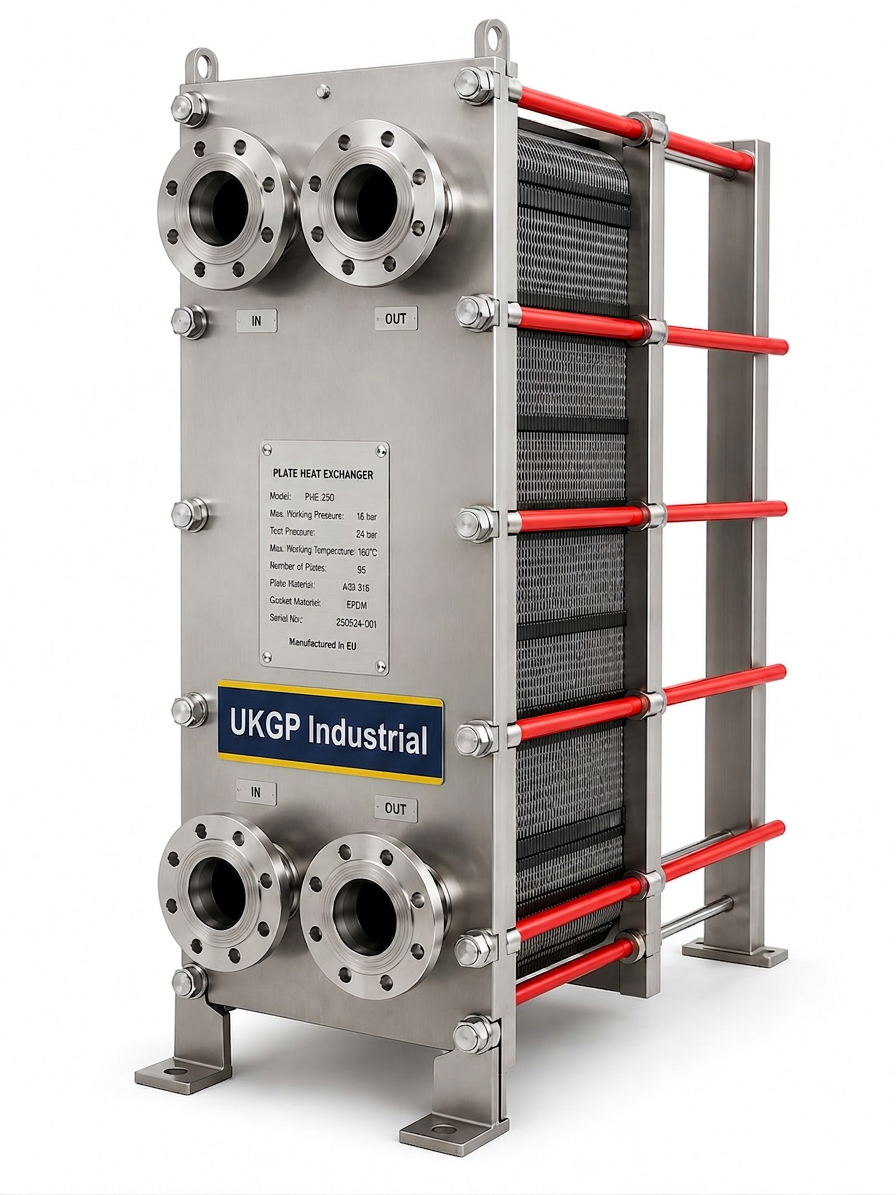
In the demanding landscape of UK building services, the role of a domestic heat exchanger manufacturer UK extends far beyond just supplying a piece of equipment; it involves delivering thermal performance stability. Whether you are refurbishing a commercial plant room or designing a new district heating network, the thermal efficiency of your plate heat exchanger (PHE) is the pivot upon which system performance relies. UKGP provides gasketed and brazed units sized from DN20 up to DN300, ensuring we can accommodate everything from minor commercial refurbishments to major industrial heating projects. Every unit is sized from a full thermal spec provided by the client, ensuring that the primary and secondary flow rates are perfectly balanced to prevent energy wastage.
Choosing a British-based partner allows for a more rigorous adherence to specific UK standards like BS EN 14917 for flexible components nearby or the general mechanical requirements of BSRIA BG50. Our gasketed plate heat exchangers allow for future expansion, a critical feature for growing facilities that may need increased capacity. By selecting a heat exchanger manufacturer UK that understands the unique pressures of the British climate and local utility costs, engineers can specify systems that offer lower lifecycle costs. UKGP ensures that each unit is built to withstand the rigours of modern plant room environments, providing a robust two-year warranty that reflects our confidence in our Surrey-based engineering and quality control processes.
Commercial buyers often overlook the impact of logistics on project timelines. When you work with a UK-centric manufacturer, you significantly reduce the risks associated with international shipping delays and customs paperwork. A local heat exchanger manufacturer UK can offer reliable lead times, typically 4-6 weeks for most standard and custom configurations. This responsiveness is vital when working with M&E contractors who are on tight site schedules and cannot afford the uncertainty of global supply chains. Furthermore, having technical support in the same time zone ensures that any adjustments to the thermal specification can be handled quickly, preventing costly delays during the procurement phase of a large-scale commercial installation.
- Units available from DN20 to DN300 for versatile installation options
- Sized accurately from full thermal specifications for peak efficiency
- Industry-leading 4-6 week lead times on custom-built units
- Two-year standard warranty on all plate heat exchanger products
Thermal Efficiency and Heat Transfer Design
Thermal design is the foundation of any plate heat exchanger's success. As a dedicated heat exchanger manufacturer UK, we focus on maximizing the heat transfer coefficient while minimizing pressure drop across the plates. This delicate balance is achieved through precise plate corrugation patterns that induce turbulence at low flow velocities, which helps in preventing fouling and increasing the overall efficiency of the thermal exchange. Commercial building consultants must specify the required approach temperature and pressure limits to ensure the manufacturer can provide a unit that meets the specific HVAC load requirements of the building, whether it is for domestic hot water or space heating.
In accordance with CIBSE guidelines, the thermal separation of primary and secondary circuits is vital for protecting high-value equipment like leading commercial boiler systems. By using a plate heat exchanger, you effectively isolate the boiler circuit from the rest of the building's heating system, which may contain decades of debris or high levels of dissolved oxygen. This isolation protects the heat source from thermal shock and contamination, extending the lifespan of the entire plant. A UK-based manufacturer will typically provide detailed technical data sheets that outline the pressure drops for both the primary and secondary sides, allowing the mechanical engineer to size the circulation pumps with absolute precision, avoiding the common pitfall of over-specification.
The selection between brazed and gasketed designs often depends on the specific commercial application and the maintenance philosophy of the facility management team. Brazed plate heat exchangers offer a compact footprint and high pressure ratings, making them ideal for high-rise developments where space is at a premium. Gasketed units, however, provide the advantage of being fully serviceable; they can be dismantled for manual cleaning or plate addition. As a heat exchanger manufacturer UK with extensive experience across Surrey and the wider UK, we advise on the most cost-effective path based on your 20-year maintenance strategy, ensuring the selected unit complies with all local building regulations and technical codes.
- Optimised plate corrugation for superior heat transfer coefficients
- Protecting primary circuits through effective hydraulic isolation
- Compliance with CIBSE thermal performance and safety standards
- Design options for both high-pressure brazed and serviceable gasketed units
Navigating BSRIA BG29 and BG50 Compliance
Compliance with BSRIA BG29 (Pre-commission cleaning of pipework systems) and BG50 (Water treatment for closed heating and cooling systems) is a prerequisite for any modern UK plant room. When integrating a unit from a heat exchanger manufacturer UK, the water quality on both sides of the plates must be strictly controlled to prevent scaling and corrosion. High-quality plate materials, such as AISI 316 stainless steel, are standard in our range to offer maximum resistance to aggressive water conditions. It is essential that M&E contractors implement a rigorous flushing and chemical cleaning process before the heat exchanger is brought into service to ensure that no construction debris blocks the narrow channels between the plates.
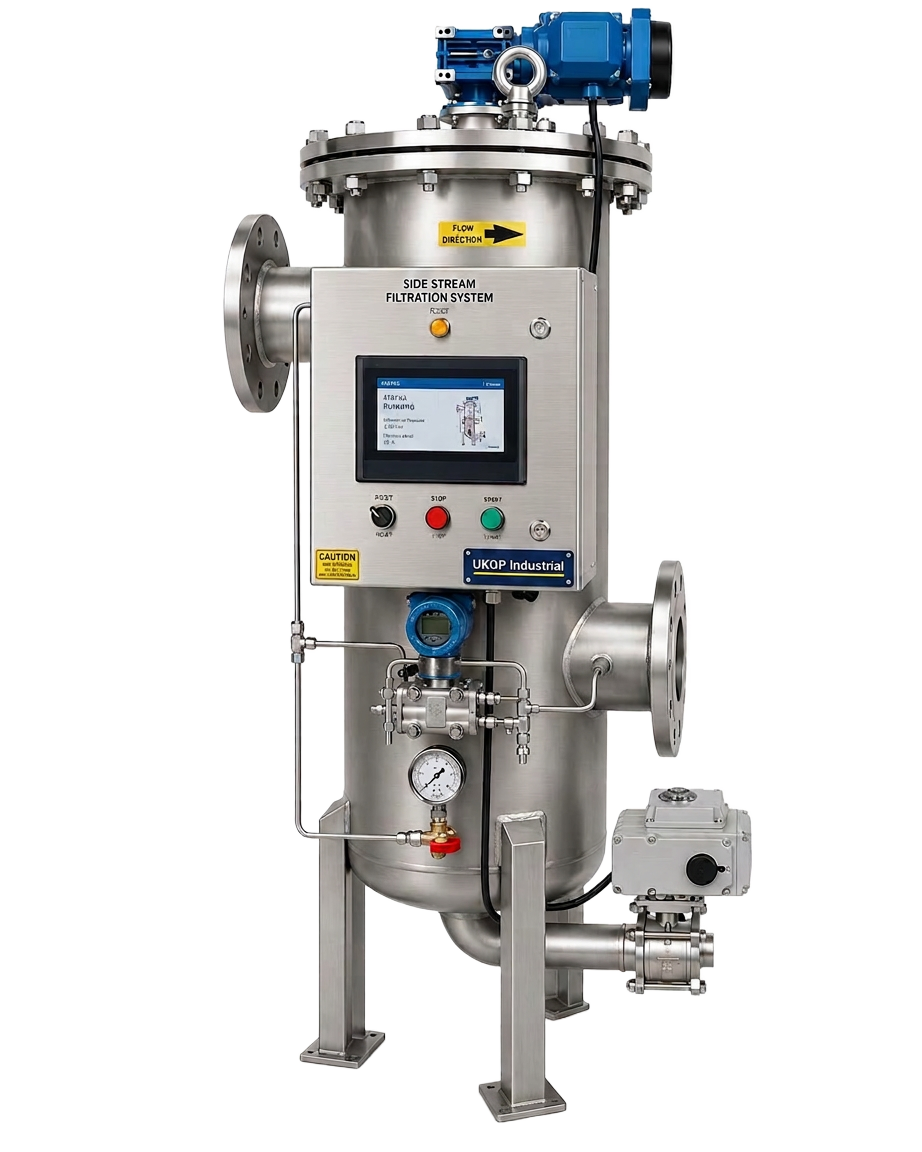
To maintain the long-term integrity of the heat exchanger, the installation of side stream filtration is often recommended alongside the PHE. This ensures that any suspended solids are continuously removed from the system, preventing them from settling in the lower velocity areas of the heat exchanger plates. As a heat exchanger manufacturer UK, we frequently see the benefits of combining thermal management with robust water treatment strategies. By installing a UKGP side stream filtration skid, the facility manager can ensure the plate heat exchanger operates at its design efficiency throughout its lifecycle. This integrated approach reduces the frequency of maintenance shutdowns and ensures that the system water remains within the parameters defined by BS 8552.
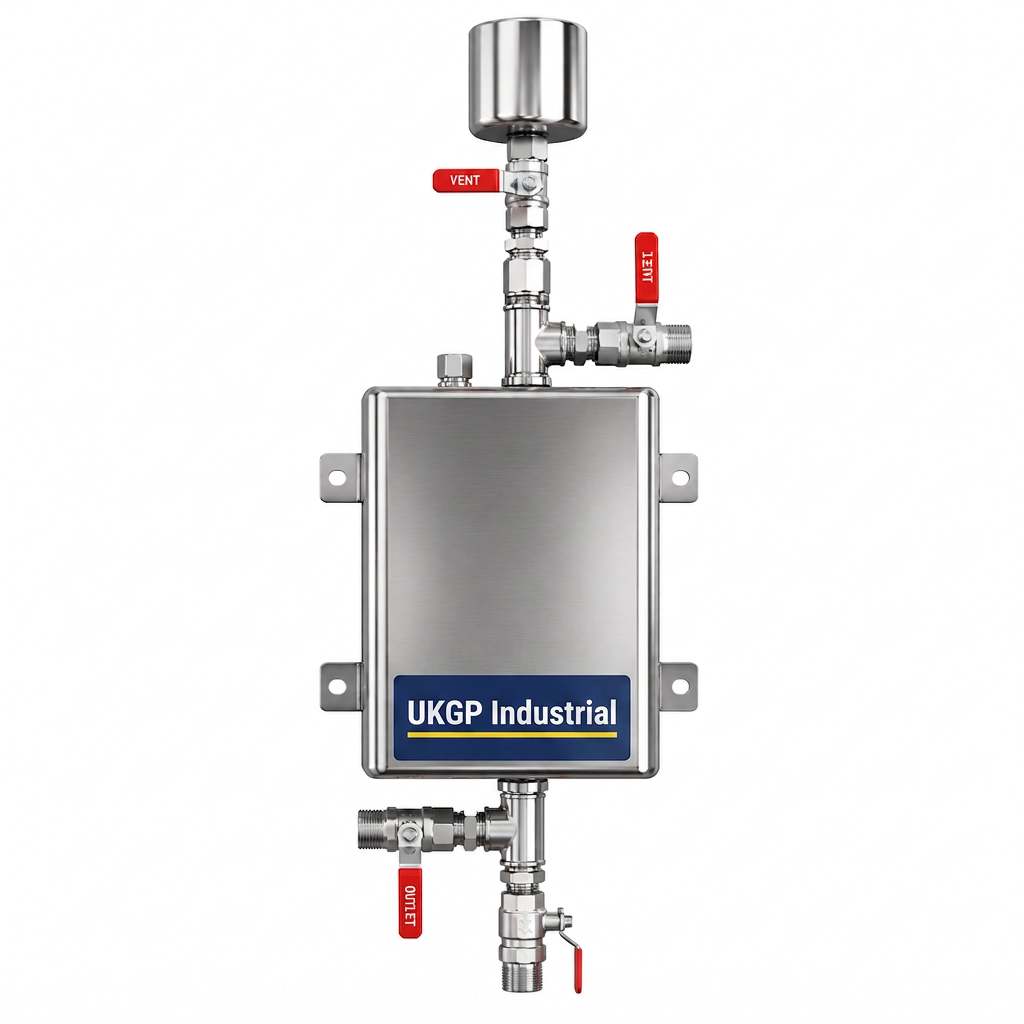
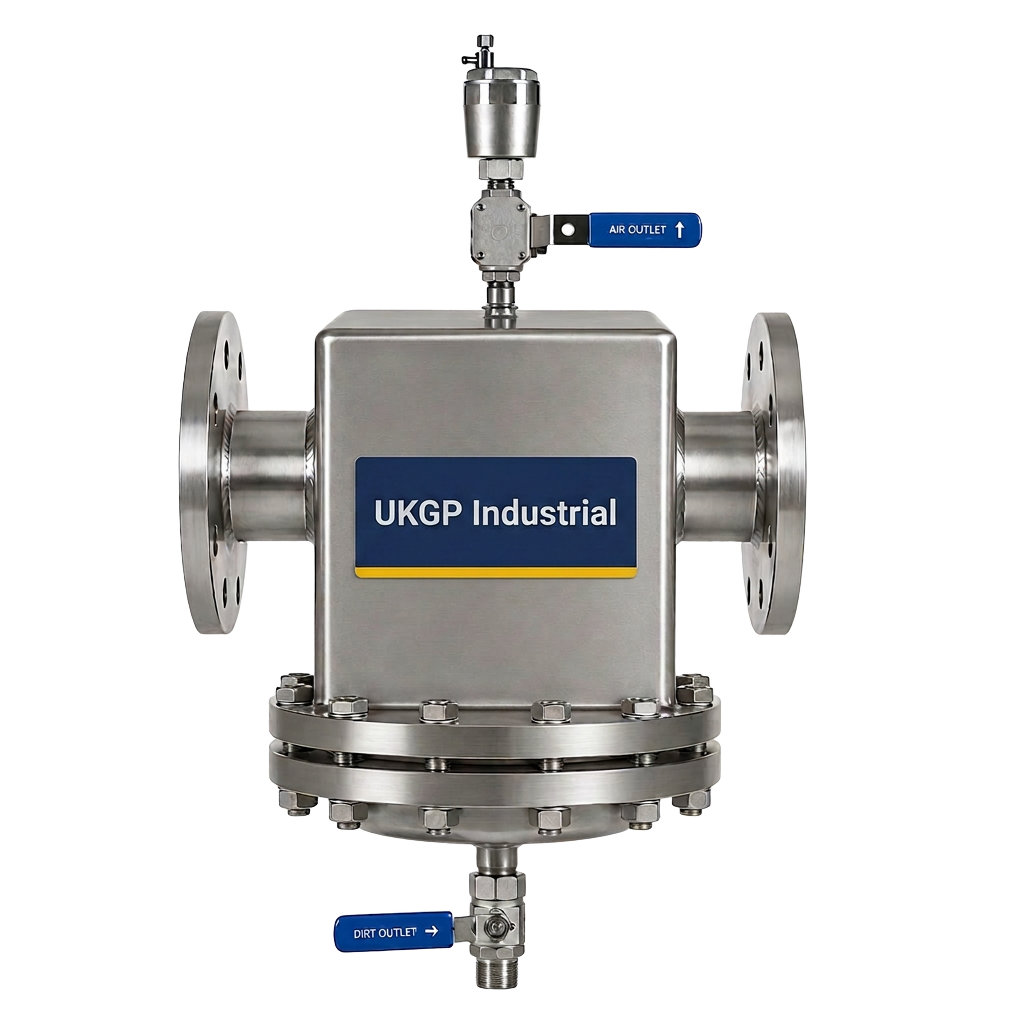
Effective water treatment also involves the use of dosing pots and air/dirt separators to maintain the chemical balance and physical purity of the system fluid. A heat exchanger manufacturer UK that understands the full system architecture will always advocate for these peripheral components. Air and dirt separators are particularly important when using high-efficiency plate heat exchangers, as even small amounts of micro-bubbles or magnetite can degrade thermal performance. By sourcing your heat exchanger and its associated water treatment components from a single UK supplier, you ensure compatibility and a unified technical support route, which simplifies the procurement process for lead engineers and procurement managers alike.
- Adherence to BSRIA BG29/BG50 for system longevity
- High-grade stainless steel plates for corrosion resistance
- Integration with side stream filtration to prevent plate fouling
- Strict monitoring of system water quality to BS 8552 standards
The Engineering Behind DN20 to DN300 Units
The scalability of heat exchange solutions is a key strength of a specialized heat exchanger manufacturer UK. We offer a comprehensive range of connection sizes, from the compact DN20 for small commercial hubs up to the substantial DN300 for industrial-scale district heating. Each size has been meticulously engineered to ensure laminar or turbulent flow is optimized for the specific application. For larger installations, the frame design for gasketed units must be robust enough to handle the clamping forces required to seal the plates under high-pressure conditions. Our manufacturing process involves stress-testing these frames to ensure they meet the rigorous safety standards expected in the UK industrial sector.
When specifying large-bore heat exchangers, the weight and footprint become significant factors for the plant room layout. A UK manufacturer can provide detailed CAD drawings and BIM files early in the design phase, allowing consultants to visualize the integration of the PHE within the wider mechanical system. This level of technical support is what differentiates a premium heat exchanger manufacturer UK from a generic importer. We assist in calculating the exact footprint required for maintenance access, ensuring there is enough clearance to pull the plates during a service interval. This foresight prevents future facility management headaches and ensures the plant room remains a safe and efficient working environment for engineers.
Materials selection is equally critical to the engineering process. Depending on the fluid being handled—whether it is chlorinated water, potable water, or glycol-based mixtures—we can specify the appropriate plate material and gasket elastomer, such as NBR or EPDM. This customisation is standard when you buy from an expert heat exchanger manufacturer UK. We take the thermal spec provided and find the best match to ensure chemical compatibility and thermal durability. This bespoke engineering approach ensures that the 2-year warranty we offer is backed by solid material science and application-specific knowledge, providing peace of mind to the end-user and the specifying engineer.
- Scalable solutions from DN20 for small loads to DN300 for industrial use
- Full CAD and BIM support for seamless plant room integration
- Expert gasket selection (NBR/EPDM) based on fluid chemistry
- Bespoke frame engineering for high-pressure safety compliance
Lead Times and Project Management in the UK
In the current economic climate, project delays are the primary cause of budget overruns in the construction sector. Working with a heat exchanger manufacturer UK like UKGP provides a distinct logistical advantage. While many competitors rely on deep-sea shipping that can take months, our assembly and testing facilities in Surrey operate on a 4-6 week lead time. This allows M&E contractors to maintain their project momentum and hit practical completion dates without the stress of missing critical plant deliveries. We manage the entire process from thermal sizing to final pressure testing and delivery, ensuring that every unit arrives on-site ready for immediate installation and commissioning.
Reliability in supply chain management also means transparency in communication. When a procurement lead deals with a domestic heat exchanger manufacturer UK, they have direct access to the production schedule. If a project site is delayed, we can often hold the completed unit in our warehouse or adjust the delivery sequence to match the site's readiness. This flexibility is invaluable during complex commercial builds where multiple trades are competing for floor space. Our team understands the importance of precise delivery windows, especially in congested London or Surrey project sites where crane hire and road closures must be meticulously planned to the hour.
Beyond the initial delivery, a UK-based manufacturer provides an ongoing partnership that international suppliers cannot match. Should a commissioning issue arise or if site conditions change, our technical engineers are available for phone or site-based support. This accessibility significantly reduces the risk for the mechanical contractor. Selecting a heat exchanger manufacturer UK is not just a procurement decision; it is a risk management strategy. By keeping the manufacturing 'onshore,' you ensure that your technical assets are supported by specialists who understand CIBSE standards and UK building regs, ensuring the long-term success of the installation and the satisfaction of the building owner.
- Direct communication with the Surrey-based production team
- Flexible delivery scheduling to suit site readiness and crane windows
- Rapid technical support for commissioning and troubleshooting
- Significant reduction in supply chain risk compared to imports
Future-Proofing Commercial Heat Networks
As the UK transitions toward low-carbon heating, the role of a heat exchanger manufacturer UK becomes even more pivotal. Heat pumps and low-temperature hot water (LTHW) systems require larger heat transfer surfaces to achieve the same output as traditional boiler systems. This shift means that plate heat exchangers must be sized with even greater precision to handle lower temperature differentials. We are at the forefront of this transition, helping consultants resize their systems for the modern era. Our units are designed to operate efficiently under these new parameters, ensuring that commercial buildings can meet their carbon reduction targets without sacrificing occupant comfort or system reliability.
Sustainable procurement is also high on the agenda for UK building services. By sourcing from a heat exchanger manufacturer UK, you are reducing the carbon footprint associated with the transport of heavy industrial equipment. Furthermore, our focus on high-efficiency designs ensures that the operational carbon of the building is minimized over the life of the plant. A well-designed plate heat exchanger can last decades if maintained correctly, making it a cornerstone of circular economy principles in the construction industry. We provide the technical documentation and certificates of conformity required to meet the stringent planning requirements of modern BREEAM-certified developments in the UK.
In conclusion, the choice of equipment for your thermal management system should be guided by technical excellence and local reliability. UKGP stands as a premier heat exchanger manufacturer UK, offering gasketed and brazed solutions that are built to last. From DN20 to DN300, our range is comprehensive, our lead times are market-leading, and our technical knowledge is tailored to the needs of the British commercial sector. We invite consultants, FMs, and contractors to submit their full thermal specs today for a bespoke quote, backed by our 2-year warranty and commitment to engineering excellence in every plate and gasket we produce.
- Design expertise for low-temperature heat pump networks
- Sourcing locally to reduce project-wide embodied carbon
- Support for BREEAM and sustainable building certifications
- Long-term commitment to UK commercial thermal infrastructure
Frequently asked questions
Why should I choose a heat exchanger manufacturer UK instead of an importer?
- Choosing a domestic manufacturer ensures shorter lead times (4-6 weeks), better technical support in your time zone, and equipment specifically designed for UK building standards such as BSRIA and CIBSE. It also simplifies logistics and reduces the carbon footprint associated with shipping.
What information is needed for a plate heat exchanger quote?
- To provide an accurate quote, a full thermal specification is required. This includes the primary and secondary flow and return temperatures, the required heat load (kW), the allowable pressure drops, and the type of fluids being used in both circuits.
Do you offer both gasketed and brazed plate heat exchangers?
- Yes, we provide both gasketed units (ideal for maintenance and expansion) and brazed units (ideal for compact, high-pressure applications). Sizes range from DN20 to DN300 to suit various commercial and industrial requirements.
How does a plate heat exchanger help with BSRIA BG50 compliance?
- By using a heat exchanger to hydraulically isolate the primary boiler circuit from the secondary building circuit, you can more easily manage water quality. This prevents contaminants in the secondary system from affecting the high-efficiency components in the primary circuit, aligning with BG50 best practices.
What is the standard warranty on your heat exchangers?
- All our plate heat exchangers come with a robust 2-year warranty, reflecting our confidence in our UK-based engineering and manufacturing quality.