The Role of a Heat Exchanger for Boiler Hydraulic Separation
In modern UK commercial plant rooms, the installation of a heat exchanger for boiler protection has become standard practice, particularly when integrating new condensing boilers into existing heating circuits. Hydraulic separation ensures that the primary boiler circuit remains isolated from the secondary distribution system, which may contain legacy contaminants or operate at different pressure levels. By utilizing a heat exchanger for boiler isolation, engineers can precisely control the delta T across the heat source while shielding the sensitive internal waterways of the boiler from magnetite and debris. This strategy is essential for maintaining the manufacturer's warranty and achieving the seasonal efficiency levels predicted during the design phase.
Selecting the right heat exchanger for boiler systems involves more than just matching kilowatts; it requires a deep understanding of fluid dynamics and thermal transfer coefficients. When the primary water from the boiler passes through the plates, it transfers energy to the secondary system without physical mixing. This barrier is the first line of defense against the systemic failures documented in BSRIA BG50. Using a high-quality heat exchanger for boiler separation allows for the use of different water treatments or concentrations of glycol on either side of the plate, providing much-needed flexibility for varied building loads and outdoor pipework exposure common in UK commercial estates.
Ultimately, the decision to specify a heat exchanger for boiler circuits protects the most expensive assets in the plant room. Without this separation, fine particles of black sludge can enter the boiler heat exchanger, leading to localized hotspots, thermal stress, and premature failure. Industry professionals recognize that a robust thermal interface is a small investment compared to the cost of a full boiler block replacement. For those looking to secure their infrastructure, UKGP provides bespoke thermal sizing to ensure your heat exchanger for boiler application is perfectly matched to your specific system temperatures and flow rates, ensuring maximum longevity for the entire HVAC network.
- Protects high-efficiency boiler blocks from secondary circuit debris
- Enables hydraulic separation between primary and secondary pumps
- Facilitates easier water treatment management per BSRIA BG29
- Allows for pressure boundaries between high-rise distribution and basement plant
Sizing Your Plate Heat Exchanger from a Thermal Spec
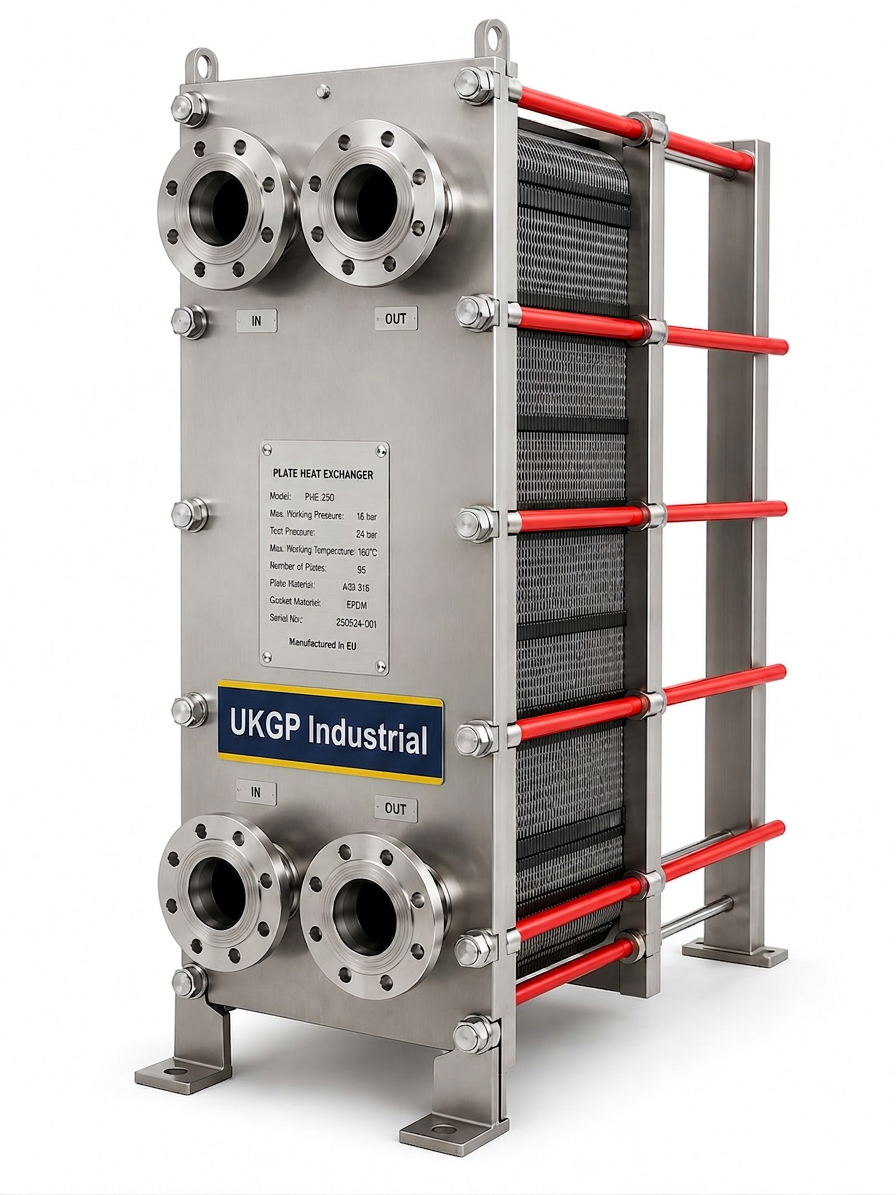
To ensure peak performance, every UKGP plate heat exchanger is sized from a full thermal spec provided by the client. We do not believe in 'off-the-shelf' approximations that lead to inefficient heat transfer or excessive pump head requirements. Our engineering team calculates the required surface area based on your primary flow and return temperatures—typically 80/60°C or lower for condensing systems—and your desired secondary temperatures. Whether you require a gasketed or brazed unit, our range covers everything from DN20 to DN300 connections. We ensure that the pressure drop across the plates remains within the limits of your system design to prevent cavitation and reduce energy consumption across the pump life cycle.
Our range of gasketed and brazed solutions is designed for versatility, catering to secondary heat loads of all scales. A UKGP plate heat exchanger offers a 2-year warranty as standard, reflecting our confidence in the materials and assembly. We understand that project timelines are tight in the UK M&E sector, which is why we maintain a lead time of 4-6 weeks for custom-built units. By providing a detailed thermal specification, including fluid properties and fouling factors, you enable us to optimize plate geometry for either high-theta or low-theta applications. This level of precision is why building services consultants repeatedly choose our PHEs for critical infrastructure projects where downtime is not an option.
When you request a quote, our team evaluates the heat transfer requirements against the available footprint in your plant room. For larger commercial installations, gasketed plate heat exchangers offer the advantage of being expandable and serviceable, whereas brazed units provide a compact, cost-effective solution for smaller heat loads or DHW production. All units are manufactured to rigorous UK standards, ensuring compatibility with CIBSE CP1 guidelines. With connections ranging from DN20 up to DN300, we can accommodate the smallest plant rooms or the largest district heating hubs. Contact us today with your thermal spec to receive a competitive quote and a 2-year warranty-backed solution for your next project.
- Bespoke sizing from DN20 to DN300 connections
- Choice of gasketed or brazed configurations based on serviceability needs
- Fast 4-6 week lead time for custom thermal designs
- Standard 2-year warranty on all PHE assemblies
Maintaining Water Quality and System Cleanliness
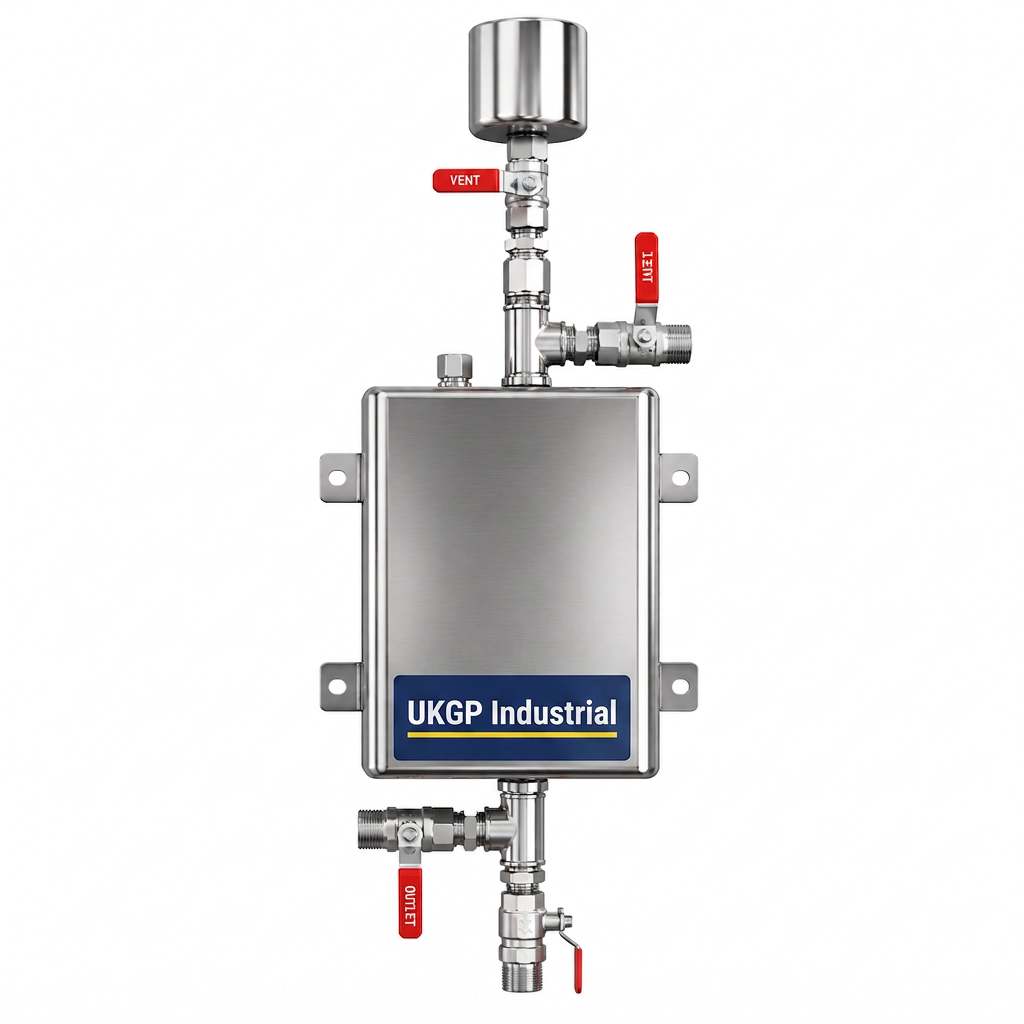
The integration of a heat exchanger for boiler protection is only effective if backed by a rigorous water treatment regime as outlined in BS 8552 and BSRIA BG29. While the heat exchanger acts as a physical barrier, the secondary circuit remains susceptible to oxygen ingress and corrosion. It is highly recommended that a chemical dosing pot is installed alongside the heat exchanger to facilitate the controlled introduction of inhibitors and biocides. This proactive approach prevents the build-up of biofilm and scale on the plate surfaces, which would otherwise degrade the thermal efficiency of the heat exchanger for boiler isolation. Neglecting water chemistry can lead to increased pressure drops and a significant reduction in heat transfer rates over time.
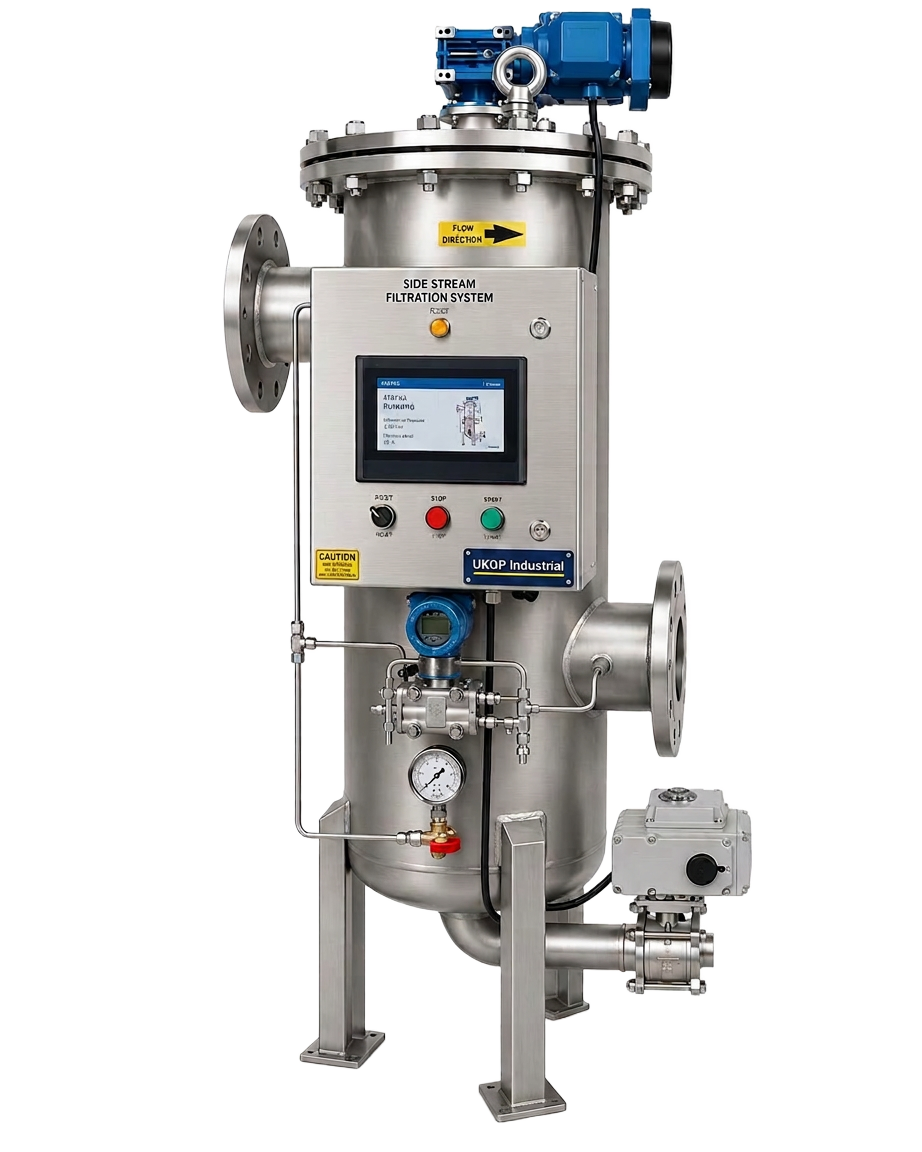
Regular monitoring is the cornerstone of CIBSE-compliant maintenance. Professionals should verify that the temperature approach—the difference between the primary inlet and secondary outlet—remains within specified tolerances. If the approach temperature begins to widen, it often indicates fouling within the heat exchanger. By utilizing a side stream filtration system in conjunction with a heat exchanger for boiler separation, you can continuously remove suspended solids from the secondary loop. This ensures that the plates remain clean and that the boiler operates within its condensing range for the maximum possible duration. Proper maintenance cycles for these components are essential for achieving the 20-year-plus lifespan expected of modern commercial plant.
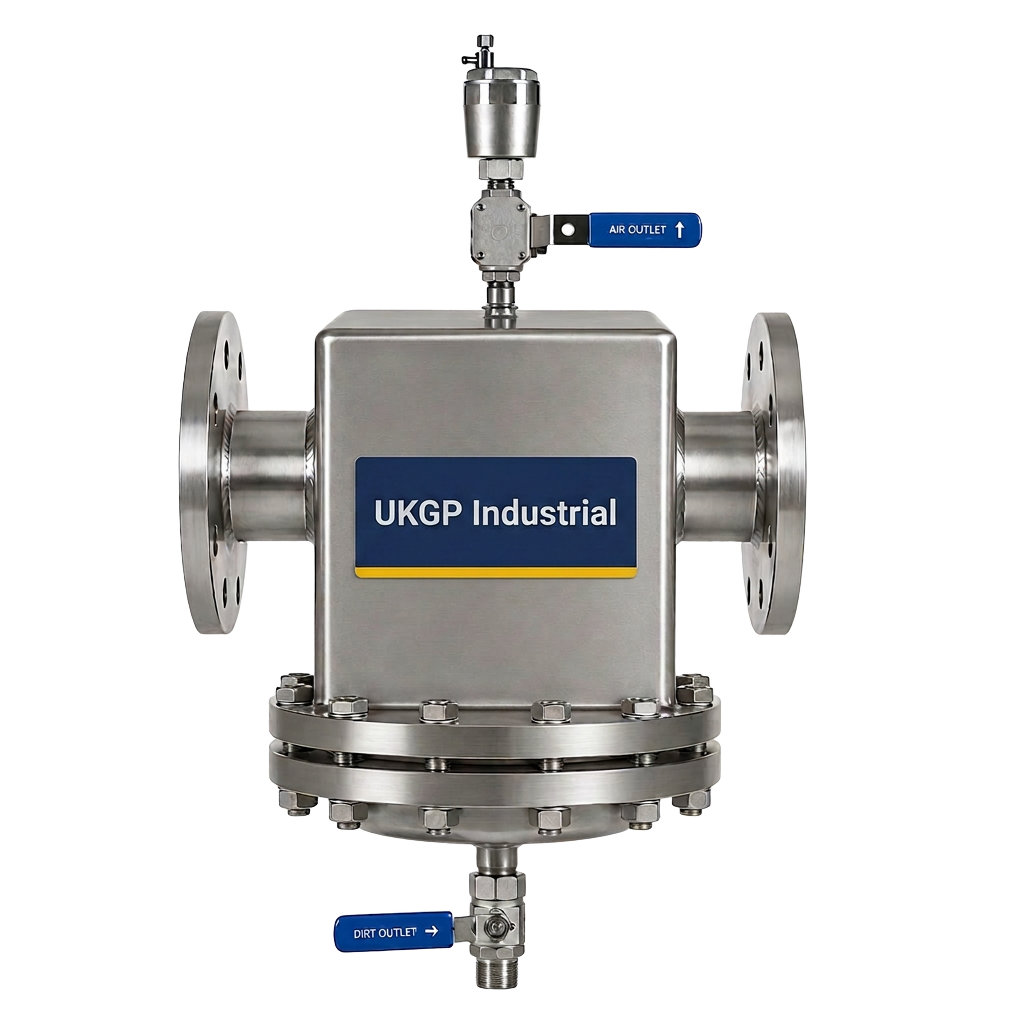
In addition to chemical treatment, the physical removal of air and dirt is paramount. Microbubbles and grit can cause erosion at high-velocity points within the heat exchanger. Therefore, high-performance air and dirt separators should be positioned upstream of the heat exchanger for boiler units. By combining these system components, M&E contractors can provide FM teams with a robust, low-maintenance system that avoids the common pitfalls of direct-coupled commercial heating. UKGP offers a full suite of these ancillary products, ensuring that your plate heat exchanger operates in the cleanest possible environment, thereby protecting your investment and ensuring the 2-year warranty remains valid through exemplary plant room stewardship.
- Adheres to BSRIA BG29 Pre-commission cleaning and BG50 Water treatment
- Integrates with chemical dosing pots for precise inhibitor levels
- Reduces the risk of plate fouling and thermal inefficiency
- Lowers long-term operational costs for Facility Managers
Thermal Performance and Condensing Efficiency
The efficiency of a condensing heat exchanger for boiler systems depends entirely on the return water temperature. For the boiler to condense effectively, the return temperature must typically remain below 54°C. A well-specified heat exchanger for boiler applications will have a low 'approach temperature', ensuring that the secondary return water can sufficiently cool the primary return water. If the heat exchanger is undersized, the primary return temperature will stay too high, preventing the boiler from entering its condensing mode and resulting in significant wasted fuel. Engineers must specify the correct number of plates and flow patterns to ensure that the heat exchanger for boiler isolation does not become a bottleneck for energy efficiency.
CIBSE Guide S emphasizes the importance of matching the heat exchanger's thermal characteristics to the variable load of the building. In systems with high turndown ratios, the heat exchanger for boiler use must maintain turbulent flow across the plates even at reduced flow rates to ensure high heat transfer coefficients. This is where professional sizing from a full thermal spec becomes invaluable. At UKGP, we use advanced modeling software to predict the performance of our heat exchangers under part-load conditions. By selecting a heat exchanger for boiler separation that is optimized for both peak and off-peak demands, designers can guarantee the building's carbon footprint is minimized while maintaining occupant comfort throughout the heating season.
Commercially, the payback period for a high-efficiency heat exchanger for boiler systems is brief when compared to the ongoing energy savings. In an era of volatile gas prices, ensuring your plant room is operating at peak thermal efficiency is a priority for procurement leads and building owners. A UKGP plate heat exchanger, sized correctly for a delta T of 20K or more, facilitates the low return temperatures necessary for modern heat pumps and condensing boilers alike. We provide the technical documentation required for BREEAM assessments, proving that our heat exchangers contribute to a sustainable and thermally optimized building envelope. Investing in a quality heat exchanger for boiler isolation is an investment in the building's future energy security.
- Maximises condensing hours by maintaining low return temperatures
- Optimised plate geometry for high heat transfer coefficients
- Supports BREEAM and carbon reduction targets
- Ensures thermal efficiency during low-load periods
Materials and Construction Standards
When selecting a heat exchanger for boiler applications, material choice is paramount for durability. Most commercial applications utilize 316 Stainless Steel plates, which offer excellent corrosion resistance and thermal conductivity. For systems involving aggressive fluids or high saline content, Titanium plates may be specified. The gaskets are equally important; EPDM is the standard for heating applications due to its high temperature resistance and resilience. Every heat exchanger for boiler isolation supplied by UKGP is manufactured to exceed BS EN 14917 standards where applicable, ensuring that the pressure vessel integrity is never in doubt. This focus on material quality is what allows us to offer a confident 2-year warranty on our PHE range.
The mechanical design of the heat exchanger for boiler systems must also account for thermal expansion and contraction. Repeated cycling of the boiler can cause stress on the pipework and the heat exchanger connections. Using expansion bellows can mitigate this stress, but the heat exchanger itself must be robustly constructed to handle the fluctuating pressures of a busy plant room. Our gasketed units feature heavy-duty carbon steel frames with epoxy coating, providing a long service life even in damp basement environments. For contractors, the ease of assembly and the clear DN20-DN300 connection sizing make UKGP products the practical choice for rapid onsite installation and commissioning, adhering to all UK safety regulations.
Finally, the selection process must consider the ease of future maintenance. Gasketed plate heat exchangers allow for the unit to be opened, the plates cleaned, and the gaskets replaced without removing the frame from the pipework. This is a significant advantage over brazed units in systems where high levels of scaling are expected. By choosing a UKGP heat exchanger for boiler separation, you are selecting a product designed for the entire lifecycle of the building. Our 4-6 week lead time ensures that even during emergency refits, you can obtain a high-specification, British-engineered component that meets all current M&E standards. We provide full technical support from the initial thermal spec through to final commissioning on site.
- 316 Stainless Steel plates as standard for durability
- High-grade EPDM gaskets for reliable thermal sealing
- Robust frames capable of withstanding industrial pressures
- Compliant with relevant UK and European pressure vessel standards
Integrating Sensors for Performance Monitoring
To verify that your heat exchanger for boiler system is performing as designed, accurate instrumentation is required. Installing pH sensors & transmitters on the secondary circuit allows FM teams to monitor the water quality in real-time, preventing the corrosive conditions that lead to plate failure. By integrating these sensors with a building management system (BMS), you can receive alerts the moment water chemistry drifts outside of the parameters set by BSRIA BG50. This proactive monitoring extends the life of the heat exchanger for boiler isolation and ensures that the system continues to operate at the specified thermal efficiency, reducing the risk of unplanned outages in critical environments like hospitals or data centers.
Temperature sensors should be placed on all four ports of the heat exchanger for boiler circuits to monitor the approach temperature and the effective delta T. If the secondary outlet temperature begins to drop despite high primary flow, it is a clear indicator that the heat exchanger needs servicing. UKGP provides a range of high-accuracy sensors and transmitters that are compatible with all modern BMS protocols. When paired with a UKGP plate heat exchanger, these instruments provide a complete picture of plant room health. This data is invaluable for M&E contractors who are responsible for the ongoing performance of the site, allowing for data-driven maintenance rather than reactive repairs.
In conclusion, the successful selection of a heat exchanger for boiler applications requires a holistic view of the heating system. From the initial thermal specification and the selection of DN20-DN300 connection sizes to the ongoing monitoring through pH and temperature sensors, every detail matters. UKGP is committed to supporting UK engineers with high-quality, warranty-backed components and expert technical advice. Whether you are working on a new build or a complex retrofit, our plate heat exchangers and ancillary products provide the reliability and efficiency required in today's commercial landscape. Contact us today to discuss your project requirements and receive a bespoke quote for your thermal interface needs.
- Real-time pH monitoring to protect plate integrity
- BMS integration for remote performance auditing
- Data-driven maintenance to reduce lifecycle costs
- Enhanced system transparency for FM teams
Frequently asked questions
Why is a heat exchanger for boiler systems necessary?
- It provides hydraulic separation, protecting the boiler from secondary circuit contaminants and allowing for different operating pressures and water treatments, as recommended by BSRIA BG50.
What information is needed to size a plate heat exchanger?
- A full thermal spec is required, including primary/secondary flow and return temperatures, the total heat load in kW, and the maximum allowable pressure drops.
What is the typical lead time for a UKGP heat exchanger?
- Our custom-sized plate heat exchangers, covering sizes from DN20 to DN300, typically have a lead time of 4-6 weeks.
What warranty is provided with UKGP heat exchangers?
- We provide a standard 2-year warranty on our gasketed and brazed plate heat exchangers, giving you peace of mind for your commercial installations.
How does a heat exchanger help with condensing boiler efficiency?
- By ensuring the primary return water is cooled sufficiently by the secondary return water (maintaining a low approach temperature), the boiler can stay in condensing mode more consistently.