The Role of Heat Exchanger Cleaning Pump Hire in Maintenance
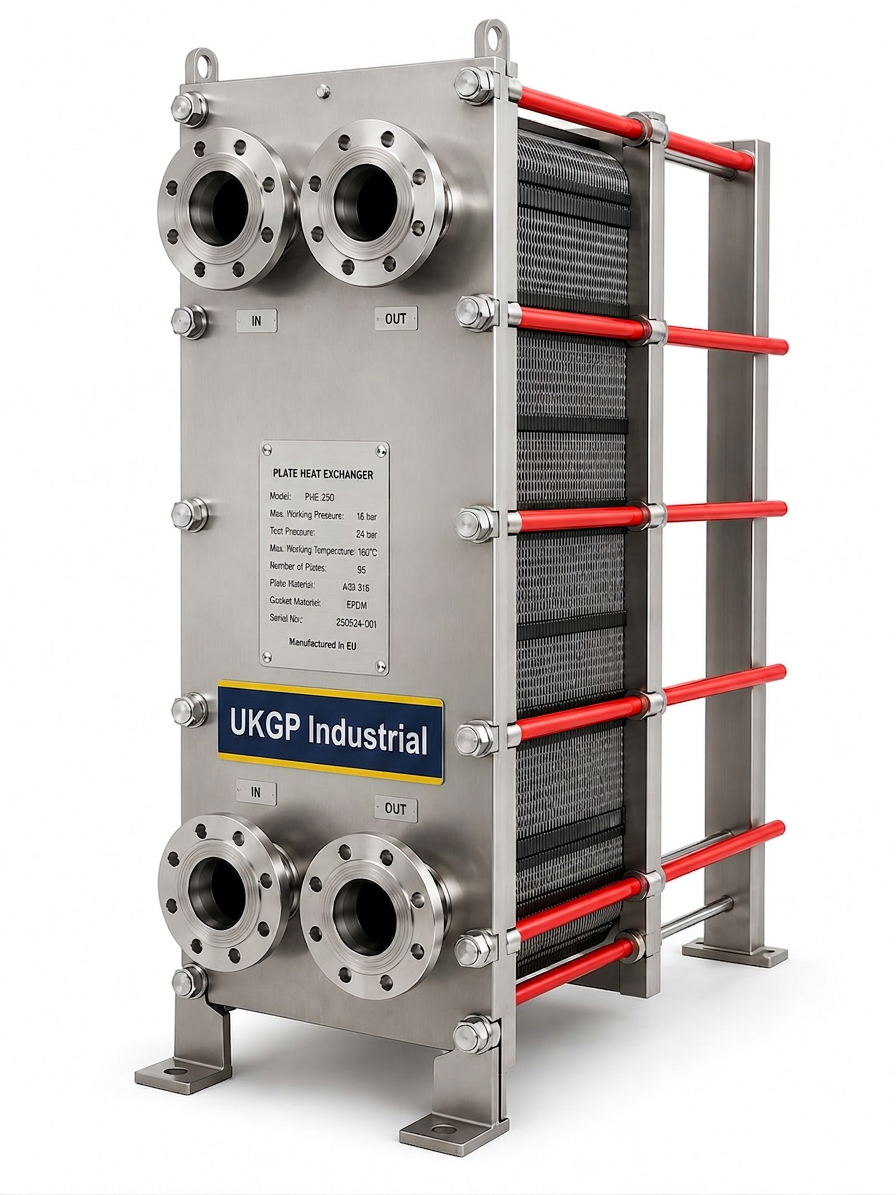
In the UK's commercial heating and cooling sector, the accumulation of magnetite, calcium carbonate, and biofilm within plate heat exchangers (PHEs) significantly impairs heat transfer. When a system reaches a critical state of fouling, contractors often look for heat exchanger cleaning pump hire to circulate descaling chemicals directly through the unit. This process, often referred to as Cleaning-In-Place (CIP), is designed to tackle the internal surfaces of the plates without the need for full disassembly, which can be time-consuming and risk damaging delicate gaskets. Effective hire solutions provide high-flow, corrosion-resistant pumping units capable of handling aggressive acidic or alkaline solvents required to strip stubborn deposits that standard flushing cannot reach.
While heat exchanger cleaning pump hire is an effective reactive measure, it is essential to recognise that internal fouling is frequently a symptom of broader systemic issues in the primary or secondary circuits. According to BSRIA BG29 and BG50 guidelines, maintaining water chemistry is paramount to preventing the very fouling that necessitates specialist cleaning equipment. Engineers must ensure that the pump used for hire is appropriately sized for the PHE's kWS rating and plate volume to ensure turbulent flow is achieved across all channels. Without sufficient turbulence, the chemical cleaning agent may only clear the paths of least resistance, leaving significant pockets of scale untouched and reducing the overall effectiveness of the maintenance intervention.
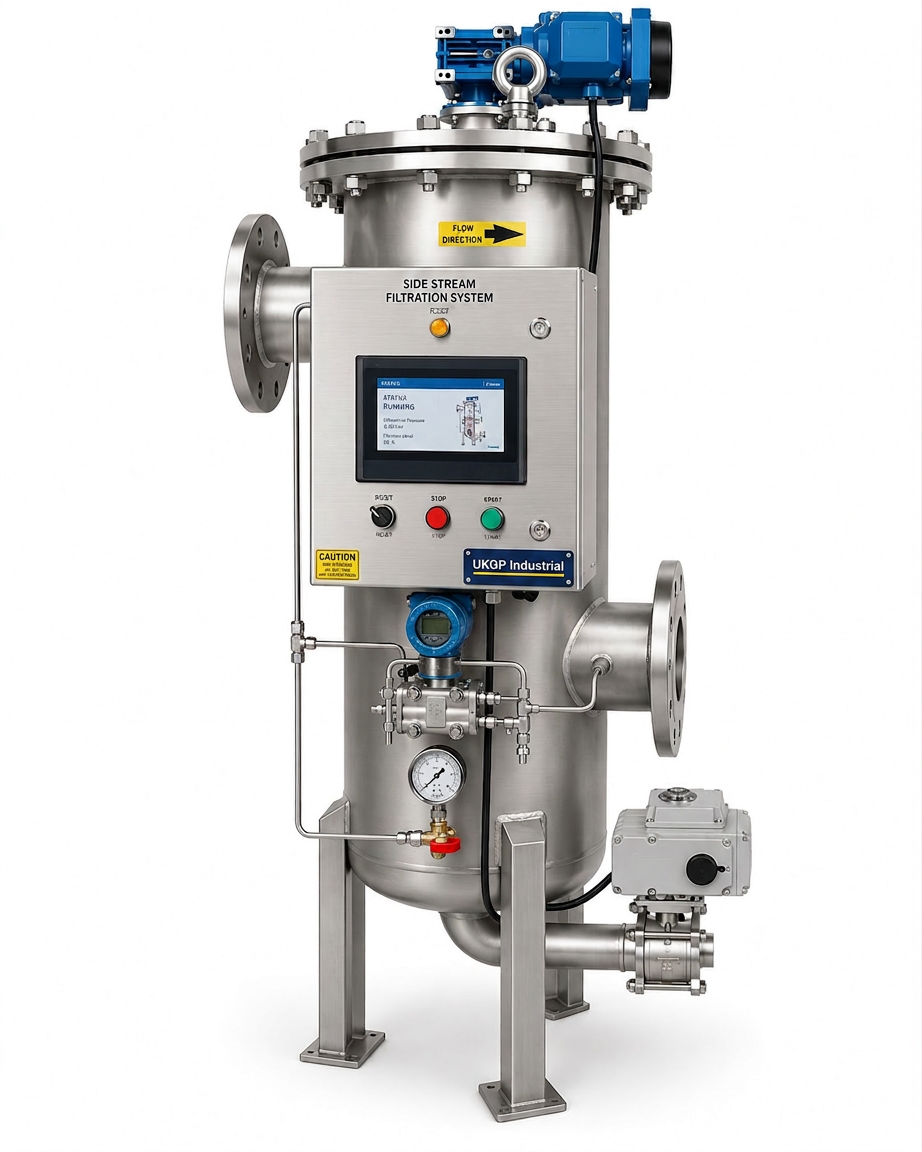
For UK engineering firms managing multiple sites, the logistical coordination of heat exchanger cleaning pump hire requires careful planning regarding site access and chemical disposal. Most hire units arrive as compact, skid-mounted assemblies with integrated hoses and bypass valves, allowing for quick connection to the PHE's service ports. However, the costs of repeated hire, coupled with the labour intensive nature of chemical flushing, often lead procurement leads to consider permanent assets. If your plant room requires frequent descaling, it may be more commercially viable to invest in a bespoke side stream filtration skid which provides continuous debris removal, starting from approximately £6,800+VAT for a UKGP units, reducing the frequency of required deep cleans.
- Rapid restoration of thermal transfer efficiency
- Reduction in system pump energy consumption following scale removal
- Enables Cleaning-In-Place (CIP) to protect PHE gaskets
- Essential for systems failing to meet CIBSE heat delta requirements
BSRIA BG50 Compliance and Water Quality Standards
The technical framework for UK closed-loop water systems is defined by BSRIA BG50, which provides clear benchmarks for suspended solids and corrosion rates. When arranging heat exchanger cleaning pump hire, it is vital to perform a pre-clean water analysis to BS 8552 standards. This analysis informs the choice of cleaning chemistry and helps quantify the volume of contaminants that need to be mobilised. A failure to adhere to these standards during the cleaning process can lead to secondary issues, such as the migration of loosened debris to other sensitive system components like control valves or small-bore calorimetry sensors, causing further mechanical failure elsewhere in the plant room circuit.
Engineers should look for hire services that provide not just the pump hardware but also the technical expertise to monitor pH levels during the flushing cycle. As the cleaning agent neutralises the scale, its potency diminishes; therefore, periodic titration or pH monitoring is necessary to determine when the process is complete. Once the cleaning phase with the hired pump is finished, the heat exchanger must be thoroughly flushed with a passivating agent to protect the freshly exposed metal surfaces from flash rusting. This metallurgical protection is a critical step often overlooked in DIY cleaning attempts, potentially leading to accelerated pitting corrosion in stainless steel plates if the system is not properly stabilised.
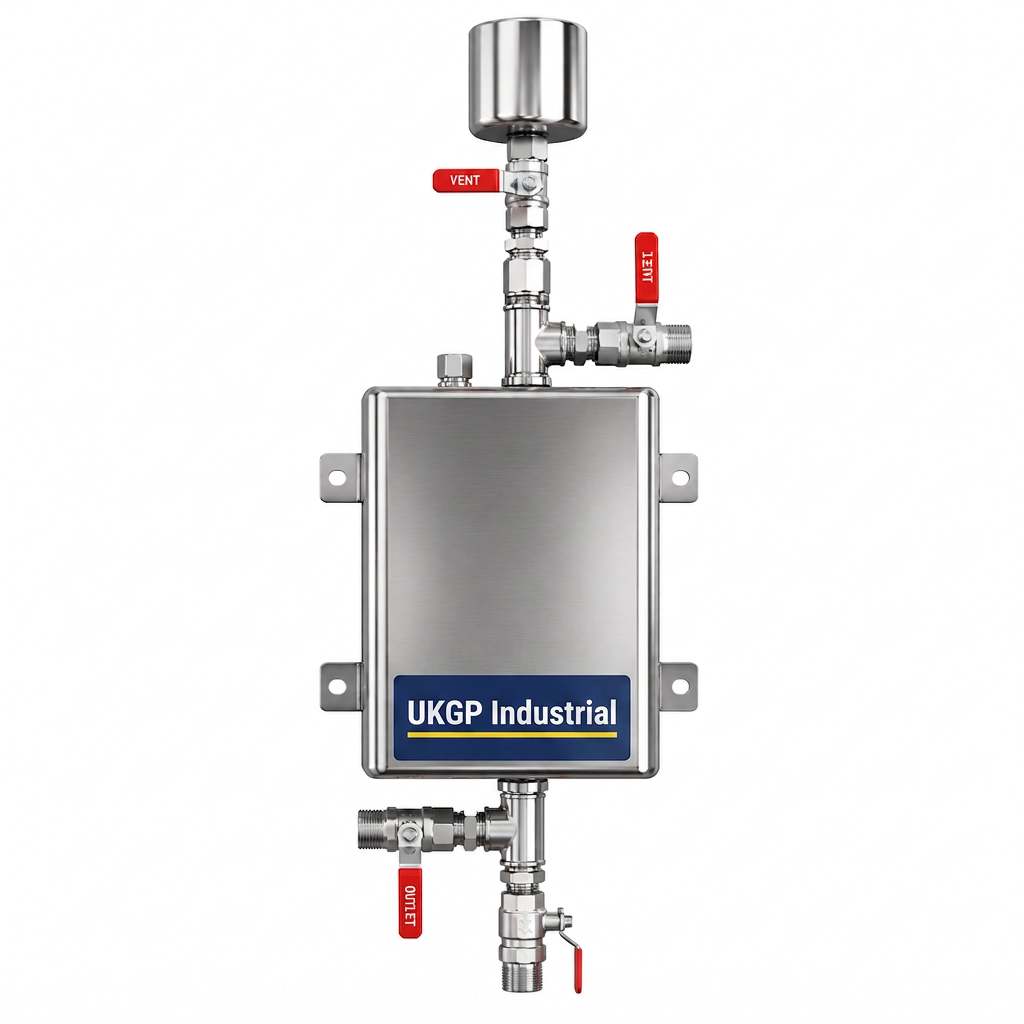
Commercial awareness in the UK market dictates that while hire services are a flexible Opex cost, the total cost of ownership (TCO) for a poorly maintained system is significantly higher. By integrating a permanent UKGP chemical dosing pot alongside mechanical filtration, contractors can maintain the chemical inhibitors that prevent the scaling seen in old, neglected systems. Our dosing pots are manufactured specifically for the UK market to withstand high-pressure environments, ensuring that once you have cleaned your heat exchanger via pump hire, you have the necessary infrastructure in place to prevent the return of restrictive fouling through precise chemical administration.
- Adherence to BSRIA BG50 'Water treatment for closed heating and cooling systems'
- Pre-clean water sampling to BS 8552 requirements
- Post-clean passivation to prevent oxygen-pitting on plates
- Integration of permanent dosing solutions to maintain inhibitor levels
The Transition from Reactive Hire to Side Stream Filtration
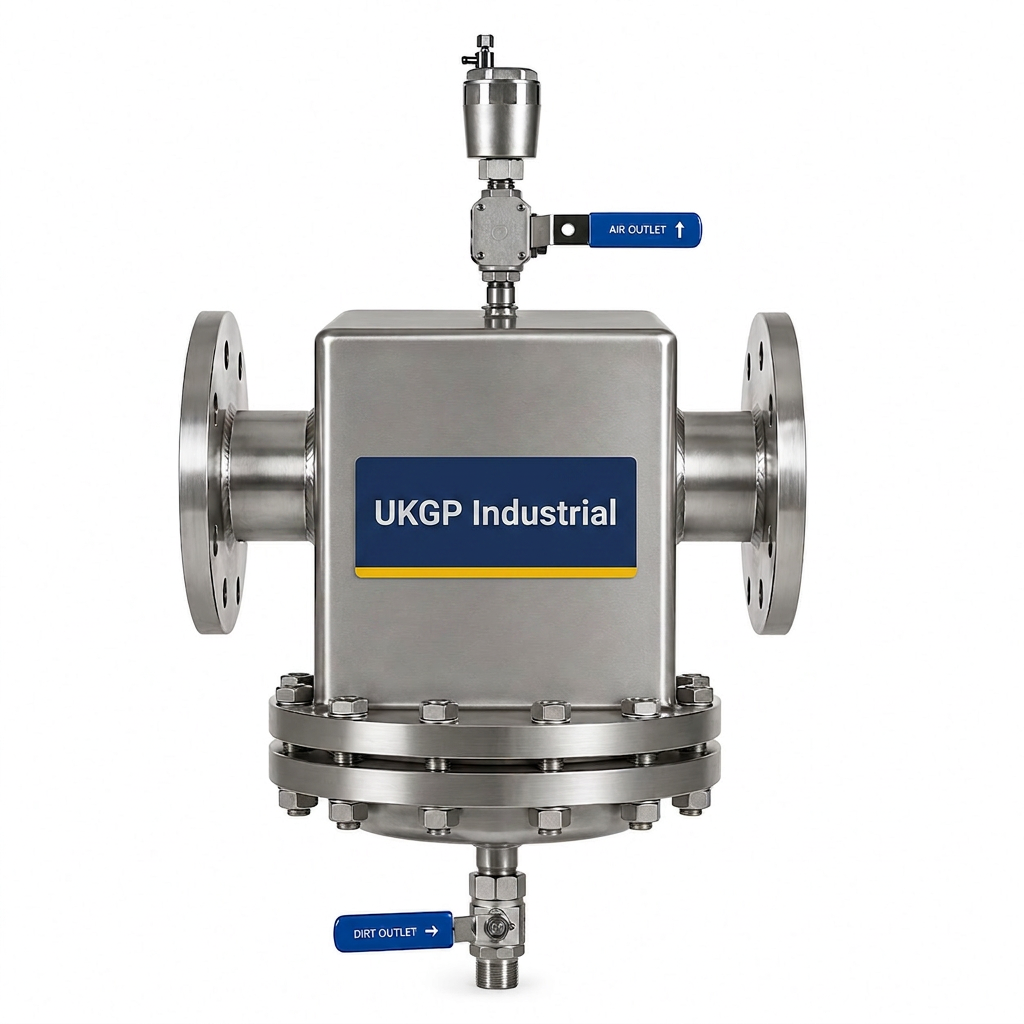
While heat exchanger cleaning pump hire provides a necessary 'reset' for fouled equipment, it does not address the cause of the contamination. Most solids in UK heating systems consist of magnetite (black iron oxide) which is highly magnetic and prone to settling in low-velocity areas like heat exchangers. To move away from the cycle of reactive cleaning hire and the associated downtime, industry best practice now dictates the installation of side stream filtration. These systems continuously divert a portion of the system flow—typically 5% to 15%—through a high-efficiency filter media or magnetic separator, ensuring that suspended solids are removed before they can settle and bake onto heat exchanger surfaces.
A UKGP side stream filtration skid is an engineered solution that offers far greater ROI than repeated contractor hire for cleaning. Available in sizes from DN50 to DN100, these units are made to order in our Surrey facility with a standard lead time of 6-8 weeks. At a starting price of £6,800+VAT, these skids provide a permanent barrier against the particulate matter that usually necessitates the hire of heavy cleaning equipment. Each unit comes with a 2-year warranty, providing long-term peace of mind for site engineers and FMs who are tired of managing declining system performance and the logistical headaches of bringing external pumps and chemicals onto sensitive sites.
By specifying a side stream filtration unit during a refurbishment or as a remedial upgrade following a pump-hire clean, you align the building's infrastructure with the most recent BSRIA recommendations. These skids are designed to be low-maintenance, requiring only periodic filter changes or blow-downs, which is significantly less invasive than a full chemical descaling operation. If you are currently evaluating heat exchanger cleaning pump hire options for an upcoming maintenance window, consider whether this is the right moment to install a permanent solution that will protect your PHEs, boilers, and chillers for the next decade of operation.
- Eliminates the need for frequent reactive chemical cleaning
- Continuous removal of magnetite and non-magnetic suspended solids
- Typical DN50 to DN100 sizes available for all commercial plant rooms
- UK manufactured with a 2-year warranty for extreme reliability
Technical Specs: What to Check in an Equipment Hire
When selecting a provider for heat exchanger cleaning pump hire, the technical specification of the pump is non-negotiable. It must be a centrifugal design capable of handling high temperature (often up to 60°C for effective cleaning) and must be constructed from acid-resistant materials like polypropylene or high-grade stainless steel. Standard water pumps will fail almost immediately when exposed to the phosphoric or hydrochloric acid blends commonly used for descaling. Additionally, the unit should feature a reversible flow switch. Reversing the flow during the cleaning cycle helps to dislodge trapped debris more effectively than a unidirectional flow, particularly in multi-pass heat exchanger configurations.
Pump head versus flow rate is another critical calculation. A heat exchanger has a specific pressure drop (Delta P) across its plates; your hired pump must have sufficient head to overcome this resistance while maintaining a flow rate that achieves a Reynolds number indicative of turbulent flow. If the pump is undersized, the cleaning solution will simply sit in the channels without the mechanical action required to break the bond between the scale and the plate. Always request a pump curve from your hire provider and compare it against the original heat exchanger datasheet provided at the time of installation to ensure the equipment is fit for purpose for your specific UK site requirements.
Beyond the pump itself, check that the hire package includes appropriate hoses with camlock or flanged fittings that match your system. Safety is paramount, and the equipment should include integrated pressure relief valves and a sealed reservoir tank to prevent chemical spills. In modern plant rooms, particularly those in high-density areas like London or Manchester, space is at a premium. Ensure the hire skid has a footprint that can be maneuvered into position without obstructing fire exits or other critical plant access. If the plant room is too constrained for temporary hire equipment, this is a strong indicator that a permanent, compact side stream unit should be integrated into the system design.
- Acid-resistant pump body and internal mechanical seals
- Integrated flow-reversal functionality for better descaling
- High-head capability to overcome plate resistance
- Comprehensive safety features including pressure relief and leak containment
Cost-Benefit Analysis: Hire vs. Permanent Installation
The financial decision between heat exchanger cleaning pump hire and capital investment in filtration is often the most significant factor for procurement leads. A single professional cleaning intervention, including pump hire, chemical costs, and specialist labour, can easily exceed £3,000 to £5,000 per visit for a large commercial heat exchanger. When you factor in the operational downtime and the energy penalties of running a fouled system in the weeks leading up to the clean, the economics quickly shift in favour of permanent solutions. If a system requires cleaning every 18 months, the 'simple payback' on a UKGP side stream filtration skid is often less than three years.
Furthermore, heat exchanger cleaning pump hire is essentially a cosmetic fix for an internal problem. It does not stop the corrosion of pipes or the degradation of system components elsewhere. By choosing to invest in UK-made filtration, you are protecting the entire asset base, including expensive boilers and variable speed pumps that are sensitive to particulate wear. Our skids are made to order in our Surrey workshop, ensuring that the dimensions and connection points are perfectly suited to your existing pipework (DN50, DN65, DN80, or DN100). This bespoke approach reduces installation costs and ensures the filtration system performs exactly as required to meet CIBSE efficiency targets.
We encourage M&E contractors and facility managers to look at the 2-year warranty and the robust build quality of our UK-designed filtration skids as a way to derisk their operations. While we understand the immediate need for heat exchanger cleaning pump hire in an emergency 'no-heat' or 'no-cool' situation, the long-term goal should always be a self-cleaning, low-particulate circuit. By stabilising your system water quality, you extend the life of your heat exchangers indefinitely and move from a model of fire-fighting maintenance to one of planned, predictable asset management that satisfies both accountants and sustainability officers.
- Typical hire and labour costs range from £3k-£5k per intervention
- Permanent filtration skids start at £6,800+VAT for DN50 units
- Shorter payback periods when considering energy savings and asset life
- Bespoke UK manufacture ensures easy retrofit into existing plant rooms
Environmental and Safety Considerations in the UK
Environmental regulations in the UK regarding the disposal of chemical cleaning waste are strict. When using heat exchanger cleaning pump hire, you must account for the neutralisation and legal disposal of the spent cleaning solution. It cannot simply be poured down the drain without local water authority permission and potentially a documented waste transfer note. This compliance adds a layer of complexity and cost to every cleaning cycle. Permanent mechanical filtration, conversely, produces only a small amount of concentrated sludge or a dirty filter bag, which is far simpler and cheaper to manage within standard site waste protocols.
Safety during the cleaning process is also a major concern for FM teams. Hired pumps involve temporary pipework and high-pressure chemical circulation, which increases the risk of leaks compared to permanently welded or flanged plant-room equipment. By minimising the frequency of chemical cleans through the use of side stream filtration, you improve the Health and Safety profile of your maintenance contract. Professionals prefer the reliability of a UKGP manufactured skid, which undergoes rigorous pressure testing before leaving our facility, ensuring it meets all UK pressure equipment regulations and can operate safely for years without the risks associated with temporary setups.
Ultimately, the goal of any building services engineer is to provide a reliable service to occupants. While heat exchanger cleaning pump hire is an essential tool for restoring neglected systems, it should be the final step in a remediation plan that ends with the installation of high-quality UK water treatment hardware. Whether you need a dosing pot for inhibitor maintenance or a DN100 side stream filtration skid for a large district heating network, UKGP Industrial provides the technical support and British-made quality needed to keep your systems running at peak efficiency according to the latest BSRIA BG50 standards.
- Strict UK environmental codes for chemical cleaning effluent disposal
- Lower risk of leaks with permanent, pressure-tested installations
- Improved H&S profile by reducing chemical handling on-site
- Long-term sustainability through reduced water and chemical consumption
Frequently asked questions
How often should I use heat exchanger cleaning pump hire?
- Ideally, never. If your system is designed and maintained to BSRIA BG50 standards with adequate side stream filtration, the heat exchanger should remain clean. If you are experiencing more than a 2-degree loss in temperature delta, a clean may be required, but this should be followed by a water quality audit.
What is the lead time for a permanent UKGP filtration skid?
- Our side stream filtration skids are made to order in the UK with a typical lead time of 6-8 weeks. They are custom-built to your requirements, covering pipe sizes from DN50 to DN100.
Are hire pumps compatible with all types of heat exchangers?
- Most hire pumps are compatible with Plate Heat Exchangers (PHE), Shell and Tube, and Brazed heat exchangers, provided the chemical agent is compatible with the metallurgy (e.g., avoiding certain acids with stainless steel or copper brazing).
What are the costs for a permanent filtration solution?
- UKGP side stream filtration skids start from approximately £6,800+VAT. While more expensive than a single pump hire, they provide a 2-year warranty and a permanent solution to fouling, offering better long-term value.
Do I need to bypass the rest of the system during pump cleaning?
- Yes, when using a hired pump for cleaning-in-place, the heat exchanger must be isolated from the rest of the building circuit to prevent aggressive cleaning chemicals from damaging other components like boilers or radiators.