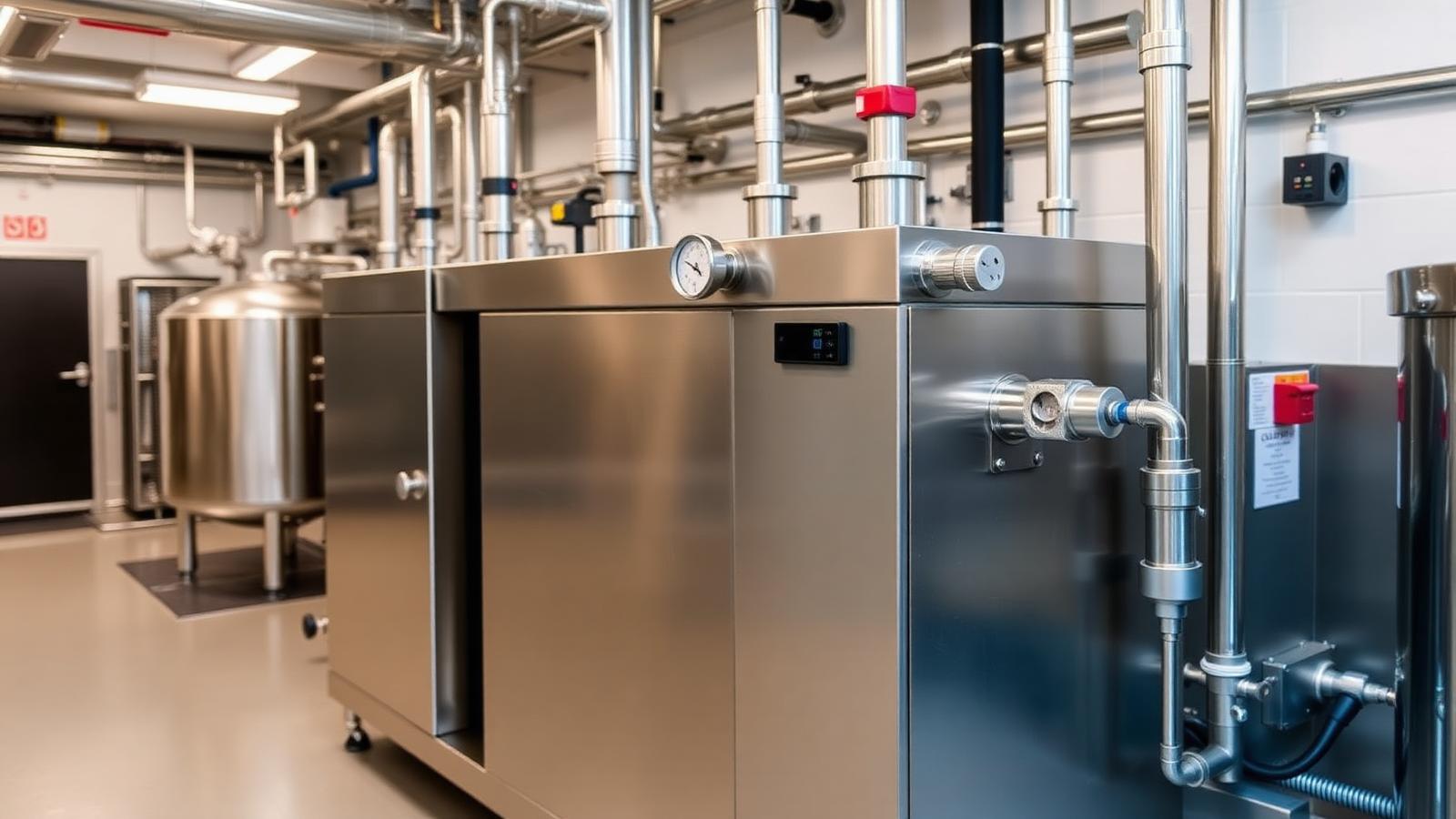
Determining the Correct Heat Exchanger Cleaning Frequency
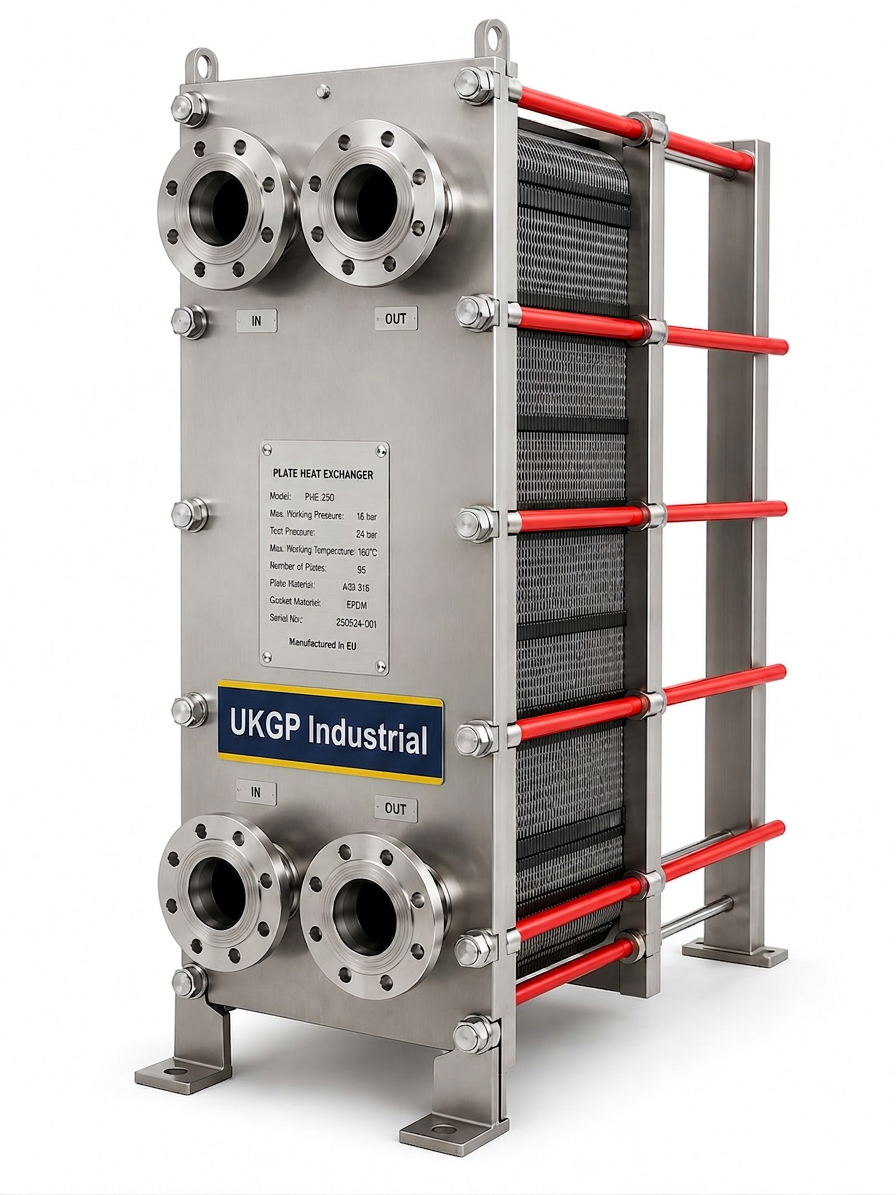
Determining the ideal heat exchanger cleaning frequency is not a one-size-fits-all exercise for UK building services engineers. While many facility management contracts specify an annual inspection, the actual necessity for a chemical flush or manual plate strip-down depends heavily on the closed-circuit water quality and the temperature differentials observed across the primary and secondary ports. According to BSRIA BG50, monitoring pressure drops (delta-P) is the most reliable indicator that scaling or debris is impeding flow. If your system experiences a 15% increase in pressure drop over the baseline, it is time to schedule a deep clean. Proactive monitoring prevents the exponential energy costs associated with fouled surfaces where even a 0.5mm layer of scale can reduce heat transfer efficiency by over 20% in high-demand plant rooms.
In modern UK commercial developments, the heat exchanger cleaning frequency is often dictated by the sensitivity of the connected equipment. For systems utilizing high-efficiency condensing boilers or heat pumps, maintaining the secondary loop's cleanliness is paramount to protect the heat source warranty. We recommend conducting a comprehensive water analysis every six months, as per BS 8552, to check for suspended solids and bacterial growth such as Pseudomonas. If your water chemistry reveals high levels of iron or calcium carbonate, the frequency of cleaning must be increased to prevent permanent pitting of the stainless steel plates. Ignoring these indicators leads to unscheduled downtime, which is significantly more expensive than a planned maintenance intervention during the summer months when heating loads are lower.
To achieve the best commercial outcomes, procurement leads should look at the total cost of ownership rather than just the immediate invoice for a cleaning contractor. By integrating real-time monitoring of approach temperatures—the difference between the primary inlet and secondary outlet—you can fine-tune your heat exchanger cleaning frequency to match actual plant conditions. When the approach temperature exceeds design specifications by more than 3 to 5 degrees Celsius, it suggests that the fouling factor has exceeded its design margin. This data-driven approach ensures that you are not cleaning plates unnecessarily, which can lead to gasket wear and premature component failure, while also ensuring that you never leave a fouled unit in service long enough to cause a catastrophic system failure or excessive carbon emissions.
- Monitor delta-P increases of 15% or more above the commissioning baseline.
- Execute bi-annual water sampling in accordance with BS 8552 guidelines.
- Track approach temperature deviations to identify internal fouling early.
- Schedule manual plate inspections every 12-24 months for high-mineral areas.
- Align cleaning cycles with BSRIA BG50 sustainability recommendations.
The Impact of Side Stream Filtration on Maintenance Cycles
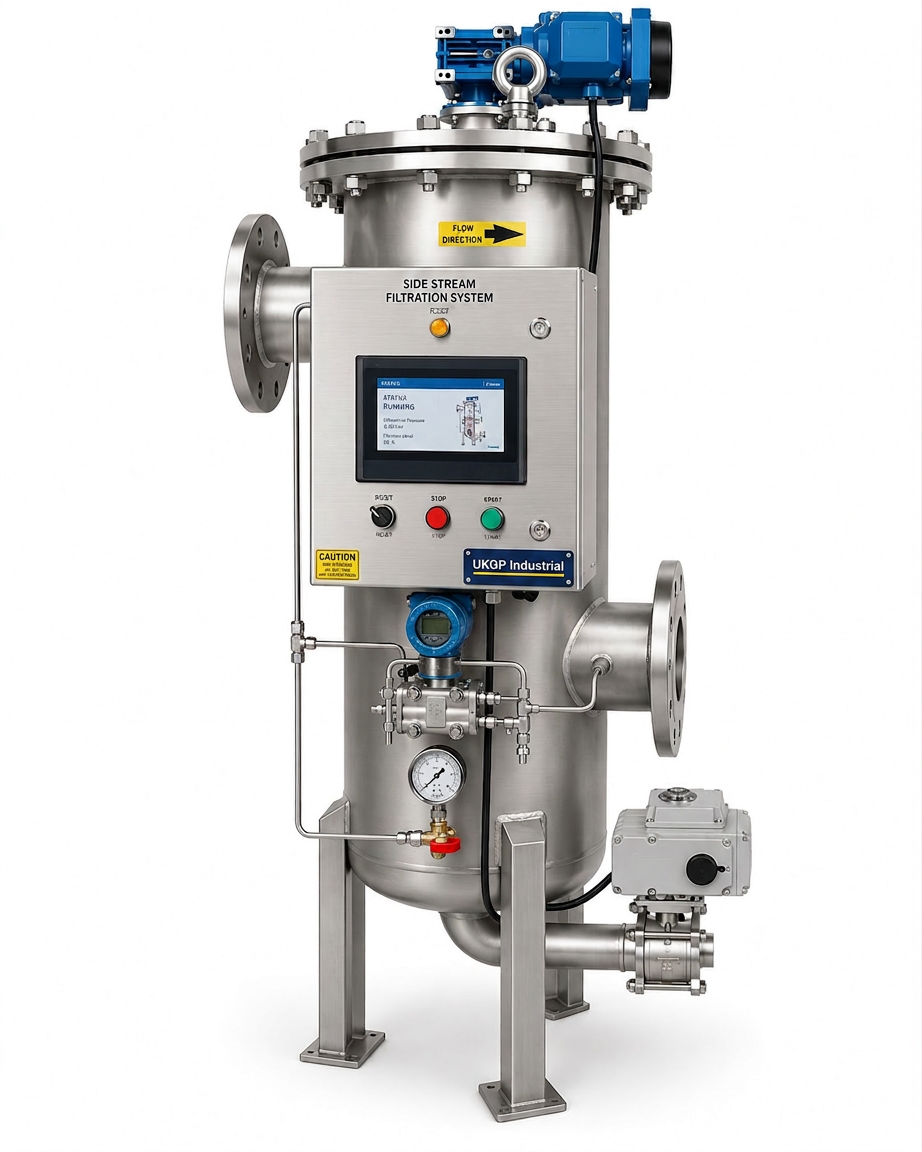
One of the most effective ways to extend your heat exchanger cleaning frequency is the installation of high-performance side stream filtration. In the UK, BSRIA BG29 and BG50 highlight the importance of continuous water treatment to remove the magnetite and debris that typically settle on plate surfaces. UKGP Industrial manufactures side stream filtration skids specifically designed to mitigate these issues, filtering down to 5 microns to ensure that the delicate channels within a plate heat exchanger remain clear. By removing the suspended solids that act as a catalyst for scaling, building operators can often extend their cleaning intervals from annually to once every three or four years, representing a massive saving in labour and chemical costs over the lifespan of the plant.
Investing in a UKGP side stream filtration skid is a strategic move for any M&E contractor looking to deliver a robust, low-maintenance system. Our skids are made to order in our Surrey facility with a typical lead time of 6-8 weeks and are available in sizes ranging from DN50 to DN100. Starting from £6,800+VAT, these units provide a rapid return on investment by protecting the most expensive components in the plant room, including PHEs and variable speed pumps. Each unit comes with a 2-year warranty, giving consultants and end-users peace of mind that their water quality is being managed by industrial-grade equipment designed for the rigours of the UK commercial market. Reducing the heat exchanger cleaning frequency through mechanical filtration is cleaner, greener, and more cost-effective than repetitive chemical dosing.
When specifying filtration for a project, it is essential to consider the flow rate and the volume of the system to ensure the side stream can cycle the total water volume effectively. UKGP Industrial skids are engineered to handle the demanding requirements of BSRIA-compliant buildings, ensuring that even under heavy load, the particulate matter is captured before it can bake onto your heat exchanger plates. This proactive approach significantly reduces the 'fouling factor' utilized in engineering calculations, allowing systems to operate closer to their theoretical maximum efficiency. Requesting a quote for a side stream filtration skid today can prevent the need for an emergency cleaning call-out next winter, ensuring your facility remains operational and compliant with the latest industry standards for energy performance and water hygiene.
- Reduces suspended solids to 5 microns, protecting narrow PHE channels.
- UK-manufactured in Surrey with reliable 6-8 week lead times.
- Standard pricing for DN50-DN100 units starts from £6,800+VAT.
- Proven to extend heat exchanger cleaning frequency by up to 300%.
- Includes a 2-year manufacturer warranty for total project security.
BSRIA BG50 Compliance and Water Quality Standards
Compliance with BSRIA BG50 is the benchmark for water treatment in UK closed-loop systems. This guidance emphasizes that maintaining water quality is a continuous process, not a one-off event during commissioning. A heavy focus is placed on the prevention of corrosion and scaling, both of which are the primary drivers for a high heat exchanger cleaning frequency. When water quality drifts outside of the recommended parameters—specifically regarding pH levels, conductivity, and dissolved oxygen—the rate of magnetite formation increases. This sludge eventually migrates to the plate heat exchanger, where the high surface area and relatively low flow velocities in certain plate regions provide the perfect environment for settlement and hardened scale formation.
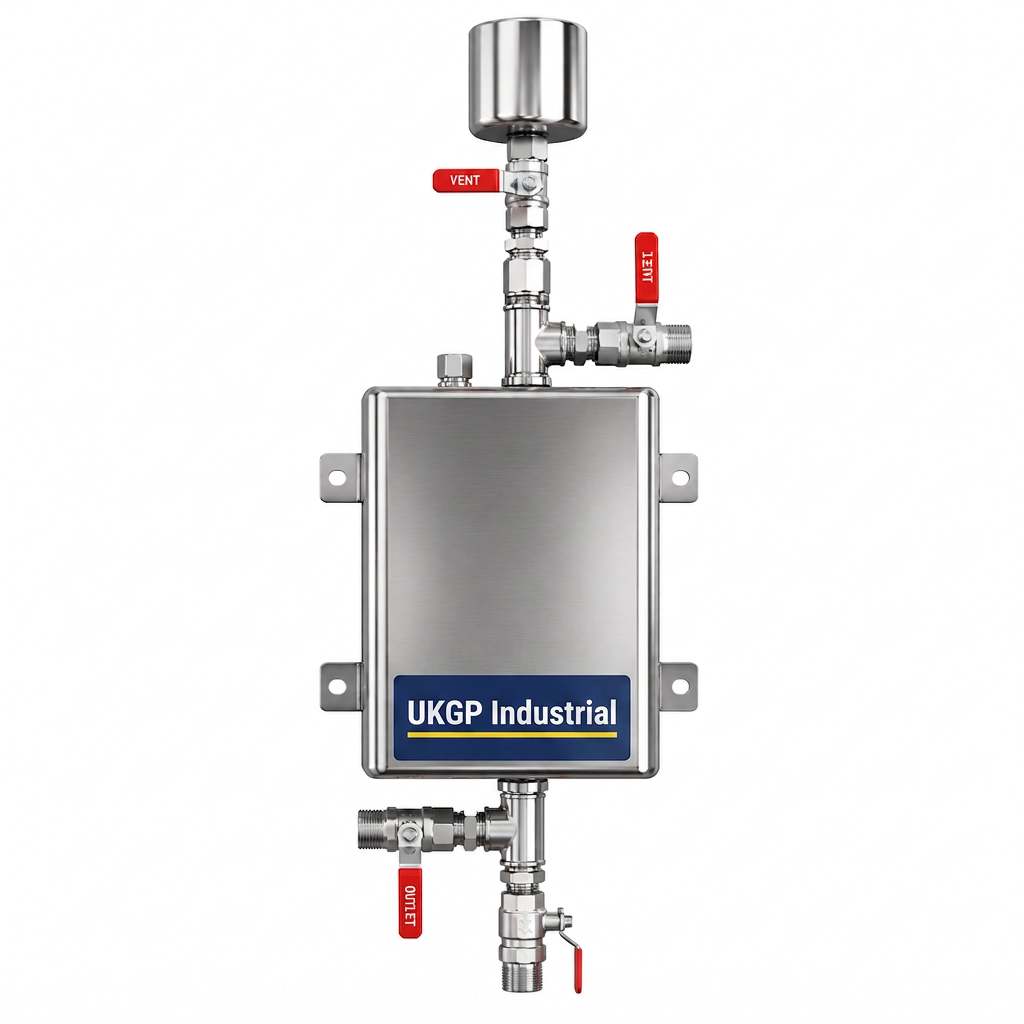
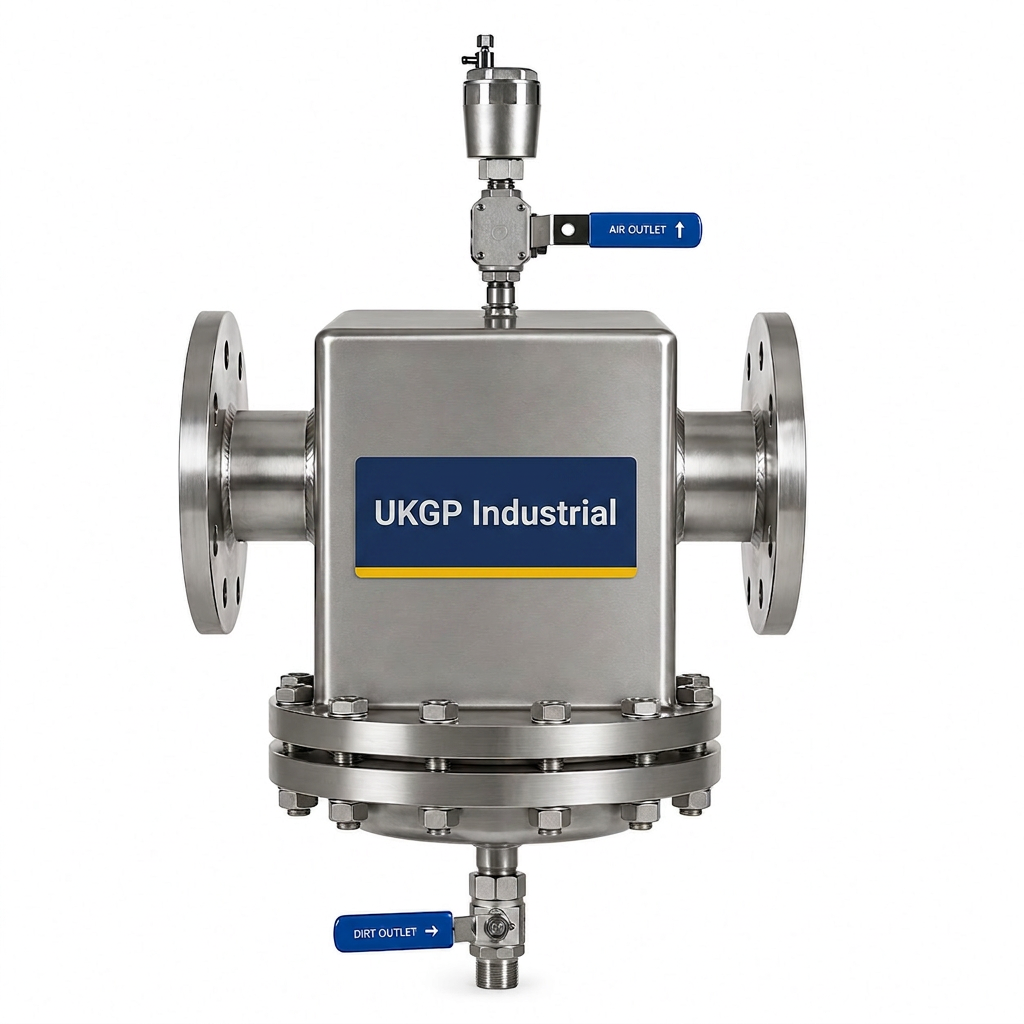
Following BG50 protocols means implementing a regime that includes both chemical treatment and physical filtration. For M&E contractors, this means ensuring that dosing pots are correctly used for inhibitor top-ups and that air and dirt separators are positioned correctly in the flow. If these measures are neglected, the heat exchanger cleaning frequency will inevitably increase, leading to higher operational costs for the FM team. The guide clearly states that water quality management is essential for the longevity of the plant, and documentable proof of compliance is often required for insurance purposes and building handover. By adhering to these standards, you create a transparent maintenance log that justifies your cleaning schedule to stakeholders and environmental auditors alike.
Furthermore, CIBSE CP1 (Heat Networks Code of Practice) reinforces these requirements, especially for communal heating schemes where plate heat exchangers are used at both the energy centre and the individual HIUs (Heat Interface Units). In these scenarios, a failure to manage the heat exchanger cleaning frequency can lead to a loss of hot water or heating for hundreds of residents. The complexity of these networks means that even minor fouling in a central heat exchanger can cause a significant drop in system-wide Delta-T, forcing pumps to run harder and increasing electricity consumption. Regular testing and the use of high-quality UKGP components help maintain the hydraulic balance and thermal integrity of these critical infrastructure projects.
- Ensures adherence to BSRIA BG50 for closed-circuit water systems.
- Prevents the build-up of magnetite sludge in sensitive PHE plates.
- Mandates the use of chemical dosing and mechanical filtration together.
- Supports CIBSE CP1 standards for district heating and HIU protection.
- Provides a clear framework for building handover and insurance compliance.
Environmental and Commercial Benefits of Reduced Fouling
The commercial implications of your heat exchanger cleaning frequency are substantial. Each time a plate heat exchanger is opened for manual cleaning, there is a risk of gasket failure or plate misalignment upon reassembly. Beyond the direct cost of the service visit, the indirect costs of energy inefficiency are what truly impact the bottom line. A fouled heat exchanger forces the primary heat source—be it a boiler or a heat pump—to run at higher temperatures to achieve the desired secondary output. This often pulls condensing boilers out of their condensing mode, instantly dropping their efficiency from over 90% to closer to 80%. Over a single heating season, this inefficiency can result in thousands of pounds in wasted gas or electricity.
Environmentally, reducing the heat exchanger cleaning frequency through better system design aligns with ESG goals and carbon reduction targets. Fewer chemical cleans mean less hazardous waste being flushed into the drainage system or requiring specialised disposal. By maintaining a clean system using a UKGP side stream filtration skid, you are ensuring that your building operates at its 'as-designed' efficiency for longer. This not only lowers the scope 1 and scope 2 emissions of the building but also extends the lifecycle of the copper and steel components within the system. Procurement leads are increasingly prioritising products that offer long-term durability and lower maintenance overheads, making high-spec UK-made filtration an easy choice for modern tenders.
Ultimately, the goal is to shift from reactive 'fire-fighting' to a proactive, predictive maintenance model. When you understand the relationship between water quality, filtration, and heat exchanger cleaning frequency, you can budget more accurately and reduce the likelihood of emergency outages. For Surrey-based UKGP Industrial, we see first-hand how proper equipment selection at the design stage simplifies the life of a plant-room engineer. Whether it is our expansion bellows, air separators, or our flagship filtration skids, every component is built to withstand the pressures of commercial HVAC life, ensuring that your heat exchangers stay clean and your energy bills stay low.
- Maintains boiler condensing mode by ensuring low return temperatures.
- Reduces the volume of chemical waste generated by frequent flushing.
- Minimises the risk of gasket leaks during manual strip-down procedures.
- Extends the operational life of expensive stainless steel PHE plates.
- Contributes to building-wide carbon reduction and ESG performance.
Practical Steps for Plant-Room Engineers
For the engineer on the ground, managing the heat exchanger cleaning frequency starts with a thorough walk-round and visual inspection. Check for leaks around the frame of the plate heat exchanger, as these are often the first signs that internal fouling is causing localized pressure spikes that stress the gaskets. Use an infrared thermometer or the BMS (Building Management System) sensors to check the temperature at all four ports. If the 'cross-over' is not happening efficiently—meaning the secondary flow is not getting close to the primary supply temperature—fouling is the likely culprit. This physical evidence, combined with pressure gauge readings, provides a solid case for scheduling maintenance before the system fails completely.
When it is time for a clean, ensure that the chemicals used are compatible with the plate material (usually 316 stainless steel) and the gasket elastomer (typically EPDM or Nitril). Inappropriate chemical use can lead to stress corrosion cracking, which effectively destroys the heat exchanger. Many UK contractors prefer 'Clean-In-Place' (CIP) methods, where a circulating pump moves cleaning solution through the unit without dismantling it. This is a faster way to manage heat exchanger cleaning frequency but is only effective for light scaling. For heavily fouled units where magnetite has baked into the chevrons, a full manual strip-down and jet-wash is necessary, followed by a mandatory change of all gaskets to ensure a tight seal.
Finally, always re-evaluate your filtration and dosing strategy after a clean. If the heat exchanger was significantly fouled, it is an indicator that the current water treatment regime is failing. Consider retrofitting a UKGP dosing pot or an air and dirt separator if the system currently lacks them. Our dosing pots are robust, assembled in the UK, and allow for the safe introduction of inhibitors that prevent the very scaling you've just spent hours cleaning. By improving the system design during a maintenance window, you effectively move the goalposts for the next heat exchanger cleaning frequency, giving yourself more time between tasks and a more reliable plant room overall.
- Use BMS data to monitor approach temperatures and detect fouling early.
- Validate chemical compatibility with 316 stainless steel and EPDM gaskets.
- Consider CIP (Clean-In-Place) for routine, lighter maintenance tasks.
- Replace all gaskets after any manual plate bank disassembly.
- Retrofit UKGP dosing pots to improve chemical inhibitor distribution.
Navigating Lead Times and Procurement for Filtration
In the current UK market, availability is just as important as technical specification. When a facility manager decides to improve the water quality to reduce heat exchanger cleaning frequency, they cannot afford a 20-week wait for an overseas component. UKGP Industrial addresses this by maintaining a Surrey-based manufacturing hub. Our side stream filtration skids (DN50 to DN100) are typically made to order with a 6-8 week lead time, allowing projects to move forward without the delays commonly associated with global supply chain disruptions. Pricing from £6,800+VAT reflects the high-quality components and industrial craftsmanship required to meet BSRIA BG29/50 standards while remaining competitive for UK commercial budgets.
Procurement leads should also value the 2-year warranty offered on our filtration skids. In a sector where a 1-year warranty is standard, our 2-year guarantee highlights our confidence in the durability of our UK-built frames and filtration media. This longevity is crucial for justifying the capital expenditure involved in a plant-room upgrade. When presenting a business case for a side stream filter to a board or a client, focusing on the reduction in heat exchanger cleaning frequency and the associated saving in O&M (Operation and Maintenance) costs is a winning strategy. A skid that pays for itself in less than two years through energy savings and reduced service call-outs is a sensible investment for any FM portfolio.
To start the process, we recommend a quote request based on your system's total water volume and maximum flow rate. Our technical team can assist in sizing the correct skid from our DN50 to DN100 range to ensure optimal particulate capture. By choosing a UKGP solution, you are not just buying hardware; you are gaining a partner with technical expertise in UK building services. We understand the specific challenges of Surrey and London water hardness and the legacy issues found in many older UK commercial heating systems. Contact us today to learn how our made-to-order skids can protect your heat exchangers and redefine your maintenance schedule for the better.
- UK-based manufacturing ensures efficient 6-8 week delivery times.
- Competitive UK pricing from £6,800+VAT for industrial-spec skids.
- Strong 2-year warranty provides long-term CAPEX protection.
- Sized from DN50 up to DN100 to suit varying commercial plant scales.
- Expert technical support available from our Surrey headquarters.
Frequently asked questions
What is the standard heat exchanger cleaning frequency?
- While annual inspections are standard, the actual heat exchanger cleaning frequency should be based on delta-P and approach temperature monitoring. BSRIA BG50 recommends regular water testing to determine if more frequent cleaning is required due to poor water quality.
How does magnetite impact heat exchanger cleaning frequency?
- Magnetite is a black iron oxide sludge that settles in the narrow channels of a plate heat exchanger. Since it is highly conductive, it can accelerate corrosion and significantly reduce heat transfer, requiring more frequent chemical flushes to maintain system performance.
Can side stream filtration reduce my maintenance costs?
- Yes. A UKGP side stream filtration skid removes particulates down to 5 microns. By keeping the system water clean, you can extend the heat exchanger cleaning frequency from 12 months to potentially 3-5 years, saving thousands in labour and energy costs.
What are the signs that a heat exchanger needs cleaning?
- Key signs include an increase in primary-to-secondary approach temperature, a significant rise in pressure drop across the unit, and a failure of the secondary loop to reach setpoint temperature during peak demand periods.
Is a manual plate clean better than a chemical flush?
- Manual cleaning (strip-down) is more thorough for heavily fouled plates but carries risks to gaskets. Chemical flushing (CIP) is preferred for routine maintenance because it is faster and does not require the plate pack to be opened, provided the fouling is not too advanced.