The Challenges of Glycol in Closed-Loop Systems
Integrating glycol into a commercial HVAC system significantly alters the fluid dynamics and chemical profile of the water. Glycol is more viscous than plain water, which increases the torque requirements on pumps and can lead to slower settlement of suspended solids. Without dedicated glycol side stream filtration, these particles remain in suspension longer, increasing the risk of erosion within copper pipework and fouling sensitive heat transfer surfaces. Furthermore, as glycol ages or is exposed to high temperatures, it can degrade into organic acids, which aggressively attack carbon steel and yellow metals if left unchecked. UK building services consultants must account for these rheological changes when specifying filtration equipment to ensure longevity.
From a BSRIA BG50 perspective, the maintenance of clear, debris-free water is non-negotiable for commercial premises. When glycol is present, the fluid's ability to hold oxygen is reduced, but the risk of microbiological growth, particularly sulphate-reducing bacteria (SRB), can increase if the glycol concentration drops below effective inhibition levels. This biological activity creates a biofilm that acts as a glue for magnetite and scale, forming a sludge that is notoriously difficult to remove without high-performance mechanical intervention. A glycol-friendly side stream filtration unit is specifically designed to handle these higher viscosities while effectively stripping out particulate matter down to sub-micron levels, preventing the 'sludge-bomb' effect often seen in neglected circuits.
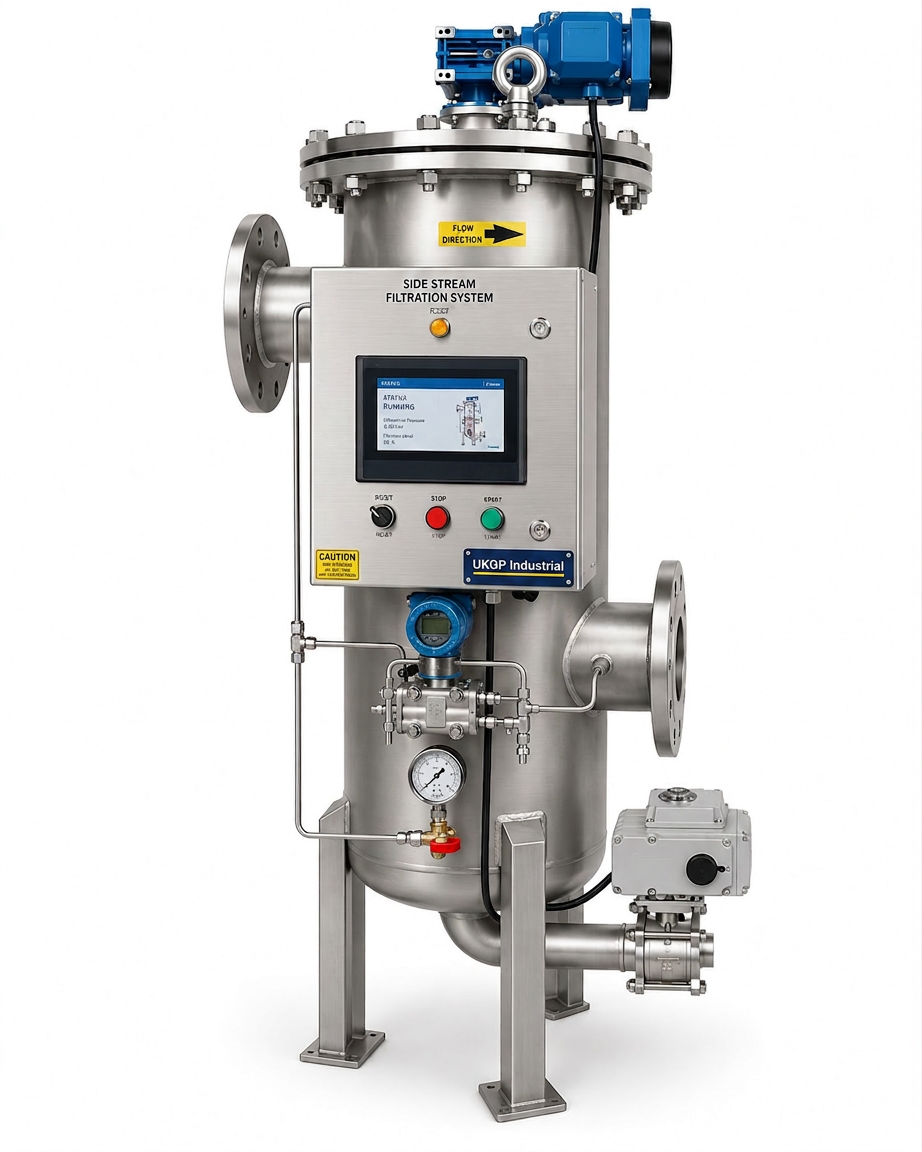
Contractors and FMs must also consider the commercial implications of glycol loss. Standard filtration methods that require high volumes of flush water are prohibitively expensive in glycol-filled systems because every litre discharged must be replaced with a costly glycol-water mix. This makes efficient, low-loss filtration systems essential for operational budgets. UKGP Industrial specializes in manufacturing bespoke skids that minimize fluid waste during the backwash or filter change-out process. Our units, ranging from DN50 to DN100, are designed to balance the physical removal of contaminants with the preservation of the expensive chemical base, ensuring that the glycol side stream filtration process is as cost-effective as it is technically proficient.
- Increased fluid viscosity necessitates higher-specification pump sets.
- Glycol degradation into organic acids accelerates internal corrosion.
- Biofilm formation risk increases if glycol concentrations are not maintained.
- Conventional flushing causes expensive glycol loss during maintenance.
Optimising Glycol Side Stream Filtration Performance
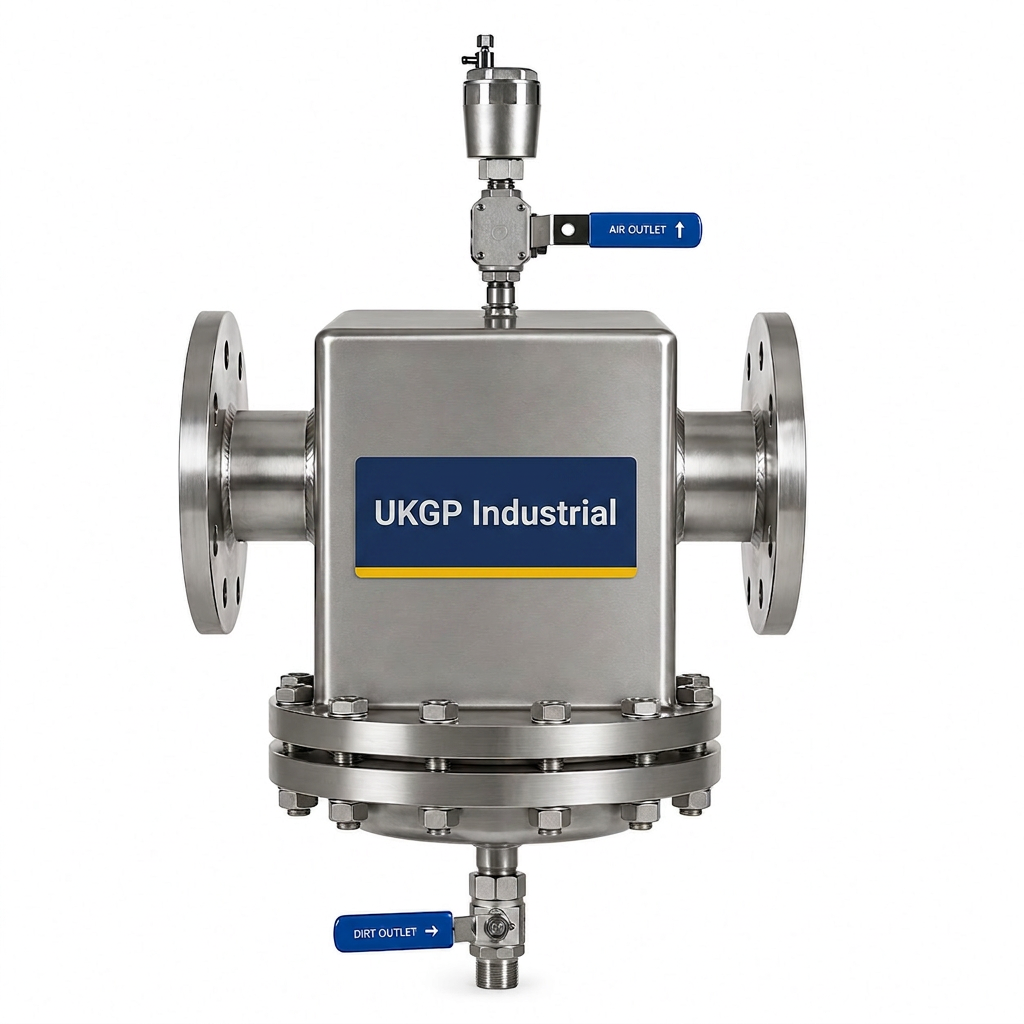
To achieve peak performance, a glycol side stream filtration system must be sized to process the total system volume every 24 hours, as per CIBSE guidelines. Because glycol - water mixtures exhibit different pressure drop characteristics than pure water, the selection of the pump and the filter media rating is critical. Using a standard water-only calculation often results in under-indexed flow rates, meaning the system never truly cleans the water at a rate faster than debris is generated. Professional HVAC engineers in the UK prefer skid-mounted solutions that incorporate high-efficiency mag-loop filters and depth-loading cartridges to capture both metallic magnetite and organic sludge common in glycol-rich environments.
The placement of the filtration skid within the plant room is another vital consideration for ensuring systematic cleaning. Ideally, the glycol side stream filtration unit should be installed across the pumps or on the return header where debris concentration is highest. By capturing contaminants before they reach the boiler or the chiller's evaporator, you significantly extend the asset life and maintain the design Delta T. At UKGP Industrial, we provide made-to-order skids with a standard lead time of 6-8 weeks, ensuring your project remains on schedule while delivering a high-specification solution that meets the rigorous demands of modern UK building regulations and technical standards.
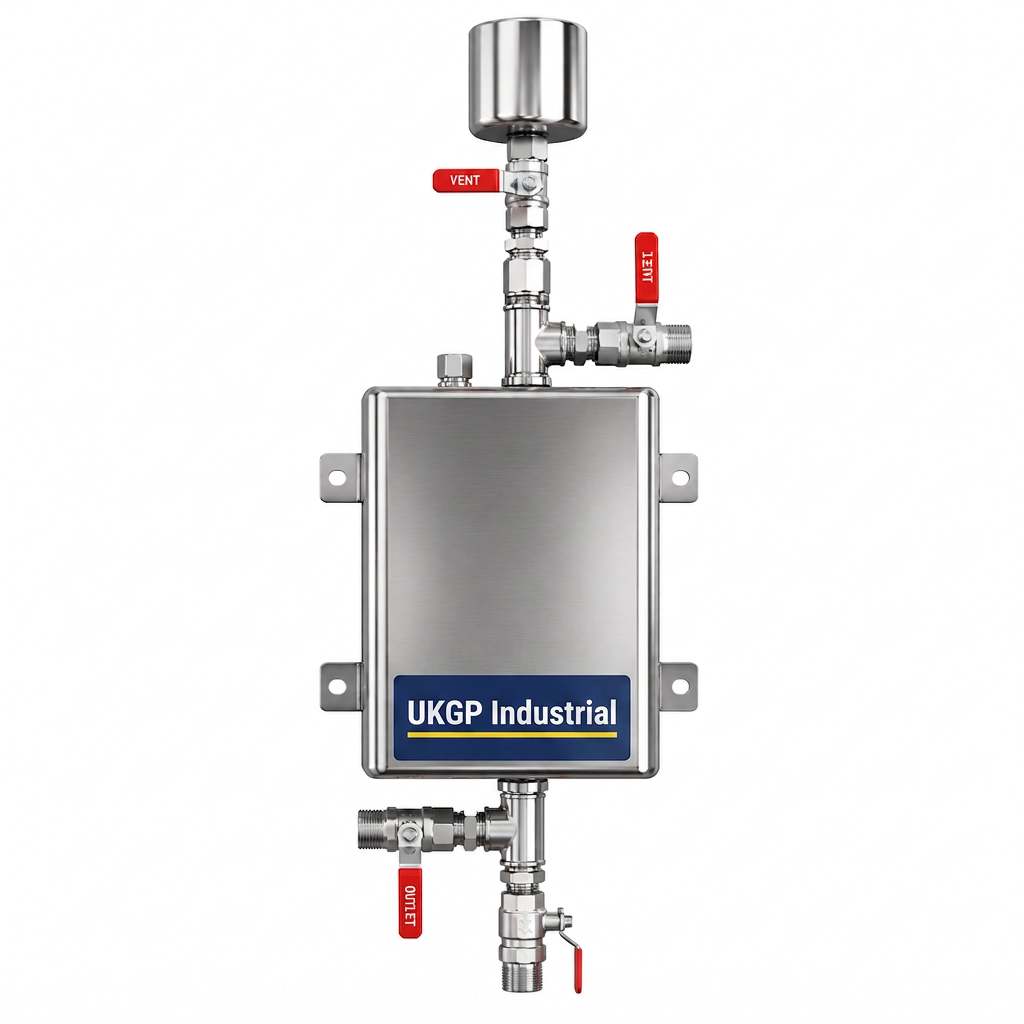
Maintenance accessibility is the final piece of the performance puzzle. In systems using ethylene or propylene glycol, filter changes can be messy and hazardous if the equipment is poorly designed. Our skids feature integrated isolation valves and drain-off points to ensure that engineers can swap filter bags or cartridges with minimal spillage. This attention to detail reduces the risk of environmental contamination and ensures that the facility management team can perform BSRIA BG50 compliance checks without disrupting the building's climate control. Investing in a quality filtration unit from £6,800+VAT ensures that your system remains efficient, compliant, and protected for years to come with our standard 2-year warranty.
- Systems should be sized for a full 24-hour volume turnover.
- Placement on the return header protects primary plant assets.
- High-efficiency mag-loops are essential for capturing fine magnetite.
- Low-spill designs protect the plant room environment from glycol leaks.
Maintaining BSRIA BG29 and BG50 Compliance
BSRIA BG29 (Pre-commission Cleaning of Pipework Systems) and BG50 (Water Treatment for Closed Heating and Cooling Systems) are the gold standards for UK water quality management. For systems containing glycol, compliance is often more difficult to prove due to the fluid's inherent opacity and chemical complexity. Effective glycol side stream filtration is cited as a primary method for maintaining water clarity and preventing the accumulation of suspended solids, which is a key metric in BS 8552 water sampling. Regular monitoring of the filter's pressure differential gives FMs a real-time health check of the system, allowing for proactive maintenance rather than reactive repairs.
In many cases, building insurers now require proof of a robust water treatment strategy before providing cover for major plant failures. A documented log of glycol side stream filtration activity, alongside regular glycol concentration tests, provides the necessary evidence that the system is being managed to BSRIA standards. Without this, the presence of glycol can actually complicate insurance claims, as it is often blamed for accelerated seal failure or heat exchanger fouling. By installing a dedicated UKGP Industrial filtration skid, you are not just cleaning water; you are de-risking the entire HVAC infrastructure for the building owner and the maintenance provider alike.
The transition from BG29 pre-commissioning to BG50 ongoing maintenance is often where systems fail. During this period, the introduction of glycol can mask underlying corrosion issues if a high-quality filtration system is not active. Our DN50 to DN100 skids are designed to be operational from the day the system is filled, ensuring that any residual debris from the construction phase is captured before it can cause damage. With prices starting from £6,800+VAT, these skids offer an exceptional return on investment by preventing the need for costly chemical power flushes or premature replacement of expensive chillers and boilers which can cost tens of thousands of pounds more.
- BG50 recommends continuous filtration for systems with high particulate risk.
- Filtration logs provide essential evidence for insurance and warranty claims.
- Effective solids removal is critical for successful BS 8552 sampling.
- Proactive filtration prevents the need for emergency chemical cleans.
Protecting Secondary Assets: Plate Heat Exchangers
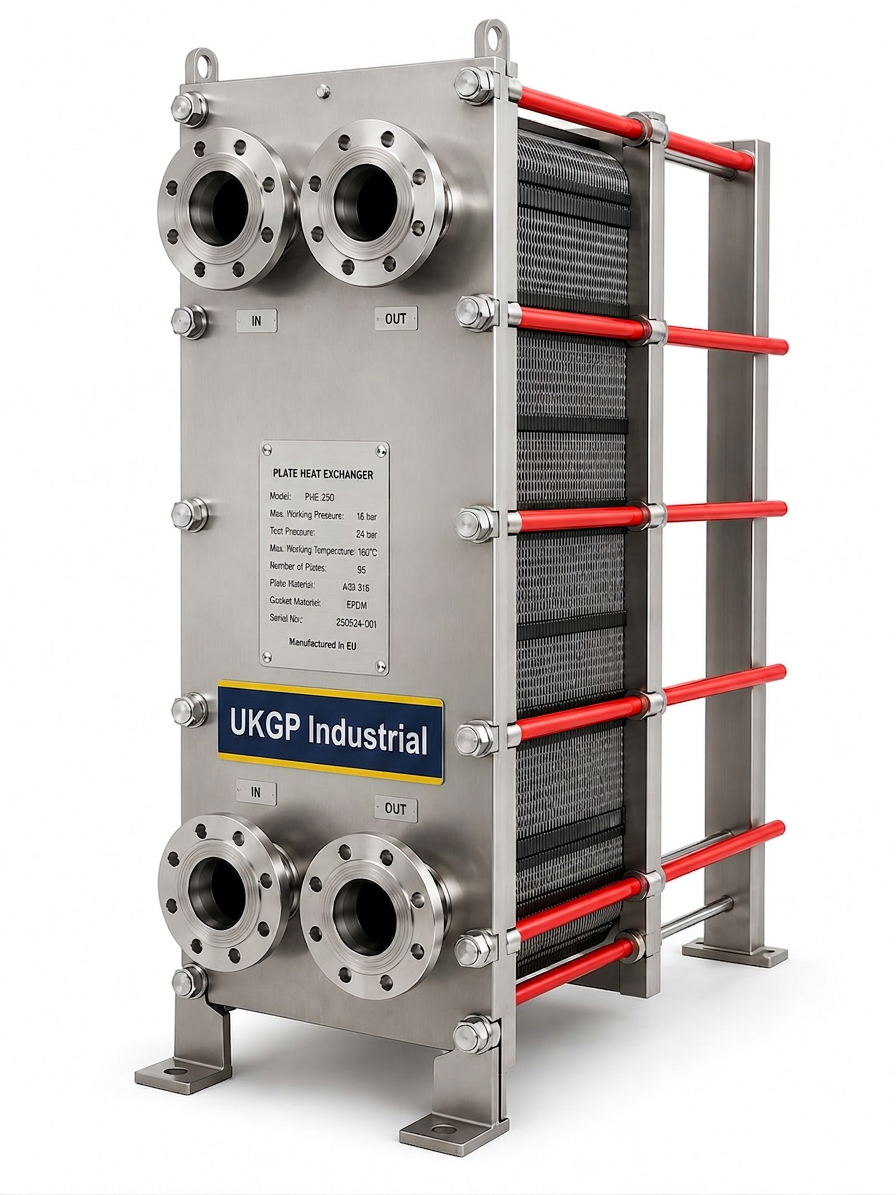
While the primary plant is of major concern, the secondary side heat exchangers are often the first to suffer from poor glycol management. Plate heat exchangers (PHEs) have very narrow channels specifically designed to maximise surface area for heat transfer. Even small amounts of suspended solids or biological sludge in a glycol-water mix can quickly plug these channels, leading to a massive drop in efficiency and increased pumping costs. Without effective glycol side stream filtration, the PHE acts as the primary filter for the system, which is a recipe for high maintenance costs and frequent downtime as the units must be stripped and cleaned manually.
By integrating a UKGP Industrial filtration skid upstream of the PHE, you ensure that the fluid entering the narrow plates is free from abrasive particles and fouling agents. This is particularly important in systems where glycol is used on the primary side to protect external pipework, but high-efficiency heat transfer is required on the secondary side for domestic hot water or underfloor heating. Correct filtration ensures that the design U-values of the heat exchanger are maintained throughout its service life. Our skids are engineered to handle the flow rates common in these applications, providing a robust barrier against the contaminants that typically compromise plate heat exchanger performance.
We often see systems where the PHE gaskets fail prematurely due to the abrasive nature of magnetite suspended in a glycol solution. This particulate acts like liquid sandpaper, wearing down the metal plates and degrading the elastomer seals. A strategic investment in glycol side stream filtration mitigates this risk entirely. If you are currently designing a system or managing a site with frequent PHE fouling, contact us for a quote on a made-to-order filtration solution. With lead times of 6-8 weeks and a comprehensive 2-year warranty, we provide the technical security needed for high-stakes UK commercial and industrial HVAC projects.
- Narrow PHE channels are highly susceptible to glycol-born sludge.
- Maintaining design U-values requires constant removal of suspended solids.
- Abrasive magnetite in glycol solutions accelerates gasket and plate wear.
- Upstream filtration is the most cost-effective way to protect PHE assets.
Technical Specifications of UKGP Skids
UKGP Industrial's glycol side stream filtration skids are engineered specifically for the UK market, keeping in mind the typical plant room constraints and local engineering standards. Our units are available in various sizes, with DN50 to DN100 being our most popular configurations for mid-to-large scale commercial systems. Each skid is built to order, allowing for customisation in terms of pump head, filter micron rating, and control integration. Starting from £6,800+VAT, these skids represent a high-value investment for contractors looking to provide their clients with a robust, reliable solution that exceeds the minimum requirements of BSRIA and CIBSE guidelines.
Every unit we manufacture is subject to rigorous quality control and comes with a 2-year warranty, reflecting our confidence in our Surrey-based manufacturing process. The skids are designed for a 6-8 week lead time, making them suitable for both new-build projects and scheduled refurbishments. We utilize premium components that are fully compatible with both ethylene and propylene glycol, ensuring that seals and internals do not degrade over time. This technical compatibility is crucial, as many generic water filters use seals that swell or perish when exposed to high concentrations of glycol, leading to leaks and system failures that can be extremely costly to rectify.
Operationally, our skids are designed for ease of use. They feature clear pressure gauges on both the inlet and outlet of the filter housing, allowing for instant visual confirmation of filter saturation. This is a practical feature for plant-room engineers who need to make quick decisions during routine maintenance. By choosing a UKGP Industrial glycol side stream filtration unit, you are opting for a British-made product that understands the local landscape of M&E contracting. Whether you are dealing with a small office block or a large industrial processing plant, our equipment provides the durability and precision required to maintain peak system health over the long term.
- Bespoke manufacturing from our Surrey facility ensures high quality.
- 6-8 week lead time fits within standard project procurement cycles.
- Compatible with all major glycol brands and concentrations used in the UK.
- DN50 to DN100 sizes cater to a wide range of system volumes.
Economic Benefits of High-Quality Filtration
The economic case for installing high-quality glycol side stream filtration is compelling when considering the total cost of ownership of an HVAC system. When a system becomes fouled with sludge, the energy required to pump the more viscous, debris-laden fluid increases significantly—sometimes by as much as 15-20%. By keeping the fluid clean and the viscosity within design parameters, the filtration skid pays for itself through reduced energy bills. Furthermore, the cost of replacing glycol after a major system flush can run into the thousands of pounds; an efficient filtration unit that prevents the need for such flushes offers a distinct financial advantage to building owners.
For M&E contractors, specifying a reliable filtration skid reduces the risk of costly call-backs and disputes over water quality during the defects liability period. Since our units are priced from £6,800+VAT, they are a manageable addition to the overall project budget that provides significant peace of mind. The 2-year warranty also ensures that any manufacturing issues are rectified without additional cost to the contractor. In the competitive UK market, offering a solution that demonstrably adheres to BSRIA BG50 standards and protects the end-user's assets is a powerful differentiator that builds trust and long-term professional relationships.
Finally, the impact on plant longevity cannot be overstated. A system with effective glycol side stream filtration typically sees a 30% increase in the lifespan of primary assets like boilers and chillers. Given that these units represent a capital investment of hundreds of thousands of pounds, the sub-ten-thousand-pound cost of a filtration skid is a negligible insurance premium. UKGP Industrial is committed to supporting UK engineers with the technical data and reliable hardware needed to achieve these benchmarks. Request a quote today for a bespoke DN50 to DN100 skid and secure the future performance of your heating or cooling system with our expert-led manufacturing solutions.
- Reduces pumping energy costs by maintaining fluid design parameters.
- Avoids the massive expense of total glycol replacement and disposal.
- Minimizes contractor liability via proven BSRIA compliance.
- Extends the operational life of boilers and chillers by up to 30%.
Frequently asked questions
What is the typical lead time for a UKGP filtration skid?
- Our side stream filtration skids are made to order with a standard lead time of 6 to 8 weeks, ensuring each unit is correctly configured for your specific glycol system.
Are your skids compatible with both Ethylene and Propylene glycol?
- Yes, all our glycol side stream filtration units are engineered with seals and pump components that are fully resistant to both Ethylene and Propylene glycol concentrations.
What is the price range for your DN50 to DN100 skids?
- Prices for our high-quality, Surrey-manufactured filtration skids typically start from £6,800 + VAT, depending on the specific flow rates and customisations required.
Does your equipment help with BSRIA BG50 compliance?
- Absolutely. Our filtration units are designed specifically to meet the suspended solids and water clarity standards outlined in BSRIA BG50 and BS 8552.
What warranty do you offer on your filtration units?
- We provide a comprehensive 2-year warranty on all our side stream filtration skids, covering manufacturing defects and ensuring long-term reliability for your HVAC system.