Defining the Gasket Plate Heat Exchanger in HVAC
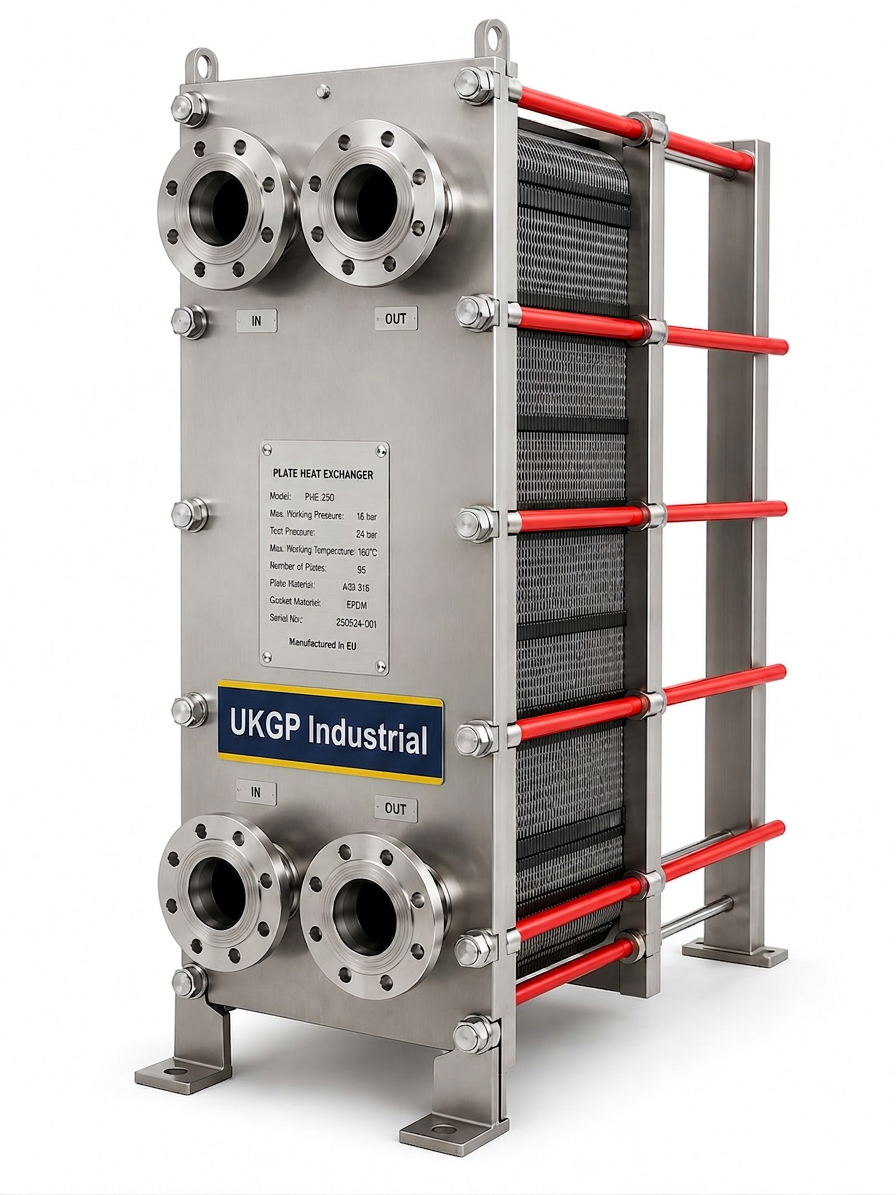
In the UK's commercial landscape, the gasket plate heat exchanger remains the gold standard for high-performance heat transfer. Unlike brazed units, these modular systems consist of a series of corrugated metal plates held together by a frame and sealed with elastomer gaskets. This design allows for significant flexibility; the number of plates can be increased or decreased should the building's thermal demand change over time. For Building Services Engineers and Energy Managers, this scalability is a primary reason to specify a gasket plate heat exchanger over permanent alternatives. These units effectively separate the primary boiler or chiller circuit from the secondary distribution circuit, protecting your core plant from debris and pressure fluctuations common in older hydronic systems.
Choosing a gasket plate heat exchanger involves balancing heat transfer coefficients against allowable pressure drops. A narrower plate gap increases turbulence, enhancing heat transfer efficiency but requiring more pumping power. It is essential to work with a supplier who understands the nuances of UK commercial specifications, particularly regarding the demands of modern condensation boilers and heat pump integration. UKGP provides technical support to ensure your unit is sized perfectly from a full thermal specification, guaranteeing that your temperature cross and approach are managed correctly. In an era where energy prices are volatile, the thermal performance of your heat exchanger can have a direct and measurable impact on the overall operational expenditure of the facility.
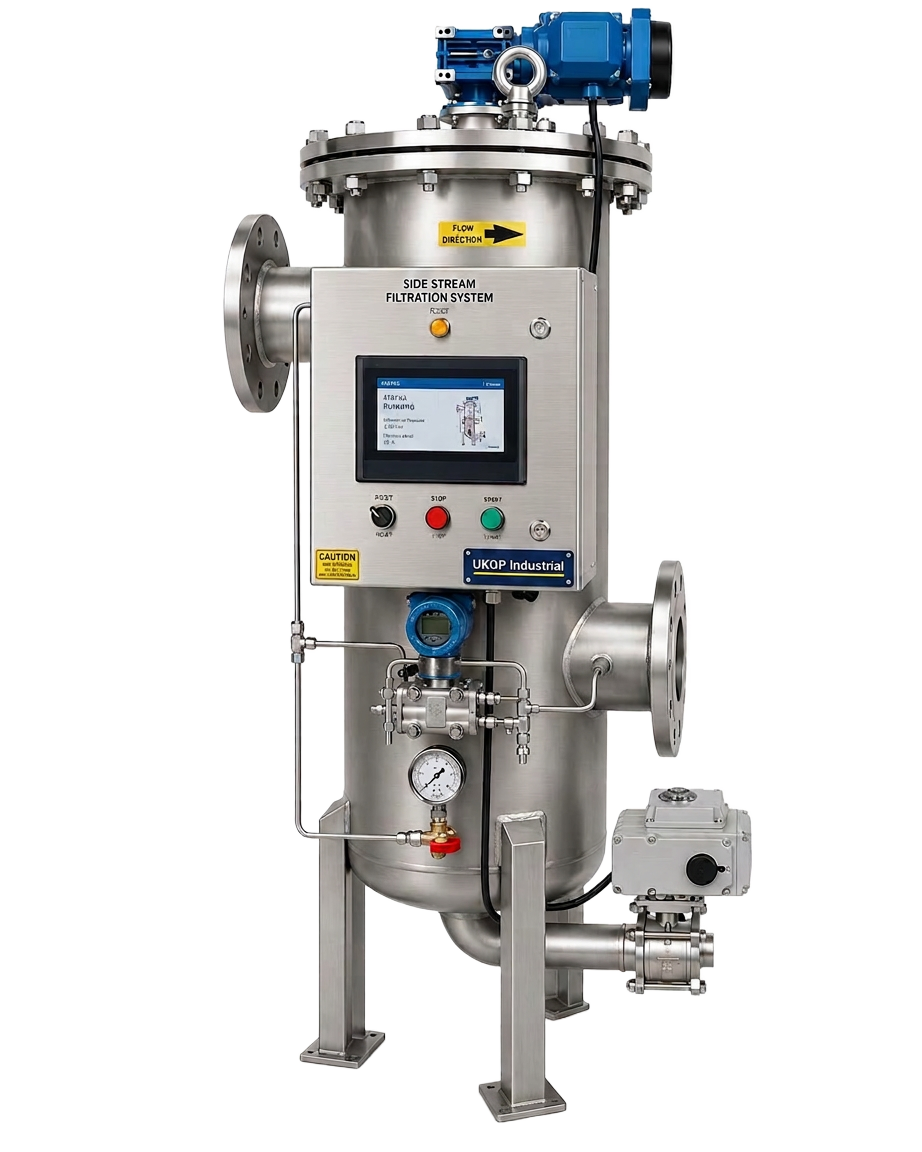
When consulting BSRIA BG29 Pre-commission Cleaning of Pipework Systems, it is clear that the heat exchanger serves as a critical junction. By installing a robust gasket plate heat exchanger, you create a physical barrier that prevents contaminants from circulating through expensive boiler heat exchangers. This is particularly vital in retrofit projects where existing pipework may harbour iron oxide and sludge. By isolating these sections, you can maintain different water chemistries on either side of the plate pack, ensuring that the primary side remains pristine while the secondary side is managed through appropriate chemical dosing and side stream filtration, as recommended by CIBSE guidelines for closed-loop water systems.
- High turbulence design for maximum heat transfer efficiency
- Modularity allows for future plate pack expansion
- Facilitates system isolation to protect high-value primary plant
- Available in various materials including 316 Stainless Steel and Titanium
Thermal Sizing and Technical Specifications
Accuracy in thermal sizing is the cornerstone of a successful installation. To specify a gasket plate heat exchanger correctly, you must provide the primary and secondary inlet temperatures, required outlet temperatures (or total kW load), and the maximum allowable pressure drop across the unit. In the UK, common commercial applications include LTHW systems operating at 80/60°C or low-temperature networks designed for heat pump compatibility at 45/40°C. Our engineering team at UKGP provides bespoke sizing services for gasketed and brazed units ranging from DN20 to DN300. Every unit is sized using sophisticated software that accounts for fluid viscosity and specific gravity, ensuring that the final build meets the exact needs of your M&E project.
Beyond the thermal load, the physical footprint and port configuration are vital considerations for plant room retrofits. A gasket plate heat exchanger often provides a more compact solution than traditional shell and tube units, allowing for more efficient use of space. At UKGP, we offer plate heat exchangers with a 2-year warranty and a standard lead time of 4-6 weeks, allowing for predictable project timelines. Whether you require a DN50 unit for a residential block or a DN300 unit for an industrial process, the build quality remains consistent. All our gasketed frames are robustly constructed to ensure that the plate pack remains compressed even under significant thermal cycling, which is a common cause of premature seal failure in lower-quality alternatives.
Material selection for both plates and gaskets is dictated by the fluid type and operating temperatures. Most UK commercial heating systems utilise EPDM gaskets and 316 Stainless Steel plates. However, for applications involving domestic hot water (DHW) or chlorinated water, higher-grade materials like Titanium may be necessary to prevent pitting and corrosion. Following BS EN standards for plate heat exchangers ensures that the equipment can withstand the operational pressures of the building without risk of fatigue. By providing a full thermal spec to our team, you receive a detailed data sheet that confirms the velocity within the ports, the Reynolds number for turbulence, and the total surface area required for efficient thermal exchange.
- Custom sizing from DN20 up to DN300 connection sizes
- Lead times of 4-6 weeks for UK-wide delivery
- Comprehensive 2-year warranty on all plate heat exchanger units
- Calculations based on 10% spare capacity as per industry best practice
Compliance with BSRIA BG50 and Water Quality
Water quality is the single most significant factor in the longevity of a gasket plate heat exchanger. According to BSRIA BG50 Water Treatment for Closed Heating and Cooling Systems, maintaining low levels of dissolved oxygen and suspended solids is essential. If a heat exchanger becomes fouled with scale or iron oxide, the heat transfer efficiency drops dramatically, and the pressure drop increases. This forces pumps to work harder and can eventually lead to complete system failure. When installing a New UKGP plate heat exchanger, it is common practice to also install a side stream filtration skid to continuously remove particulates that might otherwise settle within the narrow plate gaps of the exchanger.
To monitor the health of the system and the effectiveness of water treatment, pH sensors and transmitters should be integrated into the loop. Fluctuations in pH levels can indicate corrosion or bacterial growth, both of which can attack the gaskets and plates of your heat exchanger. If your gasket plate heat exchanger is being used in a DHW application, ensuring the secondary side is treated correctly is vital for preventing Legionella and maintaining compliance with HSG274. A robust maintenance regime, including regular inspections of the gasket integrity and the external frame condition, will ensure that the unit operates for its full design life, which often exceeds 15-20 years with proper care.
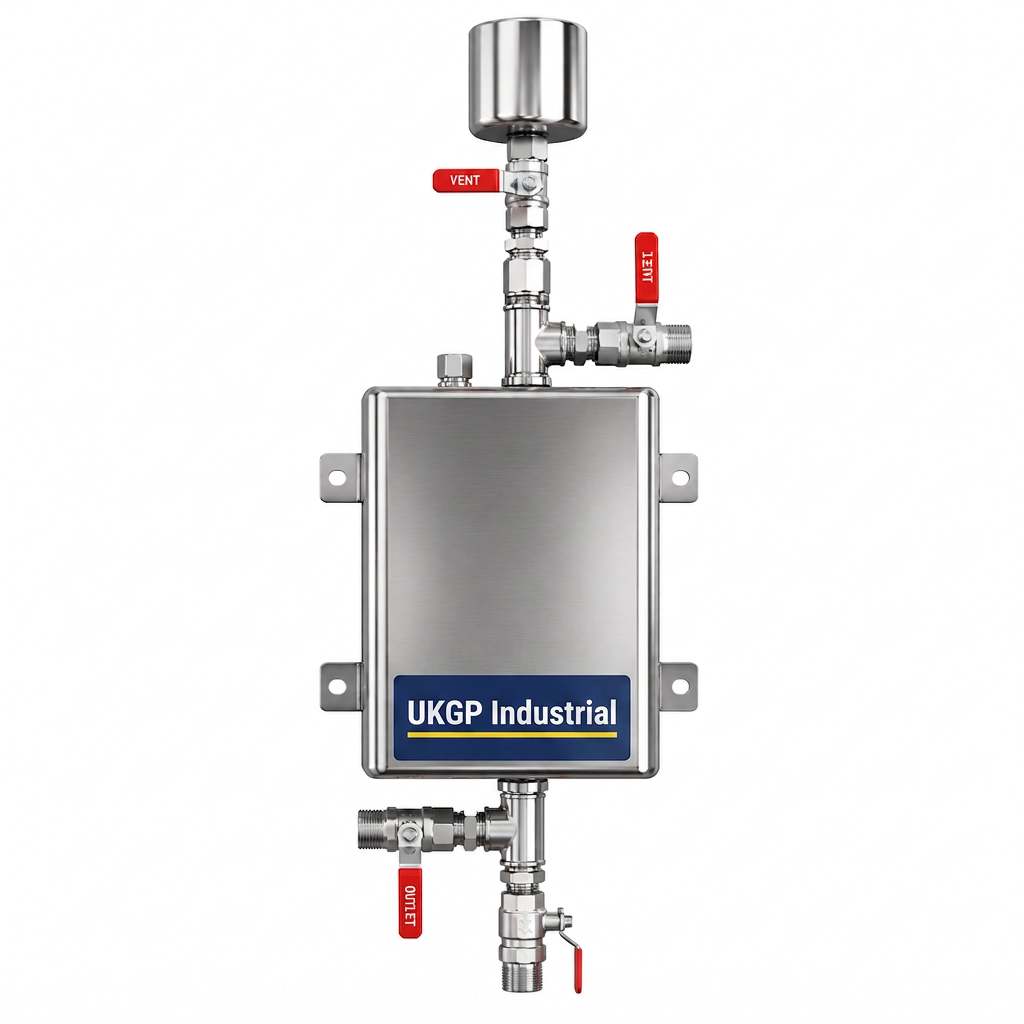
Chemical dosing pots serve a vital role here, allowing FM teams to introduce corrosion inhibitors and biocides without interrupting system operation. When these measures are combined with a high-quality gasket plate heat exchanger, the risk of downtime is significantly reduced. This is a critical consideration for hospital, school, and data centre environments where thermal stability is non-negotiable. At UKGP, we advocate for a holistic approach to plant room design where heat transfer and water quality control are treated as two sides of the same coin. By specifying compatible equipment from a single UK supplier, procurement leads can simplify their supply chain and ensure component interoperability across the life of the project.
- Protects against thermal inefficiency caused by scaling
- Essential for compliance with BS 8552 and BSRIA BG50
- Reduces long-term maintenance costs for M&E contractors
- Ensures long-term performance of gasketed seals
Installation Best Practices for Gasketed Units
The installation of a gasket plate heat exchanger requires careful planning regarding clearance and accessibility. Unlike brazed units, a gasketed unit must be accessible from all sides to allow for the removal of the pressure plates and the extraction of individual plates for cleaning. Engineers should ensure there is a ‘withdrawal distance’ equivalent to at least twice the width of the plate pack. This ensures that when the unit eventually requires a deep clean or gasket replacement, the work can be carried out in-situ without disconnecting the primary pipework. Proper support is also necessary, as a fully flooded DN300 heat exchanger carries significant weight that must be accounted for in the plant room floor loading calculations.
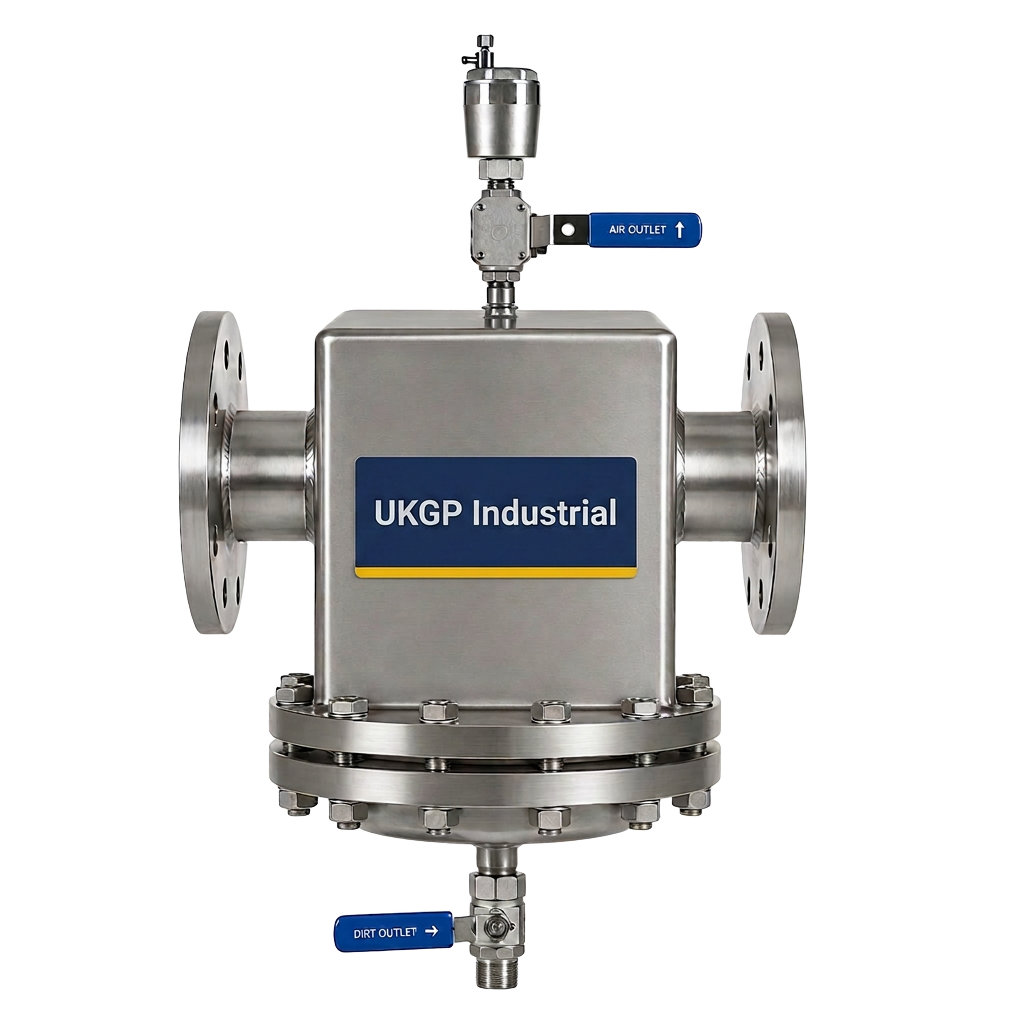
Piping connections should always be made with isolating valves and drain points on both the primary and secondary sides. This allows the gasket plate heat exchanger to be isolated for chemical cleaning or mechanical descaling without draining the entire system. We also recommend the use of air and dirt separators upstream of the heat exchanger to catch microbubbles and debris before they enter the plate pack. This proactive measure prevents the 'shadowing' effect where debris accumulates in the corners of the plates, leading to localised hotspots and potential gasket failure. Following these installation guidelines ensures that the 2-year warranty provided by UKGP remains valid and that the equipment performs according to the initial design data.
Expansion bellows should be considered at the inlet and outlet ports of larger units to accommodate Victorian or heavy-duty steel pipework thermal movement. This prevents mechanical stress from being transferred onto the heat exchanger nozzles, which could otherwise lead to leaks. When commissioning, the unit should be filled slowly and vented to avoid air entrapment. It is these small but critical steps that separate a reliable installation from one plagued by recurring leaks. For UK procurement leads, choosing a UKGP unit means getting more than just metal; it means getting a product supported by technical expertise that understands the rigours of on-site installation and commercial HVAC requirements.
- Maintain appropriate clearances for plate removal and cleaning
- Install dirt separators upstream to prevent plate fouling
- Use expansion bellows to mitigate thermal stress on nozzles
- Ensure all units are vented correctly during commissioning
Optimising Operational Budget with Gasketed Solutions
Financial controllers and FM leads often focus on the initial capital expenditure, but the true value of a gasket plate heat exchanger lies in its low life-cycle cost. Because the plates can be mechanically cleaned, the unit's efficiency can be restored to practically 100% of its original design after years of service. This contrasts with brazed types, which often must be replaced entirely if they become severely fouled. By investing in a gasketed solution from UKGP, you are choosing a sustainable asset that supports a circular economy in building services. Our 4-6 week lead time ensures that even last-minute replacements can be managed effectively to prevent prolonged building downtime.
The ability to re-gasket a unit in the field is a major commercial advantage. As gaskets age, they naturally lose their elasticity due to thermal cycling. In a high-quality gasket plate heat exchanger, these gaskets can be replaced during a scheduled maintenance shutdown, effectively resetting the 'clock' on the unit's lifespan. This is particularly beneficial for large-scale district heating schemes or high-rise residential blocks where the cost of removing a major thermal component would be astronomical. Purchasing a unit sized from a full thermal spec ensures that you aren't over-paying for capacity you don't need, while still leaving enough frame length for future expansion if the building grows.
Choosing UKGP as your partner for heat transfer solutions provides access to DN20 to DN300 units that meet all UK safety and performance standards. Our commitment to quality is backed by a 2-year warranty, providing peace of mind for contractors and end-users alike. When you consider the energy savings achieved by maintaining a tight approach temperature across your gasket plate heat exchanger, the payback period for such an investment is remarkably short. In the current climate of Net Zero targets and strict energy performance certificates (EPCs), ensuring your plant room operates at peak thermal efficiency is no longer optional—it is a commercial necessity for any modern UK facility.
- Mechanically cleanable for restored thermal efficiency
- Lower long-term cost of ownership compared to disposable units
- Supports ESG goals through reparability and longevity
- Energy savings from precise thermal approach temperatures
Maintenance Protocols for High Performance
Routine maintenance is the key to ensuring your gasket plate heat exchanger continues to deliver the required kW output. We recommend a six-monthly inspection of the tightening bolts to ensure they remain within the specified 'A' measurement. As gaskets compress over time, slight adjustments may be needed to maintain a leak-tight seal. However, over-tightening can damage the plates, so this must be done with precision. For facilities following BS 8552, regular water sampling will also provide early warning signs of potential issues within the heat exchanger. If the delta-P (pressure drop) increases by more than 10-15% above the design spec, it is usually an indicator that a clean-in-place (CIP) procedure or a manual strip-down is required.
A manual strip-down involves opening the frame and brushing the plates with a soft brush and suitable cleaning solution. It is crucial to avoid wire brushes or harsh chemicals that could damage the 316 Stainless Steel passivated layer. During this time, gaskets should be inspected for brittle patches or signs of flattening. With UKGP's 4-6 week lead time for new units, many FM teams choose to keep a spare set of gaskets and plates on-site for immediate swap-outs during critical maintenance windows. This proactive approach ensures that the gasket plate heat exchanger remains the most reliable component in the plant room, providing uninterrupted service to the building's occupants.
Finally, ensure that all documentation, including the original thermal specification and the pressure test certificate, is kept on-site. When calling for technical support or ordering spare parts for your gasket plate heat exchanger, having the serial number and design data to hand ensures a swift response. Our teams at UKGP are accustomed to working with UK contractors and consultants, ensuring that any technical queries regarding flow rates, velocities, or material compatibility are answered with expert authority. By following these maintenance protocols, you protect your investment and ensure that the heat exchanger remains a high-performing link in your building's energy infrastructure.
- Monitor 'A' dimension to ensure correct plate compression
- Conduct periodic Clean-in-Place (CIP) to maintain efficiency
- Inspect gaskets for thermal hardening every 24 months
- Keep design spec sheets on-site for rapid troubleshooting
Frequently asked questions
What information is needed to size a gasket plate heat exchanger?
- To provide an accurate quote, we require the primary and secondary inlet/outlet temperatures, the total heat load in kW, and the maximum allowable pressure drop for each circuit.
What is the typical lead time for a UKGP gasketed heat exchanger?
- Our standard lead time for bespoke gasketed units, ranging from DN20 to DN300, is approximately 4-6 weeks from order to delivery.
Can I add more plates to my heat exchanger later?
- Yes, one of the primary benefits of a gasket plate heat exchanger is its modularity. If the frame is sized with extra length, additional plates can be added to increase thermal capacity.
What warranty is provided with your heat exchangers?
- UKGP provides a comprehensive 2-year warranty on our gasketed and brazed plate heat exchangers, covering manufacturing defects and material quality.
How often should the gaskets be replaced?
- Gasket lifespan depends on operating temperatures and the frequency of thermal cycling, but typically they should be inspected every 2 years and may last 5-10 years in stable conditions.