The Case for Flanged Expansion Joints
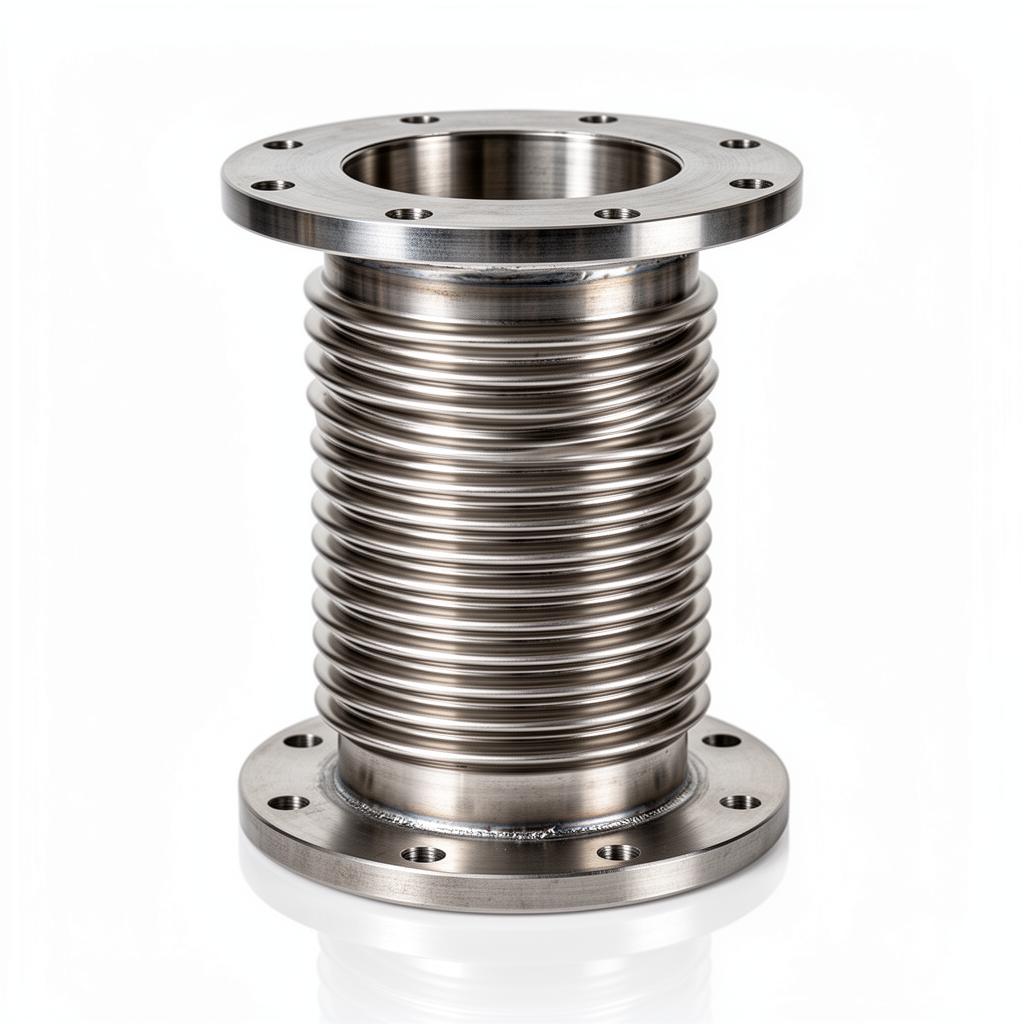
Flanged expansion bellows are the mainstay of commercial plant room installations. Their primary advantage lies in serviceability. In the event of a bellows failure—often caused by unforeseen system stresses or chemical dosing imbalances—a flanged unit can be unbolated and replaced with minimal downtime. For facilities managers, this reduces the 'Mean Time To Repair' (MTTR) significantly compared to welded alternatives.
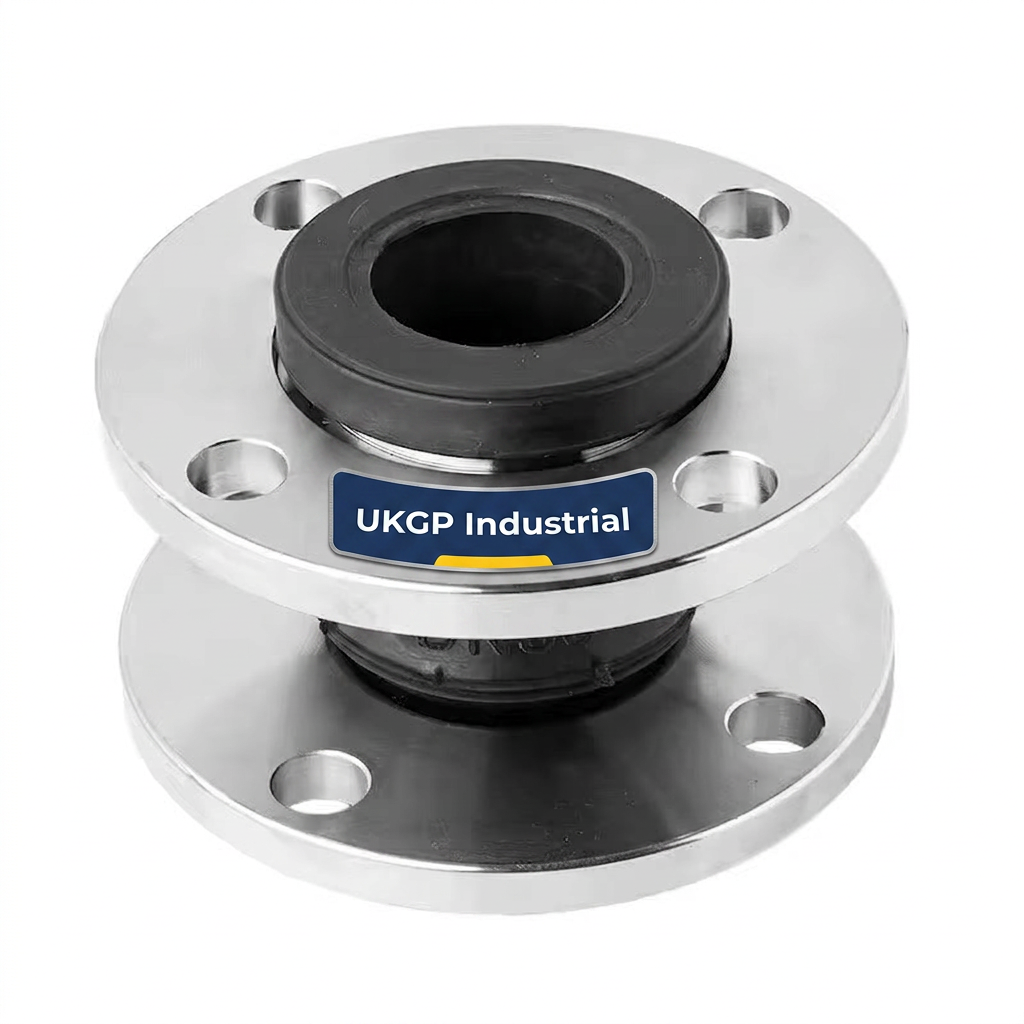
From a design perspective, flanged joints are typically supplied with integrated tie bars or limit rods to prevent over-extension, particularly when used as pump flexible connectors. In UK building services, EPDM rubber bellows with carbon steel floating flanges (to BS EN 1092-1 PN16) are standard for LTHW and chilled water circuits. However, where temperatures exceed 100°C or pressures surpass 16 bar, stainless steel multi-ply bellows with fixed or van-stone flanges become necessary.
- Ease of replacement: Bolted connections allow for rapid removal without hot works.
- Standardisation: Conforms to BS EN 1092-1 flange tables, ensuring compatibility with valves and pumps.
- Isolation: Allows for the physical disconnection of pipe sections for pressure testing or cleaning.
The Technical Superiority of Weld-End Bellows
Weld-end expansion joints are predominantly favoured in industrial process steam and district heating networks where system integrity is paramount. By removing the flange interface, the engineer eliminates the risk of gasket creep and bolt relaxation—two frequent causes of fugitive emissions and energy loss. In high-pressure steam applications, a butt-weld connection ensures a continuous metallurgical bond that is far more resistant to thermal shock.
Installation of weld-end units requires higher-skilled labour (coded welders) and stringent adherence to hot-work permits. However, the result is a maintenance-free joint that can be buried in a trench or located in inaccessible ceiling voids where flanged joints would be prohibited. Furthermore, weld-end bellows often feature thicker wall pipe ends (Schedule 40 or 80) to facilitate easier alignment and welding to the host pipework.
- Leak Integrity: Elimination of gaskets and bolted joints removes the most common failure points.
- Reduced Mass: Lighter than flanged equivalents, reducing the load on secondary pipe supports.
- Visual Consistency: Once lagged, the joint profile is flush with the pipework, simplifying insulation.
Frequently asked questions
Why are weld-end bellows standard for district heating?
- Weld-end joints are preferred for district heating (DH) due to the high risk of flange leakage in buried or inaccessible trenches and the need for high-integrity joints under high pressure/temperature cycles.
How does BSRIA BG29/21 impact expansion joint selection?
- BSRIA BG29/21 focuses on pre-commission cleaning. For flanged bellows, temporary spool pieces are often required during flushing to prevent debris from damaging the internal sleeve or convolutions.
What pressure ratings are available for flanged bellows?
- Generally, PN16 is the standard for commercial HVAC, but PN25 or PN40 may be required for high-rise plant rooms or specific industrial process lines. Always check BS EN 1092-1 ratings.
Can flanged bellows be used on steam headers?
- Yes, but only if the flanged joint was specified with an internal stainless steel liner. Standard rubber or unrestrained metal bellows may suffer convolution erosion from high-velocity steam.