Types of Expansion Joints and Their Dynamics
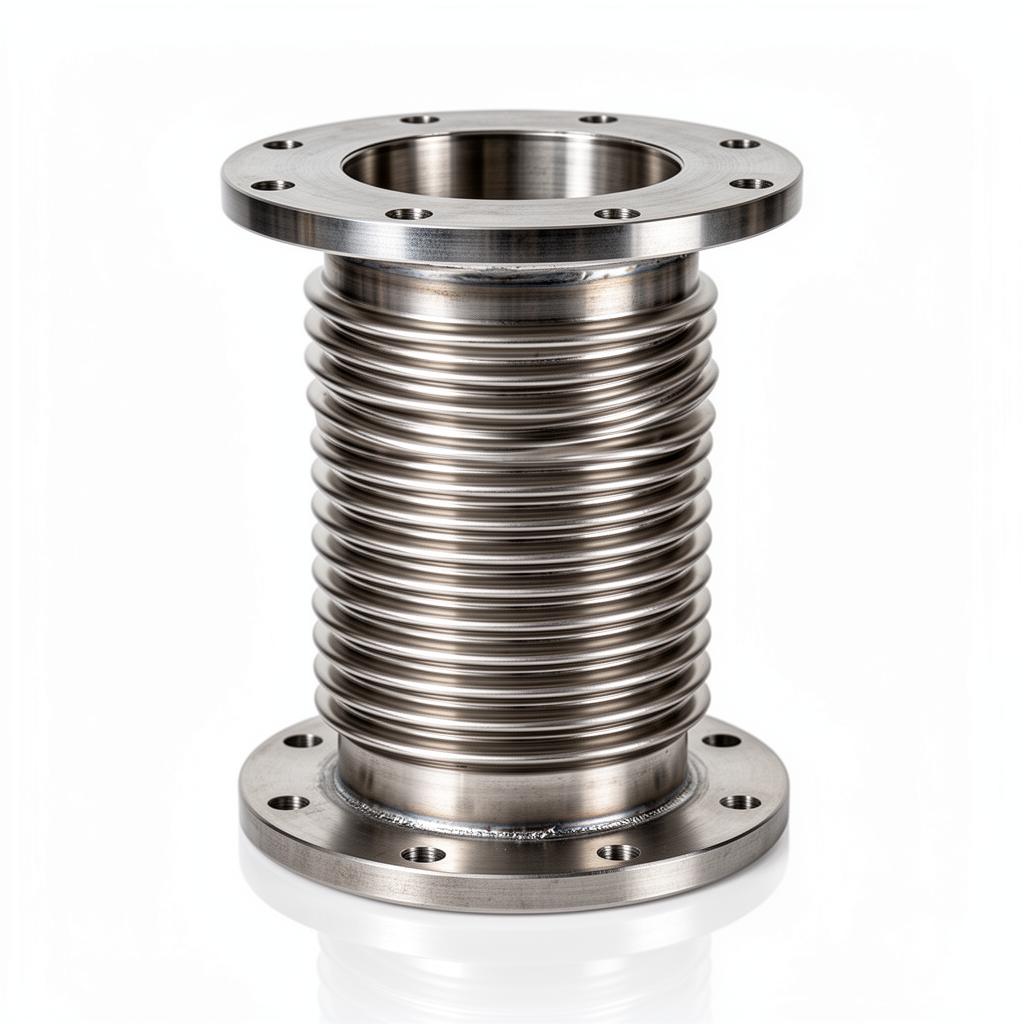
Selecting the correct expansion joint begins with understanding the specific kinematics of the piping system. Axial bellows are the most common in riser applications, but they impose significant pressure thrust loads on main anchors. These units rely on the flexibility of the bellows convolutions to compress or extend along the pipe's centreline. Engineers must ensure that the pipe is sufficiently guided according to CIBSE and BSRIA guidelines to prevent 'squirm' or buckling under pressure.
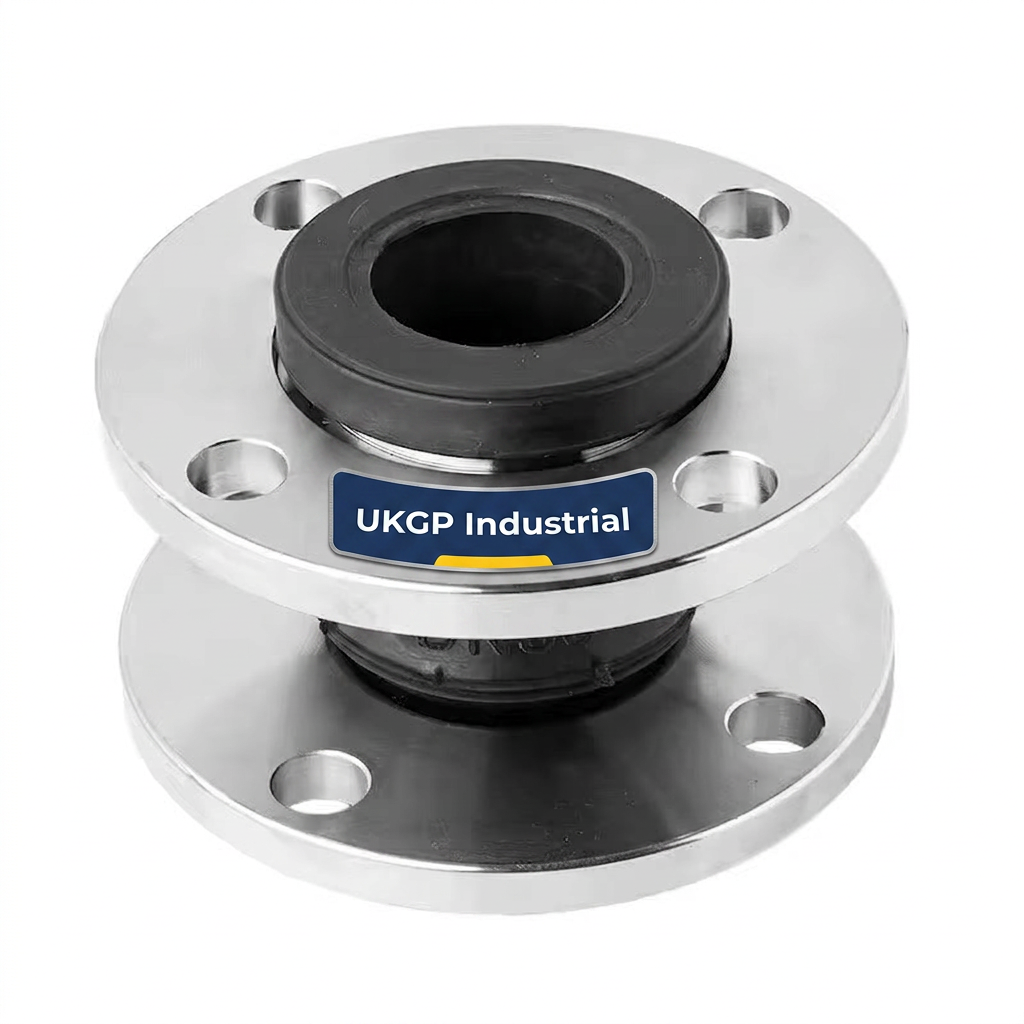
Lateral and angular compensators are often utilised where space for long axial runs is limited or where equipment nozzles must be protected from high shear forces. By using tied lateral expansion joints, the pressure thrust is restrained by the tie rods, meaning the main anchors only need to withstand the friction and spring rate forces of the bellows. This can significantly reduce the structural requirements for the building's steelwork.
- Axial: Designed for movement parallel to the pipe axis. Requires strict guiding.
- Lateral: Accommodates movement perpendicular to the longitudinal axis, often using tie rods.
- Angular: Allows for rotation in one or more planes via a hinge or gimbal mechanism.
- Universal: Comprises two bellows joined by a centre spool to absorb large amounts of lateral and axial movement.
Frequently asked questions
What is the significance of EN 14917 in UK plant rooms?
- EN 14917 is the harmonised European standard specifically for metal bellows expansion joints. It covers design, manufacturing, and testing, ensuring the units can withstand specified pressures and temperatures while providing the required cycle life. Compliance is essential for PED (Pressure Equipment Directive) certification.
Can an axial expansion joint handle lateral offset?
- No. Axial bellows are designed for linear movement only. If lateral movement occurs, it can distort the convolutions and lead to premature fatigue failure. Universal or lateral expansion joints should be used if the piping layout results in multi-plane movement.
How does EJMA relate to EN 14917?
- The EJMA (Expansion Joint Manufacturers Association) standards provide the global industry-standard formulas for calculating bellows stress, cycle life, and spring rates. EN 14917 aligns closely with EJMA but adds specific European regulatory requirements for material traceability and safety factors.
Why do expansion bellows fail most frequently?
- Incorrect anchoring is the primary cause. If anchors are not sufficiently rigid to withstand the 'pressure thrust' (the force generated by internal pressure acting on the bellows), the bellows will over-extend and fail, often with catastrophic results for the plant room.