Core Mechanics of the Domestic Hot Water Plate Heat Exchanger
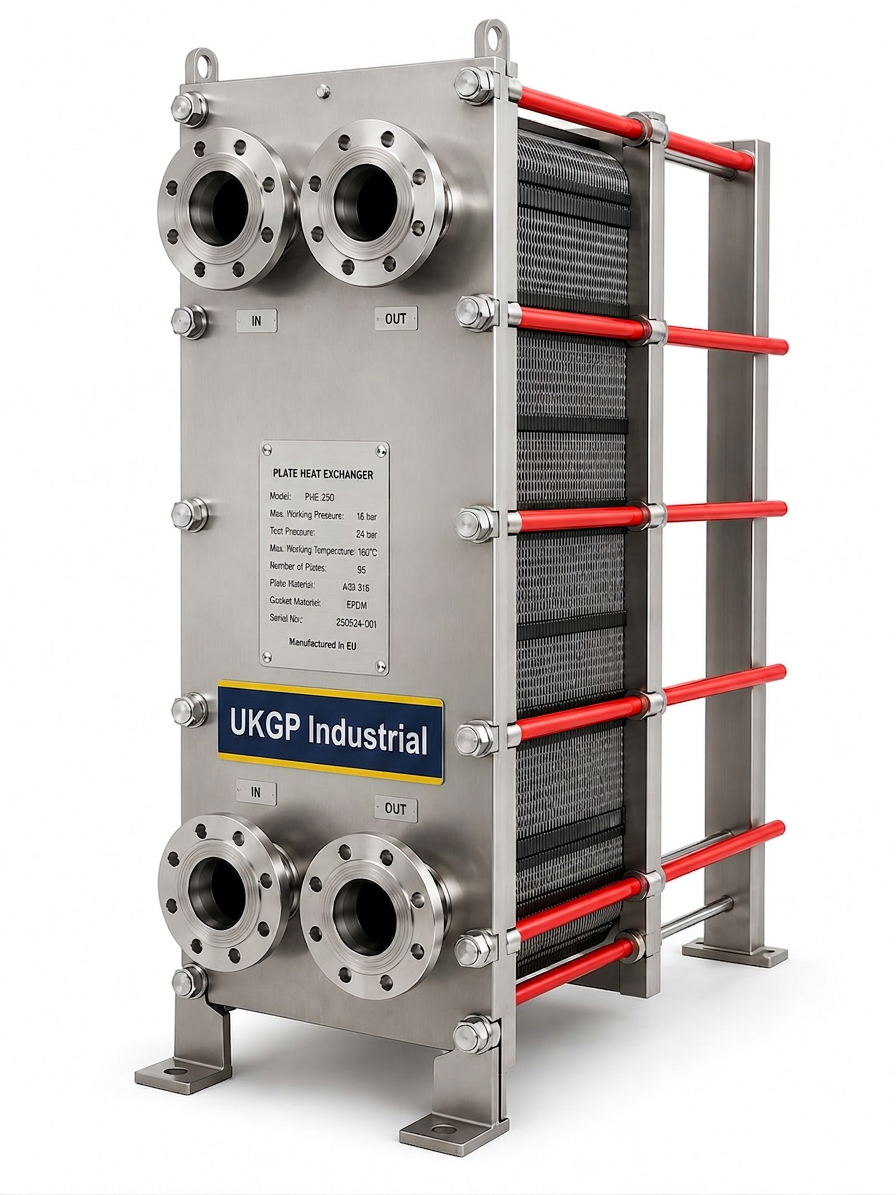
A domestic hot water plate heat exchanger operates on the principle of indirect heat transfer, utilizing a series of corrugated metal plates to transfer thermal energy between a primary heating circuit and the secondary domestic water supply. In commercial UK plant rooms, these units are often preferred over traditional storage calorifiers due to their compact footprint and superior heat transfer coefficients. By separating the primary boiler water from the potable water supply, the exchanger prevents cross-contamination while allowing for instantaneous water heating. This process is essential for modern high-efficiency systems where space is at a premium and energy density needs to be maximized. The turbulence created by the plate corrugations ensures high Reynolds numbers, which promotes efficient thermal transfer and reduces the likelihood of localized cold spots where bacteria might flourish.
Choosing a domestic hot water plate heat exchanger for a commercial application requires a granular understanding of the building's peak demand profile. In facilities such as hotels, student accommodation, or hospitals, the thermal load fluctuates significantly throughout the day. UKGP designs these units to handle these varying loads with precision, ensuring that the secondary outlet temperature remains stable despite sudden spikes in flow rate. Unlike old-fashioned bulk storage tanks, a plate-based system provides hot water on demand, significantly reducing the energy lost through standing heat dissipation. This shift toward instantaneous generation is supported by BSRIA BG50 guidelines which emphasize the importance of water quality and the reduction of stagnant water volumes to mitigate Legionella risks in large-scale plumbing networks.
Safety and longevity are paramount when integrating heat transfer equipment into a pressurized system. Correct sizing involves calculating the specific heat capacity requirements based on the delta-T of both the primary and secondary fluids. A well-designed domestic hot water plate heat exchanger must also account for pressure drop constraints to ensure that circulating pumps are not over-worked, which would otherwise lead to increased operational costs. By selecting high-grade materials such as 316L stainless steel for the plates and high-performance EPDM for the gaskets, engineers can ensure that the unit withstands the corrosive effects of oxygenated domestic water. This technical approach ensures that the plant room remains operational with minimal downtime, aligning with the commercial reality of maintaining essential services in busy building environments.
- Compact footprint for constrained plant-room spaces
- High thermal efficiency via turbulent flow regimes
- Reduction in stagnant water volume for Legionella control
- Scalable heat transfer capacity through plate stack adjustments
Compliance with BSRIA and CIBSE Standards
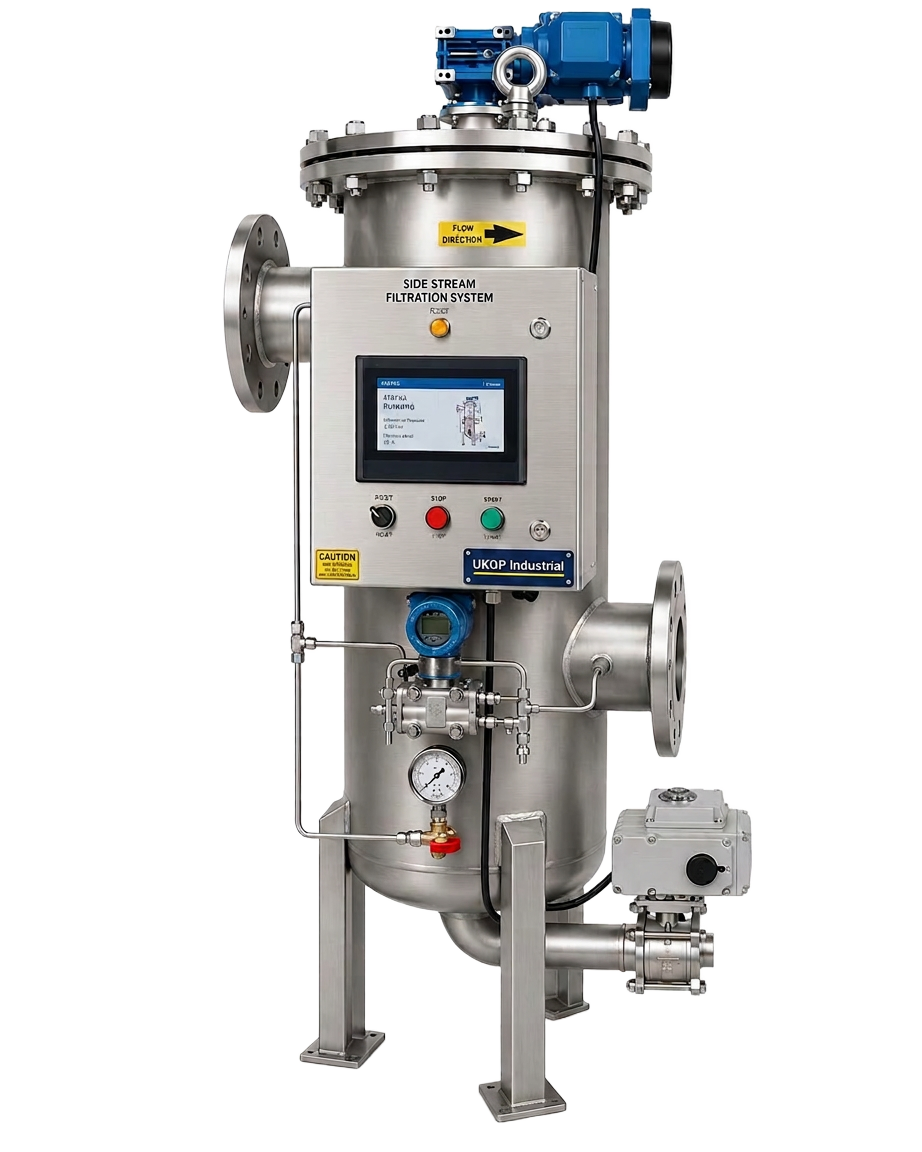
In the UK, the design and maintenance of secondary hot water systems must adhere to strict regulatory frameworks, including BSRIA BG29 and BG50. These documents provide the foundation for water treatment and system cleanliness, which are vital for the optimal performance of a domestic hot water plate heat exchanger. Particulate matter or scale buildup on the plate surfaces can act as an insulator, drastically reducing thermal efficiency and increasing the pressure drop across the unit. Therefore, incorporating a side stream filtration system alongside the exchanger is a recommended practice to maintain fluid clarity and protect the heat transfer surfaces from fouling. This proactive approach to system hygiene extends the service life of the equipment and ensures consistent hot water delivery temperatures throughout the building's lifecycle.
CIBSE Guide G provides further clarity on the sizing of hot water systems, emphasizing the need to meet peak flow rates while maintaining energy efficiency. When specifying a domestic hot water plate heat exchanger, consultants must ensure that the primary side flow temperature is sufficient to achieve a secondary pasteurization temperature of at least 60°C. This is a critical requirement for hospital and healthcare environments where infection control is the highest priority. By working with UKGP engineers to size units from a full thermal specification, M&E contractors can be confident that the chosen exchanger will deliver the required Kilowatt output under all operating conditions. This rigorous design phase prevents the common pitfall of oversizing, which leads to short-cycling of boilers and reduced system efficiency.
Furthermore, the installation must comply with BS EN 14917 concerning expansion bellows and thermal expansion management. As water is heated within the domestic hot water plate heat exchanger, it expands; without adequate expansion vessels and flexible joints, the resulting pressure spikes can cause catastrophic failure of the plate gaskets or pipework connections. UKGP provides a holistic range of plant room components to address these integration challenges. Ensuring that the entire assembly, from the primary heat source to the secondary distribution valves, is designed as a cohesive system allows for easier commissioning and more predictable long-term maintenance. This focus on compliance ensures that Facility Managers can meet their legal obligations regarding building safety and occupant comfort without compromise.
- Adherence to BSRIA BG50 for system water quality
- CIBSE Guide G compliance for peak load calculations
- Safe secondary temperature delivery for Legionella mitigation
- Integration with expansion management per BS EN 14917
Materials and Gasket Selection for Durability
The choice of materials within a domestic hot water plate heat exchanger is determined by the chemistry of the local water supply and the operating temperatures of the primary circuit. For most UK commercial applications, AISI 316 stainless steel plates offer an excellent balance of corrosion resistance and thermal conductivity. However, in regions with particularly aggressive water or high chloride concentrations, alternative materials may be required to prevent pitting and stress corrosion cracking. The gaskets, usually made from EPDM or Nitrile, must be selected based on their ability to withstand constant thermal cycling. High-quality gaskets ensure a tight seal even as the system fluctuates between standby and peak demand, preventing cross-contamination between the HVAC primary water and the potable secondary water.
Gasketed plate heat exchangers offer a distinct advantage over brazed alternatives in terms of maintainability. A gasketed domestic hot water plate heat exchanger can be fully disassembled, allowing for the mechanical cleaning of individual plates if scaling occurs. This is particularly useful in hard water areas where chemical de-scaling may not be fully effective. At UKGP, we provide both gasketed and brazed options ranging from DN20 to DN300 connections to suit any plant room scale. Our gasketed units are designed with a heavy-duty painted carbon steel frame that provides uniform pressure across the plate pack, ensuring leak-free operation for years. Providing a full thermal spec during the inquiry phase allows us to select the precise plate pattern and gasket material for your specific application.
When considering the commercial lifecycle of a domestic hot water plate heat exchanger, the ease of future capacity upgrades should not be overlooked. With a gasketed frame, extra plates can often be added to the stack if the building's hot water demand increases—such as during a building extension or change of use. This flexibility represents a significant cost saving compared to replacing an entire calorifier or brazed unit. Our units come with a 2-year warranty as standard, reflecting our confidence in the robust engineering and high-grade materials used in our UK-based production. Lead times are maintained at a competitive 4 to 6 weeks, ensuring that project timelines for M&E contractors and procurement leads are met with reliability and professional technical support.
- 316L Stainless Steel plates for potable water safety
- High-grade EPDM gaskets for reliable thermal cycling
- Gasketed frames allow for mechanical plate cleaning
- Modular design permits future capacity expansion
Thermal Performance and Efficiency Control
To achieve peak efficiency, a domestic hot water plate heat exchanger must be controlled by a sophisticated building management system (BMS) that monitors both flow and return temperatures. By utilizing pH sensors and transmitters within the system, plant-room engineers can monitor the water chemistry in real-time, ensuring that the primary circuit remains non-corrosive and that the exchanger's surfaces remain clean. Precise control of the primary-side modulating valve is essential to maintain the secondary set-point temperature. If the primary flow is too high, the unit may overheat the domestic water, leading to scaling; if too low, the target temperature will not be reached during peak usage periods. Integrating these sensors ensures the system operates within its design parameters, maximizing energy savings and occupant safety.
The heat transfer efficiency of a domestic hot water plate heat exchanger is also influenced by the approach temperature—the difference between the primary inlet and the secondary outlet. A closer approach temperature requires more surface area (more plates) but allows the primary heat source, such as a modern condensing boiler, to run at lower return temperatures. This significantly boosts the seasonal efficiency of the boiler plant. Our technical team at UKGP works closely with consultants to optimize this balance, ensuring the heat exchanger is sized to promote condensing operation whenever possible. This synergy between the heat source and the plate exchanger is fundamental to achieving high BREEAM ratings and reducing the overall carbon footprint of the building's mechanical services.
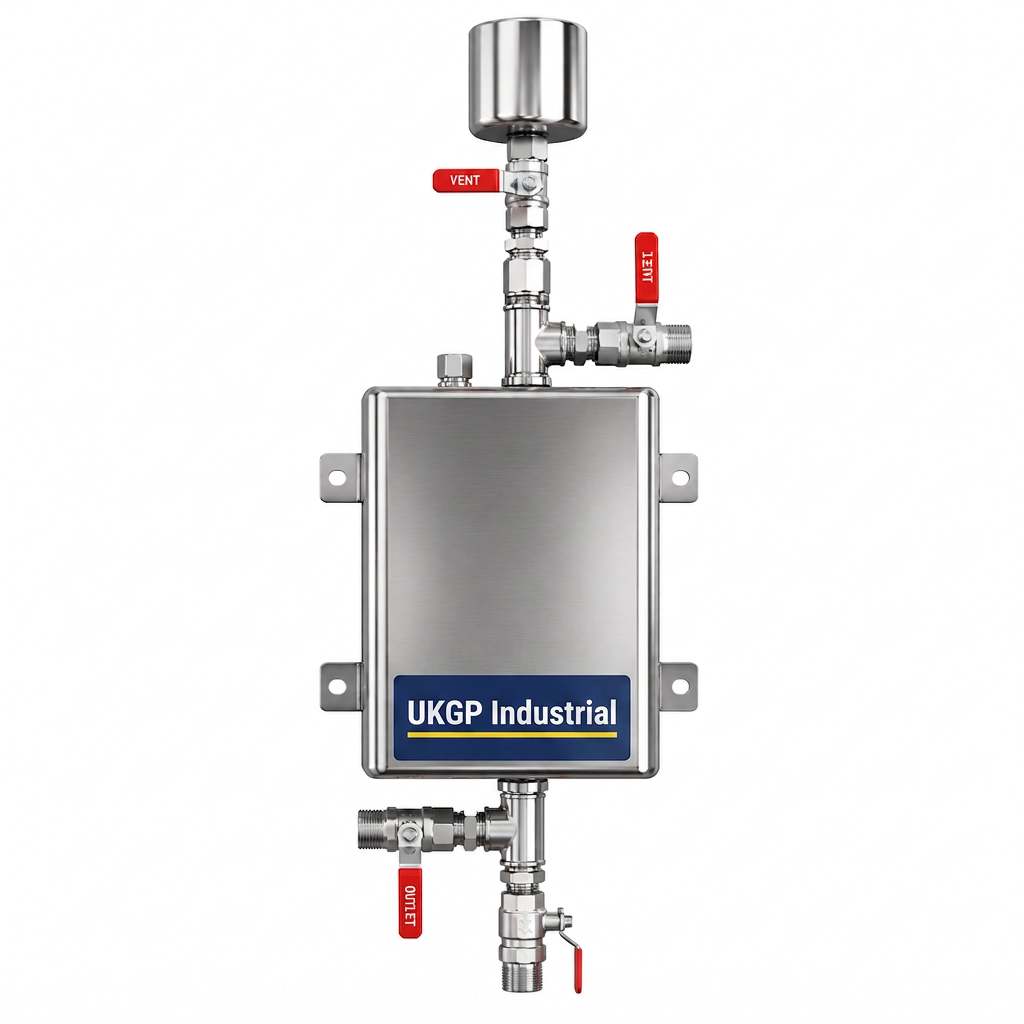
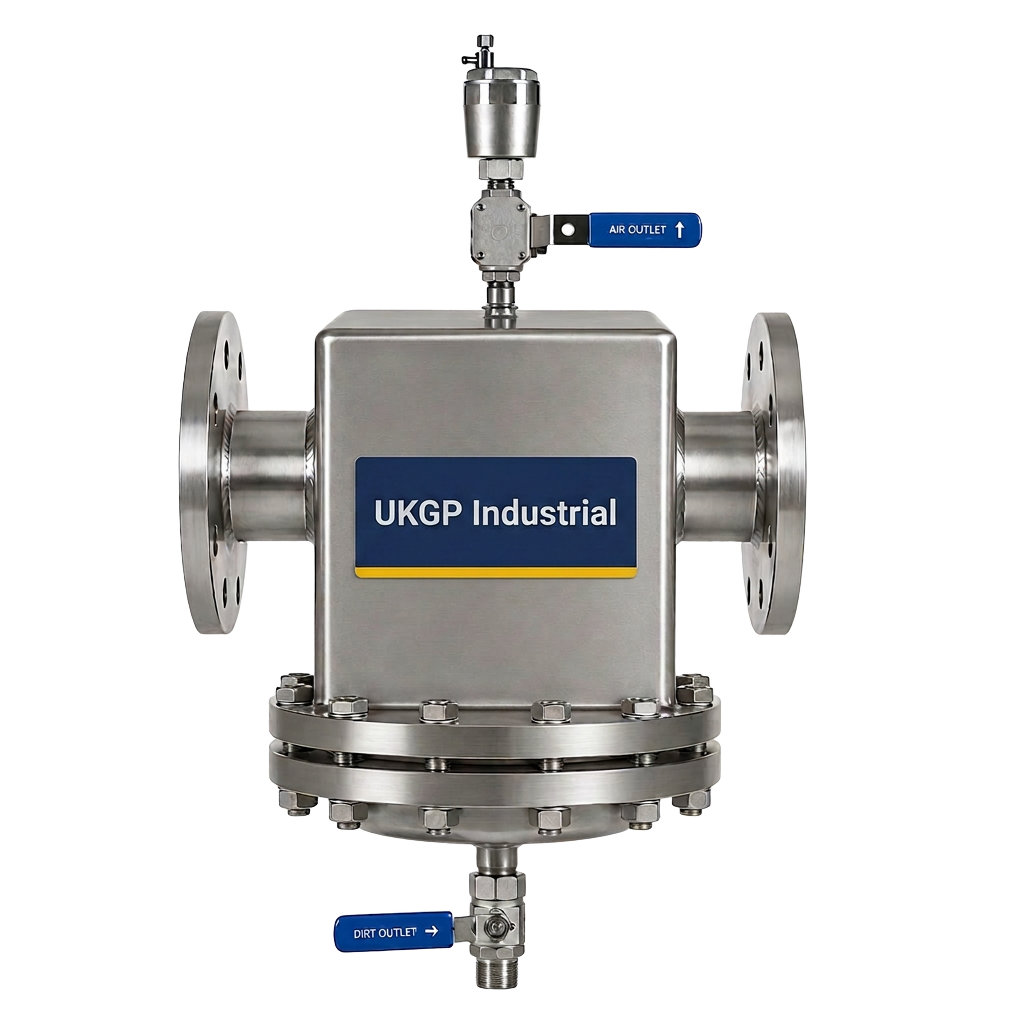
In addition to temperature control, the management of air and dirt within the primary loop is vital. Air pockets can lead to air-binding within the domestic hot water plate heat exchanger, creating dead zones on the plate surface and reducing the effective heat transfer area. De-aeration and micro-bubble separation should be standard features in any high-performance plant room to protect the vital components. By maintaining a clean, air-free primary medium, the exchanger can operate at its peak theoretical efficiency for longer periods between service intervals. UKGP’s range of separators and filtration skids are designed to work in tandem with our plate exchangers, providing a complete solution for thermal distribution that is both reliable and exceptionally efficient over the long term.
- Integration with BMS for precise temperature modulation
- Optimization of return temperatures for condensing boilers
- Real-time monitoring via pH sensors and transmitters
- Reduction of 'approach temperature' for higher efficiency
Installation and Commissioning Best Practices
Correct installation of a domestic hot water plate heat exchanger is critical to prevent premature failure and ensure system performance match the design intent. The unit should be installed on a level plinth with sufficient clearance for plate removal and maintenance access. It is essential to install isolation valves on all four ports to allow for servicing without draining the entire building's water system. Furthermore, including a bypass around the primary side can simplify commissioning and provide a means of temperature control during low-load periods. Our UKGP plate heat exchangers, available in sizes from DN20 to DN300, are designed for straightforward integration into both new-build and retrofit projects, with clear port identification and robust mounting points.
Commissioning must include a rigorous flushing process as dictated by BS 8552 and BSRIA BG29. Any debris left in the pipework from the installation phase can block the narrow channels between the plates of the domestic hot water plate heat exchanger, causing immediate performance degradation. Once flushed, the system must be balanced to ensure that the primary flow matches the thermal spec provided during the sizing phase. It is also the ideal time to calibrate the temperature sensors and verify the fail-safe mechanisms, such as the thermal cut-out valves. UK-based contractors appreciate our standard 4-6 week lead time, which allows for precise project scheduling and ensures that long-lead thermal components are on-site exactly when needed for the mechanical fit-out phase.
Ongoing maintenance of the domestic hot water plate heat exchanger involves periodic inspection of the gasket seals and monitoring the pressure drop across the unit. An increase in pressure drop is the most reliable indicator of fouling or scaling. For gasketed units, the frame can be opened, and the plates can be inspected visually. If the building utilizes a high-load domestic hot water system, such as a commercial laundry or kitchen, more frequent inspections may be necessary. By following a structured maintenance regime and utilizing genuine replacement parts, the service life of a UKGP exchanger can extend well beyond a decade, providing excellent value for money and peace of mind for building owners and facility managers alike.
- Ensure adequate clearance for plate pack maintenance
- Mandatory flushing per BSRIA BG29 before startup
- Install isolation and bypass valves for easier servicing
- Monitor pressure differential to detect early-stage fouling
Conclusion: Procurement and Sizing with UKGP
Selecting the right domestic hot water plate heat exchanger involves more than just picking a model from a catalogue; it requires a detailed thermal analysis to ensure the unit meets the specific needs of the building. At UKGP, we pride ourselves on providing a technical partnership rather than just a product. Our engineers use advanced software to size each unit from a full thermal specification, considering flow rates, fluid properties, and temperature differentials. This ensures that every gasketed or brazed plate heat exchanger we supply is fit for purpose and optimized for the highest possible energy efficiency. With a 2-year warranty and UK-based technical support, we help M&E contractors deliver robust, compliant hot water solutions across the country.
The procurement process for a domestic hot water plate heat exchanger at UKGP is designed to be seamless. Once the thermal requirements are confirmed, we provide detailed technical drawings and performance data sheets to support the consultant's design submittal. Our lead times of 4-6 weeks are among the most reliable in the UK market, helping to keep complex plant room projects on schedule. Whether you require a small DN20 unit for a localized hot water circuit or a massive DN300 exchanger for a district heating network interface, our manufacturing capabilities ensure that high-quality, British-supported engineering is always available. We understand the commercial pressures of the construction industry and strive to offer competitive pricing without sacrificing quality.
In summary, the domestic hot water plate heat exchanger is the heart of a modern, efficient, and hygienic hot water system. By focusing on compliant designs, high-grade materials, and precise thermal sizing, UKGP ensures that your plant room remains a model of efficiency. We invite building services consultants and contractors to contact our Surrey office for a comprehensive quote. Our team is ready to assist with technical queries and provide the reliable hardware needed to meet the demanding standards of the UK building services sector. Choose UKGP for your next thermal project and benefit from our commitment to excellence, durability, and technical expertise in the field of industrial heat transfer.
- Expert sizing based on full thermal specifications
- Reliable 4-6 week lead times for UK sites
- Comprehensive 2-year warranty on all exchangers
- DN20 to DN300 connection sizes available
Frequently asked questions
What information is needed to size a domestic hot water plate heat exchanger?
- To provide an accurate selection, we require the primary flow and return temperatures, the required secondary hot water flow and return temperatures, the total Kilowatt (kW) load, and the maximum allowable pressure drop for both circuits.
Why choose a gasketed plate heat exchanger over a brazed one for domestic hot water?
- Gasketed units allow for easy disassembly, cleaning, and expansion. For domestic hot water, which is prone to scaling in hard water areas, the ability to mechanically clean the plates provides a significant maintenance advantage over brazed models.
How does a plate heat exchanger help with Legionella control?
- Unlike large storage cylinders, a domestic hot water plate heat exchanger heats water instantaneously. This minimizes the volume of warm, stagnant water where Legionella bacteria typically multiply, making it a safer choice for healthcare and hospitality settings.
What is the typical lead time for a UKGP plate heat exchanger?
- Our standard lead time for both gasketed and brazed plate heat exchangers is 4 to 6 weeks. Every unit is sized to a bespoke thermal specification and comes with a 2-year warranty as standard.
Is a plate heat exchanger suitable for use with modern condensing boilers?
- Yes, they are ideal. By sizing the domestic hot water plate heat exchanger with a large surface area, we can achieve low primary return temperatures, which allows commercial condensing boilers to remain in condensing mode, maximizing their fuel efficiency.