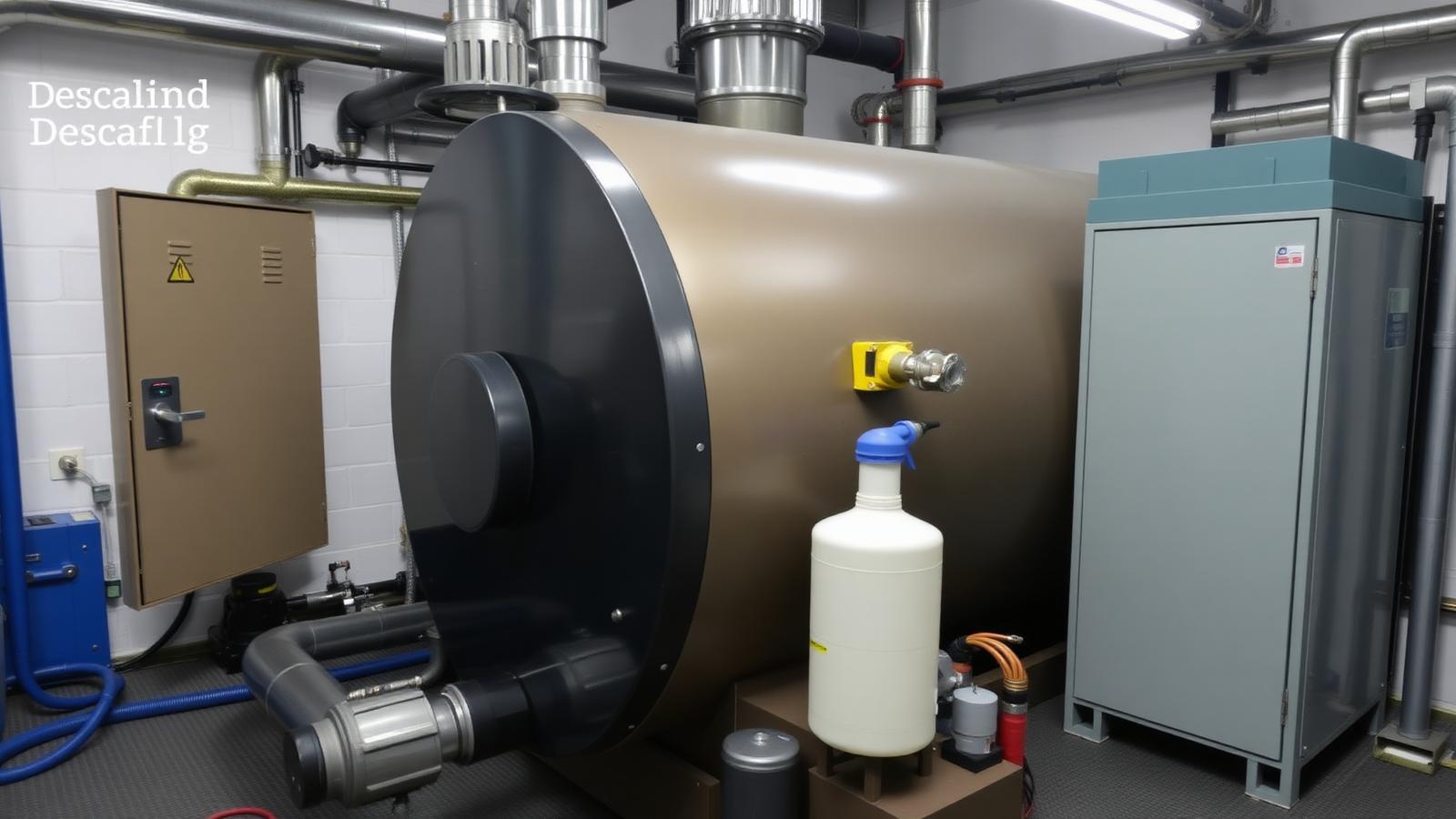
The Engineering Reality of Descaling vs Boiler Replacement
When commercial HVAC systems exhibit declining performance, high fuel bills, or frequent short-cycling, the debate between descaling vs boiler replacement begins in the boardroom. Descaling involves the introduction of aggressive chemicals to strip calcium carbonate and magnetite from the internal heating surfaces. While effective in the short term for mild fouling, the process can be abrasive to aged heat exchangers. From a technical standpoint, descaling is often a reactive measure rather than a long-term strategy, and if the boiler has reached the end of its expected 15-to-25-year service life, the investment in a chemical flush may simply be delaying the inevitable while offering a poor return on investment compared to modern condensing technology.
Conversely, boiler replacement represents a significant capital outlay but offers the opportunity to modernise the entire plant room hierarchy. New plant typically achieves 90% plus seasonal efficiency, a vast improvement over the 70-75% seen in fouled, non-condensing legacy units. However, the decision isn't purely about the boiler itself; it is about the protection of that new asset. BSRIA BG29 and BG50 highlight that new boilers installed into old, contaminated systems will fail prematurely without proper pre-commissioning cleaning and ongoing side stream filtration. Therefore, if the budget allows for replacement, it must be paired with high-performance water treatment infrastructure to prevent the same scale issues from recurring within the first two years of operation.
The financial crossroads usually appears when the cost of remedial descaling and component repair exceeds 30-40% of the cost of a new unit. In the UK market, where gas prices remain volatile, the energy savings from a more efficient boiler can often pay back the delta between a descale and a replacement within 3 to 5 years. Engineers must look beyond the immediate fix and assess the fatigue of the pressure vessel; if significant pitting or corrosion is present beneath the scale, descaling might actually induce leaks, making replacement the only viable and safe engineering path forward for the building's infrastructure.
- Assess age of the heat exchanger against the standard 20-year lifecycle
- Calculate the 24-month repair cost history against new unit CAPEX
- Verify if current fuel consumption deviates more than 15% from design parameters
- Review thermal imaging to identify localised hotspots and scale-induced stress
The Role of Side Stream Filtration in Avoiding Boiler Failure
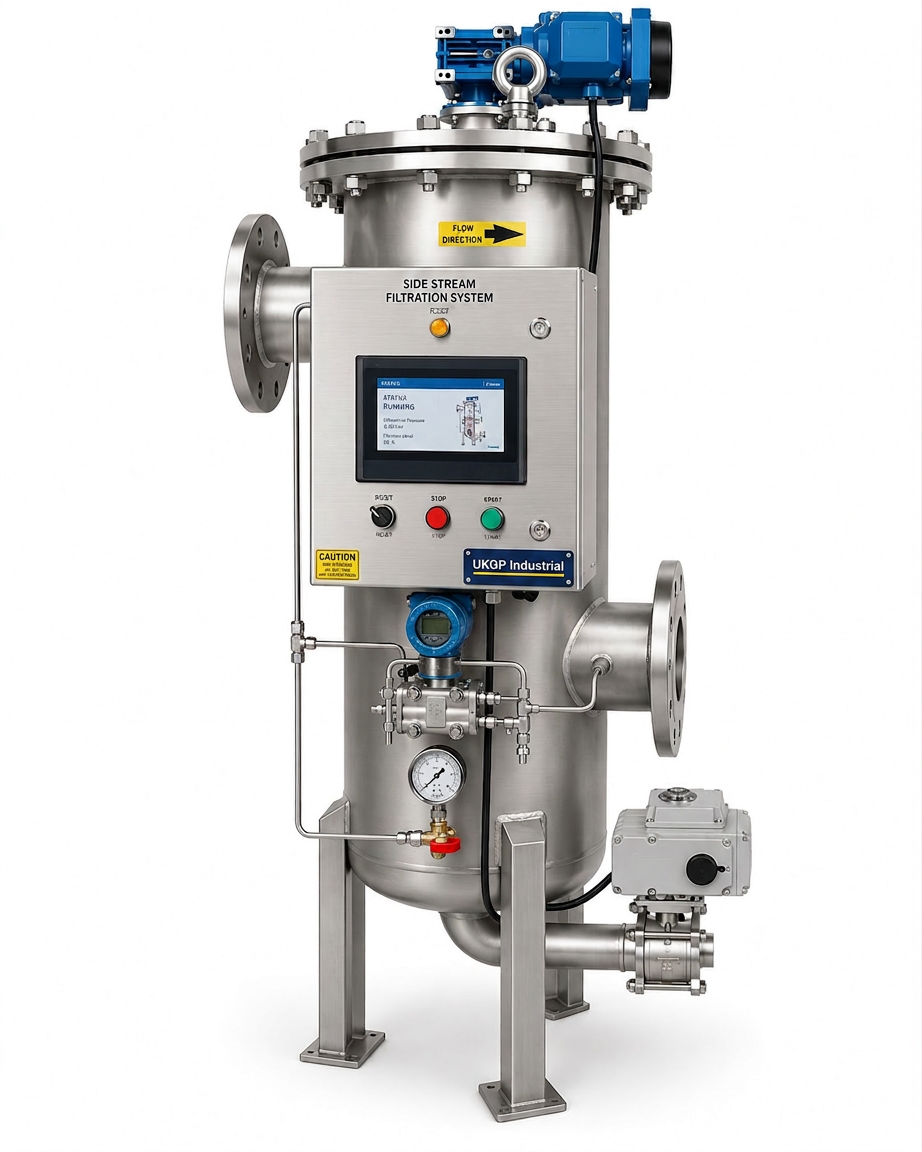
Whether you choose descaling or a full replacement, the longevity of your commercial heating system depends entirely on water quality management. This is where the integration of a side stream filtration skid becomes non-negotiable for modern UK plant rooms. These units continuously divert a portion of the system flow (typically 5-15%) through a high-efficiency filter to remove suspended solids and magnetite before they can settle on heat transfer surfaces. UKGP Industrial specialises in manufacturing these skids, providing a robust defence against the sludge that often makes the descaling vs boiler replacement debate necessary in the first place. By removing debris down to sub-micron levels, side stream filtration maintains the thermal conductivity of your system.
Our UKGP side stream filtration skids are engineered to meet the rigorous demands of BSRIA BG50 standards for water quality in closed-loop systems. Available in sizes from DN50 to DN100, these units are made to order in our Surrey facility with a typical lead time of 6-8 weeks. Pricing for these essential system protectors starts from £6,800+VAT, making them a cost-effective insurance policy for new plant. Every skid comes with a 2-year warranty, ensuring that your investment in a new boiler replacement is protected from the day of commissioning. Without this level of filtration, even the most expensive new boiler will begin to lose efficiency as soon as it is fired, leading to the same scaling issues you sought to resolve.
For M&E contractors, installing a side stream filter during a boiler replacement project simplifies the handover process and ensures compliance with building insurance requirements. Technical leads often find that the inclusion of a UKGP skid reduces the frequency of manual chemical dosing and air venting, as the skid can be equipped with integrated air separation and dosing pots. If you are currently weighing up the costs of descaling vs boiler replacement, consider that adding filtration can extend the life of an existing boiler by several years, or protect a new one for decades. Contact our technical team today to request a bespoke quote tailored to your specific plant room flow rates and system volume requirements.
- Compliance with BSRIA BG50 water quality monitoring guidelines
- UK-manufactured skids available from DN50 to DN100 pipe sizes
- Typical 6-8 week lead time for made-to-order industrial units
- Standard 2-year warranty on all UKGP filtration assemblies
BSRIA BG50 Compliance and Technical Standards
The industry benchmark for commercial water treatment is BSRIA BG50 'Water Treatment for Closed Heating and Cooling Systems'. This document provides clear guidance on why simply descaling a boiler is rarely enough to fix a systemic problem. If your system is suffering from scale, it is a symptom of poor water chemistry management, excessive make-up water ingress, or inadequate filtration. Following BG50 helps FMs move from reactive 'fire-fighting' descaling to a proactive maintenance regime. When considering descaling vs boiler replacement, engineers must reference these standards to justify the expenditure on a new system that includes the correct peripheral equipment like deaerators and dirt separators to maintain system integrity over the long term.
Implementing the recommendations of BS 8552 for sampling and monitoring is also critical during the decision-making phase. If water samples show high levels of dissolved iron or calcium, the internal surfaces of the boiler are likely compromised. A simple descale may remove the material, but it cannot repair the metal loss from corrosion. In such cases, BSRIA guidance would lean towards boiler replacement combined with a full system flush and the installation of permanent filtration. This holistic approach ensures that the new boiler operates within its warranty conditions, as many manufacturers now specify that water quality must meet certain TDS (Total Dissolved Solids) and pH levels to stay valid.
CIBSE Guide M also highlights the importance of lifecycle costing in maintenance decisions. For a large-scale commercial property, the 'broken' state of a boiler is often an opportunity to redesign the hydraulic circuit for better delta-T control. By moving from an old atmospheric boiler to a modern condensing unit, and ensuring the water quality is managed via side stream filtration, the facility can achieve significant CO2 reductions. This alignment with UK net-zero targets makes the replacement option more attractive to procurement leads, especially when the technical data from BG50 audits proves that descaling will only provide a temporary reprieve for a failing asset.
- Reviewing system make-up water rates to identify hidden leaks
- Sampling water chemistry in according with BS 8552 protocols
- Ensuring the new installation adheres to CIBSE Guide M best practices
- Documenting water treatment logs to maintain manufacturer warranties
When Replacement is the Commercially Viable Path
There are specific triggers that should shift the strategy from descaling to replacement. One of the primary indicators is the condition of the heat exchanger's combustion side. If the boiler is suffering from condensate leaks or severe scaling that has led to localized overheating and 'kettling', the structural integrity of the casting may be at risk. In these scenarios, the cost of labor and specialist chemicals for a deep descale often yields diminishing returns. A new boiler installation provides a fresh start, allowing for the integration of modern controls and better modulation, which directly impacts the building's energy performance certificate (EPC) rating and overall operational costs.
Another factor to consider is the availability of spare parts. For legacy boiler brands in the UK, sourcing replacement burners or heat exchanger sections for 20-year-old units can be extremely difficult and expensive. When the cost of a single major spare part combined with a descaling service approaches the price of a new UKGP-compatible plant setup, replacement becomes the logical commercial choice. Furthermore, new boilers are designed to work at lower return temperatures, which is essential for capturing the latent heat of vaporization. If your facility is planning a transition to lower carbon heating, replacing an old scaled unit now is a necessary step in that journey.
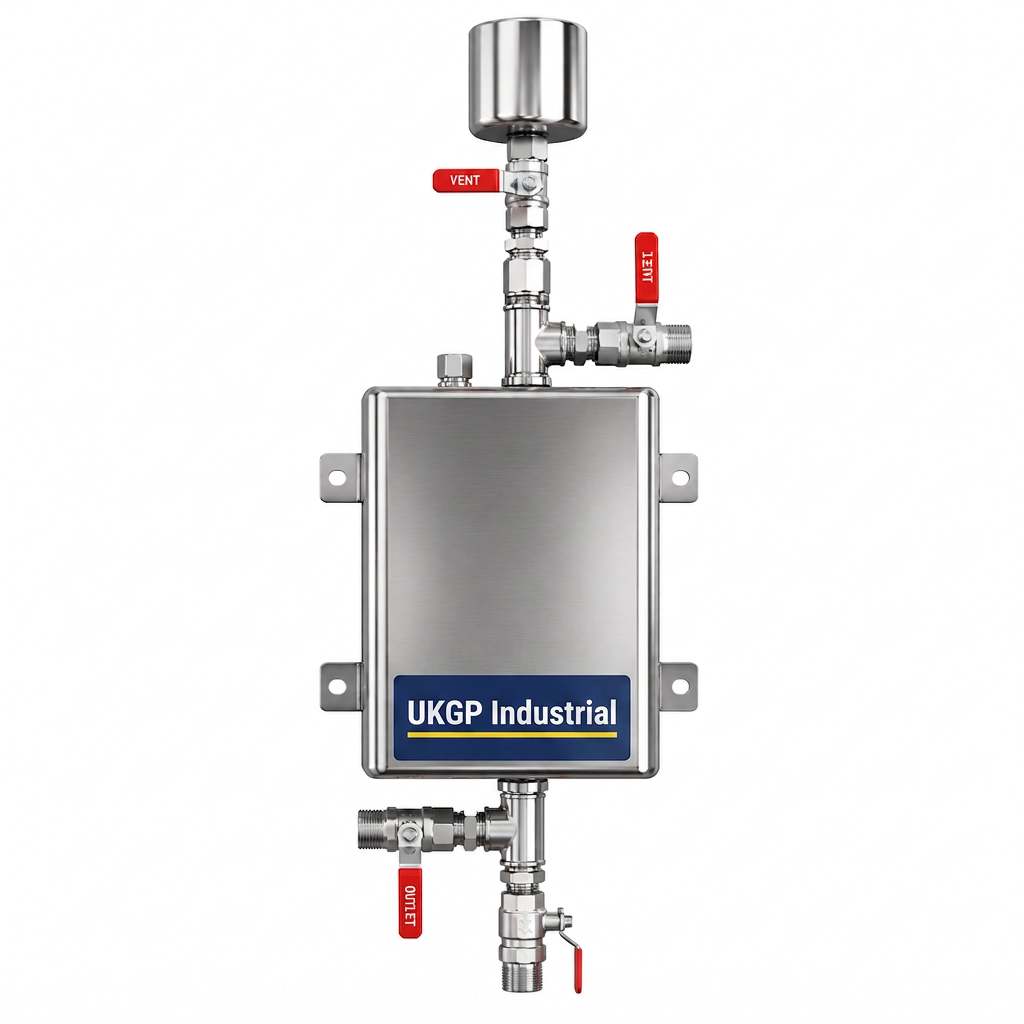
To maximize the lifespan of a new installation, UKGP recommends the inclusion of a high-quality chemical dosing pot alongside the boiler. This allows for the easy introduction of inhibitors and biocides without needing to drain the system, ensuring that the water remains within the parameters defined during the initial commission. For a DN50 or DN80 system, the cost of a dosing pot is negligible compared to the thousands of pounds saved in future descaling costs. If your plant room is currently restricted by space, our technical team in Surrey can advise on compact dosing and filtration solutions that fit within your existing footprint while still providing full protection for your new boiler equipment.
- Obsolescence of critical components and proprietary electronics
- Significant kettling noise indicating severe internal fouling
- Opportunities for EPC improvement through increased seasonal efficiency
- Physical space availability for modern, higher-density boiler banks
Calculating the ROI of Modern Plant Equipment
The 'descaling vs boiler replacement' debate is ultimately a financial one. A descaling exercise for a commercial boiler might cost between £1,500 and £4,000 depending on the system size and chemical requirements. While this is cheaper upfront, it does not improve the base efficiency of the boiler. A replacement, while costing significantly more, can reduce annual gas consumption by up to 25%. For a school or hospital spending £50,000 a year on gas, a 25% saving results in £12,500 per annum back in the budget. This means the additional cost of the boiler replacement is often recouped in under four years, providing a compelling case for procurement leads to opt for the upgrade over a quick fix.
To ensure these savings are realized, the installation must be protected from day one. Integrating a side stream filtration skid from UKGP Industrial (DN50 upwards, from £6,800+VAT) ensures the new heat exchangers remain clean and efficient. These units are made to order with a 6-8 week lead time and come with a 2-year warranty, providing long-term peace of mind that the ROI calculations will hold true. When you factor in the reduced maintenance labor and fewer emergency call-outs associated with a new, filtered system, the total cost of ownership (TCO) leans heavily in favor of replacement for any asset older than 15 years.
Furthermore, modern boiler replacements offer better connectivity and remote monitoring capabilities. This allows FMs to track performance in real-time and identify issues before they lead to a total shutdown. When compared to the 'blind' operation of an old, scaled boiler, the data-driven approach of a new system is far superior. By partnering with UKGP, you gain access to high-specification filtration and auxiliary equipment that is designed specifically for the UK's demanding commercial heating sector, ensuring that your new boiler doesn't just meet its design life but exceeds it through superior water quality management and debris removal.
- Fuel savings from 20%+ efficiency gains in condensing mode
- Reduction in reactive maintenance labor and emergency call-out fees
- Lower carbon footprint contributing to corporate ESG goals
- Extended asset life through permanent side stream filtration
Implementation Strategy for Your Plant Room
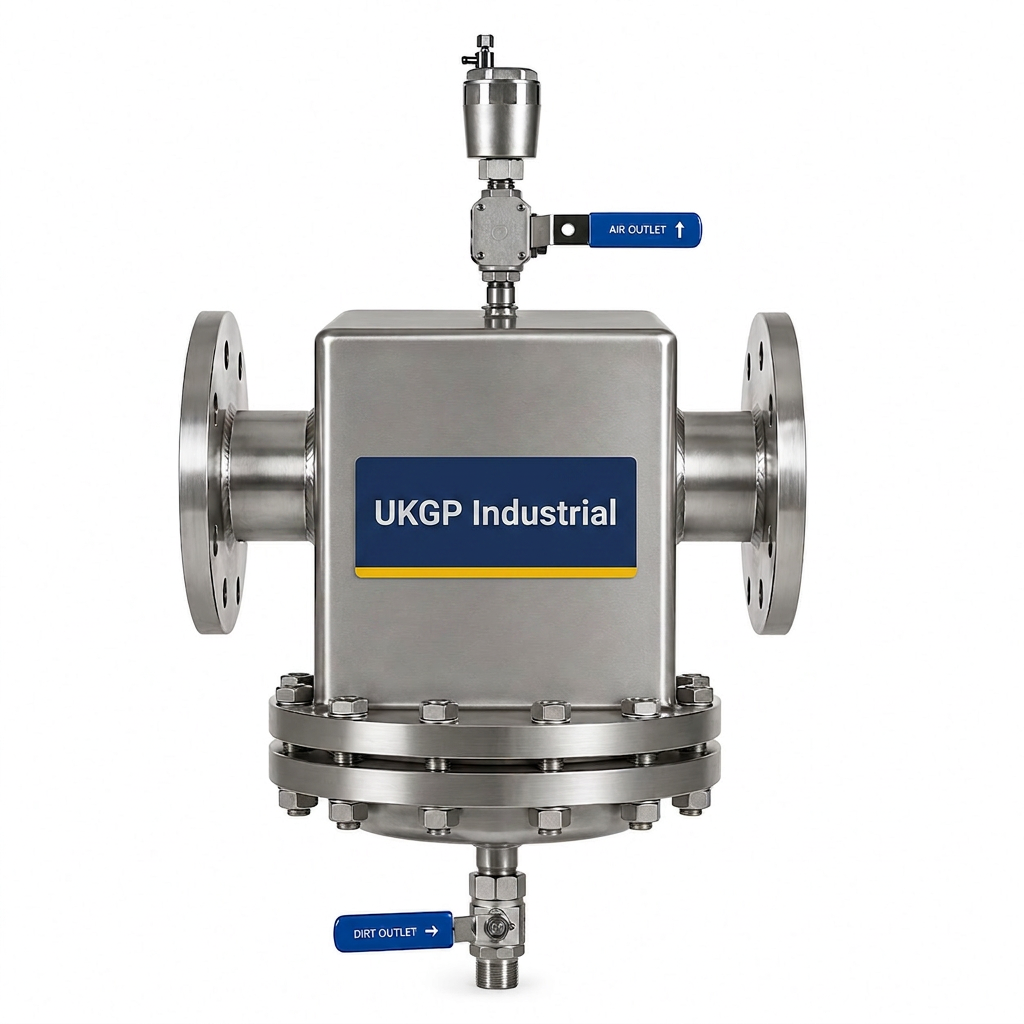
If you have decided that boiler replacement is the correct path, the next step is a detailed specification of the ancillary equipment. A common mistake in the UK is replacing the boiler but leaving the old, fouled pipework untouched. Before the new boiler is connected, the entire circuit should be cleaned in accordance with BSRIA BG29. Following this, the installation of a UKGP side stream filter and a high-performance air and dirt separator is essential. This protects the new boiler’s narrow-waterways in the heat exchanger from being clogged by debris dislodged from the secondary circuits, which is a leading cause of early-life failure in new commercial installations.
For those who must stick with descaling due to budget constraints, it is vital to perform the process under strict supervision. Over-circulating acidic descaling agents can weaken gaskets and seals, leading to leaks shortly after the service. Once the descale is complete, immediately installing a side stream filtration skid can help capture any remaining loose particulates. Our made-to-order skids are available with 6-8 week lead times, providing a reliable domestic source for high-quality filtration that many imported brands cannot match. Starting from £6,800+VAT, they represent the single best investment for extending the life of a recently descaled system.
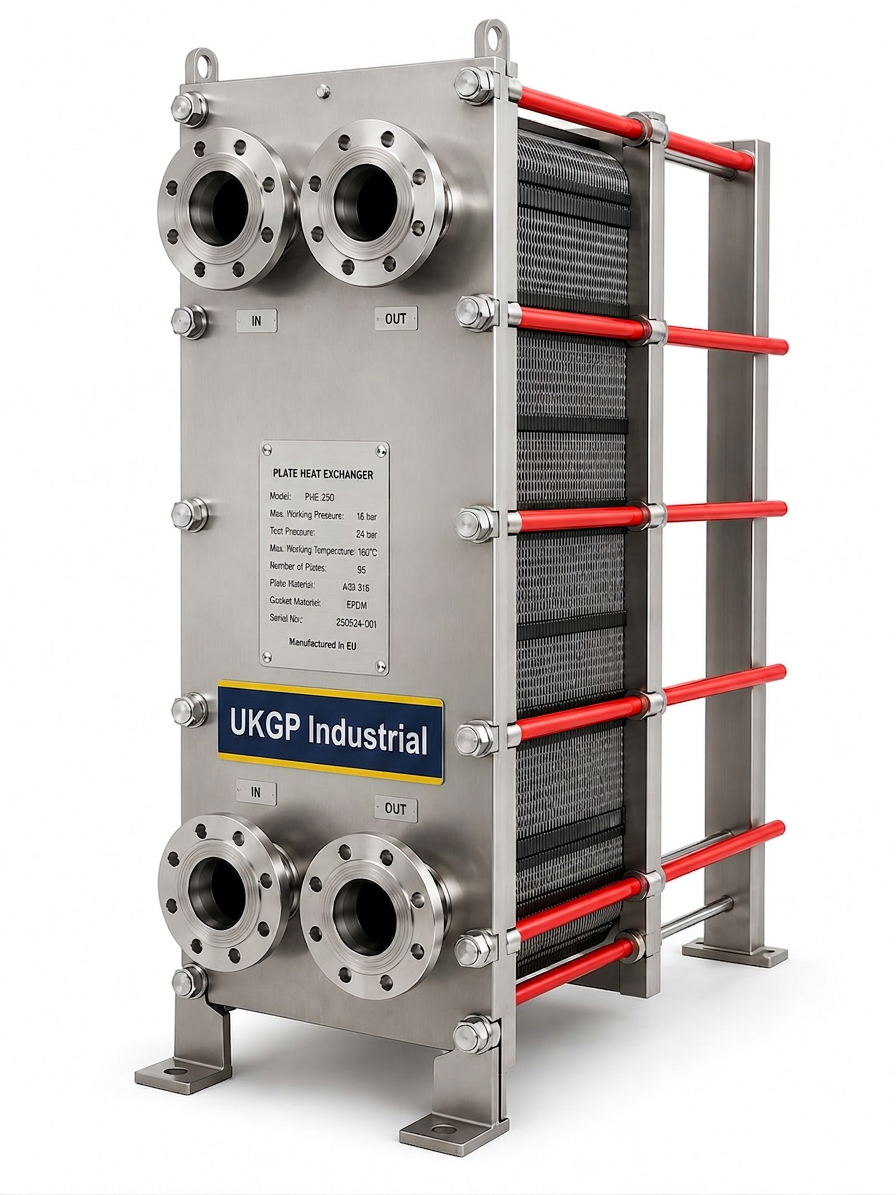
In conclusion, while descaling vs boiler replacement is a choice dictated by budget and asset age, the underlying requirement for water quality is constant. UKGP Industrial is here to support Surrey and UK-wide engineers with the technical hardware required to keep plant rooms running at peak performance. Whether you are installing new boilers or nursing old ones, our range of filtration skids, dosing pots, and heat exchangers are built to industrial standards. Contact us to discuss your DN50 to DN100 requirements and receive a quote for a 2-year warranty protected system that ensures your facility stays warm and compliant throughout the winter months.
- Pre-commissioning cleaning of old pipework to BG29 standards
- Installation of UKGP side stream filtration to protect new assets
- Setting up a routine water testing schedule to monitor pH and inhibitors
- Training site staff on the operation of the new dosing and filtration plant
Frequently asked questions
How long does a commercial boiler descale last?
- A typical chemical descale can restore performance for 12 to 24 months, but without addressing the root cause—such as hard water ingress or lack of filtration—scale will begin to reform immediately. For a permanent solution, side stream filtration is required.
Is descaling vs boiler replacement better for energy efficiency?
- Replacement is almost always better for efficiency. A descale can only restore a boiler to its original design efficiency, whereas a new condensing boiler can be 20-30% more efficient than a 20-year-old atmospheric model.
What are the lead times for UKGP side stream filtration skids?
- Our skids are made to order in Surrey with a typical lead time of 6 to 8 weeks. We manufacture units for pipe sizes from DN50 to DN100.
Does BSRIA BG50 require side stream filtration?
- While BG50 describes various methods of water treatment, it strongly recommends continuous side stream filtration as a best-practice method for maintaining water quality and preventing the accumulation of magnetite and scale in closed loops.
What is the price of a commercial side stream filtration skid?
- UKGP Industrial offers high-specification side stream filtration skids starting from £6,800+VAT, including a 2-year warranty and built to industrial standards for UK commercial plant rooms.