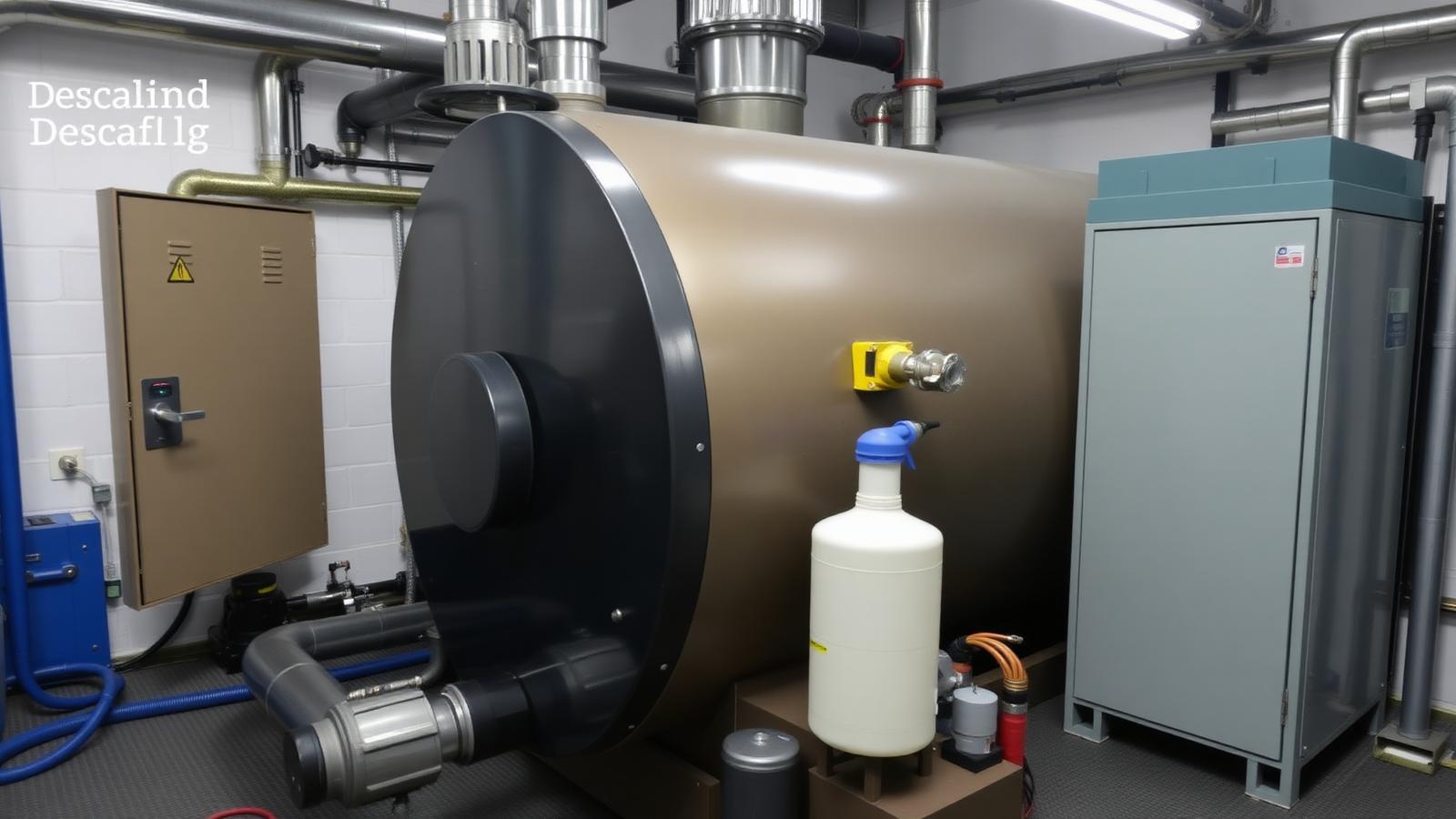
Understanding the need for commercial water heater descaling
In hard water areas across London and the South East, calcium carbonate precipitation is a constant threat to the operational integrity of commercial hot water systems. When water is heated, the solubility of minerals decreases, leading to the formation of hard scale on heat exchanger surfaces and internal tank walls. This scale acts as a highly effective thermal insulator; even a 1mm layer of scale can reduce heat transfer efficiency by over 10%, forcing the burner to fire for longer periods to achieve the set-point temperature. This not only inflates operational costs but also places undue thermal stress on the equipment pressure vessel, potentially leading to catastrophic failure or costly repairs that disrupt building services.
Beyond energy waste, the presence of scale creates a significant health and safety risk, particularly concerning Legionella pneumophila. Rough, porous scale deposits provide the perfect biological niche for biofilm to take root, shielding bacteria from standard thermal or chemical disinfection protocols. For facilities managers, adhering to ACoP L8 and HSG274 is impossible if the internal surfaces of water heaters are compromised by heavy scaling. Regular commercial water heater descaling is therefore not just a maintenance task but a critical compliance requirement for any UK building owner or manager. Neglecting this process often results in non-compliance during site audits and significantly shorter lifespans for high-value plant equipment.
From a commercial perspective, the cost of ignored maintenance far outweighs the investment in professional cleaning. A typical commercial water heater descaling service for a medium-sized unit might range from £400 to £1,200 depending on complexity and chemical volume, yet the potential energy savings often provide a return on investment within a single heating season. To avoid the repetitive cycle of scale build-up, many engineers now look toward preventative measures like side stream filtration and plate heat exchangers to manage mineral content and protect the main heating plant from the aggressive nature of raw mains water or recycling secondary circuits.
- Reduced thermal efficiency leading to higher carbon emissions
- Increased risk of bacterial growth and Legionella colonisation
- Higher thermal stress causing metal fatigue and cracking
- Increased pressure drops and reduced flow rates across the system
The technical process of descaling commercial systems
The technical process for commercial water heater descaling begins with a thorough site survey and system isolation. Before any chemicals are introduced, the unit must be electrically and hydraulically isolated, and any safety valves or sensitive sensors should be protected or removed. A temporary circulation loop is usually established using a high-flow descaling pump, which allows for the controlled introduction of inhibited acid cleaners. Selecting the correct chemical is vital; while hydrochloric acid is effective, it can be too aggressive for certain stainless steel or copper alloy components. Specialist inhibited phosphoric or citric acid blends are often preferred in UK plant rooms to ensure the scale is dissolved without compromising the base metal's integrity.
Monitoring the descaling process is a precise science, requiring regular pH testing of the cleaning solution. As the acid reacts with the calcium carbonate scale, it is neutralised and the pH rises; once the pH remains stable over a set period, it indicates that the visible scale has been successfully dissolved. Throughout this period, the technician must ensure that gas evolved from the reaction (carbon dioxide) is safely vented to prevent pressure build-up within the heater. Following the chemical wash, a neutralising agent is introduced to return the system to a passive state, preventing flash-rusting or further corrosion of the internal surfaces. This level of technical oversight ensures the heater is returned to service in peak condition.
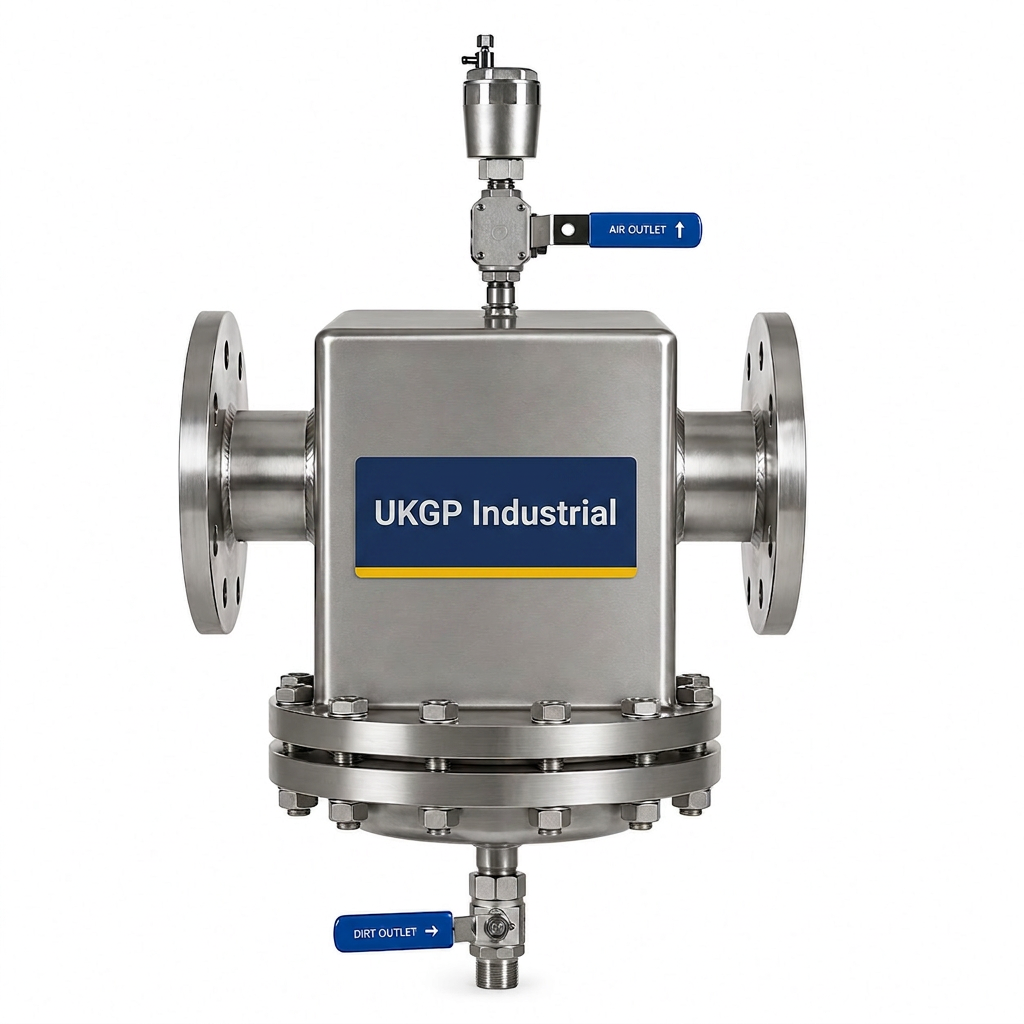
The final stage of the process involves a high-velocity flush to remove any loosened particulate matter and the exhausted chemical solution. In accordance with BSRIA BG29 and BG50 guidelines, the system should be checked for any debris that might have migrated into the pipework during the cleaning phase. It is at this stage that many engineers realise the benefit of having a robust air and dirt separator installed in the primary loop. These units capture the heavy debris and magnetite released during descaling, protecting downstream valves and pumps from damage. UKGP supplies high-efficiency air and dirt separators designed to work alongside filtration systems to keep the entire circuit clear after a major descaling event.
- Hydraulic isolation and safety valve protection
- Controlled circulation of inhibited acid cleaning agents
- Real-time pH monitoring to verify scale removal progress
- Full system neutralisation and high-velocity water flushing
- Application of internal passivators to prevent post-clean corrosion
Mitigating future scale with side stream filtration
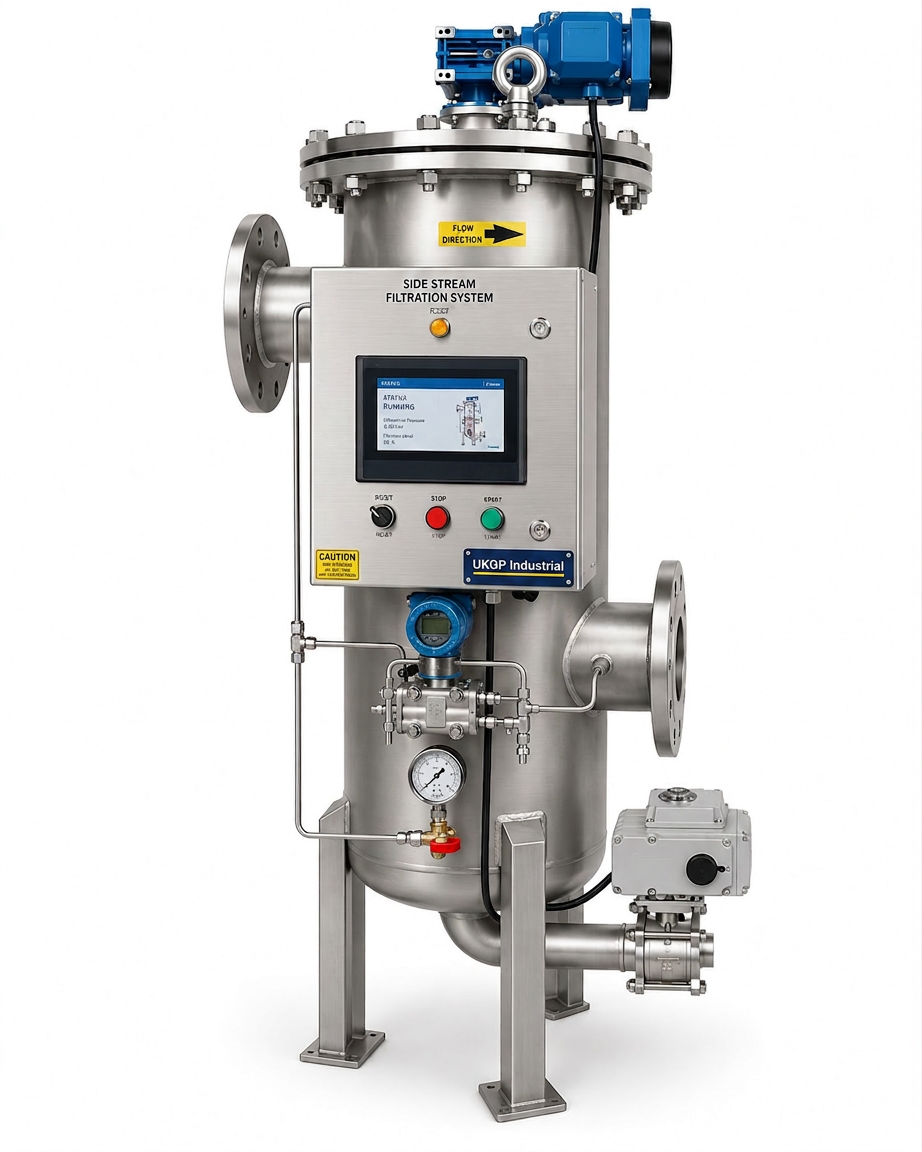
While reactive descaling is necessary for neglected systems, the modern approach to UK plant room management focuses on prevention through advanced water treatment and filtration. Commercial water heater descaling can be an invasive and expensive recurring cost, but by installing a side stream filtration skid, you can continuously remove the suspended solids and mineral precipitates that lead to scale formation. These skids work by diverting a portion of the system flow—typically 5-15%—through a high-efficiency filter housing. This constant 'polishing' of the water ensures that even as minerals precipitate out of solution due to temperature changes, they are captured and removed before they have the chance to bake onto the heat transfer surfaces.
UKGP Industrial manufactures bespoke side stream filtration skids in Surrey, specifically designed to meet the demands of BSRIA BG50 compliance. Our units, ranging from DN50 to DN100 connections, offer a robust solution for maintaining water quality in closed and semi-closed loops. These skids are made to order with a 6-8 week lead time and are priced from £6,800+VAT. Investing in this technology effectively pays for itself by extending the intervals between required commercial water heater descaling and protecting the 2-year warranty often associated with new plant installations. By maintaining low turbidity and removing the 'seed' particles for scale growth, you ensure the system operates at its design efficiency year-round.
Choosing the right filtration solution requires an understanding of your system's flow rates and water chemistry. UKGP offers technical consultancy to help engineers select the correct skid size for their specific application. Whether you are dealing with a small office block or a large industrial laundry, our filtration units provide a mechanical barrier against the debris that causes heat exchanger fouling. By integrating a UKGP side stream filtration skid into your plant room, you move from a reactive maintenance model to a proactive asset management strategy, significantly reducing the lifetime cost of ownership for your commercial water heating infrastructure.
- Continuous removal of suspended solids and scale precursors
- Compliance with BSRIA BG50 water quality parameters
- Significant reduction in manual maintenance and chemical usage
- Protection for expensive plate heat exchangers and boiler blocks
- Factory-built UK skids with reliable 6-8 week lead times
The role of Plate Heat Exchangers in scale management
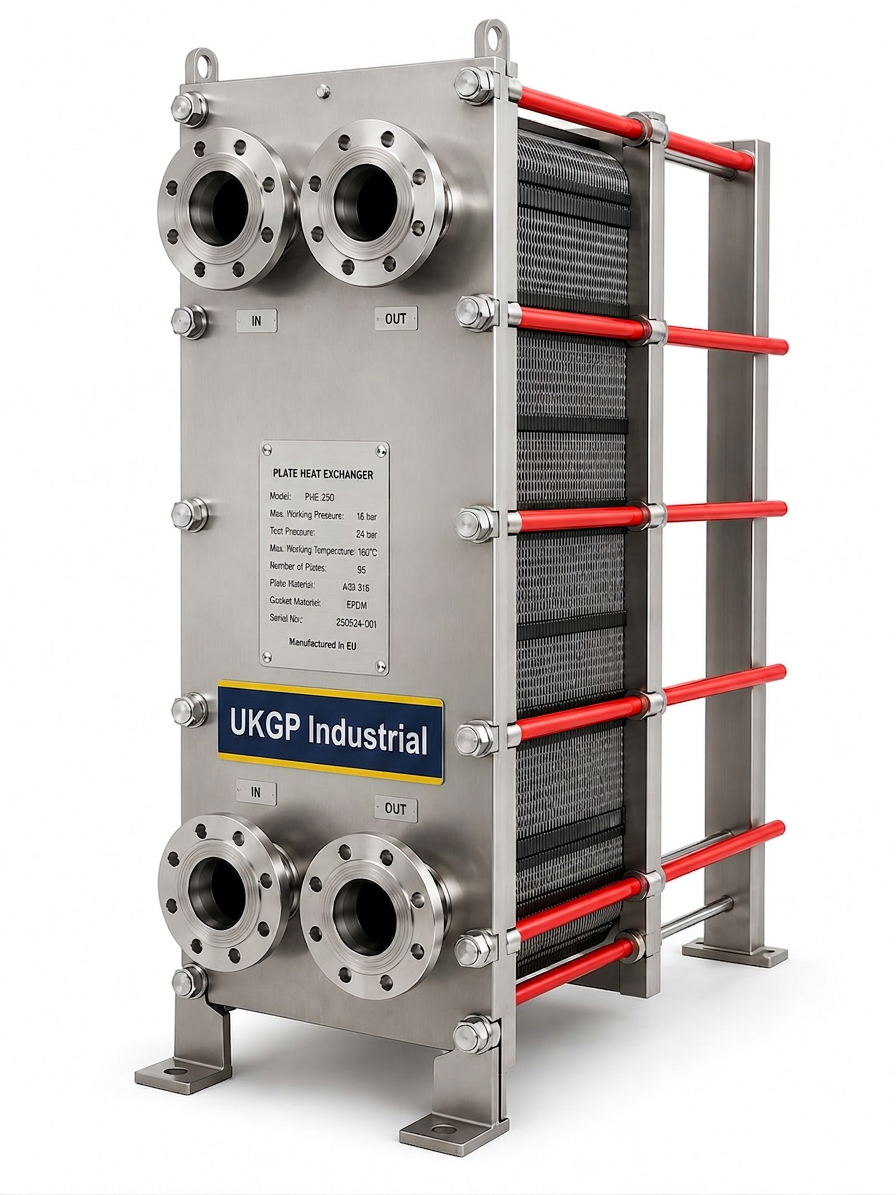
For many UK commercial applications, separating the primary boiler circuit from the secondary domestic hot water (DHW) circuit using a plate heat exchanger (PHE) is a strategic move for scale management. If a direct-fired water heater is subject to scale, the entire pressure vessel is at risk. However, with a PHE, the scaling is confined to a much smaller, more accessible component that can be easily dismantled and cleaned. Gasketed plate heat exchangers are particularly advantageous because the plates can be removed individually for mechanical cleaning or chemical dipping, which is far more effective than trying to descale the internal coils of a traditional calorifier.
UKGP Industrial provides a range of high-performance plate heat exchangers that are ideally suited for DHW separation. By using a PHE, you can treat the primary water with high-quality corrosion inhibitors while only having to manage the scale risk on the secondary side. This layout simplifies the commercial water heater descaling process significantly, as the heater itself (the boiler) remains in a clean, closed loop. When the heat transfer rate on the secondary side starts to drop, the PHE can be serviced quickly, often with minimal downtime for the building’s occupants compared to a full vessel descale.
When specifying a PHE for a project where scale is a known issue, it is vital to select materials that can withstand more frequent cleaning cycles. Using high-grade stainless steel plates ensures that even after multiple descaling procedures, the heat transfer efficiency remains top-tier. At UKGP, we advocate for a combined approach: using a PHE for separation and a side stream filter to keep both loops clean. This belt-and-braces approach is the gold standard for UK building services, providing maximum uptime and ensuring that the dreaded 'cold shower' complaints from tenants are a thing of the past.
- Isolation of primary heating plant from scaling domestic water
- Easier access for mechanical cleaning compared to storage tanks
- Reduced volume of chemical required for maintenance cycles
- Enhanced control over water chemistry in the primary circuit
Estimating the price and ROI of professional descaling
Pricing for commercial water heater descaling in the UK market is influenced by several factors, including the capacity of the unit, the thickness of the scale, and site accessibility. For a standard 300-litre gas-fired water heater, a professional contractor will usually charge between £500 and £900 for a one-off service. This typically covers the labor, chemicals, and disposal of waste fluids in accordance with local environmental regulations. Larger multi-unit systems in hotels or hospitals can see costs scale up to several thousand pounds, making it a significant line item in the annual facilities management budget.
The Return on Investment (ROI) for descaling is found in the hidden costs of carbon. With UK gas prices remaining volatile, a 15% increase in fuel consumption due to scale can cost a large facility thousands of pounds extra per year. Furthermore, the cost of an emergency replacement for a failed water heater—which can exceed £15,000 for the unit alone, excluding installation—makes the occasional £700 maintenance spend look like excellent value. Proactive managers often bundle descaling with annual burner servicing to minimise call-out fees and ensure the entire hot water plant is optimised for the winter peak demand.
For those looking to eliminate these recurring costs, the business case for a UKGP side stream filtration skid is compelling. While the initial investment starts at £6,800+VAT, the removal of the need for biennial descaling, combined with the 2-year warranty and reduced energy bills, typically results in a payback period of under three years. When you factor in the extended life of the plant—potentially moving from a 10-year replacement cycle to 15 or 20 years—the commercial logic for high-quality filtration and separation hardware becomes undeniable for any procurement lead or long-term asset holder.
- Standard service costs: £400 - £1,200 per unit depending on size
- Energy savings: Up to 15% reduction in gas consumption
- Asset life extension: Prevents premature vessel or coil failure
- Avoidance of emergency shutdown and Legionella remediation costs
Best practices for plant room water quality compliance
Compliance with British standards and industry guidelines is the final piece of the puzzle. BSRIA BG50 (Water Treatment for Closed Heating and Cooling Systems) provide the framework for how UK engineers should monitor and maintain their systems. According to these guidelines, regular water sampling and testing (per BS 8552) are essential to detect the early markers of scale and corrosion. If samples show rising levels of total dissolved solids (TDS) or excessive hardness, it is a clear signal that the commercial water heater descaling schedule needs to be brought forward or that the current water treatment equipment is failing to perform.
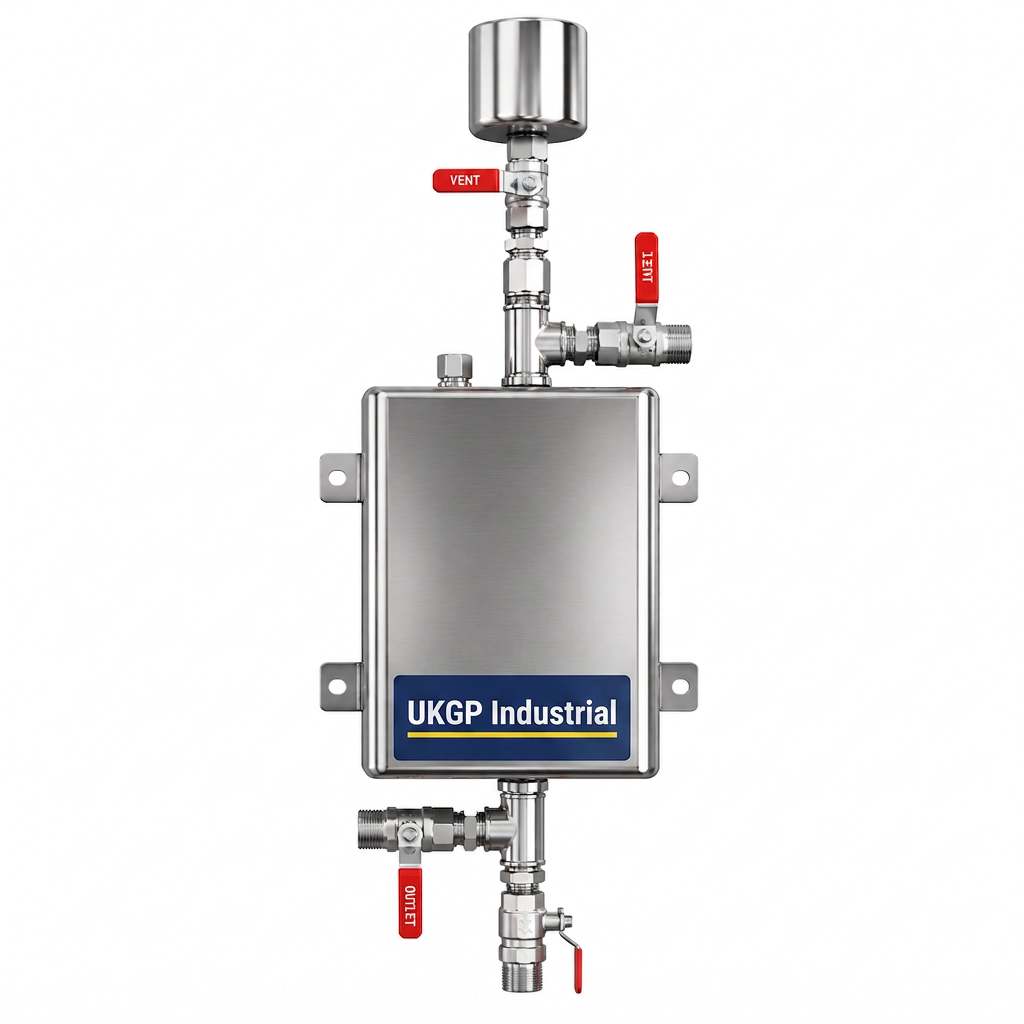
Another critical component in the plant room is the chemical dosing pot. Used for the manual introduction of corrosion inhibitors and scale conditioners, these pots allow FMs to maintain the chemical balance of the system easily. UKGP offers high-quality dosing pots that are essential for any system where side stream filtration is also present. By ensuring the correct concentration of scale inhibitor is maintained, you can keep calcium in suspension longer, allowing the side stream filter to catch it before it reaches the heat exchanger. This synergistic approach between chemical treatment and mechanical filtration is recommended by CIBSE for all high-value commercial installations.
Ultimately, the goal is to create a resilient system that requires the absolute minimum of manual intervention. By combining UKGP’s Surrey-made filtration skids with robust plate heat exchangers and regular water quality monitoring, UK plant rooms can achieve a level of reliability that far exceeds industry averages. Dealing with scale is an inevitable part of operating in the UK, but with the right hardware and a technical understanding of the descaling process, it doesn't have to be a source of stress or financial drain for your organisation.
- Adherence to BSRIA BG50 and BG29 requirements
- Quarterly water sampling and analysis per BS 8552
- Consistent dosing of inhibited chemicals via UKGP dosing pots
- Detailed record-keeping for Legionella and efficiency audits
Frequently asked questions
How often should commercial water heater descaling be performed?
- In hard water areas, an annual inspection is recommended, with a full chemical descale typically required every 2-3 years. However, systems with UKGP side stream filtration can often extend this interval to 5+ years.
What are the signs that my water heater needs descaling?
- Key indicators include a noticeable drop in hot water temperature, increased fuel bills, 'kettling' noises from the heat exchanger, and reduced flow rates at outlets.
Is commercial water heater descaling safe for all units?
- The process is safe as long as the chemicals are correctly matched to the metallurgy of the unit. We always recommend inhibited acids that protect the base metal while dissolving the calcium.
How much does a side stream filtration skid cost?
- UKGP side stream filtration skids start at £6,800+VAT. They are made to order in our Surrey facility with a lead time of 6-8 weeks and come with a 2-year warranty.
Can I descale a commercial water heater myself?
- Due to the hazardous chemicals involved and the risk of Legionella during handling, descaling should only be carried out by qualified M&E contractors or water treatment specialists.