Breaking Down the Cost Of Power Flushing Radiators
The initial cost of power flushing radiators depends significantly on the circuit complexity and total system volume. In a commercial setting, contractors typically quote based on the number of heat emitters or the total litres of water within the system. For a large office block or hospital wing, the price includes the hire of high-convection pumps, specialised chemical cleaners, and the technician's time to isolate and treat individual branches. While a domestic flush might take a few hours, a commercial-tier flush can span several days, requiring precise sequencing to ensure no dead legs are left untreated. It is vital to ensure that the quoted price includes the disposal of chemically treated effluent in accordance with local water authority regulations, as this can add hidden overheads to your maintenance budget.
When calculating the cost of power flushing radiators, facility managers must also account for the inherent risks of high-pressure cleaning in aged systems. Older pipework and radiators may have developed pinholes that are currently sealed by rust; the pressure of a power flush can expose these weaknesses, leading to costly leaks and secondary remedial work. Therefore, a comprehensive quote should always include a pre-flush site survey to assess the structural integrity of the district heating or chilled water circuit. For many M&E contractors, the direct labour cost is often the largest variable, particularly when working in sensitive environments like schools or data centres where out-of-hours work is required to avoid operational disruption.
Furthermore, the cost of power flushing radiators is rarely a one-time investment if the underlying cause of corrosion is not addressed. Without a strategy for ongoing water quality management, magnetite and scale will begin to accumulate again immediately after the flush is completed. This leads to a cyclical expenditure pattern that can harm the overall lifecycle cost of the building's infrastructure. By comparing the one-off expense of a flush against the price of permanent filtration hardware, procurement leads can make a more informed decision on how to best protect their high-value assets such as plate heat exchangers and commercial boilers. A strategic shift toward continuous water treatment often proves more cost-effective over a five-year horizon.
- Labour rates for M&E technicians and site supervisors
- Cost of BSRIA-compliant chemical cleaning agents
- Equipment hire for high-flow commercial flushing pumps
- Disposal fees for contaminated system water and sludge
- Contingency for potential pipework repairs following the flush
BSRIA BG29 and BG50 Compliance Requirements
Compliance with BSRIA BG29 for pre-commission cleaning and BG50 for water treatment in closed heating systems is non-negotiable for modern UK commercial buildings. These standards dictate that simply calculating the cost of power flushing radiators is insufficient; the process must be validated through rigorous laboratory testing. BG50 specifically emphasizes the shift away from reactive flushing towards proactive monitoring and filtration. If a system is found to have high levels of suspended solids, a power flush may be mandated by insurance or warranty providers, but the method must be documented precisely to maintain the validity of the technical file. This documentation adds a layer of administrative cost to any professional flushing service.
The guidelines suggest that system cleanliness should be maintained through a combination of chemical inhibitors and mechanical filtration. When evaluating the cost of power flushing radiators, consultants should consider whether the system's design supports efficient cleaning. If a plant room lacks sufficient isolation valves or bypass loops, the time and cost required to perform a flush increase exponentially. BSRIA-aligned practices ensure that after a flush, the system is immediately dosed with the correct volume of inhibitor to prevent 'flash rusting'. Failure to do so renders the expense of the power flush wasted, as oxygenated fresh water will react with metal surfaces to create new corrosion within weeks.
In many instances, the primary keyword 'cost of power flushing radiators' becomes a secondary concern compared to the risk of non-compliance. Leading commercial boiler manufacturers often require proof of system flushing and water quality testing before they will honour a warranty claim. If a heat exchanger fails due to debris, and no evidence of a BSRIA-standard flush or filtration exists, the facility owner faces the full cost of replacement. Therefore, the financial justification for a power flush should always be viewed through the lens of risk mitigation and warranty protection, ensuring that the building remains operational and the HVAC equipment stays within its designed efficiency parameters.
- Pre-commission cleaning standards under BSRIA BG29
- Maintenance and water quality monitoring as per BG50
- Requirement for independent laboratory water analysis
- Correlation between system cleanliness and boiler warranty validity
- Documentation and bypass loop requirements for efficient flushing
Side Stream Filtration: Reducing the Need for Flushing
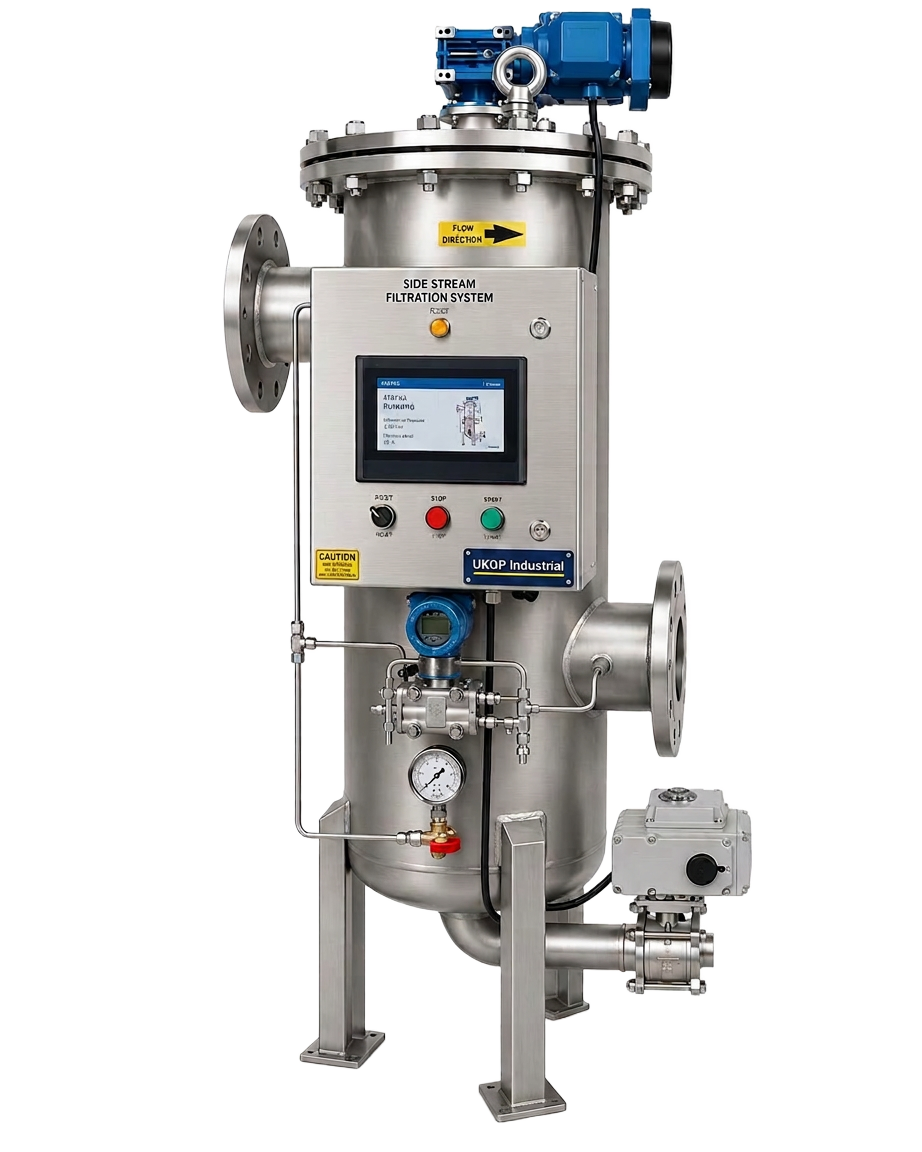
One of the most effective ways to lower the long-term cost of power flushing radiators is to install a side stream filtration unit. Rather than waiting for sludge to build up and require a high-pressure flush, side stream filtration continuously removes magnetite and debris from the circulating water. UKGP side stream filtration skids are designed specifically for this task, offering a flow rate of 5 to 50 m³/h. These units combine powerful magnetic separation with 25 µm bag or cartridge filters to capture even the smallest particles. By maintaining water clarity from day one, building managers can extend the intervals between major flushes or even eliminate the need for them entirely, significantly reducing planned maintenance costs.
Investing in a UKGP side stream filtration skid provides a turnkey solution for BSRIA BG29/BG50 alignment. Each skid is mounted for ease of installation and features isolation valves for simple maintenance. Our units come with a 2-year warranty, providing peace of mind for procurement leads and M&E contractors. When you consider the cumulative cost of power flushing radiators every few years, the one-time purchase of a filtration skid becomes an attractive proposition. It protects sensitive components like pH sensors and transmitters from fouling, ensuring that your chemical dosing remains accurate and effective. This proactive approach is the hallmark of modern, high-efficiency building management.
The ROI of a filtration skid is calculated not just in saved labour but in energy efficiency. Clean water transfers heat more effectively, meaning pumps and boilers work less to achieve the same internal temperature. As the cost of power flushing radiators continues to rise with labour and chemical prices, the move toward permanent, skid-mounted filtration is becoming the standard for UK plant rooms. To ensure your system remains within BSRIA parameters and to avoid the disruptive expense of reactive cleaning, we recommend requesting a quote for a UKGP side stream filtration skid. Our technical team can help you size the unit correctly for your system volume, ensuring maximum protection for your HVAC infrastructure.
- Continuous removal of magnetite and non-magnetic sludge
- Integrated isolation valves for cartridge changes without downtime
- Compact, skid-mounted design for rapid plant-room integration
- Supports compliance with BSRIA BG29 and BG50 standards
- Available in various capacities from 5 to 50 m³/h to suit any building
Technical Comparison: Flush vs. Filter
A technical comparison reveals that while the immediate cost of power flushing radiators may seem lower than a capital equipment purchase, the hidden variables tell a different story. Power flushing is a batch process; it removes what is there but does nothing for future contaminants. In contrast, side stream filtration is a continuous process. For a system with several hundred radiators, the logistics of a flush—isolating floors, managing drainage, and balancing the system again—can lead to significant downtime. A filtration skid, however, operates while the system is live, removing particles as they are generated by the ongoing chemical and physical interactions within the pipework.
Materials of construction also play a role in the effectiveness of these methods. Power flushing is highly effective for iron-based magnetite but can struggle with heavier scale or biological biofilm unless very aggressive chemicals are used. These chemicals must then be meticulously neutralised and flushed out, adding to the cost of power flushing radiators. A side stream filter, particularly one utilizing a 25 µm bag, provides a physical barrier that removes a wider range of particulate matter. This includes debris that may have entered the system during installation or repair work. This continuous cleaning action reduces the wear on pump seals and avoids the blockage of small-bore control valves.
Strategic asset management suggests that the cost of power flushing radiators should be reserved for 'salvage' scenarios where a system has been severely neglected. For any new build or refurbished plant room, the focus should be on prevention. By integrating a filtration solution, the chemical balance of the water remains more stable, as there is less suspended matter to react with the inhibitors. This stability leads to longer life for components such as expansion bellows and low loss headers, which are often the first to suffer from sediment accumulation. Ultimately, the choice between flushing and filtering is a choice between reactive crisis management and proactive system health.
- Batch cleaning (Flush) vs. Continuous cleaning (Filter)
- Downtime requirements for system-wide power flushing
- Impact on pump seals and control valve sensitivity
- Chemical consumption and waste water management costs
- Long-term stability of water chemistry and inhibitor levels
Estimating Your Maintenance Budget
To accurately estimate your maintenance budget, you must factor in the frequency of cleaning. If your records show that the cost of power flushing radiators is occurring every 3 to 5 years, your system has an underlying corrosion or ingress issue. In such cases, the cost of power flushing radiators is merely a symptom of a larger mechanical failure. We advise conductng a BS 8552 water analysis to determine the exact nature of the contaminants. This data allows for a more targeted approach, whether that involves a specific chemical sweep or the adjustment of your filtration micron rating. Budgeting for quality water treatment early prevents the high-cost emergency repairs often associated with sludge-clogged boilers.
M&E contractors should provide a detailed breakdown of the cost of power flushing radiators, including the expected volume of water to be used and the types of chemicals applied. Transparency here is key to avoiding 'scope creep'. Procurement leads should also ask about the disposal method for the flush water. Since the introduction of tighter environmental regulations, the cost of disposing of thousands of litres of chemical-laden water has risen. Some sites may require on-site pre-treatment before discharge into the sewer, which can double the anticipated cost of power flushing radiators if not accounted for in the initial tender process.
Finally, always weigh the cost of power flushing radiators against the potential energy savings. A system choked with 1mm of scale can see a 10% drop in heat transfer efficiency. In a large commercial facility, this translates to thousands of pounds in wasted gas or electricity every year. Therefore, while the cost of power flushing radiators may seem high, the cost of doing nothing is almost certainly higher. The most fiscally responsible path is usually to perform a restorative flush to baseline the system, followed immediately by the installation of a UKGP side stream filtration skid to maintain that baseline indefinitely.
- Frequency analysis of previous system failures and flushes
- Integration of water analysis costs (BS 8552) into the budget
- Environmental disposal costs for chemical effluent
- Energy efficiency losses associated with system fouling
- CAPEX justification for permanent filtration assets
Best Practices for HVAC System Longevity
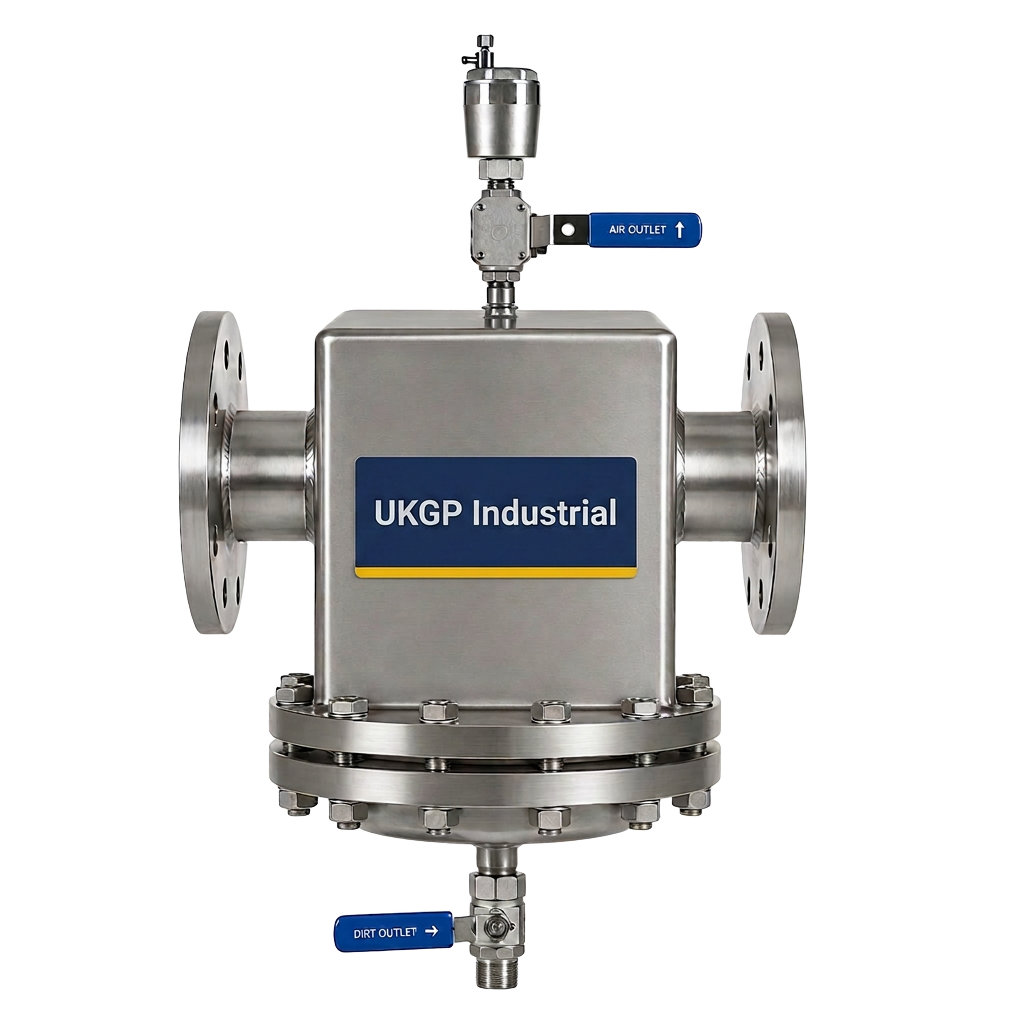
Ensuring the longevity of an HVAC system requires a holistic approach that goes beyond the occasional cost of power flushing radiators. It begins with professional design, ensuring that air & dirt separators are placed in the correct high-temperature/low-velocity areas to facilitate the removal of microbubbles and heavy particles. When these primary separators are combined with side stream filtration, the volume of sludge reaching the radiators is drastically reduced. This multi-stage debris management strategy is the most effective way to protect the building owner's investment and comply with the spirit of the BSRIA BG50 guidelines.
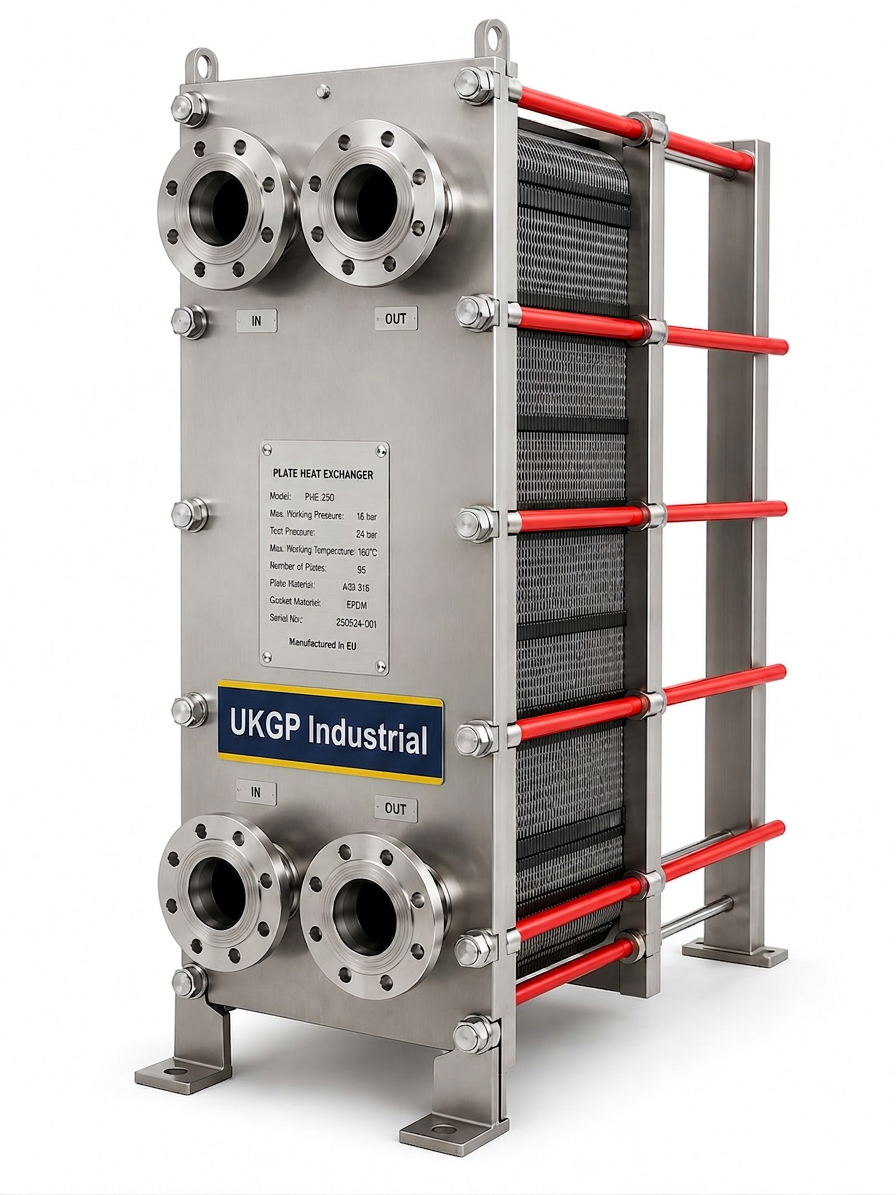
Regular servicing of the side stream filtration unit is also essential. Fortunately, the cost of replacing a 25 µm bag or cartridge is a fraction of the cost of power flushing radiators. Maintenance teams should monitor the pressure differential across the filter; a significant drop indicates that the filter is doing its job and requires a change. This task can be completed in minutes thanks to the skid-mounted isolation valves. By keeping the filtration system running at peak performance, you ensure that the water remains 'polished', preventing the abrasive wear that can damage plate heat exchangers and delicate pH sensors within the system.
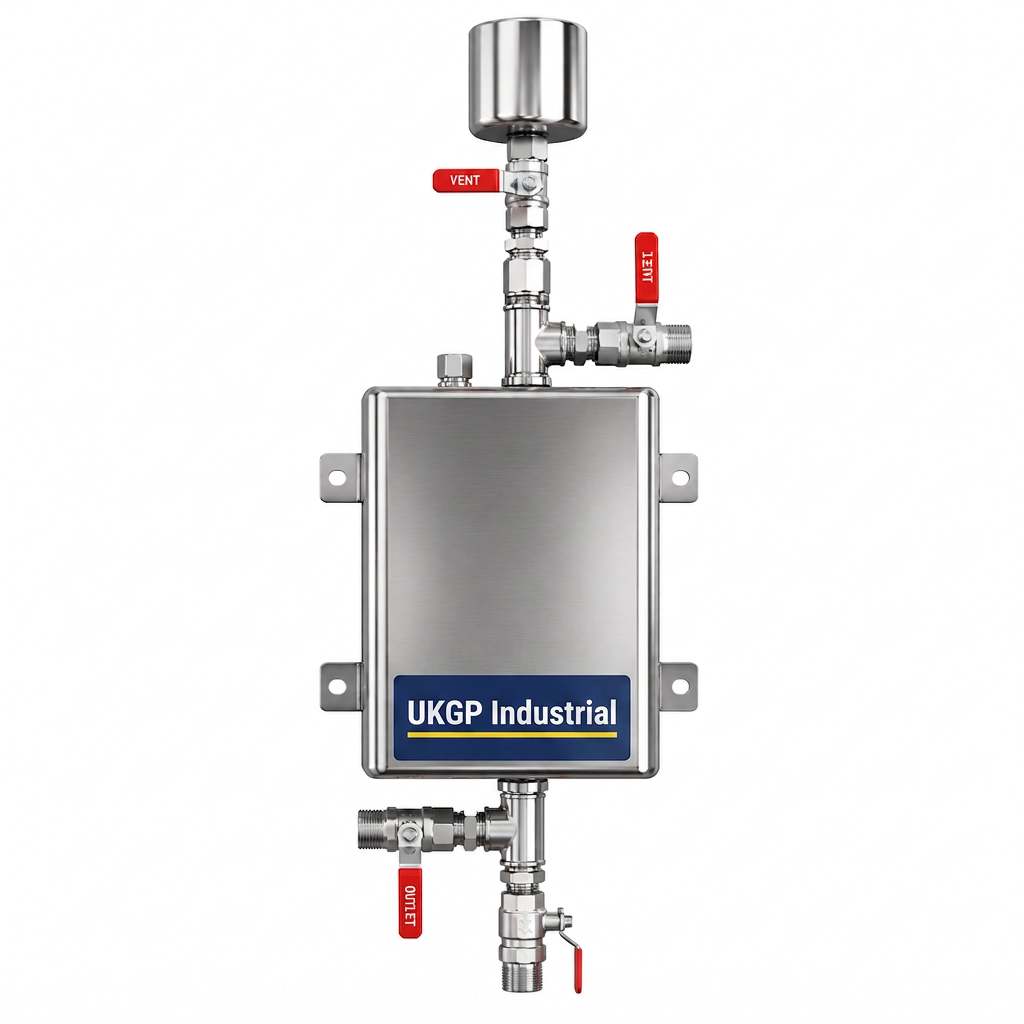
In conclusion, while the cost of power flushing radiators is a necessary consideration for many existing systems, it should be viewed as part of a wider water quality strategy. By investing in the right hardware—such as UKGP's range of filtration skids, dosing pots, and expansion bellows—you can build a resilient HVAC system that meets all UK standards and delivers reliable comfort for building occupants. For expert advice on selecting the right filtration skid to protect your plant room and reduce your long-term maintenance spend, contact UKGP for a technical consultation and quote today.
- Correct placement of air and dirt separators for maximum debris capture
- Routine filter media replacement as a low-cost maintenance task
- Monitoring pressure differentials for system health indicators
- Protecting heat exchangers and sensors from abrasive particulate
- Standardising on UKGP hardware for consistent plant room quality
Frequently asked questions
How often should I pay the cost of power flushing radiators in a commercial building?
- Ideally, you should only pay the cost of power flushing radiators once as a restorative measure. Following a flush, you should install a side stream filtration unit and maintain correct chemical inhibition levels to prevent the need for future flushes, as per BSRIA BG50 guidelines.
Does a side stream filter replace the need for a power flush?
- For a heavily fouled system, a power flush is often necessary to remove existing blockages. However, once the system is clean, a side stream filter (5-50 m³/h) is designed to maintain that cleanliness, preventing you from having to repeat the cost of power flushing radiators later.
What is the typical timeframe for a commercial power flush?
- Depending on the number of zones and radiators, a commercial flush can take anywhere from 2 to 5 days. This labour intensiveness is a major factor in the total cost of power flushing radiators compared to the quick installation of a pre-built filtration skid.
Are UKGP side stream filtration skids compliant with BSRIA standards?
- Yes, our skids are designed to align with BSRIA BG29 and BG50 requirements, utilizing magnetic separation and 25 µm filtration to achieve the water clarity levels necessitated by modern UK HVAC specifications.
What happens if I ignore the sludge and skip the power flush?
- Ignoring sludge leads to cold spots in radiators, increased energy bills, and eventual pump or boiler failure. You will likely face a much higher bill for emergency equipment replacement than the initial cost of power flushing radiators or installing a filtration skid.