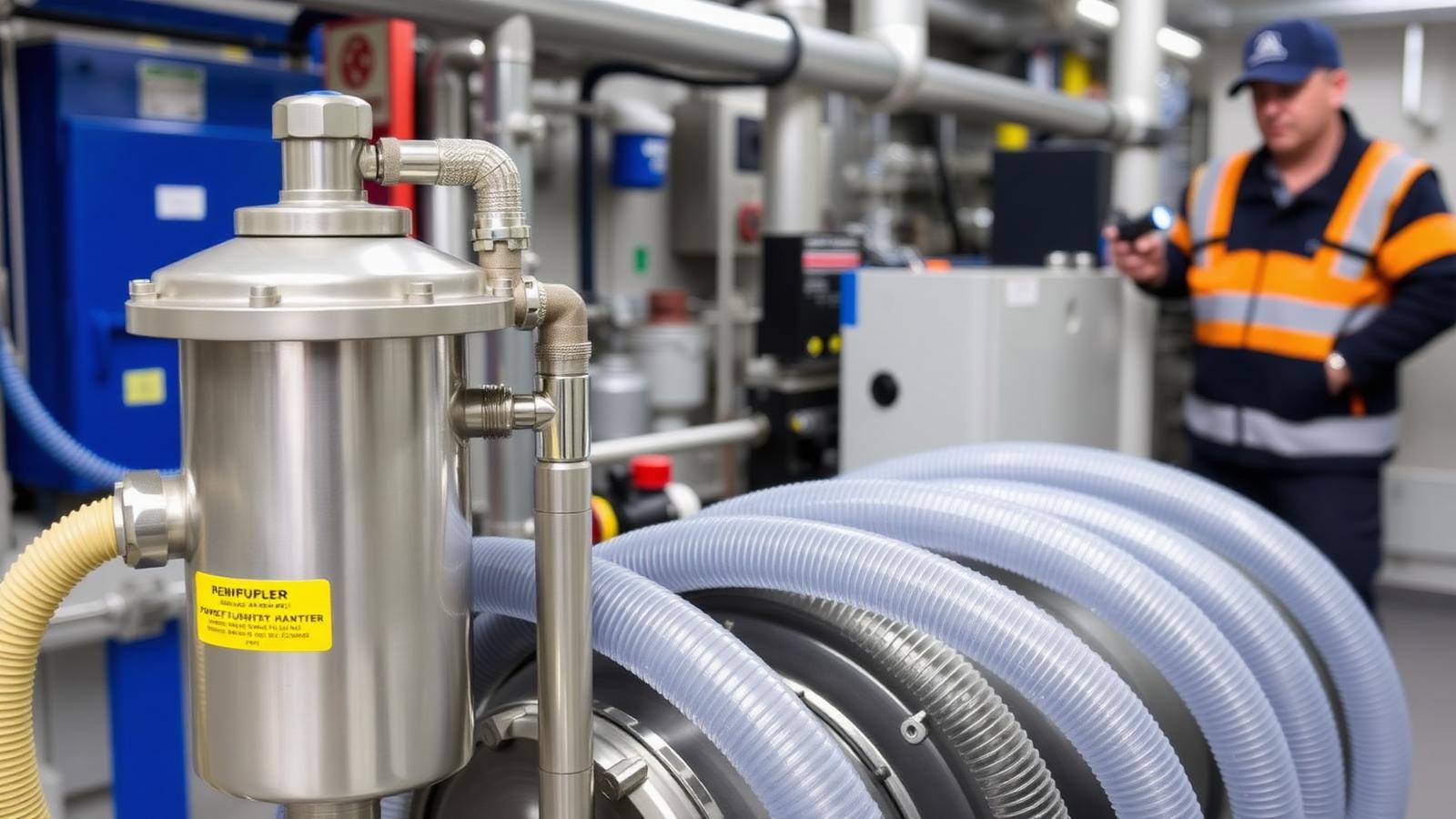
Defining the Scope of a Professional Flush
A commercial power flushing service differs significantly from domestic equivalents due to the sheer volume of water, complexity of the vascular network, and the critical nature of the connected plant such as plate heat exchangers. The primary objective is to restore the system to its design efficiency by circulating high-velocity water through the pipework in conjunction with specialized chemicals. This process mobilises settled solids and magnetite, which are then physically removed from the loop. For UK building services consultants, this isn't just a maintenance task; it is a critical intervention identified within BSRIA BG50 for closed-loop water systems where water quality has degraded beyond acceptable limits.
The process typically begins with a comprehensive site survey and water analysis to CIBSE and BS 8552 standards. This ensures that the chemical intervention is tailored to the specific metallurgy of the system and the level of contamination present. During the flush, high-flow pumps are connected to the system, bypassing sensitive equipment where necessary to prevent internal damage. Unlike simple flushing, power flushing uses specific flow rates and turbulence to ensure that the shear force of the water detaches stubborn debris from the internal pipe walls. This is particularly vital in aged commercial circuits where traditional drain-downs fail to move heavy sludge deposits located in low-flow areas or dead legs.
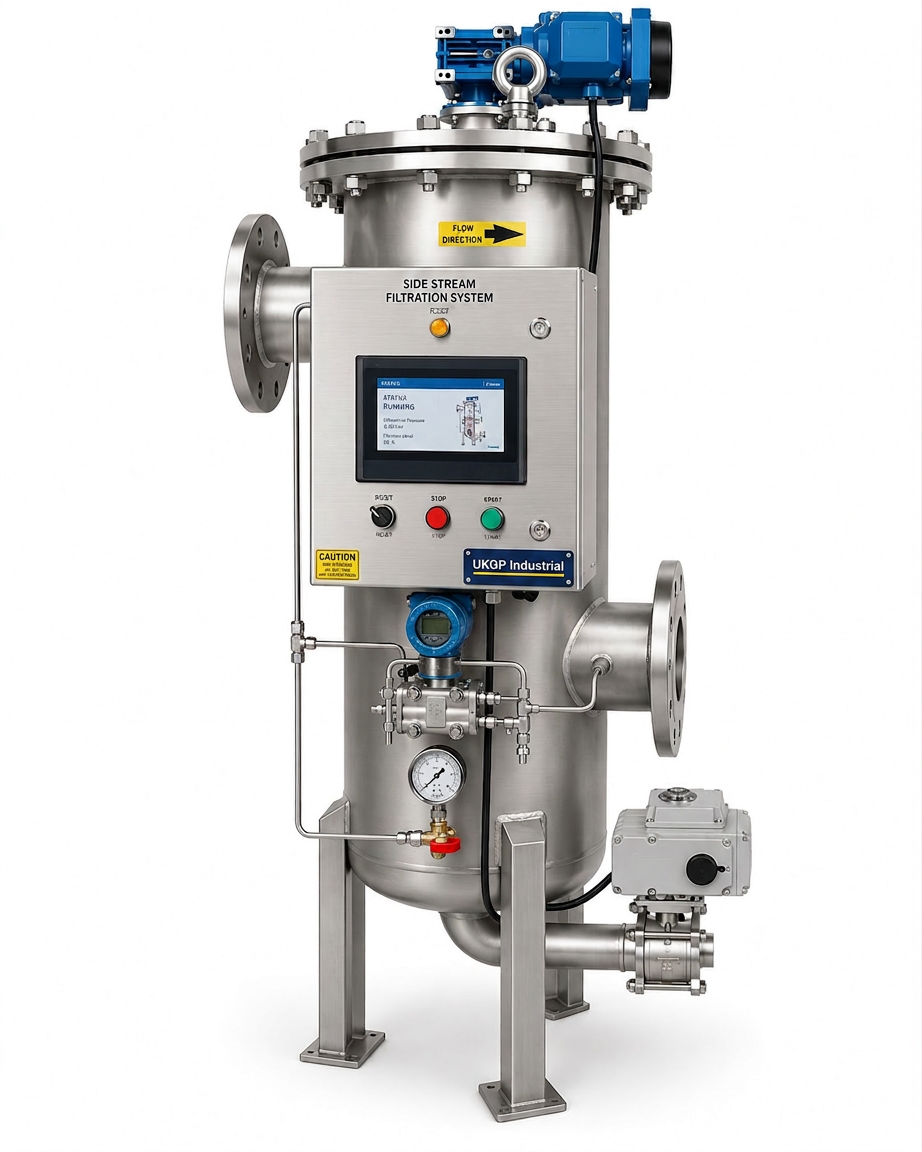
Expect the service provider to provide a detailed method statement and risk assessment prior to starting works. Because commercial systems often serve critical environments like data centres or office blocks, the service is often phased to allow for minimal disruption to the building occupants. The end goal is a system that is chemically clean, passivated, and ready for the reintroduction of corrosion and scale inhibitors. For systems that suffer from chronic debris issues, engineers often recommend the permanent installation of a UKGP side stream filtration skid to maintain these results long-term. This proactive approach ensures that the significant investment in a power flush is not undone by new corrosion products within the following months.
- Initial system analysis following BS 8552 water quality protocols.
- Isolation of sensitive plant items such as PHEs and sensitive valves.
- High-velocity circulation to mobilise magnetite and suspended solids.
- Full system passivation to prevent post-flush flash rusting.
- Comprehensive final report with turbidity and iron level readings.
Technical Compliance with BSRIA BG29 and BG50
Adhering to BSRIA guidelines is the benchmark for any reputable commercial power flushing service operating in the UK. BG29 (Pre-commission Cleaning of Pipework Systems) is the definitive guide for new installations, ensuring that construction debris and flux residues are removed before the building is handed over. However, for existing buildings, BG50 (Water Treatment for Closed Heating and Cooling Systems) provides the necessary framework for maintaining system health through its life cycle. A professional service will map its procedures against these documents to ensure that the water chemistry and physical cleanliness meet the stringent requirements of modern high-efficiency boilers and chillers, which have much narrower waterways than legacy cast-iron equipment.
The presence of magnetite is the primary cause of modern circuit failure. When a system is not properly maintained, the buildup of black iron oxide leads to increased pump wear, blocked control valves, and significantly reduced heat transfer across plate heat exchangers. During a professional flush, the service team will monitor the water quality at various points, checking for pH, conductivity, and dissolved iron levels. This data-driven approach ensures that the flush is only concluded when the system reaching the target parameters defined in the initial scope. This technical rigour is what separates a professional industrial service from a basic domestic flush, providing FMs with the assurance that their infrastructure is protected.
One of the most critical aspects of BSRIA compliance is the post-flush treatment. Once the debris is removed, the system is highly vulnerable to oxygen-induced corrosion. A commercial power flushing service must include the immediate dosing of high-quality inhibitors and, in some cases, biocides to control microbiological activity. Failure to do this correctly can lead to 'clean system' corrosion, where the newly exposed metal surfaces oxygenate rapidly. At UKGP, we recommend that clients look for comprehensive packages that include two-year warranties on auxiliary equipment like our side stream filtration units, which are often installed alongside a flush to ensure the system remains at BG50 status indefinitely.
- Compliance with BG29 for new build commercial installations.
- Lifecycle maintenance protocols driven by BSRIA BG50 standards.
- Verification of chemical parameters including iron, copper, and molybdenum content.
- Detailed logging of water volumes and chemical concentration levels.
- Adherence to the latest CIBSE CP1 heat network codes of practice.
Protecting Assets with Side Stream Filtration
While a commercial power flushing service is an excellent remedial tool, it only captures a snapshot in time. In large commercial systems, corrosion is a continuous process. To bridge the gap between periodic flushes, the installation of a dedicated filtration system is essential. UKGP provides high-performance side stream filtration skids that are designed to handle the rigours of commercial plant rooms. These units or skids continuously filter a portion of the circulating water, typically between 5% and 15% of the total flow, removing particles down to sub-micron levels. This prevents the re-accumulation of the very debris that the power flushing service was commissioned to remove, effectively extending the intervals between major cleanings.
Our side stream filtration skids are made to order with a typical lead time of 6 to 8 weeks, ensuring they are perfectly sized for your specific flow requirements, from DN50 up to DN100 connections. Starting from £6,800 + VAT, these units represent a significant cost-saving measure compared to the recurring expense and operational downtime associated with repeated full-system power flushes. Each unit comes with a 2-year warranty, reflecting our confidence in UK manufacturing and engineering quality. For M&E contractors and procurement leads, specifying a UKGP skid at the time of a system flush is the most commercially aware decision to protect the integrity of the heat exchangers and boilers.
Beyond just debris removal, our skids can be equipped with magnetic inserts to specifically target magnetite, the most damaging component in an HVAC system. When integrated into a wider maintenance strategy, this equipment ensures that the water quality remains within the limits set by BS 8552. If you are currently planning a commercial power flushing service for a Surrey-based or UK-wide facility, now is the time to request a quote for a filtration skid. Integrating the installation during the flushing period reduces labour costs and ensures that the newly cleaned system stays in peak condition from day one through the entire heating or cooling season.
- Continuous removal of magnetite and suspended solids to sub-micron levels.
- Sized for commercial applications with DN50 to DN100 connection options.
- Costs starting from £6,800 + VAT with a 2-year warranty for peace of mind.
- Reduces long-term maintenance costs and prevents plant-room downtime.
- Made to order in the UK with a reliable 6-8 week delivery window.
Identifying When a Service is Required
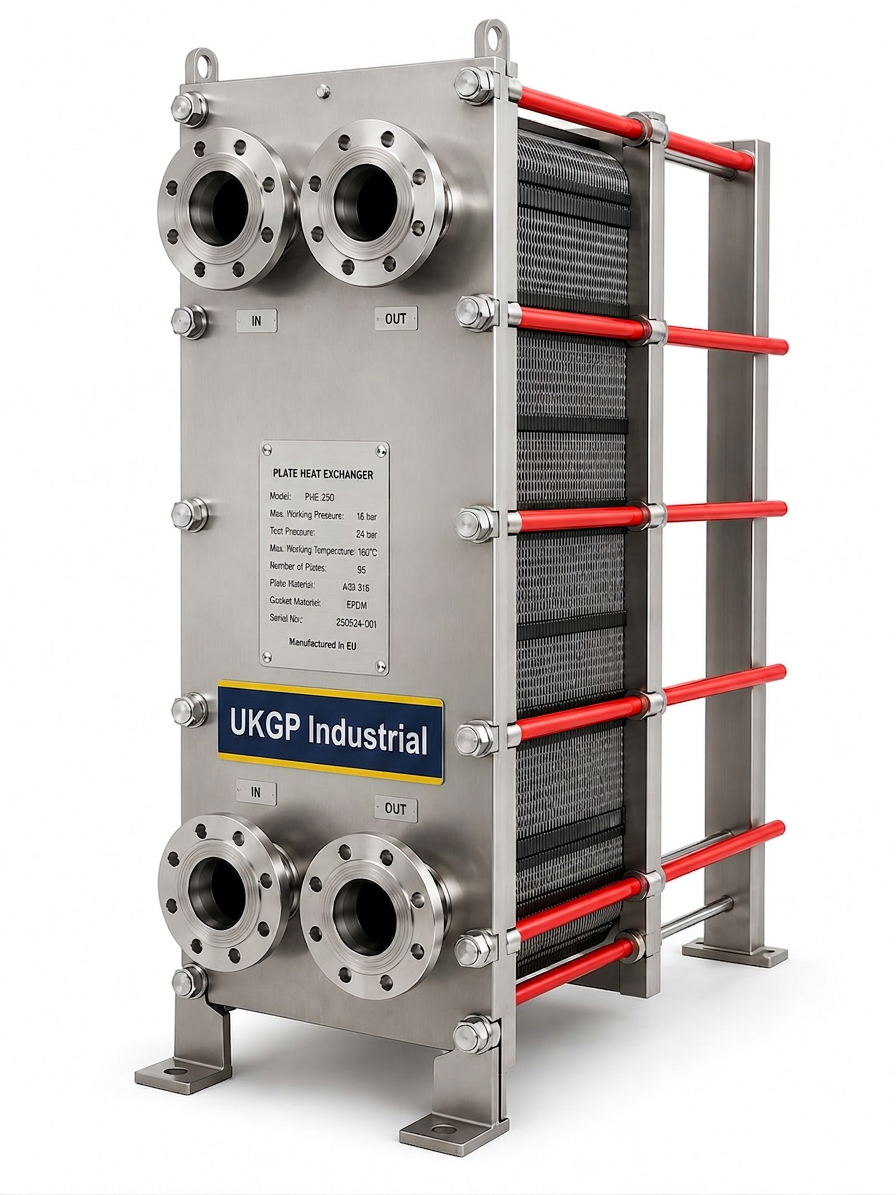
Failing to recognise the signs of system degradation can lead to catastrophic plant failure. Facility managers should consider a commercial power flushing service if they notice uneven heat distribution across the building, frequently failing pumps, or if the water appearing in sample pots is discoloured (usually black or dark brown). A professional diagnostic will often involve ultrasonic flow testing to identify restricted pipework or thermal imaging of radiators and heat emitters. If the secondary side of a plate heat exchanger is frequently fouling, it is a clear indicator that the primary loop is carrying excessive debris and requires a chemical clean to restore capacity.
Commercial plant rooms are under constant pressure to deliver high efficiency. Even a 1mm layer of magnetite on a heat exchanger surface can reduce its thermal efficiency by up to 10%, leading to massive increases in gas or electricity consumption. For procurement leads, the ROI of a commercial power flushing service is often realised within the first year through energy savings alone. It is far more cost-effective to perform a planned flush than it is to deal with an emergency boiler failure in the middle of winter. Monitoring the pressure drop across filters and air & dirt separators can provide early warnings that the system water quality is deteriorating.
Regular sampling in accordance with BS 8552 provides the evidence needed to justify the expenditure on a flush. If the iron levels in your system exceed 5mg/l, or if there is evidence of high levels of bacteria such as SRB (Sulphate Reducing Bacteria), a flush is likely overdue. These biological and chemical contaminants work together to create an aggressive environment that can lead to pinhole leaks in expansion bellows and pipework. By engaging a technical specialist for a commercial power flushing service, you are moving from a reactive 'break-fix' mindset to a proactive asset management strategy that aligns with modern ESG and carbon reduction goals.
- Visual evidence of 'black water' or sludge in dosing pots and sample points.
- Significant temperature differentials across plate heat exchangers (PHEs).
- Increased frequency of pump seal failures and control valve sticking.
- Hard evidence from laboratory water analysis showing high iron or copper content.
- Unexplained spikes in energy consumption for the building's HVAC plant.
The Role of Dosing Pots and Separators
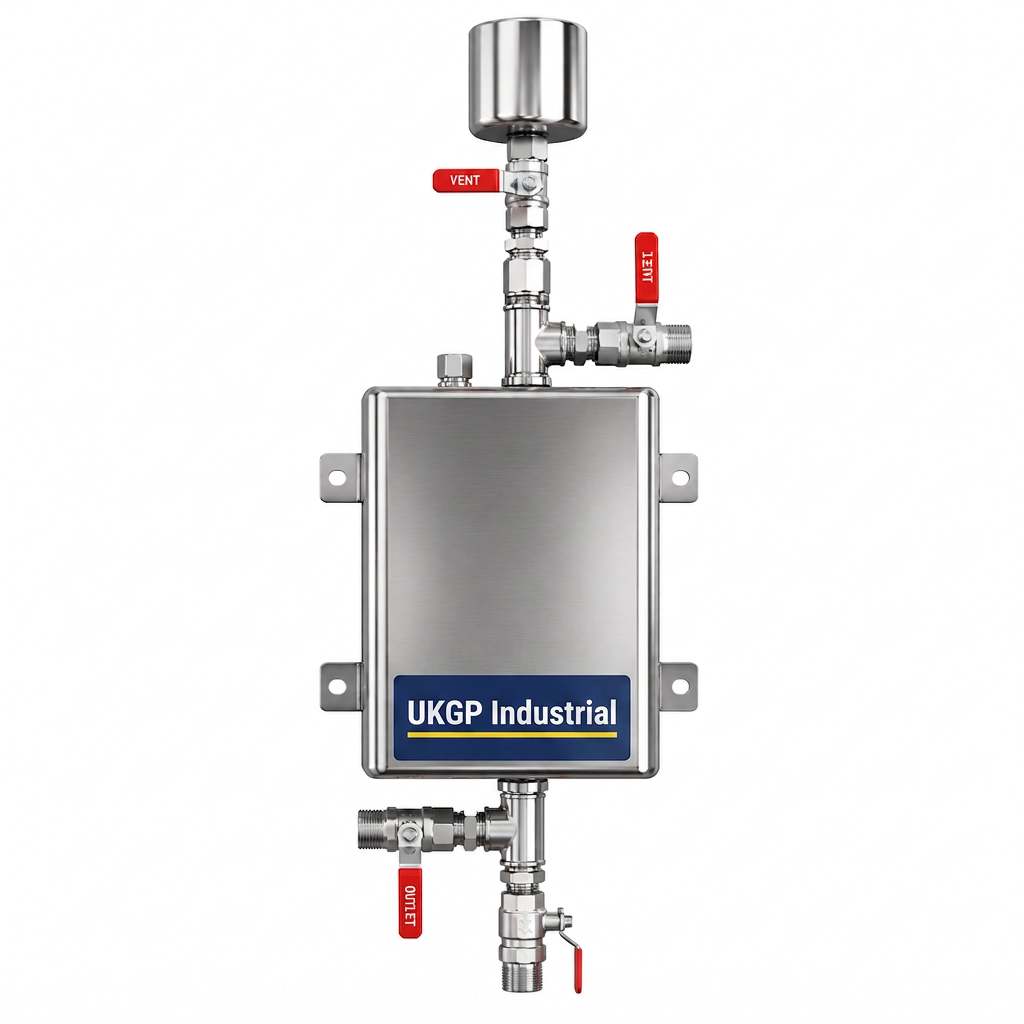
A successful commercial power flushing service is often the catalyst for upgrading the wider system infrastructure. During the flush, chemical dosing pots are used to introduce the necessary cleaners and inhibitors. If your existing dosing pot is corroded or incorrectly sized, it can hamper the ability of the maintenance team to maintain correct chemical levels post-flush. High-quality dosing pots are essential for the ongoing health of the system, allowing for the safe and easy introduction of water treatment chemicals without the need to shut down the system. They are a staple of any plant room built to BSRIA standards and are essential for maintaining the correct ppm of inhibitor.
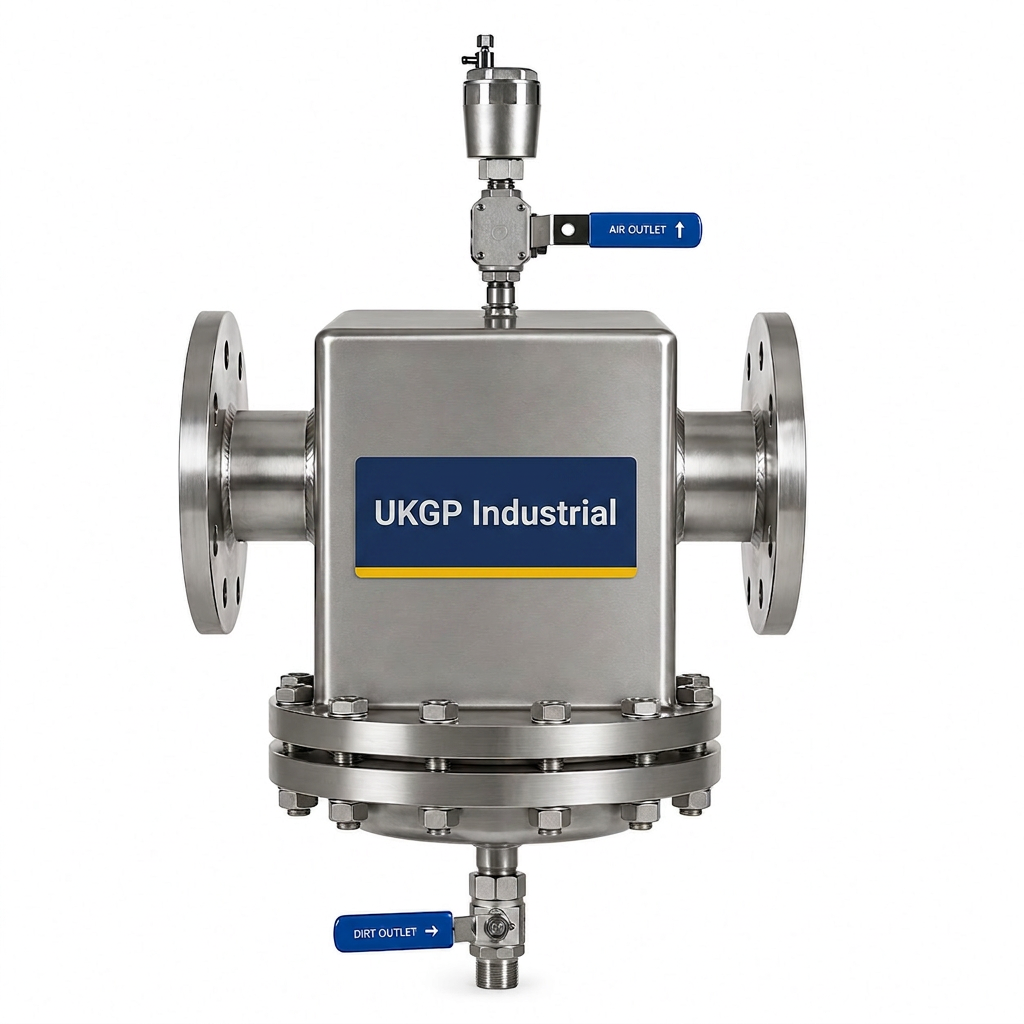
Similarly, air and dirt separators play a crucial role in the post-flush environment. While the power flush removes the bulk of the debris, these separators catch the micro-bubbles and fine particles that are liberated during normal operation. If a system lack these components, the benefits of the commercial power flushing service will be short-lived. Air in a system is one of the primary drivers of corrosion; by removing it, you drastically reduce the rate at which magnetite can re-form. Investing in high-efficiency separation technology at the same time as a flush is a commercially sound decision that protects the total cost of ownership of the HVAC system.
At UKGP, we supply a range of stainless steel and carbon steel dosing pots and separators designed specifically for the UK commercial market. These units can be specified alongside our filtration skids to provide a comprehensive water quality solution. When a contractor is performing a flush, they have an ideal opportunity to install these components as part of the system remediation. Ensure that your service provider assesses the condition of these 'silent' components during their initial survey. A holistic approach that combines chemical cleaning with superior hardware is the only way to guarantee the long-term efficiency of large-scale heating and cooling circuits.
- Using dosing pots for precise chemical introduction post-flush.
- Role of air & dirt separators in preventing ongoing oxidative corrosion.
- Importance of removing micro-bubbles to maintain thermal conductivity.
- Integration of magnetic separation to target finer iron oxide particles.
- Upgrading hardware during the flush to minimise future system downtime.
Final Reporting and Long-Term Maintenance
The conclusion of a commercial power flushing service should always be marked by the delivery of a comprehensive technical report. This document is vital for compliance audits and insurance purposes. It should detail the pre-flush state of the system, the specific chemicals used, the volumes of water flushed, and the final laboratory results of the system water. This report proves that the system water now meets the guidelines set by BSRIA BG50 and BS 8552, providing a clean bill of health. For building managers, this report is a key piece of documentation that should be kept in the health and safety file for the building's mechanical services.
Following the flush, the maintenance regime must change to prevent a recurrence of the issues. This involves monthly or quarterly water sampling to monitor inhibitor levels and the physical condition of the water. If a UKGP side stream filtration skid has been installed, maintenance is simplified significantly. The operator simply needs to monitor the pressure gauges and clean the filter bag or magnetic rod as required—a process that takes minutes compared to hours of manual flushing. This continuous protection is why more UK consultants are specifying side stream filtration as a mandatory requirement for all closed-loop commercial systems over a certain volume.
To ensure your plant room is operating at peak performance, consider the long-term savings of a correctly executed flush and filtration strategy. While the initial cost of a commercial power flushing service and the purchase of a filtration skid (starting from £6,800 + VAT) may seem significant, the cost of systemic failure is far higher. Reduced energy bills, fewer emergency repairs, and extended plant life all contribute to a very positive return on investment. Contact the experts at UKGP today to discuss how our made-to-order filtration solutions can support your next commercial flush and provide your facility with the protection it deserves for years to come.
- Verification of final water quality via UKAS accredited laboratory analysis.
- Handover of a detailed O&M manual update documenting the flush process.
- Implementation of a logbook for tracking future inhibitor dosing.
- Establishment of a routine maintenance schedule for filtration equipment.
- Continuous monitoring of system performance to ensure ROI is achieved.
Frequently asked questions
How long does a commercial power flush take?
- The duration of a commercial power flushing service depends on the system volume and level of contamination. Typically, a medium-sized office block takes 3 to 5 days, whereas large industrial sites can take several weeks of phased cleaning.
Will power flushing cause leaks in my system?
- A professional service is conducted at controlled pressures. While it can reveal existing weaknesses like pinhole leaks that were previously blocked by sludge, it does not 'create' leaks in sound pipework. A survey is always conducted first to assess risk.
Is side stream filtration better than a power flush?
- They serve different purposes. A power flush is a one-time remedial action to clean a dirty system, while side stream filtration is a continuous preventative measure. A flush should ideally be followed by the installation of a UKGP filtration skid for the best results.
Do I need to shut down the whole building during the service?
- In most cases, a commercial power flushing service can be carried out while the building is occupied. We often use bypasses and phased work to ensure that heating or cooling is maintained in critical areas of the facility.
What is the typical cost of a commercial filtration skid?
- For industrial-grade systems from UKGP, prices start from £6,800 + VAT. These are made to order with a 6-8 week lead time, suitable for DN50 to DN100 connections, and include a full 2-year warranty for UK clients.