The Mechanics of a Commercial Power Flush vs Side Stream
In the UK's commercial HVAC sector, the debate regarding a commercial power flush vs side stream filtration often starts with the fundamental methodology of debris removal. A power flush is an intensive, high-velocity cleaning process typically performed during commissioning or as an emergency remedial action when a system is heavily fouled. It involves circulating water and chemicals at high pressure to dislodge magnetite and scale, which is then dumped to a drain. While effective at clearing a localized blockage, it is a point-in-time intervention that offers no ongoing protection against the inevitable return of corrosion. Furthermore, on older systems, the high pressures involved can occasionally risk stressing weakened joints or seals, leading to unforeseen leaks in the building's infrastructure.
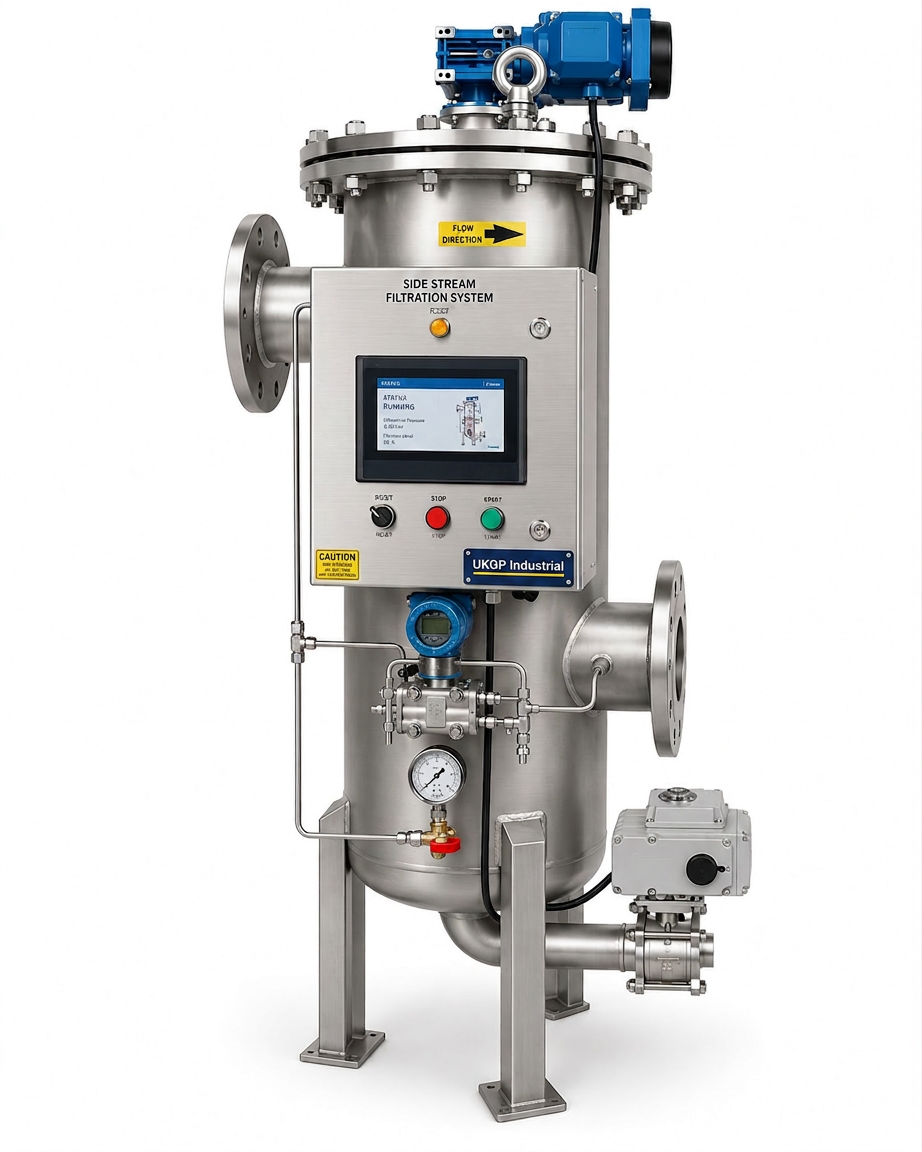
Conversely, side stream filtration operates on a continuous loop basis, diverting approximately 5-15% of the system flow through a high-efficiency filter media or magnetic separator. This method does not require the system to be shut down, which is a critical consideration for 24/7 facilities like hospitals or data centres. By constantly removing suspended solids, metallic debris, and magnetite as they are generated, side stream filtration prevents the buildup that would otherwise necessitate a disruptive power flush. For building services consultants, the shift towards side stream technology represents a proactive approach to water quality, aligning with the preventative maintenance philosophies outlined in CIBSE guidance and British Standards for closed-loop water treatment.
When comparing a commercial power flush vs side stream, one must consider the labor intensity and operational downtime. A full power flush on a large commercial circuit can take several days and requires high water usage, which may conflict with internal sustainability targets and environmental policies. In contrast, a well-specified side stream filtration skid, such as the UKGP range which starts from £6,800+VAT, provides a 'fit and forget' solution—aside from routine bag changes. This long-term installation ensures that the water quality remains within the parameters defined by BS 8552, protecting expensive assets like plate heat exchangers and boiler heat exchangers from the gradual efficiency losses associated with sludge accumulation.
- Power flushing is a reactive, high-pressure cleaning method.
- Side stream filtration provides constant, low-pressure debris removal.
- Side stream allows for maintenance without system downtime.
- Power flushing requires massive water disposal and chemical neutralisation.
BSRIA BG29 and BG50 Compliance Frameworks
Adhering to industry standards is non-negotiable for UK M&E contractors and facility managers. BSRIA BG29 (Pre-commission Cleaning of Pipework Systems) and BG50 (Water Treatment for Closed Heating and Cooling Systems) provide the definitive framework for maintaining system integrity. When analyzing a commercial power flush vs side stream, BG50 clearly emphasises the importance of continuous water treatment and suspended solid removal to prevent the onset of microbiologically influenced corrosion (MIC). While a power flush might help a system pass an initial BG29 inspection, it is the side stream filtration unit that maintains that standard throughout the building's operational life. Without continuous filtration, even a perfectly flushed system will begin to degrade within months due to the ingress of oxygen or the presence of anaerobic bacteria.
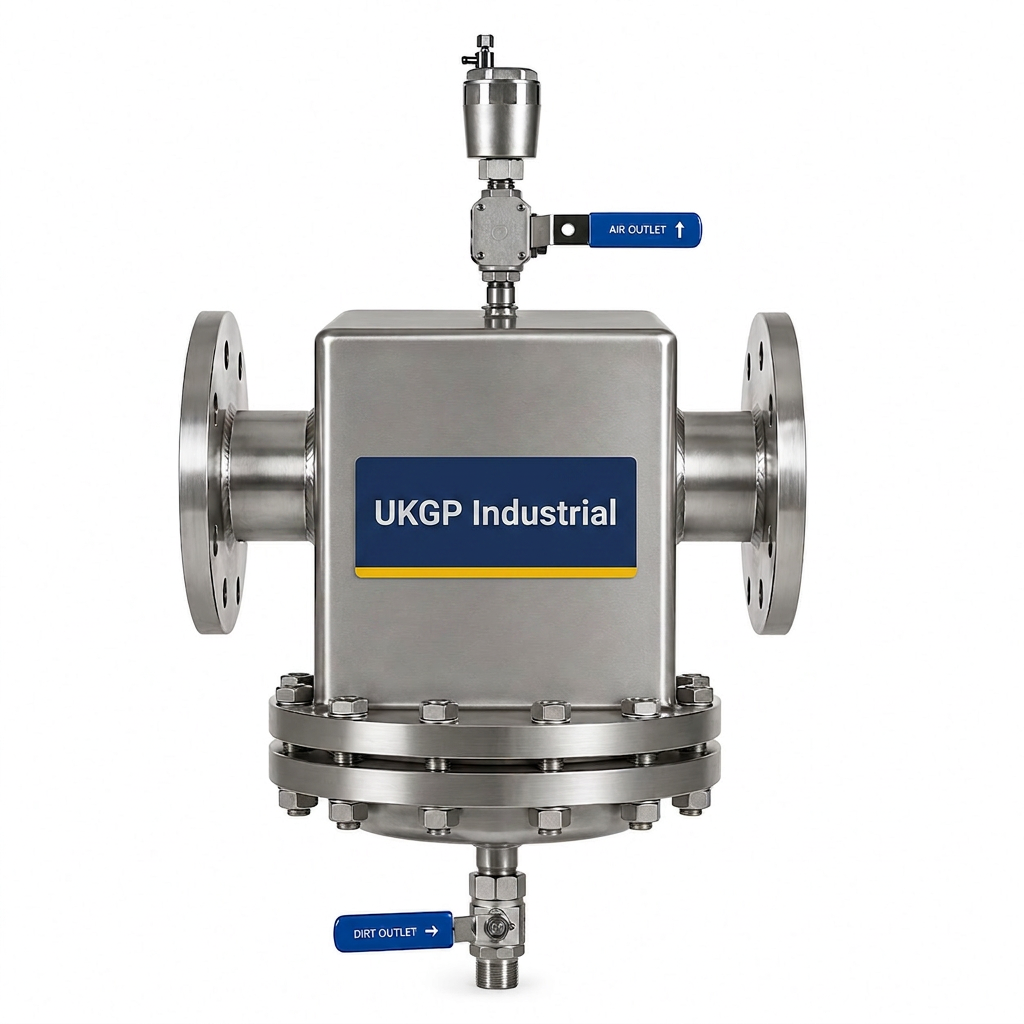
BSRIA guidelines suggest that total suspended solids (TSS) should be kept to a minimum to ensure that chemical inhibitors can effectively coat the internal surfaces of the pipework. High levels of magnetite, often found in systems that rely solely on periodic flushing, can 'blind' these inhibitors, leaving the metal vulnerable to attack. By integrating a magnetic and sediment-based side stream filter, you satisfy the monitoring requirements of BS 8552 by providing a point of access for water sampling and a visible indicator of the system's internal health. This visibility is vital for procurement leads who need to justify maintenance budgets with tangible evidence of system cleanliness and reduced repair costs over time.
Furthermore, the insurance implications of neglecting these standards cannot be overstated. Many commercial insurers now look for evidence of BG50 compliance when assessing claims for catastrophic pipework failure or flood damage. Choosing a side stream filtration unit over an occasional commercial power flush demonstrates a commitment to Best Practice. UKGP's units are designed precisely for this purpose, with DN50 to DN100 connections available to suit various flow rates, ensuring that your plant room meets the rigorous demands of modern building services. Investing in a permanent skid from £6,800+VAT ensures that your facility remains compliant year-round, rather than just in the weeks following a temporary flush.
- BG29 focuses on the initial cleanliness of new installations.
- BG50 highlights the move toward continuous filtration for lifespan extension.
- BS 8552 provides the sampling protocols for water quality monitoring.
- Continuous filtration ensures chemical inhibitors remain effective.
Protecting Assets: Plate Heat Exchangers and Boilers
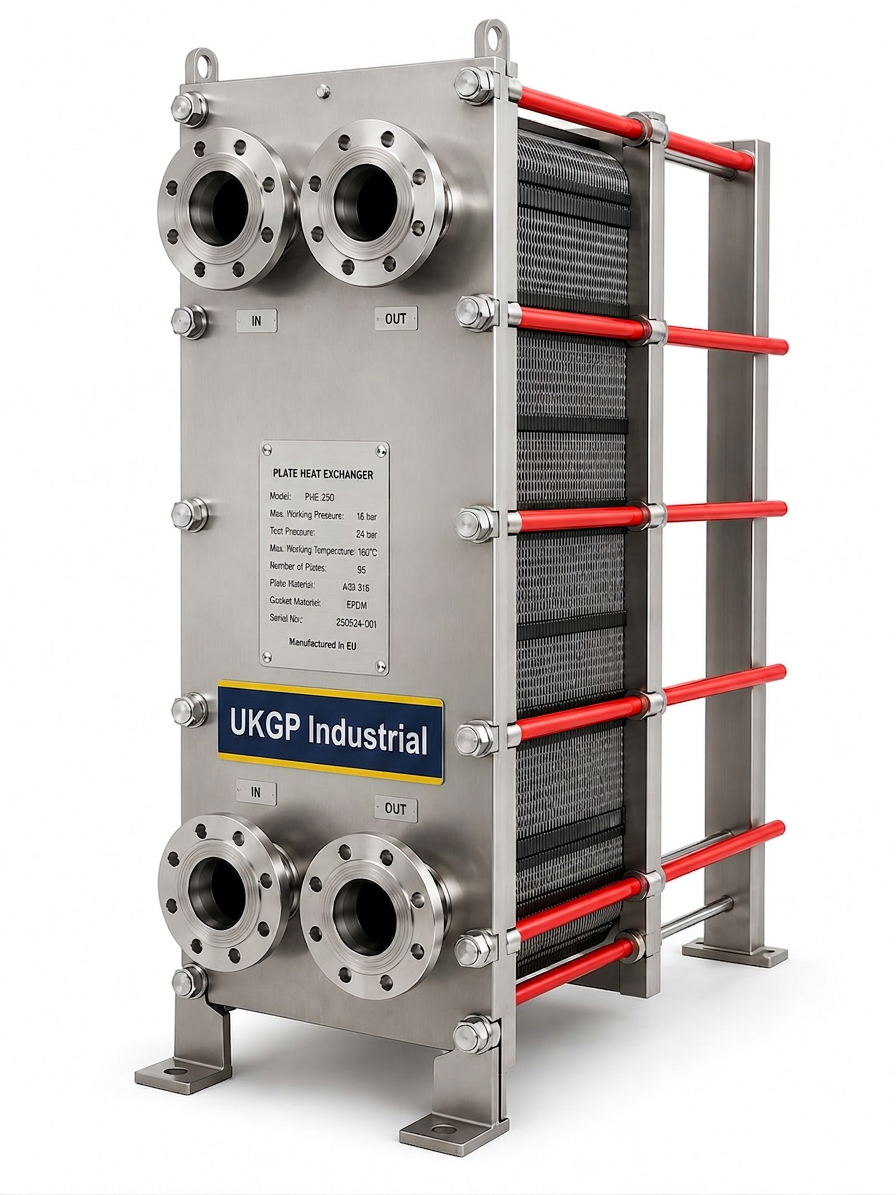
The primary victims of poor water quality in a commercial circuit are the heat transfer surfaces. Plate heat exchangers (PHEs) feature narrow channels that are highly susceptible to clogging from the debris that a power flush might miss or simply move around the system. When choosing between a commercial power flush vs side stream, consider the sensitivity of your PHE. A side stream filter captures particles down to the micron level, ensuring that these narrow passages remain clear. This maintains the design Delta T and prevents the 'short-cycling' of boilers, which significantly improves the overall energy efficiency of the building. Reduced scaling and fouling also mean that the PHE requires less frequent manual stripping and cleaning, saving on gasket sets and downtime.
Modern condensing boilers often feature high-efficiency heat exchangers with extremely tight tolerances. These components are prone to localized overheating if magnetite sludge settles in the base, leading to the cracking of heat exchanger blocks—a repair that can cost tens of thousands of pounds. While a commercial power flush vs side stream comparison might suggest flushing is a cheaper quick fix, the reality is that the permanent protection of a side stream skid is a fraction of the cost of a boiler replacement. UKGP offers plate heat exchangers alongside our filtration solutions, and we consistently see that units protected by side stream filtration have significantly longer service lives and maintain their thermal performance benchmarks much better than those in systems relying on reactive flushing.
From an engineering perspective, the installation of a side stream unit creates a safer environment for these critical assets. Our skids are made to order with a 6-8 week lead time, allowing for perfect integration into your existing plant room layout. With a 2-year warranty and robust construction, these units stand as a sentinel for your boilers and heat exchangers. For procurement teams, the decision often comes down to the total cost of ownership; a UK-manufactured filtration skid provides a predictable maintenance schedule, whereas the need for a reactive power flush is often a sign of a system in crisis, leading to unbudgeted expenses and emergency call-out fees.
- Plate heat exchangers are highly vulnerable to suspended solids.
- Side stream filtration maintains thermal efficiency and Delta T.
- Prevents the common 'magnetite sludge' failure in modern boilers.
- Reduces the frequency of expensive manual heat exchanger strip-downs.
Operational Efficiency and Long-Term Savings
The commercial argument for a side stream filtration unit over a commercial power flush vs side stream choice is rooted in operational expenditure (OPEX) versus capital expenditure (CAPEX). While the initial purchase of a commercial side stream skid represents a capital investment, it effectively removes the recurring need for expensive contractor-led flushing services. A typical power flush for a large office block can easily exceed £5,000 per visit when chemical costs and labor are factored in. If the system requires this every two to three years, the side stream unit has paid for itself within the first few years of operation. Furthermore, the energy savings achieved by keeping the water clear and the heat transfer surfaces optimal can lead to a 5-10% reduction in fuel bills.
In terms of practical plant room management, side stream units from UKGP are designed for ease of use. Our skids include clear pressure gauges to indicate when a filter bag requires replacement, making it a simple task for the on-site FM team rather than necessitating a specialist external crew. This empowered maintenance approach is a key benefit when comparing a commercial power flush vs side stream. Regular bag changes take minutes and do not require the system to be drained or inhibited again, which is a major advantage for sites with strict water discharge permits or those located in areas with high water costs.
When you consider the 2-year warranty and the durable DN50 to DN100 build quality of UKGP skids, the commercial viability is clear. We manufacture these units to order in the UK, ensuring that every component meets our stringent quality controls. For consultants specifying new builds or major refurbishments, the inclusion of a side stream filtration unit is now considered standard practice to protect the client's long-term investment. Requesting a quote for a custom-built skid (starting from £6,800+VAT) is a proactive step that procurement leads can take today to lock in future savings and ensure system longevity under the guidance of BG50.
- Initial CAPEX is offset by the removal of recurring flushing costs.
- Significant energy savings through improved heat transfer efficiency.
- Simplified maintenance schedules for local FM teams.
- 2-year warranty provides peace of mind for long-term reliability.
The Role of Chemical Dosing in Water Quality
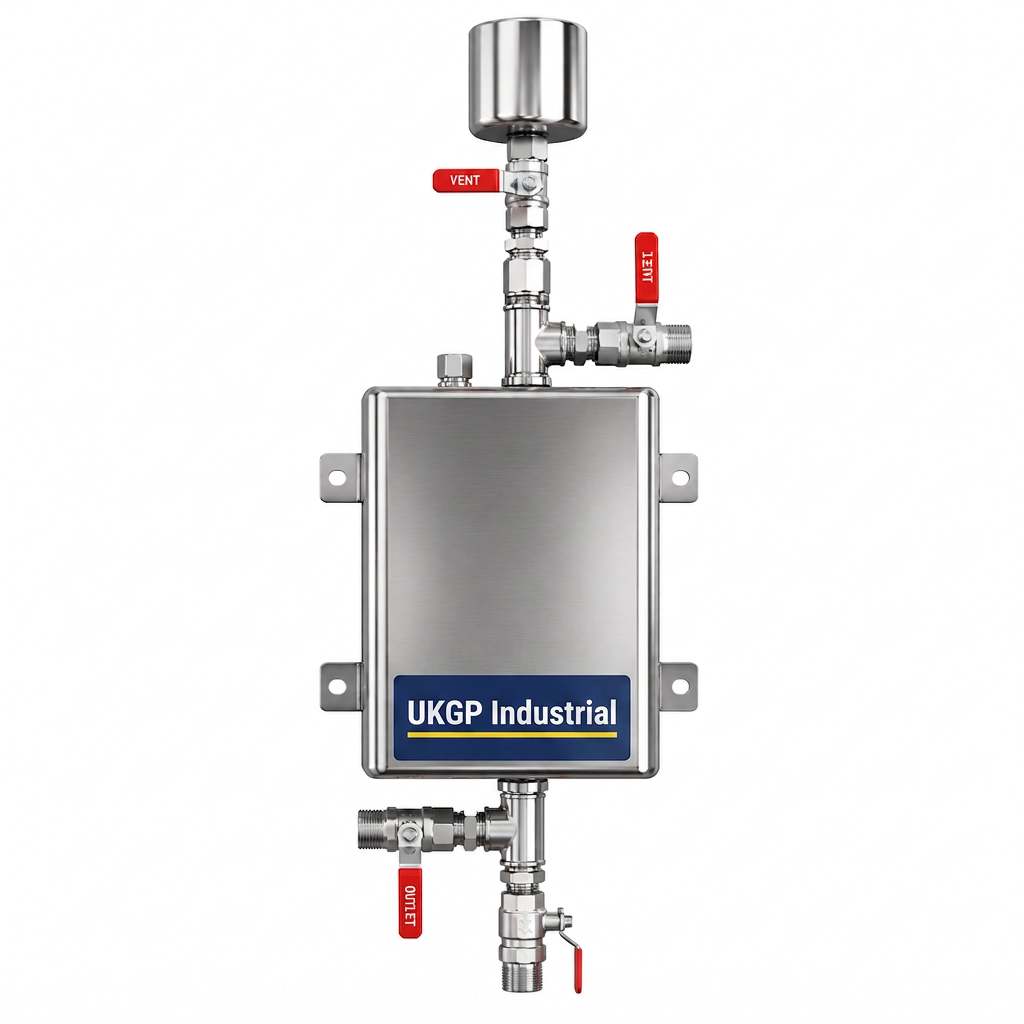
Regardless of whether you choose a commercial power flush vs side stream, chemical treatment remains a cornerstone of water corridor health. However, the effectiveness of corrosion inhibitors and biocides is directly linked to the cleanliness of the water. In a system full of debris, chemicals can become trapped in sludge pockets, preventing them from reaching the metal surfaces they are meant to protect. A side stream filtration unit ensures that the water remains clear, allowing for an even distribution of chemicals. This is where the synergy between filtration and a chemical dosing pot becomes apparent, as it allows for the precise introduction of treatments into a clean, circulating stream.
During a commercial power flush, chemicals are often used in high concentrations to break down stubborn deposits. This 'acid cleaning' phase can be aggressive and, if not neutralised or flushed out perfectly, can lead to accelerated corrosion later. By contrast, using a side stream filter allows for a more gentle, ongoing 'clean as you go' approach. This reduces the chemical load on the environment and makes the system much easier to manage. If the system water is maintained at the correct pH and inhibitor levels, as monitored through the side stream's sampling points, the need for aggressive flushing is virtually eliminated, which is the gold standard for BG50 compliance.
UKGP supplies chemical dosing pots that complement our side stream filtration skids, providing a complete water treatment package for UK plant rooms. By combining these technologies, engineers can maintain a stable chemical environment that inhibits both scale and corrosion. This integrated approach is far more effective than the 'shock' treatment of a power flush. When discussing the commercial power flush vs side stream options with your client, emphasizing the stability provided by continuous filtration and correct dosing is key to securing approval for a high-quality UKGP installation that will serve the building for decades.
- Clean water allows inhibitors to function at maximum efficiency.
- Reduces the need for aggressive, potentially damaging cleaning chemicals.
- Side stream sampling points allow for precise chemical monitoring.
- Integrated dosing and filtration is the best practice for BG50.
Conclusion: Choosing the Right Solution for Your UK Facility
In the final analysis of a commercial power flush vs side stream, the choice depends on the current state of your system and your long-term goals. If a system is completely blocked and failing to circulate, a power flush may be the only way to restore basic functionality. However, as a strategy for professional building management, side stream filtration is the superior choice. It offers continuous protection, ensures compliance with BSRIA BG50, and significantly reduces the total cost of ownership for HVAC assets. For new installations or refurbishments, specifying a side stream skid should be the default position to avoid the future necessity of reactive flushing.
UKGP Industrial provides the UK market with high-specification side stream filtration skids that are built to last. Our units, ranging from DN50 to DN100 and priced from £6,800+VAT, are specifically designed to meet the rigours of commercial heating and cooling networks. With a 2-year warranty and a 6-8 week lead time for made-to-order units, we support M&E contractors and FMs in delivering robust, efficient, and compliant plant rooms. We understand the pressures of UK procurement and the technical requirements of CIBSE and BSRIA, which is why our products are engineered for performance and ease of maintenance.
To ensure your system stays healthy and avoids the disruption of a full-scale flush, consider the benefits of a UK-manufactured filtration solution. Whether you are dealing with a historic building or a modern office development, the principles of clear water and protected heat transfer remain the same. Contact the UKGP technical team today to discuss your specific requirements or to request a quote for a side stream filtration skid. By making the move from reactive flushing to proactive filtration, you are choosing the most sustainable and cost-effective path for your building services' future.
- Side stream is the proactive choice for long-term plant health.
- Ideal for maintaining BG50 and BS 8552 water quality standards.
- UKGP skids offer a robust, UK-made solution with a 2-year warranty.
- Request a quote today for DN50-DN100 units tailored to your site.
Frequently asked questions
How often should a commercial power flush be performed compared to side stream maintenance?
- A power flush is typically a one-off remedial action for heavily fouled systems. In contrast, side stream filtration is a continuous process. Maintenance for a side stream unit usually involves simple bag filter changes every few months, depending on system cleanliness, whereas a power flush is a major multi-day operation.
Is side stream filtration or a power flush better for BSRIA BG50 compliance?
- BSRIA BG50 strongly recommends continuous side stream filtration for the ongoing management of closed-loop systems. While a power flush might be used as part of a BG29 pre-commissioning clean, side stream filtration is the primary tool for maintaining those standards throughout the system's life.
What is the typical cost of a commercial side stream filtration skid?
- UKGP side stream filtration skids typically start from £6,800+VAT. While this is an upfront investment, it removes the recurring costs of emergency flushes and extends the lifespan of boilers and heat exchangers, providing a significant return on investment over time.
Can a side stream filter be installed in an existing commercial plant room?
- Yes, side stream filtration is ideal for retrofitting in existing plant rooms. Because it only diverts a portion of the flow, it can be installed with minimal disruption to the main system operation. UKGP provides made-to-order units with a 6-8 week lead time to fit specific site constraints.
Do I still need a power flush if I install a side stream filtration unit?
- If your system is already heavily contaminated with 'black sludge' or magnetite, an initial flush may be necessary to clear the bulk of the debris. However, once the side stream unit is installed, the need for any future commercial power flushing is virtually eliminated as the water quality is kept consistently high.