Defining a Robust Commercial Power Flush Specification
A comprehensive commercial power flush specification must go beyond the basic identification of chemical cleaners. For building services consultants in the UK, the objective is to restore or maintain the design flow rates of a closed-loop system by removing magnetite, scale, and installation debris. This starts with a detailed audit of the current system pressure and thermal performance. By specifying a clear methodology that aligns with BSRIA BG29 Pre-commission Cleaning of Pipework Systems, engineers can ensure that contractors are held to a measurable performance standard. The specification should detail the required pump head, the volume of water to be circulated, and the chemical concentrations needed to mobilise stubborn contaminants without compromising the structural integrity of the copper or steel pipework within the plant room environment.
In modern UK commercial developments, the complexity of the HVAC network often means that a single-point flush is insufficient. Your commercial power flush specification should therefore account for sectional cleaning and the temporary isolation of sensitive equipment such as high-efficiency boiler heat exchangers. This is where the integration of high-recovery filtration becomes paramount. When drafting these documents, it is essential to mandate the use of pH-neutral cleaners for aluminium-containing systems or stronger alkaline agents for standard steel circuits, ensuring all chemicals used are compatible with the system’s metallurgy. Failing to define these parameters often leads to incomplete cleaning, which results in the rapid re-accumulation of sludge and a significant drop in the efficiency of heat transfer across the entire primary circuit.
Furthermore, the specification should demand transparent reporting and verified water analysis before and after the flushing process. Specifying BS 8552:2012 for the sampling of water in building services provides a solid legal and technical framework for this testing. This ensures that the system is not only clean but also properly passivated and inhibited to prevent future corrosion. For procurement leads, having a clearly defined commercial power flush specification simplifies the tendering process, as it allows for like-for-like comparisons between M&E contractors. It also provides a benchmark against which the final handover can be measured, ensuring the client receives a system that is fully optimised for energy efficiency and operational reliability from day one of occupancy.
- Alignment with BSRIA BG29/2021 and BG50:2021 standards for water quality.
- Requirement for high-flow, low-pressure circulation to protect system seals.
- Verification through BS 8552 water sampling and laboratory analysis.
- Detailed chemical dosage rates tailored to the specific system volume.
Integrating Side Stream Filtration in Your Specification
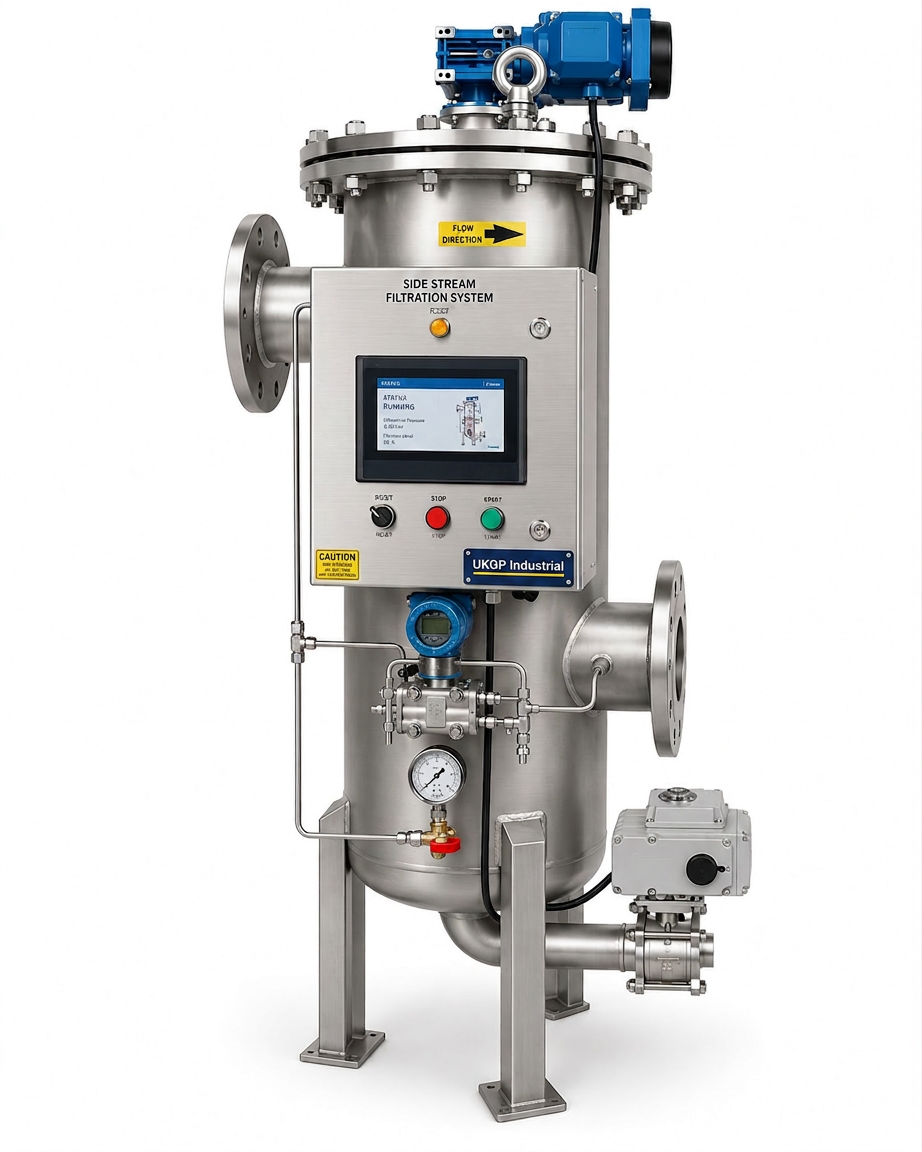
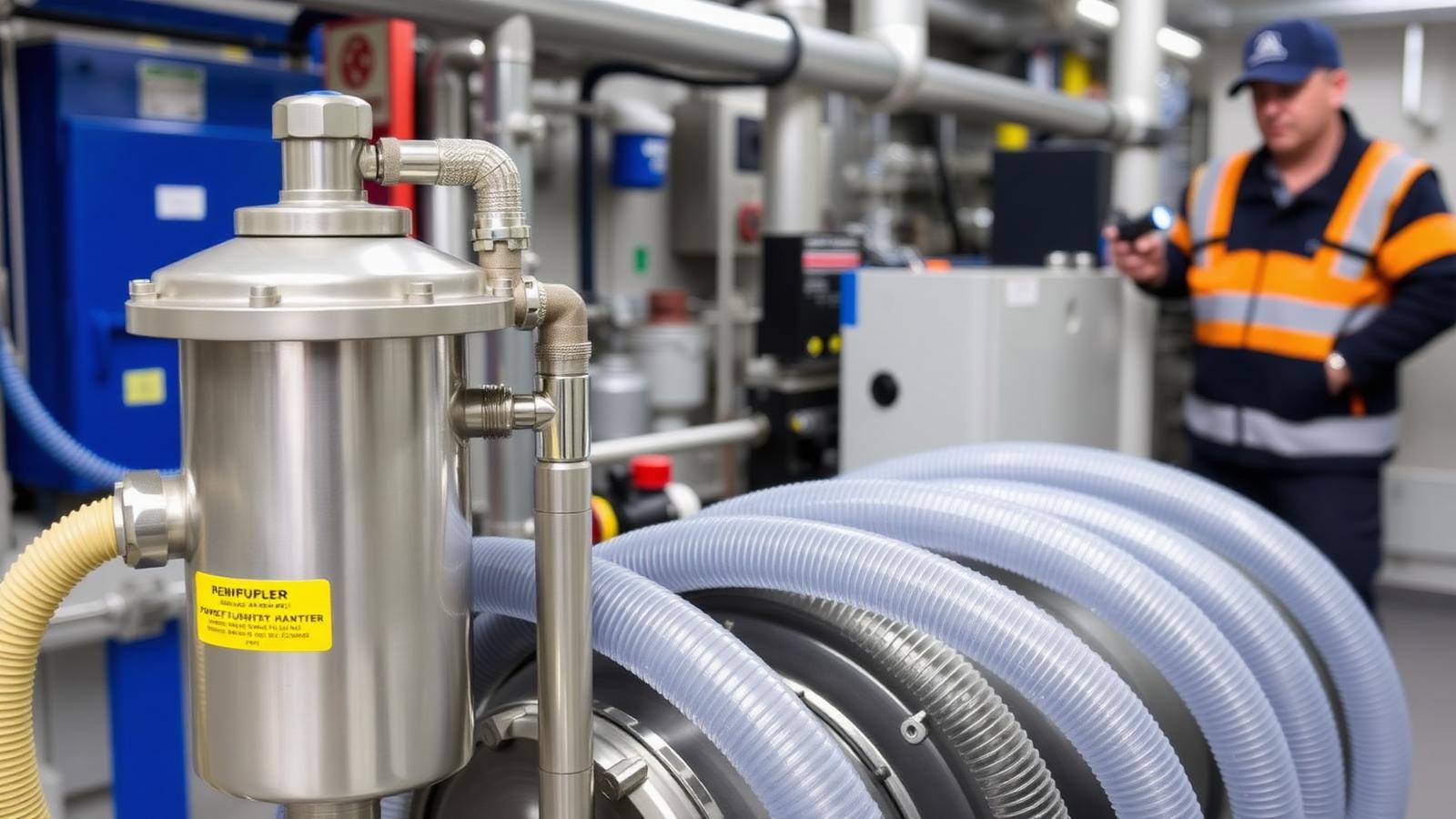
While a commercial power flush is an excellent reactive measure for fouled systems, a forward-thinking commercial power flush specification should bridge the gap between initial cleaning and ongoing maintenance. This is achieved by specifying the installation of a side stream filtration skid. In large-scale UK plant rooms, the velocity of the water often changes, allowing particles to settle in low-flow areas or plate heat exchangers. By incorporating a UKGP side stream filtration skid into the design, consultants ensure that 5% to 15% of the total system flow is continuously polished, removing suspended solids down to sub-micron levels. This proactive approach significantly extends the intervals between requiring a full system power flush and protects expensive plant room assets from terminal damage.
UKGP side stream filtration units are specifically designed for the UK B2B market, offering a robust solution that is made to order with a 6-8 week lead time. For consultants specifying these units, we provide sizes ranging from DN50 to DN100, ensuring compatibility with various commercial pipework diameters. Starting from approximately £6,800+VAT, these skids represent a high-value investment in building longevity. Each unit comes with a 2-year warranty, providing peace of mind for both the contractor and the end-user. When you include a side stream unit in your commercial power flush specification, you are essentially providing a permanent insurance policy for the system’s hydraulic health, ensuring that the clean state achieved during the initial flush is maintained throughout the building’s operational lifecycle.
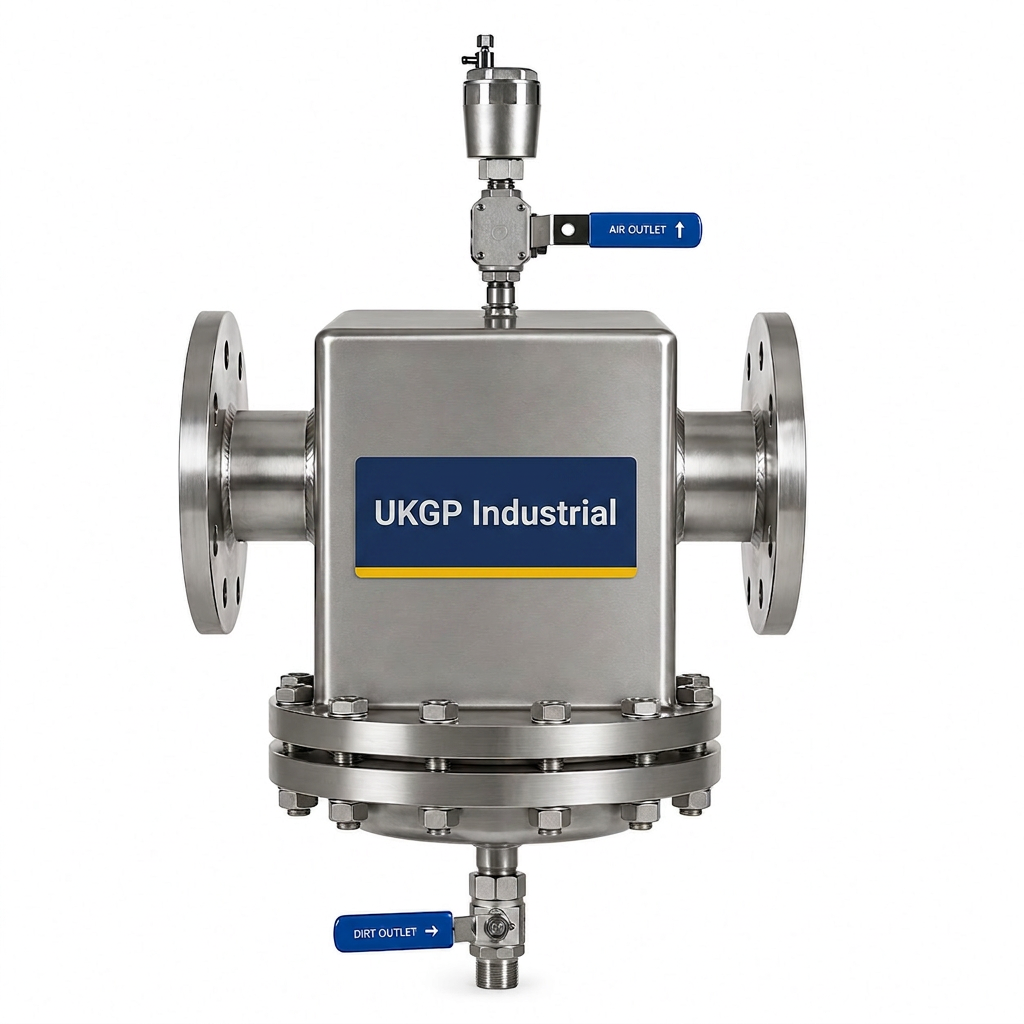
The practical benefits of specifying a dedicated filtration skid over temporary measures are numerous. Our skids are engineered to be user-friendly for FM teams, featuring bag filtration or cyclone technology that allows for easy debris removal without interrupting the main system flow. This aligns perfectly with BSRIA BG50 recommendations for the continuous monitoring and treatment of closed-loop circuits. By requesting a quote for a UKGP side stream filtration skid during the design phase, consultants can ensure that the necessary space and power requirements are accounted for in the plant room layout. This prevents the costly retrofitting issues that often arise when water quality issues are discovered too late in the project timeline, ensuring a smoother handover and happier clients.
- Continuous removal of magnetite and suspended solids to sub-micron levels.
- DN50 to DN100 sizing available to suit all commercial system flow rates.
- Complies with BSRIA BG50 guidelines for proactive system maintenance.
- Cost-effective protection starting from £6,800+VAT with a 2-year warranty.
BSRIA Standards and Compliance Requirements
Adhering to BSRIA BG29/2021 is the gold standard when drafting a commercial power flush specification. This document outlines the rigorous cleaning procedures required for new pipework installations, emphasizing the importance of removing mill scale and construction debris before the system is brought into service. For existing systems, BG50 Water Treatment for Closed Heating and Cooling Systems provides the necessary guidance on managing water quality over the long term. A well-crafted specification must explicitly mention these documents to ensure that the contractor follows industry-recognised best practices. This includes the use of dynamic flushing, where high-velocity water is used to dislodge particles, often in conjunction with chemical additives that facilitate the suspension of iron oxides and other contaminants.
Beyond the flushing process itself, the specification must address the transition to a steady state of operation. This involves the application of corrosion inhibitors and biocide treatments once the system has been cleaned to the required standard. Consultants should specify that the contractor provides a full ‘flush log’ which records flow rates, pressure drops across filters, and the volumes of water used at each stage of the process. This documentation is vital for demonstrating compliance with CIBSE CP1 Heat Networks: Code of Practice, particularly in large-scale residential or commercial heat network projects where water quality is a primary driver of overall system efficiency. Failure to adhere to these standards can lead to the rapid fouling of control valves and terminal units, resulting in high maintenance costs and tenant dissatisfaction.
In the UK market, the role of the water treatment specialist is often overlooked in the initial specification. However, by requiring that a specialist be involved from the outset, consultants can ensure that the flushing process is tailored to the specific water chemistry of the local area. Hard water regions in the South East, for example, require different chemical considerations than soft water areas. Your commercial power flush specification should mandate that all technical decisions regarding chemical selection be backed by site-specific water analysis. This level of detail not only ensures a more effective clean but also protects the consultant’s reputation by delivering a robust, high-performing HVAC system that meets all regulatory and industry standards for water quality and system cleanliness.
- Mandatory adherence to BSRIA BG29 for pre-commission cleaning.
- Alignment with BG50 for managing water quality in existing circuits.
- Full documentation and flushing logs required for project handover.
- Site-specific chemical selection based on regional water chemistry analysis.
Protecting Assets: Plate Heat Exchangers and Dosing
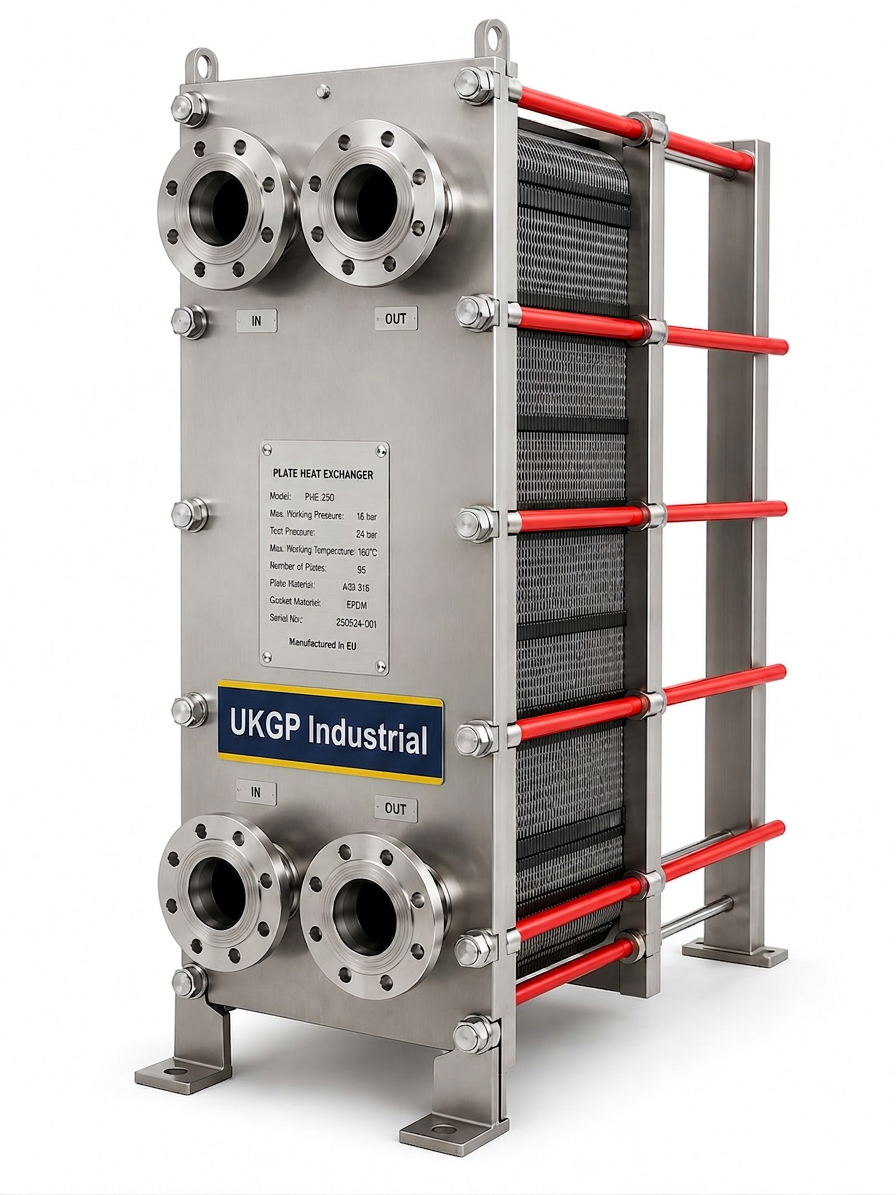
The impact of a poor commercial power flush specification is most visible on critical assets like plate heat exchangers (PHEs). These components have narrow channels that are easily blocked by small particles of magnetite or scale. When a system is not flushed correctly, the PHE becomes a primary collection point for debris, leading to reduced thermal transfer and increased pumping costs. In your specification, it is wise to include the installation of high-quality plate heat exchangers that are designed for ease of maintenance. UKGP offers a range of PHEs that integrate seamlessly into commercial circuits, providing efficient heat transfer even in demanding environments. Ensuring that these units are protected by appropriate filtration and a rigorous flush protocol is essential for maintaining the building's energy performance certificate (EPC) rating.
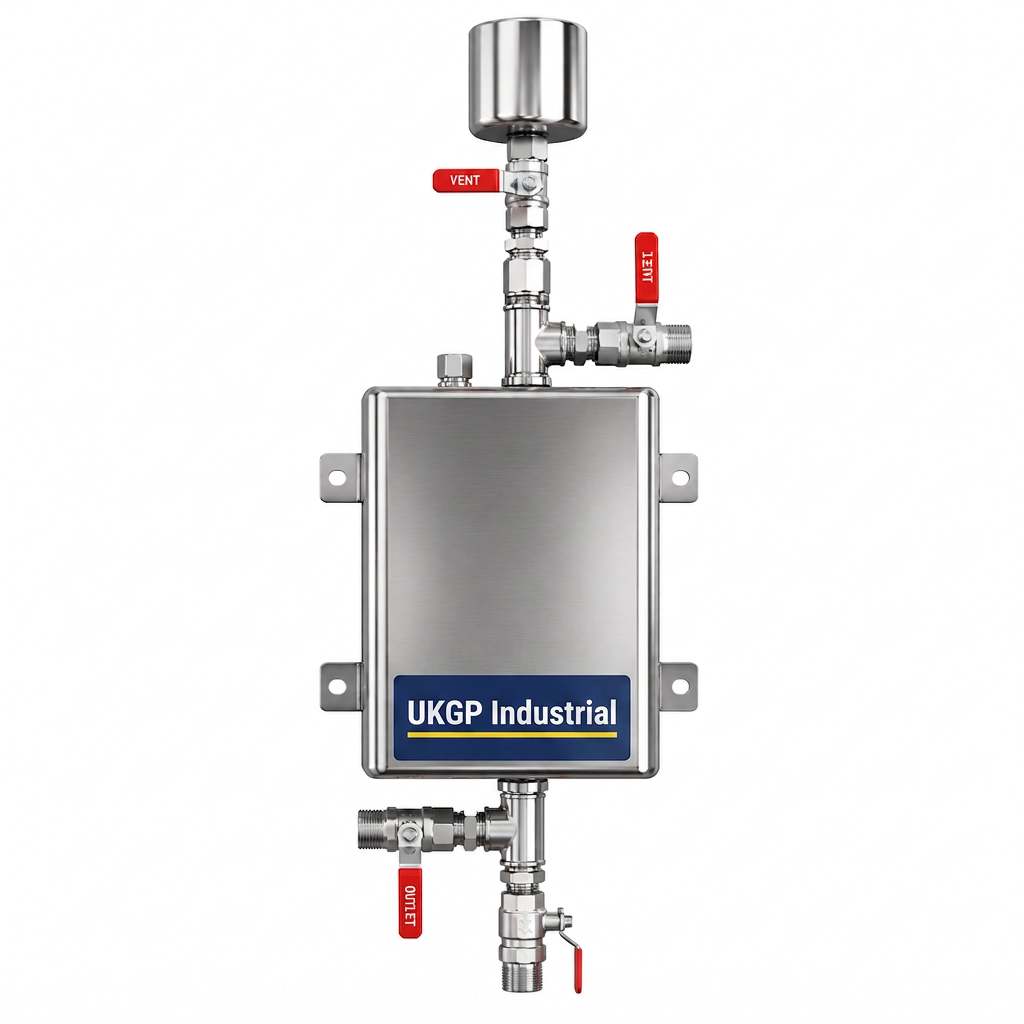
To aid the chemical cleaning process and long-term inhibition, the inclusion of a chemical dosing pot is another key element of a professional specification. These vessels allow for the safe and controlled introduction of chemicals into the system without the need to drain down or depressurise the loop. When drafting your commercial power flush specification, designate the position and capacity of the dosing pot to ensure ease of access for FM teams. UKGP supplies dosing pots that are built to withstand the rigours of commercial plant rooms, facilitating the regular maintenance recommended by BSRIA standards. By making the addition of inhibitors simple, you increase the likelihood that the system will remain in peak condition long after the initial contractors have left the site.
Integrating these components—PHEs and dosing pots—with a continuous side stream filtration strategy creates a holistic approach to system health. Consultants should specify that any replacement or new installation of heat exchangers must be preceded by a full system flush as per the commercial power flush specification. This ensures that the new assets are not immediately fouled by legacy debris. By sourcing these components from a reliable UK supplier like UKGP, you benefit from local expertise and short lead times, ensuring your project remains on schedule while meeting the highest technical standards. This integrated approach to component selection and water quality management is what distinguishes a premium building services design from a standard installation.
- Specify high-recovery filtration to protect narrow-channel plate heat exchangers.
- Include chemical dosing pots for safe, regular water treatment application.
- Ensure all assets are compatible with the specified flushing chemicals.
- Request a quote for UKGP dosing pots to complement the filtration strategy.
Calculating Success: Flow Rates and Pressure Drops
A technical commercial power flush specification must include the calculation of target flow rates for the flushing process. BSRIA BG29 recommends a minimum flushing velocity, typically 1.5 times the design flow velocity, to ensure that the water has enough kinetic energy to move heavy particles. Consultants must perform these calculations based on the largest pipe diameter in the system to ensure that the flushing pumps specified are capable of meeting these requirements. If the pumps are undersized, the flush will only remove the lightest debris, leaving heavier magnetite to settle back into the system once the project is finished. This data should be clearly stated in the tender documents so that contractors can provide appropriate plant and equipment.
Pressure drop is another critical factor to consider. As the flush progresses and debris is captured in temporary or permanent filters, the pressure drop across these points will increase. Your commercial power flush specification should mandate the use of differential pressure gauges and define the maximum allowable pressure drop before bypass or filter cleaning is required. This preventative measure ensures that the flushing pump is not operating at the end of its curve, which could lead to cavitation or damage to system seals. For major UK commercial projects, specifying a permanent side stream filtration skid with its own dedicated pump can mitigate these issues by providing consistent, controlled filtration throughout the entire process and beyond into normal operation.
Finally, the specification should address the water source and disposal. For a large-scale commercial power flush, thousands of litres of water and chemical effluent will need to be managed. Consultants must specify that contractors obtain the necessary discharge permits from local water authorities and ensure that all effluent is treated to a safe level before disposal. This environmental consideration is increasingly important for UK developers aiming for BREEAM or LEED certification. By including clear instructions on water management in your commercial power flush specification, you ensure that the project remains compliant with local environmental laws while achieving the technical goal of a clean and efficient HVAC system.
- Calculate target flushing velocities at 1.5x design flow.
- Specify differential pressure monitoring for all filtration points.
- Mandate the use of high-capacity flushing pumps for large pipe diameters.
- Include environmental requirements for the disposal of chemical effluent.
Long-Term Maintenance and Handover Protocols
The transition from the construction phase to the operational phase is where many water quality issues begin. A robust commercial power flush specification must define the handover protocol, which includes a comprehensive O&M (Operation and Maintenance) manual. This manual should contain all the flushing logs, water sample results, and a clear maintenance schedule for the water treatment equipment installed. FM teams need to know exactly how to operate the side stream filtration skid, how often to clean the dosing pot, and what the target chemical levels are for the system. This documentation is a requirement under BSRIA BG29 and is essential for the 2-year warranty on UKGP equipment to remain valid and effective.
Consultants should also specify a period of 'post-commissioning monitoring.' This involves taking water samples at 4-week or 8-week intervals for the first six months of the building’s life. This allows any latent issues to be identified and corrected before they lead to catastrophic equipment failure. If the iron levels in the water remain high despite the initial flush, it may indicate a need for adjusted dosing or a more aggressive filtration bag size in the side stream unit. By making this a requirement in the commercial power flush specification, you protect the client from expensive remedial works and ensure the heating and cooling systems operate at their designed efficiency, which is vital for modern UK commercial energy compliance.
In conclusion, a well-defined commercial power flush specification is the foundation of a reliable and efficient HVAC system. By combining the rigorous cleaning procedures of BSRIA BG29 with the permanent protection of UKGP side stream filtration skids (DN50-DN100), consultants can deliver superior results for their clients. Our made-to-order units, with a 6-8 week lead time and competitive pricing from £6,800+VAT, provide the technical specifications required for high-end UK engineering projects. For a bespoke quote or technical consultation on incorporating these units into your next project, contact our Surrey-based team today to ensure your water quality strategy is robust, compliant, and commercially viable.
- Define clear O&M requirements for FM teams regarding water quality.
- Mandate post-handover water sampling for the first six months.
- Ensure all warranty documentation for UKGP skids is included in the O&M.
- Link specification success to measurable long-term thermal efficiency.
Frequently asked questions
What is the primary standard for a commercial power flush specification?
- In the UK, the primary standards are BSRIA BG29/2021 for pre-commission cleaning of new systems and BSRIA BG50 for the maintenance and treatment of existing closed-loop water systems.
Why include side stream filtration in the flush specification?
- A power flush is a one-time clean. A side stream filtration skid provides continuous cleaning, removing ongoing corrosion products and protecting sensitive components like plate heat exchangers, which is critical for long-term efficiency.
What are the typical lead times for UKGP filtration skids?
- Our filtration skids are made to order in our Surrey facility with a typical lead time of 6 to 8 weeks, ensuring they meet the specific requirements of your commercial power flush specification.
What size filtration units does UKGP provide?
- We provide side stream filtration units from DN50 up to DN100, suitable for a wide range of commercial and industrial pipework diameters found in UK plant rooms.
What is the cost of a commercial side stream filtration unit?
- UKGP side stream filtration skids start from approximately £6,800 + VAT, offering a high-performance, cost-effective solution for protecting large-scale HVAC investments.