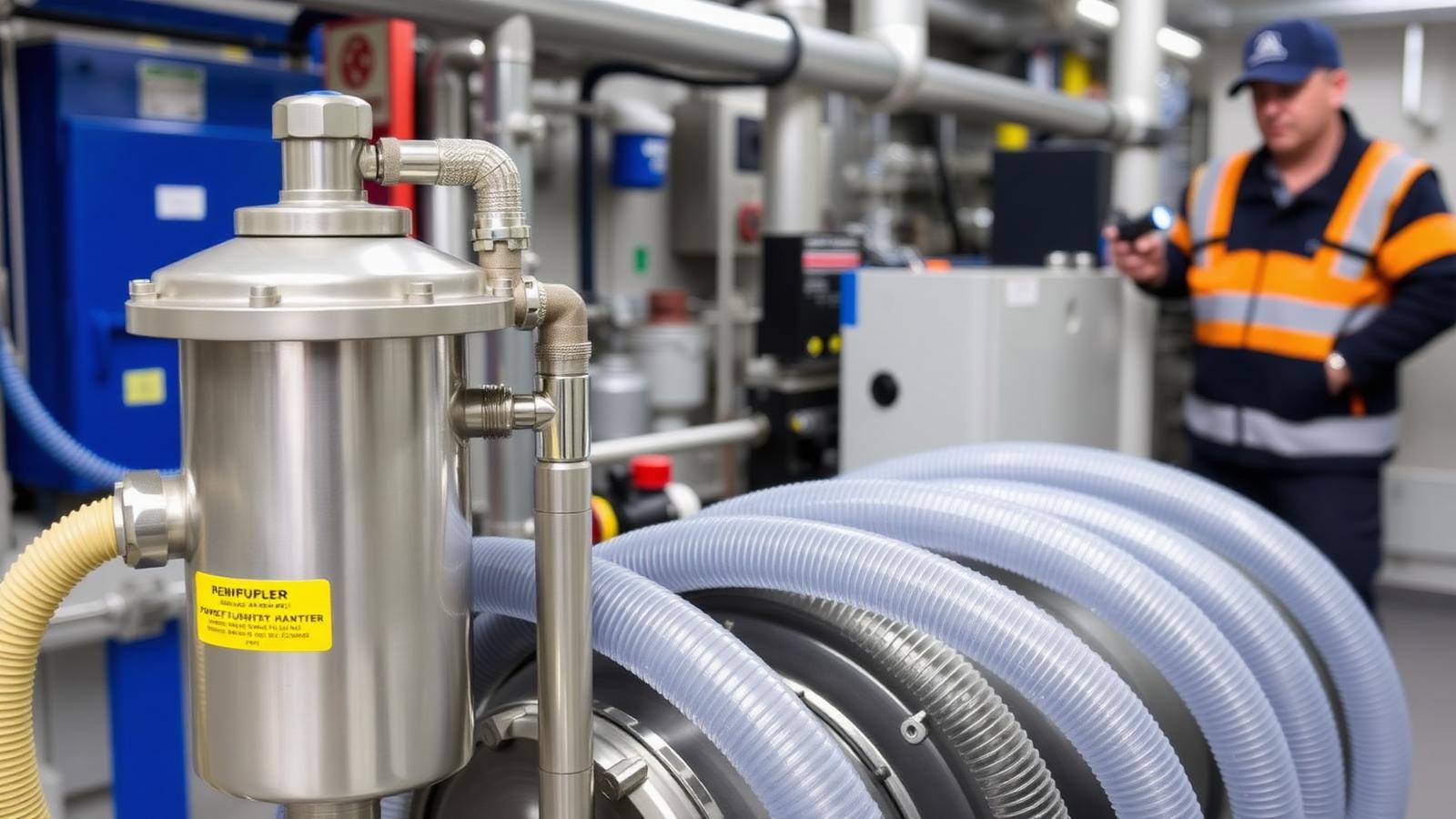
The Role of Commercial Power Flush BSRIA Standards in Modern HVAC
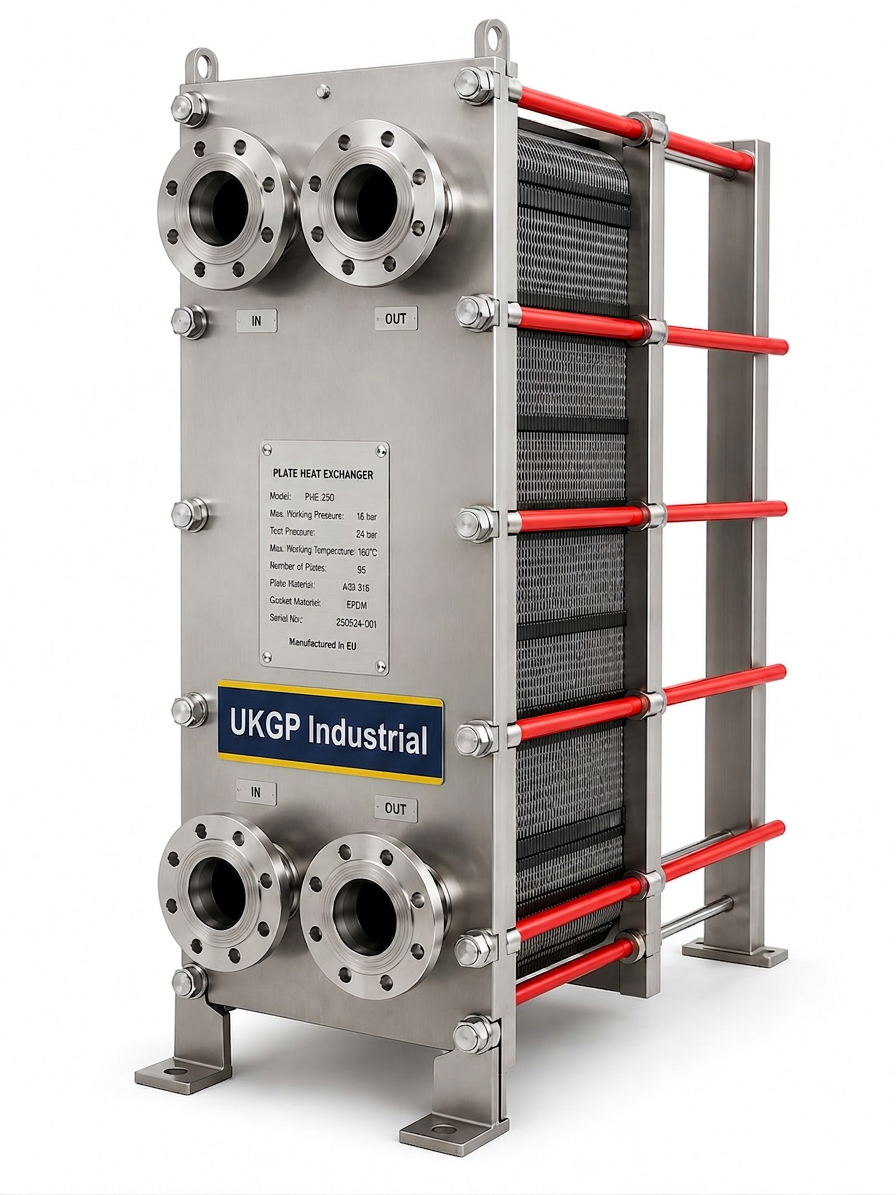
In the UK commercial sector, the term commercial power flush BSRIA compliance refers to a strategic sequence of cleaning and chemical treatment designed to protect multi-million pound plant room assets. BSRIA BG29/2021 provides the definitive framework for pre-commissioning cleaning of pipework systems, and skipping this step can lead to disastrous consequences for energy efficiency and system longevity. When contractors overlook these standards, they risk the accumulation of magnetite and construction debris, which restricts flow rates and increases the delta T across plate heat exchangers, leading to localized overheating and structural stress. Following these guidelines ensures that the system is chemically stable and physically clear before any sensitive equipment is brought online.
A compliant flush is not merely about moving water; it involves a calculated approach to flow velocities and the application of specialist surfactants and dispersants. BSRIA BG50 further supports this by focusing on the maintenance of water quality throughout the life of the building, emphasizing that initial cleaning is only the first step. By adhering to these protocols, facility managers and building owners avoid the common pitfalls of microbiologically influenced corrosion (MIC), which can eat through pipe walls in months if not properly treated during the initial handover phase. UKGP Industrial supports these efforts by providing high-quality plant room components that facilitate easier cleaning and long-term hydronic stability for consultants and installers alike.
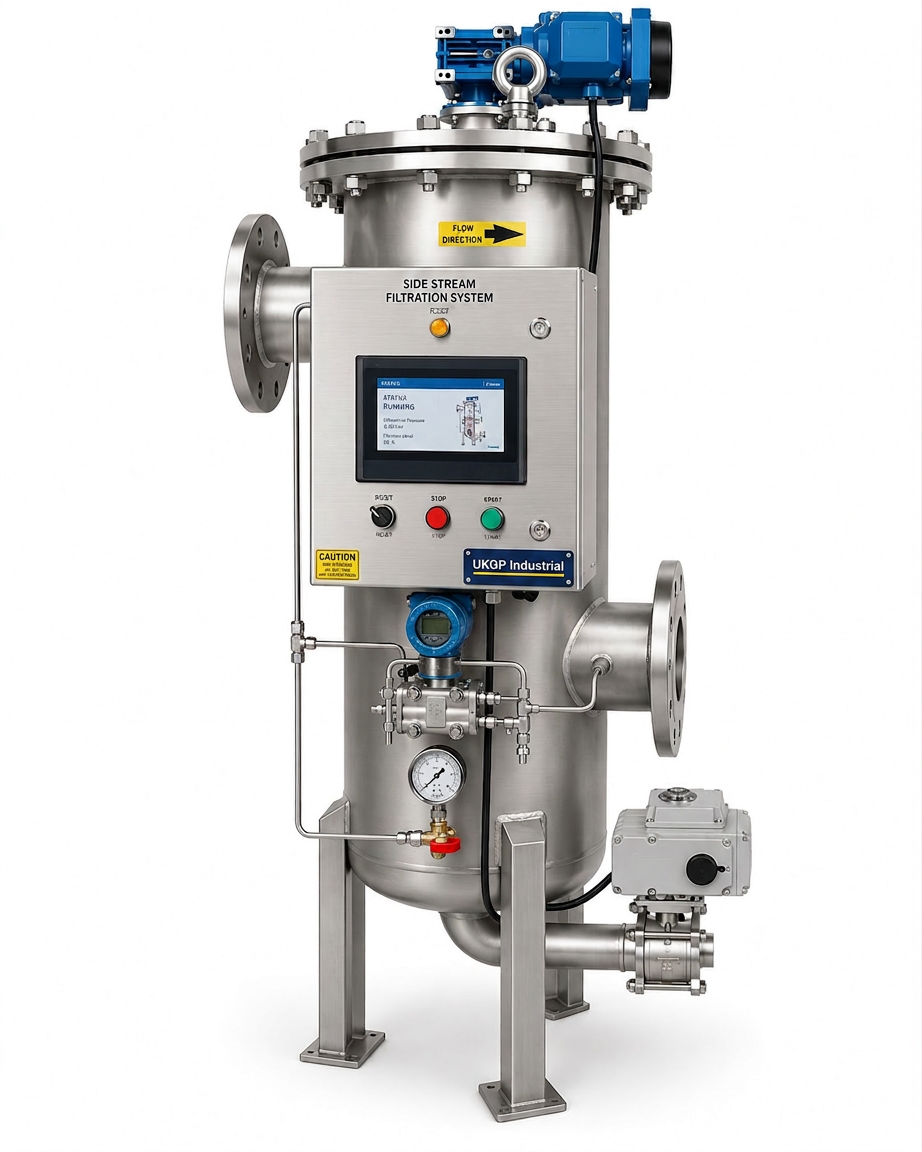
Contractors must recognize that modern high-efficiency boilers and low-carbon heat pump systems are significantly more sensitive to particulate contamination than the legacy cast-iron systems of the past. The internal waterways in modern equipment are often narrower, making them prone to blockages if the commercial power flush BSRIA process is not executed correctly. This is where the integration of permanent filtration solutions becomes critical. Our bespoke hardware, including side stream filtration units, provides the necessary bridge between the initial flush and ongoing system hygiene, ensuring that the water quality remains within the strict parameters defined by BS 8552 and latest BSRIA industry standards.
- Elimination of installation debris including solder flux and milling scale
- Prevention of under-deposit corrosion in stainless steel heat exchangers
- Reduction of energy consumption by optimizing hydronic flow characteristics
- Assurance of manufacturer warranty compliance for boilers and pumps
Integrating Side Stream Filtration for Sustainable Compliance
While a one-time flush is mandatory under BSRIA BG29, sustainable water quality in commercial systems is best achieved through the installation of high-efficiency side stream filtration. At UKGP Industrial, we manufacture side stream filtration skids from 304/316 stainless steel to ensure your system continues to meet BSRIA BG50 requirements long after the initial contractors have left the site. These units are designed to filter a portion of the circulating volume, typically 5-15%, through a high-intensity magnetic core and a fine-mesh bag filter. This dual-action approach captures both metallic magnetite and non-magnetic sludge that traditional flushing might leave behind or that might form during the first few months of high-temperature operation.
Investing in a UK-made filtration solution is a cost-effective way to protect expensive plant assets. Our side stream filtration skids are available from £6,800 + VAT and are built to order in our Surrey facility. With a standard lead time of 6-8 weeks, these units can be planned into your project timeline to coincide with the final commissioning phase. We offer these systems in sizes ranging from DN50 to DN100 to suit various system volumes and flow rates, all supported by a comprehensive 2-year warranty for peace of mind. For M&E contractors, including one of our skids in your specification simplifies the process of achieving the stringent particulate levels required for project sign-off.
The commercial power flush BSRIA process is often hindered by system dead-legs or low-flow areas where debris settles. A dedicated side stream skid continuously polices the system, capturing liberated solids that are disturbed during seasonal shifts in load. This proactive maintenance approach reduces the frequency of costly full-system flushes and minimizes chemical usage over the building's lifecycle. By specifying a UKGP Industrial skid, you are opting for a British-engineered product that is built to withstand the demands of commercial plant rooms while strictly adhering to CIBSE and BSRIA best practice guidelines for hydronic hygiene and water treatment.
- Bespoke manufacturing in Surrey with competitive lead times of 6-8 weeks
- Dual-stage filtration: 12,000 gauss magnetic rod and 5-micron bag filters
- Available in DN50 to DN100 sizes starting from £6,800 + VAT
- Solid 2-year warranty on all UKGP manufactured filtration skids
The Importance of Chemical Dosing in the BSRIA Process
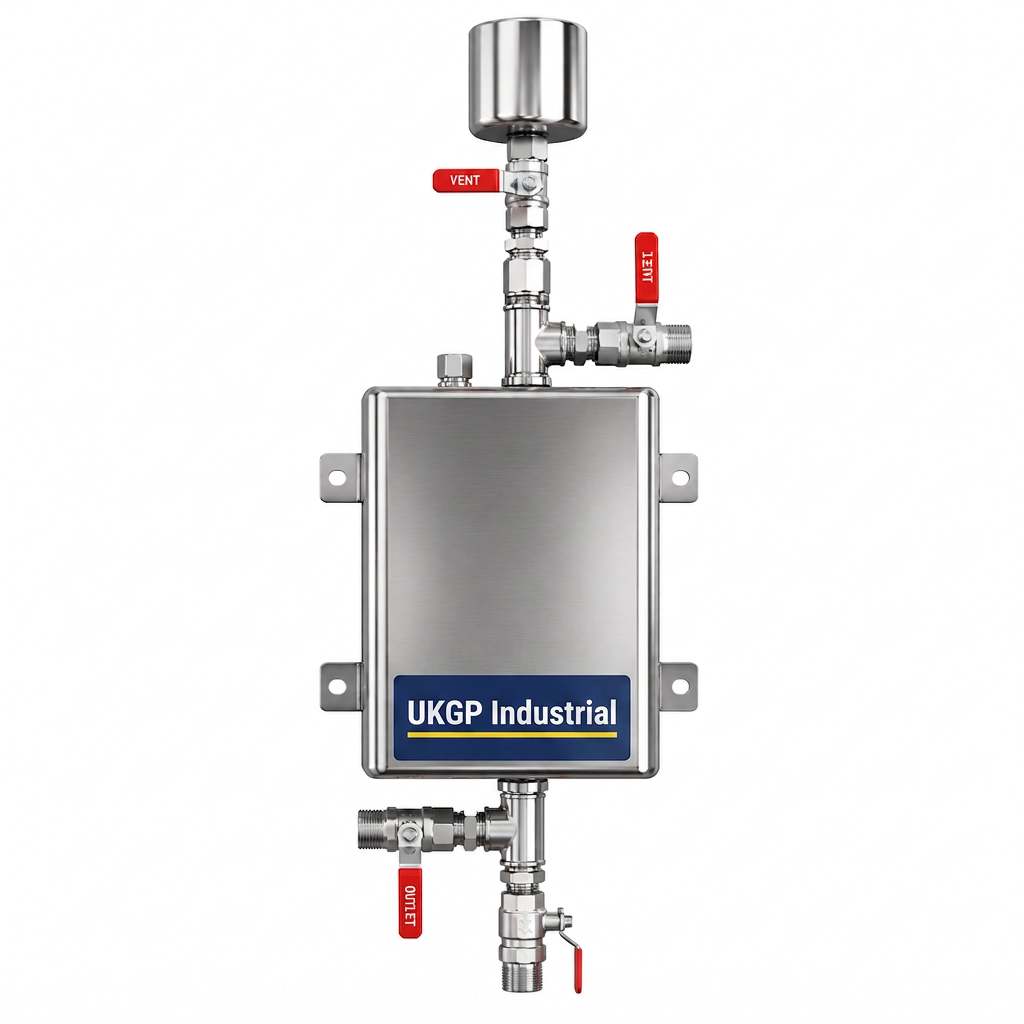
A critical phase of the commercial power flush BSRIA strategy is the accurate introduction of cleaning agents and long-term inhibitors. BSRIA states that the system should be systematically treated with a cleaning chemical, circulated for a mandated period, and then thoroughly flushed to a neutral effluent discharge. To facilitate this without interrupting system pressure or introducing large volumes of oxygenated raw water, the use of a chemical dosing pot is standard practice. These vessels allow for the safe and controlled introduction of liquid chemicals into the closed-loop circuit, ensuring that the inhibitor levels required by BG29 are met and maintained throughout the flushing and handover process.
UKGP Industrial provides a range of robust chemical dosing pots designed to handle the high pressures often found in UK commercial heating and chilled water systems. Our dosing pots are typically manufactured from mild steel or stainless steel and include all necessary valves and safety features to protect site engineers. When executing a commercial power flush BSRIA protocol, having a reliable injection point allows for the rapid adjustment of chemical concentrations based on water analysis results. This is particularly important when dealing with system volumes exceeding 5,000 litres, where manual dosing without a dedicated vessel becomes impractical and potentially hazardous for the maintenance staff on site.
In addition to initial cleaning, these dosing pots serve a vital role in the ongoing maintenance under BSRIA BG50. As systems naturally lose water through small leaks or maintenance work, the inhibitor concentration drops, leaving the system vulnerable to corrosion. By utilizing our UK-made dosing pots, facility managers can easily top up the system with glycol or corrosion inhibitors as part of their quarterly water quality regime. This ensures that the efforts made during the initial commercial power flush BSRIA compliant clean are not wasted, ultimately protecting the heat exchangers and pumps from the catastrophic damage caused by oxygen-rich makeup water and chemical depletion.
- Standard and bespoke dosing pot sizes available for any system volume
- Essential for controlled chemical introduction to meet BG29 standards
- Built-in safety components including non-return valves and tundishes
- Provides a permanent point for future chemical monitoring and adjustments
Managing Air and Dirt Separators for System Integrity
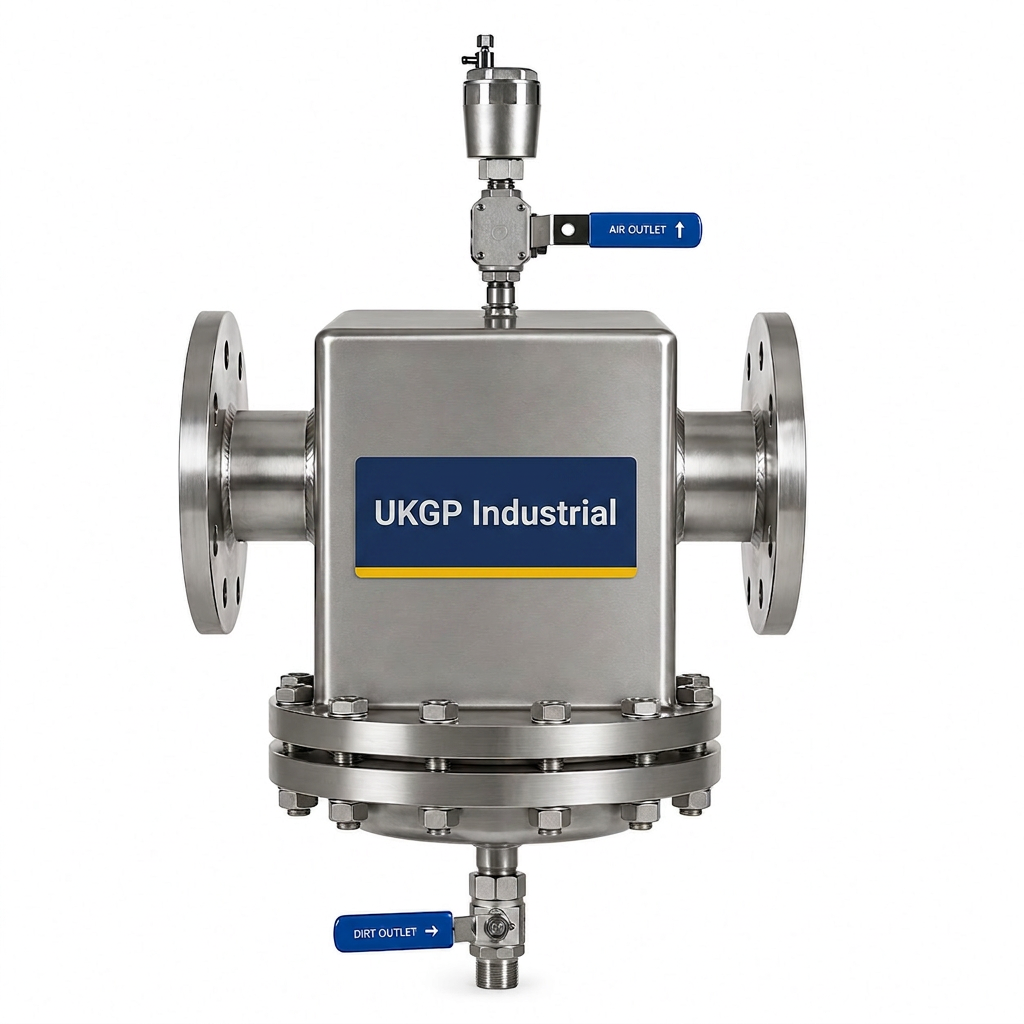
Air and dirt removal is often the silent partner in the commercial power flush BSRIA workflow. Even the most thorough flush can leave microbubbles and fine suspended solids within the medium, which can lead to air locks, noise, and erosion of internal components. BSRIA BG29 highlights the necessity of removing entrained air and the 1st stage of particulate removal during the handover. Installing a high-performance air and dirt separator at the hottest point of the heating system or the coldest point of the cooling system ensures that gas is liberated and debris is trapped before it can reach sensitive controls or narrow-channel heat exchangers.
In a commercial setting, the synergy between a manual power flush and permanent deaeration equipment cannot be understated. While the flush clears the majority of construction grime, the air and dirt separator works 24/7 to maintain the hydronic conditions established during the cleaning phase. This is vital for maintaining the thermal efficiency of the system; air in the water acts as an insulator, significantly reducing the heat transfer coefficient in terminal units like fan coils and radiators. By specifying UKGP separators, you are choosing a component that is engineered to handle the rigorous flow rates required in large-scale UK commercial buildings, ensuring BSRIA water quality targets are met.
From a commercial perspective, preventing the call-backs associated with air locks and poor circulation is a major priority for M&E contractors. Proper air and dirt management reduces the mechanical stress on pumps and helps in maintaining the laminar flow required for accurate metering and energy monitoring. Our range of separators complements the commercial power flush BSRIA process by providing a primary defence against the elements that cause hydronic instability. Whether you are dealing with a new build or a refurbishment, these units should be considered essential for any system aiming for long-term compliance with the best practice standards established by BSRIA and CIBSE.
- Continuous removal of micro-bubbles to prevent system cavitation
- Reduction in maintenance costs through decreased venting requirements
- Protection of valve seals and heat exchangers from abrasive particles
- Optimised for low-pressure drop to maintain pump efficiency
BSRIA BG29 Testing and Verification Procedures
The final step in a commercial power flush BSRIA compliant project is the verification of water quality through independent laboratory analysis. BSRIA BG29 provides specific thresholds for parameters such as iron, suspended solids, copper, and microbial activity. It is not enough to simply state the system has been flushed; contractors must provide a certification of the water quality, typically following the BS 8552 sampling protocol. This documentation is essential during the handover to the building operator, as it confirms that the system has been cleaned to a level that prevents premature fouling of the installed HVAC components and meets the warranty terms of high-end plant manufacturers.
During this verification phase, it is common to find lingering particulates that a standard flush may have missed, especially in complex pipework layouts with many branches. This is why having a side stream filtration unit already in place is so beneficial. While the power flush does the heavy lifting, the filtration skid provides the 'polishing' required to bring the suspended solids down to the lowest possible parts per million (PPM). If the initial lab results fail to meet BSRIA standards, the presence of a UKGP filtration skid allows for rapid rectification without having to re-mobilize a full-scale flushing rig, saving the contractor time and expensive labour costs at the end of a project.
We recommend that all UK consultants specify a 24-hour settling period followed by a suite of tests to ensure the chemical levels have stabilized. The commercial power flush BSRIA protocol is about precision, and having the right equipment—such as our DN50 to DN100 skids—makes achieving these precision targets much more predictable. For projects in London and the Southeast, UKGP Industrial offers the technical support and quick turnaround on equipment that helps projects reach completion on schedule. Contact our Surrey office today to discuss how our made-to-order filtration solutions, from £6,800 + VAT, can be integrated into your next BG29 compliant cleaning schedule.
- Mandatory water sampling in accordance with BS 8552 and BG29
- Laboratory verification of iron, copper, and bacterial levels
- Documentation of cleaning chemical neutralized effluent disposal
- Ongoing monitoring requirements as per BSRIA BG50 standards
Technical Specs for BSRIA Compliant Filtration
Technical specifications for side stream filtration in a commercial power flush BSRIA environment must be exacting. A unit must be able to withstand the system pressure—often up to 10 or 16 bar in tall commercial buildings—and offer a low-pressure drop to avoid disrupting the primary pump performance. Our skids are designed with high-quality isolation valves and pressure gauges as standard, allowing for easy monitoring of filter bag loading. Because we manufacture in the UK, we can customize these specifications to meet the specific requirements of a CIBSE designed system, ensuring that every component from the magnetic core to the bypass assembly is fit for purpose and durable.
Cost-efficiency doesn't mean compromising on quality. While our side stream filtration units start at £6,800 + VAT, they are constructed from industrial-grade materials that outlast cheaper, plastic alternatives. The 2-year warranty we provide is a testament to our confidence in British engineering. When you consider the cost of a single plate heat exchanger replacement or a week of system downtime due to magnetite blockage, the investment in a dedicated UKGP skid becomes a clear financial decision for any facility manager. We ensure that our units are easy to service, with no specialist tools required for bag changes, making long-term BSRIA BG50 compliance manageable for the onsite FM team.
For engineers planning a commercial power flush BSRIA clean, lead times are often a critical factor. Our 6-8 week lead time for made-to-order skids allows for precision planning during the early stages of a project. By engaging with UKGP Industrial early, you can ensure that the filtration equipment is onsite and installed before the cleaning chemicals are even introduced. This proactive approach is the hallmark of professional M&E delivery and ensures that the transition from a 'construction site' to a 'managed building' is seamless, with water quality that exceeds the minimum standards required by the most demanding of UK building regulations.
- System pressures up to 16 bar with bespoke options available
- High-grade 304/316 stainless steel housing for maximum durability
- Easy-access swing-bolt lid designs for rapid maintenance
- Compatible with all BSRIA approved chemical cleaning agents
Frequently asked questions
What is the primary difference between BG29 and BG50?
- BSRIA BG29 focuses on the pre-commissioning cleaning of new pipework systems to remove construction debris, while BG50 deals with the ongoing water treatment and maintenance of closed-loop systems to prevent corrosion and scale throughout their life.
Why is a commercial power flush required for warranty compliance?
- Most boiler and heat exchanger manufacturers in the UK specify that system water must meet BSRIA BG29 or VDI 2035 standards. Failure to provide a flushing certificate can void the warranty if the equipment fails due to particulate damage or sludge.
How much does a commercial side stream filtration skid cost?
- At UKGP Industrial, our bespoke side stream filtration skids start from £6,800 + VAT. They are made to order in our Surrey facility with a lead time of 6-8 weeks and carry a 2-year warranty.
Can side stream filtration replace a full power flush?
- No, a side stream skid is designed to complement a power flush. The initial clean removes the bulk construction debris as per BG29, while the skid provides ongoing 'polishing' and protection as per BG50 standards.
What sizes are available for UKGP filtration skids?
- We offer standard skid sizes from DN50 to DN100, though we can manufacture bespoke solutions for larger industrial or high-rise commercial applications upon request.