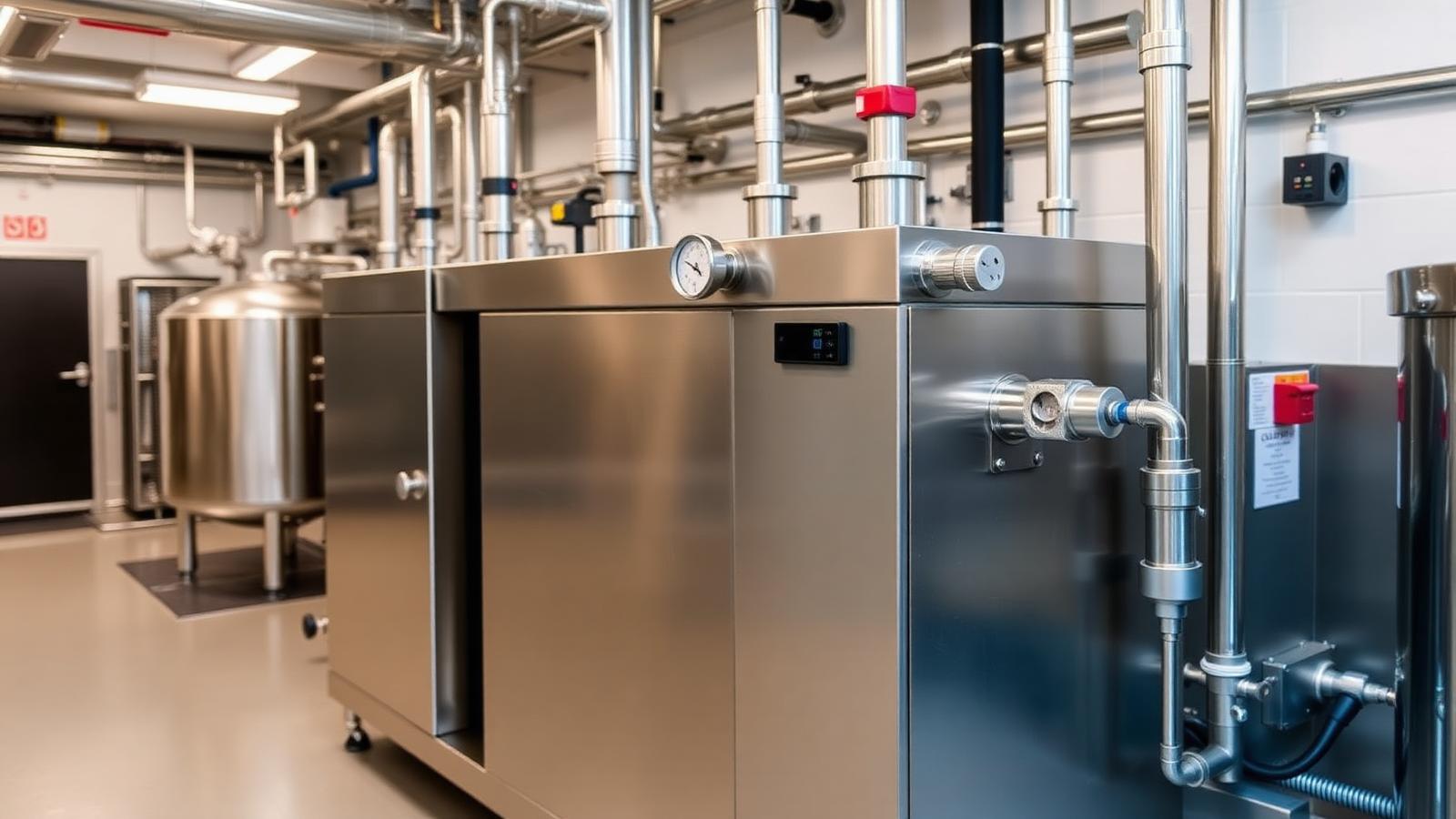
The Value of a Commercial Water Treatment Contract for Facilities Managers
A robust commercial water treatment contract is no longer a luxury for UK facilities managers but a critical operational safeguard for high-value plant assets. By formalising your water chemistry management, you shift from a reactive 'repair and replace' mentality to a proactive maintenance strategy that aligns with CIBSE and BSRIA standards. These contracts typically encompass regular site visits, chemical analysis, and real-time monitoring of system health to ensure that corrosion inhibitors and biocides are maintained at optimum levels. Without this structured approach, systems often drift out of specification within months, leading to oxygen ingress or microbiological growth that can irreversibly damage heat exchangers and circulators. UKGP Industrial supports these service agreements by providing the heavy-duty filtration and dosing hardware required to keep parameters stable.
From a commercial perspective, an annual agreement provides budget certainty and mitigates the risk of catastrophic system downtime. When you commit to a commercial water treatment contract, you are essentially purchasing an insurance policy against the accumulation of sludge and debris. Our expertise at UKGP Industrial shows that poorly managed systems can lose up to 15% efficiency in just two years due to internal scaling and fouling. By implementing a scheduled testing regime, building operators can identify issues such as fluctuating pH levels or high conductivity before they translate into expensive call-out fees. This foresight is vital for managing large-scale assets in Surrey and London, where the mineral content of water can vary significantly between local authorities.
Furthermore, a professional contract ensures that your site remains compliant with the strict legal and safety requirements set out in the Health and Safety at Work Act. Comprehensive record-keeping is a cornerstone of any reputable water treatment partnership, providing a clear audit trail of water quality checks and remedial actions. This documentation is indispensable during insurance renewals or when proving compliance with BS 8552 protocols for sampling. At UKGP Industrial, we understand that procurement leads require transparency in pricing and technical delivery. By integrating high-quality UK-manufactured equipment, such as our dosing pots or filtration skids, into your maintenance plan, you create a resilient system that can withstand the rigours of modern commercial heating demands while ensuring the longevity of every downstream component.
- Consistent adherence to BSRIA BG50 and BG29 regulatory frameworks.
- Detailed chemical analysis and performance reporting for all closed loops.
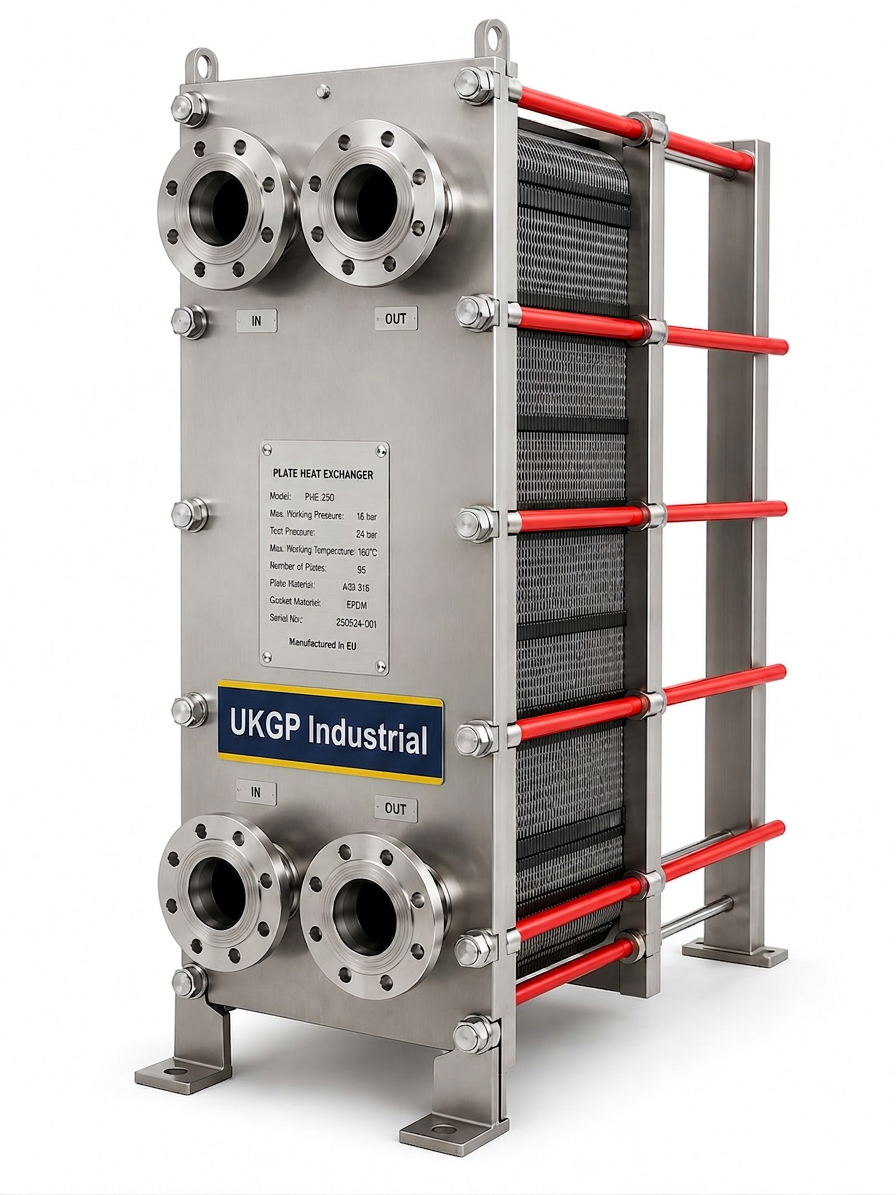
- Reduction in life-cycle costs for boilers and plate heat exchangers.
- Improved heat transfer efficiency leading to lower carbon footprints.
Ensuring BSRIA BG50 Compliance through Active Monitoring
The BSRIA BG50 'Water Treatment for Closed Heating and Cooling Systems' guide provides the benchmark for system hygiene in the UK. Any commercial water treatment contract worth its salt should be structured specifically around these recommendations. This involves more than just adding chemicals; it requires a deep understanding of the system's metallurgy and the specific risks posed by anaerobic bacteria like SRB (Sulphate Reducing Bacteria). A professional service provider will conduct regular sampling to monitor the levels of molybdate, nitrate, or organic inhibitors, ensuring that the protective film inside your pipework remains intact. This is particularly crucial for systems transitioning between seasons, where temperature fluctuations can trigger rapid biological growth if not managed under a strict seasonal commissioning regime.
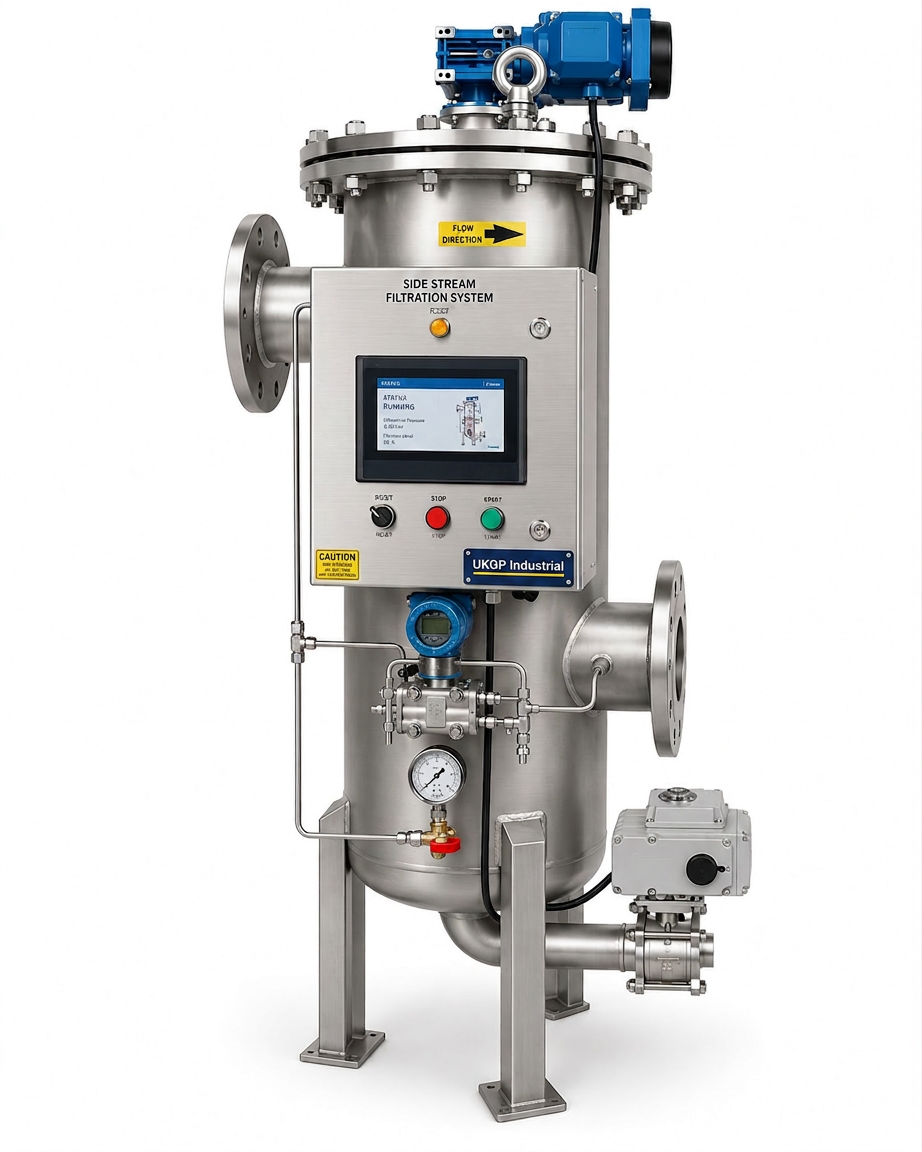
Adhering to BG50 also necessitates the presence of physical filtration to manage suspended solids that chemicals alone cannot eliminate. This is where the synergy between chemical treatment and mechanical hardware becomes apparent. Even the best commercial water treatment contract cannot prevent erosion if the system is circulating magnetite or welding scale. By integrating a dedicated side stream filtration unit, you provide a mechanism to catch fine particles down to 5 microns, which otherwise settle in low-flow areas or foul delicate control valves. For consultants designing these systems, specifying a UKGP Industrial filtration skid alongside a service contract is the most effective way to guarantee the long-term performance of the domestic heating or chilled water circuit.
Ultimately, the goal of BG50 compliance is to maintain the system in a state that prevents both galvanic and pitting corrosion. This requires a balanced approach where the water chemistry is monitored every quarter at a minimum. When a contract includes regular reporting, facilities teams can see trends in iron levels and turbidity, allowing for pre-emptive adjustments. If you are currently operating without a formal agreement, it is highly recommended to seek a quote for a comprehensive service package. At UKGP Industrial, we provide the essential equipment—from expansion bellows to separators—that works in tandem with these chemical programmes to ensure your infrastructure remains within the tight tolerances required by modern condensing boilers and heat pump technology.
- Sampling intervals aligned with BS 8552 recommendations for UK buildings.
- Microbiological testing to prevent Pseudomonads and SRB colonization.
- Verification of corrosion inhibitor concentrations to protect mixed-metal systems.
- Comprehensive site logs for insurance and health and safety auditing.
The Role of Side Stream Filtration in Modern Water Management
In modern commercial heating systems, the use of high-efficiency boilers with narrow waterways has made the presence of suspended solids more dangerous than ever. A commercial water treatment contract will often mandate the use of side stream filtration to ensure the liquid remain crystal clear. Without active filtration, the chemicals introduced via a dosing pot are forced to fight an uphill battle against existing sludge, reducing their efficacy and increasing the total volume of chemicals required. By installing a dedicated side stream filtration skid, you remove the physical contaminants that provide a breeding ground for bacteria, thereby making the chemical regime more cost-effective and transparent over the long term for the building owner.
For UK-based projects, UKGP Industrial offers a premium range of side stream filtration skids specifically designed for the commercial market. These units are made to order with a standard lead time of 6 to 8 weeks and are available in sizes ranging from DN50 to DN100 to suit various system volumes. Starting from £6,800 + VAT and backed by a comprehensive 2-year warranty, our skids are the preferred choice for M&E contractors who need reliable, UK-manufactured equipment. These units facilitate easy maintenance as the filter bags or cartridges can be changed without disrupting the main system flow. This makes them an essential component of any ongoing commercial water treatment contract, providing the mechanical support necessary to meet the stringent water quality targets specified in BSRIA BG50.
Integrating a UKGP side stream filtration skid into your plant room design significantly reduces the burden on your water treatment provider. When suspended solids are mechanically removed, the chemical demand stabilizes, leading to lower monthly costs within your commercial water treatment contract. Our skids are engineered for durability and ease of use, ensuring that site engineers can quickly assess the pressure drop across the filter to determine when servicing is required. Whether you are refurbishing an existing Surrey school heating system or commissioning a new London office block, procuring a high-performance filtration unit from UKGP Industrial provides the peace of mind that your HVAC assets are protected by the best equipment available in the domestic market.
- Removes suspended solids down to 5 or 10 microns to protect narrow waterways.
- Made to order in the UK with a reliable 6-8 week lead time for all sizes.
- Competitive pricing from £6,800 + VAT for DN50 to DN100 specifications.
- Includes a 2-year manufacturer warranty for long-term peace of mind.
Integrating Chemical Dosing and Air Separation for Peak Efficiency
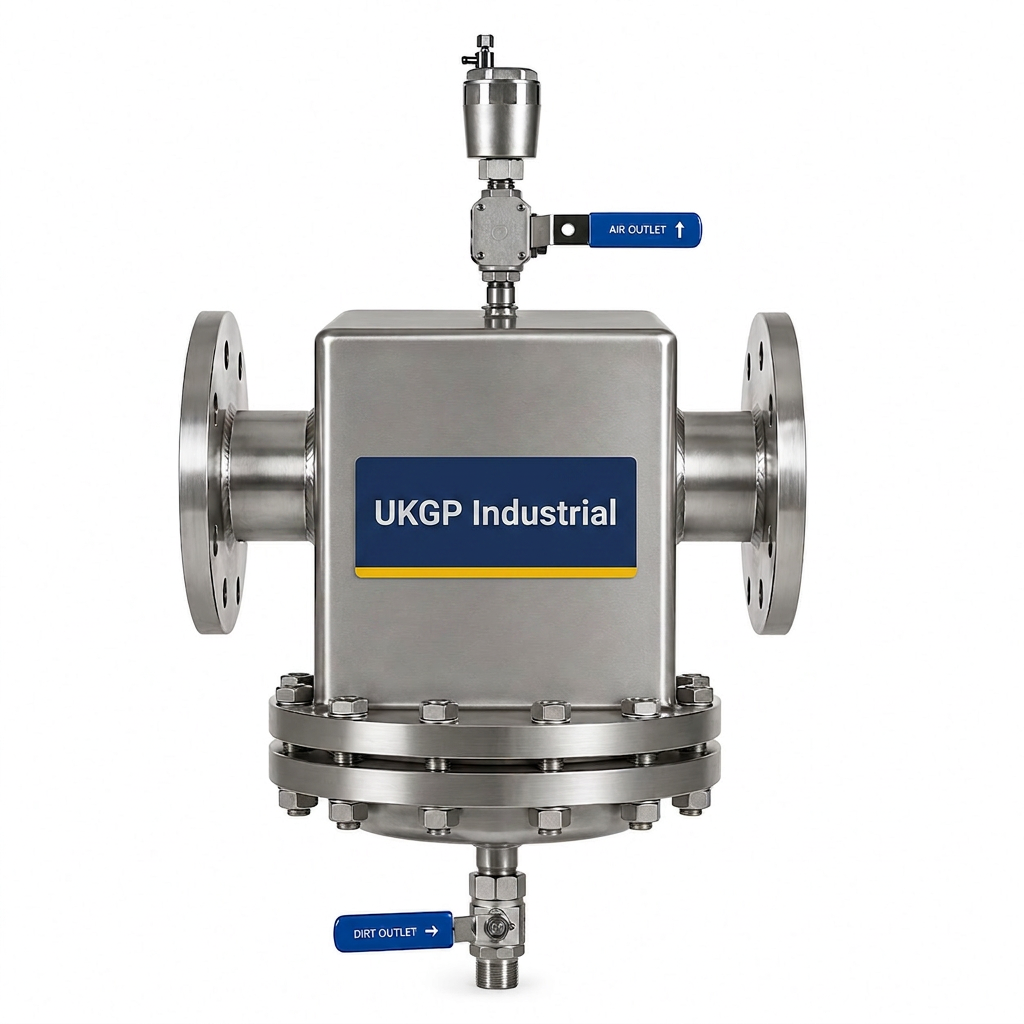
While a commercial water treatment contract focuses on the chemical composition of the water, the physical state of the fluid is equally important. Air and dirt separators are vital for removing micro-bubbles and fine debris that cause localized hot spots and noise. These components work hand-in-hand with your chemical program to ensure that oxygen levels—the primary driver of corrosion—are kept to an absolute minimum. A system full of air will rapidly deplete its corrosion inhibitors, causing the water treatment provider to need more frequent intervention. By specifying high-quality air and dirt separators from UKGP Industrial alongside your dosing pots, you create a holistic environment where chemicals can perform their intended function without interference from gases or particulates.
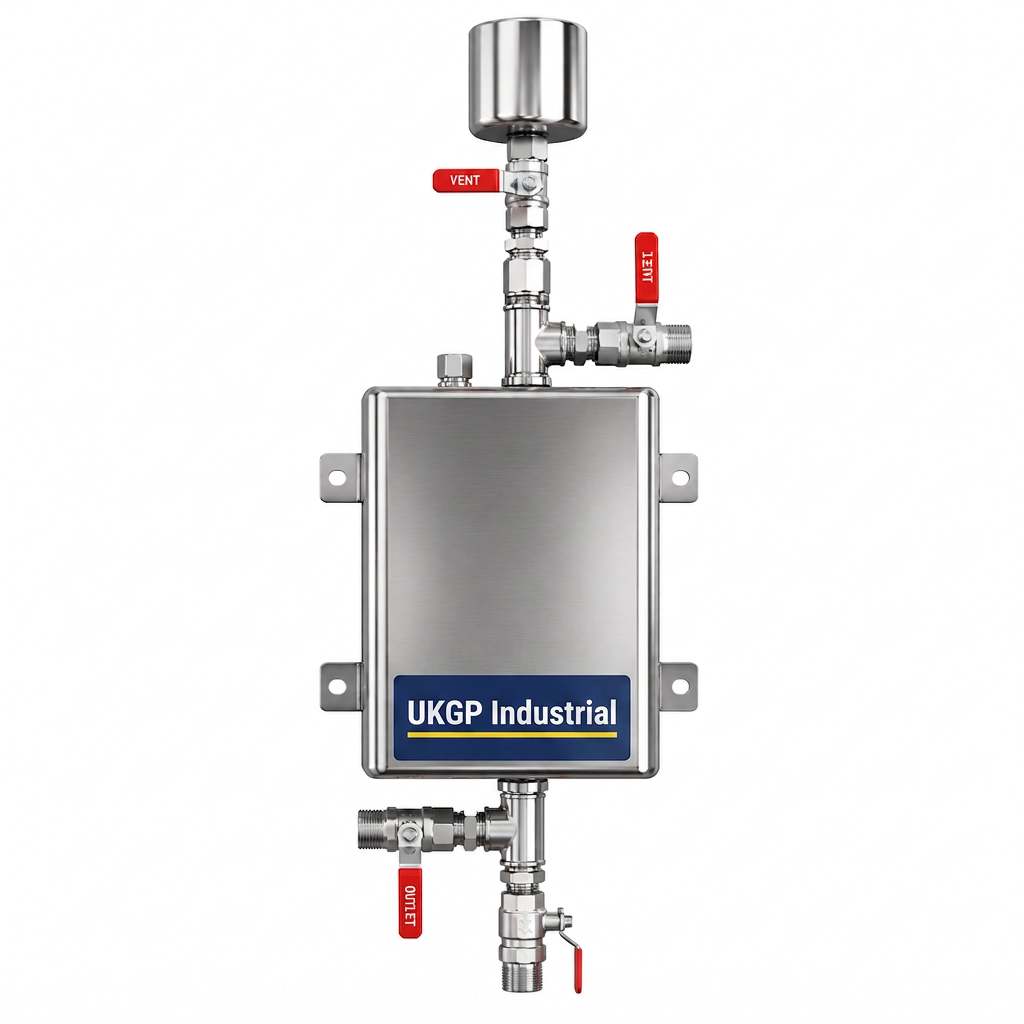
Dosing pots are another essential fixture that any service engineer will check during a contract visit. These vessels allow for the safe and controlled introduction of liquid treatment chemicals into the system without needing to drain or depressurize the pipework. Our UK-manufactured dosing pots are built to withstand the pressures of commercial circuits and provide a simple, reliable point of entry for the inhibitors mandated by your commercial water treatment contract. For procurement leads, investing in robust, stainless steel or high-grade carbon steel ancillary equipment ensures that the 'access points' for system maintenance do not become the weak links in the infrastructure. We frequently advise clients to replace aged or leaking dosing vessels during the initial stages of a new service agreement to ensure system integrity.
The synergy between mechanical separation and chemical treatment is what defines an award-winning plant room. When air is removed through high-efficiency separators, and contaminants are captured by the side stream filter, the chemical environment becomes predictable. This stability is the primary goal of any commercial water treatment contract, as it prevents the wild fluctuations in pH or bacterial counts that lead to pipework degradation. UKGP Industrial's range of plant room accessories is designed to simplify these maintenance tasks, ensuring that your contractor can focus on optimizing the water chemistry rather than fixing preventable mechanical leaks or blockages. Contact our Surrey office today for a quote on the specific hardware needed to support your building's water quality goals.
- Air and dirt separators reduce oxygen levels to prevent inhibitor depletion.
- Dosing pots allow for safe chemical introduction during system operation.
- Robust UK manufacturing ensures all components handle high-pressure environments.
- Compatible with all major UK chemical inhibitor brands and biocides.
Budgeting for Proactive Water Treatment and Filtration Hardware
Procurement professionals must look beyond the initial cost of a commercial water treatment contract and consider the total cost of ownership (TCO) for the HVAC system. While the annual fee for chemical analysis and site visits is a visible expense, the hidden costs of ignoring water quality—such as a 10% increase in fuel bills or the premature failure of a £50,000 boiler—are significantly higher. A well-negotiated contract should provide clear deliverables, including the frequency of visits and the specific parameters being tested. It is also important to budget for the physical components that sustain water quality. For instance, a UKGP side stream filtration skid at approximately £6,800 + VAT represents a one-off capital investment that can extend the life of the entire heating network by decades.
Lead times are a critical factor in UK construction and refurbishment projects. At UKGP Industrial, we understand the pressure to meet project deadlines, which is why we maintain a transparent 6-8 week lead time for our made-to-order filtration and dosing solutions. Integrating these costs into your initial CAPEX allows you to set the foundation for a cheaper and more effective OPEX-based commercial water treatment contract. When a contractor arrives on-site and finds high-quality UKGP equipment already installed, their job becomes more efficient, often leading to lower service fees because the system is easier to maintain and monitor. This proactive investment demonstrates a commitment to building longevity that is highly valued by property owners and investors.
In summary, the most successful UK plant rooms are those where the hardware and the service contract work in unison. By choosing UKGP Industrial for your side stream filtration, expansion bellows, and dosing pots, you are sourcing components designed to meet the exact requirements of CIBSE and BSRIA standards. We encourage all facilities managers and M&E contractors to review their current water management strategy and assess whether their hardware is up to the task. A high-performing commercial water treatment contract is only as good as the system it manages; ensuring you have the right filtration and dosing infrastructure in place is the first step toward achieving long-term operational excellence and energy savings.
- Initial CAPEX on filtration saves thousands in long-term chemical and energy costs.
- Transparent UK pricing: Side stream filtration from £6,800 + VAT.
- Predictable 6-8 week lead times for custom-built plant room equipment.
- Ensures your service contractor has the right tools for effective system management.
Legal and Insurance Implications of HVAC Water Management
Modern commercial property insurance policies in the UK frequently include clauses related to the maintenance of building services. Failure to produce evidence of a commercial water treatment contract and regular BG50 compliance checks can lead to the rejection of claims following a major leak or system failure. If a pipe bursts due to internal corrosion that was known (or should have been known) via water testing, the liability falls squarely on the building operator. Therefore, maintaining a rigorous water treatment logbook isn't just about engineering best practice; it is a vital part of corporate risk management. Every sample result and chemical top-up should be recorded to provide an indisputable history of the system's condition.
Beyond insurance, there are environmental considerations that impact your commercial water treatment contract. The UK government's drive toward Net Zero means that building efficiency is under constant scrutiny. Foul water systems require more pump power to circulate and more energy to heat, directly contradicting energy performance certificates (EPC) and sustainability goals. By maintaining optimal water chemistry and utilizing UKGP Industrial filtration skids, you ensure that your heating system operates at its peak designed efficiency. This reduced energy consumption not only lowers bills but also aligns with the ESG (Environmental, Social, and Governance) targets of modern UK businesses, making the property more attractive to high-tier tenants.
Finally, the health and safety of building occupants must be considered. While closed-loop heating water is not potable, leaks can introduce chemical contaminants or legionella-carrying aerosols into the building environment under specific failure conditions. A professional commercial water treatment contract includes the necessary biocidal treatments to ensure that the water remains sterile and safe. At UKGP Industrial, we support these safety goals by providing robust, leak-resistant equipment like our chemical dosing pots and expansion bellows, which are pressure-tested to ensure they can handle the stresses of a commercial plant room. Combining high-quality hardware with a diligent service contract is the only way to truly mitigate the legal and operational risks associated with water-based HVAC systems.
- Protects against insurance claim rejections by proving proactive maintenance.
- Supports ESG goals by maintaining peak system energy efficiency.
- Reduces the risk of environmental contamination from HVAC system leaks.
- Provides a valid audit trail for all chemical interventions and system samples.
Frequently asked questions
What is the typical cost of a commercial water treatment contract in the UK?
- Costs vary depending on system volume and complexity, but a standard annual contract for a medium-sized commercial building typically starts from £1,500 to £3,000 per year, covering quarterly testing and reporting. This does not include the capital cost of hardware like side stream filtration skids.
How often should heating water be sampled under BSRIA BG50?
- BSRIA BG50 generally recommends quarterly sampling for most closed-loop systems, though more frequent testing may be required during the first year of a system's life or following major remedial works.
Does a water treatment contract include the cost of chemicals?
- This depends on the specific agreement. Some 'all-inclusive' contracts include standard inhibitors and biocides, while others charge for chemicals on a 'per-use' basis. It is important to clarify this during the procurement phase.
Why is side stream filtration required if I already have a commercial water treatment contract?
- Chemicals can prevent new corrosion, but they cannot remove existing debris or 'black sludge' (magnetite). Side stream filtration is essential for the mechanical removal of these particles to ensure the chemicals can work effectively.
What is the lead time for UKGP Industrial filtration and dosing equipment?
- Our side stream filtration skids (DN50-DN100) and dosing pots are made to order in the UK with a standard lead time of 6 to 8 weeks, ensuring you receive high-quality, project-specific equipment.