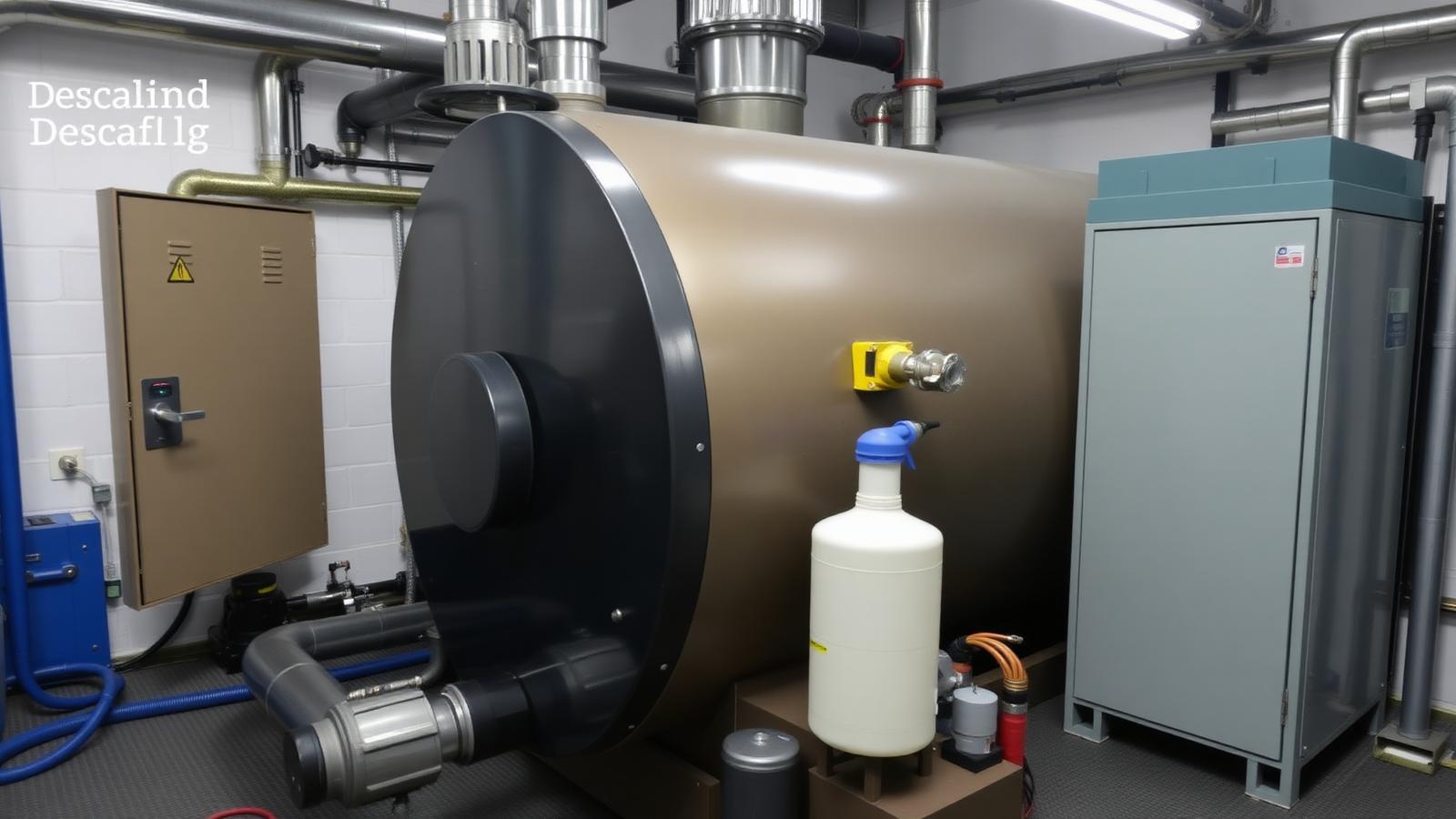
Breaking Down the Average Commercial Boiler Descaling Cost in the UK
When assessing the commercial boiler descaling cost, building services consultants typically find that one-off professional chemical cleans range from £1,500 to over £5,000 depending on the plant room capacity and the severity of the scale build-up. These costs cover the specialized acidic flushing agents, labor, and the safe disposal of chemical waste in accordance with UK environmental regulations. However, the true fiscal impact is often hidden in the 'invisible' costs of system inefficiency, where even a 1mm layer of limescale can decrease boiler efficiency by up to 7%, leading to significantly higher seasonal energy bills for the end-user. For large-scale sites, this efficiency drop translates to thousands of pounds in wasted fuel every single year.
M&E contractors must also consider the cost of downtime during the descaling process, as many systems require a complete shutdown to facilitate the chemical circulation. In mission-critical environments like hospitals or data centers, this operational pause is often unacceptable, necessitating expensive out-of-hours labor or temporary boiler hire. By referencing BSRIA BG50 guidelines, engineers can demonstrate that proactive water treatment is a more cost-effective route than reactive descaling. The financial case for investing in permanent system protection equipment, such as a UKGP dosing pot or a dedicated side stream filtration unit, becomes undeniable when compared to the compounding costs of frequent emergency descaling interventions and premature heat exchanger failures.
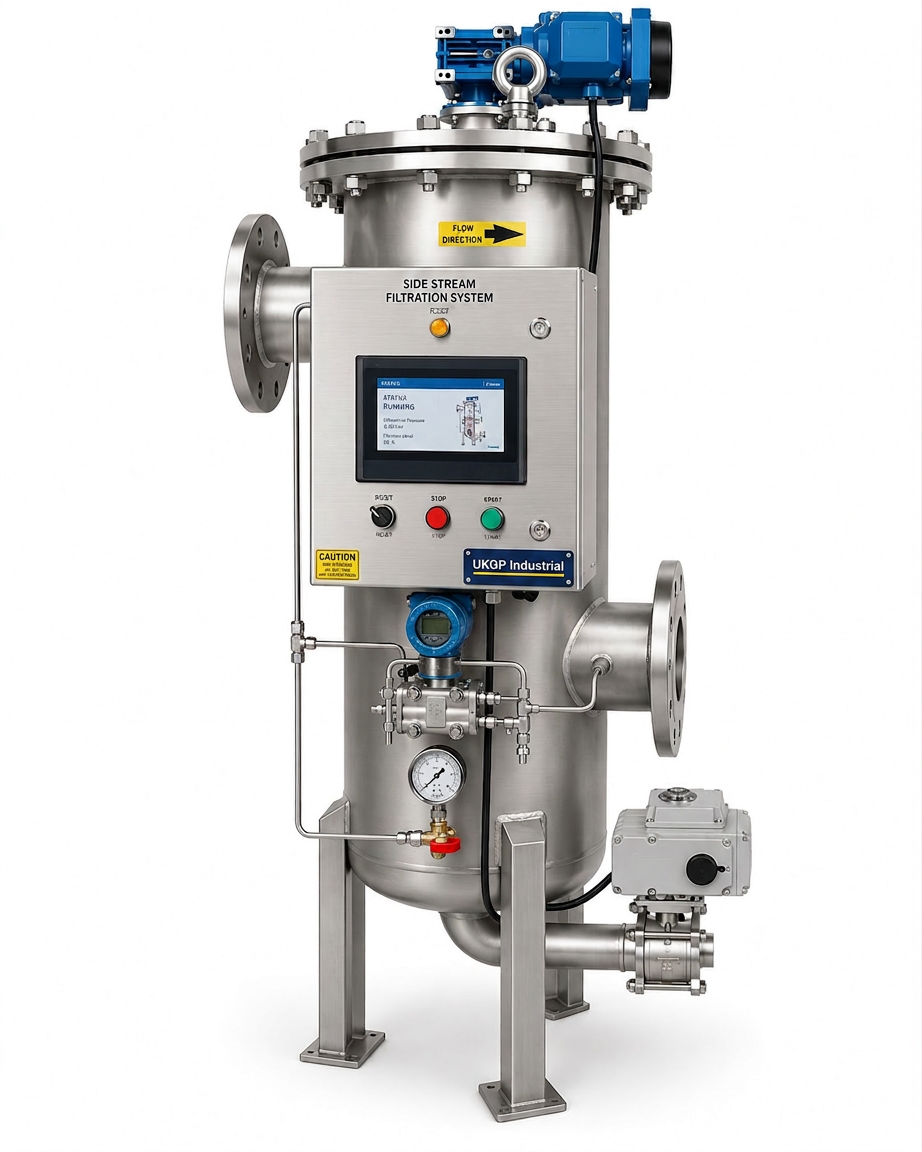
Procurement leads should be aware that commercial boiler descaling cost profiles vary by region, but the equipment required to prevent the need for such services is remarkably consistent in price. Investing in a British-made side stream filtration skid from UKGP, starting from £6,800+VAT, provides a long-term solution that eliminates the periodic need for expensive contractor-led descaling. With a standard 2-year warranty and a modest 6-8 week lead time for made-to-order units, these skids allow facility managers to stabilize their maintenance budgets. Moving from a reactive descaling model to a continuous filtration model protects the primary heating circuit, ensuring that the initial capital expenditure pays for itself through reduced service call-outs and extended asset life for the boilers.
- Internal labor and specialist contractor fees.
- Chemical formulation and neutralisation costs.
- Efficiency losses prior to the cleaning intervention.
- Potential component damage from aggressive acid flushing.
- System downtime and operational disruption risks.
The Impact of BSRIA BG50 on System Water Quality Maintenance
The BSRIA BG50 'Water Treatment for Closed Heating and Cooling Systems' guide provides the industry-standard framework for avoiding the build-up of scale and corrosion that drives up the commercial boiler descaling cost. For UK plant room engineers, adhering to these guidelines is not just a matter of best practice; it is a critical strategy for maintaining the manufacturer's warranty on high-efficiency condensing boilers and plate heat exchangers. BG50 emphasizes the importance of continuous monitoring and the physical removal of contaminants, moving away from the outdated reliance on chemical dosing alone. This shift is crucial because chemical inhibitors cannot effectively protect a system if it is already choked with magnetite or calcium carbonate deposits.
By integrating BSRIA BG50 recommendations into the facility management plan, contractors can ensure that water chemistry remains within safe parameters (TDS, pH, and hardness). High levels of total dissolved solids (TDS) are a primary precursor to scale formation in hard water areas like the South East and London. When these solids are allowed to precipitate on the hottest surfaces of the boiler's heat exchanger, they create an insulating barrier that forces the boiler to work harder. This thermal stress eventually leads to localized overheating and metal fatigue. Professional descaling aims to reverse this, but the process itself involves abrasive chemicals that can slightly thin the metalwork, meaning every descaling cycle potentially shortens the overall lifespan of the boiler equipment.
Ultimately, following BG50 leads to a more sustainable and predictable maintenance spend. Instead of facing an erratic commercial boiler descaling cost every few years, engineers can implement a controlled sampling regime as per BS 8552. This data-driven approach allows for the timely adjustment of chemical levels via UKGP dosing pots, preventing scale from ever forming. Proactive managers will find that the capital cost of a UKGP air and dirt separator or a dosing pot is a fraction of the cost of a full system failure. By maintaining high water quality, the system pressure remains stable and the circulation pumps operate within their designed efficiency curves, further reducing electricity consumption across the entire HVAC network.
- Continuous monitoring of pH and conductivity levels.
- Physical filtration requirements to remove suspended solids.
- Regular sampling schedules as outlined in BS 8552.
- Prevention of oxygen ingress to reduce corrosion rates.
- Documentation of water treatment logs for warranty compliance.
How Side Stream Filtration Reduces Long-Term Descaling Needs
Side stream filtration is perhaps the most effective mechanical intervention for controlling the commercial boiler descaling cost over the life of a building. Unlike a standard inline filter, a side stream filtration skid continuously diverts a portion of the system flow (typically 5-15%) through a high-efficiency filter housing. This process captures magnetite, scale particles, and other debris down to sub-micron levels. For UKGP customers, our skids are designed to handle flow rates for DN50 to DN100 pipework, ensuring that even large commercial circuits are kept clean. By removing the particulate matter that acts as a catalyst for further scale formation, these units keep the heat transfer surfaces pristine and the system water clear.
When scale begins to flake off from old pipework, it often migrates and settles in areas of low flow or on the internal plates of heat exchangers. This creates 'cold spots' and promotes under-deposit corrosion. Installing a UKGP side stream filtration skid, made to order with a 6-8 week lead time, provides a dedicated point of removal for these harmful solids. With prices starting from £6,800+VAT, the ROI is quickly realized when you consider that a single major boiler repair or a full secondary circuit flush can easily exceed this amount. These skids are built to UK standards and are equipped with a 2-year warranty, giving plant room engineers confidence in their durability and filtration performance in demanding environments.
Furthermore, our side stream skids can be customized to include magnetic inserts and bag filters of varying micron ratings, tailored to the specific needs of the local water conditions. For procurement leads, this represents a strategic investment in the building's infrastructure. By ensuring that the boiler circuit remains free of debris, you are not only lowering the commercial boiler descaling cost but also protecting the secondary side components like the plate heat exchangers. Clean system water means better modulation from the boilers and more accurate temperature control throughout the building, which directly correlates to tenant comfort and reduced carbon emissions in line with modern ESG targets for UK commercial property owners.
- Continuous removal of particles down to 5-10 microns.
- Minimised erosion of pump seals and valve seats.
- Prevention of under-deposit corrosion in stagnant areas.
- Reduced frequency of expensive chemical system flushes.
- Improved heat transfer efficiency in old and new systems.
Protecting Plate Heat Exchangers from Scaling Events
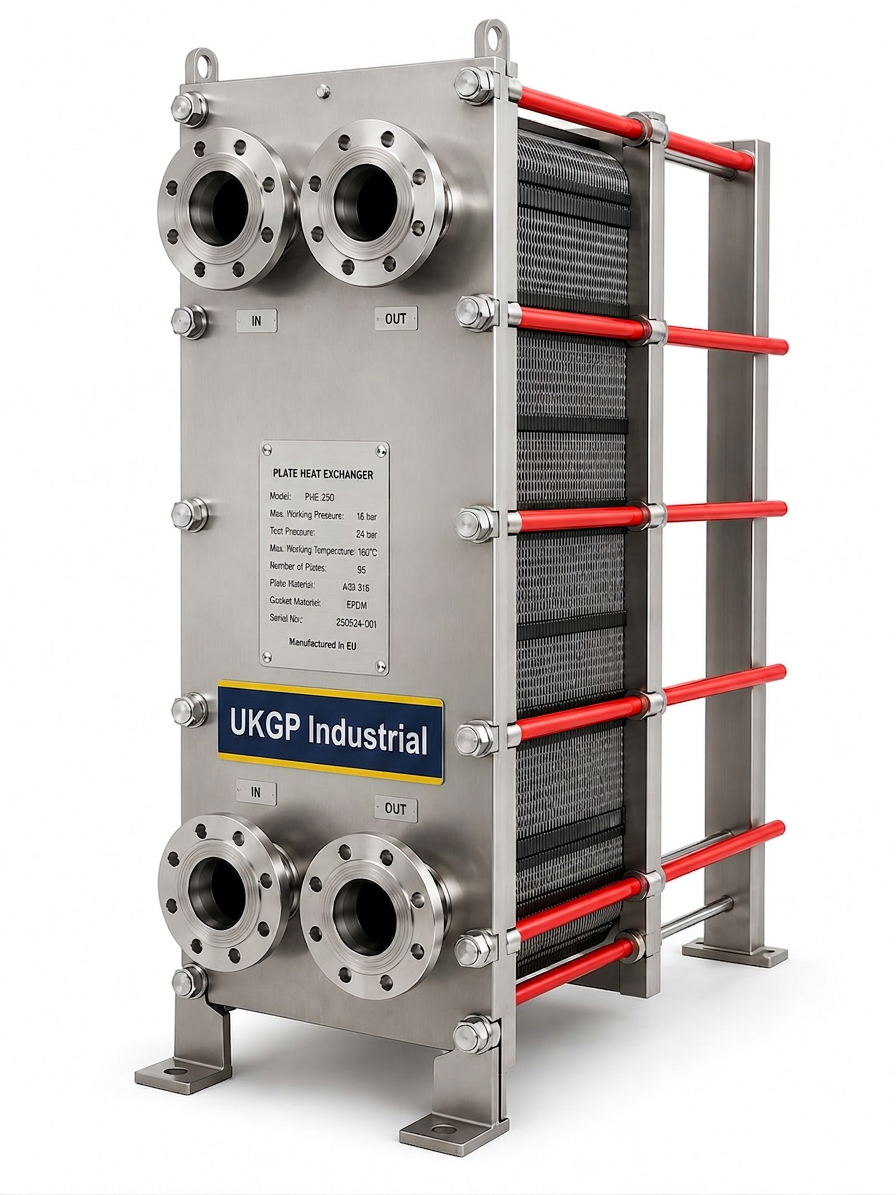
In many modern UK commercial heating systems, the boiler is hydraulically separated from the main building circuit by a plate heat exchanger (PHE). While this protects the boiler from the variable water quality of the house circuit, the PHE itself becomes the primary victim of scale. The narrow channels within a PHE are highly susceptible to clogging, which restricts flow and significantly raises the commercial boiler descaling cost if the PHE needs to be chemically cleaned or manually stripped and re-gasketed. A fouled PHE increases the return temperature to the boiler, preventing it from entering condensing mode and thus destroying the operational efficiency that the high-specification boiler was designed to provide.
Monitoring the differential pressure across the PHE is a reliable way to detect early-stage scaling. When the pressure drop exceeds the design limits, it is a clear indicator that debris or scale is obstructing the plates. At this stage, the commercial boiler descaling cost is already mounting as the pumps work harder to overcome the resistance. To prevent this, UKGP recommends the installation of air and dirt separators on both sides of the PHE. These devices remove microbubbles and heavy particles before they can settle on the plate surfaces. If you are refurbishing a plant room, a new UKGP plate heat exchanger can be integrated with these protection devices to ensure long-term reliability and peak thermal performance.
For FMs, the goal is to avoid the 'emergency' descaling scenario. By implementing a side stream filtration skid on the primary circuit and ensuring correct dosing via a UKGP chemical dosing pot, the scale is inhibited before it can reach the PHE. If the primary circuit is kept in a 'passivated' state, the heat transfer remains consistent, and the boiler plant can operate at its peak COP (Coefficient of Performance). This comprehensive approach to water treatment, involving both physical separation and chemical adjustment, is the only way to permanently keep your commercial boiler descaling cost at zero. Investing in quality UK-manufactured components from Surrey ensures that your plant room is built for longevity and remains compliant with the highest industry standards.
- Prevents clogging in tight heat exchanger channels.
- Maintains the required temperature delta for condensing.
- Avoids the high cost of manual PHE plate stripping.
- Reduces hydraulic resistance and associated pumping power.
- Ensures consistent hot water delivery for tenants.
ROI Analysis: Filtration vs. Reactive Descaling
To justify the budget for water treatment equipment, a clear ROI analysis is necessary. The commercial boiler descaling cost for a mid-sized office building in the UK can easily surpass £3,000 every two years, not including the 10-15% increase in energy consumption as the scale grows. Over a ten-year period, a building might spend £15,000 on descaling and upwards of £40,000 in excess energy costs. In contrast, a high-quality UKGP side stream filtration skid, costing approximately £6,800+VAT, eliminates the bulk of these recurring charges. When you factor in the 6-8 week lead time for a custom-made unit and the 2-year warranty, the payback period is often less than 24 months for most commercial circuits.
Beyond the direct financial savings, the risk mitigation factor is huge. Unexpected boiler failure due to scale-induced heat exchanger cracking can lead to emergency replacement costs in the tens of thousands. These events often happen during peak winter load, where the lack of heating can lead to business closure or legal claims from tenants. By controlling the commercial boiler descaling cost through preventative hardware, you are effectively buying insurance for your plant room. UKGP’s equipment, including DN50 to DN100 skids, is engineered for the rigors of the UK market, ensuring that M&E contractors can deliver a 'fit and forget' solution that satisfies the most demanding project requirements.
Strategic procurement involves looking at the Total Cost of Ownership (TCO). While the initial capital for a side stream filtration unit may seem higher than a simple chemical flush, the TCO is significantly lower. Chemical flushes are temporary fixes that do not remove the underlying cause of the problem. A UKGP skid addresses the root cause by mechanically removing the solids that form scale. Request a quote from our Surrey team to see how our made-to-order filtration solutions can be integrated into your next project. Our engineers can provide technical support to ensure the skid is sized correctly for your flow rate, ensuring maximum protection for your boilers and heat exchangers.
- Payback period typically under 2 years for large systems.
- Significant reduction in annual gas and electricity bills.
- Elimination of emergency 'cold-site' call-out fees.
- Extended life expectancy for boilers and PHEs.
- Lower carbon footprint through optimized heat transfer.
Technical Best Practices for UK Plant Rooms
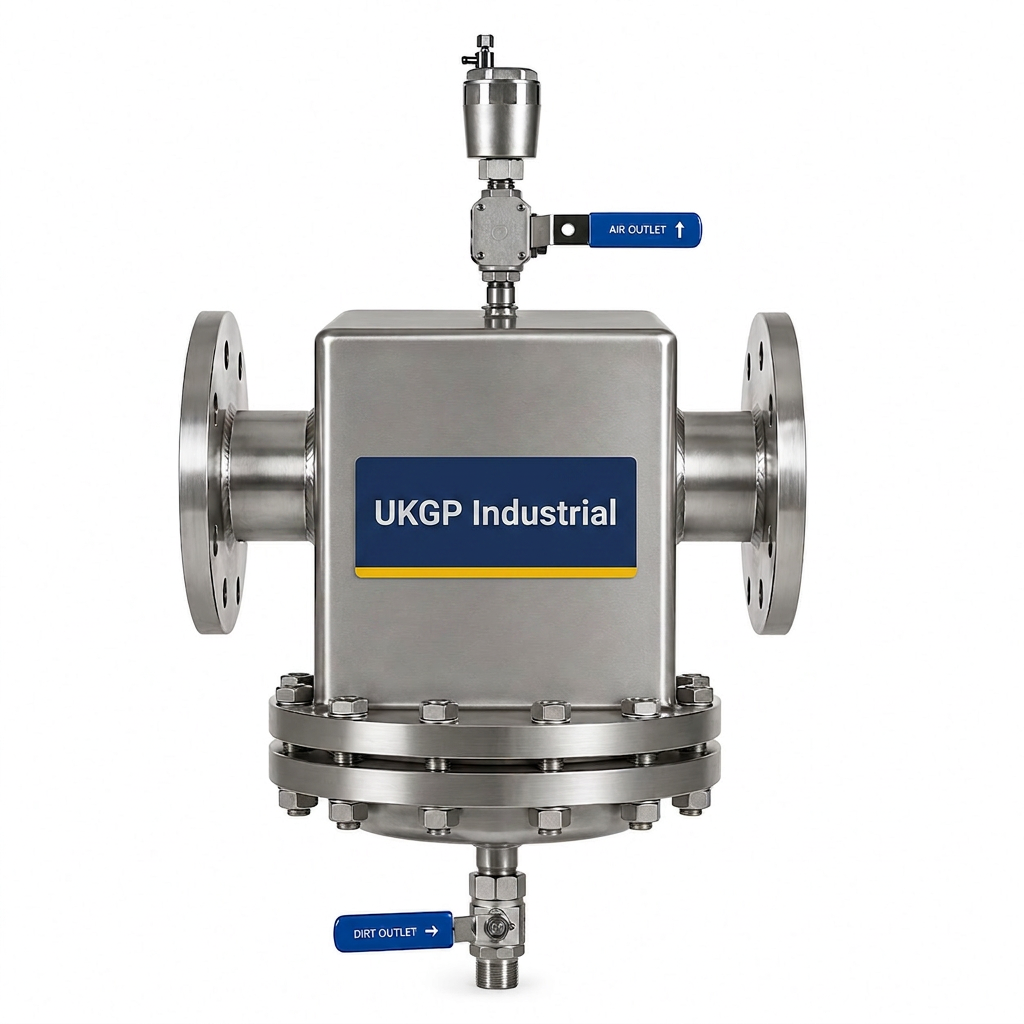
To truly minimize the commercial boiler descaling cost, one must look at the system holistically. This starts with correct air and dirt separation. Microbubbles of air in the system water promote internal corrosion of steel components, which creates magnetite. This magnetite then mixes with limescale to form a hard, thermally resistive sludge. By installing a high-efficiency air and dirt separator at the point of lowest solubility (usually the flow pipe leaving the boiler), you remove the 'glue' that holds scale together. This is a fundamental step in any BG29 or BG50 compliant water treatment strategy, ensuring that the water quality remains high from the day of commissioning.
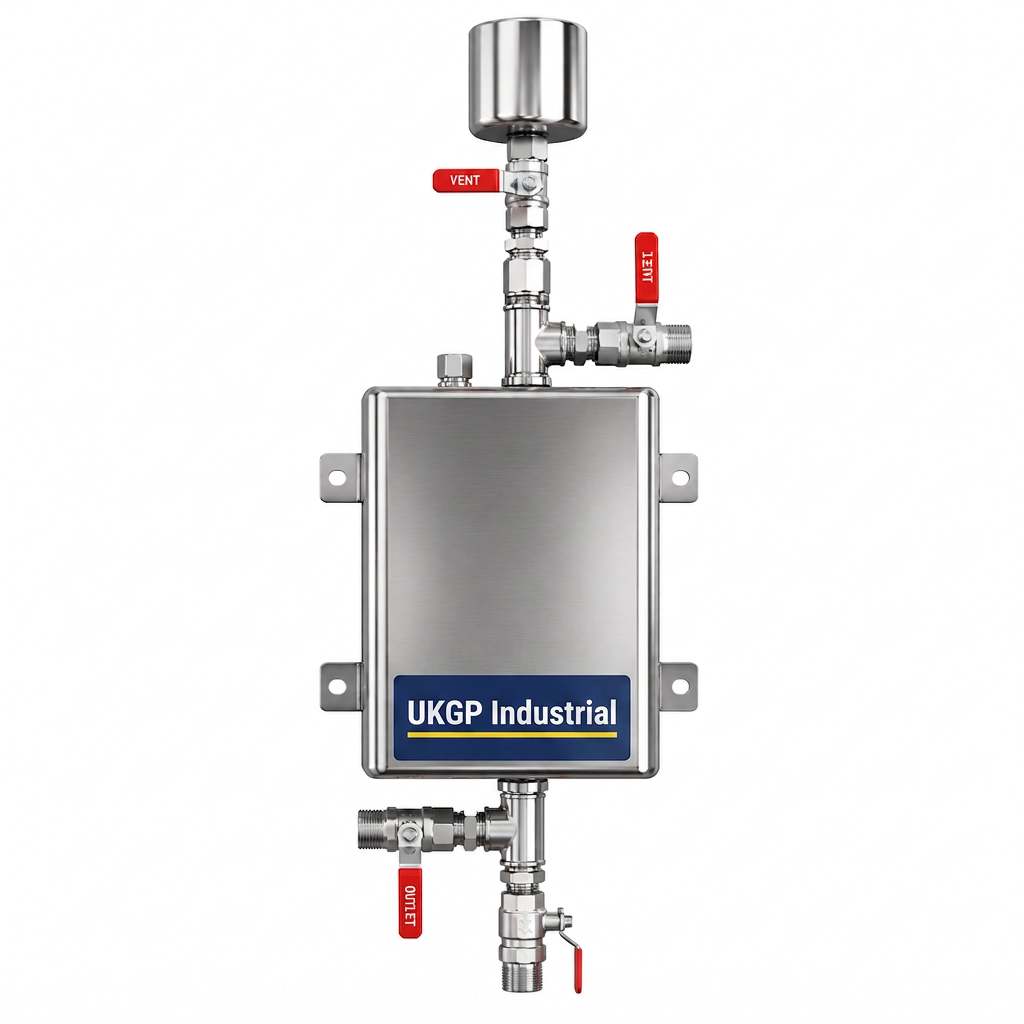
Chemical dosing pots also play a vital role. These allow for the safe and easy introduction of corrosion inhibitors and scale preventatives into the system without the need to drain down. A UKGP dosing pot is a robust, simple addition to any plant room that gives maintenance staff the tools they need to maintain water chemistry. When used in conjunction with a side stream filtration skid, the chemical usage is actually reduced, as the chemicals are not being 'used up' by reacting with suspended solids. This synergy further lowers the long-term commercial boiler descaling cost by making the chemical treatment more effective and longer-lasting, reducing the frequency of dosing top-ups.
Finally, ensure that all bellows and expansion joints are in good working order. Leaks in the system lead to constant freshwater make-up, which introduces new oxygen and minerals (calcium and magnesium) into the circuit. This fresh water is the primary source of scale build-up in closed-loop systems. By maintaining a leak-free system and using UKGP high-quality expansion bellows, you limit the amount of fresh minerals entering the system. This, combined with our filtration and dosing solutions, creates a truly closed-loop environment where the risk of scaling is virtually eliminated, and your commercial boiler descaling cost is kept to an absolute minimum.
- Install air and dirt separators on the main flow and return.
- Use dosing pots for controlled chemical application.
- Maintain system pressure to prevent fresh water ingress.
- Specify side stream filtration for all large-volume circuits.
- Follow BS 8552 for regular water quality reporting.
Frequently asked questions
What is the typical commercial boiler descaling cost for a UK site?
- The cost varies, but for a professional chemical descale of a commercial plant room, prices typically range from £1,500 to £5,000+VAT. This depends on system volume, scale severity, and the number of boilers. Investing in a UKGP side stream filtration skid from £6,800+VAT can prevent these recurring costs.
How often should a commercial boiler be descaled?
- If a system is maintained according to BSRIA BG50 guidelines with proper filtration and dosing, it should never need descaling. If water quality is poor, systems may require descaling every 3-5 years, which significantly increases the total cost of ownership.
Does scale affect boiler warranty?
- Yes, most major UK boiler manufacturers will void the warranty if the heat exchanger fails due to scale or sludge build-up. Following BSRIA BG50 and BS 8552 is essential for maintaining warranty compliance.
What is the lead time for UKGP side stream filtration skids?
- Our side stream filtration skids are made to order in our Surrey facility with a typical lead time of 6 to 8 weeks. They are built to high specifications, suitable for DN50 to DN100 connections, and come with a 2-year warranty.
Can side stream filtration remove existing scale?
- While filtration primarily prevents new scale and removes loosened particles, it works alongside chemical treatments to gradually clean up older systems. For severe scaling, a primary chemical flush may be needed before the skid can maintain the system in a clean state.